Stop feeding the slugs. Harvest (at last) what you sow.
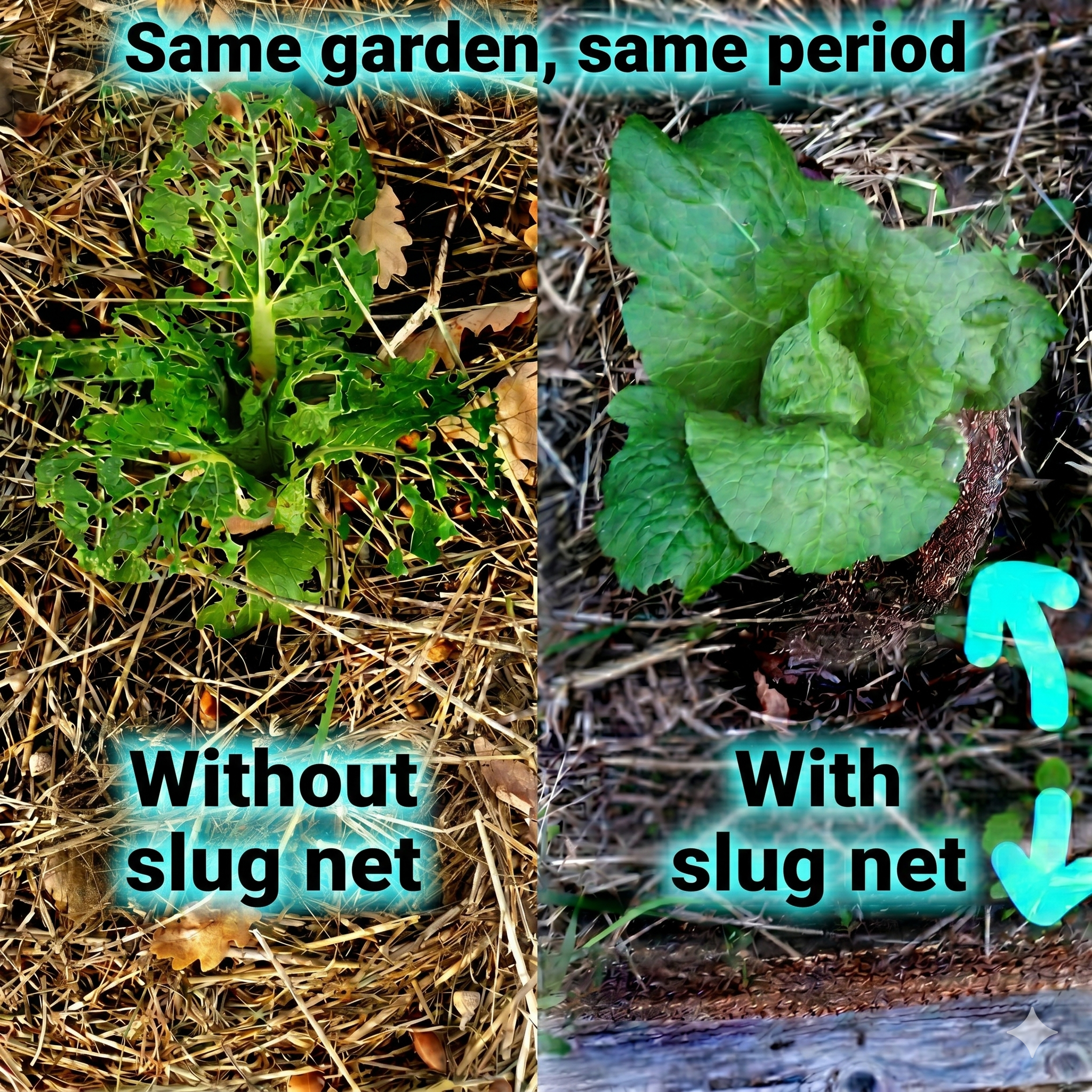
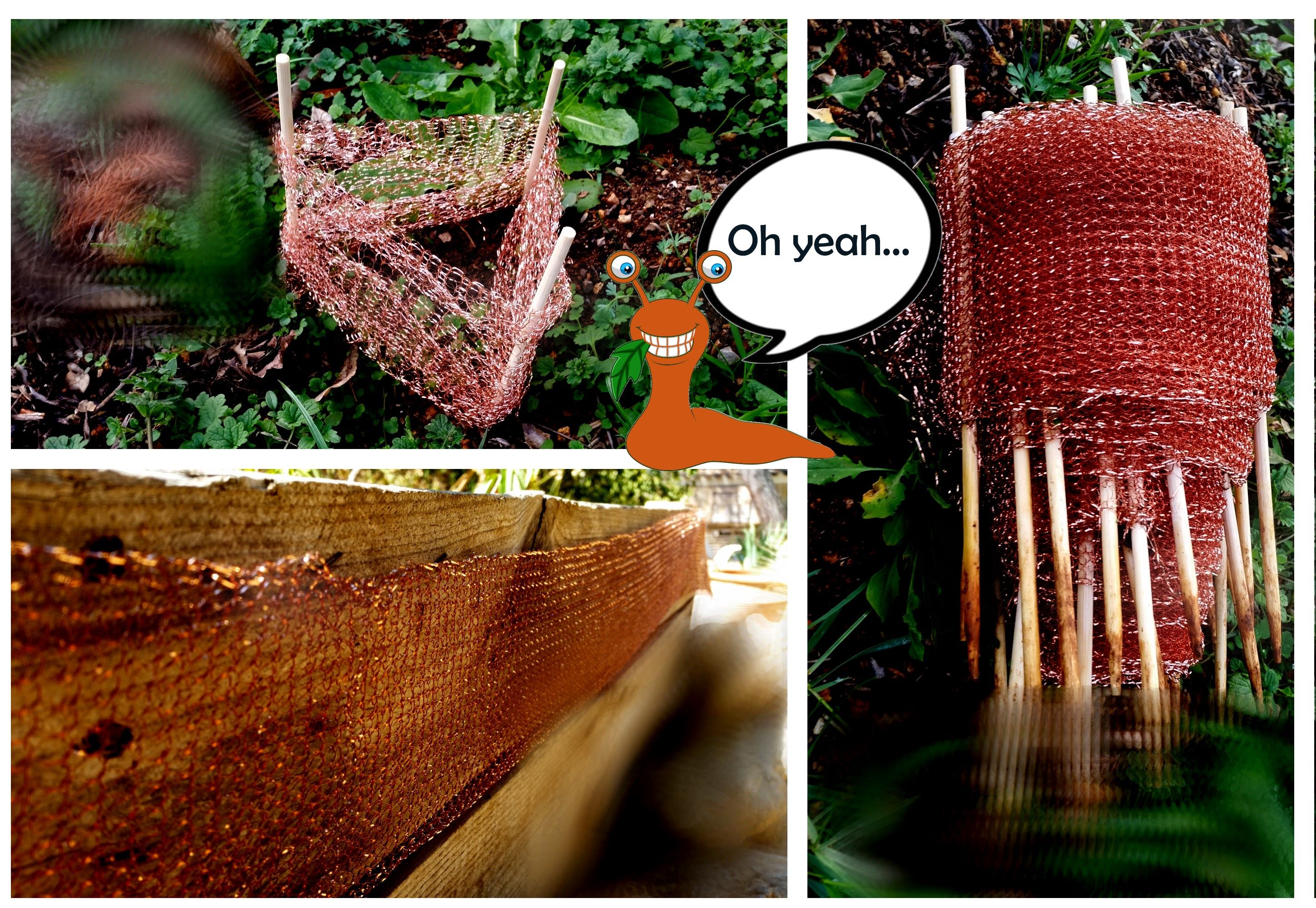
Go from this:
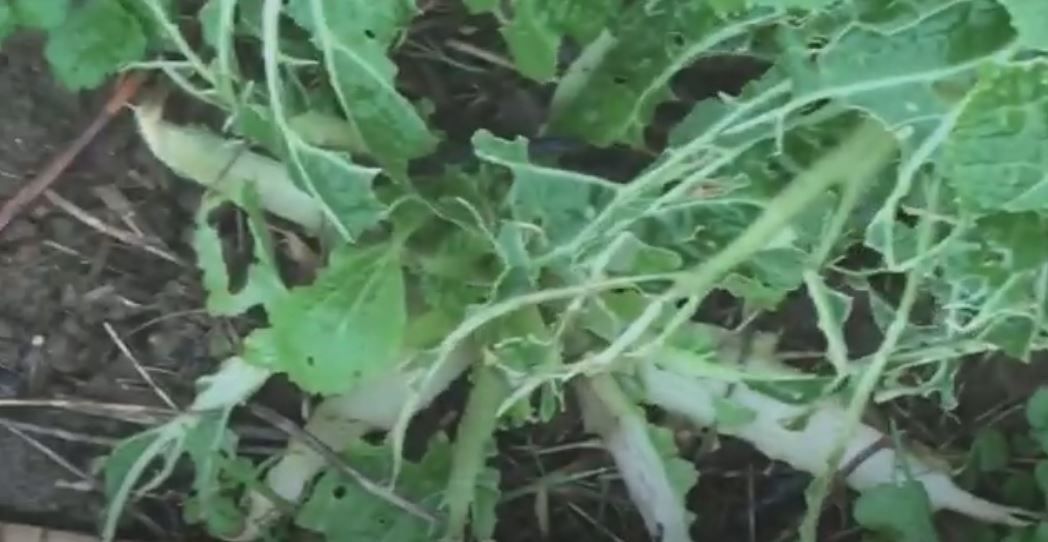
(Without the slug netting) The morning dread of finding your plants ravaged…
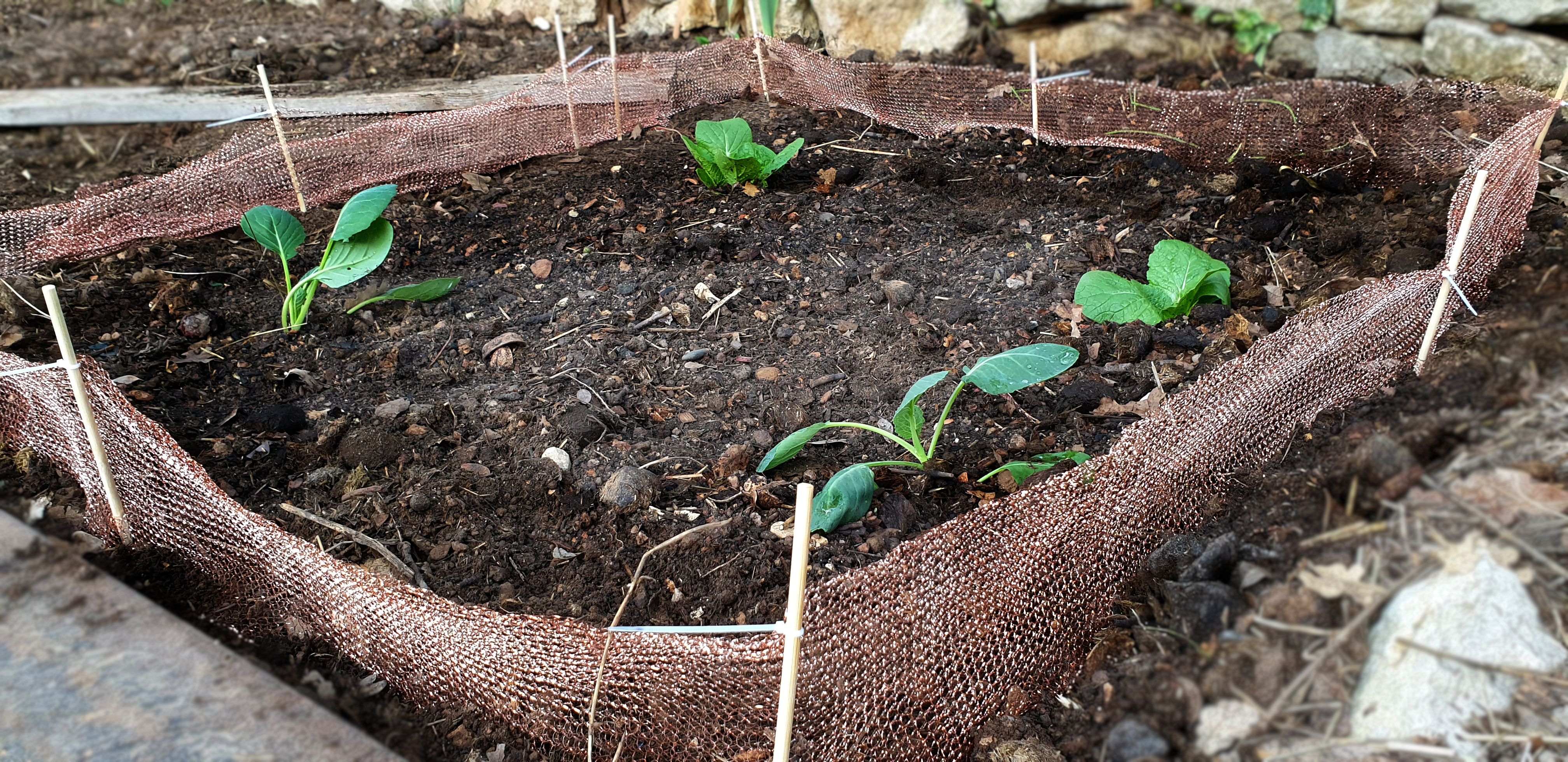
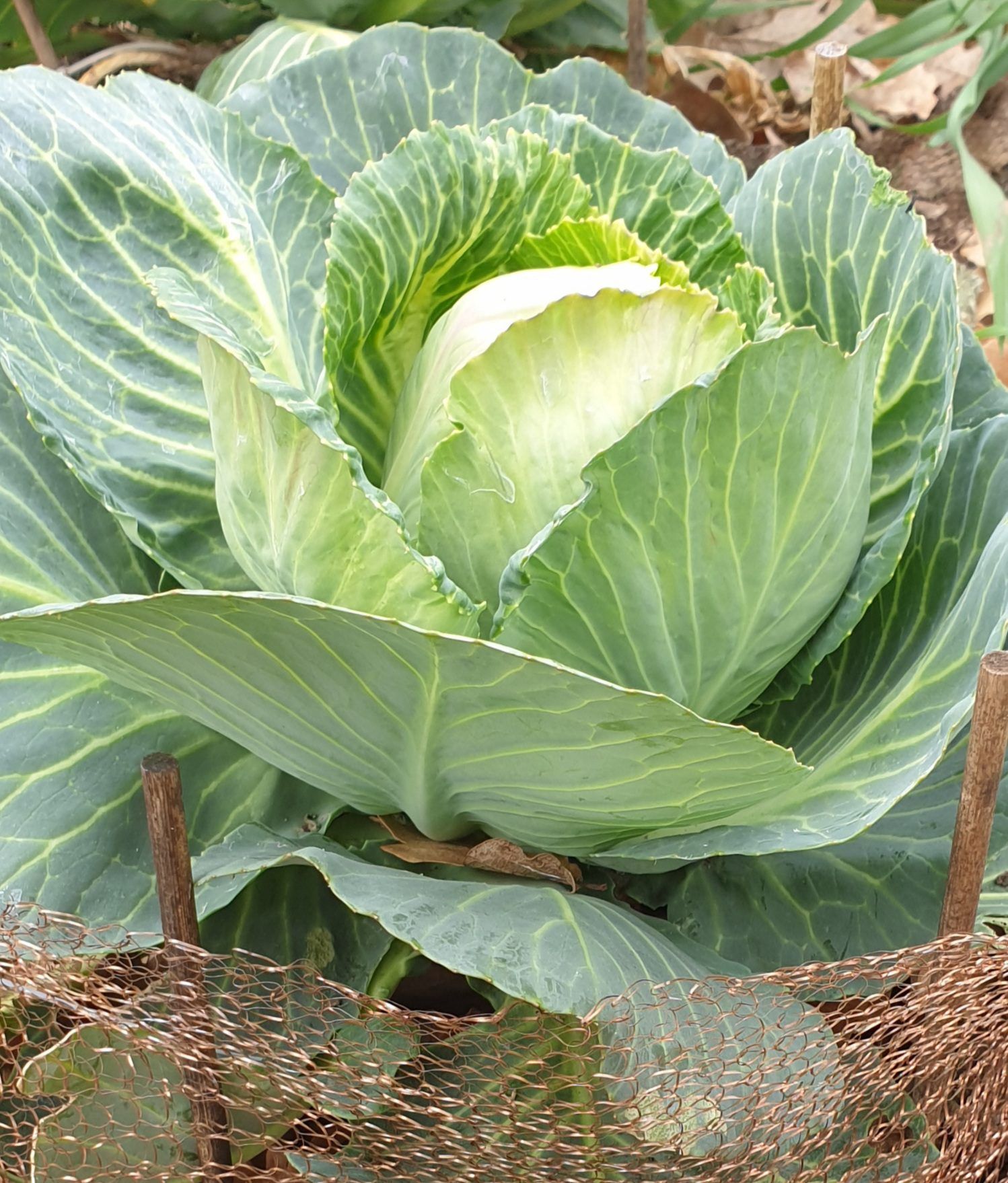
To this:
(With the slug netting) Total peace of mind. Your cabbages and lettuces grow undisturbed.
They tested it for you:
“I discovered copper mesh last year […]. The results are incredible; it’s a small outlay, but it’s a long-term investment!”
— Johanna (Facebook review)
💡 Note: the springday.fr link mentioned in this message is our original French site. That’s where it all began, and where we also share plenty of gardening tips!
So what exactly will you find in your parcel?
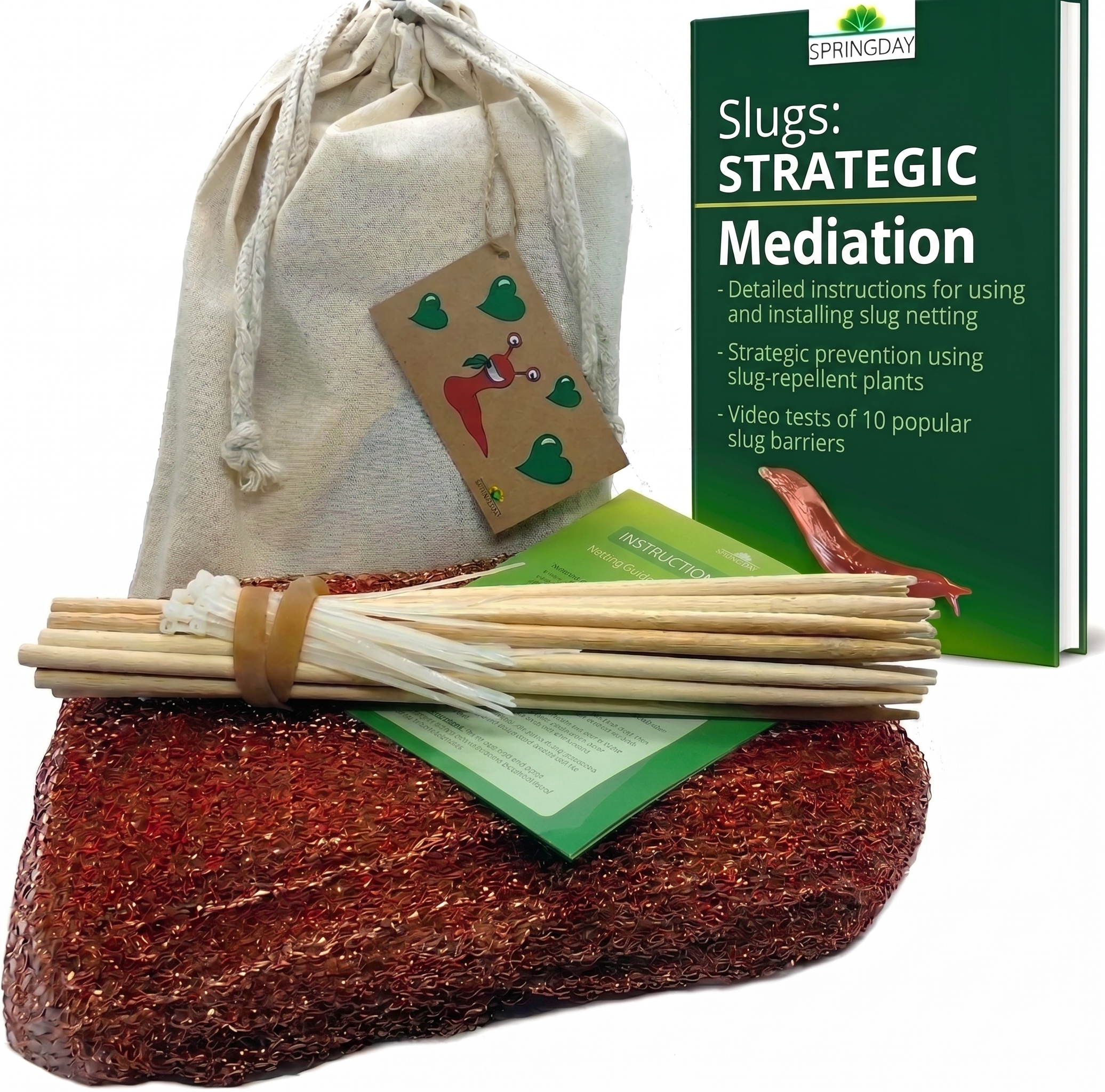
✅ Complete 10-metre kit (READY TO FIT) – French brand 🇫🇷
- 🍀
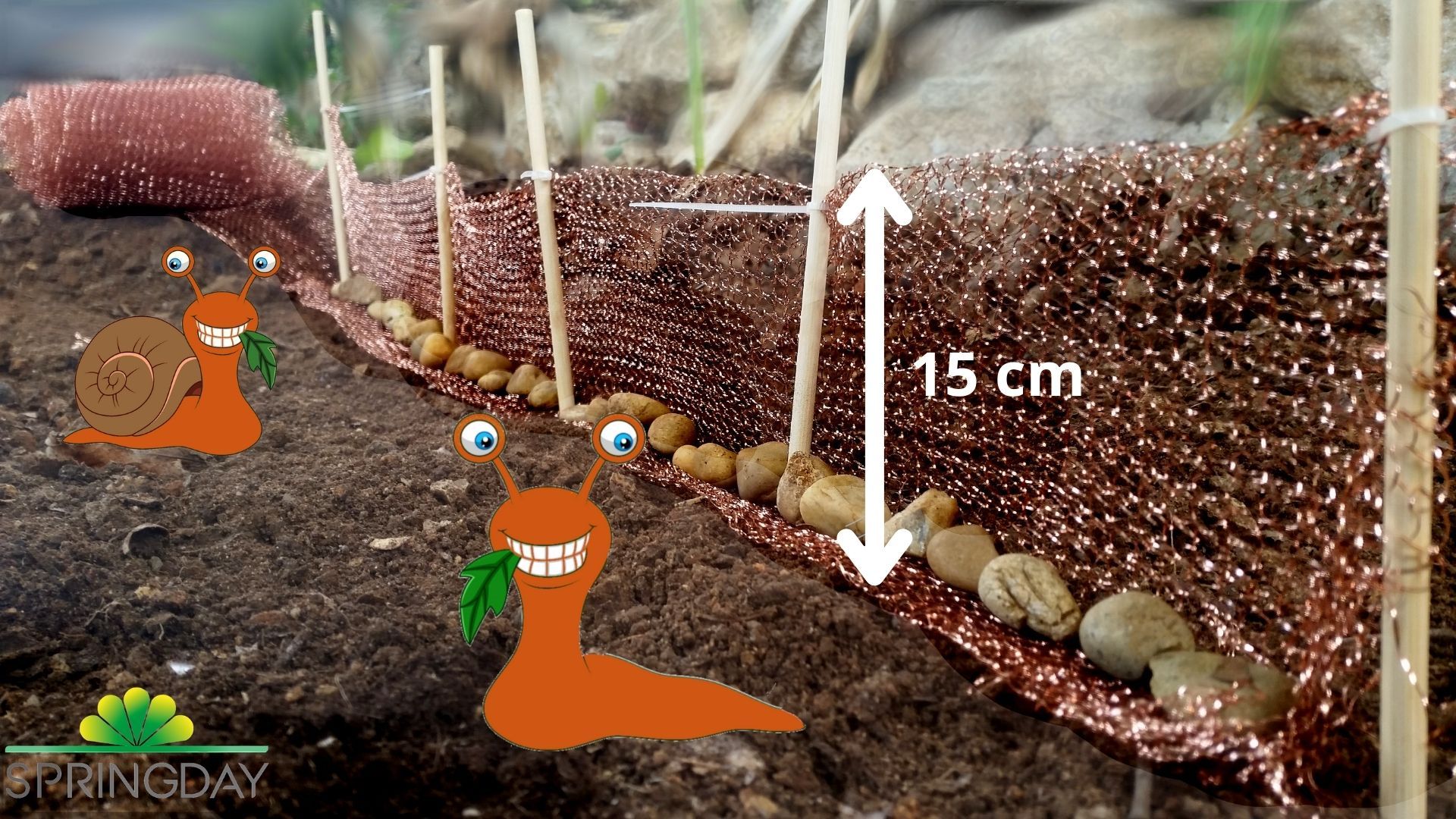
A 10-metre roll of copper mesh: pure copper, in a double mesh of twisted flat wire. 15 cm tall (up to 20 cm when stretched taut). Ideal for securing your growing beds, raised vegetable beds or greenhouses.
- 🍀
20 bamboo support stakes: 2 stakes per metre included. They’re the secret to perfect tension and a long-lasting installation.
- 🍀
20 cable ties: everything’s included to fix the mesh to the stakes straight away. A solid, stable fastening system.
- 🎁
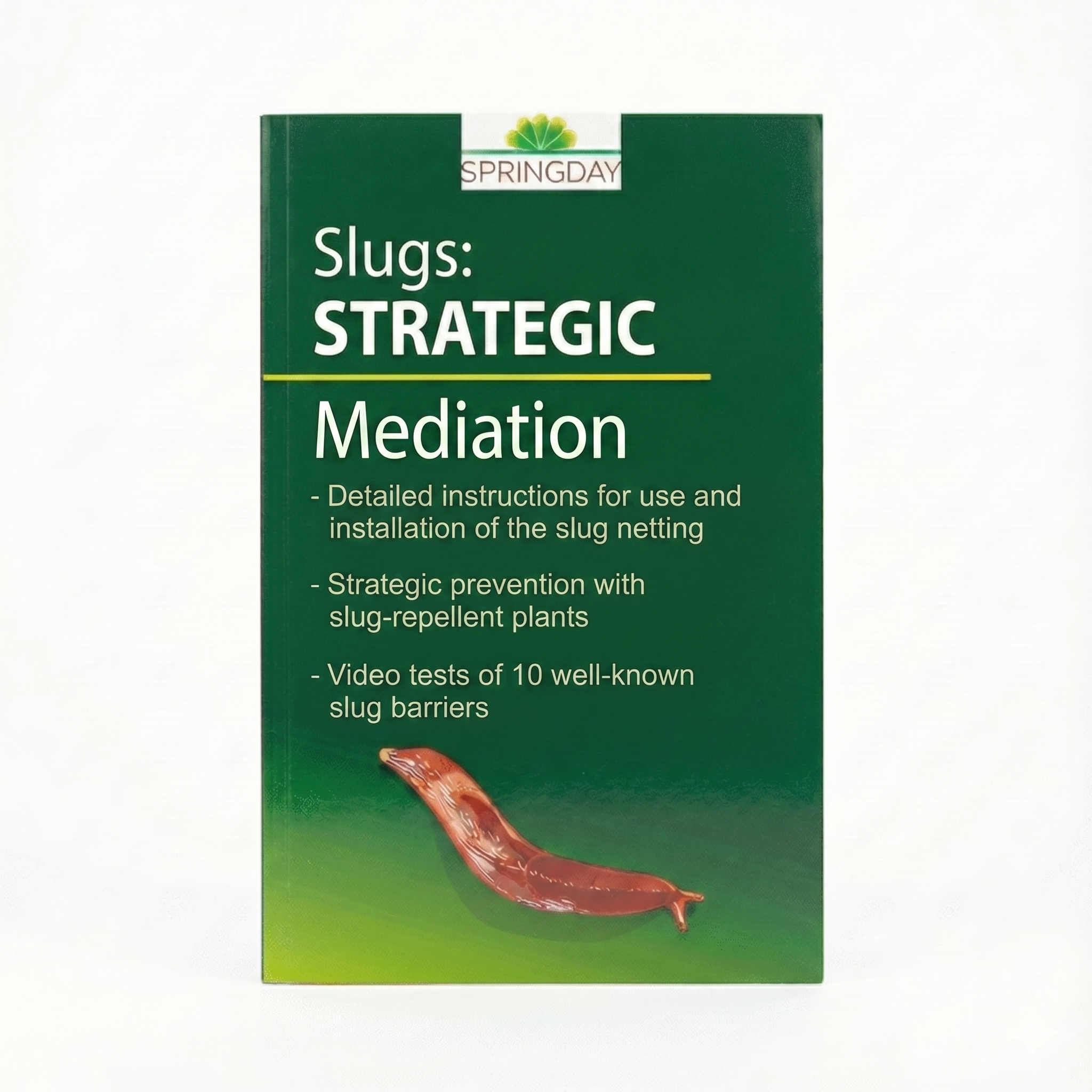
FREE BONUS: Ebook & Expert Method (40 pages). You won’t be left to fend for yourself. Get my complete digital book, where I reveal the one strategy for regulating slugs over 2–3 years.
- 🚚
Fast delivery & customer service: dispatched within 5 working days. Got a question? Write to me directly:
- 🛡️
30-day “Satisfied or your money back” guarantee: try the kit at home with no risk. Don’t fall in love with it? Send it back and I’ll refund you 100%.


The secret behind our effectiveness: the ‘Twisted Flat Wire’ Technology (2.0)
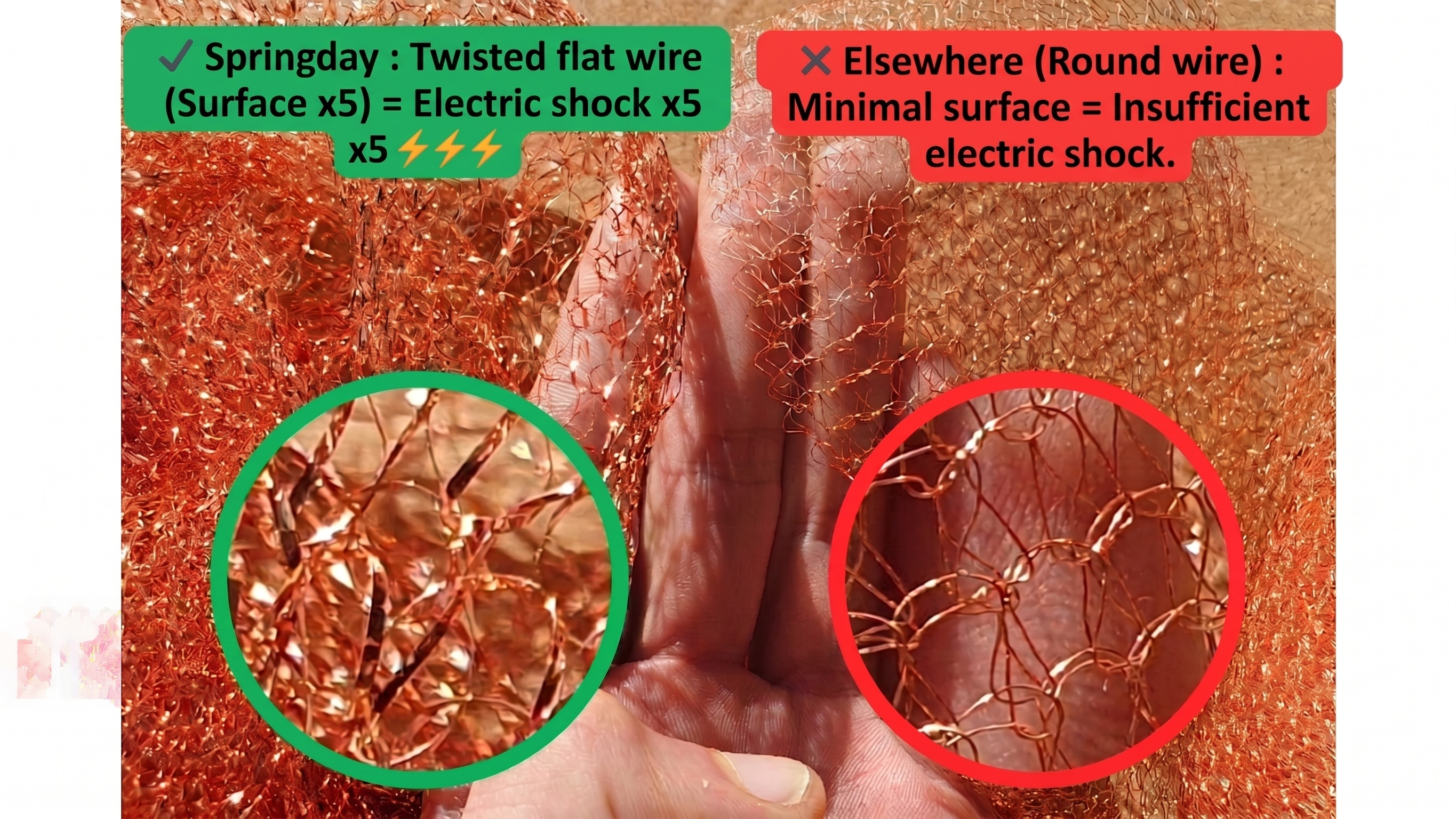
🛡️ Superior Technology
Don’t confuse this mesh with the standard round-wire copies. Our exclusive knit uses a twisted flat wire. This exposes sharp edges and, above all, multiplies the contact surface with the slug (by 3 to 5 times). The result: a tenfold electrochemical reaction forming a 15 cm rampart that hugs the ground perfectly.
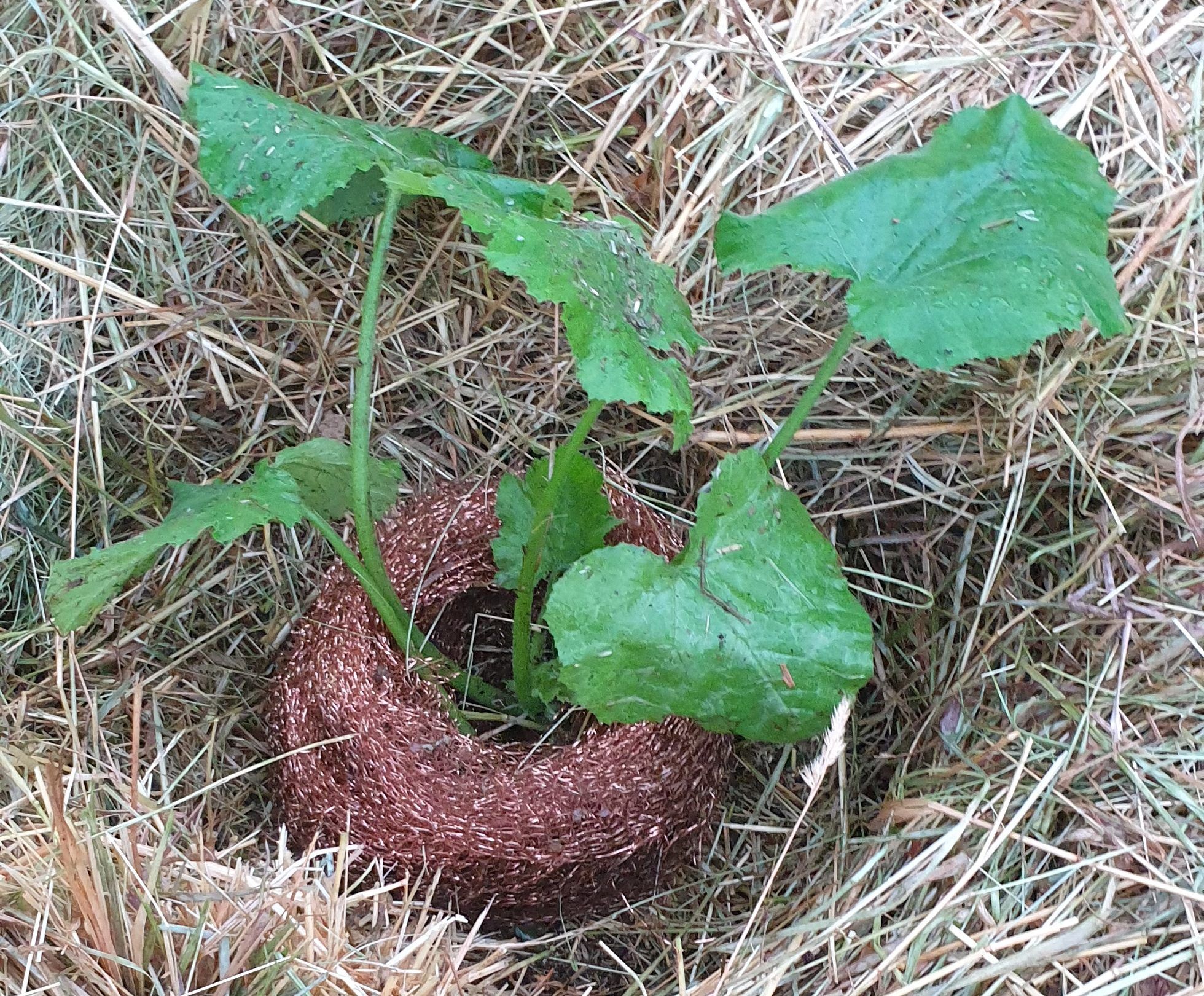
🌱 An impassable barrier:
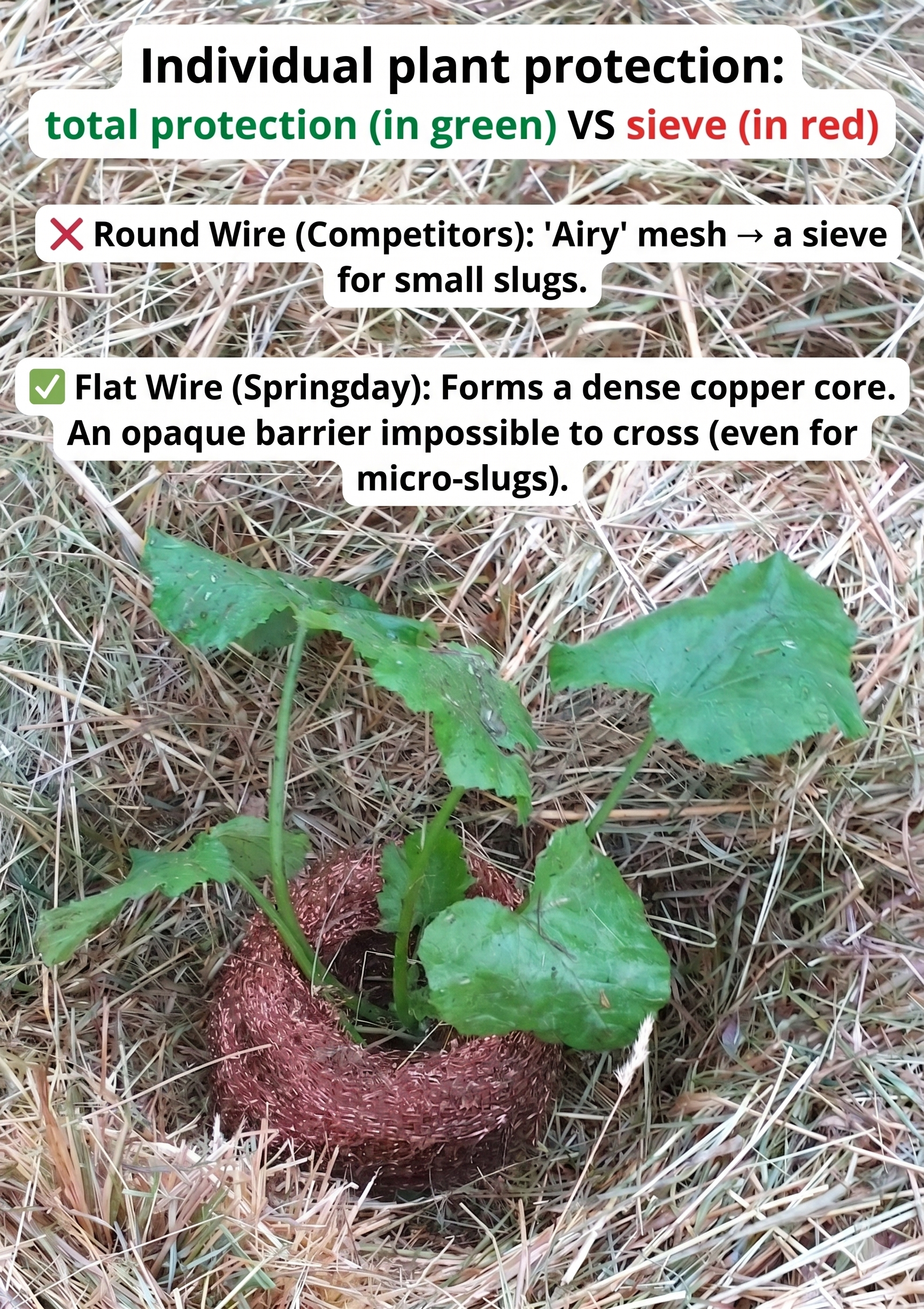
❌ Elsewhere (round wire): creates an “airy” mesh that doesn’t overlap. The result: a real sieve for small slugs.
✅ Springday (twisted flat wire): thanks to its flexibility, the ribbons lie one over another to form a dense core of copper. An opaque barrier that’s impossible to cross, even for micro-slugs.
The slug netting in 4 points
Protects your plants extremely effectively
The most effective barrier on the market: 15 cm tall, flat wire, pure copper. According to my own trials, nearly 95% of slugs fail to get past the mesh when it’s correctly installed.
Lets slugs live
Experts say that slugs are to soil health what bees are to flowering plants: a vital link in the ecosystem. I also believe that, like any animal, slugs have the right to live.
Protection that lasts for years
Solid copper is a durable material, used against slugs for decades by the first permaculture gardeners. For the first time, it’s easy to use.
Once it’s installed, there’s nothing more to do
No more hours spent collecting slugs in the dead of night. Once the mesh is in place and the slugs have been removed from the area, there’s nothing more to do — you can relax.
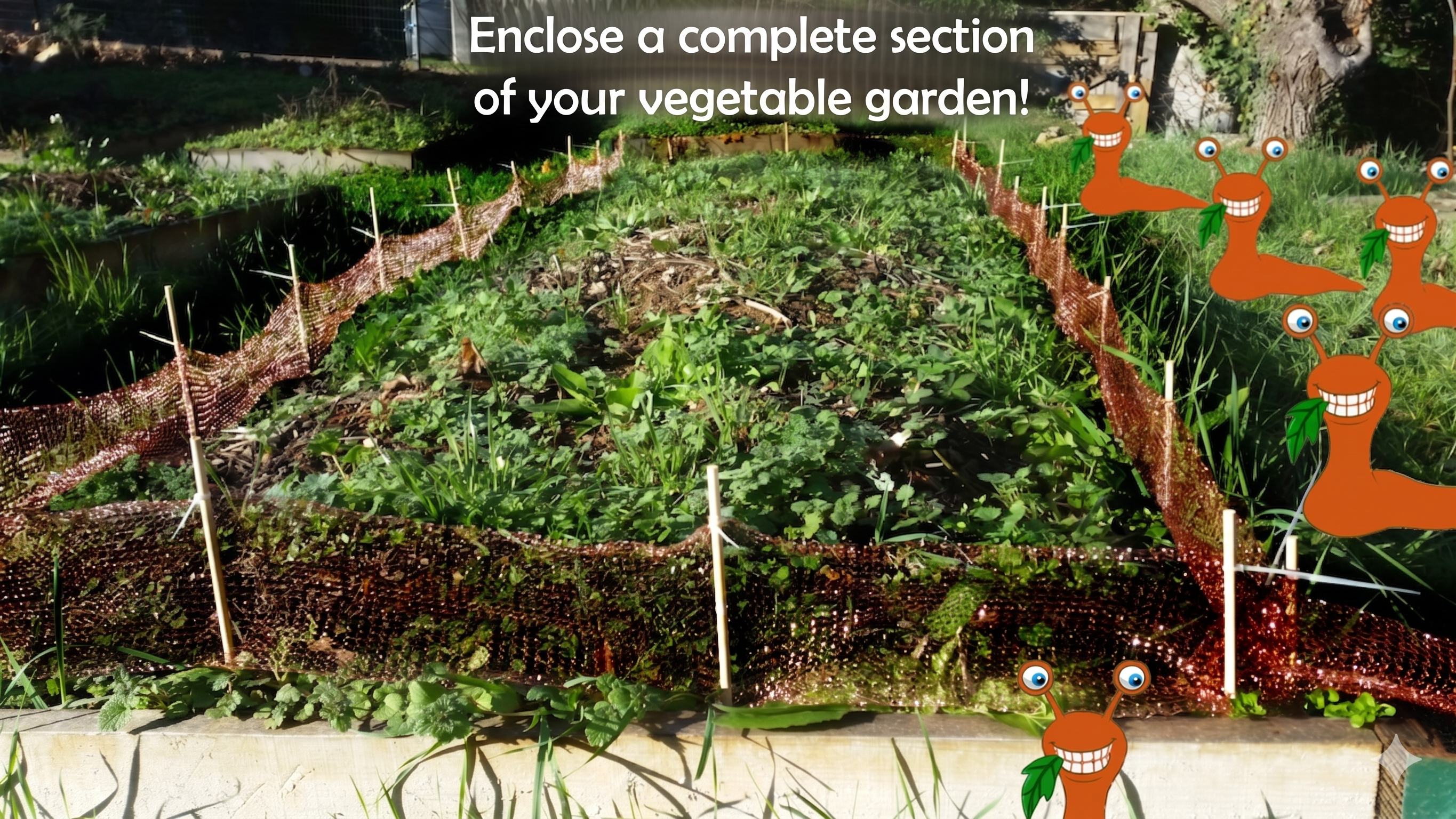
Protect an entire area of your vegetable patch
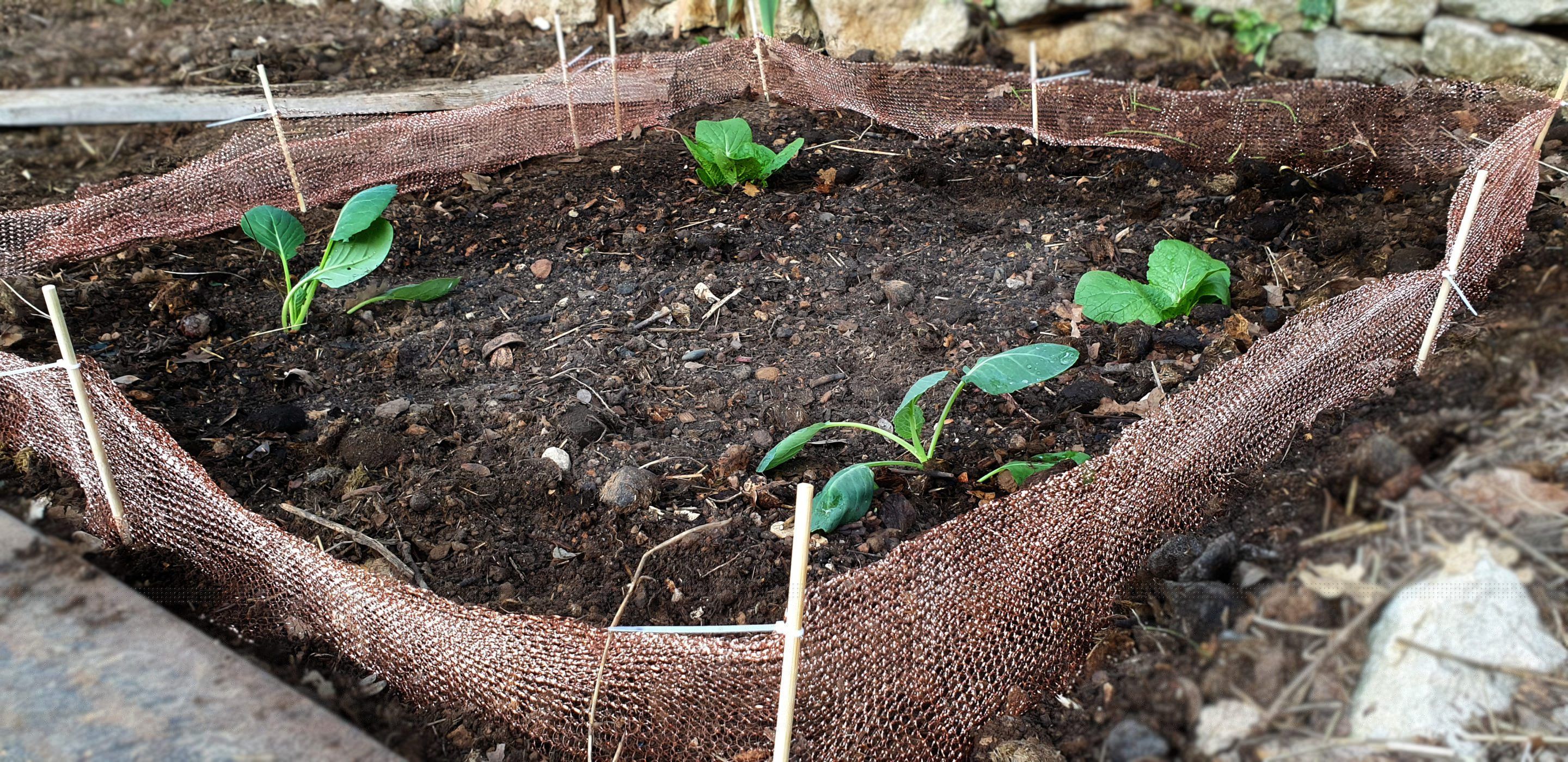
An impassable barrier
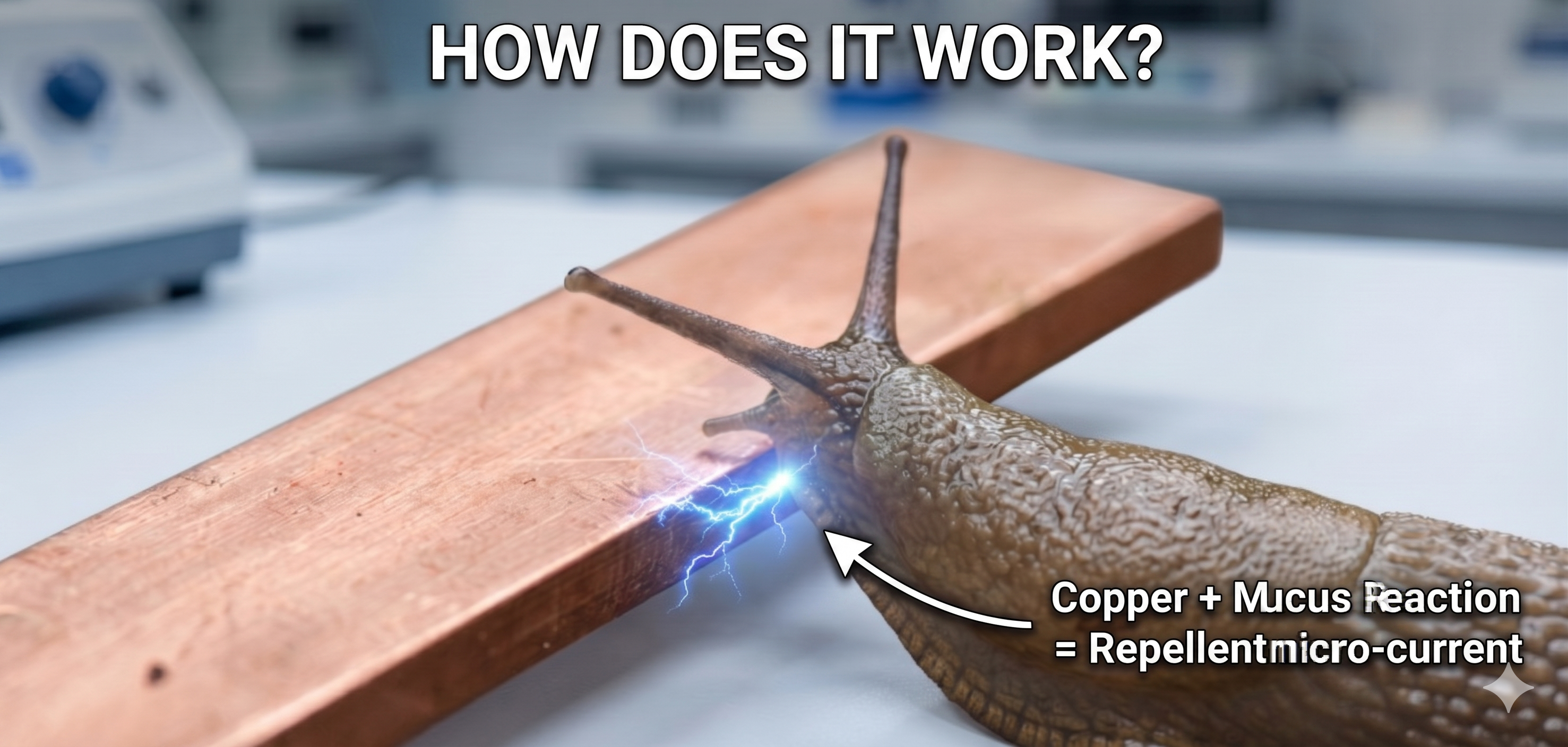
Copper generates a slight natural electric current on contact with the gastropods’ mucus.
📊 On average, 95 slugs out of 100 give up trying to climb this twisted-flat-wire copper barrier, and more than 97.5% of snails don’t get through (proven experimentally, but also scientifically: see the scientific sources at the bottom of the page).
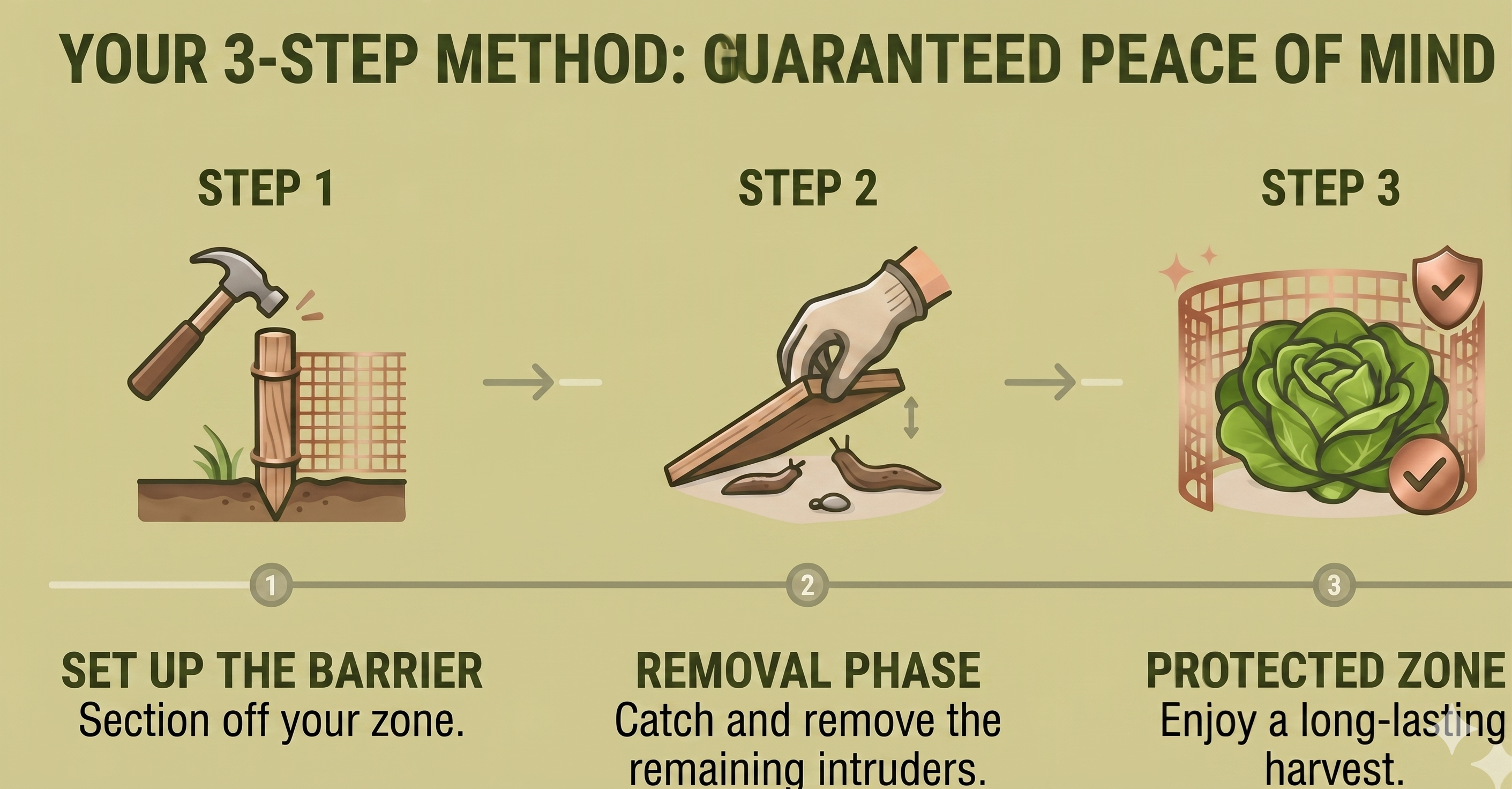
All you have to do is…
- 1
Fence off: surround your area with the mesh and the stakes provided.
- 2
Remove: take out the slugs already present inside the area.
- 3
Harvest: watch your lettuces grow without a single attack!
Protect your vegetable patch at last… without killing the slugs!
”Don’t they have a right to live too?”
(Testimonial to be found in the reviews)
“Super effective. In a garden overrun by thousands of snails and slugs living their lives quietly — and providing genuine protection against downy and powdery mildew — the area surrounded by the mesh is a free zone where lettuces, cabbages and beans can finally survive. Thank you.”
A French innovation selected and supported by:

National Centre for Student Innovation

Excellence Incubator (EM Lyon)

Successful crowdfunding
The video test: is the slug netting really impassable?
💡 A note about this video: the on-screen explanations are in French (our original language). If you don’t speak it, don’t worry! The real value of this video is the visual test. The footage of slugs refusing to cross the copper barrier is universal and speaks for itself.
⏱️ A handy tip: the video takes its time to explain the experiment in detail. Feel free to click the little cog (⚙️) at the bottom of the video to set the playback speed to x1.5 or x2 and get straight to the point!
Expertise recognised and validated by the community



This site is the translated version of our long-running French site, Springday.fr, where we’ve helped thousands of gardeners over the years.
💡 A note on the dates: if these reviews were posted over a short period, it’s because that’s when we opened our Trustpilot account. We then reached out to our long-standing customers to gather their feedback on several seasons of using the mesh.
Order now
What gardeners say about it (reviews of the slug netting)
Laurent’s story: “24 lettuces saved”

“I’d bought 24 lettuce plants from the CAPEL. The slugs wiped out all 24 plants COMPLETELY in 48 hours.
When the mesh arrived, I bought 24 plants again and fitted the mesh around them. It’s been about two months now, and the plants are still there.
The slugs are all around, eating everything there is around them, but the 24 plants are protected.”
* Transcription of part of his original video testimonial.
🥬 A word from Robin: a few months after this testimonial, Laurent sent me a message to say he’d finally been able to eat his lettuces, which had grown big and gorgeous. Nothing motivates me more than receiving news like that!
More gardeners’ reviews of the slug netting
These reviews were taken from my long-running French site (springday.fr, which has sold this slug netting and helped gardeners for years). All the reviews have been carried over exactly as they were. Nothing has been removed or added, in the interest of complete transparency.
Rated 4.26 out of 5 based on 31 customer ratings
Well done again for the idea. Can’t wait to try out the netting
Thank you! (sorry for the delay, I didn’t know I could reply to reviews 🙂 )
The copper netting works, not a slug in sight, all my lettuces are intact.
Thank you for your feedback! 🙂
Too complicated and too time-consuming to install. For individual plants, the cut-off pieces of netting roll up on themselves and fray far too easily. I’m disappointed with this purchase, but I gave it a go! What’s more, there’s no way to stop the slugs trapped in the soil inside the netting from eating the plant (especially the tiniest slugs). Sorry for this very negative review for now; I’ll judge how well it works on seedlings during a less “frantic” gardening period…
Hello, thank you for your constructive and interesting feedback — please don’t be sorry at all 🙂 Yes, it’s true that setting it up can be more or less complicated if you don’t really know how to go about it, but I’m a little surprised it was that difficult even with the installation flyer. The key is to break the steps down properly: 1- unroll the netting flat on the ground 2- drive in the stakes one by one 3- raise the netting and fasten it to each stake with the cable ties Regarding the protection of individual plants: in all cases you should make good use of the stakes (3 stakes are enough) to form a sort of mini-enclosure around the plants, precisely to stop the netting from rolling up on itself. You can also use the sock shape of the netting for this. As for the slugs inside the enclosure: it takes some time to draw the slugs from inside the enclosure to the outside (this can be made easier by dampening the soil and setting up gathering spots (boards + peelings, …)). Once there are no more slugs inside, there will be none ever again! (No more eggs in the soil, etc…) There you go, I hope I’ve helped a little. Don’t hesitate to call me (or send me an email) if you have any other questions; my number is on the flyer. Have a good day Robin
I got a 1st net for 18 lettuce plants and 6 strawberry plants; putting up the netting with the wooden “sticks” and the cable ties is quick — what takes time is finding the stones…lol luckily the kids helped me. But all the lettuces are intact! I even tested it by placing slugs and snails on the path to the netting and they all turned back around halfway up the height of the netting. Then I got 3 more nets for cabbages, courgettes and tomatoes; the stones were a no-go, so I went for 100 15cm U-shaped ground pegs and it’s spot-on and faster. And all is well! One tip: before putting up the netting, remember to water the soil and lay down cardboard with peelings to attract the resident slugs to the spot you want to “fence off”!
Thank you so much for this great comment! 😀
It really works well. A bit of a pain to install at first, but you soon get the hang of it. I added extra ties because I prefer to put 2 per stake. But the result is there: open-ground lettuces and strawberries intact inside the enclosure, and strawberries eaten outside. 100% satisfied! Thank you!
Thank you so much for your feedback! 😊
Brilliant — my battle against slugs has been endless for years. The system may not be simple to set up, but with slugs nothing is simple and at least it’s effective. Well done, lovely initiative
Thank you, and thank you for your great feedback! 😊
I added extra measures to my anti-slug netting to give myself every chance: I removed all the mulch 1 week before planting and systematically put peelings and especially potato slices on the bed enclosed by the netting every day; I went round every evening with a head torch and collected the slugs that had tunnelled underground to reach the peelings; after a week, there were no more slugs to collect in the evening; I set out my fragile seedlings without mulching and nothing was attacked during the 4 weeks the netting stayed around the cabbages and lettuces; I came by every 4-5 days to gather them up, but there was hardly anything, and with the potato slices scattered over the bed, the slugs’ attention was diverted; I didn’t lose a single plant; afterwards, I took the netting back and repeated the same strategy to plant the cucurbits; I mulched my cabbages and lettuces without netting, they were attacked a little, but since they’re already strong, it’s fine; for the cucurbits I planted out only yesterday, next to bean plants raised under a cold frame, there was absolutely no damage this morning; I tell myself it must really work, because between the cucurbits and the beans there was enough to make a feast for the slugs, yet nothing was touched; on the other hand, it’s true that it’s difficult to set up and that you need, above all, a very large number of stones that not everyone has (I had to use logs in places, which will probably lose a bit of the effectiveness if the slugs are really determined); you can, of course, always be dissatisfied with a product, but if you put a whole array of measures in place, the product can prove effective: setting up the netting and expecting it to work miracles is like buying an English grammar book and a dictionary and expecting to become bilingual by arranging them neatly on a shelf under the bed 🙂; in short, I’m happy with the netting and I’ll have to look for more stones to be done with the logs
Thank you Aurélia for this super-thorough comment!! 😊
Very good experience, all my plants are saved!! At last a nature-friendly solution 🙂
Thank you so much for your feedback! 😊
Sorry, but it doesn’t work…the small slugs especially keep on destroying everything
Hello, that’s a shame.. Could you tell me more about it? If you like, we can have a phone call to sort out the problem: my number: 0604653531
This year, thanks to the netting my young plants grew up safe from the slugs! After trying most of the “gentle” methods listed on the internet without success, I’m delighted to finally have an effective solution. Thank you so much!
Thank you, Justine, for this comment! 😊
Good product, a little tricky to set up (mainly finding the stones, in my case). Set up in the main vegetable garden: spotless, not a single bit eaten so far (because now the leaves of various plants stick out a little beyond the garden). I put the surplus plants in other spots (a mini vegetable garden without these nets) and everything was eaten except the peppers (I had photos but couldn’t upload them). I also used this system for a flower bed against a hedge, where I have a little damage, but very light because it’s hard to make it completely airtight. So I’m very satisfied with the product (I also put a snail on it (not for very long) and it does indeed drool enormously). A satisfied customer.
Thank you so much for this great feedback! 😄
Super effective. In a garden overrun by thousands of snails and slugs living their lives in peace — since they provide real protection against blight and powdery mildew — the area surrounded by the netting is a free zone where the lettuces, cabbages and beans can finally survive. Thank you.
Thank you so much, Marie, for your testimonial! 🙂
It’s been 10 days since I put up the netting. For 10 days my courgette plants have been thriving instead of getting munched in under 24 hours. Even when it rains, or when I water, no slug. I hardly dared believe it, but as well as saving my plants, it’s saving my morale! I’d removed the mulch before putting up the netting; I might dare, gradually, to put fresh mulch back. I’m really relieved and happy to have discovered this non-toxic, non-lethal, simple, effective ‘weapon’. Thank you for this lovely invention.
Thank you so much for your feedback! Have a lovely evening Robin
Hello, I’ve been trialling the slug netting for about 2 months. 1st trial on a radish sowing, with slug traps between the rows and collecting the escapees every morning. No snails or large slugs, but the small and medium ones kept getting through all season long, despite the amount of lettuce available to them outside the netting. Well, we’ve accepted eating our nibbled radishes almost without exception. For the basil, a smaller space of about 2m², I reinforced the protection by laying a strip of dry sand outside the netting and all around it. I was careful to water only inside the enclosure (it’s in the greenhouse), and there it works well. Delighted to finally have lovely basil. For info, and here without netting because the area is too large, we surrounded with dry sand and/or ash our tomato plants, which were also being eaten when very small; (still in the greenhouse); as a result, no more problem either with the snails or with the slugs, which fall back on the lettuces (which we share!!). A note: leave a free zone inside around each plant so you can water the plants without wetting the sand; I water in the morning, so any sand that gets a bit wet dries quickly during the day, when the slugs aren’t active. Outside, again around a planting of basil, I doubled my run of netting to increase the thickness. The small slugs still managed to get through; so I rolled the 2nd run of netting at the foot of the 1st, and there it works well. I didn’t go for the solution of cutting the netting sock as suggested in a video, because I find it too tedious, too fiddly and too complicated to reuse afterwards. As for the stones to hold the netting in place, I use pozzolana gravel (but another kind works just as well), and if I run short, I bring in a strip of soil that I tamp down well at the bottom of the netting to keep it closed at the bottom; that works too. A question: wouldn’t it be possible to have a netting with a smaller mesh rather than having to cut it to roll it up at the bottom, or to double it? In any case, thank you for all your valuable advice and for sharing what you’re passionate about. All the best! Anne
I’ve finally been able to harvest full baskets of strawberries. Last year they were all gobbled up as soon as they started to redden. Frustrating! The slug netting seems very effective to me. It’s true we had a long dry spell. But the recent thundery showers haven’t brought any damage. So I recommend it! I’d like to make clear that my review is entirely independent.
Brilliant! I can finally eat my lettuces, I don’t need to go slug-hunting at 5am or at 9pm… And I was able to enjoy all my strawberries for the first time! Given the size of my garden, I’ll need a few more nets to cover all the vulnerable areas, but at least I’ve got my hope back. Thank you!
The netting is very effective, but some large snails and slugs still manage to get over it. It doesn’t stop the tiniest slugs either, which must come from eggs laid earlier in the protected area. Another difficulty is the plants that constantly grow along the netting, particularly bindweed (specific to my garden: it’s overrun with bindweed), which grows so fast that I struggle to remove it completely in time, so it sometimes works its way into the mesh of the netting. There’s also a drawback when you cut the netting to size to surround an area or a plant: it unravels at the cut. Next year, I’ll take the time to secure the fraying copper wire with some thread that has come “unknitted”. It’s still very good, and it had been a long time since I’d eaten my strawberries and lettuces; it let me get the pumpkin plants going calmly and first time, whereas last year I’d only managed to save one.
not used yet, I’m going to test it on the cabbages
I put up the netting in February, and I noticed a very sharp drop in the damage to my lettuces and kohlrabi, which are very vulnerable to gastropods, especially early in the season. Setting up the netting is clear and relatively simple thanks to the instructions and the suitable accessories. It takes a little time, particularly to secure the bottom of the netting properly with stones or the like. It also needs a bit of maintenance to reposition it now and then, and above all to remove the plants that might grow over it or grow underneath. Nevertheless, even without being very rigorous about this maintenance, I found very good overall effectiveness. In particular, it makes it possible to protect a fairly large area. Obviously, as all gardeners know, there’s never a 100% reliable solution, and a few gastropods sometimes manage to slip through.
I used a netting cut in two to surround two permaculture raised beds placed in the garden where thousands of snails and probably slightly fewer slugs live. I had about twenty centimetres of netting left, which I wound in a spiral around the trunk of a small lemon tree planted in a pot about sixty centimetres tall, set into the soil of a border. One of the raised beds is wooden: I was able to hold the netting fairly easily by pinning it all the way around the bed. The other bed is plastic; to hold the netting in place, I ran two elastic cords along the whole length of the netting, 1 cm from the edges. I eradicated the slugs that were in the soil of the beds before mulching and starting the planting in mid-April, and I planted half a dozen marigolds in each bed. I planted cherry tomatoes, strawberries and beans. The tomato plants suffered no attack and are cropping in abundance (the first ripe tomatoes have been ready for about a week). The young bean plants were nibbled a little but they managed to grow and are now in great shape. About half the strawberries were nibbled during the night as soon as they were ripe. However, I suspect the devourers are woodlice, because I found some in the strawberries and in the beds (there are dead branches at the bottom of the beds to retain moisture). Moreover, I’ve never seen a single slug or snail in the beds since planting began, and no marigold was attacked. As for the lemon tree, almost all its young leaves are riddled with holes, and I found several small snails in its branches after rainy spells. But I’m not sure the snails climb the pot and then the trunk wrapped in netting over about fifteen centimetres of height, because the lemon tree is placed next to a cherry laurel and the leaves of the two shrubs are sometimes in contact (despite regular pruning of the cherry laurel). For reasons I won’t go into, I can’t move the pot holding the lemon tree. All in all, I don’t regret buying this netting; I think it’s very useful in the fight against slugs and snails, which swarm after rain or watering in the parts of the garden not protected by the netting. If need be, I’ll buy another one (or several).
Hello, I’m amazed to see the number of people battling slugs and it seems to be a real fight. I of course also have slugs, snails, pests in short, but I don’t want to, like one of my aunts, get up at 6am to collect between 180 and 250 slugs a day… I used the slug netting, which did its job well this time, by paying attention to the advice given at purchase but without doing as much as some describe in the comments. Is it just luck? I don’t know, I’ll see with use. Putting up the netting is a bit laborious and I think I’ll also try Christophe’s idea, who mentions U-shaped fixings. Thank you. I also think you’d need a few more stakes to keep the netting straighter. Next comment next season…. Thank you
Super effective! I live in Brittany and the slugs love the area. Every day I find between 20 and 50 under my mulch… 5 or 6 m²…. To give you an idea 🙄 I placed copper nets around the Hokkaido squash and squashes, accompanied by some kale and Paimpol beans. Everyone is doing very, very well. The Hokkaido squashes are spreading over 3 m² and the beans are in flower with all their leaves. In a corner of the vegetable garden without copper netting, I planted green beans. All went well as long as the weather was dry. The beans came up in 5 days and started to grow. And then, a change in the weather, with a welcome good rain because watering was needed every day. And bang, the poor unprotected beans were nibbled down to the ground 😪. I quickly reordered copper nets and will install them. I really do recommend this product.
Effective at first. Then the weeds (especially the ones that send out runners, like buttercups) come through the mesh, impossible to dislodge without pulling everything up. Then the slugs use these weeds to get over the top. Almost no effectiveness after a month. It’s true I have competition-grade slugs (they eat the thistles!)
I’m delighted with the product and especially with the after-sales service … I was missing a few ties and stakes and Robin offered, without hesitation, to add a few more. The slugs no longer dare to get in … I’m curious to see this on my strawberries. thank you Robin !!!
Great! This netting let me keep a magnificent arum lily and my young dahlias in a garden full of slugs. However, not very easy to use around a large vegetable garden.
A product that works very well as soon as you weed regularly (otherwise the weeds come through the mesh and the slugs use them as a bridge), and you have to be sure the slugs aren’t already in place when you put up the barrier. So I recommend this product; time will tell whether the effectiveness stays unchanged.
VERY EFFECTIVE !!! Do clear the surrounding area well before installation, though…
A bit difficult to set up in ground-level raised beds where the vegetation clings to the edge of the wooden boards. Perhaps screw on small vertical battens and run wires to hold the netting? To be continued … With just one year’s experience in an old Velux frame, I did nonetheless notice a reduction in pests in that spot compared with the unprotected plants (strawberries). But still no ground beetles in my stumps and old boards near the vegetable garden. I’m continuing to experiment,
results: amazing. assembly, maintenance and lifespan: less amazing! I bought 2 nets which, laid end to end, let me encircle 3 flower beds. so that made quite a length to weigh down with little stones, something not very easily done, because of the uneven nature of the ground and because it really is a lot of stones that risk ending up in the cultivated area or in the mower’s rotor. so after trying to weigh down a great length by inserting a thin wooden stake into the tube (patience required, and it in no way solves the problem of the uneven ground!), I simply gave up and weighed nothing down at all. result: these 3 beds were (almost) the only productive ones in the garden — cabbages, lettuces, beans — ah, it feels good to eat them and not just mourn them! So as for the result, very satisfied. as for the maintenance, less so. so I was forced to dismantle everything to mow (I’m in southern Germany, with particularly mind-boggling rainfall and plant growth), and in doing so the stakes break, and the mesh of the netting, dismantled at the start of winter, is in a rather ugly state. certainly perfect for a smaller area. in short, still convinced of the benefits of copper against slugs, I find myself dreaming of a solid copper anti-slug barrier that doesn’t fray over time (!) — the state of my finances brings me back to reality!!!
I put up this netting two days ago, before it rained heavily. For now the result seems satisfactory. On the first day I removed about 10 slugs from the vegetable garden (in my view they were inside when the netting went up). On the second day, only two. Right next to the netting I have mint that’s infested with slugs and they stay on it, a few at the foot of the netting but none in my strawberries, which are right beside it though. So it seems to be working well for now.
I put up the netting a few days ago. For my part, no installation problem, everything is really well explained. I did still have to add a few extra stakes because I couldn’t get the netting taut enough. My garden is naturally overrun with slugs because we’re in a very damp area, near a watercourse and between two fields. In short, a nightmare. As soon as the netting was up I could see the effects, because lots of slugs turned back. However, I still have several about 5mm that get through the mesh of the netting and devour my strawberries, ripe or not. Would there be a way to improve the system to avoid this?
Hello Léa, thank you for your feedback! For the tiniest slugs with a diameter smaller than the netting’s mesh (and which can therefore get through), you need to follow the method described in the ebook (which includes a video): create a tangle of mesh at the base of the netting to make the passage of these tiny slugs much harder. Don’t hesitate if you have any other questions; you can also reach me via my email or my WhatsApp, where I reply much faster. Have a good day. Robin
Frequently asked questions about the slug netting
Why is this slug netting so effective? (More so than the others)
+
Its superior effectiveness rests on a breakthrough innovation: we have replaced the standard round wire with an exclusive mesh. Here are the 3 pillars that set the Springday netting radically apart from the cheap imitations:
1. The “Twisted Flat Wire” Technology: The Double-Whammy Effect
This is the major difference. Competing nets use a round wire that is smooth and slippery. Ours uses a flat ribbon that is then twisted during the knitting process. This changes everything on two counts:
- Multiplied Electric Shock (x3 to x5): It comes down to physics. A round wire offers only a tiny (tangential) point of contact. Our flat wire offers a broad contact face. The surface area of the slug touching the metal is multiplied by 3 to 5. As the electrochemical reaction is proportional to the contact area, the repellent effect is amplified tenfold.
- Mechanical Barrier (Sharp Edges): The round wire is “comfortable” for the slug as it glides over it. Our twisted flat wire exposes thousands of sharp, protruding edges. The slug suffers a twofold assault: an intense electric shock + a hostile, abrasive texture that is very difficult to climb.
2. Seal and Height: The Impassable Wall
The geometry of the netting was designed to give slugs no chance, neither from below nor from above.
- Ground-sealed (Absolute Suppleness): Round-wire nets are often too rigid: they “bridge” over stones and leave tunnels open. Our mesh behaves like a heavy fabric that hugs the micro-contours of the ground. It leaves no gap whatsoever.
- The Critical Height (15 to 20 cm): Most competitors stop at 10–12 cm, which sometimes proves insufficient against the most stubborn slugs. With 15 cm (extendable to 20 cm), the slug has to climb up and back down 30 to 40 cm over an abrasive surface that delivers electrical jolts.
3. The Science of the Material: Pure Copper (>99%)
Beware of visual imitations. Many “copper-coloured” nets are in fact alloys (brass/zinc). Our netting is certified Pure Copper (>99%). This is vital, because the repulsion is electrochemical (a galvanic reaction on contact with the mucus). Only pure copper guarantees the conductivity needed to generate the “micro-current” that forces the slug to turn back.
The “total protection” trick (for individual seedlings)
+
How do you protect a single isolated seedling? Where standard nets (rigid and loose) remain “sieves” for small slugs, the Springday netting changes the game thanks to its suppleness: you can scrunch it up (roll it over on itself) around the seedling to create a dense copper core. The mesh layers overlap to form an opaque, abundant barrier. When done properly, even micro-slugs cannot get through.
Netting or copper adhesive tape: which to choose?
+
This is a common question. Adhesive tape (copper tape) seems practical and cheaper (and offers the slug a large copper contact surface), but it has three major flaws that make it barely usable in practice over the medium term:
- Peeling off: With rain and the moisture of the wood, the glue always ends up giving way. The tape peels off, creating bridges for the slugs.
- Insufficient height: Tapes are often 3 to 5 cm wide. That is not enough to stop a large slug (even if you can recreate that height by sticking several strips one above the other). Our netting is 15 cm high.
- Flatness: The tape requires a smooth, clean surface. It is impossible to apply it to soil, uneven stone or old wood, unlike the netting, which can be installed anywhere with the right methods.
Verdict: Tape is a temporary fix for a plastic flowerpot. Netting is durable protection for a vegetable garden.
Is it also effective against shelled snails?
+
Absolutely. People often talk about “slug netting”, but it is a formidable barrier against shelled snails too. In reality, the netting is often even more effective on snails for two reasons:
- The Shell: The weight of their shell makes climbing a supple vertical wall (such as the netting) far more perilous for them than for a slug.
- The Sensitivity: Tests show that snails are very reactive to contact with copper and turn back almost systematically.
So yes: whether you are overrun by small grey slugs or large garden snails, the protection is total.
Is it really the “best natural slug deterrent” on the market?
+
It is a bold claim, but let us compare the facts. If you are looking for a natural solution (chemical-free), you have the choice between:
- Eggshells / Ash: Free, but useless from the very first dew (the moment when slugs come out!).
- Nematodes: Effective but expensive, awkward to store (fridge) and to renew often.
- The Springday Copper Netting: It combines the durability of metal (lasts for years) with consistent effectiveness around the clock, even in the rain. It is currently the only impassable physical barrier that requires no consumables and no daily upkeep.
So yes, for peace of mind, it is the number one choice.
Slugs live in the soil — is the netting useless?
+
This is objection number 1, and the answer is crucial: The netting serves to stop NEW slugs getting in. For the ones that are already there, there is a foolproof method.
1. The “Wolf in the Sheepfold” syndrome
Imagine building a perfect fence around your sheep (your lettuces), but locking the wolf (the slug) inside with them… The carnage would carry on! Slugs can stay dormant in the soil down to 10 cm deep. If you lay the netting and wait with your arms folded, they will come out at night to feed.
2. The solution: The “Zero Zone” protocol
For the system to work 100%, you need to follow these 3 simple steps during installation:
- Fence off your area airtight with the netting.
- The Great Harvest: During the 3 to 5 nights following installation (especially after rain or watering), go out with a head torch and remove every slug present inside. You can also use traps (boards, roof tiles) to flush them out during the day.
- Royal Peace: Once the area is “cleaned”, you are sorted for the whole season and even the following years, because no new slug will be able to get in to lay eggs!
3. Myth: “They will just dig their way underneath”
Let us be clear: a slug is not a mole. Although they know how to bury themselves to shelter from cold or heat, they have neither the physical ability nor the instinct to dig “bypass tunnels” beneath a barrier. They look for the easiest route. What is more, thanks to the suppleness of our flat wire, the netting presses flat against the ground (you can even bury it 2 cm deep if you want paranoid security). Faced with a copper wall that is impassable at the surface and sealed at the ground, they will simply turn around to go and feed elsewhere.
When should you install the netting? (Do you have to wait?)
+
Whatever you do, do not wait until your lettuces have been eaten! The ideal is to install the netting as a preventive measure, as soon as you prepare your growing area or just after sowing.
- In Winter/Autumn: You can put it down right now to secure an area. Copper stands up perfectly to frost and bad weather.
- In Spring: This is the critical moment. Lay it before the slugs come out of hibernation to create an immediate “no-go zone”.
Durability Tip: Once laid, the netting stays in place and protects your vegetable garden 365 days a year. The only minor maintenance: at the start of each spring, take a look at the oxidation. If the netting is very green (verdigris), a quick wipe with diluted white vinegar will restore its maximum conductivity for the new season. That is all!
How do you install the netting with mulch?
+
This is an excellent question, because mulch is often a slug nest. The netting is 100% compatible with mulch, provided you observe one strict installation rule.
1. The Golden Rule: Never ON the mulch!
To be effective, the netting must be in direct, airtight contact with the soil. If you simply lay it on straw or dead leaves, the slugs will slip underneath as if through a tunnel. The method: Scrape back the mulch along the perimeter of your area to create a 5 cm wide strip of bare soil. Install the netting on this strip of soil. You can then push the mulch back up against the netting (inside and out), but the base of the netting must touch the ground.
2. The Exfiltration (The Moment of Truth)
As explained above, you must not lock the slugs in with your vegetables. Since the mulch serves them as a hiding place, the ideal is to temporarily remove the mulch inside the fenced area at the time of installation. This will let you spot and extract all the resident slugs far more easily during your night-time hunts (over the 2–3 days following installation).
3. Re-mulching safely
Once you are certain the “Zero Zone” is clean (not a single slug left inside), you can put your mulch back. Word of caution: Check that the mulch you add (especially if it comes from another part of the garden) does not itself contain slugs or eggs! Preferably use dry or inspected straw.
How do you fix the netting in place for the long haul? (Everything is included!)
+
The gardener’s dread is to receive a net and then have to rush off to the DIY store to work out how to keep it up. With this kit, you have nothing extra to buy.
1. The included “Fixing Kit”
I have tested dozens of methods (nails, staples, bits of wood…). The only one that guarantees perfect tension and lasting hold is the “Stake + Cable Tie” duo. That is why every net is supplied with 20 bamboo stakes and 20 cable ties (Rilsan type).
2. The “Zero Gap” method
It is child’s play, but ruthlessly effective:
- Drive the supplied stakes in at regular intervals.
- Fix the netting to the stake with the cable tie.
- Pull it tight. This technique lets you tension the netting to perfection (essential so that slugs cannot get over the top by folding the netting) and press it flat against the ground.
3. Worried about getting it wrong? (Step-by-step video included)
Installation is simple, but to make you 100% sure of your work, I have filmed a detailed demonstration video. I show you, step by step, how I lay the netting in my own vegetable garden so it is quick and foolproof. This video (along with a complete guide in the ebook) is sent to you immediately with your order.
Installation on a planter, raised bed or window box?
+
Regarding installation on a raised bed: if you can (wooden bed), the best thing is to staple or nail the netting directly around the edge of the bed using large staples or nails. Leave the top overhanging by, say, 3 cm, and bend it slightly outwards so that it creates a sort of “overhang” that even the most stubborn slugs cannot get past.
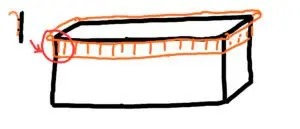
Diagram: creating the protective overhang on the edge
How do you fix the netting onto hard surfaces?
+
If your vegetable garden is bordered by low stone walls, breeze blocks, bricks or concrete, you obviously cannot use staples. No need to panic — the netting adapts perfectly to these materials thanks to its suppleness. Here are the 3 tried-and-tested methods for a durable fixing onto hard supports.
1. The “Gluing” method (The most attractive)
This is the cleanest solution for a perfect seal on a smooth or rendered edge.
- The tool: Use a cartridge of exterior grab adhesive (the outdoor “No More Nails” type, polyurethane or MS polymer), available in any DIY store.
- Application: Apply a continuous bead of adhesive onto your wall (around 5 cm above the ground or on the edge). Press the lower strip of the netting into the adhesive. Leave it to dry.
- The advantage: It is permanent, and no gap remains between the wall and the netting.
2. The “Weighting” method (No tools)
If you have low walls with a fairly wide, flat top.
- Application: Lay the netting flat on top of the wall, letting it overhang outwards.
- Holding it down: Simply place flat stones, decorative bricks or heavy pebbles on top of the netting, all the way along the perimeter.
- The advantage: It is 100% removable and leaves no trace of glue on your stones.
3. The “Reversed Stakes” trick (If you have soil)
If you do not want to touch your wall, use the soil inside the bed.
- Application: Drive the (supplied) stakes directly into the soil, far enough from your low stone wall.
- Tension: Fix the netting onto these stakes. The netting will then press against the wall from the inside.
- Caution: Make sure the netting overhangs well in height (10–15 cm above the soil level) so that slugs cannot climb the wall and tip straight into the vegetable garden.
How do you install the netting on a flowerpot or window box?
Pots and window boxes are easy targets for slugs that climb up the sides at night. The knitted netting is ideal because its supple structure naturally hugs curved shapes (round or square).
Here are 4 methods to secure your pots:
1. The “Belt” method (The simplest)
Ideal for classic round pots in terracotta or plastic. The aim is to create a perimeter barrier around the pot.
- Application: Cut a strip of netting matching the circumference of the pot (+5 cm for the overlap). Wrap it around the pot at mid-height.
- Fixing: Simply use a piece of string, a discreet wire or a large elastic band to keep the bottom of the netting pressed against the side.
- The trick: Once fixed, fold the top of the netting slightly outwards to form a “skirt” that will stop the slug getting over the top.
2. The “Gluing” method (For an invisible finish)
This is the most attractive solution for rectangular window boxes or large solid pots if you do not want any visible string.
- The tool: Use an exterior grab adhesive (the “No More Nails” type, silicone or polyurethane) or a powerful “Outdoor Special” double-sided tape.
- Application: Apply a bead of adhesive under the rim of the pot. Press the strip of netting into it and leave to dry.
- Result: A permanent, clean fixing, with no gap at all between the pot and the copper.
3. The “Dense Collar” technique (Protecting the base)
If you do not want to fix anything onto the pot itself (or if the pot is too awkward to wrap), protect the plant’s stem directly.
- Application: Cut a piece of netting, form a circle and lay it on the soil around the base of the plant.
- The secret: Do not try to tension it! On the contrary, scrunch it up slightly to create a dense, voluminous collar at the base of the plant. This creates a physical barrier in the heart of the pot.
4. The “Inner Stakes” method (For large planters)
If your pot is very large (an orangery tub or a raised standing planter with accessible soil, say).
- Application: Drive the (supplied) bamboo stakes directly into the soil, along the inner edge of the pot.
- Tension: Fix the netting onto these stakes so that it presses against the inner wall of the planter.
- Important: Leave the netting overhanging by 5 to 10 cm above the rim of the pot. The slug will climb the outer wall but will hit the copper wall when it reaches the top.
Is the copper in the netting dangerous for my soil? (No — here are the figures)
This is a legitimate question, often born of confusion with “Bordeaux mixture” (a liquid treatment). But rest assured: scientifically, a physical barrier has nothing to do with a chemical treatment.
1. The Mathematical Proof: 2,000 years of margin!
The toxicity of copper for soil life (earthworms, mycorrhizae) is very real, but it depends on the dose.
- The danger threshold: Reference studies (INRAE, RHS) show that toxicity begins beyond 20 to 50 mg/kg for the most fragile soils.
- The reality of the netting: A solid barrier like this netting does not dissolve. Through micro-erosion it releases less than 0.05 mg/kg/year.
The verdict: At this infinitesimal rate, you would have to leave the netting in place for more than 2,000 years to begin reaching the first risk thresholds.
2. At this level, Copper is an ally, not an enemy
Far from always being a “poison”, copper is in fact an essential trace element for your plants. It plays a part in photosynthesis and in the synthesis of lignin (which strengthens plant tissues). The tiny amount released by the netting is not enough to fertilise, but it helps maintain a balanced mineral base with no risk of pollution whatsoever.
3. What to do if the netting turns green (Verdigris)?
With moisture, the copper oxidises and covers itself with a green patina (copper carbonate). This verdigris is insoluble (so it does not pollute), but it poses a technical issue: it electrically insulates the surface. The galvanic micro-reaction (the little “current” that repels the slug) can no longer happen properly if the metal is insulated by this layer.
The express clean-up: To restore maximum effectiveness, simply clean the oxidised netting with a cloth soaked in white vinegar diluted to 5% (or a bicarbonate of soda + lemon paste). Rinse, dry, and off you go for another 1 or 2 seasons! Pro tip: Bring your netting in to a dry spot over the winter to limit needless oxidation.
Is it dangerous for my dog or for hedgehogs?
+
This is a major concern, because slug pellets (even some organic ones) can be toxic for our pets. With the Springday netting, the risk is ZERO.
- For your animals: Copper is a natural metal. Even if your dog sniffs it or licks it, it is in absolutely no danger. No chemistry, no poison.
- For hedgehogs: The netting does not injure them. Better still: by not poisoning the slugs (which are their food), you protect the health of the hedgehogs that come to feed in your garden. It is the “hedgehog-friendly” solution par excellence.
Hervé Coves & Holistic Management: Why the netting?
+
You are no doubt familiar with Hervé Coves’s famous talk on slug management (if not, it is available here). His philosophy is beautiful: do not kill the slugs. Why? Because they are the indispensable food for attracting predators (ground beetles, hedgehogs, frogs). If you eradicate the slugs, the predators will never come, and the imbalance will persist.
1. The problem with the Coves method (The 5-year “Desert”)
The theory is perfect, but the practice is painful. Hervé Coves warns of it himself: the return to natural balance (the mass arrival of predators) can take up to 5 years. The cruel question is: What do you eat during those 5 years? If you let nature take its course without protection, your lettuces and courgettes will be sacrificed on the altar of the ecosystem. This is where many gardeners lose heart and give up on permaculture.
2. The Netting: The tool that makes the transition possible
This is where the copper netting becomes strategic. It is the only solution that lets you reconcile production and ecosystem.
- Inside the netting (Sanctuary Zone): Your vegetables grow in safety. You secure your harvest and your morale.
- Outside the netting (Wild Zone): You let the slugs live their lives. They break down organic matter and feed the predators that gradually settle in.
3. Why do the other barriers fail?
For this strategy to work, you need absolute protection. Ash, sand or eggshells become useless at the first rain (the very moment when slugs come out!). The copper netting is impassable in all weathers. It affords you the luxury of patience. You can calmly wait for the natural balance to establish itself, without sacrificing your food self-sufficiency.
An ethical question: Will they starve to death?
+
This is a question that does credit to those who ask it. Rest assured: absolutely not. On the contrary, you are going to help them rediscover their true role.
1. The slug is the stomach of the soil
You must never forget that the slug is above all a detritivore. Its job in nature is to digest dead matter, fungi and waste to create humus. Eating your living lettuces is an “accident” because it cannot find anything else, or because the lettuce is too tempting. By barring its access to the vegetable garden with the netting, you are not starving it: you are redirecting it to its natural workplace, elsewhere in the garden.
2. The “Win-Win” strategy: Surface composting
For peace to be complete, do not leave the soil bare around your fenced areas. Offer them what they really prefer:
- Surface Composting: Instead of taking your peelings and green waste to the tip or putting them in a closed bin, place them outside the protected area.
- The Result: The slugs will feast on this decomposing matter (which they often prefer to living vegetables) and turn your waste into free fertiliser for the rest of the garden.
Conclusion: Your lettuces are safe inside, and the slugs do useful work outside. Everyone wins.
The Origin Story: Why did I have to invent this netting?
+
It all started with my first permaculture vegetable garden… and my first crushing failures. Like many of you, I watched my lettuces vanish overnight. So I turned to gardening groups and forums to find help. The realisation was frightening: everyone had the same problem, but no one had a real solution.
1. The scourge of misinformation
I realised that the gardening world was saturated with false beliefs. We were sold a dream with eggshells, ash or coffee grounds. I tested everything. Nothing held up beyond 24 hours or after the first dew.
2. From Gardener to “Researcher”
Refusing to accept defeat (and the toxic pellets), I decided to change my approach. I stopped listening to “hearsay” and immersed myself in the scientific literature, the existing tests, the theories of holistic management (Coves), and stepped back from all of it to apply some common sense. Then I ran my own slug-barrier tests (a dozen of them, still visible on my YouTube channel).
3. The birth of the Springday Netting
It was after months of comparative tests in my own garden that I understood a specific tool was missing from the market. The adhesive tapes peeled off, the copper ring wires were too expensive, the existing nets were too low. After several tests of meshes and wires, this one proved to be the best: Pure Copper + Flat Wire + 15 cm Height. This is not a product born in a marketing office; it is a solution born in the mud of my own paths, to save my own vegetables. And today, yours.
Is there a solution to eradicate the problem at the source (across the WHOLE garden)?
+
The netting is your immediate shield (for your vegetables). But to win the war, you need an army to clear the rest of the plot. Total natural regulation only comes about when the predators are numerous enough to eat the slugs faster than they reproduce.
1. Forget the Hedgehog, make way for the “Alpha Predator”
We all think of the hedgehog. But the synthesis of 12 scientific studies shows that there is a far more formidable helper, used by organic farming professionals.
- Its power: Some species are 100 to 1,000 times more effective than the classic predators.
- Its territory: It works around the clock and clears your entire garden, not just the fenced areas.
- Its target: It specialises in hunting slugs and, above all, in destroying their eggs.
2. How do you attract it? (The 7-step Action Plan)
Attracting this “Alpha Predator” cannot be left to chance (there are pitfalls to avoid, such as attracting animals that eat one another!). I have condensed this academic knowledge into a practical guide: “The Action Plan – The Ultimate Regulation”. In it you will discover how to turn your garden into a natural fortress, step by step.
🎁 The Good Deal (Special Offer): This dossier (including, as a bonus, the complete Design of an anti-slug garden) is normally sold on its own. To encourage you to adopt the complete “Netting (Defence) + Predator (Attack)” strategy, I am offering it to you with an exclusive -30% discount (an immediate saving of £10 compared with the price at which I make it available each spring). The offer will appear just before you confirm your netting order. Do not miss it!
What do customer reviews say about this netting?
+
We play the card of total transparency. Here is what stands out from user feedback (positive as well as negative) after several seasons:
What they love (The strengths):
- The “Ready-to-Fit” Kit: This is the number one convenience cited. Customers hugely appreciate receiving the bamboo stakes and the fastenings included, which makes their lives easier and spares them the chore of the DIY store.
- A human, responsive customer service: Many gardeners are surprised (pleasantly!) by how available I am. If you have a complex garden layout, I am here to think through the best solution with you. The reviews often highlight this invaluable help with tricky cases.
Points to watch (and our video solutions):
- The case of the tiny slugs: Some users have noted that if the netting is very taut, the mesh opens up and can let the very smallest slugs (the babies) through.
- The Expert Solution (For fences): I have developed the “Double Curtain” technique. As the netting is tubular (a sleeve), all you have to do is snip the top, then fold the second mesh panel down to the ground, twisting it over on itself. This creates a copper labyrinth on the ground that is impossible to cross, even for micro-slugs.
- The Expert Solution (For isolated seedlings): The “Copper Core” technique. Do not tension the netting; instead, scrunch it up around the base to create a dense barrier.
- The Bonus: These technical manoeuvres can seem abstract in writing, which is why I have filmed specific videos (links in the free ebook) to show you these simple gestures that change everything.
- The difficulty of fitting (at first): A few older reviews mentioned a tricky installation. After analysis, this was often down to a poor installation technique.
- The Solution: To fix this, I made a “Step-by-Step” installation video. It breaks down every gesture so you can lay the netting quickly and effortlessly. Since then, feedback confirms that installation has become child’s play.
In short: With the complete kit and the tutorial videos to master the right techniques (especially for the small slugs), the reviews confirm that it is the most reliable protection on the market.
An Innovation Recognised by the Institutions
+
Springday is not a fly-by-night shop. This project is the fruit of a serious entrepreneurial endeavour, validated by leading organisations in France.
A mark of seriousness and longevity: The slug netting project was audited and selected to join two excellence schemes that support the best young French companies:
- 🏆 Pépite Provence: The Student Hub for Innovation, Transfer and Entrepreneurship, which champions innovative projects emerging from higher education.
- 🚀 Entrepreneurs dans la ville: A prestigious incubation programme (in partnership with EM Lyon Business School) that selects and propels high-potential entrepreneurs.
What does this change for you? These accreditations are your guarantee. They attest that you are putting your trust in a structured, solid French company supported by experts. You are not just buying a product; you are backing a local innovation built to last.
Can I make my own DIY barrier?
+
This is a question that comes up often. In theory, yes. In practice, turning electrical wire or piping into an effective barrier is a costly and often disappointing technical challenge. Here is an objective analysis of the two most common DIY methods and their limits in the face of real-world conditions.
1. The “Passive Wires” method (Plain bare wires)
The idea is to wrap your beds with reclaimed copper wire.
The Height problem: A standard copper wire is only a few millimetres thick. Yet to stop a grey slug, you need a continuous vertical barrier at least 7 to 10 cm high. You would have to wind dozens of perfectly contiguous turns of wire to achieve that result!
2. The “Electrified Barrier” method (With a 9V battery)
This is the popular forum DIY hack: stretching two parallel wires connected to a battery to deliver an electric shock (like a cattle fence). Tempting as the idea is, it quickly becomes a maintenance nightmare outdoors:
- The Rain problem (Current leakage): Water is conductive. During a downpour, the running water creates micro-connections between the two wires. The battery then discharges continuously. You risk ending up with a flat battery (and zero protection) at the very moment when the slugs come out in the rain.
- The fatal “Plant Short-Circuit”: This is the major flaw. All it takes is a wet leaf or a twig falling across the two wires to create an instant short-circuit. The battery drains in a few hours. For this system to work, you have to inspect and clean the setup every single day.
- A “Taser” method vs. Natural Repulsion: The battery system delivers a violent shock. Our netting uses a natural micro-reaction (a few millivolts) generated by the slug itself. That is enough to deter it without violence, and above all without ever running out of battery.
In summary: Cobbling together your own barrier is doable, but it will cost you time, copper (expensive) and a great deal of maintenance hassle. The Springday netting is the optimised “industrial” version: the right height, the right contact surface, and zero electrical maintenance.
The Free Guide: Is it just an instruction manual?
+
Absolutely not. The netting is the tool, but the 48-page ebook “Slugs: Strategic Mediation” is the method. Most sellers send you the product and leave you to fend for yourself. I designed this complete guide to give you a crash course in permaculture and guarantee your success.
Here is what you will discover in it (and what you will not find anywhere else):
1. The “Secret” installation techniques
The guide goes far beyond simply driving in stakes. It details specific situations:
- The “Labyrinth” trick: A specific folding technique to block the tiny slugs (< 5 mm) that would slip through the mesh.
- Managing the Compost: Did you know that your compost is the slugs’ “Trojan horse”? I explain how to manage your two compost heaps so as not to reintroduce eggs into your protected areas.
- Risk-free Mulching: The exact protocol for managing the netting/mulch transition without locking the wolf in the sheepfold.
2. The Plant Bible (Prevention)
In addition to the netting, learn to use nature to defend yourself:
- 179 resistant flowers: For a flower-filled garden that the slugs leave alone.
- The Repellent Plants: The ones to plant as a “shield” in front of your lettuces (borage, hyssop…).
- The “Sacrificial Border”: The list of plants that slugs prefer to your vegetables, to lure them cleverly away from your vegetable garden (a distraction strategy).
3. What you must NEVER do
I dismantle the myths that make your problems worse. You will understand why beer traps and pellets (even organic ones) create a “yo-yo effect” that draws even more slugs to your patch in the long run.
In summary: You buy a net to protect your vegetables today, but I am giving you the manual to understand and regulate your ecosystem for ever.
The final word: peace in the vegetable garden at last?
+
This netting is not just a gardening accessory. It is the conclusion of months of research to answer a single obsession: How do you stop fighting against nature?
For a long time, we believed we had to choose between “killing the slugs” (chemicals, cruel traps) and “losing everything” (letting it happen). This device proves that a third way is possible.
- A scientific way: Based on the galvanic reaction of pure copper, not on beliefs.
- A sustainable way: One that protects your harvests without poisoning your soil or destroying biodiversity.
My goal with this project is for you to rediscover the simple pleasure of growing things. So that you can plant a lettuce in the evening and find it intact the next morning. That is the real victory.
Thank you for being part of this adventure towards more sensible gardening. Happy harvests (and happy peace) to all!
Scientific evidence for the effectiveness of copper against slugs
Barriers, repellents and antifeedants for slug and snail control
A laboratory evaluation of the effectiveness of various physical barriers in horticulture (including solid copper). The trials confirm the repellent effect of copper as a barrier and validate these alternative methods for significantly reducing damage to plants in an environmentally friendly way.
C.T Liao et al. - The repellent and toxic effect of copper on slugs
This scientific publication specifically assesses how land molluscs react to copper. Laboratory tests demonstrate that a copper barrier repels up to 97.5% of slugs. The study also proves that mere contact with copper has a dehydrating and strongly repellent effect on the mollusc.
Don’t lose the weeks of effort you’ve just poured into your vegetable patch.
Secure your crops this very evening.
Order now