Beer traps for slugs: a really bad idea
Read
Are you in despair at watching your garden torn to shreds every spring under the onslaught of slugs? Feeling ready to snap and reach for the heavy artillery? To put an end to it with kilos of blue pellets and salt, litres of beer and hundredweights of diatomaceous earth?
Hold on, and read this article, because what you’re about to do may well backfire on your garden.
If you're discovering my blog, chances are slugs and snails are giving you grief.
You'd probably be very interested in the copper slug barrier I designed .
It changed everything for me. I can finally grow lettuce, cabbages, strawberries and squashes without tearing my hair out.
Don't hesitate — it's an investment (copper is expensive), but you'll likely save yourself a huge amount of time!

The beer trap is something very much in vogue when it comes to fighting slugs in the garden. In permaculture, it’s best avoided wherever possible. Let’s see why.
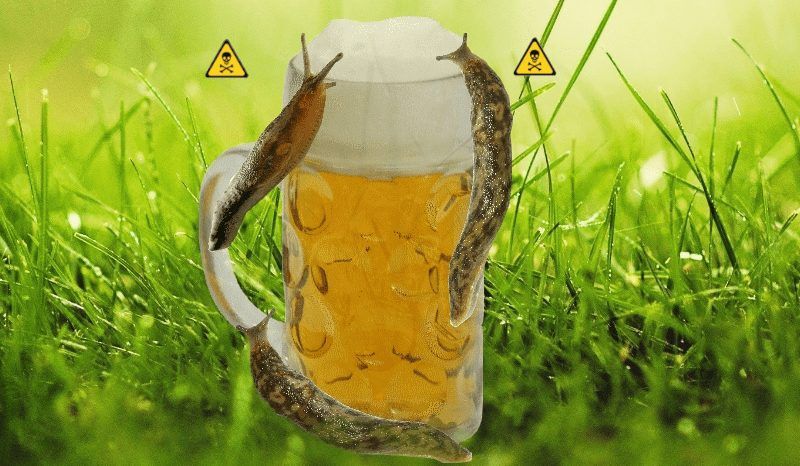
The principle of a beer trap is to attract slugs (thanks to the smell of hops, which they mistake for that of chicory) into a dish filled with beer, where they drown.
The trouble is that only about a third of the slugs drown in the dish of beer. The remaining two thirds therefore wander happily off to munch the lettuces in your vegetable patch.
And, once you also know that beer attracts slugs from more than 100 metres around (slugs find their way mainly using their sense of smell), you quickly grasp what the problem can be: you can see that you’ve killed some slugs with the trap, but there may well be far more of them in your garden than before.
The second impact of beer traps concerns the other “wildlife” in your garden. Oh yes!
Ground beetles and rove beetles, specialised predators of slugs, can easily drown by falling into the traps, having caught the enticing smell of the dead slugs steeping in their hops.
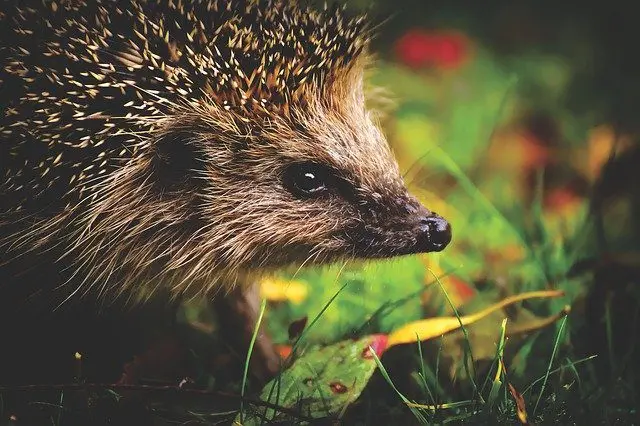
Hedgehogs, also drawn in by that protein smell, are apparently sometimes led to eat the alcohol-soaked slugs, or even to take a swig of beer. Naturally, that’s not good for them. They can easily get a little drunk, which leaves them vulnerable (for instance, it stops them from curling up into a ball when faced with predators, but it can also lead them to fall into a body of water and drown).
On top of this, you have to consider the – equally counterproductive – effect of using lethal methods to manage slugs in the garden: we look at that in part II of this article.
To go further, here is an article to learn more about the use of beer traps, along with time-lapse videos of beer-trap tests: the beer traps against slugs

Slug pellets work on the same general principle as beer traps: attract slugs, in order to kill them. This time, they die after ingesting the pellets in question, either through a destruction of the slug’s cells, bringing about a swift death (metaldehyde pellets), or by causing a blockage of the slugs’ digestive system, which thus prevents them from feeding and brings them a slow death (ferric phosphate pellets).
The first problem with using slug pellets stems from their proven toxicity (metaldehyde pellets), or suspected toxicity (ferric phosphate pellets), for the garden and its life.
The problem common to all slug pellets would also stem from the fact that slugs from the surrounding area are attracted over a wide radius, owing to their keen sense of smell and the olfactory appeal of the pellets. Are more killed than arrive? Probably, but substantial applications are then needed. The snag, during heavy rain, is the “disappearance” of the pellets into the soil. The attractant substance (starch) stays there, and so carries on drawing in slugs, with no more active substance left to kill them.
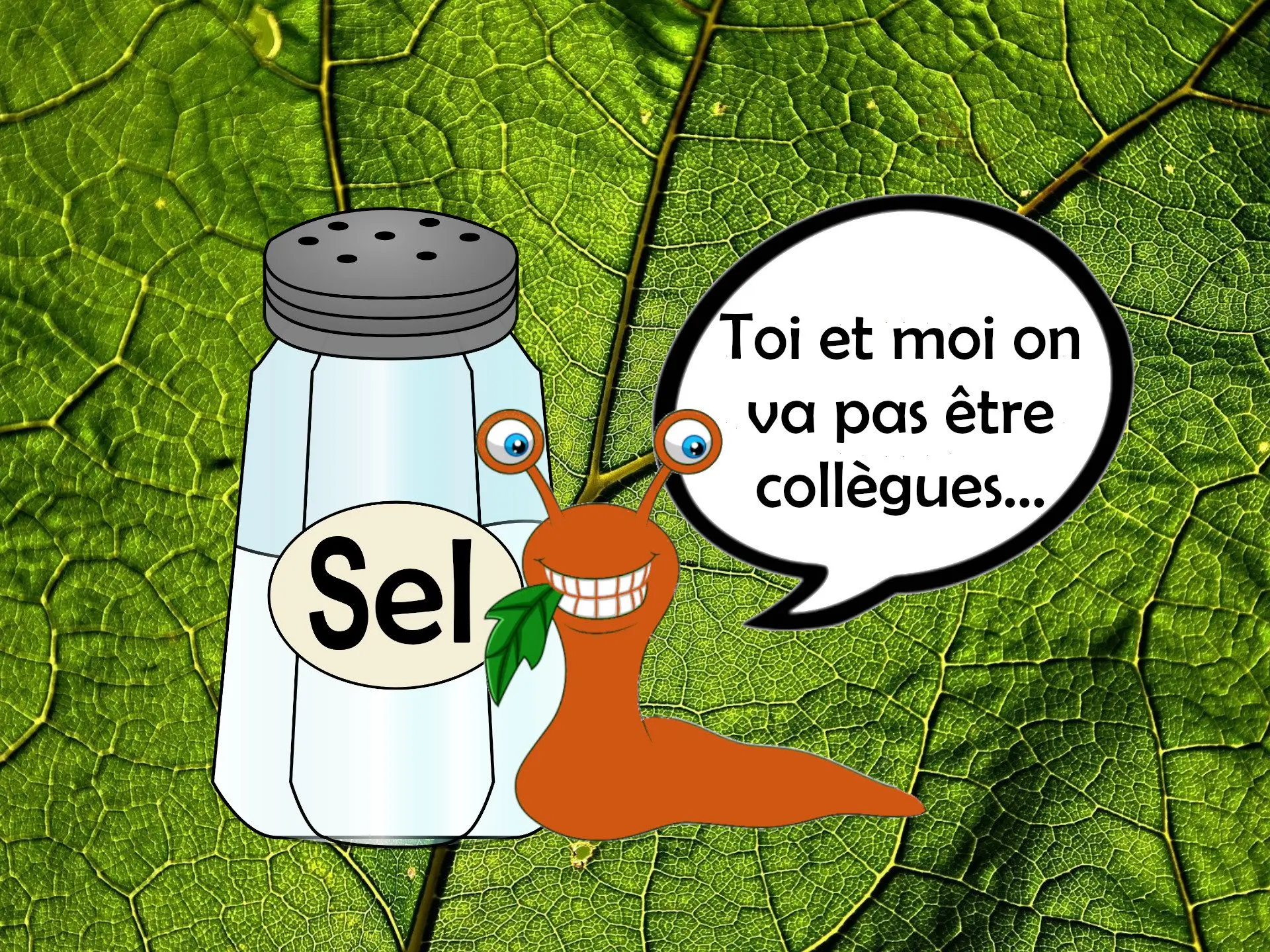
If you’ve already used this technique to fight off slugs that were robbing you of your nights, I can understand it; we all snap one day… But be aware that it really isn’t a good idea.
Quite apart from the probable agonising suffering of slugs sprinkled with salt, which die slowly (click here to understand why salt kills slugs), salt has a direct impact (and through the very same mode of action) on your plants, your soil, and its life (likewise, you’ll understand why in the previous article).
Salt is a genuine serial killer of life in all its forms.
In the garden, its use is truly to be avoided at all costs.
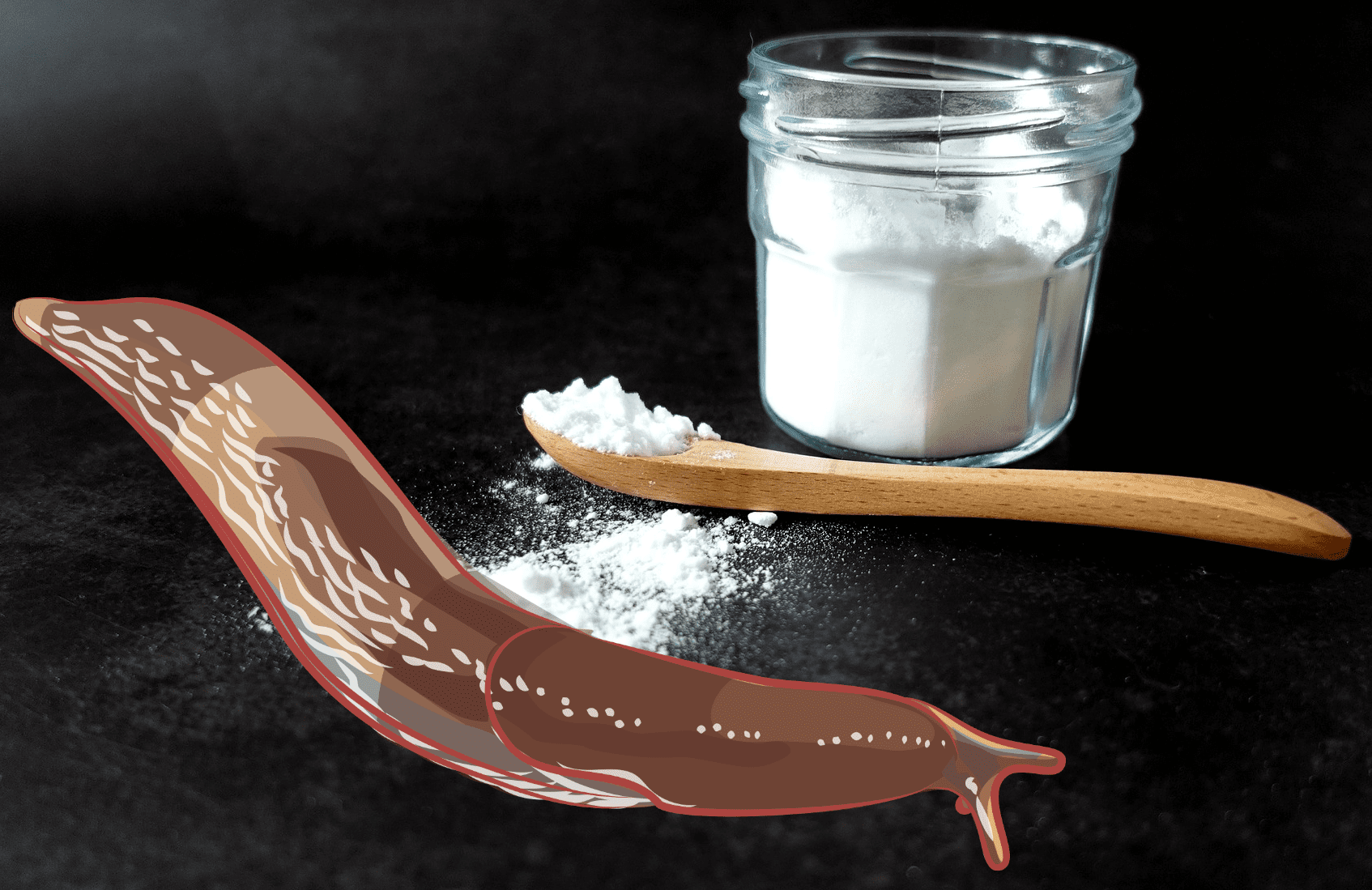
Diatomaceous earth is very much in fashion for putting up a barrier against slugs and insects in an “ecological” garden, or in “permaculture”.
You should know that the use of diatomaceous earth runs completely counter to the philosophy of permaculture.
Diatomaceous earth kills on contact. A slug that tries to cross diatomaceous earth is killed. An ant, a ground beetle, a ladybird that tries to cross diatomaceous earth is killed.
Permaculture means encouraging life in the garden, not laying down an automatic, indiscriminate instrument of extermination.
Not to mention that the impact of diatomaceous earth on your soil and its life must surely be far from negligible…
So I think it’s better to think twice before using diatomaceous earth as a barrier against slugs.
And besides, even if diatomaceous earth killed only the slugs, it would have an effect that runs counter to your long-term expectations. Let’s see straight away why:

An overpopulation of slugs is only the symptom of a systemic imbalance in your garden-system. If you wait long enough (between 2 and 5 years, on average), your garden-ecosystem has time to absorb this imbalance, and the number of slugs is then far smaller each year. This rebalancing, which requires an explosion in the garden’s slug population, comes about notably through attracting their natural predators (ground beetles, amphibians, hedgehogs, etc. Click here to learn how to attract the natural predators of slugs to the garden).
If you exterminate the slugs every year, regulation won’t be able to take place, and you’ll very probably have to spread slug pellets, sacrifice your beers, and so on, year after year…
So, what should you do?
As we’ve seen, for a lasting resolution of a slug problem, you mustn’t take the slugs out of the garden-system.
“So am I supposed to let my lettuces be devoured down to the stalk while I stand there with my arms hanging by my sides?”
No, no, you can have an influence on speeding up the process of rebalancing slug populations (attracting natural predators, but also encouraging the soil’s digestive fungi, among other things), but you can also protect your plants while this regulation bears fruit. And, to protect your plants without killing the slugs or removing them from the garden, you can for instance use effective barriers, to create natural ramparts against slugs.
Effective, and I stress this point. Because there are dozens of slug barriers out there. But the whole thing is to know:
For an overview of the existing slug barriers, I’ll refer you to this article on natural slug controls.
Otherwise, you should also know that copper is a very effective barrier for holding slugs at bay, if it is used properly.
And failing that, there’s always a good old granny’s remedy against slugs, if you prefer.
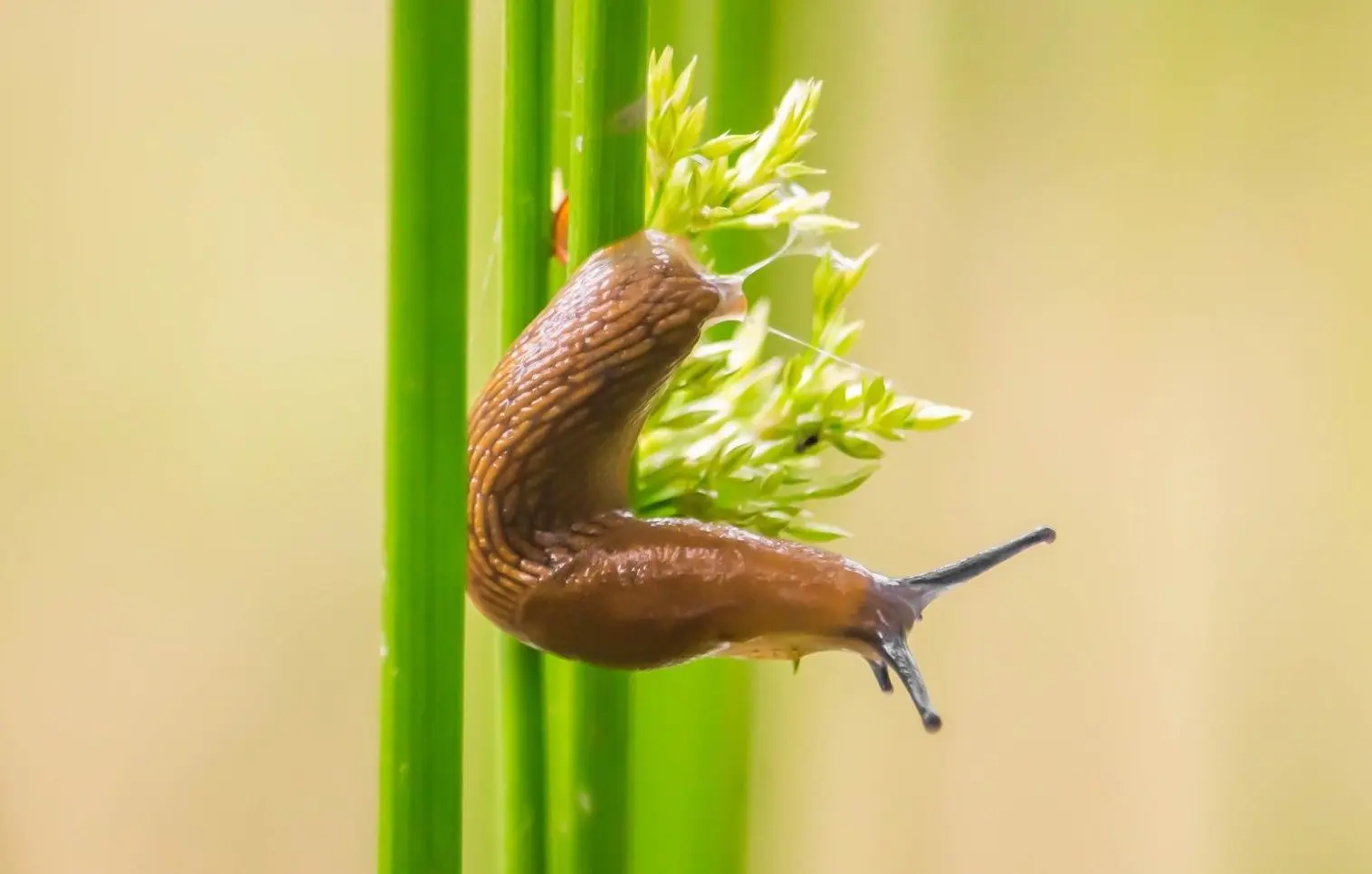
It’s sometimes tempting to give in to the easy way out. The ease of solving a problem by removing its consequence, its manifestation.
But, like the human body, the garden is a system.
You don’t cure a syndrome by masking the symptom.
In our case, the symptom is a slug population that’s too large, ravaging our vegetable patch.
The syndrome is a garden that doesn’t match the mature natural systems around it. It’s a garden that is often still too young, low in biodiversity, and even in wild weeds.
Focusing on resolving this underlying problem – that’s the lasting solution.
The information in this article has been selected and verified according to the criteria defined in our editorial charter.
Done with slugs. For good. Starting this season.
Related articles
Beer traps for slugs: a really bad idea
Read
Salt against slugs in the veg garden: don't do it!
Read
Testing and review of 30 natural slug deterrents (do they work?)
Read
Slug-repellent plants, or prevention through planting
Read
Surface composting: protect your vegetable patch from slugs, with love
Read
Slugs: their usefulness in the garden, what they indicate, and holistic management through reshaping the habitat
Read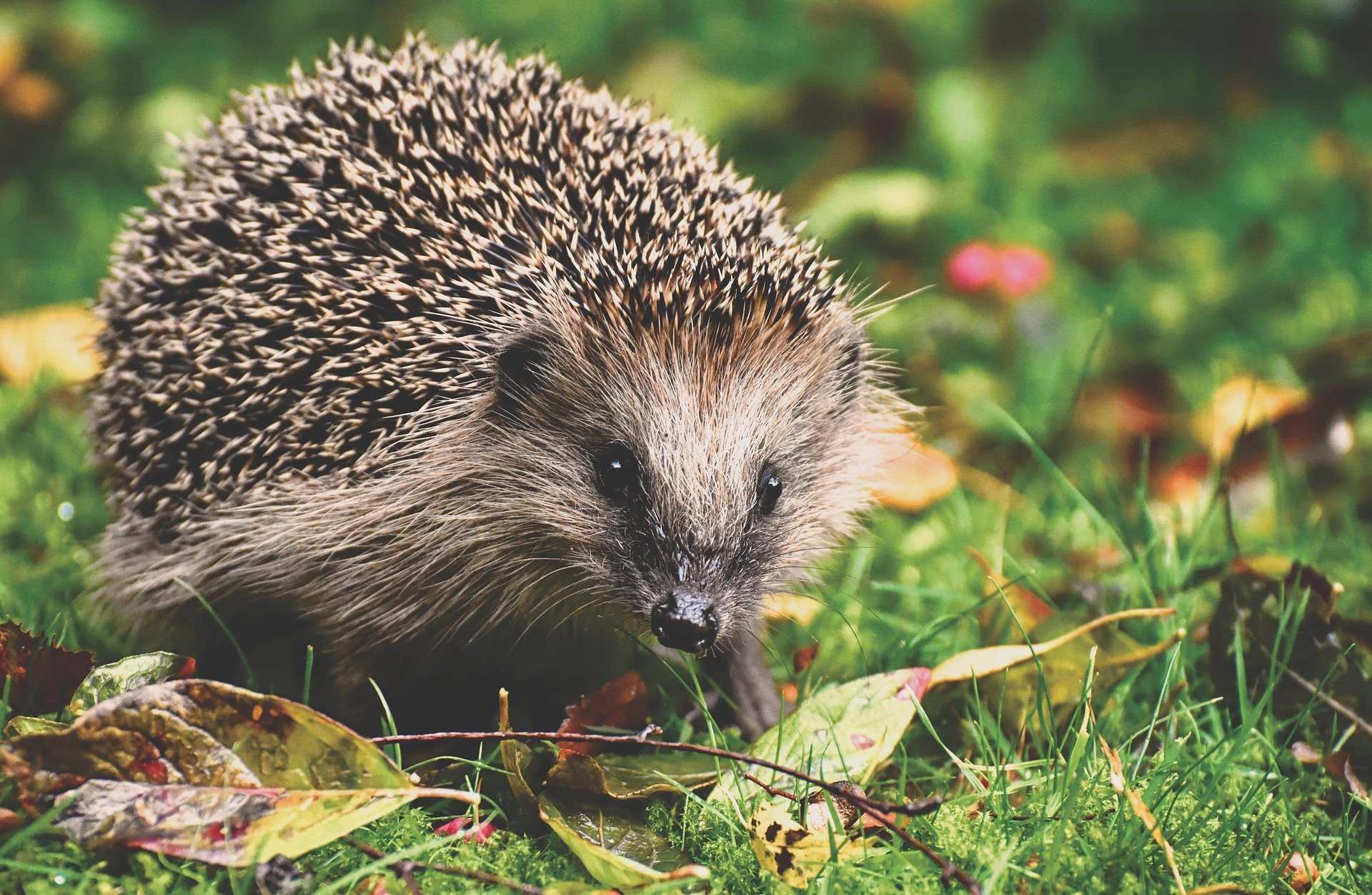
Slug predators: which are they? How to attract them to the garden?
Read
How to (cleverly) get rid of slugs and snails in the garden
ReadArticles in this section