Testing and review of 30 natural slug deterrents (do they work?)
Read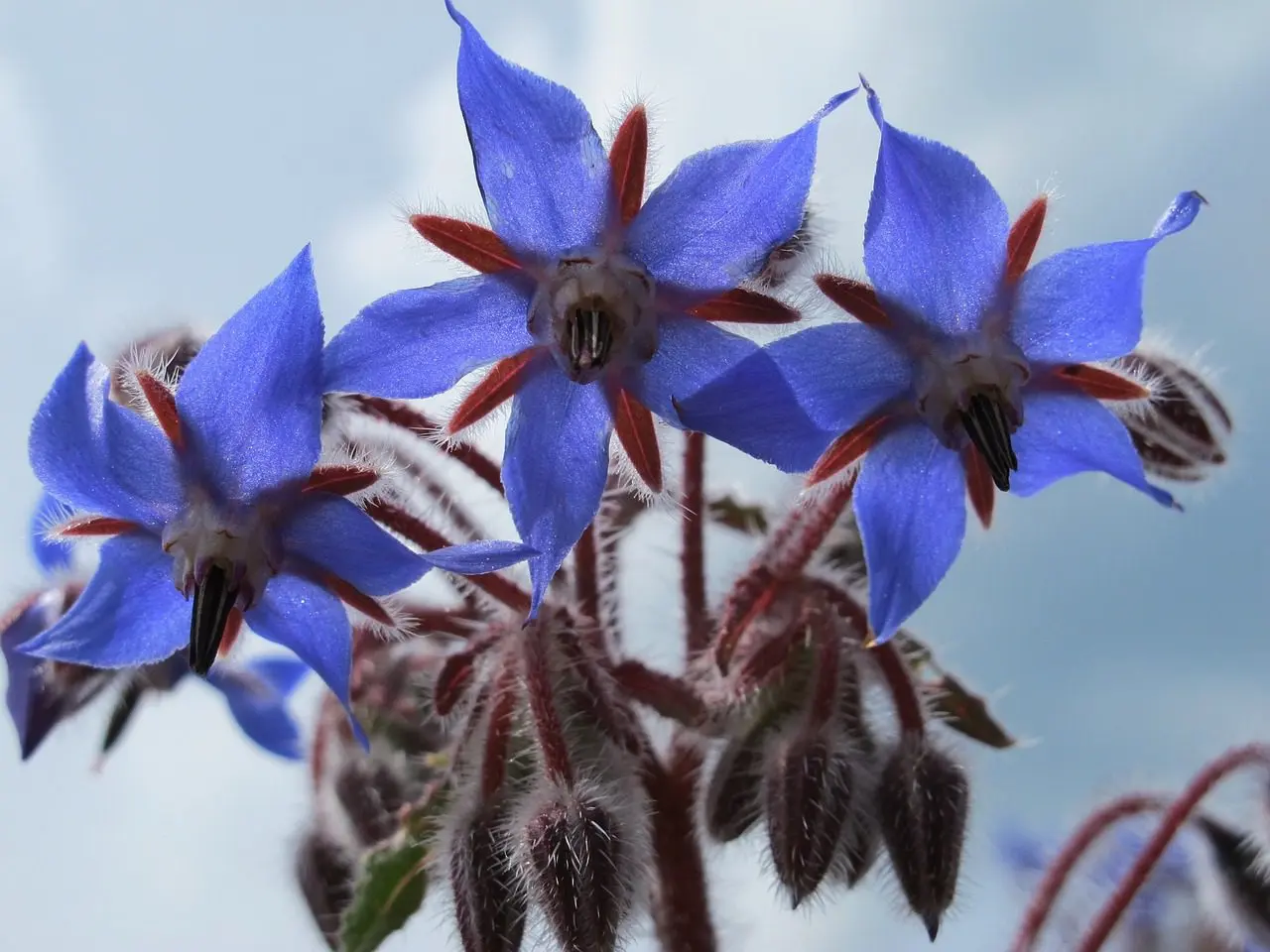
Slugs are devouring everything in your garden, and you want to tackle the problem by choosing the right plants? A very good strategy.
But before we go any further, there is one article I’d advise you to read if you want solutions to your slug troubles. It’s the article “tests and review of 30 natural slug controls”, linked just below. Read it, then come back. (Well… if you fancy it)
Related articles
As for this article, here’s the outline, so you can make a quick getaway if the menu doesn’t suit you 😉 :
If you're discovering my blog, chances are slugs and snails are giving you grief.
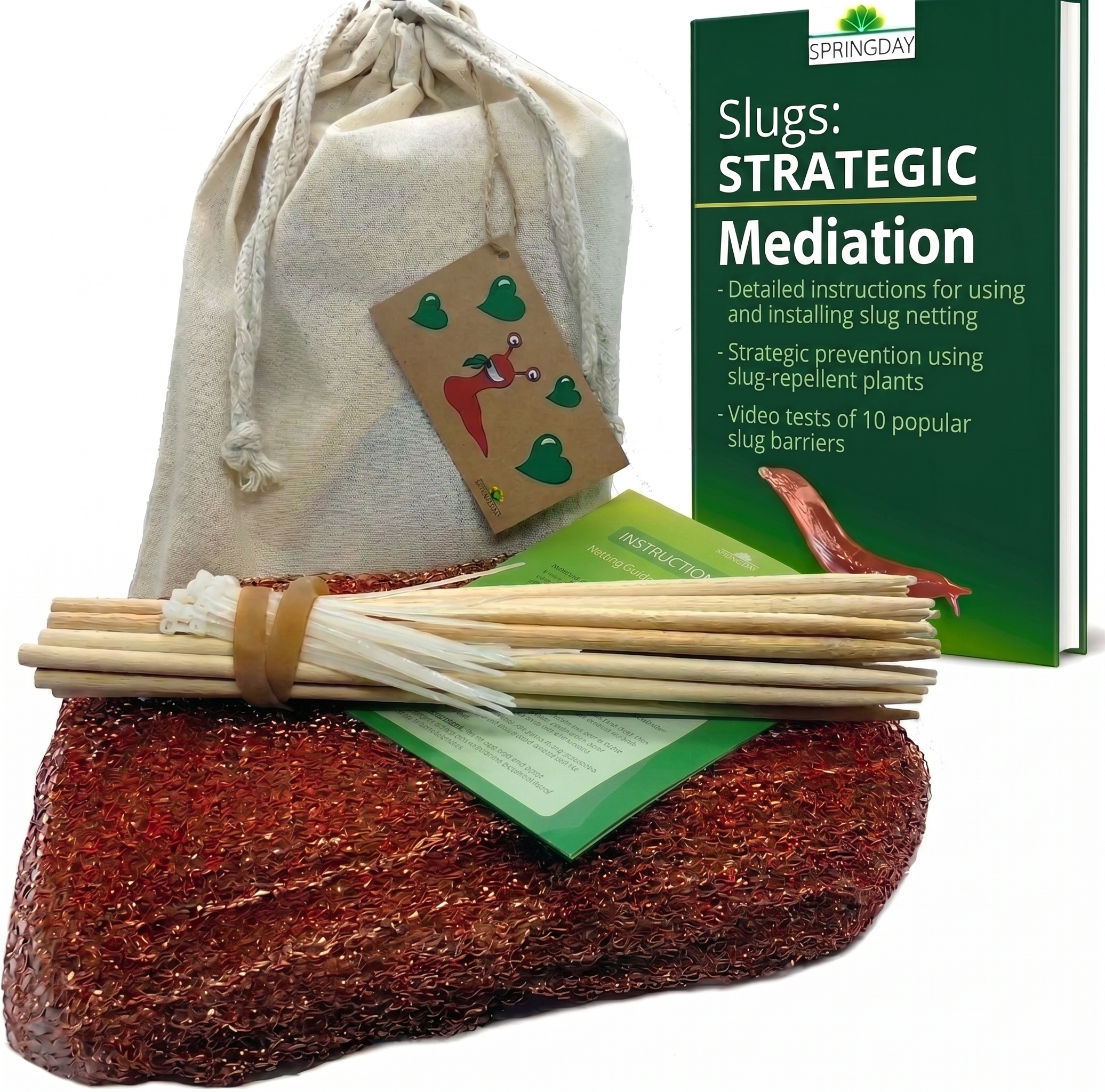
You'd probably be very interested in the copper slug barrier I designed .
It changed everything for me. I can finally grow lettuce, cabbages, strawberries and squashes without tearing my hair out.
Don't hesitate — it's an investment (copper is expensive), but you'll likely save yourself a huge amount of time!
Still here!? Brilliant, then off we go!
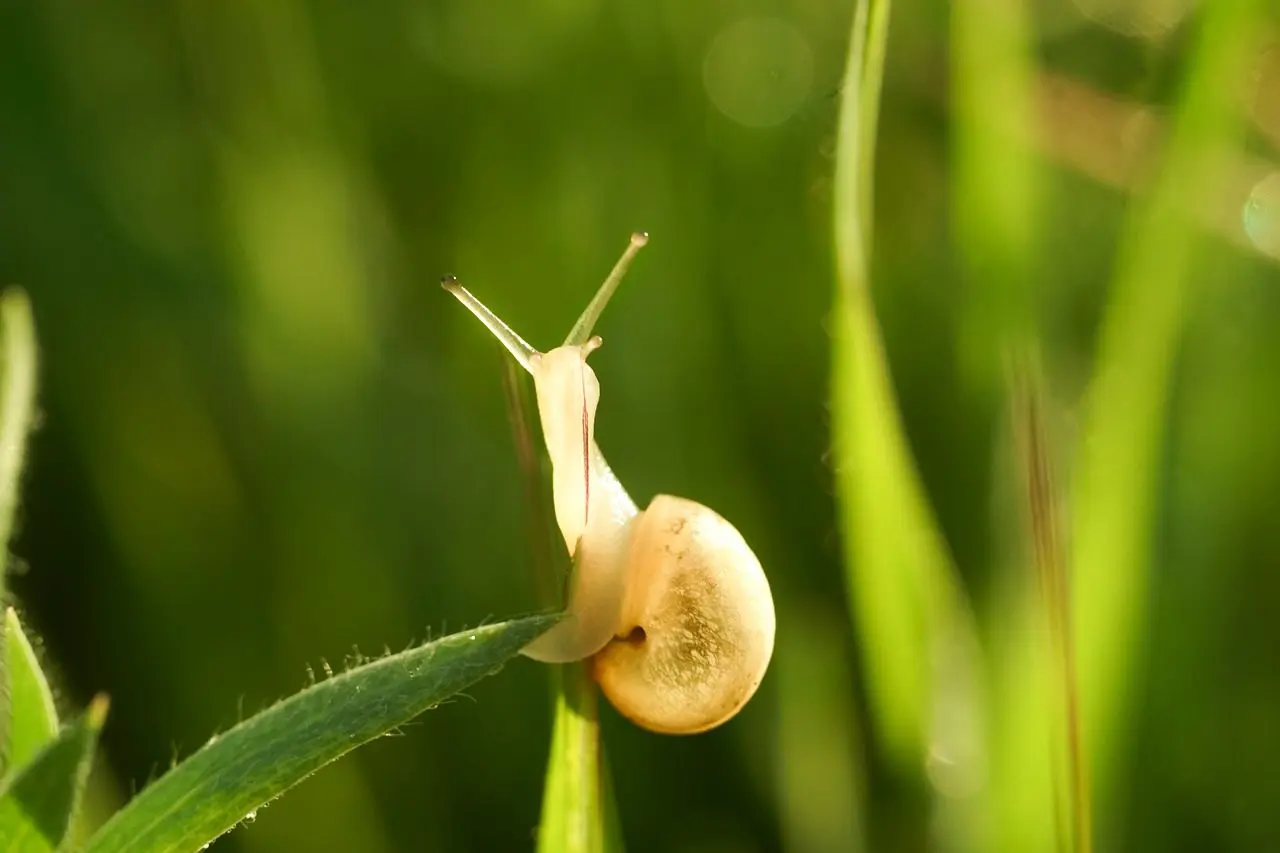
Did you know that your vegetable garden is a modification of an original natural environment?
Indeed, because before, in the place of your patch of greenery, there was probably a meadow or a forest.
It only takes the original vegetation to be pushed back and torn out as well, for aesthetic reasons, and a veritable island of novelty is thus created within the natural ecosystem.
On top of that, the soil is sometimes too young or too worked, and life (fungi, bacteria, all manner of insects) hasn’t yet had the time to establish itself there.
This type of garden is often “overrun” by endless waves of slugs throughout spring.
This striking landing of the gastropod brigade is in fact one of the symptoms of a young garden, or of too little biodiversity being present.
But even if we know all this, even if we’ve already read about the subject, even if we’ve watched the whole of Hervé Coves’ talk on the matter, we may already have put in place the means to encourage our garden’s return to balance.
But… while we wait for the miraculous natural regulation, we fight with all our might to preserve our few lettuces: mass collecting, walls of eggshells and ash, … It never seems to end…
And what if you could protect your cabbages and lettuces while being the laziest person on earth?
Yes, it’s possible. Well… let’s say it’s likely to make the work a great deal easier for you.
“And how, pray tell?”
Why, thanks to plants, of course!
You’re going to plant a set of so-called “slug-repellent” plants, whose combined properties will help protect the plants in your vegetable garden that you cherish so much.
It is, in fact, a technique for preventing the problem of a slug invasion in the garden.
But why prevent?
As a general rule, it is always more effective to prevent a problem than to treat it once it’s there (to “cure” it). But above all, this prevention method is excellent because targeted plants, once in the ground in your garden, work on their own and continuously. That’s their great strength.
So much for the “why”. As for the “how”, let’s look at that right away!
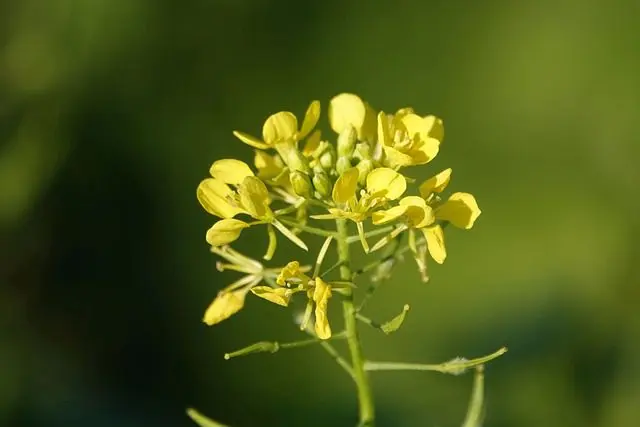
You’ve no doubt grasped it, there are 3 categories of plants among what I’ve chosen to call (for convenience) “slug-repellent plants”:
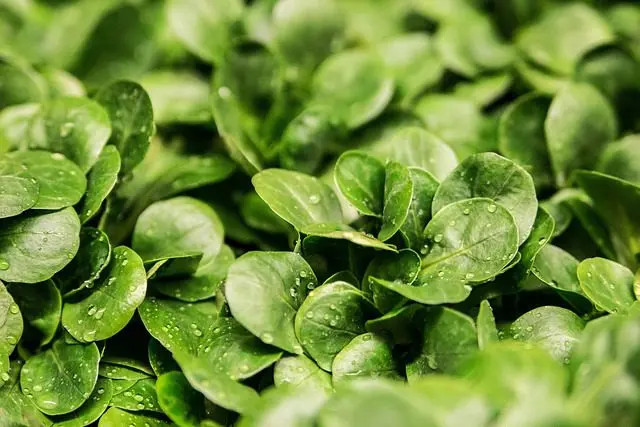
Choosing, for your vegetable garden, plants and flowers that slugs won’t eat: there’s the first, the most essential, and undoubtedly the best of the prevention solutions.
Indeed, some plants have naturally developed a resistance to slugs.
Some taste bitter, others have hairy or fleshy leaves, hairs or prickles. Other plants give off a pronounced scent that helps them divert predators away from themselves.
The plants that display these defences are naturally protected from slugs, because the latter will only eat them if there’s nothing else to get their teeth into.
These naturally resistant, slug-repellent plants should be used in the vegetable garden as the plants that most often “serve” the gardener’s immediate aims: these are either vegetable plants (vegetable production) or flowering plants (ornament).
Each of these plants is, broadly speaking, a princess to be protected from the villains: if the princesses are karate black belts, they’ll naturally be better protected from immediate dangers.
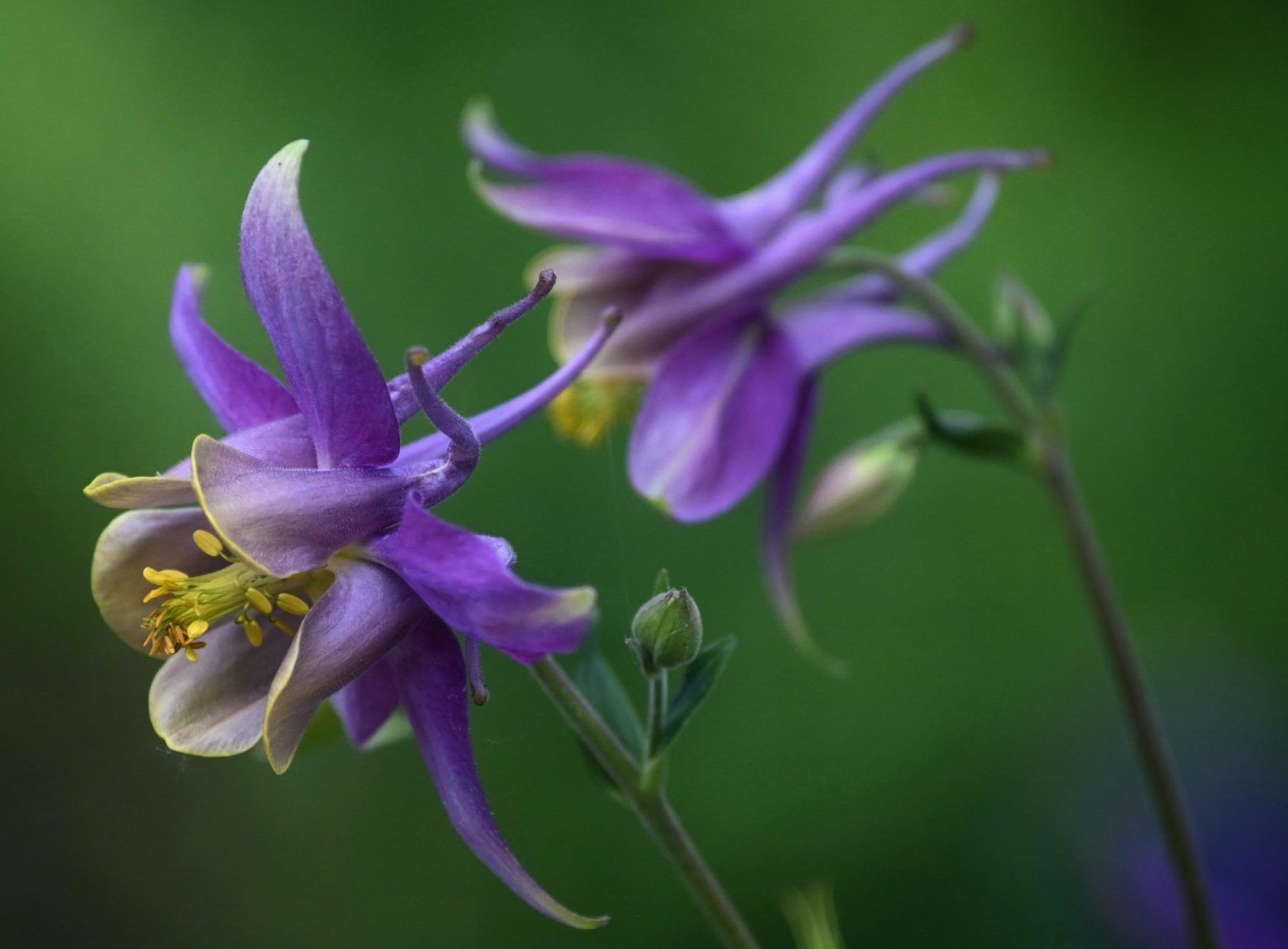
So, concretely, if you’re making a vegetable garden, choose plants of this kind: instead of planting green lettuces, for example, plant red lettuce or lamb’s lettuce (more slug-resistant plants here). And if you want flowers, instead of planting dahlias or zinnias, you could for instance plant columbines.
The aim of this article is to set the scene for the 3 articles in the thumbnails below, which address this theme.
It allows a more global view of this strategy of managing the problem through plants.
I try to cover four points that I think are essential:
Related articles
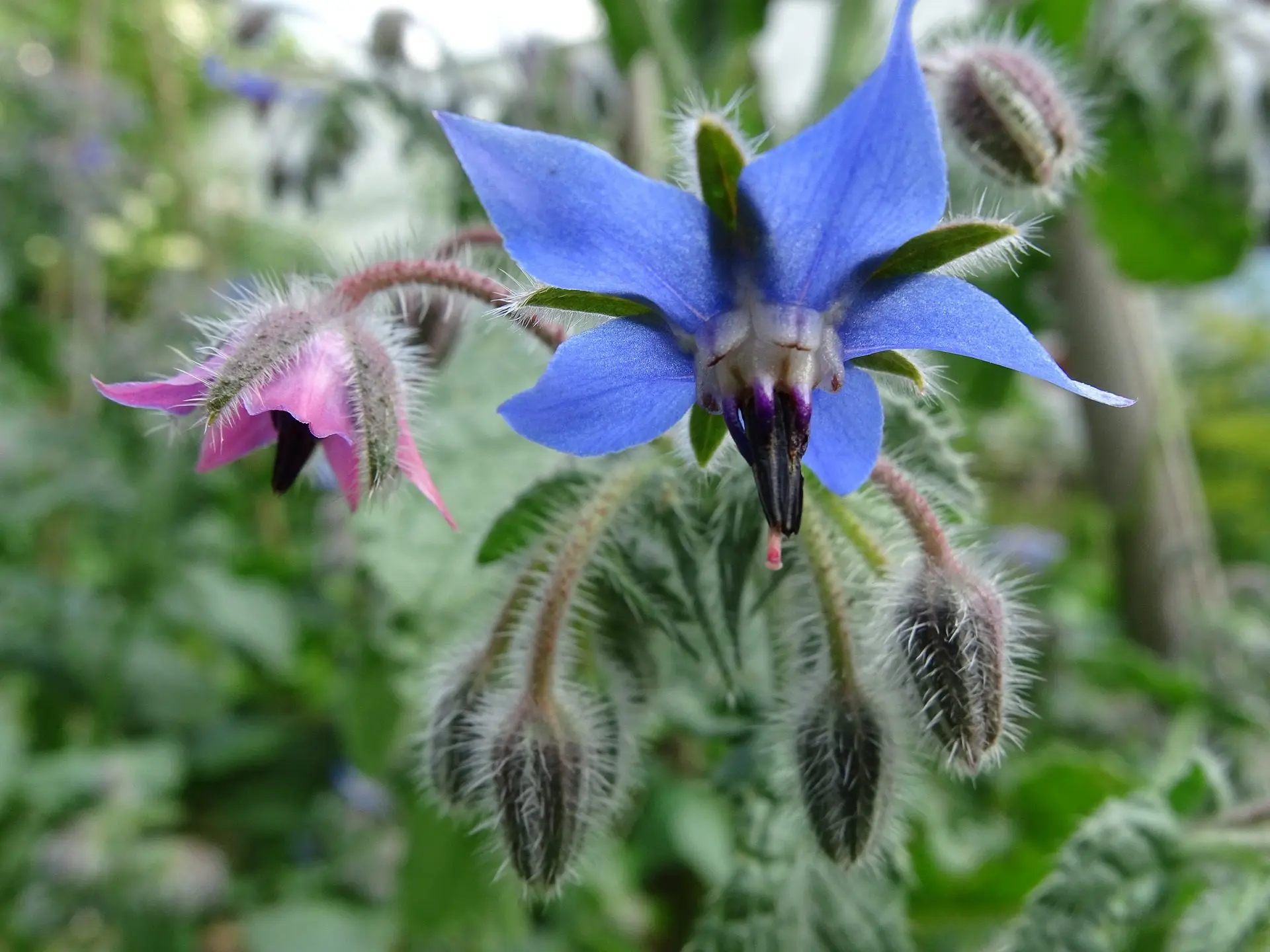
The other slug-repellent plants are the plants that aren’t simply resistant, but are even repellent!
If we take the princess example again, the young girl would therefore be a karate black belt, but with the added bonus of enormous biceps that would send the baddies fleeing straight away by frightening them off.
The idea is to use the sturdy damsel to protect other, frailer and more innocent young girls: for example, borage is a plant that has a repellent effect (this was even confirmed by a little vote in our Facebook group bringing together many gardeners. So we can place it near our lettuces, so that slugs come as close to them as little as possible.
But be aware that there are many other plants that repel slugs, and that these are only a sample.
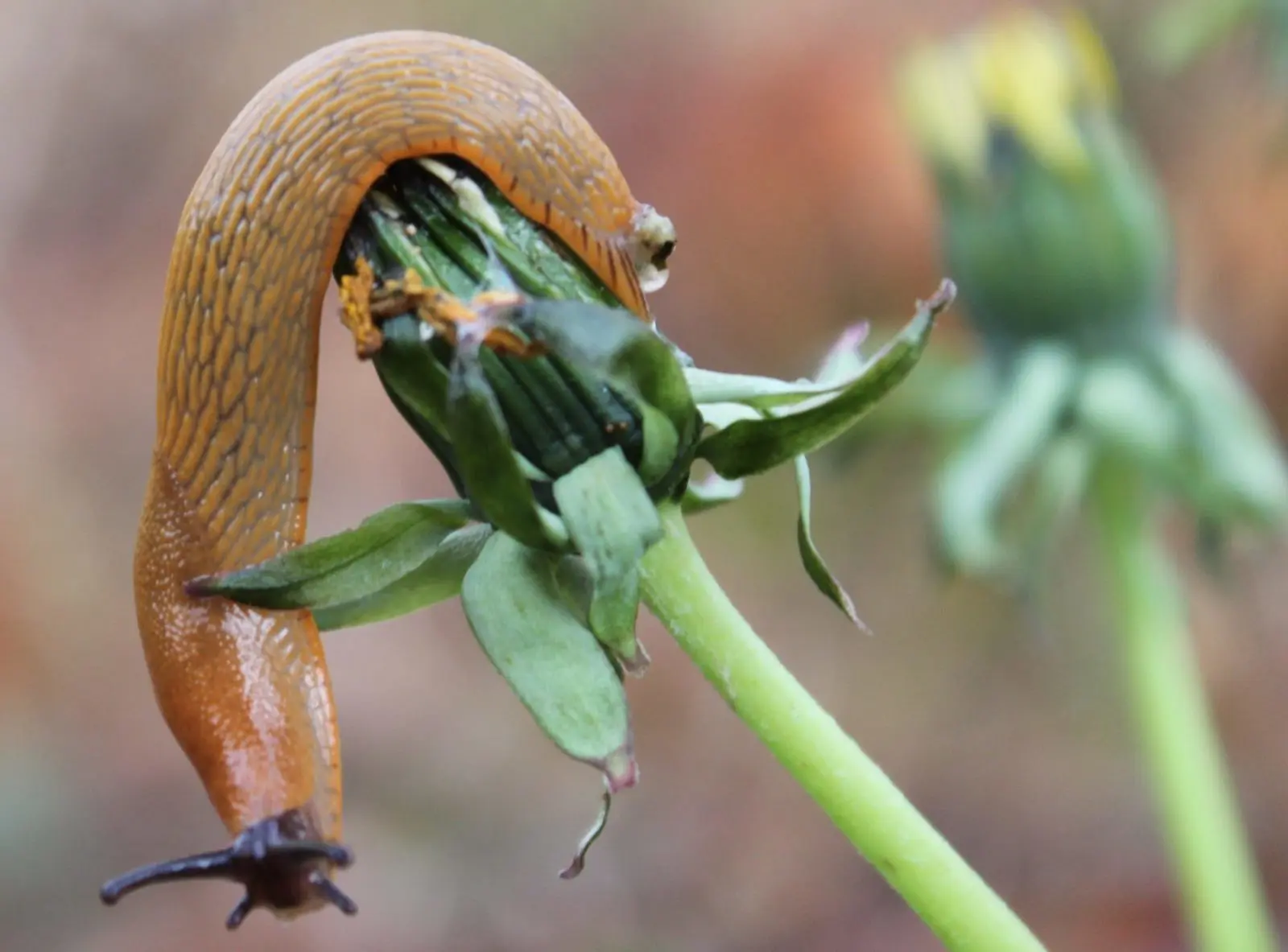
Contrary to the repellent plants, did you know that plants that slugs are very fond of also have an enormous benefit?
The idea here – to return to our example of the 4-year-old child ^^ – is to protect the princess by placing other princesses, adorned with diamonds and solid gold (and therefore “more attractive” (I know, this is getting a bit out there)), in the path of the crooks.
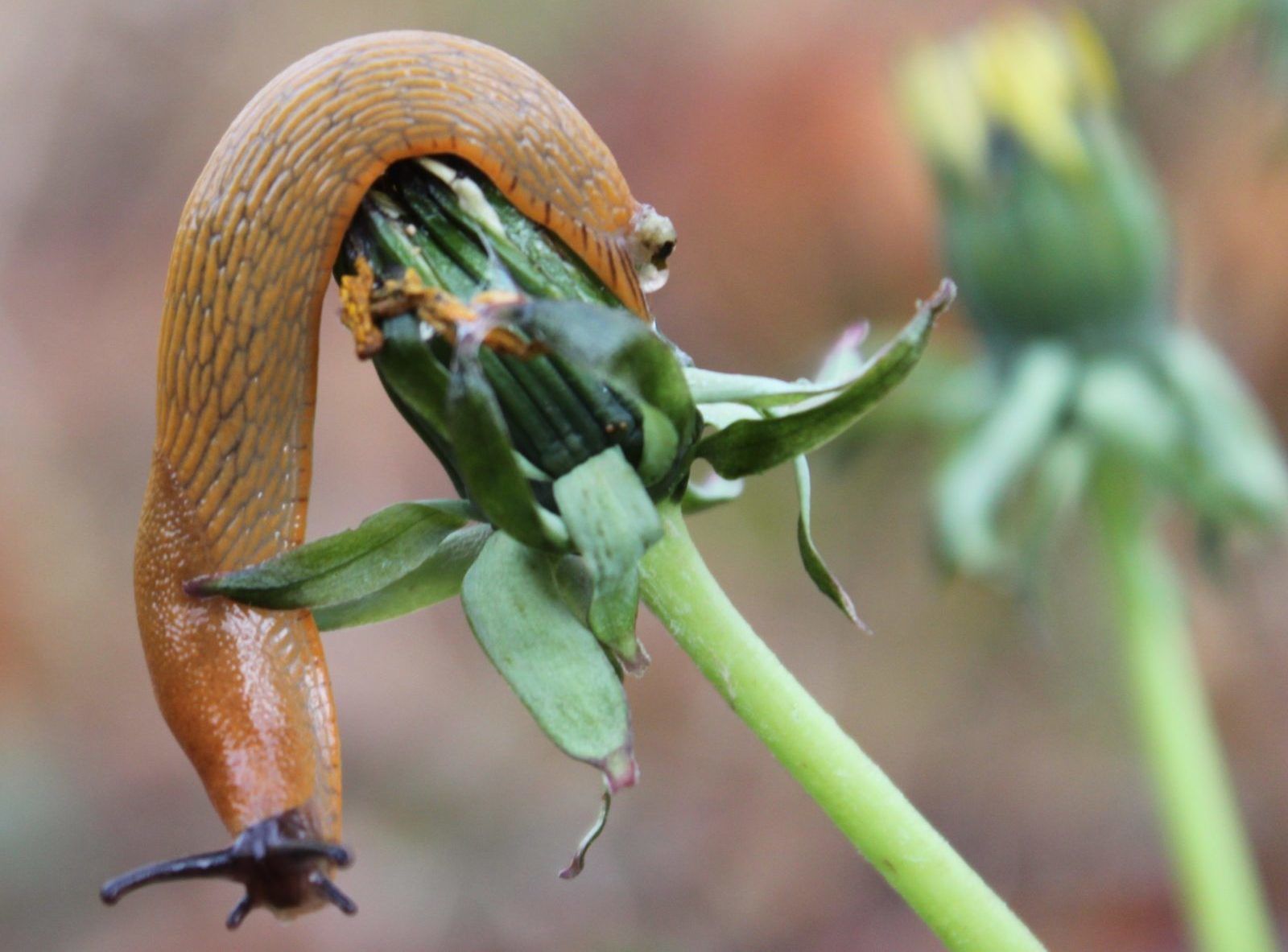
So the aim is, for instance, in the vegetable garden, to plant a host of dandelion maidens next to your courgette ladies. Slugs and snails prefer dandelion leaves to courgette leaves, so the latter are likely to fare much better.

The best thing, of course, is to combine these different strategies. Place your red lettuce maiden (karate black belt) next to a wall of borage (big biceps), and surrounded by dandelion maidens: it’s a safe bet that lady lettuce will be doing wonderfully!

Planting slug-repellent plants is an excellent way to fight intelligently against slugs in the vegetable garden.
You’ll nevertheless need to watch out for 2 things, which are also important:
If the slug problem is too great, or you’re afraid that this won’t be enough to keep the gastropods in check, you can of course combine the slug-repellent plant strategy with the other effective methods for managing slugs in the garden.
The plants I call the “slug-repellent” plants have an enormous benefit for managing slugs in the garden. They act through a preventive mode of action, and their effect is permanent throughout the season.
The combination of resistant, repellent, and distracting plants makes it possible to effectively protect our plants from slugs. You can also use barriers, one of the most effective of which is copper (see the article: copper: test and comparison)
You mustn’t forget, though, to keep on attracting the natural predators of slugs to the garden, without which lasting rebalancing will be impossible.
If you want more precise information on the slug-repellent plant strategy, don’t forget to scroll back up to the middle of the article, where I present the 3 articles specific to each technique.
The information in this article has been selected and verified according to the criteria defined in our editorial charter.
Done with slugs. For good. Starting this season.
Related articles
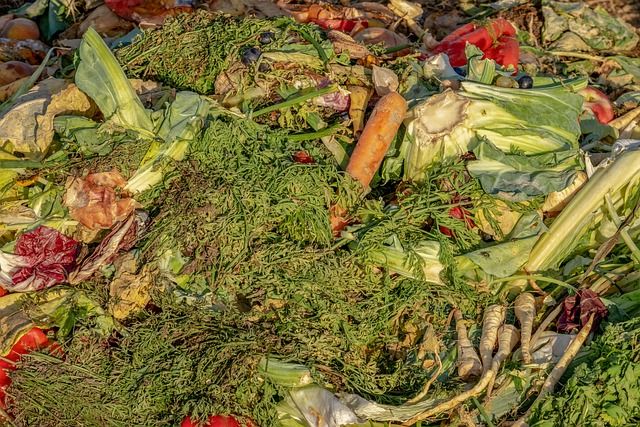
Surface composting: protect your vegetable patch from slugs, with love
Read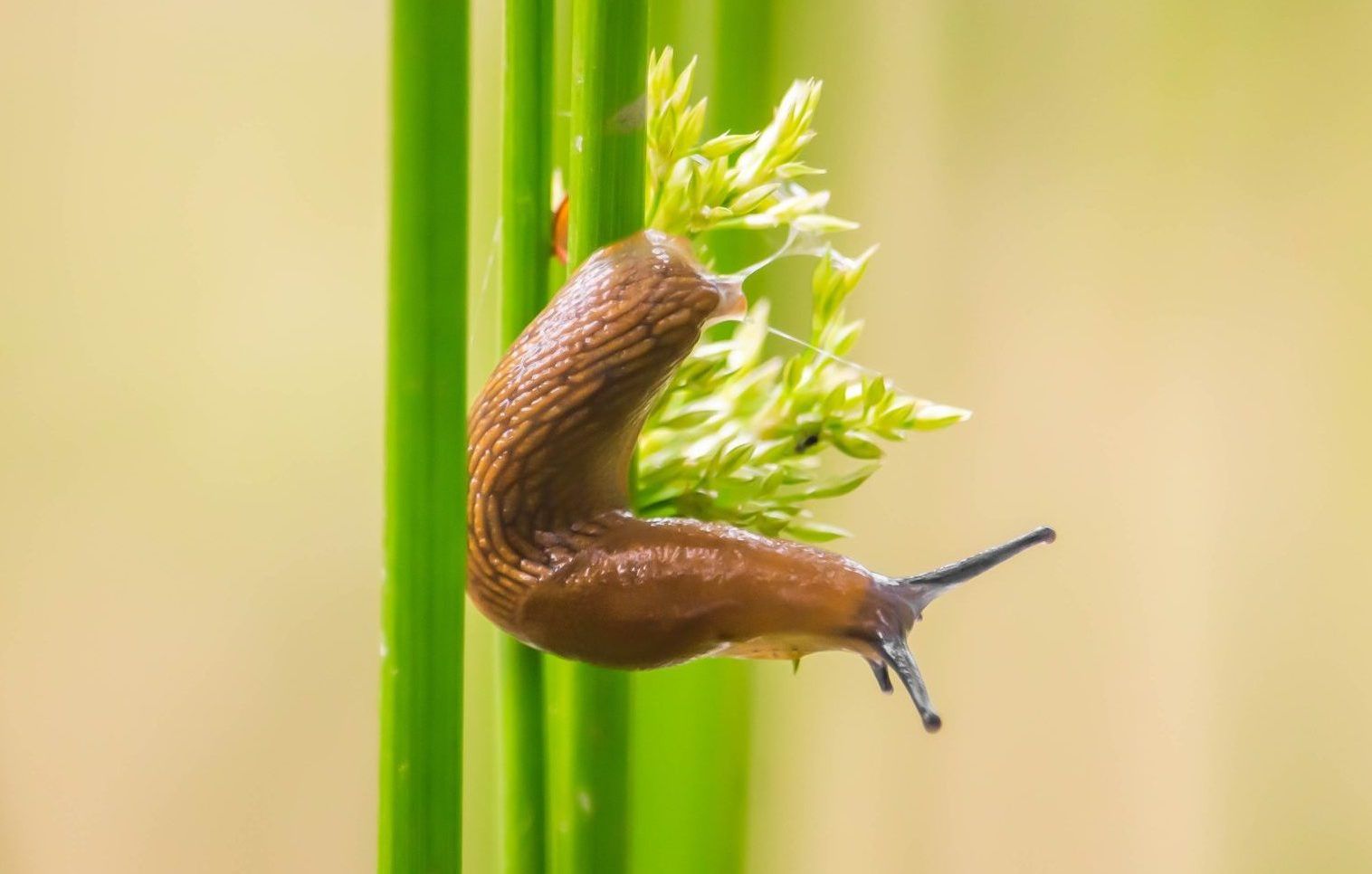
Slugs: their usefulness in the garden, what they indicate, and holistic management through reshaping the habitat
Read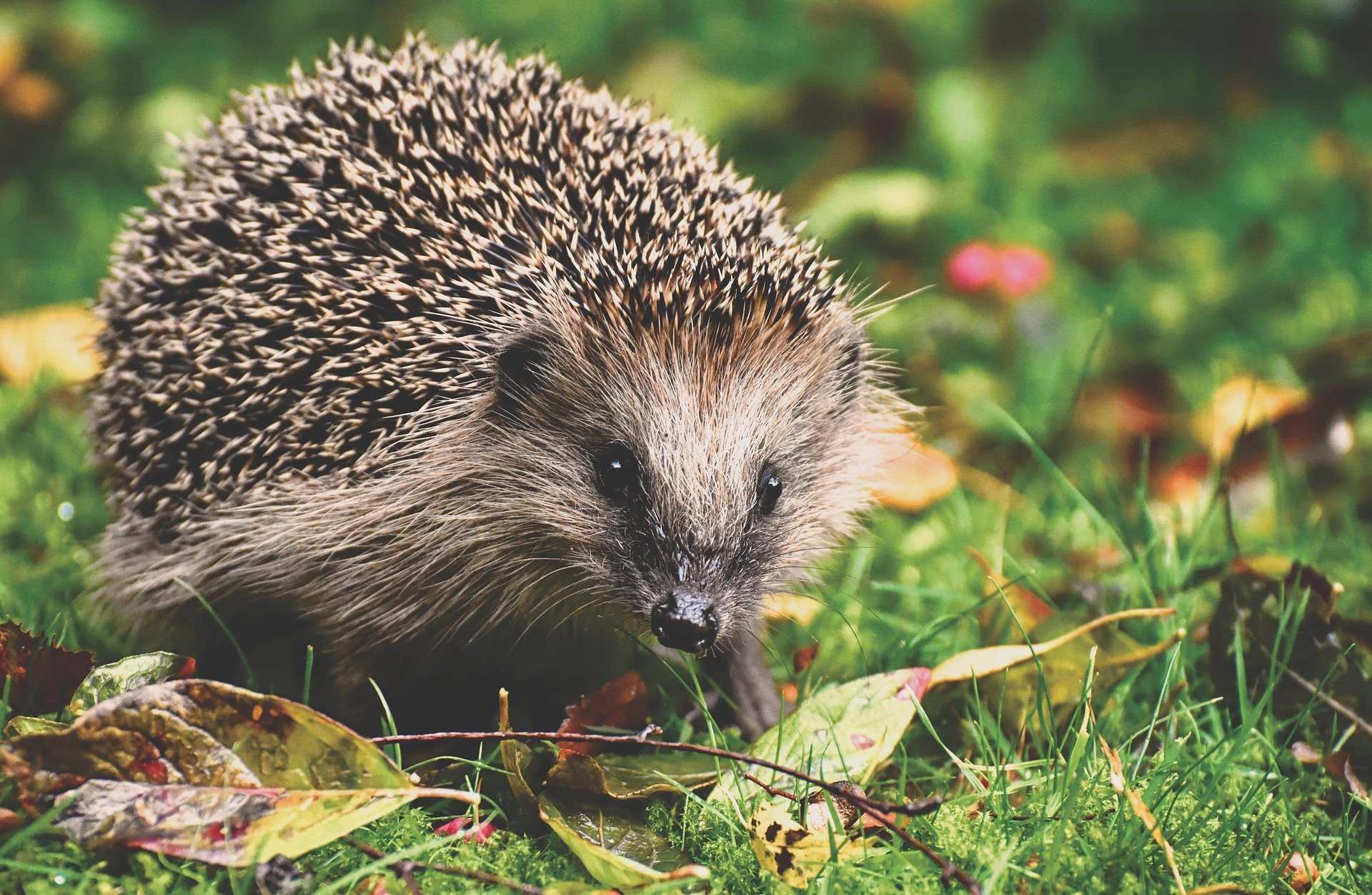
Slug predators: which are they? How to attract them to the garden?
Read
Slug control: the (harmful) methods to avoid – why and how?
ReadArticles in this section