Slug-repellent plants, or prevention through planting
ReadPlus a proposal for a smart, sustainable slug-management method.
I recommend reading this article on slug management before browsing the other articles, for a concise overview and to access my test videos.
Many points in this article do not appear in the sub-articles listed in this plan (the barriers protecting plants, for example (copper excepted)). If you skip it, you risk missing plenty of useful information.
If you're discovering my blog, chances are slugs and snails are giving you grief.
You'd probably be very interested in the copper slug barrier I designed .
It changed everything for me. I can finally grow lettuce, cabbages, strawberries and squashes without tearing my hair out.
Don't hesitate — it's an investment (copper is expensive), but you'll likely save yourself a huge amount of time!
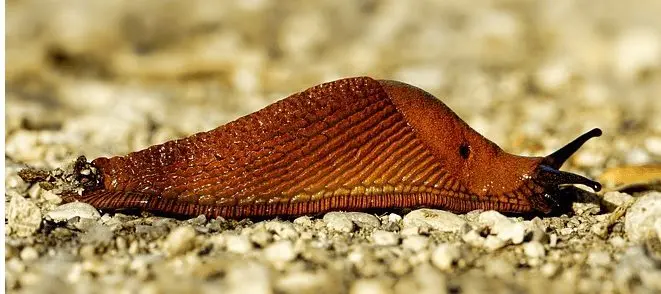
Slugs are considered or perceived by many as “pests”, out only to “ravage” a garden. That overlooks the fact that slugs, most species of which are native, play an important role within the ecosystem. Like many other insects and animals, they help break down organic matter, which the soil’s micro-organisms then finish transforming. But the slugs’ favourite targets are plants at the end of their life, withered, which therefore matter little to the kitchen garden’s yield and may be carrying disease.
What’s more, through their mucus and their work, slugs hydrate, aerate and bind the soil. I have written an article that explains far better all the benefits of having slugs in the garden.
Like the vast majority of garden insects and animals, slugs have an important place within the complex system that is our garden.
Below is a video by Hervé Coves on the holistic (that is, overall) management of slugs in the garden. It makes the value of considering their management in light of the environment they live in (your garden) easy to grasp. Set aside a moment, it’s worth it (watch it at x2 speed if you must).
It is nonetheless true that “booms” in slug populations can occur periodically, often bringing serious consequences for your crops. And it’s understandable not to want to wait for the natural regulation Mr Coves promises.
What do you do in those cases? How do you get rid of slugs, some would say? I prefer to focus on understanding how to regulate an overly large slug population. Besides, in general, as seen in the previous video, in a garden that aims to embrace the principles of permaculture, you don’t “get rid of”, you rather try to “live with”, to regulate, to manage, even to control, which leads to a far more sustainable resolution of what was then perceived as a problem.
So, which “Perma” methods are effective? Are there acceptable natural “slug deterrents” in permaculture?
Definitions of what is “Perma” and what isn’t often vary a great deal from one person to the next. This classification of methods, drawn mainly from a body of literature, reflects my own point of view, and anyone is of course free to debate it. I try to carry out this kind of classification whenever I can, as in the overview article on aphid control in permaculture, where I likewise try to distinguish between short- and long-term methods, “Perma” or not.

During a very rapid rise in a slug population, you will often need to act fast to save your most essential crop plants. In those cases, many people turn to beer traps, or slug pellets based on ferric phosphate or metaldehyde. These are methods I consider unadvisable, all the more so for people wanting to stay within the philosophy of permaculture. For more on this, see the section “the methods and slug deterrents not compatible with a permaculture garden” at the end of the article.
To limit the damage in your kitchen garden, then, there are plenty of natural, “perma” and homemade tricks.
In this first section, I will review some of these methods, which I will classify as “short-term”. Indeed, even though most of these old wives’ remedies against slugs and slug barriers prove effective, they are actions to be repeated frequently to be genuinely effective (to label this first category of methods “short-term”, I am arbitrarily putting myself in the shoes of a gardener with limited time and energy), or else they cannot protect your crops in a lasting way (for many reasons: change in soil pH, impact on plants, non-permanent barriers), still less resolve the underlying imbalance behind this slug-population explosion. Methods whose effectiveness seems middling or highly disputed also feature in this category.

The first of these methods, and the one that springs to mind first, is also the one many permaculture gardeners use.
Grab a head torch and head out at nightfall in search of the slugs, which you can then gather.
This method is far more effective for the red slugs, which are large and often quite visible, than for the grey slugs, which are small and blend more easily into their surroundings. It is to be repeated as many times as necessary.
How do you (gently) get “rid” of the slugs gathered this way?
Once the gathering is done, I think the best thing is to release them a good kilometre from your home, in an environment that suits them (a copse, a forest, a meadow…).
While this method is very effective as long as it is carried out regularly, it removes the slugs from your garden system without resolving the underlying imbalance (a lack of natural predators or of edible plants other than your vegetable plants, for example). I think that, aside from the far more ethical aspect of it, as far as your garden system is concerned this amounts to the same thing as eliminating them, and does nothing to solve the long-term problem.

The principle here is to “gather” the slugs together to make picking them up easier. This works particularly well for the grey slugs, which are hard to spot.
To do this, set out plenty of slug shelters (a roof tile, a wooden plank, a large stone…), under which you can even add “bait” such as cabbage leaves or slices of cucumber.
All you then need to do is turn the shelters over and collect the slugs. To release them, follow the same instructions as in the previous section.
Eggshells are used by many people to create a natural barrier against slugs. But their effectiveness is very much disputed.. See the video test of eggshells and ash at the end of this section.
Even so, this technique seems to work for some people, so do give it a try anyway!
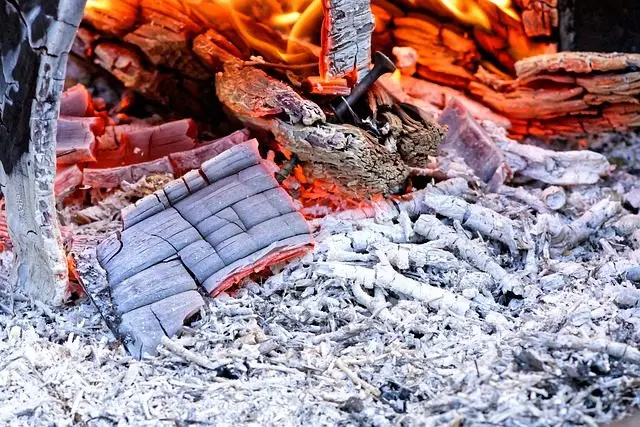
Laid out as a slug barrier around your plants, wood ash stops slugs from attacking them (slugs detest dry ash). Even so, it needs to be renewed after every shower of rain, because on damp ash slugs can on the contrary move about freely (see the eggshell and ash test video at the end of this section, in which the strong effect of dry ash is also clearly visible).
Impact on your growing soils:
+ : ash is very rich in mineral salts, lime and potassium (K), and can therefore act as a fertiliser in small doses.
– : excessive amounts are harmful to the soil’s chemical and biological balance, ash raises your soil’s pH, and is therefore unsuitable for chalky soils or for acid-loving plants. Ash also has asphyxiating properties for insects (and so for beneficial creatures), although its impact is less than that of diatomaceous earth.
Many people also use coffee grounds as a slug barrier. To do this, the instructions are to spread them in a thick layer around the plants. The gritty texture of this material is supposedly inclined to put them off crossing it, according to what is most often said. After a test I carried out and filmed (see the video at the end of this section), it turns out instead that coffee grounds act through their scent (although their texture is also of interest). But this effectiveness is once again very much disputed.
Impact on your growing soils:
+ : coffee grounds can have a fertilising effect on certain target plants (cabbages); it is preferable to use them composted
– : uncomposted coffee grounds have a strong growth-inhibiting effect on plants.
Don’t forget to turn up the sound!! 😀

Fine white sand (silica) also seems to be used successfully by a few people. Slugs detest its touch when it is dry. A sufficient layer of sand, laid out as a barrier, would appear to deter slugs from crossing it to eat your plants. The use of sand could nonetheless, I think, impoverish your soil. And then, once wet, its effect drops to zero!

To round off the slug barriers, it also seems possible to use hair, animal hair or wool. Crossing a barrier of animal hair, hair or wool does not irritate slugs (as many like to claim), but hinders them terribly in their progress, by sticking and clumping onto their mucus, offering no grip, and also making them drool a great deal.
But, once wet, their effect too drops to zero!
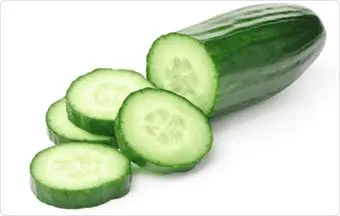
The idea here is to divert the slugs’ attention quickly and directly. The sacrificial beds, although they work on the same basic principle, do not appear in this section, as I consider them a more long-term solution.
The aim here will be to give the slugs choice morsels to eat, so that they leave your plants alone, by drawing them away from them.
You can, for example, place slices of cucumber, lettuce or cabbage leaves on a plate, which you set a little way from your kitchen garden. You can also use your fruit and vegetable peelings.
Another solution, doubtless the most perma there is, is to decide to share your kitchen garden with the slugs, that is to accept some losses while waiting for the problem to be naturally regulated by predators settling in. But unfortunately, that is often quite tricky during an explosion in the number of individuals in your garden, where doing nothing can prove disastrous for the harvest.
Surface composting is also a good method for distracting slugs.
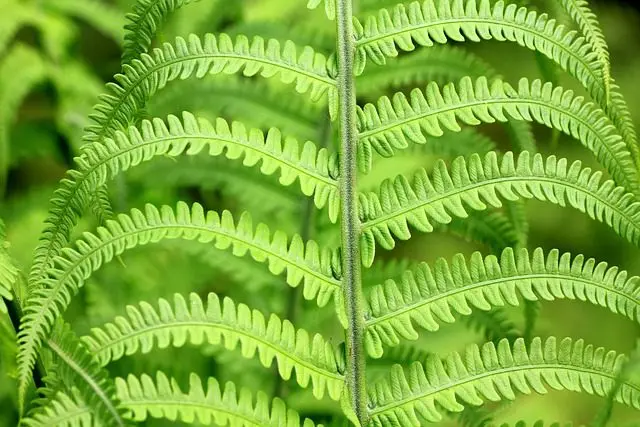
It is possible to use liquid manure to protect your kitchen garden from slugs, by drawing them directly away from the protected plants.
I have not tested them personally, but here are the recipes I have seen cited:
Even though it is likely that most of these sprays have an immediate effect (you only have to see the slugs’ reaction to the smell of garlic to understand that a garlic infusion is bound to be very effective), the problem, unfortunately (and yes, you’ve guessed it, it’s far too good to be that simple!), is that at the first rain the plants will be “washed” clean of their sprays, and that after only a few days, even in dry weather, you’ll have to start the spraying again to restore the “slug-deterrent” scent to its full strength.
It is also possible to form homemade slug barriers that last over time, to protect your kitchen garden over a longer term than most of the tricks seen earlier.
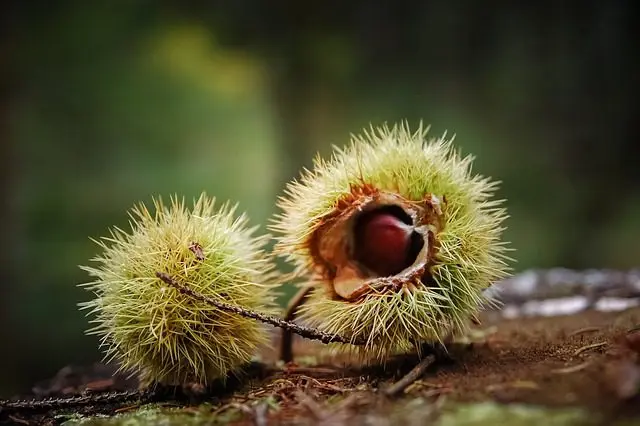
According to the most enduring of gardening legends, the spines of sweet chestnut husks supposedly stop slugs from climbing over them. So, a genuine miracle solution or a century-old ploy? Create a barrier of spikes, then, using half sweet chestnut husks, spikes facing the sky, around the plants to be protected. And keep me posted in the comments! 🙂
(I am planning to carry out the test live in one of my videos, but unfortunately there are very few sweet chestnut husks near me, I need to get hold of some!)
If it works, in autumn collect the husks to store them under cover and so prevent them from rotting. Then put them back in place at the start of spring!
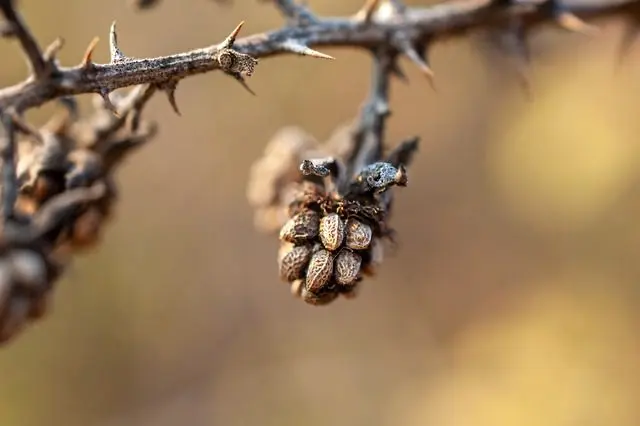
On the same principle, you can form so-called impassable slug barriers using “hard” thorny branches such as roses, brambles or firethorns. Take care, however, to ensure that the slugs cannot slip between the thorns: to do this, make mini-bundles of several branches. Also favour thorny plants with a sufficient density of thorns along the stem. A good substitute method for those who don’t have a chestnut tree in their region, but probably less reliable all the same.
Field feedback: oh boy, quite the myth, once again!
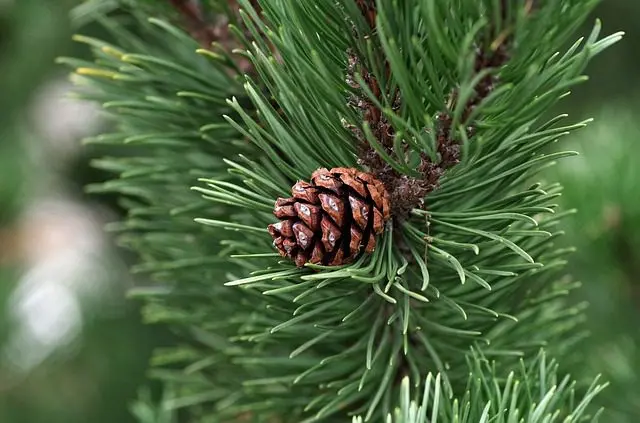
On a different principle from the sweet chestnut husks and the rose branches, barriers made of conifer branches are also very effective at stopping slugs from reaching your plants. According to the gossip, moving across the needles of these branches is very irritating for slugs and dehydrates them, which discourages them from crossing. In my view, it is in no way irritating for them. I’ve watched them glide over pine needles, or other surfaces… with their mucus, there is barely any friction: and without friction, no irritation is possible. On the other hand, it is quite an obstacle for them, because it isn’t easy to make their way through there: and that’s why, yes, it does tend to dehydrate them a little, because they cover far more ground than they would without these pine needles.
It is very hard to test, because the slugs hide underneath, but I have had quite a lot of positive feedback on the subject, so do try it!
Branches and needles of pine, fir, spruce, juniper, … can all be in the mix. You can also set up a needle mulch, which has the advantage of complicating the slugs’ movement across a much larger section of garden!
You can also try out various other types of slug-deterrent mulch:
The legend about these mulches, as with conifer needles, is that they irritate the slugs that venture into them, and so invite them to steer clear. Not a bit of it! They don’t irritate them (as seen above)! On the other hand, yes, some of these mulches can make it harder for a family of gastropods to reach their Sunday picnic: but which ones?
According to my tests (you can find them on my YouTube channel), the feedback I’ve been able to gather, and discussions with other gardeners:

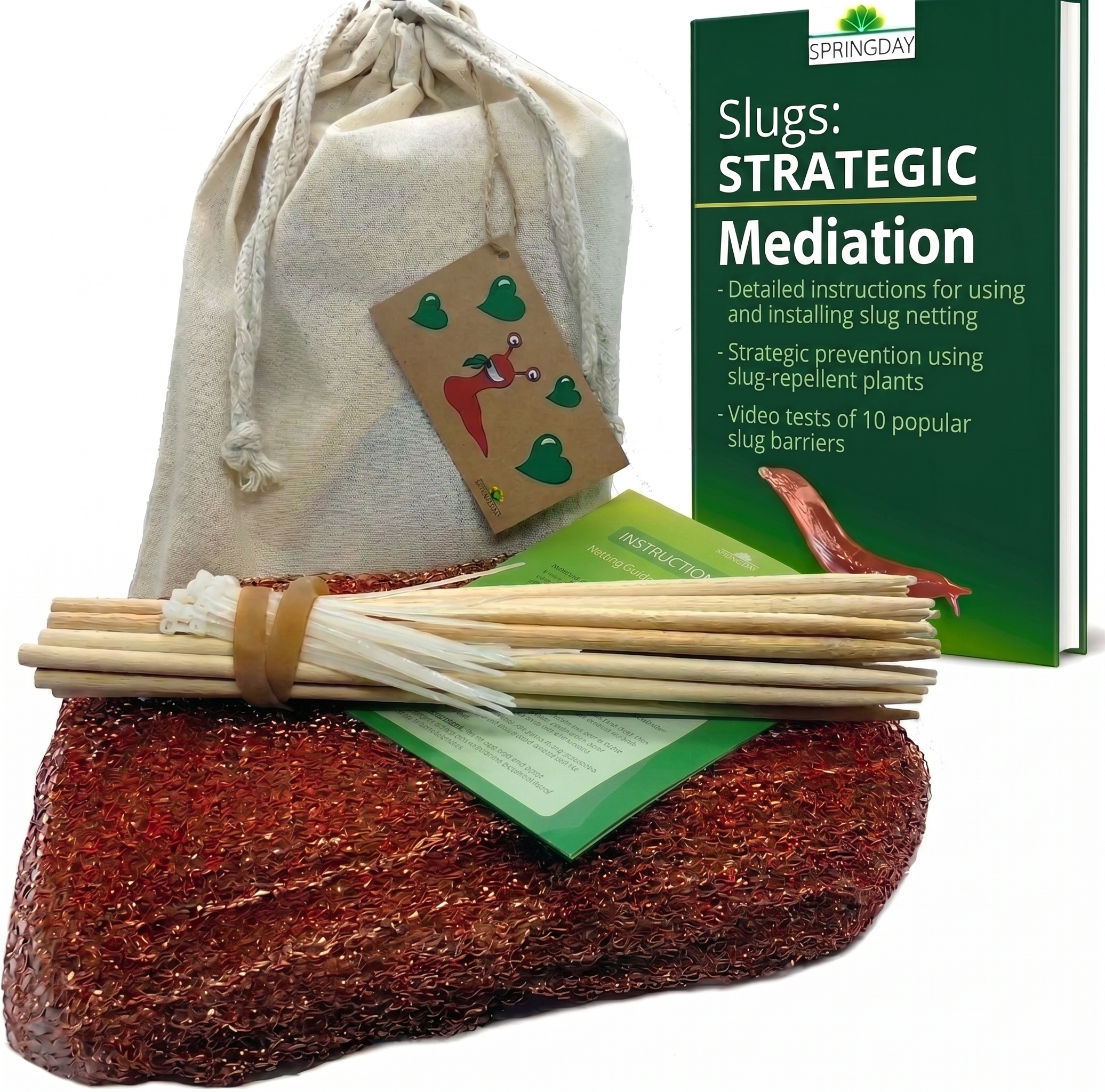
Copper wire, copper rings, copper mesh… There are a great many copper-based slug barriers. Are they really effective? Why so much divergence of opinion on copper’s effectiveness as a barrier? Read the article on the subject, and you’ll find out.
You should also know that my research into slug management led me to design a copper-based barrier, nearly 95% impassable, now available for sale here: the copper mesh for slugs.
/le-cuivre-comme-barriere-a-limaces-test-et-comparatif/## III. Diverting slugs away from the kitchen garden, using the sacrificial bed
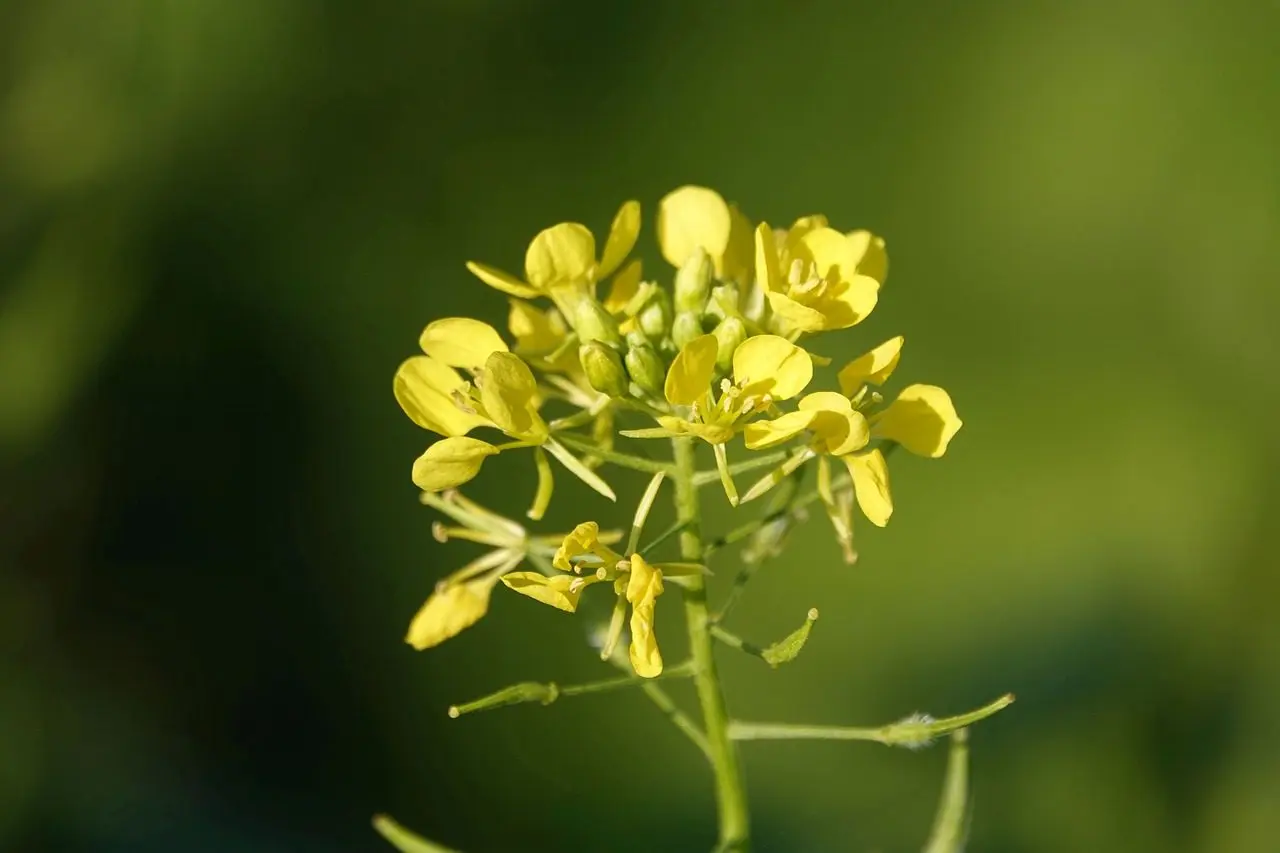
A more durable solution than the “diversion of attention” of slugs mentioned earlier (slices of cucumber, cabbage…) is the planting of a bed of plants that slugs find very appealing and that will bear their attacks more often than not before your kitchen garden does, or will limit the damage to it (hence the name “sacrificial”: a sacrifice for the kitchen garden).
This also lets you “share” your garden with the slugs, without sharing the harvests. It is a method that does not exclude slugs from your garden but, on the contrary, integrates them into it. It pairs perfectly with bringing in natural predators (part V), or even with creating slug barriers on the plants you want to protect (parts I and II) or planting repellent plants near the kitchen garden (part IV).
Here is a non-exhaustive list of plants that slugs find especially appealing, which it can be worthwhile planting in a sacrificial bed:
There seem to be two schools of thought when it comes to the plants “to be sacrificed”: either you put them at the far end of the garden in order to draw the slug population away from your kitchen garden. Or you plant these plants inside it, among your crop plants: the slugs present in your kitchen garden will then set their sights on those plants rather than on the ones that matter to you. I think it can be a good idea to combine these two techniques: most of the slugs will thus be drawn to a large sacrificial bed at the far end of the garden, and the few slugs remaining within your kitchen garden will attack the “to be sacrificed” plants you have planted, rather than your vegetable plants.
How do you keep slugs away from the kitchen garden using repellent plants?
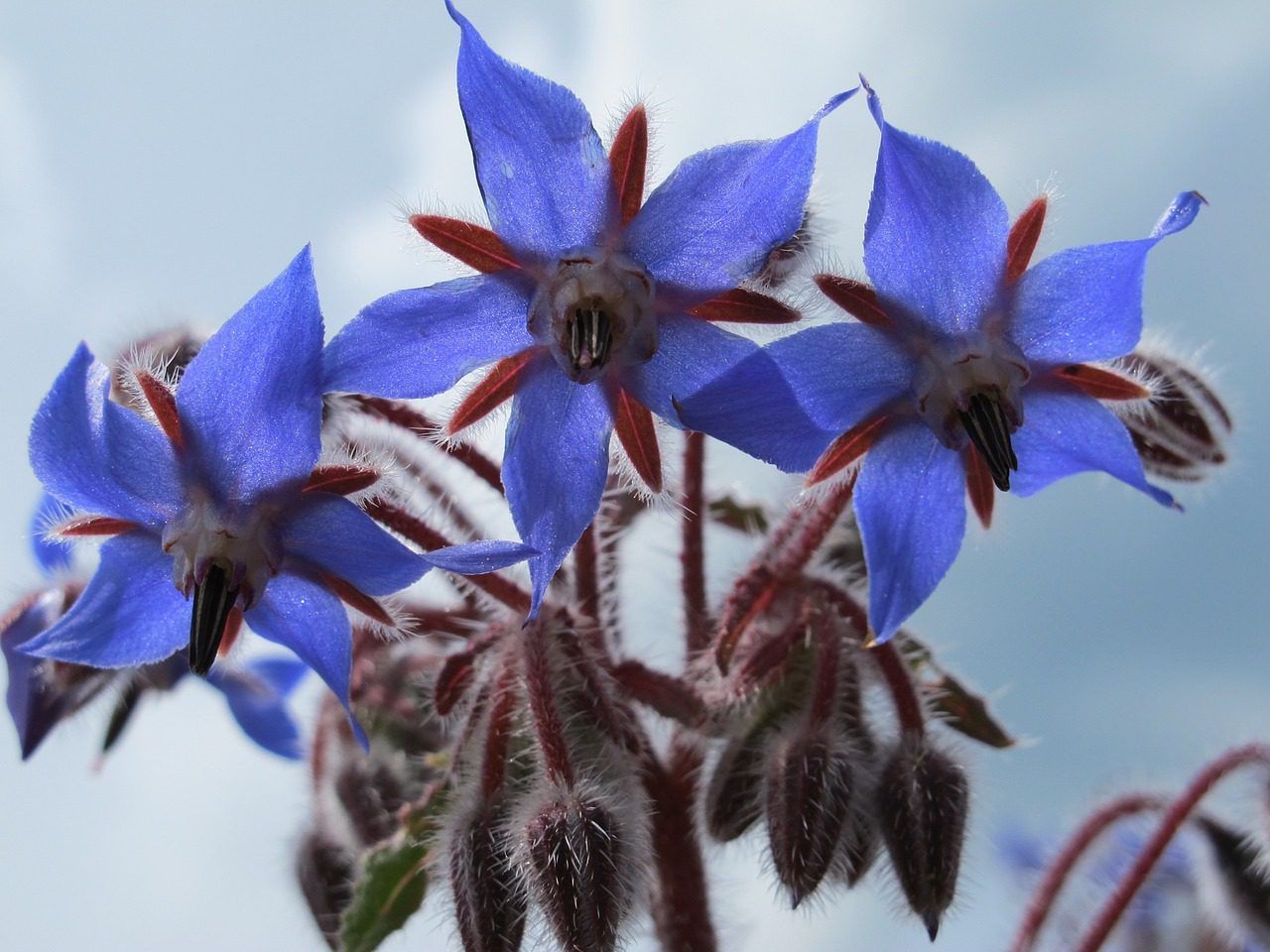
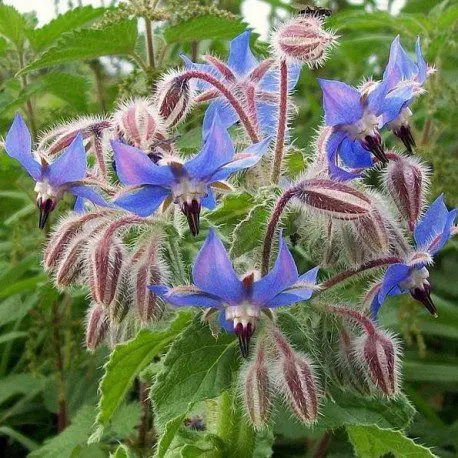
Garden plants are often of great and manifold use. Beyond a possible use for making slug-deterrent liquid manures and sacrificial beds, you should know that there are also naturally repellent plants for slugs. These plants do indeed have a taste that strongly displeases slugs and/or are irritating to them, which can encourage them to turn back in their vicinity. I recently read the account of someone whose tomato plants had been severely attacked by slugs, except for the plants near borage.
So here is a non-exhaustive list of these “slug” plants”:
Here, and according to a poll launched in our Facebook gardening group, only borage, by everyone’s observations, would appear to have genuinely repellent effects.
To learn more precisely how to manage slugs through plants, read the article below.
Related articles
When it comes to long-term natural regulation of a slug population (which is notably championed by Hervé Coves with what he calls the holistic management of slugs), the first players in this natural regulation are the gastropods’ natural predators. Encouraging them to settle in the garden is one of the best ways to resolve your slug problem definitively and sustainably.
The predators presented in this article are only a sample of all the slugs’ predators, and the sections on the possible ways of welcoming them into the garden are fairly brief. For complete articles on each of these predators, head to the portal page of the articles on the predators of slugs and snails.

Capable of devouring 10 large slugs in a single night, the hedgehog is one of the biggest slug predators you can host in your garden.
How do you attract it to the garden?
A garden with a hedge carpeted in oak leaves is ideal for it to settle in. As it likes to make its nest in thorny thickets, you can add bramble plants to your hedge, and it will be all the more drawn there.
You can also build it a shelter, using large stones, big logs (a wood pile), or breeze blocks.
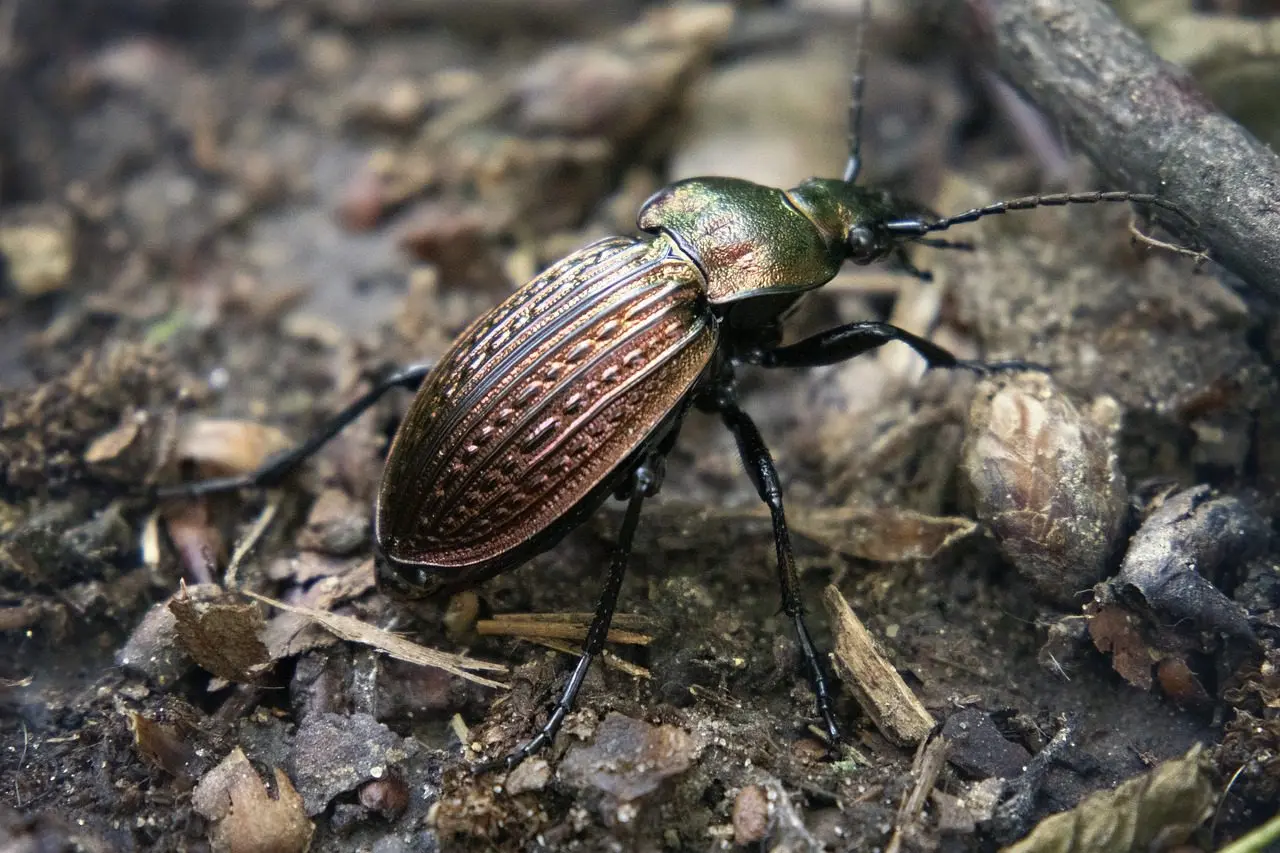
Ground beetles, along with centipedes, are among the predators of the soil. These two species are partial to slugs.
How do you attract them to the garden?
To attract ground beetles and centipedes to the garden, you can plant red clover, the plant most favourable to their establishment.
The presence of hedges, tall grass, as well as small natural shelters (stones, brushwood), also encourages them to settle.
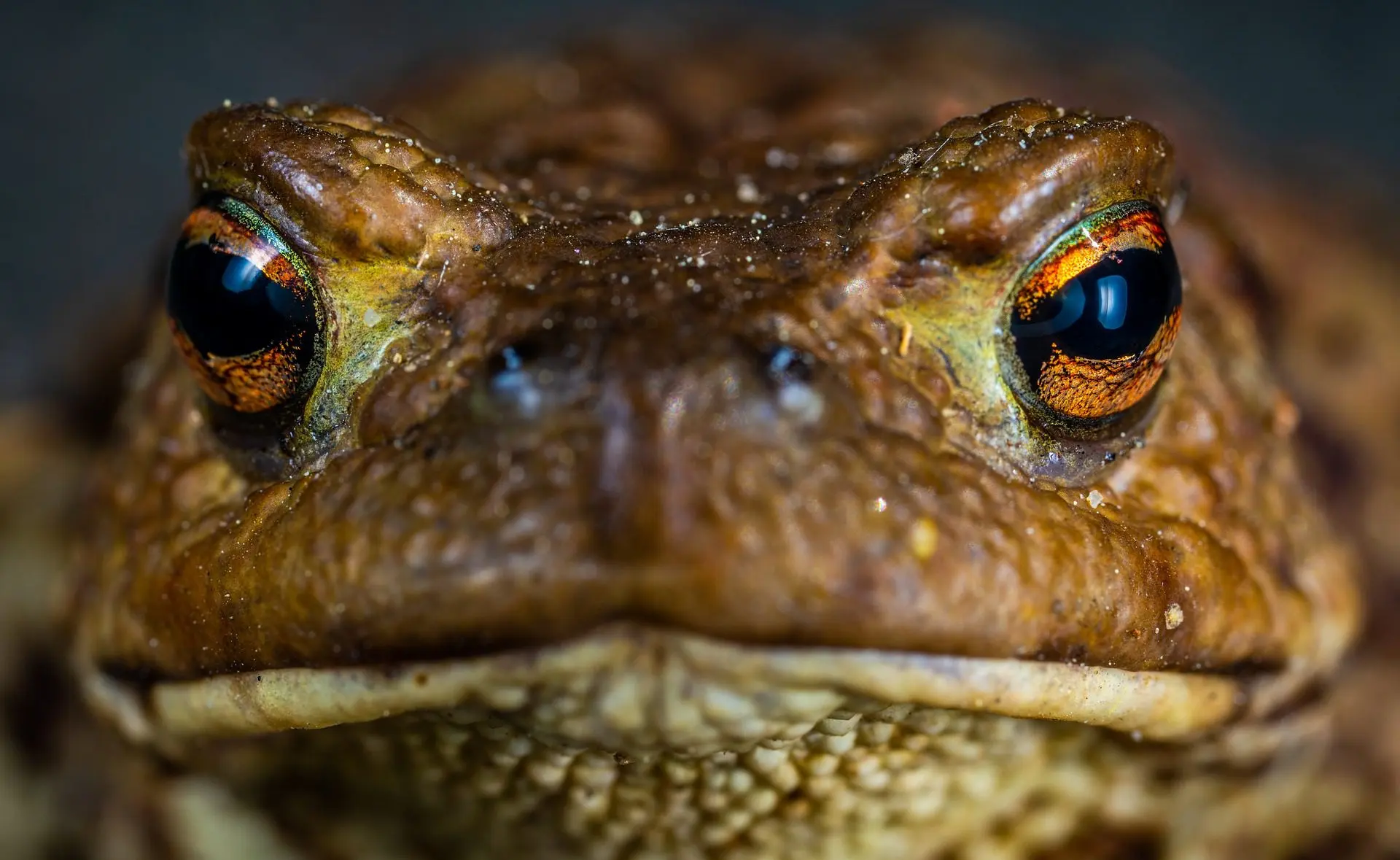
Toads are far less specialist slug predators (these predators are called generalist predators) than hedgehogs and ground beetles. Yet they too help to regulate the population.
How do you attract them to the garden?
You can follow the same instructions as for the hedgehog, leaving it small natural shelters in which it can take cover, as well as creating dark, damp corners.
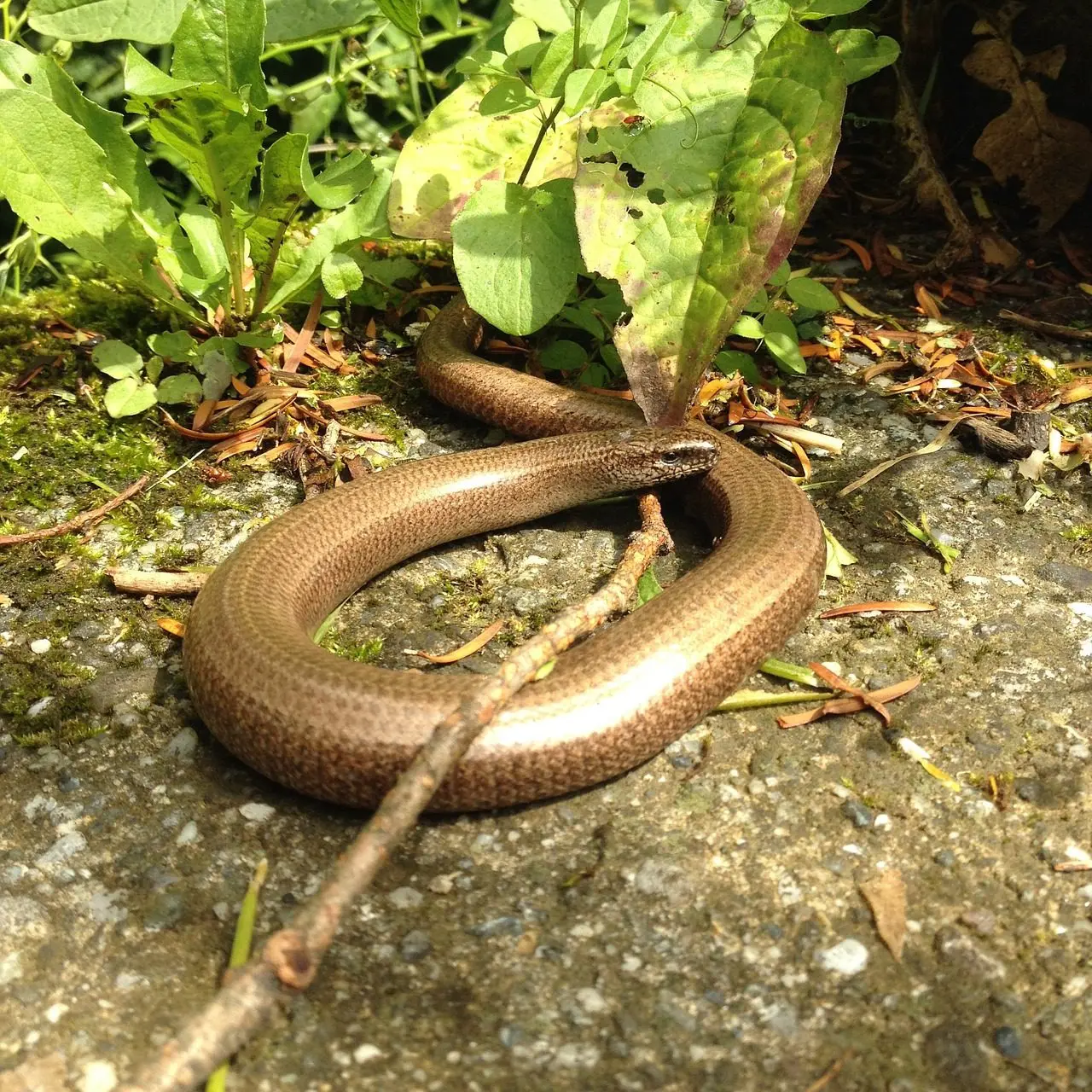
The slow-worm is an effective predator against slugs. It is a generalist predator, and having it in your garden is a stroke of luck for keeping a slug population in check.
How do you attract it to the garden?
Dark, damp corners, a hedge and tall grass.
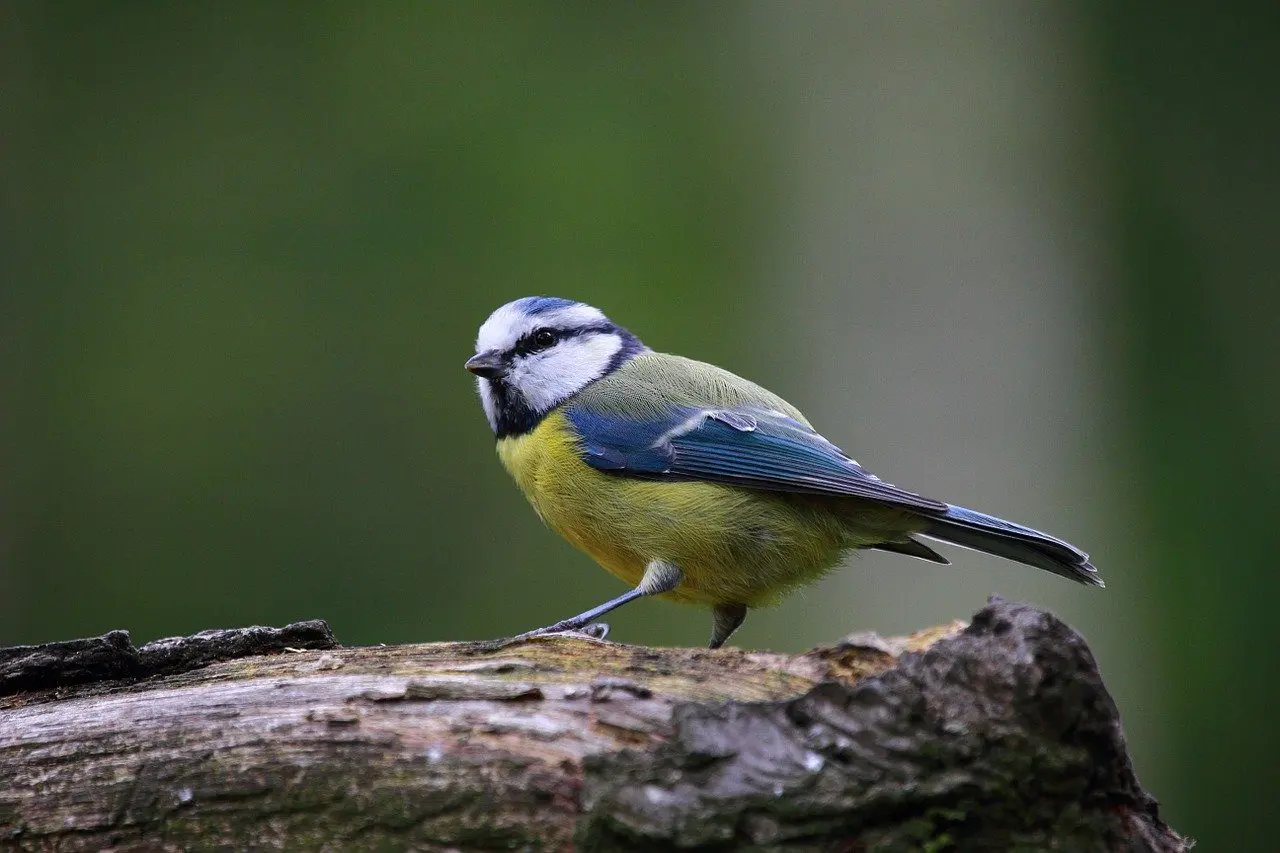
Many birds also go after slugs, and you can take advantage of this by attracting them into your garden.
How do you attract them to the garden?
You can put up nest boxes, plant berry trees, and encourage the life of the garden’s insects (which they feed on).
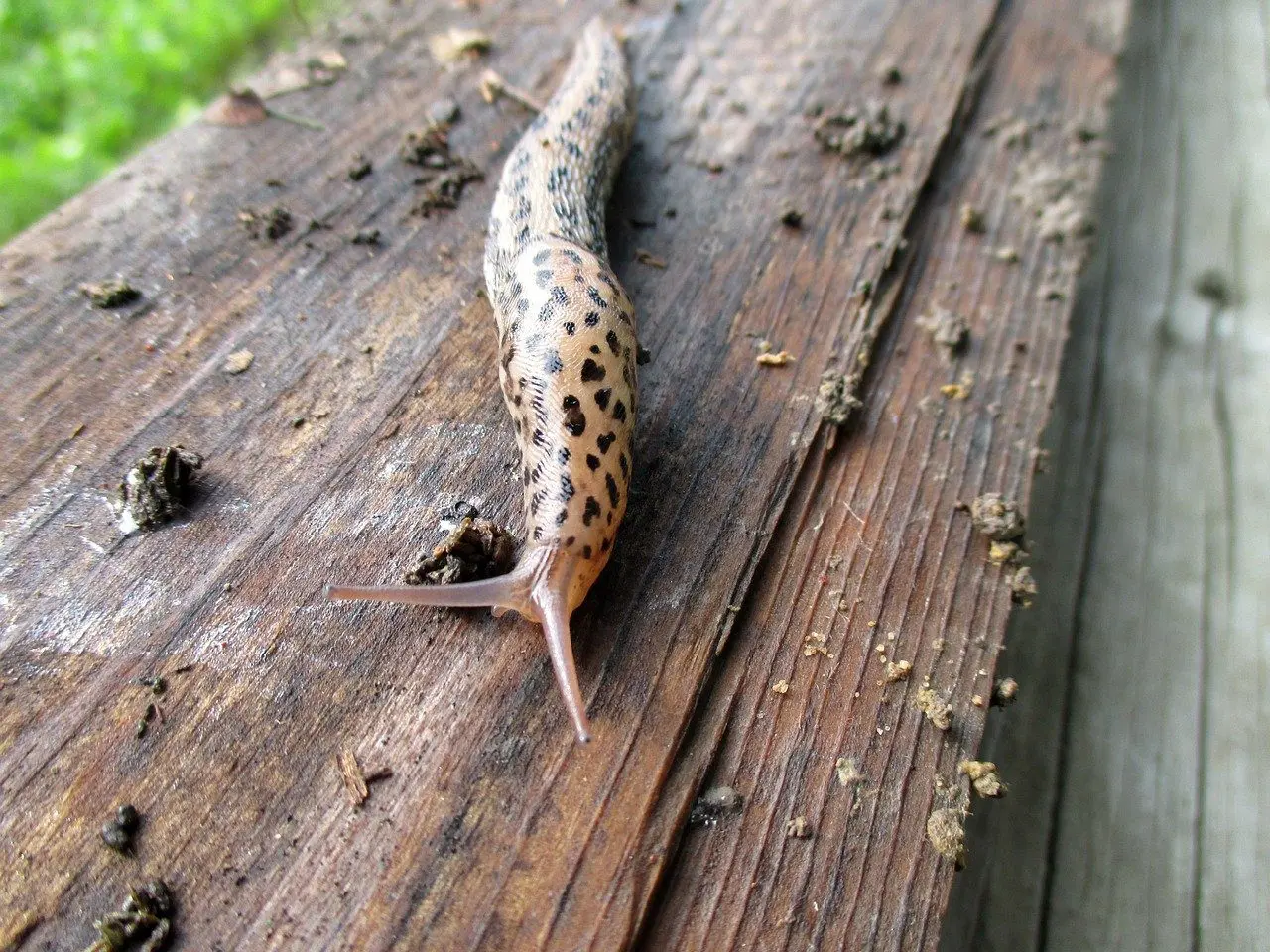
Be careful if you are gathering gastropods: leopard slugs are predators of the other slug species, it’s better to leave them in your garden.
Unlike natural predators, these slug predators are often not native, and they have to be introduced by you yourself into your garden system.
In my view, introducing adopted predators into a garden to control (or even eradicate) a slug population does not square, in my opinion (once again), with the philosophy of permaculture. To discover why I think it isn’t perma to use Indian runner ducks or nematodes in the fight against slugs, head to the portal page of the articles on the predators of slugs and snails!
I do nonetheless refer to these adopted predators in this article, because they are very widely used in permaculture, and I can understand that views may differ from mine on this matter.
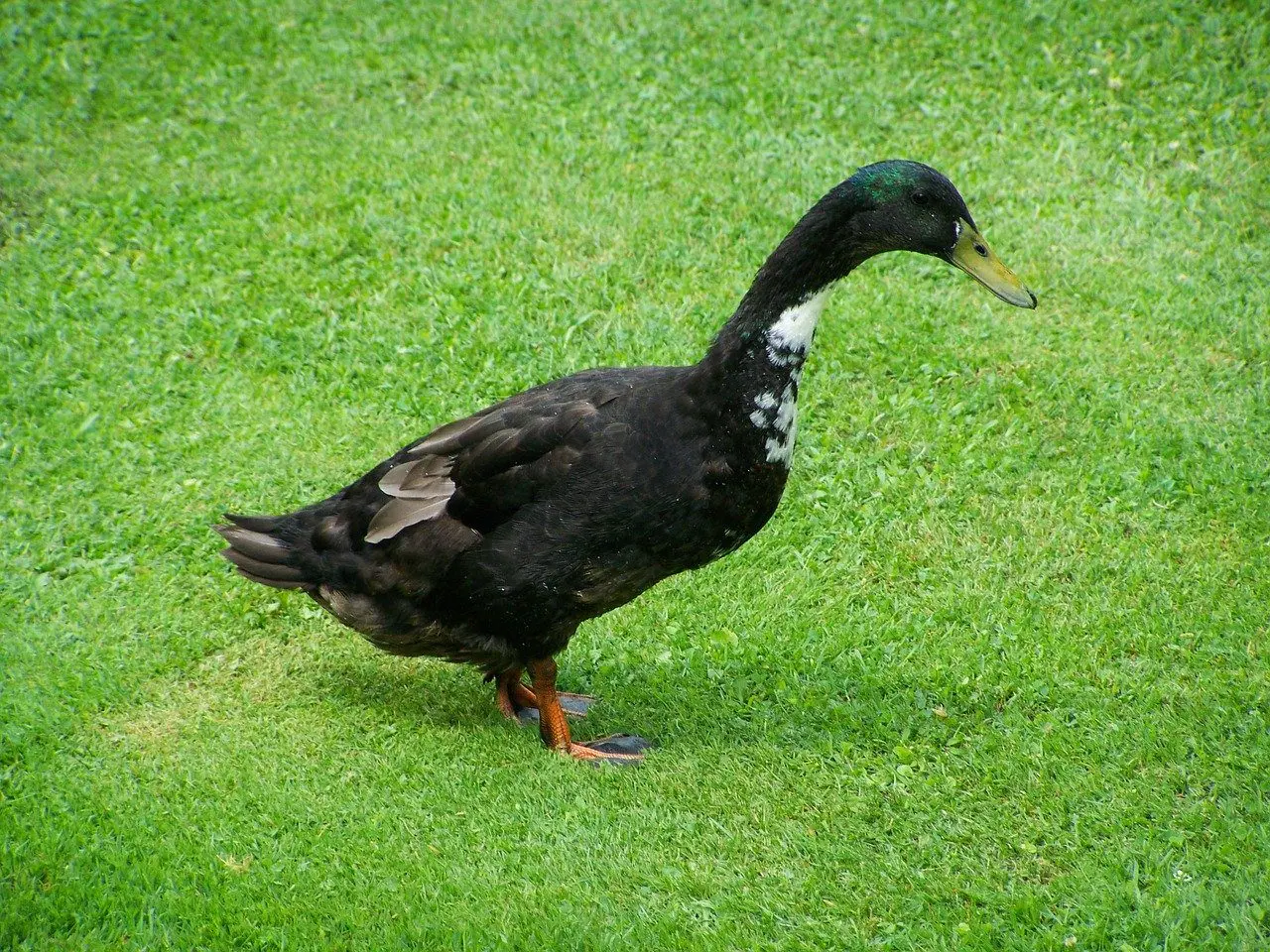
Ducks in general, but more specifically Indian runners, are great predators of slugs, and can help you regulate their numbers in the event of a “boom” in their population.
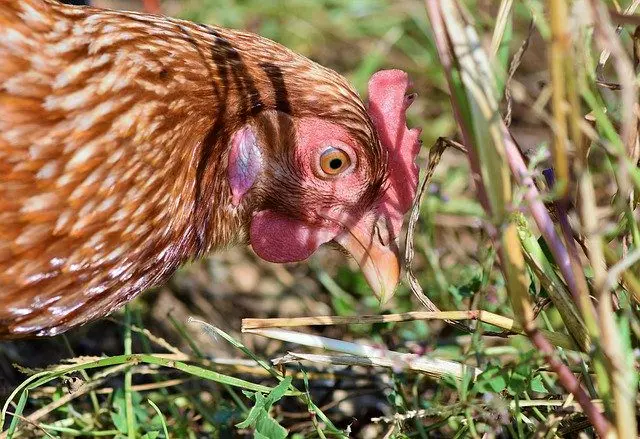
Hens too are partial to slugs. If you have a henhouse, it can be wise to let them roam your garden if slugs are troubling your kitchen garden.
Nematodes (microscopic worms living naturally in the soil) are also sold commercially to supplement natural predators in the event of an overly large increase in a slug population. Once deposited in the kitchen garden, they are formidable (specialist) predators of slugs.
To learn more precisely how to manage slugs by attracting predators, read the article below.
Related articles
If your garden is seasonally overrun with slugs, a good method can be to forestall this by laying out your garden accordingly, as prevention. As the saying goes, prevention is better than cure! This can notably involve planting repellent plants, a sacrificial bed, durable barriers around your kitchen garden, or putting in place the conditions that make it possible to host natural predators.
I have often seen layout advice unfavourable to slugs, such as not mulching one’s soil, or doing away with all the small dark, damp hiding places present in the garden. For a permaculture garden, I do not think these solutions are entirely suitable.
Indeed, firstly, mulch has a great many benefits which I find a shame to forgo, all the more so in permaculture: it limits the need for weeding, the need for watering, and improves the structure and life of the soil, notably by encouraging beneficial insects to settle. It can, on the other hand, be very useful to remove the mulch from your soil only during peaks in slug populations. Then you put your mulch back as soon as the ladies are fewer in number!
Secondly, removing the garden’s dark, damp hiding places also runs counter to the lasting establishment of beneficial creatures, and notably the hedgehogs, slow-worms and toads in the case that concerns us here. That can be counter-productive.
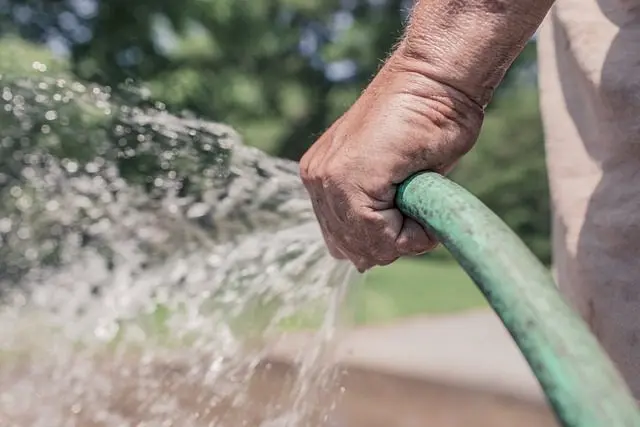
A very simple method to limit the surge of slugs in your kitchen garden can be to water only in the morning instead of doing so in the evening. Slugs are indeed more active at night (by day, they hide from the heat), and wet soil attracts them. Here too, I know that views on this subject can be contradictory, given that it is often recommended (outside of a slug-overpopulation problem) to water one’s garden in the evening.
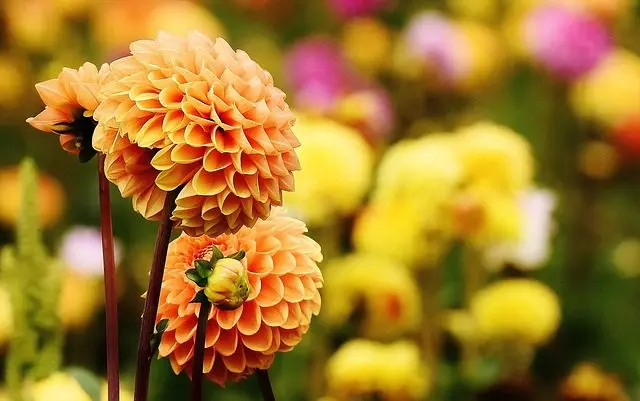
But the best possible layout for preventing a “boom” in slug populations in at-risk regions is, in my view, the preferential planting of vegetables and flowers little susceptible to slug attacks. Between your plantings less to their taste, your compost peelings and the wild weeds, slugs might well prefer these last two alternatives.
Here is a list of vegetable plants that are very susceptible to slug attacks:
Here is a list of flowers very susceptible to slug attacks:
In this section you will find the slug deterrents I consider incompatible with the philosophy of permaculture. The first of the reasons is the lethality of these processes. But these means of action are also often counter-productive, and harm the garden’s beneficial creatures.
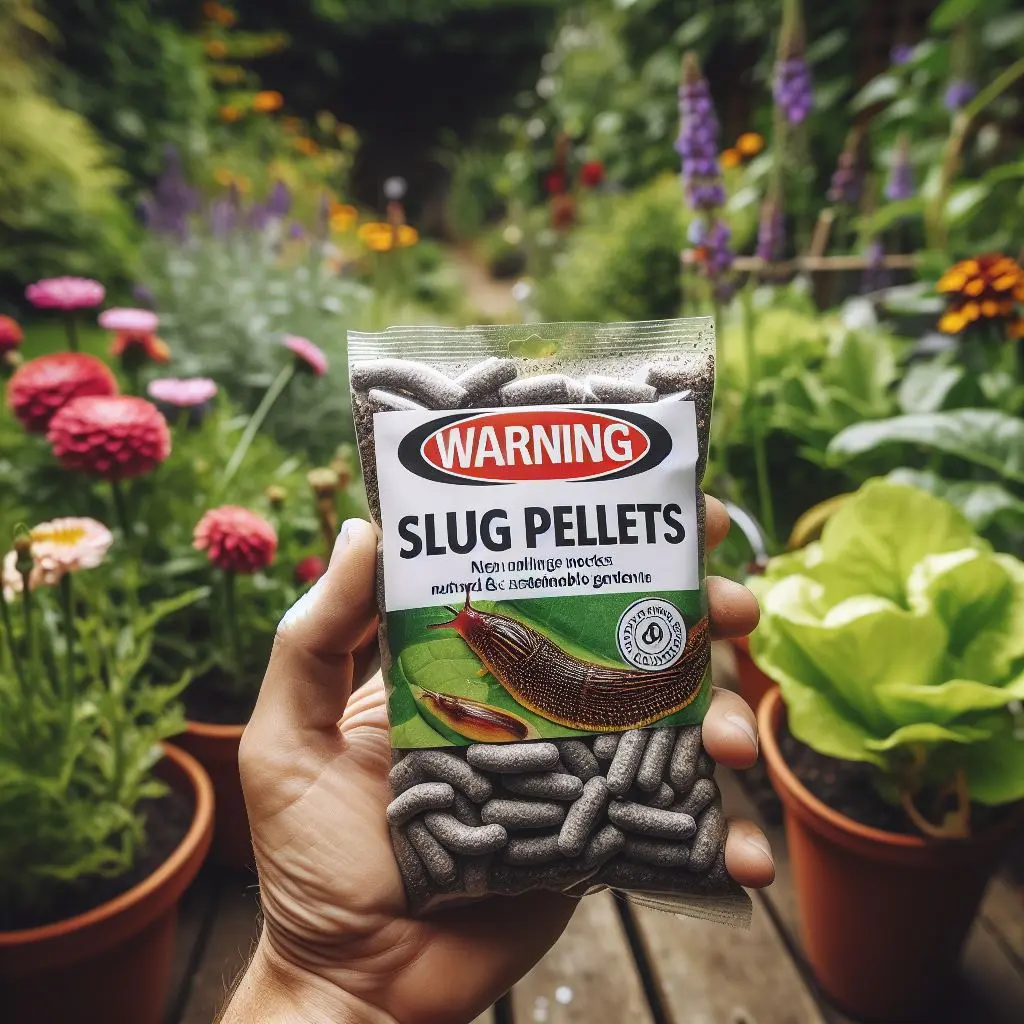
Slug pellets are lethal baits for slugs and snails. There are two types of these pellets on the market: the metaldehyde-based slug pellets – not authorised in organic farming – as well as the ferric phosphate-based slug pellets, lethal too but used in organic farming.
It should be known that using slug pellets makes infestations worse in the long run. This leads to a “yo-yo effect”. Indeed, by using slug pellets, you harm their natural predators (a hedgehog feeding on slugs that have eaten this type of pellet can poison itself too), and a natural balance cannot be established in your garden. The blue slug pellets (containing metaldehyde) are also dangerous for your cat or your dog, which can be poisoned if they ever happen to eat some.
On top of this, all slug baits contain powerful attractants. They attract slugs and snails from afar by their smell, drawing in slugs from all over your neighbourhood. Although some pellets are eaten, the leftover pellets will carry their attractant substances into the soil when it rains. These attractant substances remain inside the soil longer than the pellets themselves, which means that an ever-greater number of slugs and snails will arrive in your garden.
In addition to this, dead gastropods are a very powerful attractant for other gastropods. If the dead slugs and snails are not collected, the yo-yo effect will be intensified.

Like slug pellets, beer traps can seem to be a good solution, but make the problem worse. The smell of the beer draws slugs and snails from all over the neighbourhood into your garden. On top of this, they can kill some of the snails’ natural enemies, such as leopard slugs, ground beetles, and centipedes. What’s more, a hedgehog that has eaten slugs drowned in beer risks suffering the effects of the alcohol, which can sometimes be fatal for it. It could thus, for example, drown in a small body of water into which it might fall.
Diatomaceous earth is an effective slug barrier. When diatomaceous earth is dry and applied in a large enough quantity, gastropods dehydrate and die while trying to cross it.
Diatomaceous earth, besides losing its effectiveness when it is wet – when it works at all – most often kills the slugs but also the other insects that try to cross it.
To learn about my doubts regarding ferramol, or about the negative effects of salt or beer traps, read the article below:
Related articles
The aim of this article, for me, has been to bring together all the existing “slug-deterrent” methods. And to highlight those I consider usable in a permaculture garden.
Indeed, you can find online a countless number of articles on slug deterrents. But I often had the impression that this information was very much diluted across these many sites, and finding your way around it is sometimes quite complicated. The goal here is for everyone to be able to refer to a standard document where all the effective methods of responsible slug control are listed and described. What’s more, it is important to me to highlight the most sustainable and responsible solutions, while informing everyone about those it’s better to avoid. Also worth noting, and this is important: most of the media get it wrong about the effectiveness of most slug barriers: eggshells, brambles, etc. … And the myths on this subject are well fed.
Of course, the structure I chose to give my article involves a degree of subjectivity, but my opinion is only my opinion, and I’m open to any comments, which can only enrich this document. Send them my way if you have any, I’ll be glad to complete this article, so that it is as comprehensive as possible.
Watch the presentation video on YouTube
The information in this article has been selected and verified according to the criteria defined in our editorial charter.
Done with slugs. For good. Starting this season.
Otherwise, if you prefer to browse my articles, here is an access portal to the various sub-articles presented in the plan at the beginning of this overview article:
Related articles
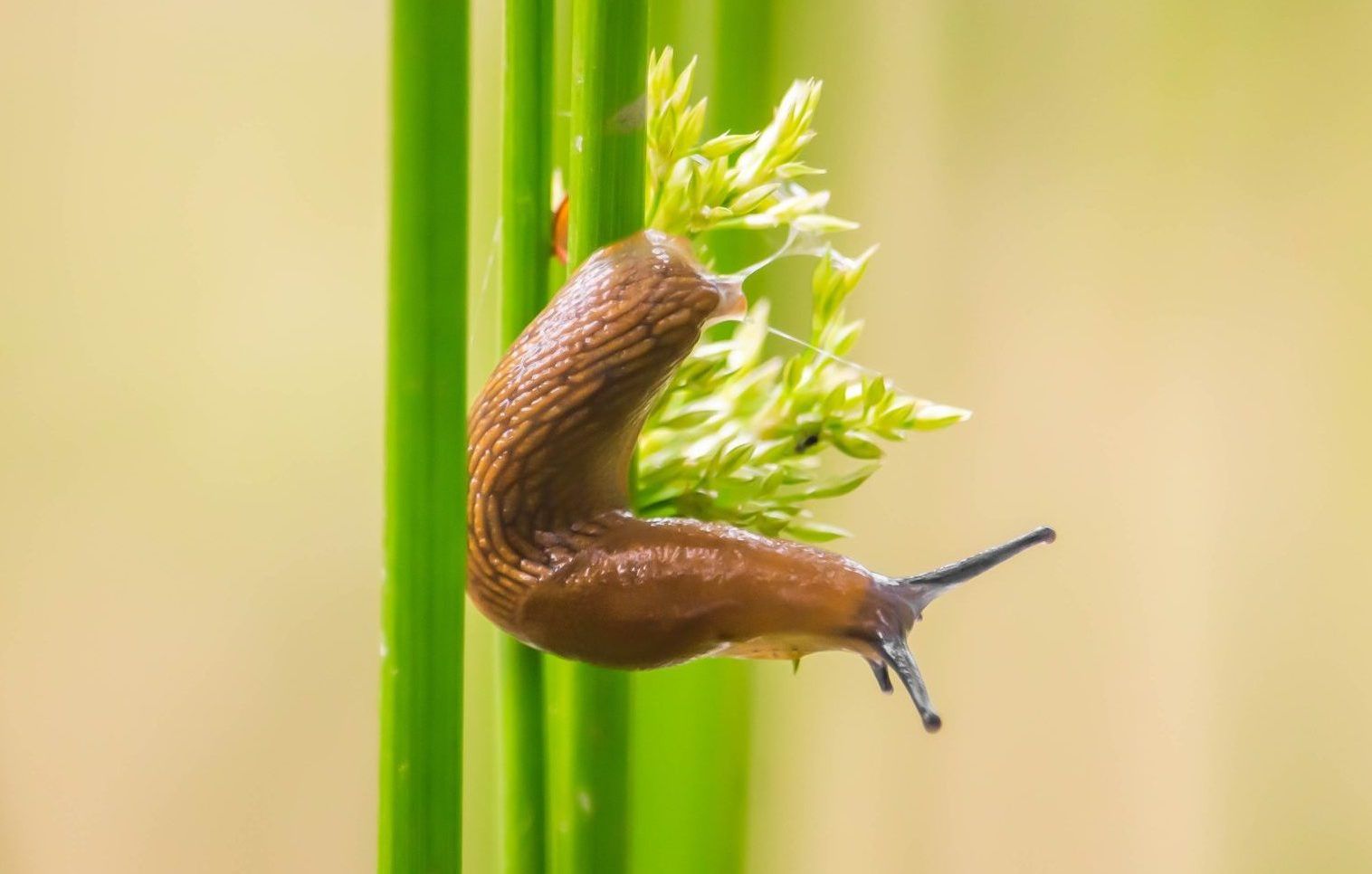
Slugs: their usefulness in the garden, what they indicate, and holistic management through reshaping the habitat
Read Slug-repellent plants, or prevention through planting
Read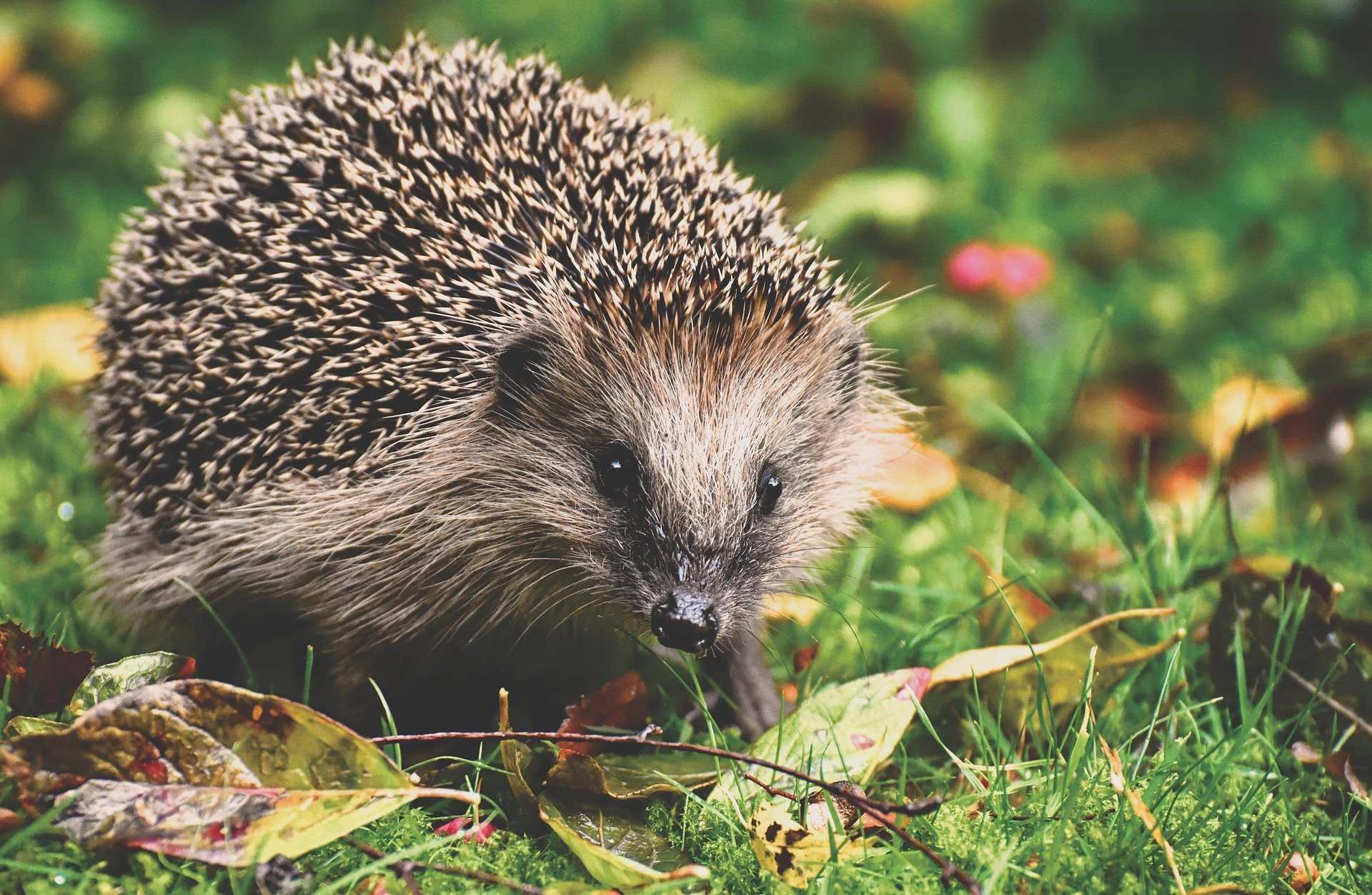
Slug predators: which are they? How to attract them to the garden?
Read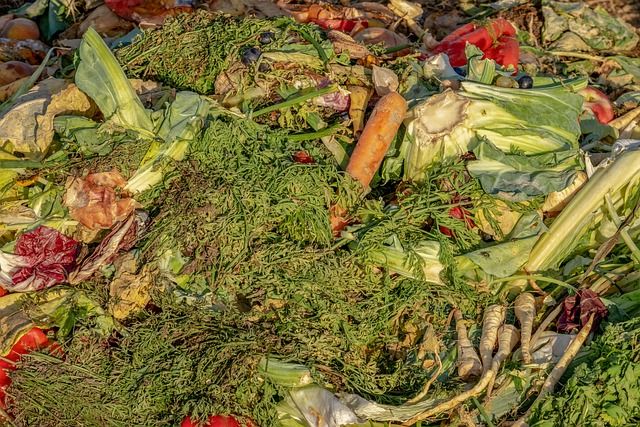
Surface composting: protect your vegetable patch from slugs, with love
Read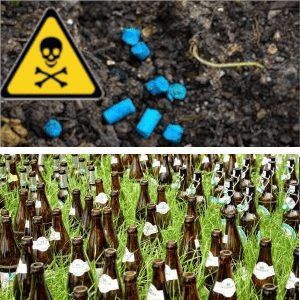
Slug control: the (harmful) methods to avoid – why and how?
Read/le-cuivre-comme-barriere-a-limaces-test-et-comparatif/
Articles in this section
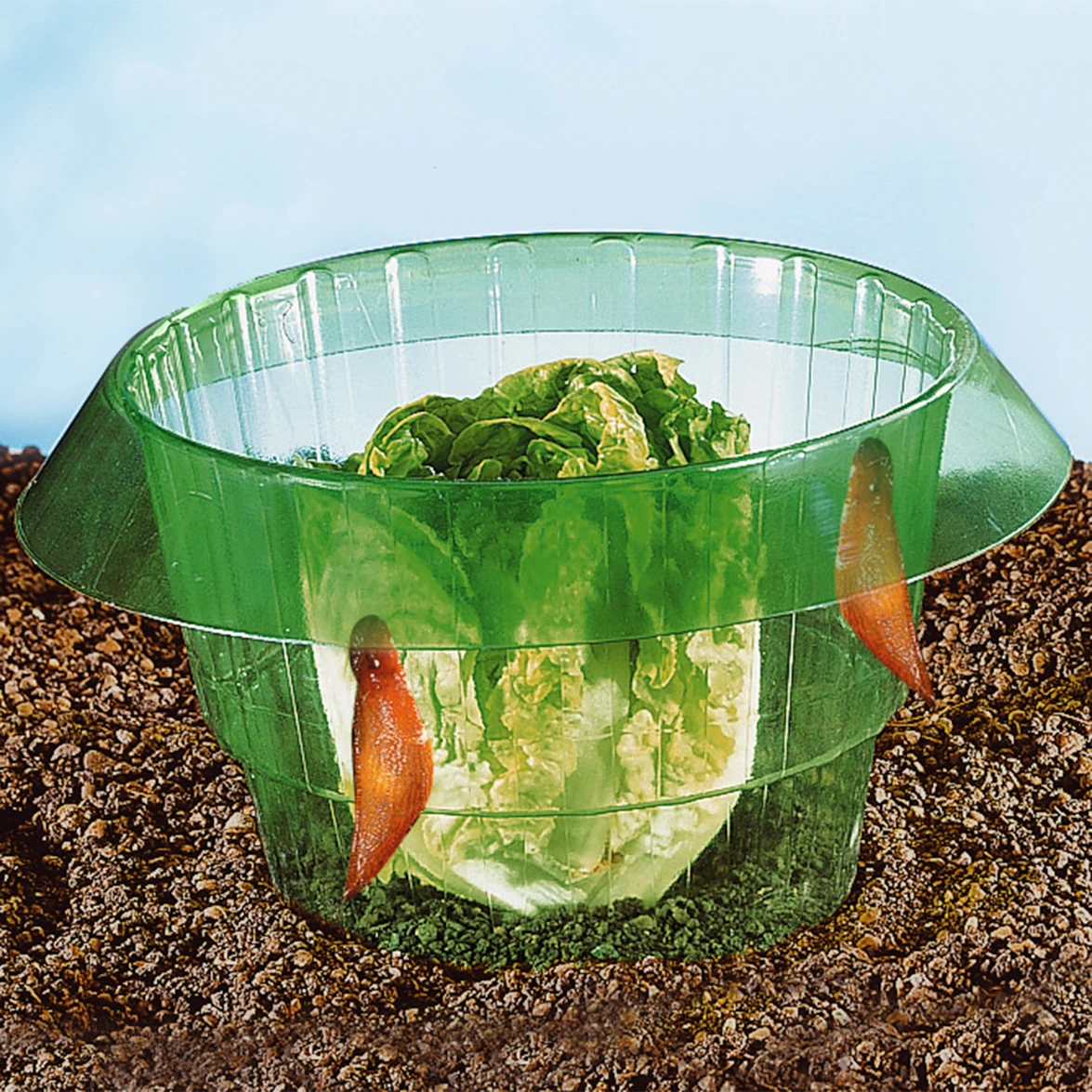
The problem with slug rings
Read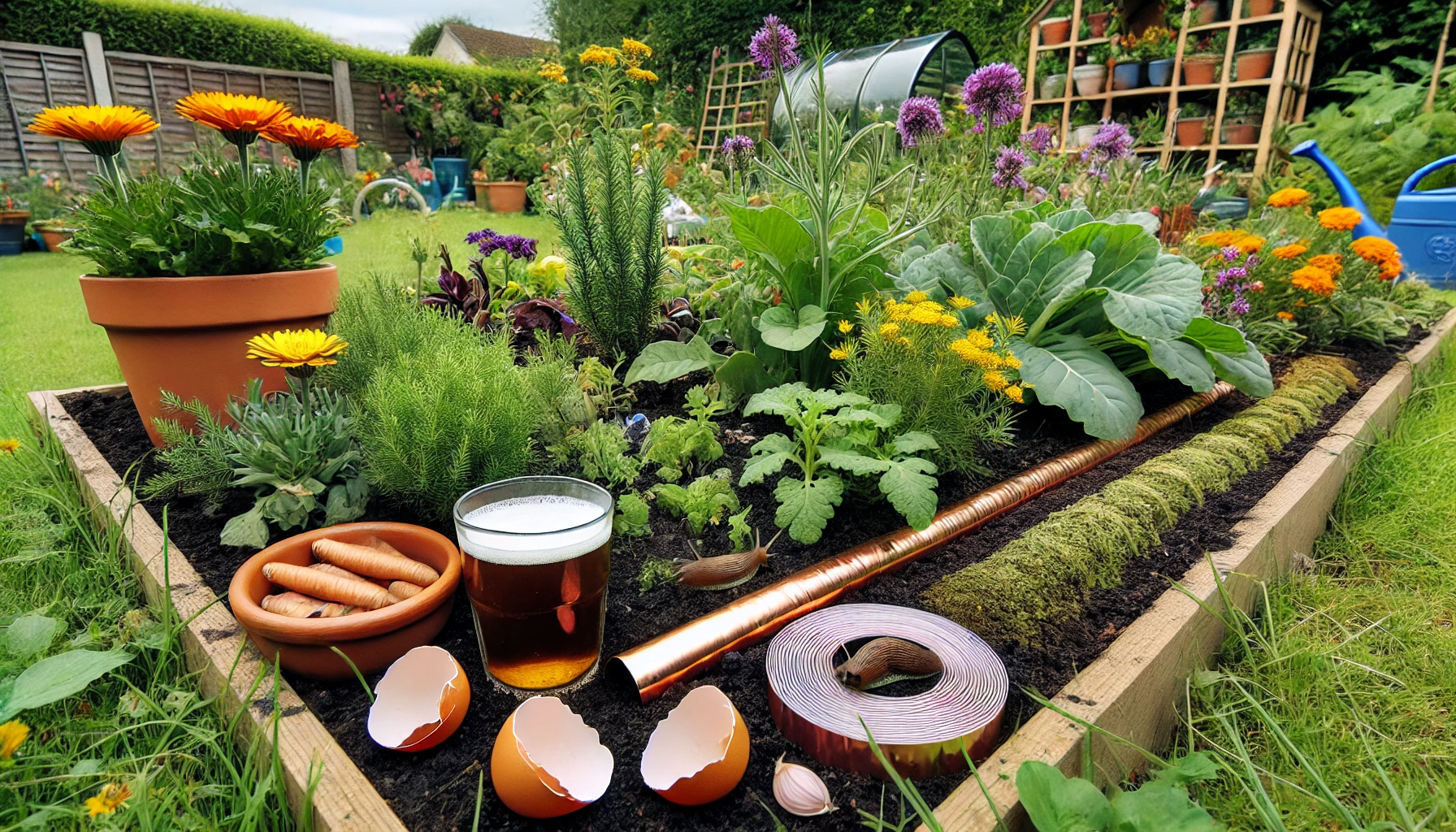
Which natural slug control for permaculture?
Read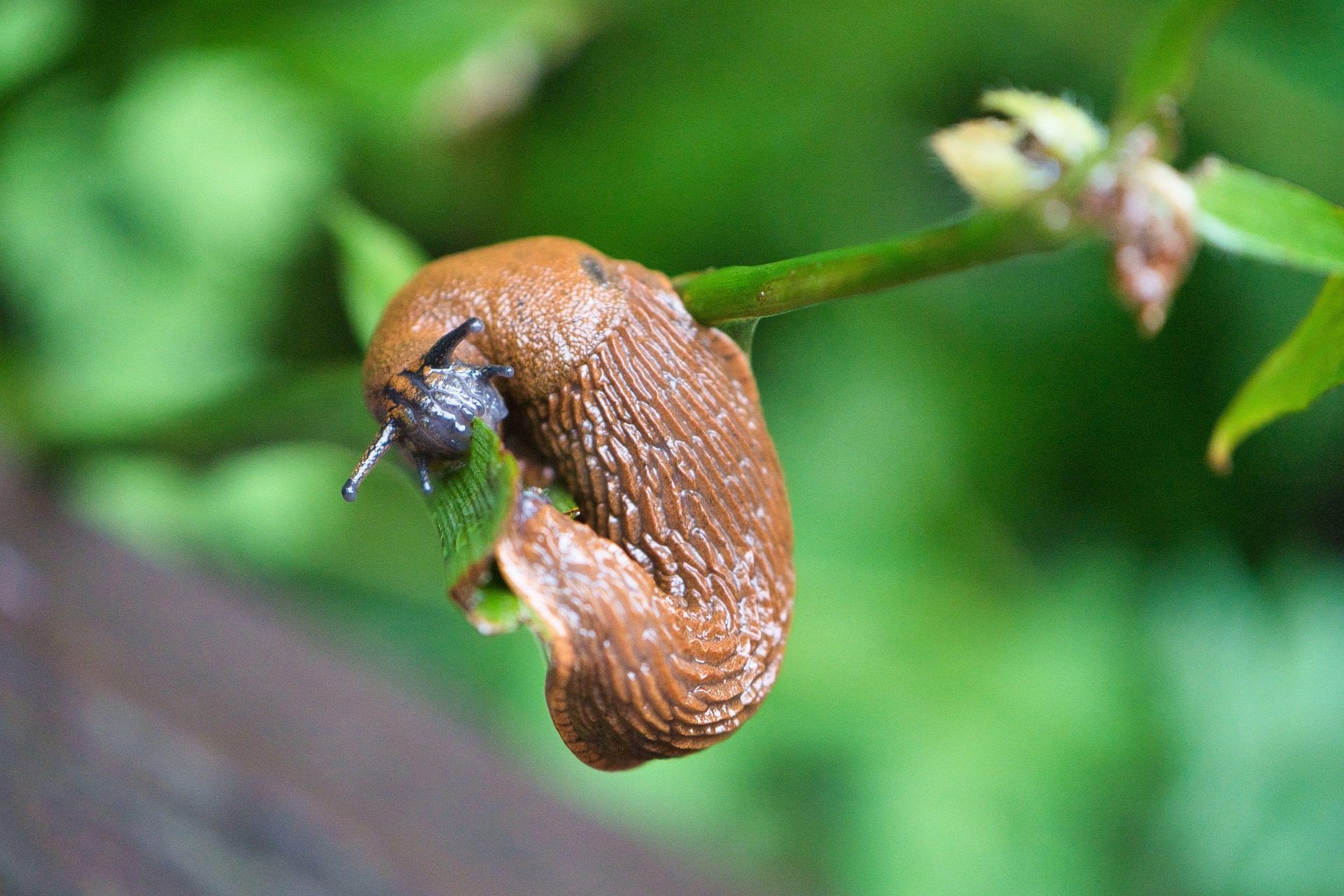
Where to find a slug control that is safe for animals?
Read
A homemade slug repellent with white vinegar: recipe, effectiveness, and how to use it
Read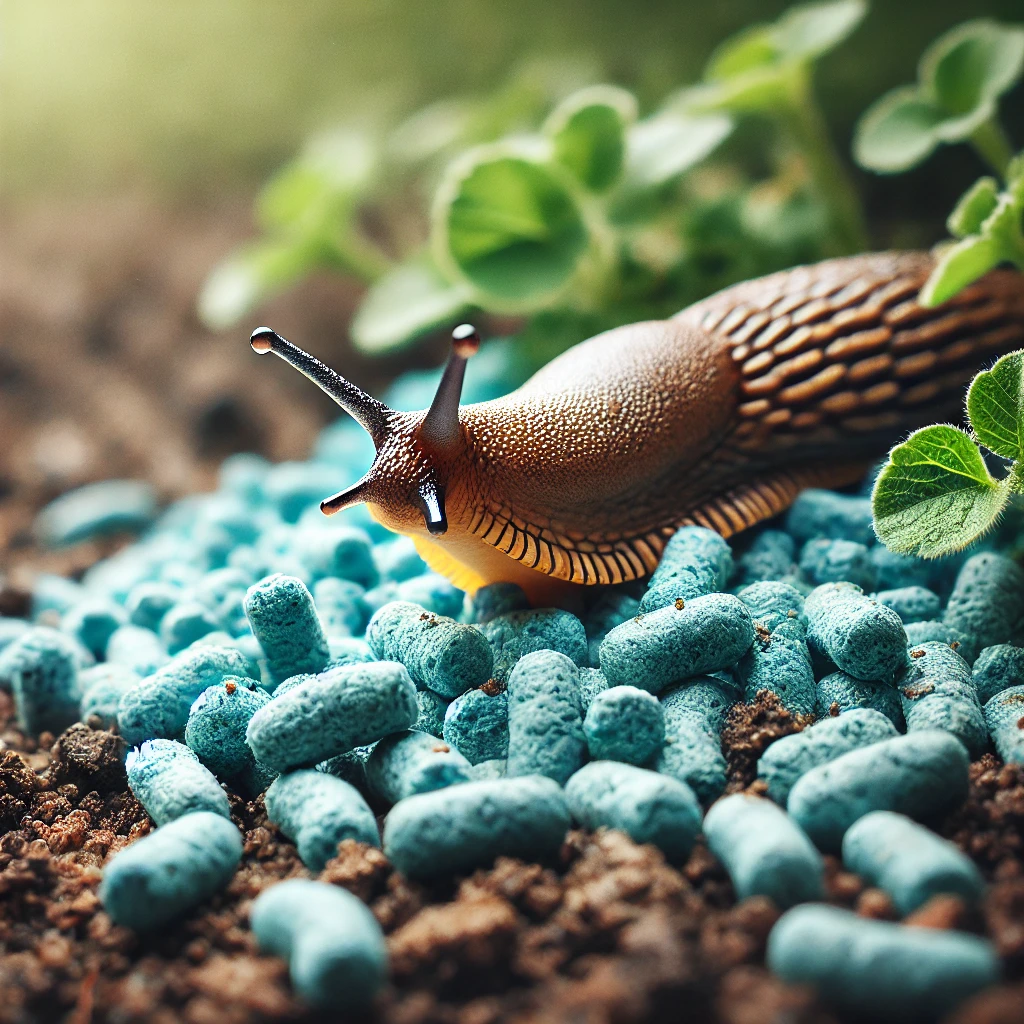
Blue slug pellets: effectiveness, dangers and alternatives
Read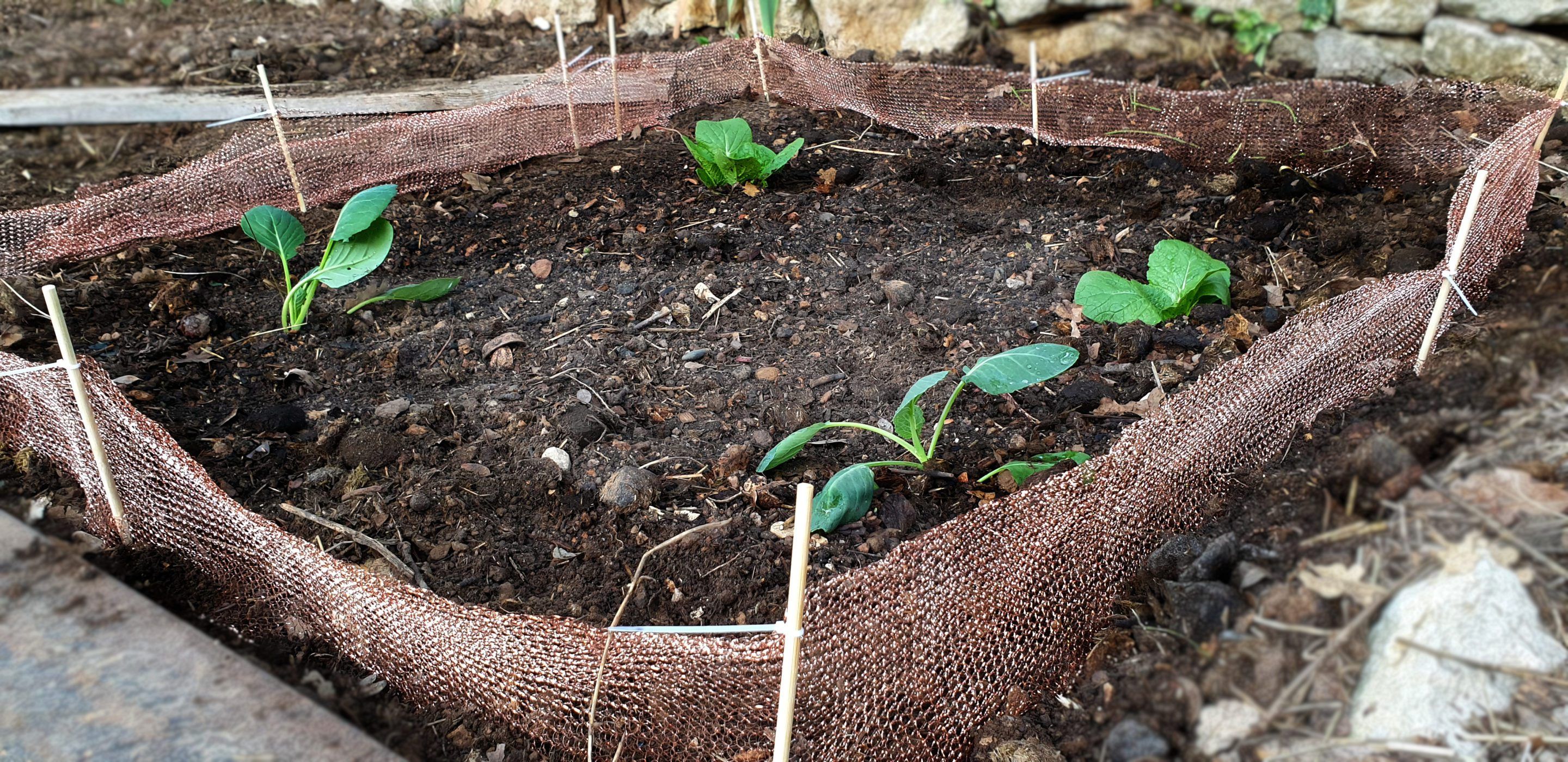
Copper Mesh for Slugs Reviewed: The Big Comparison. Which One Works Best?
Read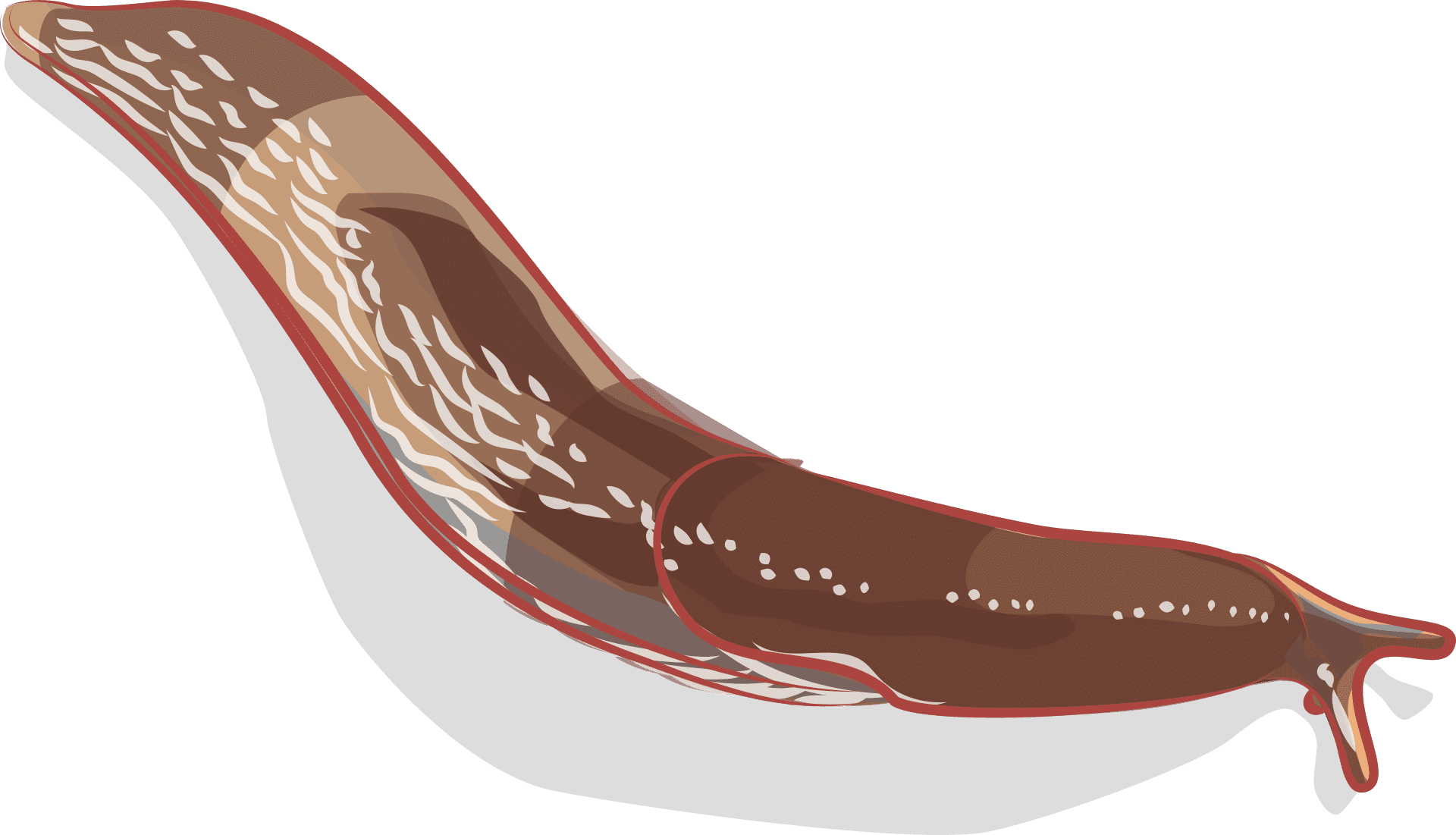
Building (or buying) your own slug barrier
Read
Comparison of the best slug barriers to protect your vegetable garden
Read
How to (cleverly) get rid of slugs and snails in the garden
Read Surface composting: protect your vegetable patch from slugs, with love
Read Slug control: the (harmful) methods to avoid – why and how?
Read
Slug lifespan: everything you need to know
Read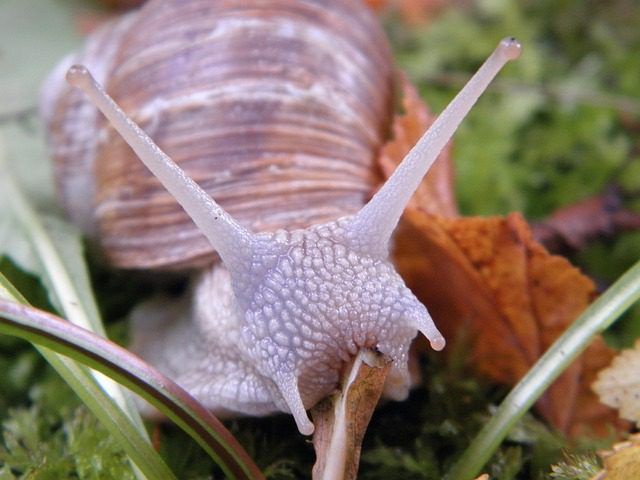
Here's how to stop snails eating your plants: lettuces, flowers, courgettes, strawberries and other leaves.
Read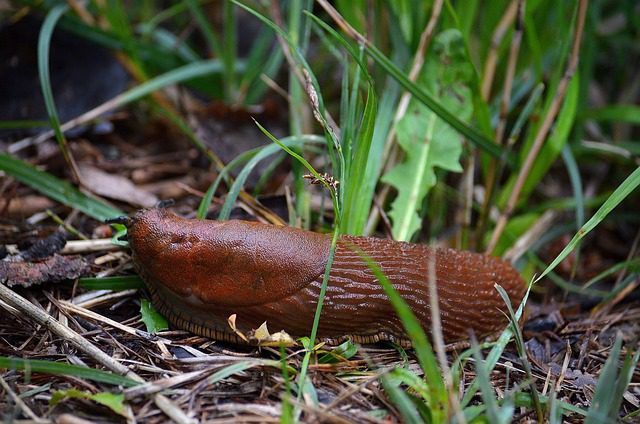
Here's how to stop slugs eating your plants: lettuces, courgettes, strawberries, tomatoes and other leaves.
Read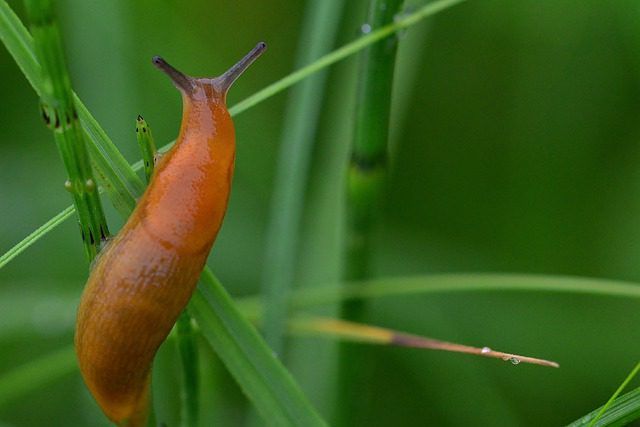
Here's how to drive slugs away naturally
Read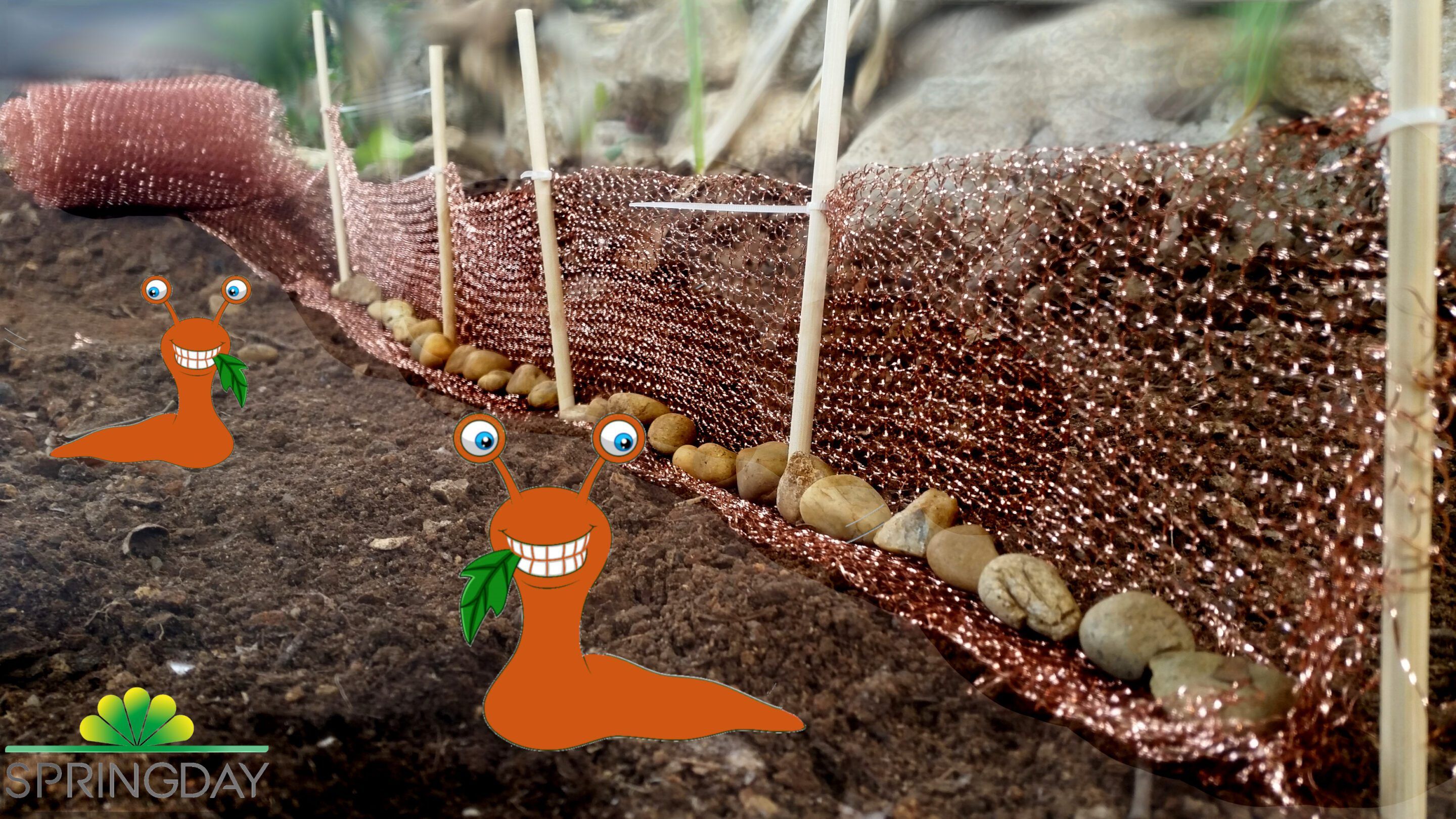
Copper mesh for slugs: why and how to use grids and netting?
Read
Yellow slug (Limax flavus), or cellar slug: description, habitat, and management in the garden
Read
The grey field slug (Deroceras reticulatum) – Identification, way of life, and managing it in the garden.
Read
Copper as a slug barrier: tests and comparison
Read
Coffee grounds against slugs: facts and myths
Read
Organic slug pellets: do they really work?
Read Slug predators: which are they? How to attract them to the garden?
Read
Slugs: Understanding this fascinating creature, its role in the ecosystem, and how to manage it in the garden
Read
The white slug: what is it, and how do you manage it in the garden?
Read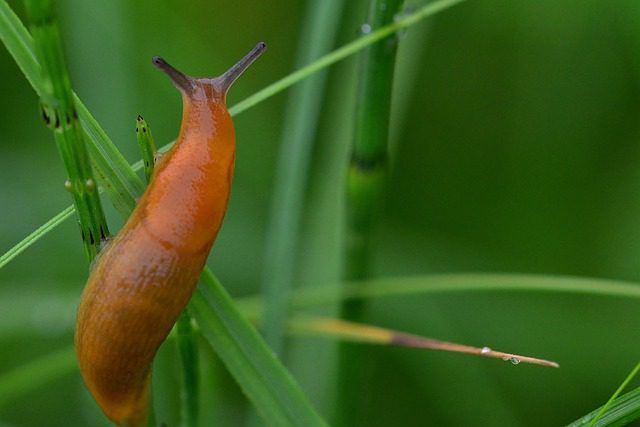
Garden slug (Arion hortensis) – understanding and managing it
Read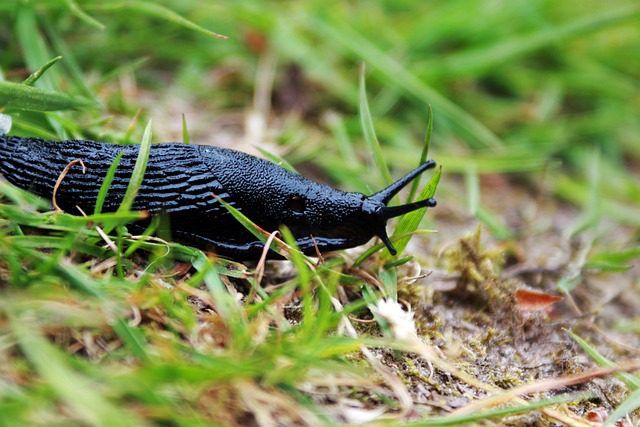
The black slug: characteristics, toxicity, and solutions for your vegetable garden and home
Read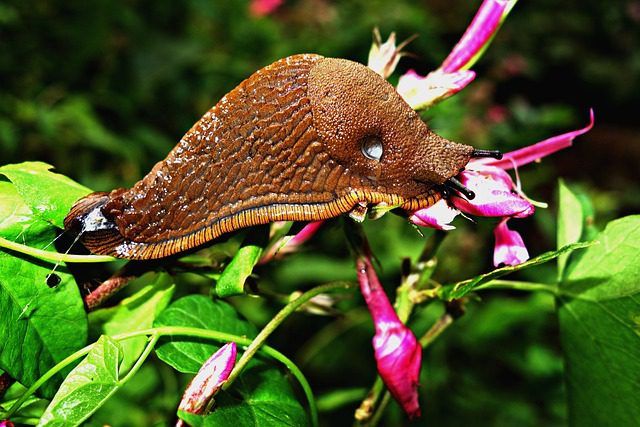
Is the big orange slug (Arion rufus) poisonous? Plus its features and how to manage it
Read Red slug (Arion vulgaris): identification, life cycle, ecological impact and methods to protect gardens and crops.
Read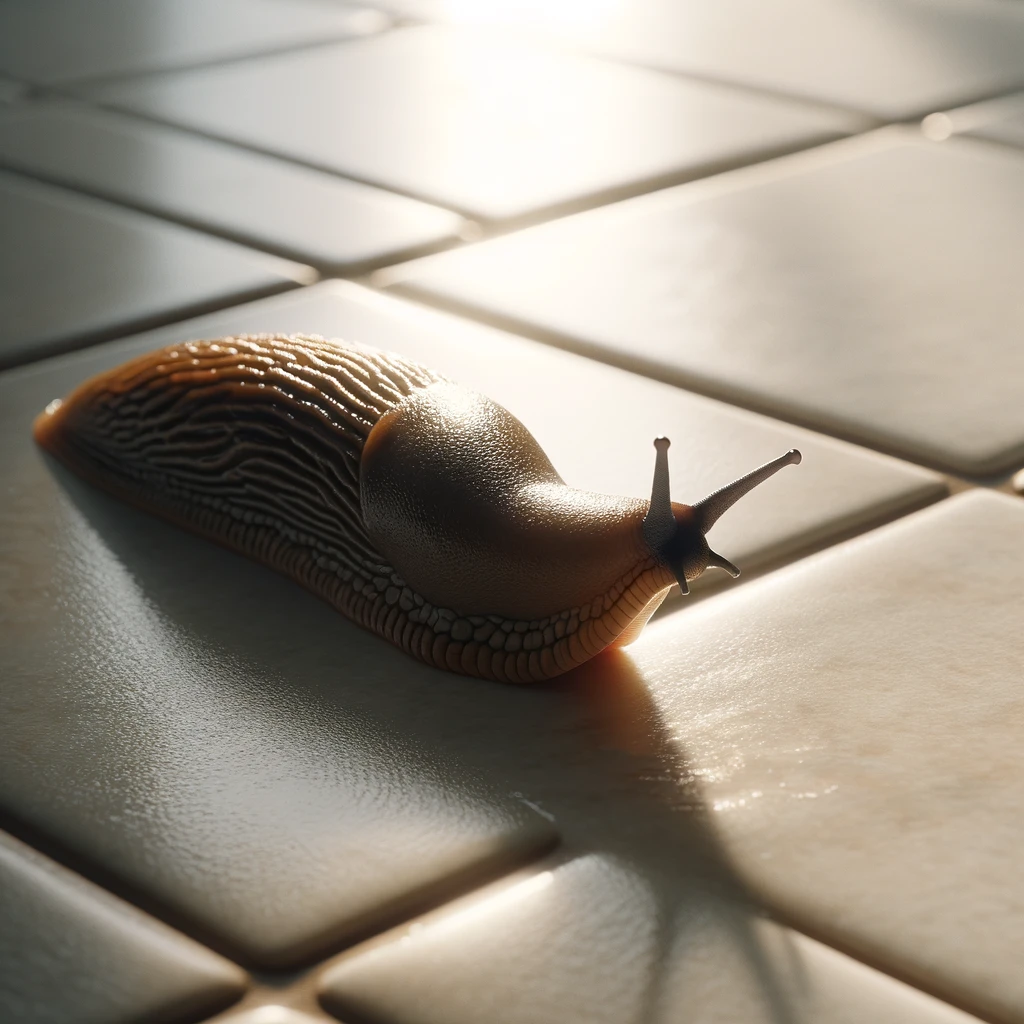
Slugs in the house: here's why, and here's what to do.
Read Giant slugs: species, sizes, characteristics and ecological impact
Read Slugs: their usefulness in the garden, what they indicate, and holistic management through reshaping the habitat
Read
Tackling slugs: natural, effective solutions to protect your garden
Read
Here's Where Slugs Hide During the Day and What to Do
Read
Lawn overrun with slugs: why, and what to do?
Read Ferric phosphate against slugs: effectiveness, and dangers for pets.
Read
What is the best slug trap and how do you make one yourself?
Read
Here's Why Slugs Are Invading Your Garden
Read Slug-repellent plants, or prevention through planting
Read What is the best natural slug control product?
Read What to do about slugs? The best natural solutions to protect your garden
Read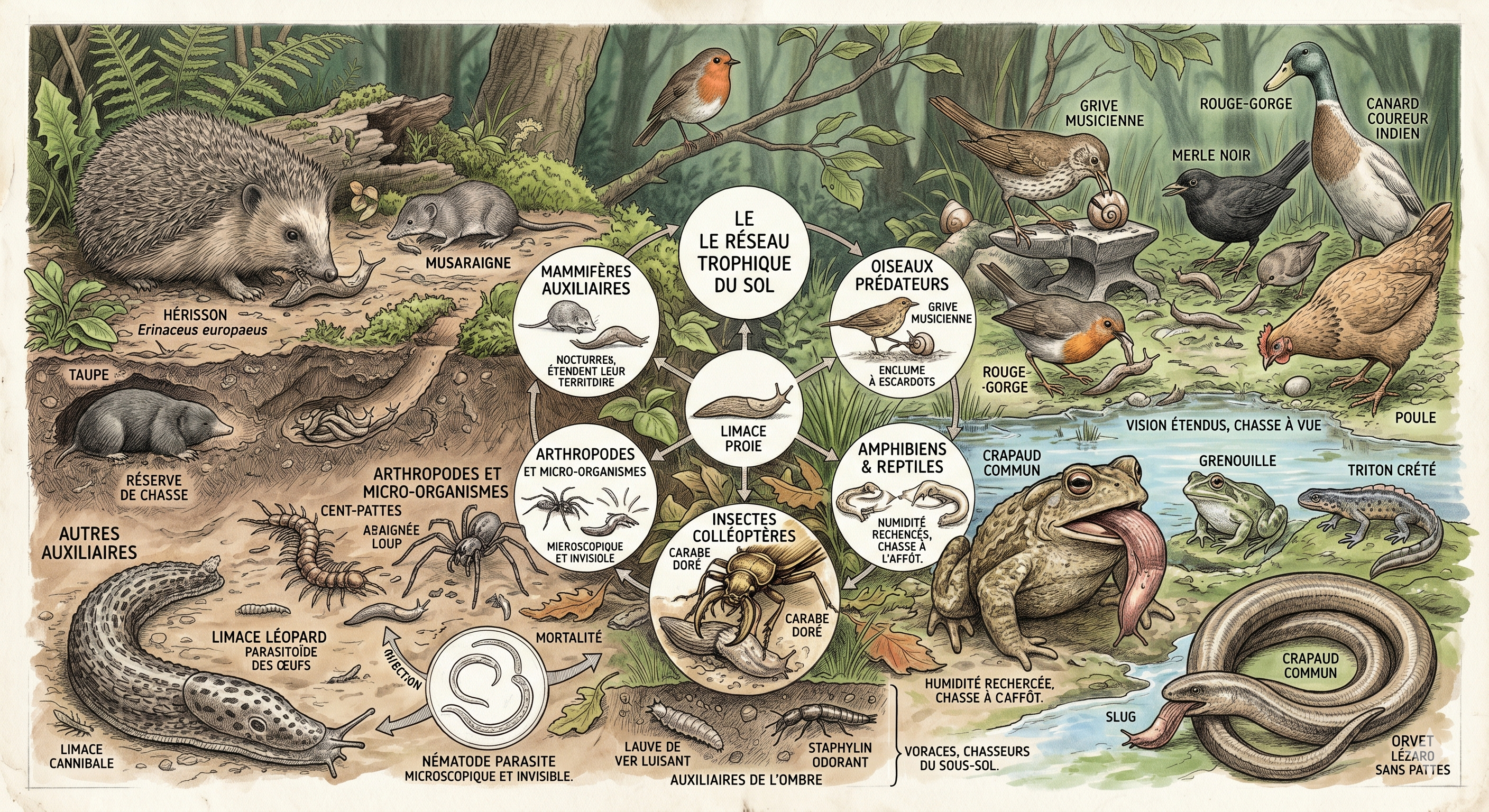
What animal eats slugs?
Read
Here's how to identify and cleverly eliminate slug eggs
Read
The best (clever) old wives' remedy against slugs.
Read
How do slugs reproduce?
Read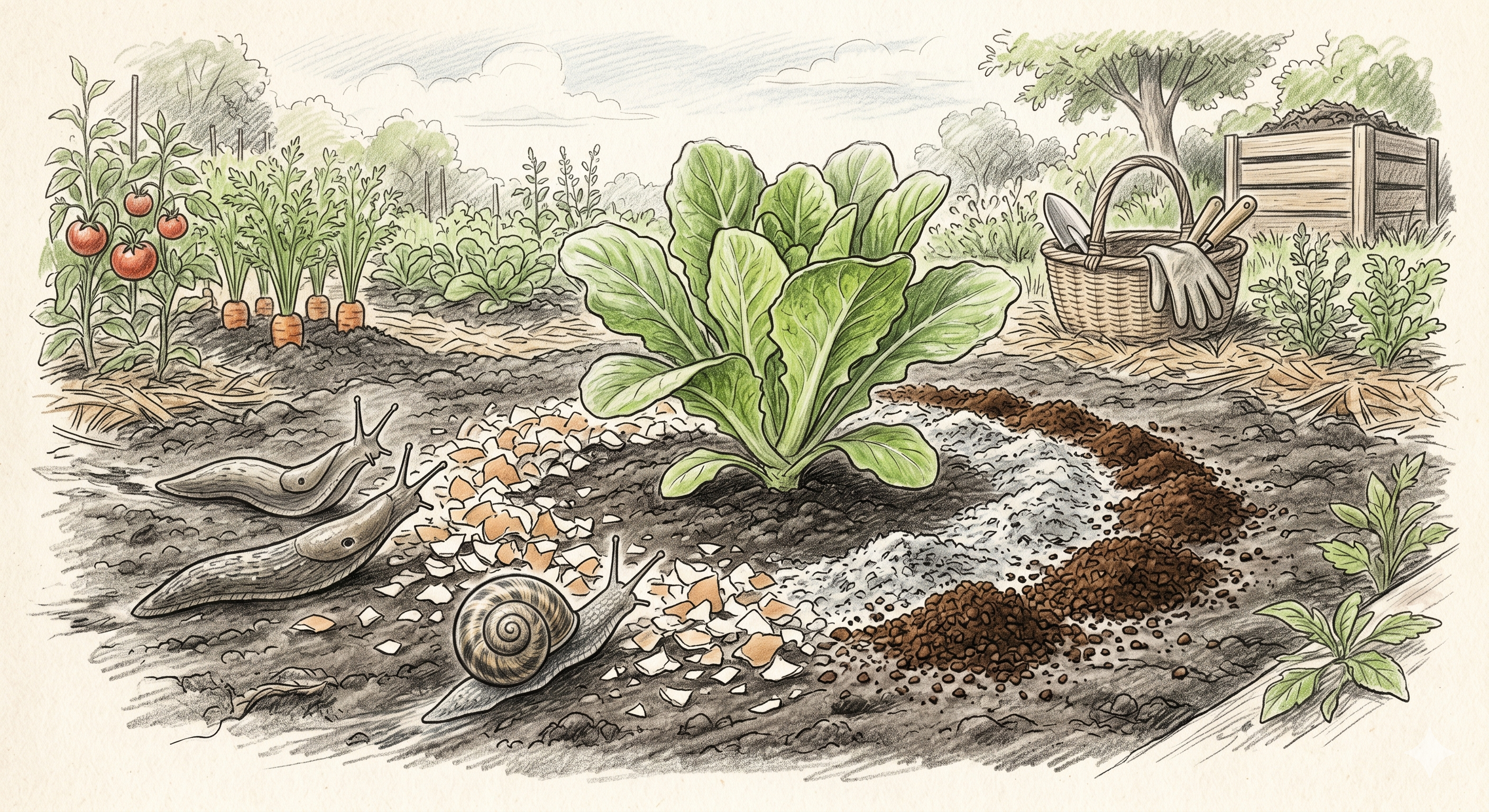
The best natural slug and snail repellents
Read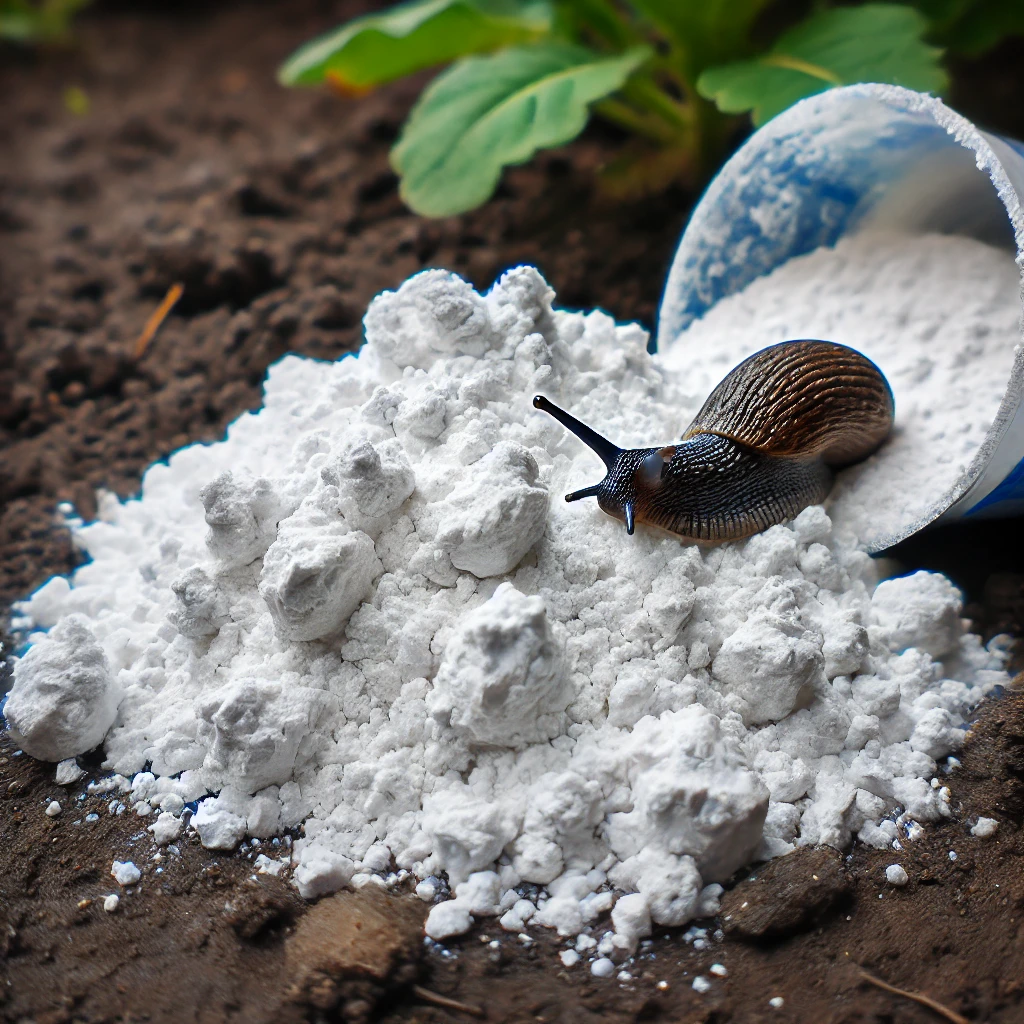
Diatomaceous earth: an effective slug deterrent?
Read