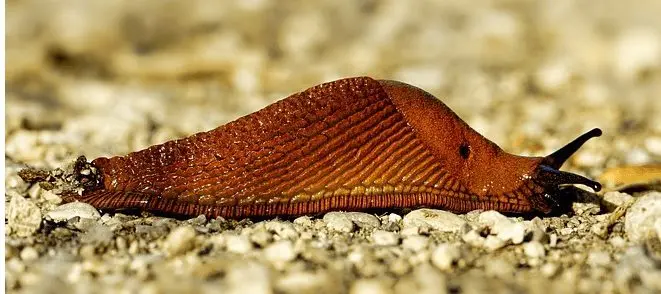
Testing and review of 30 natural slug deterrents (do they work?)
Read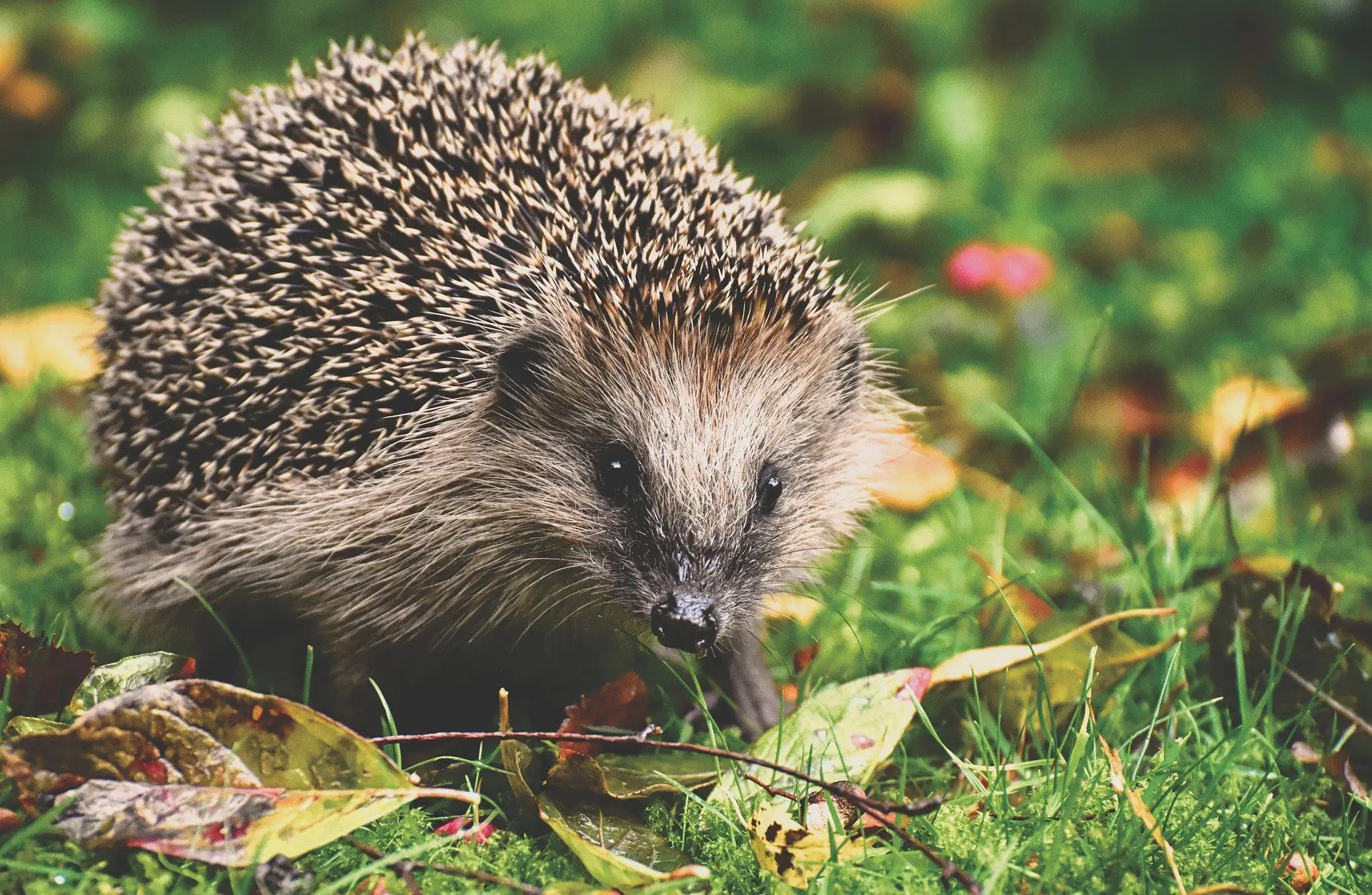
What better way to regulate the slug populations in your garden – far too numerous for your liking and that of your cabbages – than to play host to a horde of famished predators, poised to pounce on their prey?
Beware, dear young slugs! Respect my lettuces, or I shall unleash nature’s wrath, the predatory sentence lying in wait in the wood, beneath the wood, beneath the leaves…
Who are they, these allies of the shadows? These regulators of the slimy ones?
And above all, how do you attract them to the garden?
If you're discovering my blog, chances are slugs and snails are giving you grief.
You'd probably be very interested in the copper slug barrier I designed .
It changed everything for me. I can finally grow lettuce, cabbages, strawberries and squashes without tearing my hair out.
Don't hesitate — it's an investment (copper is expensive), but you'll likely save yourself a huge amount of time!
Before we go any further, you should know that there is an article I recommend you read if you want solutions to your slug troubles. It is the article on tests and assessments of natural slug “deterrents”, the link to which is just below. Among other things, it helps you get to grips with the “slug control” section of my website, for which I have written some fifteen articles, organised in a coherent way.
Related articles
It is sometimes said that hedgehogs, being insectivores, prefer larvae, worms and other insects to slimy slugs… That is true, and it would seem that this is mostly down to their texture, which makes them difficult to swallow and chew.
Even so, slugs remain a protein-rich treat for hedgehogs, and according to some sources, an adult hedgehog could swallow up to 10 large slugs in a single night.
Below is a video of a young hedgehog rubbing a slug against the ground to rid it of its mucus and manage to gulp it down.
The main garden dangers for hedgehogs are: pesticides, metaldehyde-based slug pellets, beer traps, swimming pools and ponds with no suitable means of escape, and dogs.
If you feed a hedgehog, the rule is simple: only cat/dog biscuits and tinned food. Other foods (milk or bread, for instance) can be fatal to it.
Here is the article to learn how to attract the hedgehog to the garden
Amphibians, contrary to what we might think, are also very good predators of slugs (especially small slugs).
Toads, frogs, salamanders and newts thus help to regulate slugs in the garden.
Because yes, the best way to attract amphibians to the garden is to create a natural pond, toads excepted (they make do with a damp, cool corner of the garden).
To limit the dangers of your garden for amphibians, you will need to take care to block off the passages of basement stairwells (where they end up trapped and die of dehydration), and the passages leading onto a road, without forgetting to keep an eye on your cat (because moggies have the unfortunate tendency to play with amphibians), and above all without using pesticides or metaldehyde slug pellets.
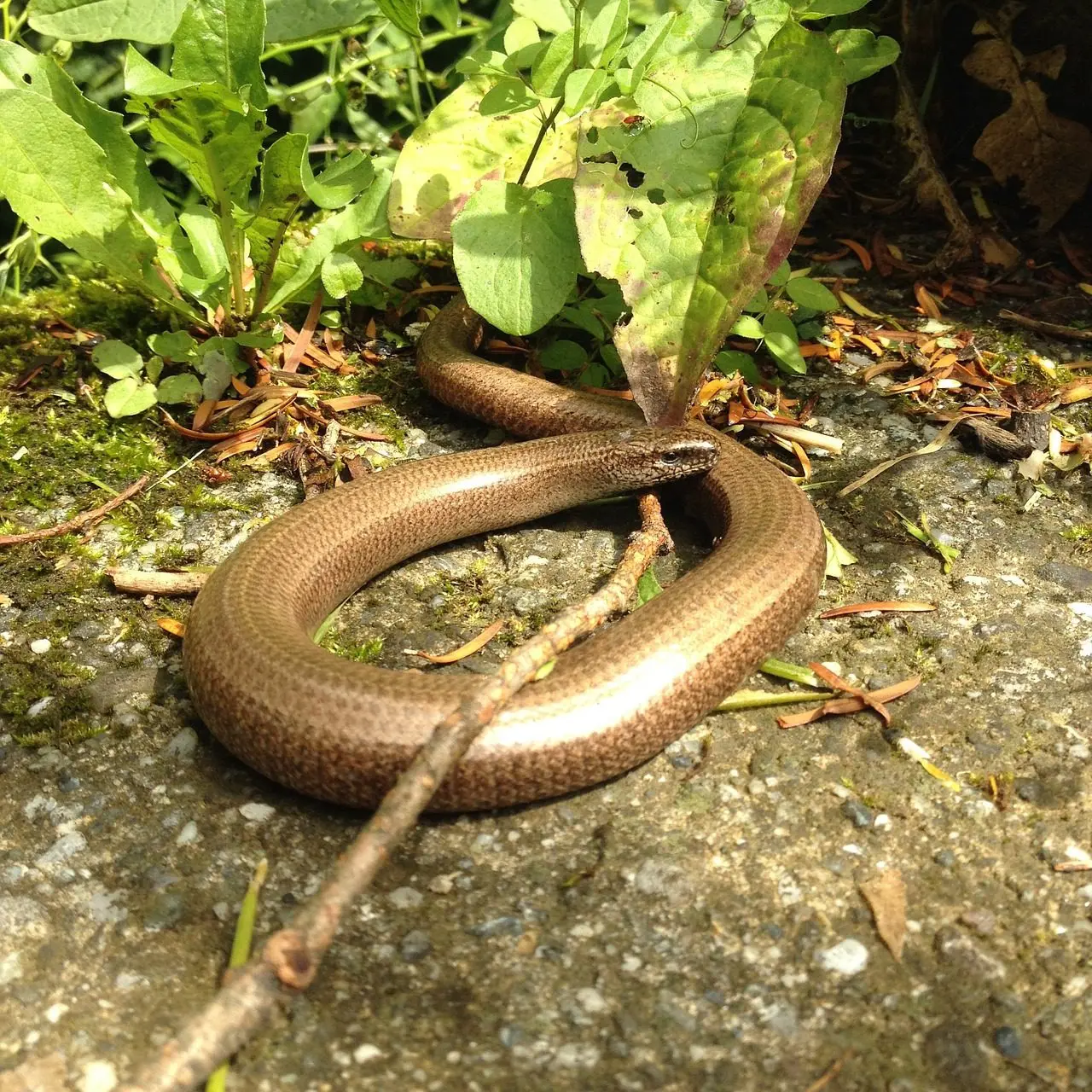
The slow worm, the legless lizard, is a big consumer of slugs: slugs in fact make up the bulk of its diet! (source: https://www.quelestcetanimal.com/amphibiens-et-reptiles/lorvet-fragile/).
As with amphibians, take great care not to use pesticides in the garden (although, well, if you garden using permaculture that goes without saying), no metaldehyde-based slug pellets (and even then, we are not sure of anything when it comes to ferric phosphate), and keep a close eye on your cat, which is a major cause of mortality among garden slow worms!
Lizards, for their part, will be able to do their little bit, by helping to eat the very smallest slugs and the eggs of these gastropods.
In the same way, take great care with your cats!
It is very likely that vipers and grass snakes also feed on slugs… to be confirmed!
Among the insects that prey on slugs, the stars are: ground beetles, rove beetles and glow-worms!
All of them can take on specimens far larger than themselves.
In a garden, a population of ground beetles can really contribute a great deal to regulating a slug population. To attract them specifically, you can plant red clover or phacelia, two plants that are said to favour their presence.
But above all, for these three insects, the rule to follow is to restrict the mowing of grass and to avoid the use of modern, destructive tilling machinery (for ground beetles and rove beetles especially). As always, you will also need to ban the use of pesticides, as well as beer traps, which can cause the drowning of many ground beetles and rove beetles, drawn in by the smell of dead slugs.
To find out more about how to attract ground beetles to the garden: ground beetles, predators of slugs.
Many birds feed on the smaller slugs. The video above is an example of this (you cannot see it very clearly, but you can still make out the slug fairly easily).
To attract birds to the garden, the simplest thing is to put up nest boxes for them! Indeed, because of the dwindling of large dead trees, and of natural spaces that are “too tidy” in general, birds are often in the midst of a “housing crisis”. You can also plant berry-bearing trees.
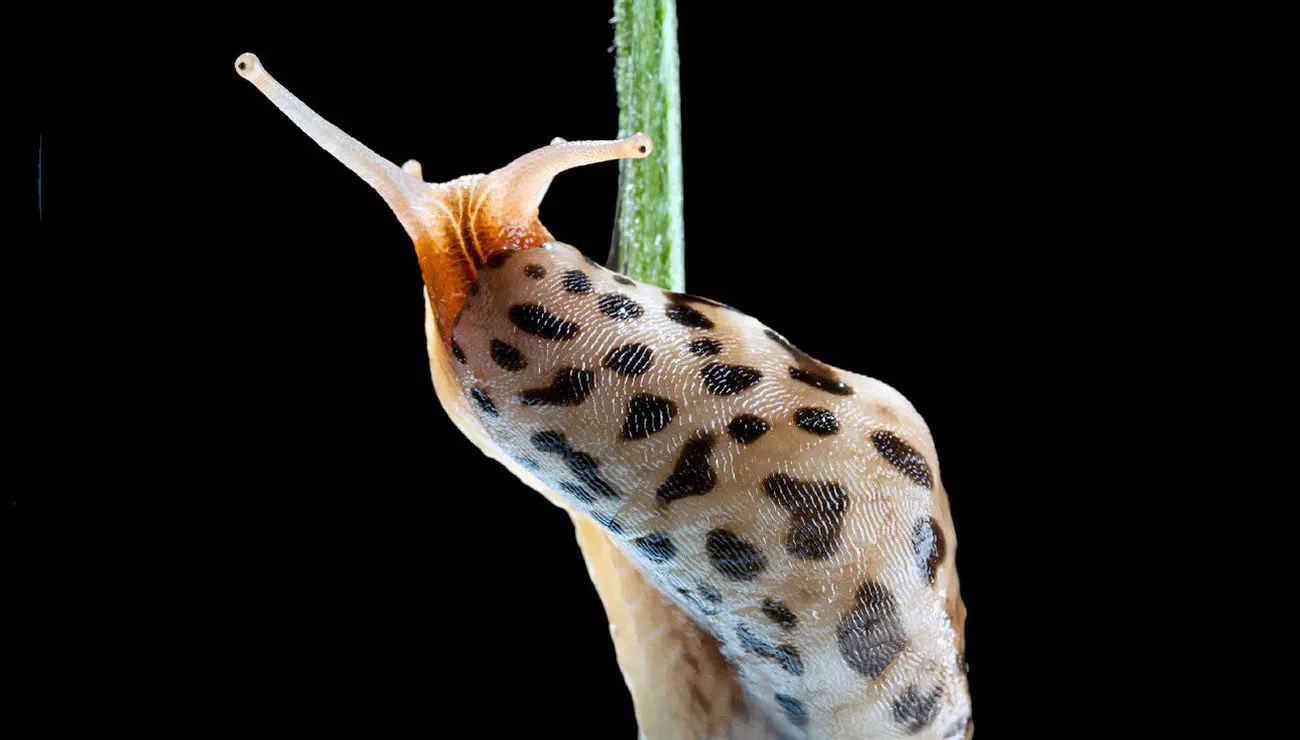
The leopard slug, the tiger or spotted slug, is a slug… that eats other slugs!
It is common to find slugs eating dead fellow slugs, far less common to see a crawling cheetah chasing down poor young Arion hortensis early in life… Because yes, it would seem that the prey of leopard slugs is of very small size.
Here is an article dedicated to this fine creature: the leopard slug, a toxic slug predator?
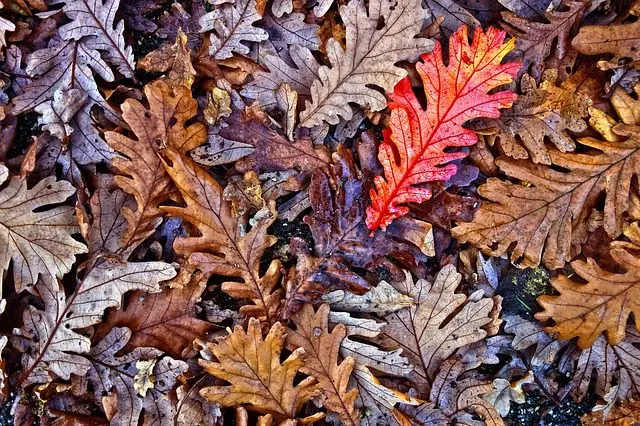
So, how do you attract these predators to the garden? Here I am going to refer to the overall arrangements to make, which suit the majority of the species mentioned**. For the specific arrangements for each predator, the best thing is to refer to the article dedicated to the predator in question**.
To attract the majority of slug predators to the garden, the general rule to follow, as with most beneficial insects and animals, is: you must not have a garden that is too “tidy”.
A lawn, with no hedge or fallen leaves, is for example an environment that offers no hiding place to beneficial insects and animals, and there will therefore be very little chance of your being able to attract them to your garden over the long term.
An important point is to have in your garden a hedge whose base is furnished with fallen leaves, brushwood or tall, rarely mown grass. This creates a veritable cocoon of hiding places for many animals and insects.
A plant diversity of local species is also something highly recommended. For example, many insects have probably co-evolved with certain plant species of their ecosystem (or they simply appreciate their presence, for various reasons), and planting them within your garden will be an asset in creating an environment favourable to the presence of these slug predators.
You can also create hiding places of various kinds: piles of wood, branches and stones, large flat stones laid on the ground, but also buy or build shelters suited to these predators.
In addition to making sure your garden is an optimal environment for these beneficial creatures, you will need to take care to root out of your garden all the potential dangers that could threaten these slug predators: if you have read the article this far, I bet you already know what they are: ban the use of pesticides, of slug pellets (metaldehyde-based especially), and sometimes of beer traps… And keep an eye on your pets (cat, dog)… As well as your “introduced predators”, but we are coming to those right now…
The purpose of this article is to set in context the 6 articles shown in thumbnails below, which address this theme.
It provides a more overall view of this strategy of managing the slug problem through predators.
I try to tackle three points that I think are essential:
Recommended reading method: ideally, read this article (it is not finished, it continues below) to draw an overview of the question. Then, take the time to explore, among the 6 articles below, those that interest you most: they offer a more detailed dive into each of these slug predators. There you will often find videos showing them hunting and eating slugs, but also ways of attracting them specifically to the garden, and plenty of other information.
Happy reading!
Related articles
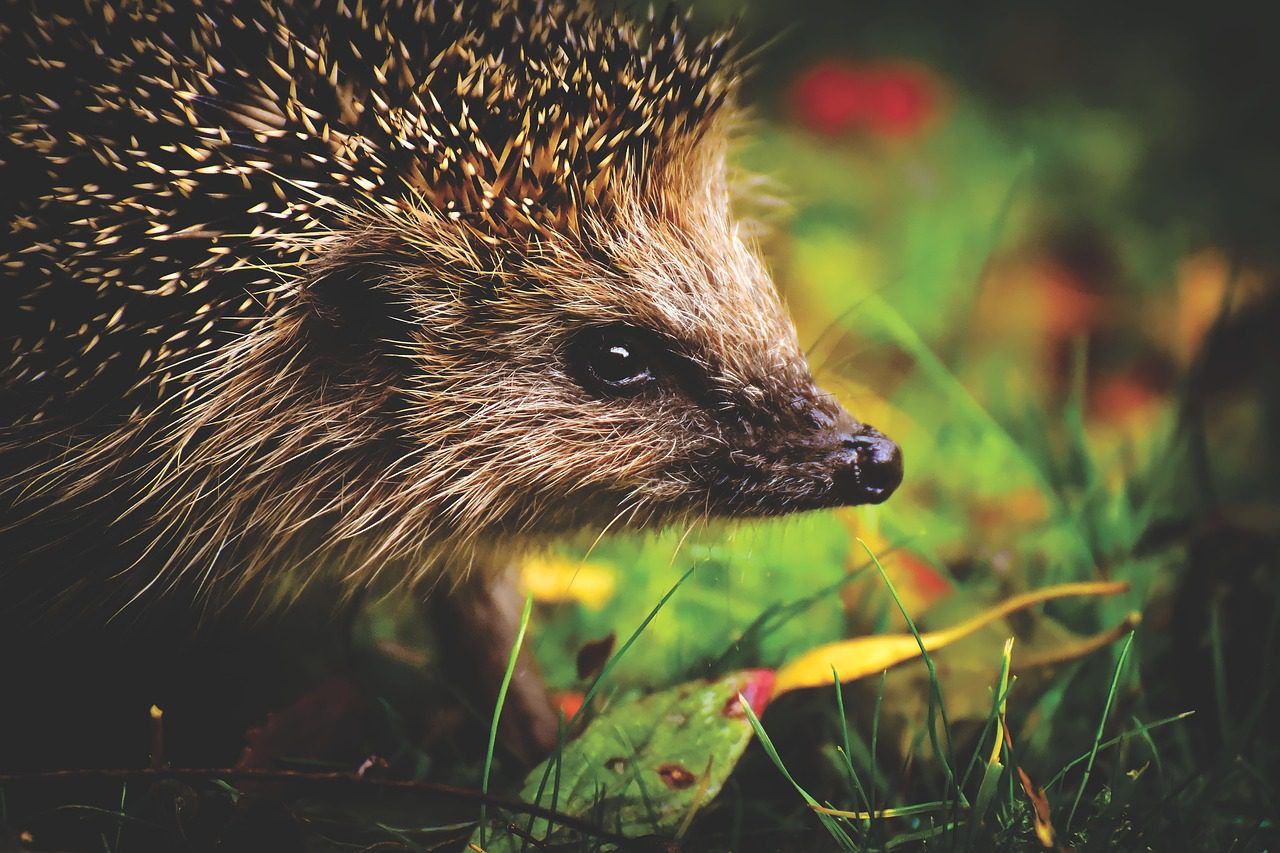
The hedgehog, a slug predator in the garden: should you feed it? How do you attract it to the garden?
Read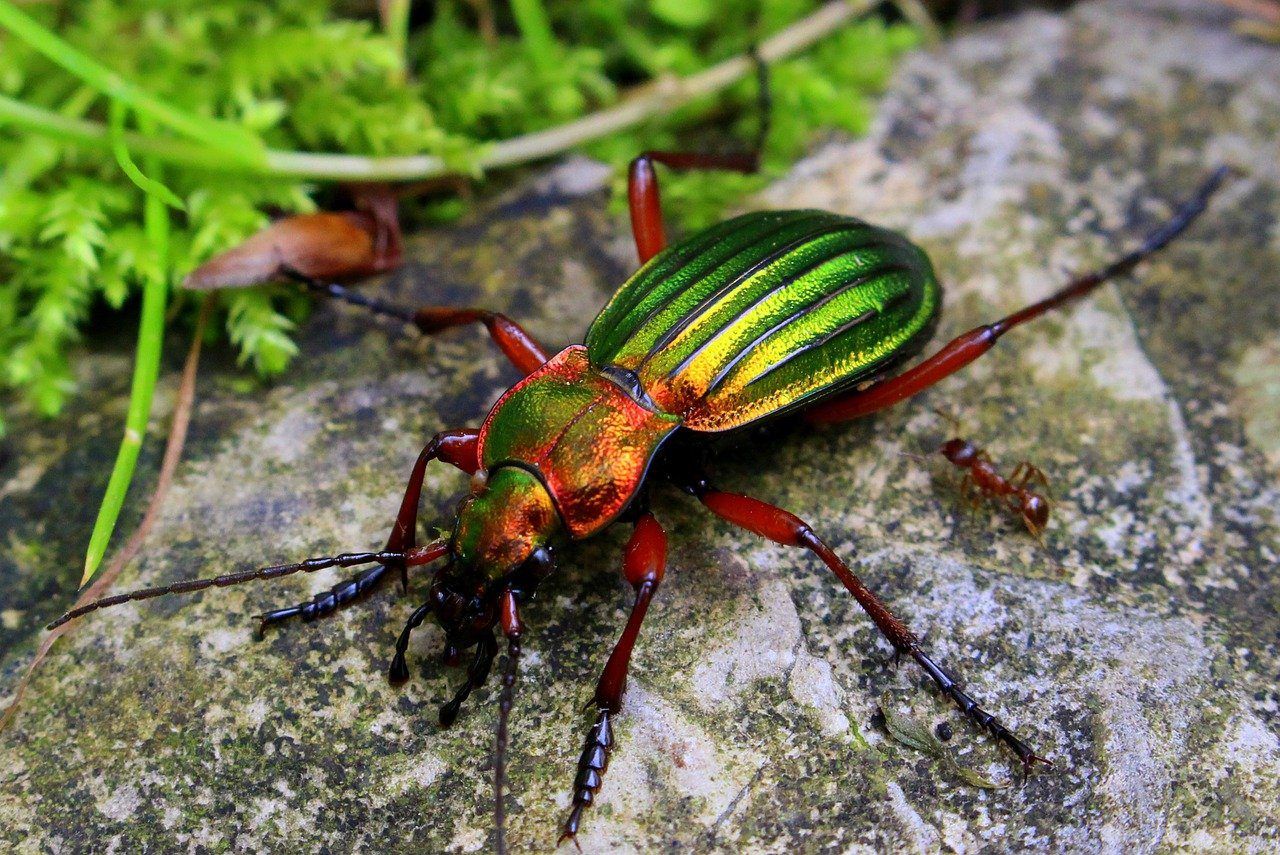
Ground beetles, predators of slugs: how to attract them to the garden?
Read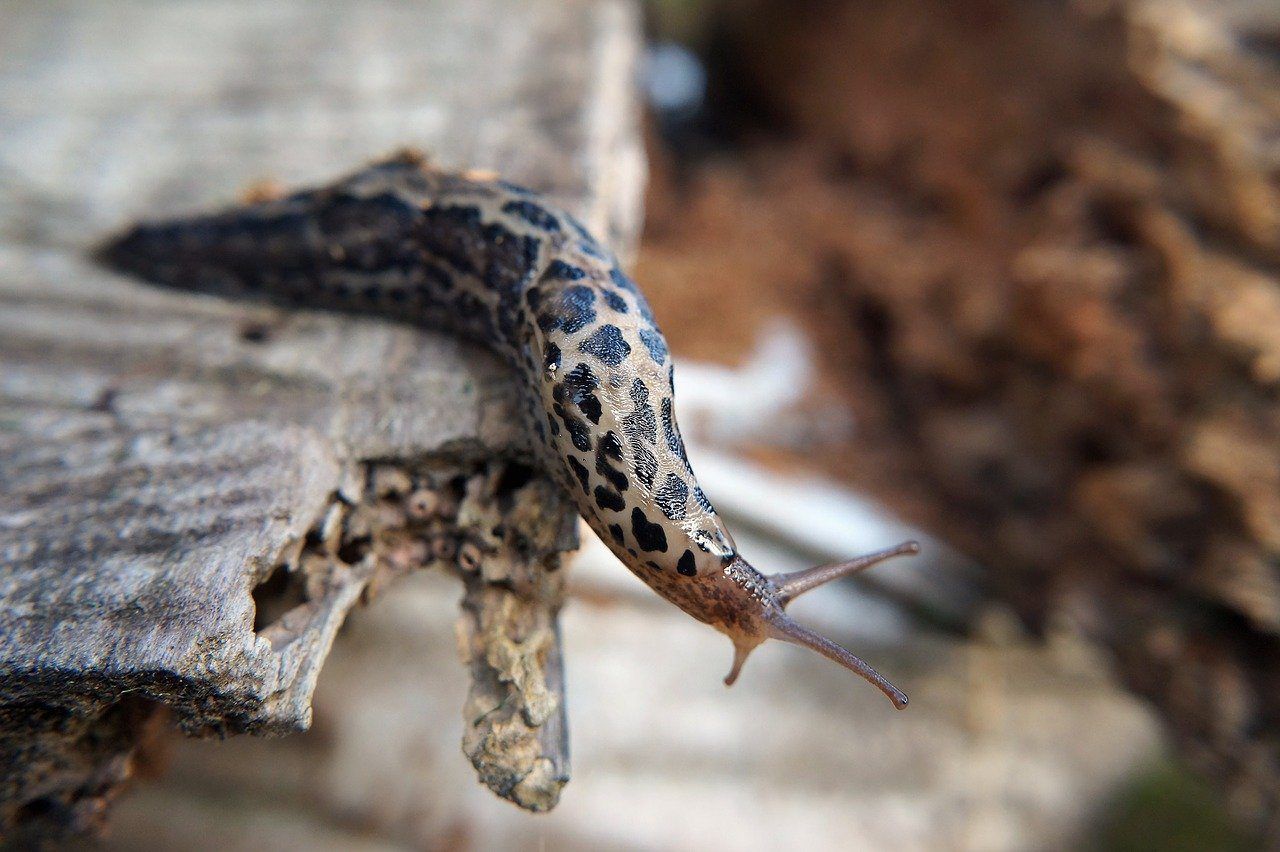
The leopard slug (toxic?): identification, diet, reproduction
Read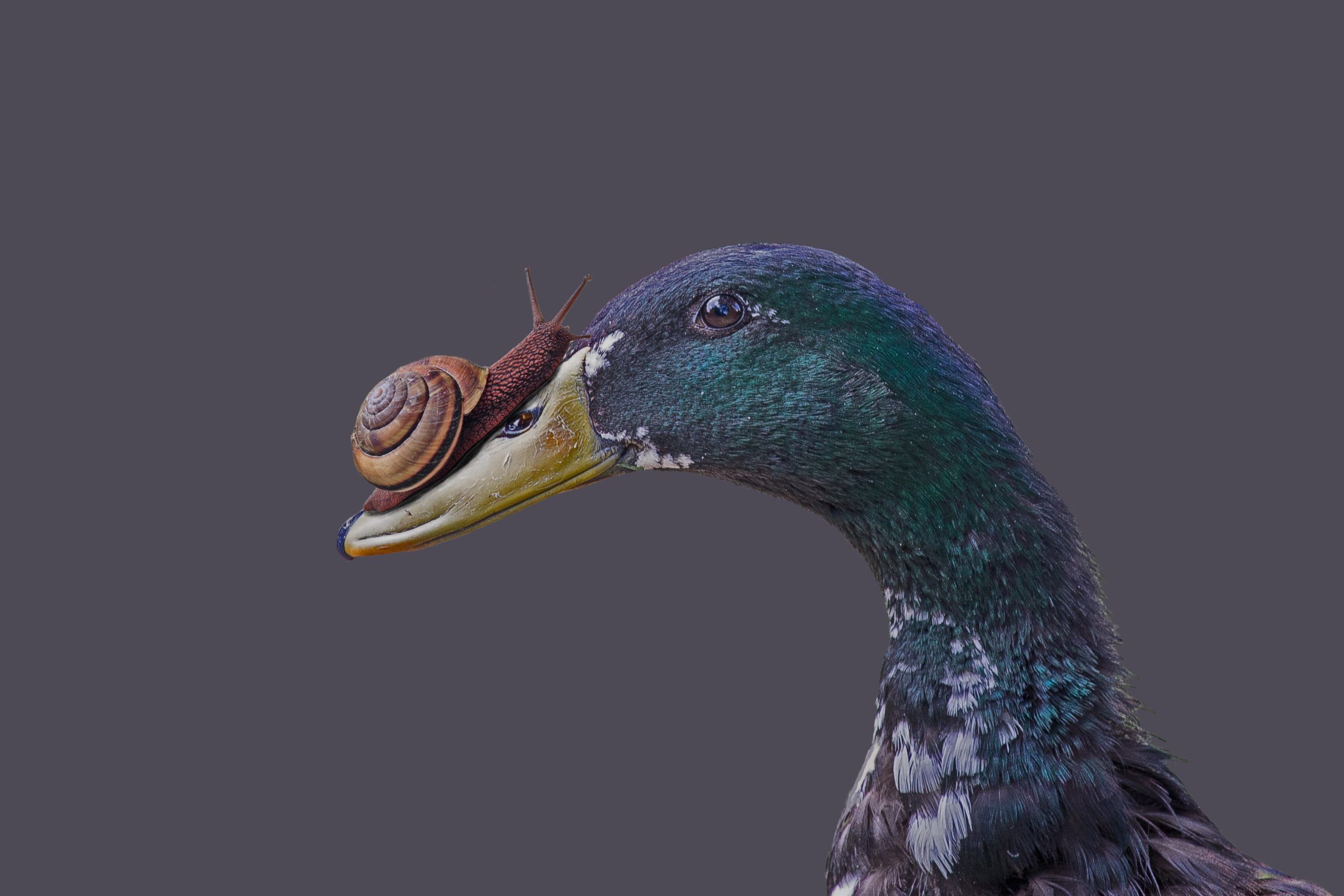
Indian Runner ducks against slugs and snails: good idea or bad idea?
Read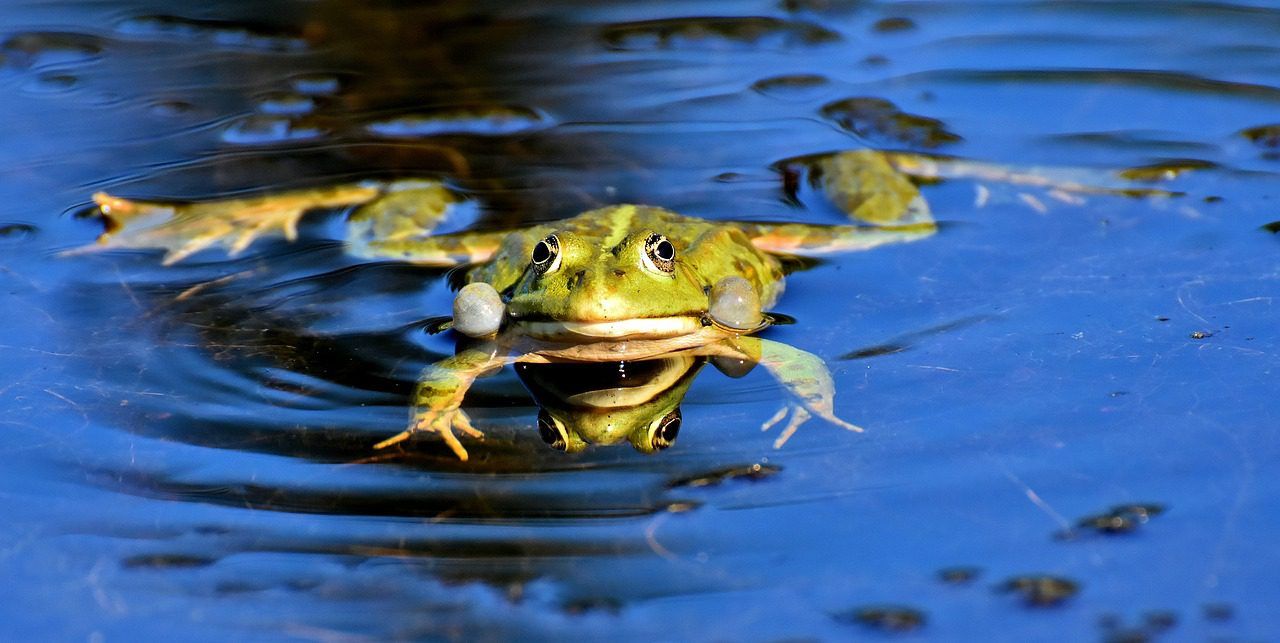
Attracting amphibians to the garden, these predators of slugs
Read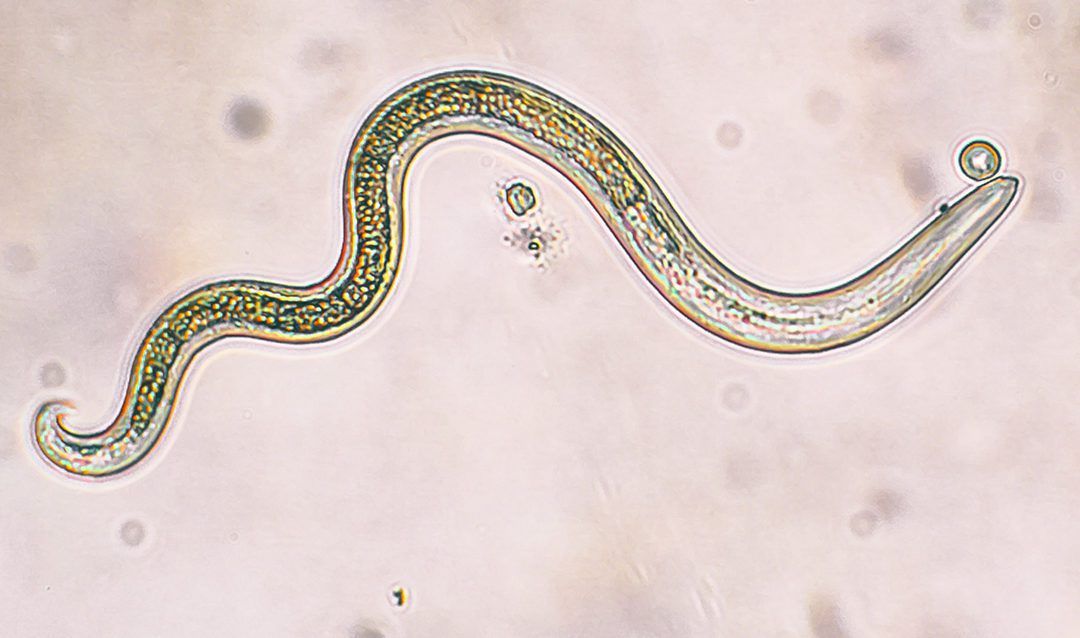
Ph nematodes as slug predators: a miracle solution?
Read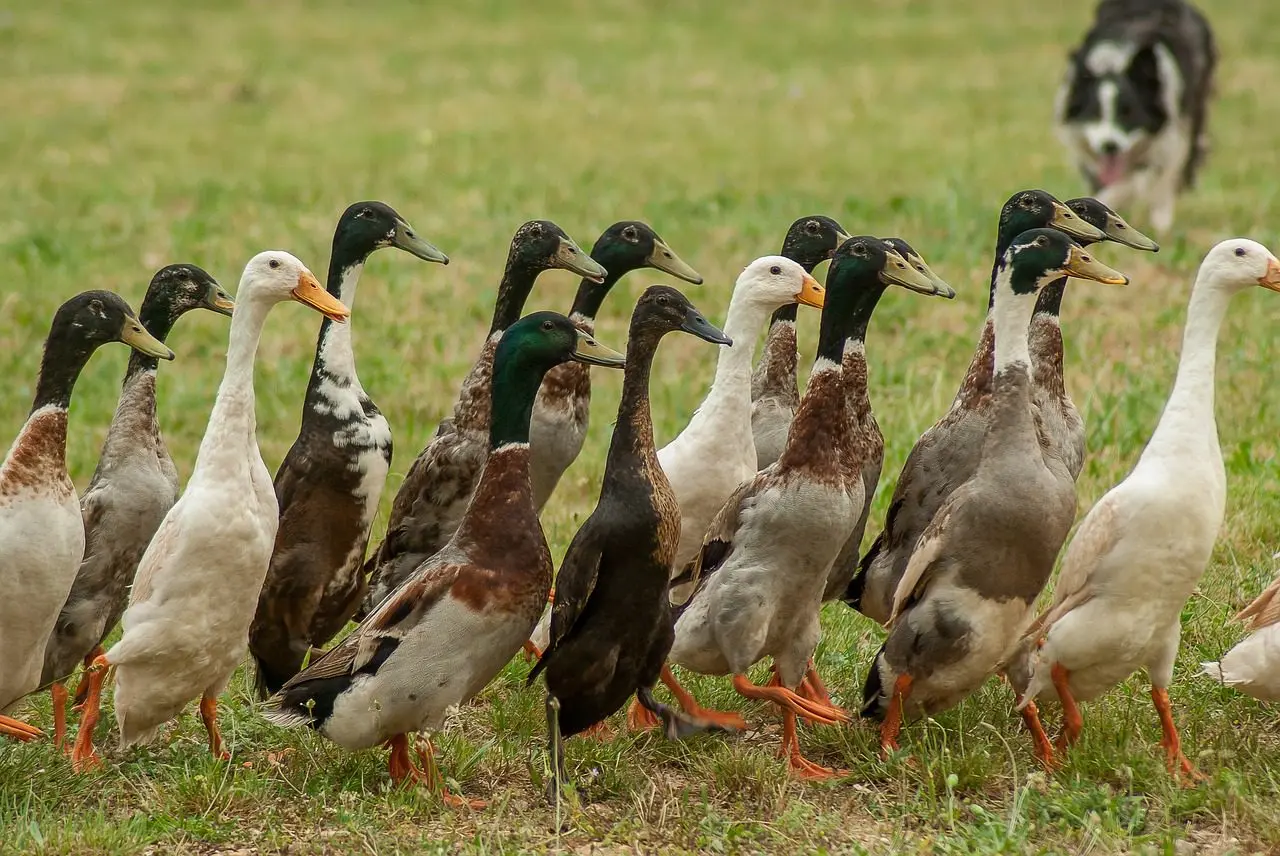
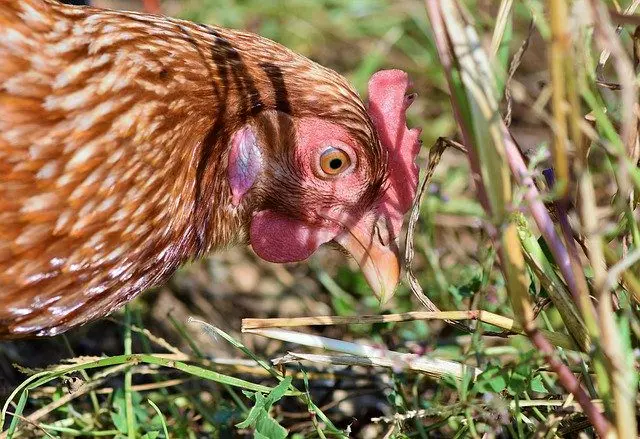
The famous Indian Runner duck, a species of duck especially fond of gastropods and other soil insects, is a real asset for the gardener wanting to get rid of a large slug population quickly. These cheerful waterfowl spend the day rummaging through every nook and cranny of the garden, to root out the slightest mollusc that might be there.
To welcome them, you will need a plot of sufficient size to let them roam, and a shelter, to protect them from predators (stone martens, pine martens, foxes) once night falls.
You will also need to keep an eye on them, or even fence off certain sections of the vegetable patch, to stop them going straight for your lettuces (which would be the last straw!) and trampling your flower beds. You will also need to think about providing a small pond, essential to their needs.
To find out more, read my “thesis” on Indian Runner ducks.
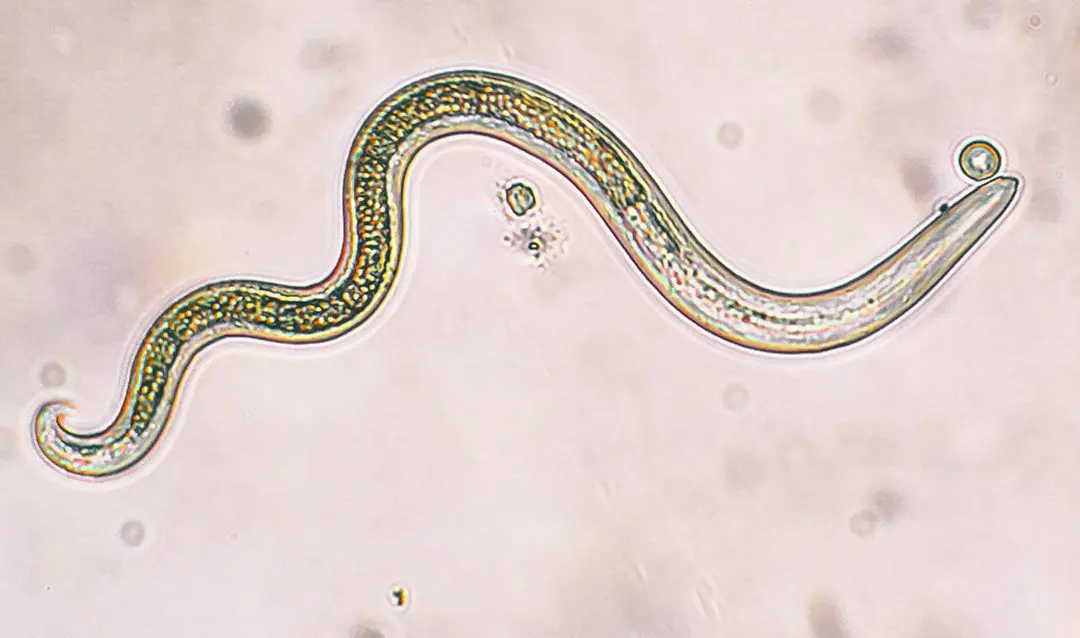
Hens do not eat large slugs (the orange keeled slugs, for instance), but they have no trouble taking on the smaller slugs (the small grey slugs, for instance).
The problem with hens is that it is difficult to let them roam free in your garden, to make their slug hunting easier: you have to protect them from predators (unless you bring them in to the henhouse every evening, of course), but you also have to protect your vegetable patch from these ladies.
A good idea, occasionally seen on Facebook, is the construction of a wire-mesh tunnel that runs across the garden, inside which they can carry out the hunt for gastropods without harming the crops, and without risking escaping or being snapped up by a fox.
A solution you are surely also familiar with is the use of shop-bought nematodes. Nematodes (ph) are parasitic worms specialised in preying on slugs. They enter through the slug’s breathing orifice and kill it from the inside.
Spreading nematodes (ph) in a garden does indeed seem to allow a mass eradication of slugs.
Once all the slugs are dead, the nematodes die for want of prey, and the treatment will have to be renewed.
To go further, read the article specifically on nematodes (ph) against slugs
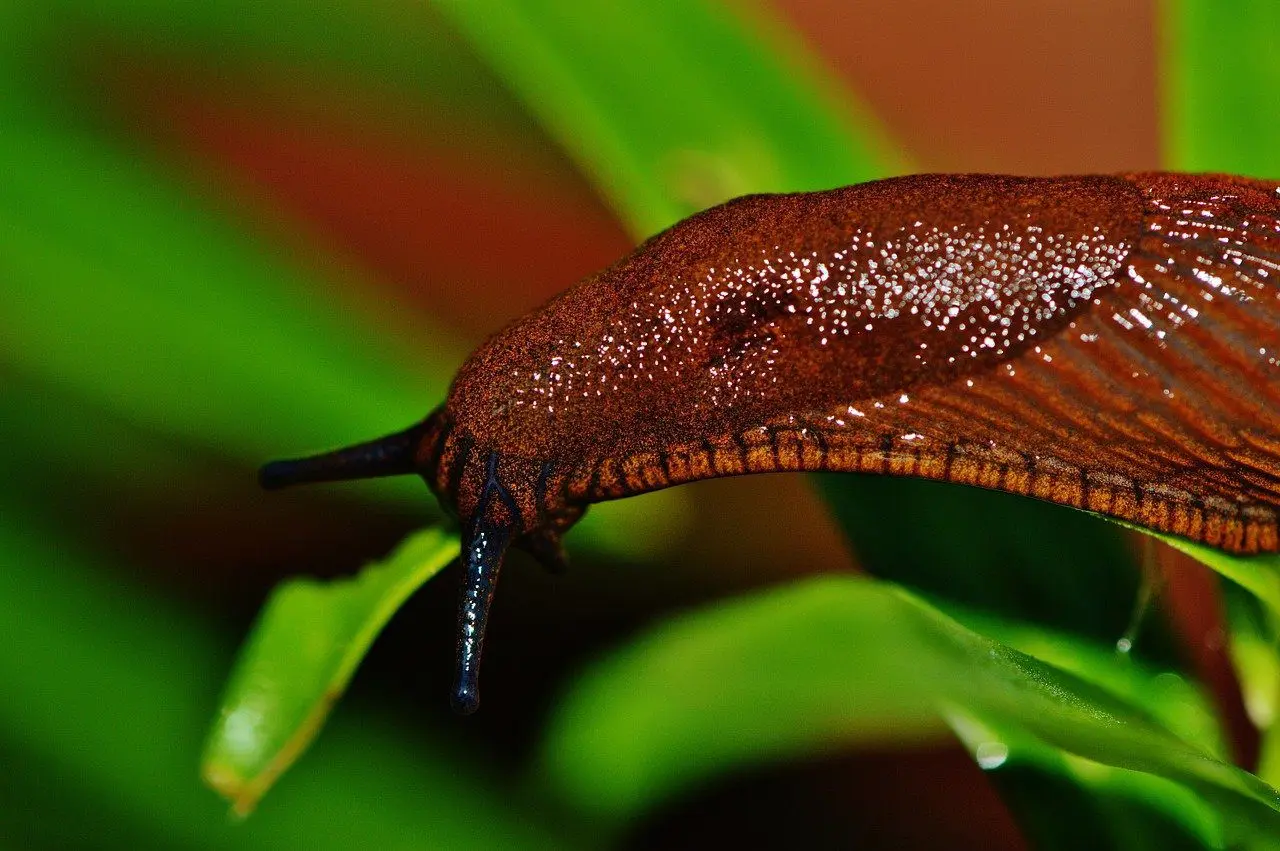
How does a natural ecosystem regulate itself?
How are the various animal and plant species “kept in check” and regulated, to allow the lasting coexistence of different species within a natural habitat?
This is mainly down to the eternal prey-predator balance.
To paint in broad strokes: if, one year, the wild rabbits start to abound, the fox population will also grow (because foxes then find their prey more easily). The rabbit population will then begin to fall, and will eventually bring about the fall of the fox population (less prey), and so the rabbit population will begin to rise again the following year, and so on…
In short, in a natural ecosystem with no outside intervention, the prey and predator populations self-regulate.

So, if our vegetable patch hosts natural predators of slugs in sufficient quantity and diversity, they will naturally regulate their numbers, all while maintaining a balance between the population of this predator and the population of its prey (slugs are often not its only prey).
The more our garden is representative of the natural ecosystem of our region (the natural habitat of the predator in question, then), the more chance the natural predators of slugs will have of settling there.
Now, let us imagine that we put a pair of Indian Runner ducks within our garden. They are going to eradicate the slugs from the garden, but not only that: many other insects, and so beneficial insects or even insects that are themselves predators of slugs (ground beetles, for instance) (not forgetting the other natural predators that will leave for want of prey). And above all, the ducks are not native to this habitat: no balance exists between these predators and their prey: they have been arbitrarily introduced into an environment to which they do not originally belong.
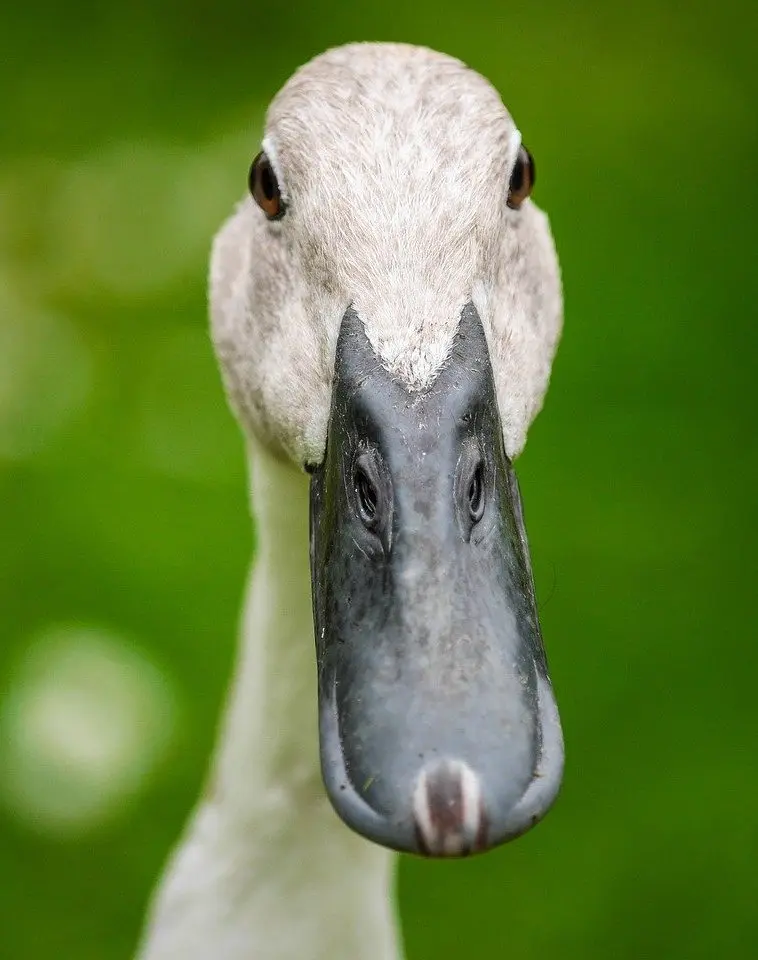
The same goes for the hens, the same goes for the nematodes. They do not belong to the natural habitat in question.
The fact is that you will apparently no longer have any slug problems.
But, if one day you give away your ducks because they eat your lettuces and greatly degrade the garden’s biodiversity (biodiversity which is an essential element of a permaculture garden, let us not forget), your slug trouble will reappear as if by magic! And you will have to wait between 2 and 5 years to resolve the problem for good without going through the “introduced predators” stage. This is only my opinion, but the use of introduced predators to solve a slug problem seems “artificial” to me, and does not correspond, in my view, to the philosophy of permaculture, where the aim seemed to me to be to understand the synergies of the living world, in order possibly to use them wisely to maximise lasting harvests.

Attracting the natural predators of slugs takes time, that much is obvious. There are many other very interesting solutions, which you will find by browsing the articles in the “slug control” section of my site, accessible via the menu. Here too, and following the same philosophy, is a granny’s tip for fighting slugs intelligently.
Done with slugs. For good. Starting this season.
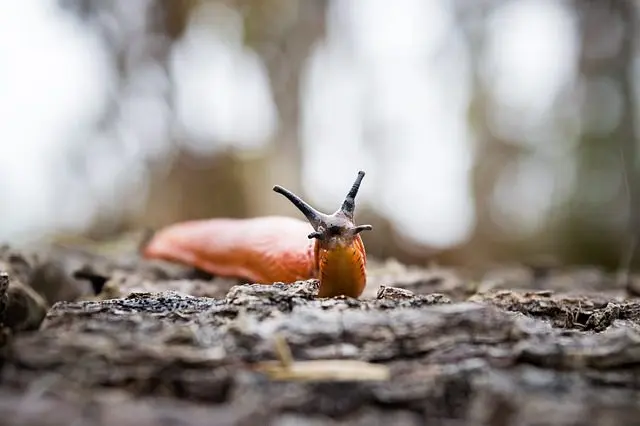
The natural predators of slugs have, since time immemorial, helped to regulate slug populations within natural ecosystems. Reproducing these natural ecosystems as best you can (a garden that is not too “tidy”, with a good regional plant diversity) in your garden is one of the best ways to attract these natural slug predators there, and to manage to regulate the population of these gastropods, after 2 to 5 years.
Conversely, the insertion of an “introduced” slug predator – veritable extermination machines – veils the problem by hiding what is merely the symptom of a natural prey-predator imbalance (among other things). The introduction of this outside element throws a long-established system out of balance. The synergies of the living world are undermined by this super-predator, and this way of operating through “concealment of the symptom”, rather than “healing of the syndrome (systemic imbalance)”, does not seem to me to be in keeping with the philosophy of permaculture.
If you want other ways of managing slugs intelligently, I recommend the following articles: slug-repellent plants, or prevention through plants, slugs: the methods to avoid, as well as copper: test and comparison
The information in this article has been selected and verified according to the criteria defined in our editorial charter.
Articles in this section
Attracting amphibians to the garden, these predators of slugs
Read Indian Runner ducks against slugs and snails: good idea or bad idea?
Read The hedgehog, a slug predator in the garden: should you feed it? How do you attract it to the garden?
Read Ground beetles, predators of slugs: how to attract them to the garden?
Read The leopard slug (toxic?): identification, diet, reproduction
Read Ph nematodes as slug predators: a miracle solution?
Read