Blue slug pellets: effectiveness, dangers and alternatives
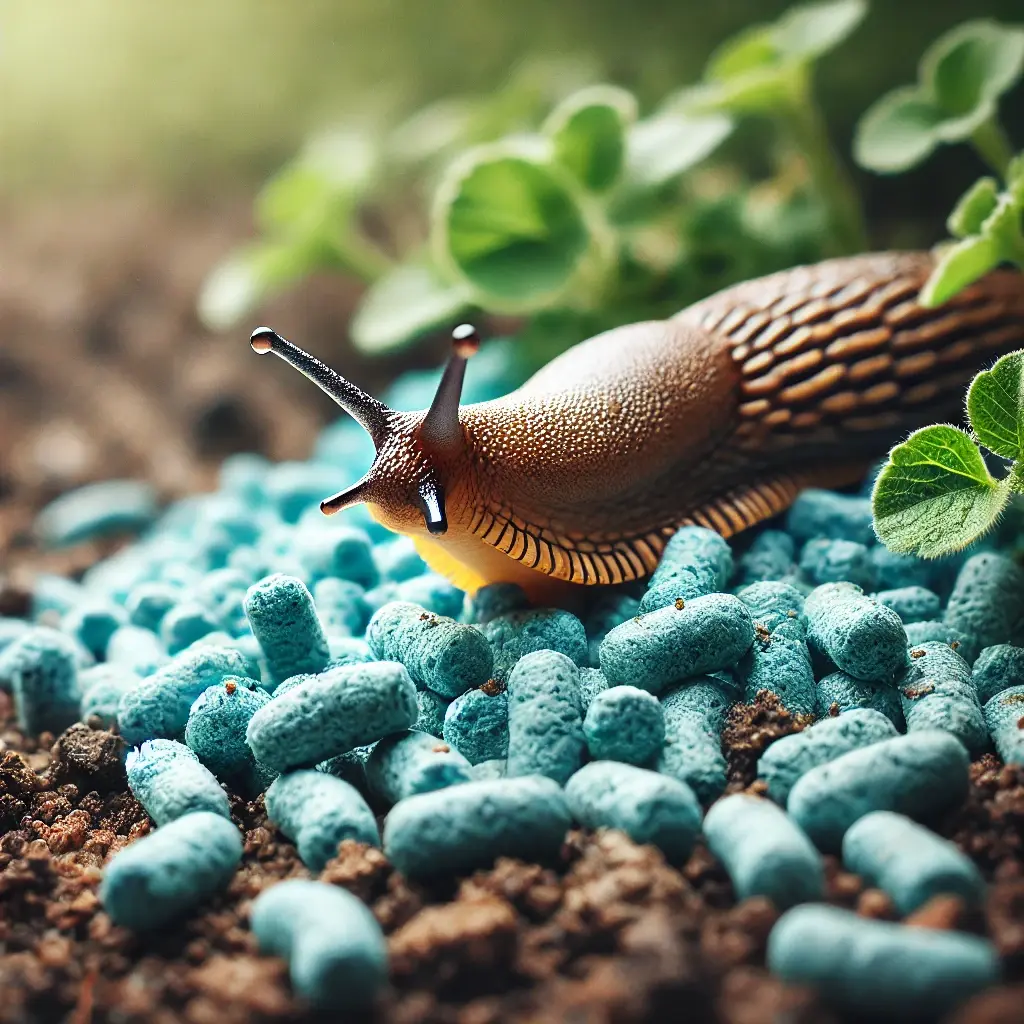
You are being overrun by slugs, and some of your friends are singing the praises of those famous blue slug pellets.
But before you start frantically scattering them across your garden, you want to know what they contain, and what effects they might have on your garden, your plants, and the small creatures and beneficial insects that live there.
So, if you finally want to know everything there is to know about these famous blue pellets, I can only encourage you to take the time to read this article.
Let’s get started!
If you're discovering my blog, chances are slugs and snails are giving you grief.
You'd probably be very interested in the copper slug barrier I designed .
It changed everything for me. I can finally grow lettuce, cabbages, strawberries and squashes without tearing my hair out.
Don't hesitate — it's an investment (copper is expensive), but you'll likely save yourself a huge amount of time!
Blue slug pellets: what exactly are they?
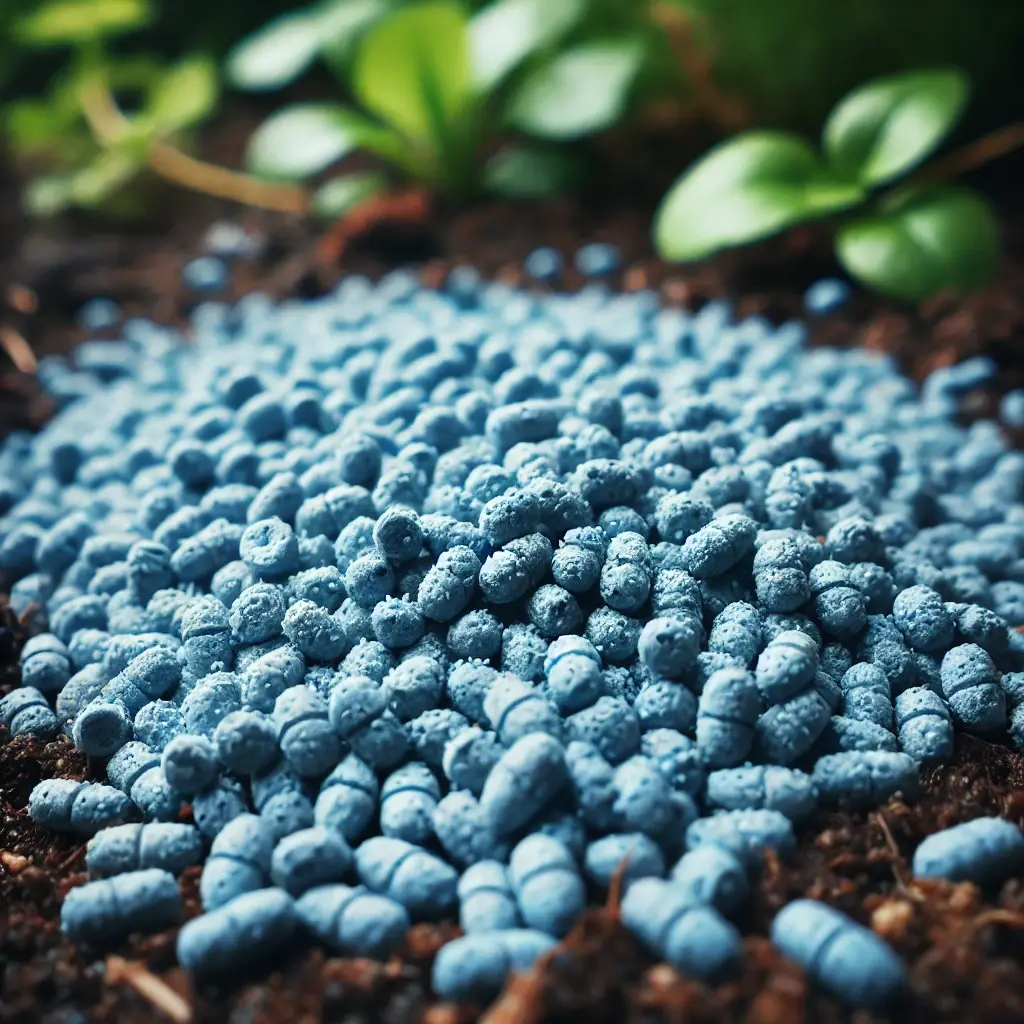
Blue slug pellets are products used by gardeners to tackle the slugs that devour the plants in the garden and the vegetable patch.
These pellets are scattered around plants or in the areas of the garden worst affected by slugs.
Their bright blue colour makes them easy to spot on the ground.
Composition of blue pellets
Blue pellets are made up mainly of one of two active substances (either one or the other):
-
Metaldehyde
- Metaldehyde is the chemical substance most commonly used in traditional slug pellets. Its action relies on disrupting the slug’s nervous system, causing rapid dehydration and the death of the animal. These pellets are effective, acting quickly after ingestion or contact.
- Toxicity: Metaldehyde poses major environmental problems. It is toxic not only to slugs, but also to other garden animals such as hedgehogs, birds and pets (dogs and cats in particular). Cases of poisoning in animals and humans have led to stricter regulations being introduced in some countries. In France, for example, the use of metaldehyde was banned for private individuals in 2020. It nevertheless remains authorised, and still on sale, for professionals (no comment…).
-
Ferric phosphate
- Ferric phosphate is a more recent and more environmentally friendly alternative to metaldehyde-based pellets. It works by disrupting the slugs’ metabolism, preventing them from feeding properly and thereby causing their death.
- Less toxic to wildlife: Unlike metaldehyde, ferric phosphate is not dangerous to most other animals or to humans, at least as things currently stand. After being ingested by slugs, the ferric phosphate breaks down naturally in the soil into iron, an element already present in nature. This makes it a far safer choice for garden ecosystems. Even so, some studies suggest a possible harmful effect of iron phosphate pellets on earthworms, which are key players in soil fertility.
Origin and history of blue pellets
Slug pellets first appeared at the start of the 20th century, when gardeners and farmers began looking for effective ways to protect their crops from pests.
Metaldehyde was introduced as a large-scale pesticide in the 1930s.
Thanks to its effectiveness and ease of application, it quickly became widespread in both amateur and professional gardening circles.
Over the decades, however, concerns about the ecological impact and toxicity of metaldehyde began to emerge.
In response, scientists sought less hazardous alternatives, and it was in this way that ferric phosphate was introduced in the 2000s as a more environmentally friendly solution.
Since then, ferric phosphate-based pellets have grown in popularity, especially with the increasing restrictions on the use of chemical pesticides in many countries.
Popularity and use in gardening
Blue slug pellets, whether based on metaldehyde or ferric phosphate, are widely used because of their ease of application and visible effectiveness.
They are particularly popular in vegetable and ornamental gardens, where slugs can cause considerable damage.
Their easy availability in specialist garden centres, their low cost and their ability to protect plants quickly against slugs have made them a very common product.
That said, with the growing awareness of environmental issues and the risks to biodiversity, many gardeners are now turning to more natural or ecological solutions, thereby reducing their reliance on chemical products such as metaldehyde- or ferric phosphate-based pellets.
Effectiveness of blue pellets against slugs
Blue slug pellets, whether they contain metaldehyde or ferric phosphate, are designed to attract slugs and eliminate them quickly.
Here is an overview of how they work and a comparison of their short- and long-term effectiveness.
How the pellets work
Metaldehyde
Metaldehyde, the active ingredient in many slug pellets, works mainly by attacking the slugs’ nervous system.
When they ingest the pellets or come into contact with them, the metaldehyde triggers rapid dehydration of their body by increasing mucus production.
This process causes them to dry out and die within a few hours, usually out in the open, which lets gardeners see the effects quickly.
- Fast action: Metaldehyde kills slugs very quickly, often within 24 hours of application. This makes it very effective for immediate control of slug populations.
- Dissolution: Pellets containing metaldehyde can dissolve quickly in the rain, reducing their effectiveness in wet conditions, precisely when slugs are at their most active.
- Persistence: Although metaldehyde is effective in the short term, its residual presence in the soil is limited. It often requires frequent reapplication to maintain its effectiveness over the long term.
Ferric phosphate
Ferric phosphate is a more recent and less toxic alternative to metaldehyde.
Once ingested by slugs, this substance disrupts their digestive system, preventing them from feeding.
Although the slugs do not die immediately, they stop eating, and their tissues begin to break down, leading to their death underground.
- Slower action: Ferric phosphate does not act as quickly as metaldehyde. The slugs carry on living for a day or two after ingesting the product, even though they no longer feed.
- Ecological advantage: Unlike metaldehyde, ferric phosphate-based pellets pose no risk to pets, wildlife or the environment, which makes them a more sustainable solution.
- Weather resistance: Ferric phosphate pellets stand up better to damp and rain, offering prolonged effectiveness even in wet conditions.
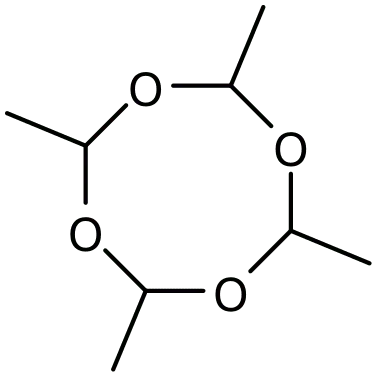
The metaldehyde molecule.
The dangers associated with using blue pellets
The use of blue slug pellets, particularly those containing metaldehyde, raises several environmental and health concerns.
Although they are effective against slugs, their impact on biodiversity and on human and animal health has led to restrictions and to a growing search for alternative solutions.
For the environment
Impact of metaldehyde-based pellets on biodiversity
As a chemical pesticide, metaldehyde has harmful effects on many non-target organisms in the garden, thereby disrupting biodiversity.
Here are the main risks:
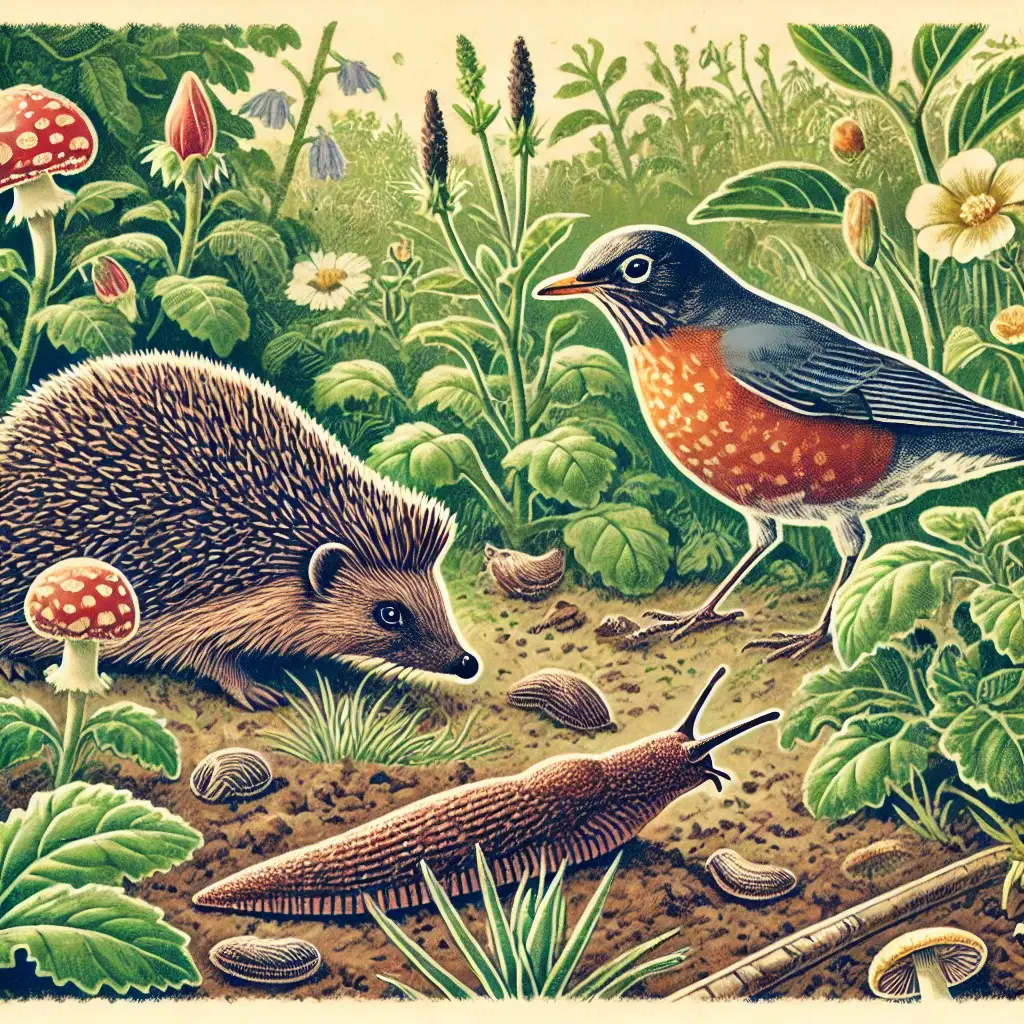
- Birds and small mammals: Birds, hedgehogs and other wild animals may eat the pellets directly or feed on poisoned slugs, which can lead to their poisoning. Hedgehogs in particular are very vulnerable, since they frequently eat slugs and snails in gardens, exposing their food chain to a heightened danger.
- Useful garden wildlife: Besides slugs, the pellets can affect other animals that are beneficial to the garden, such as certain insects, earthworms and beetles. These organisms play an essential role in regulating pests and improving soil quality.
Pollution of soil and water
- Soil: Metaldehyde breaks down quickly, but its residues can affect the composition of the soil, especially in areas of intensive cultivation. In the long term, this can harm the natural fertility of soils, disrupting the balance of nutrients.
- Water: One of the main concerns associated with the use of metaldehyde-based pellets is the pollution of surface water and groundwater. When it rains, the pellets dissolve and can be washed into watercourses or filter down into the water table. Metaldehyde is difficult to remove using conventional water-treatment processes, which increases the risk of contaminating drinking water.
For humans and animals
Toxicity of metaldehyde to pets
Pets, particularly dogs and cats, are especially vulnerable to accidentally swallowing slug pellets.
The pellets, often flavoured to attract slugs, can also attract pets, which swallow them out of curiosity or greed.
- Symptoms of poisoning: Signs of metaldehyde poisoning in animals include vomiting, convulsions, hyperthermia, excessive salivation and, in severe cases, death. Prompt veterinary intervention is needed if any are swallowed.
- Low toxic dose: A small dose of metaldehyde can be enough to poison a dog or a cat, especially with small breeds. This makes the product a major danger in households where pets live.
Risks to young children
Blue pellets, often scattered on the ground in gardens, also pose a risk to young children playing outside. Their colourful, granular appearance can attract children, who might handle them or swallow them by accident.
- Symptoms in children: The symptoms of metaldehyde poisoning in children are similar to those seen in animals, with serious neurological effects, vomiting and impaired consciousness.
- Necessary precautions: It is advisable to use enclosed dispensing devices or to avoid using metaldehyde altogether in areas where children play.
Regulations
Bans or restrictions on the use of metaldehyde
Because of the risks associated with the use of metaldehyde, many national and international authorities have taken measures to limit or ban its use.
- France: Since January 2020, France has banned the sale and use of metaldehyde-based pellets for private individuals, because of their environmental impact and the risks to human and animal health. This decision is the result of years of concern about water pollution and the poisoning of pets.
- European Union: The European Commission has also taken action by banning certain uses of metaldehyde in the EU, while encouraging alternative solutions such as ferric phosphate-based pellets.
- Other countries: Metaldehyde is subject to varying regulations from one country to another. Some countries have imposed restrictions on the amount of metaldehyde that may be used in products, while others, such as the United Kingdom, have tightened the safety guidelines for its use.
Regarding ferric phosphate-based slug pellets
Generally speaking, iron phosphate-based slug pellets are far safer than metaldehyde-based pellets.
Nevertheless, like any new product recently made available on the market (the early 2000s is still recent, for a new product), a precautionary principle could still apply.
Might there be risks, undiscovered consequences?
The risk of ferric phosphate pellets to pets
While doing my research on the matter, I came across this article: iron poisoning in pets.
A quote from the article: “In all, 518 calls were recorded (416 in dogs and 102 in cats), of which 163 (149 in dogs and 14 in cats) were considered probable poisoning. The main toxic source is ferric phosphate-based slug killer, which accounts for 50% of calls (of which 28% are probable cases). This product is therefore more dangerous than is often stated on the packaging (frequent claims such as ‘safe for pets’ or ‘harmless to animals’).” End of quote.
I don’t think I need to say any more.
If this is the case for pets, there is a strong chance that the other animals and insects in the garden (hedgehogs?) are affected too.
The natural and effective alternatives to blue pellets
There is an incredible number of natural methods, diverse and varied, for managing slugs in the garden.
Some are effective, others not at all.
Some work for only a very short time, others lastingly.
Rather than giving you an overly washed-out summary of the subject in this section, what I have decided to do is send you off to read the 6,000-word article I have written on the topic.
It is an article that takes stock of my tests, observations and common-sense reasoning on around thirty natural slug deterrents.
It includes, among other things, a good half-dozen video tests.
Here is the article: Slug control section of the website
And if you are already a veteran of the slug wars, and you know that it is never simple in any case, I can only invite you: discover the impassable barrier I have designed, the copper mesh for slugs.
I hope you enjoyed this article, and that it has given you new tools for gardening freely and independently, while understanding what you are doing and why you are doing it.
See you soon,
Robin.
The information in this article has been selected and verified according to the criteria defined in our editorial charter.
Done with slugs. For good. Starting this season.
Scientific references
- Review of the molluscicide metaldehyde in the environment
- Iron poisoning in pets: a quote from the article: “In all, 518 calls were recorded (416 in dogs and 102 in cats), of which 163 (149 in dogs and 14 in cats) were considered probable poisoning. The main toxic source is ferric phosphate-based slug killer, which accounts for 50% of calls (of which 28% are probable cases). This product is therefore more dangerous than is often stated on the packaging (frequent claims such as ‘safe for pets’ or ‘harmless to animals’).
Related articles
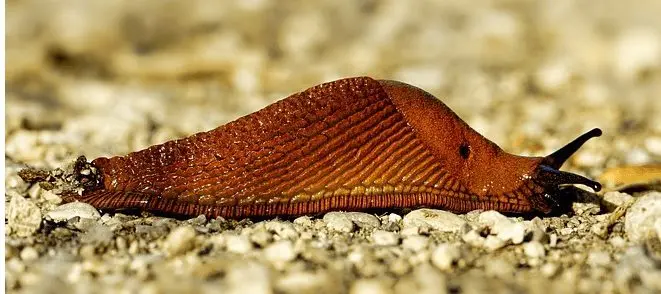
Testing and review of 30 natural slug deterrents (do they work?)
Read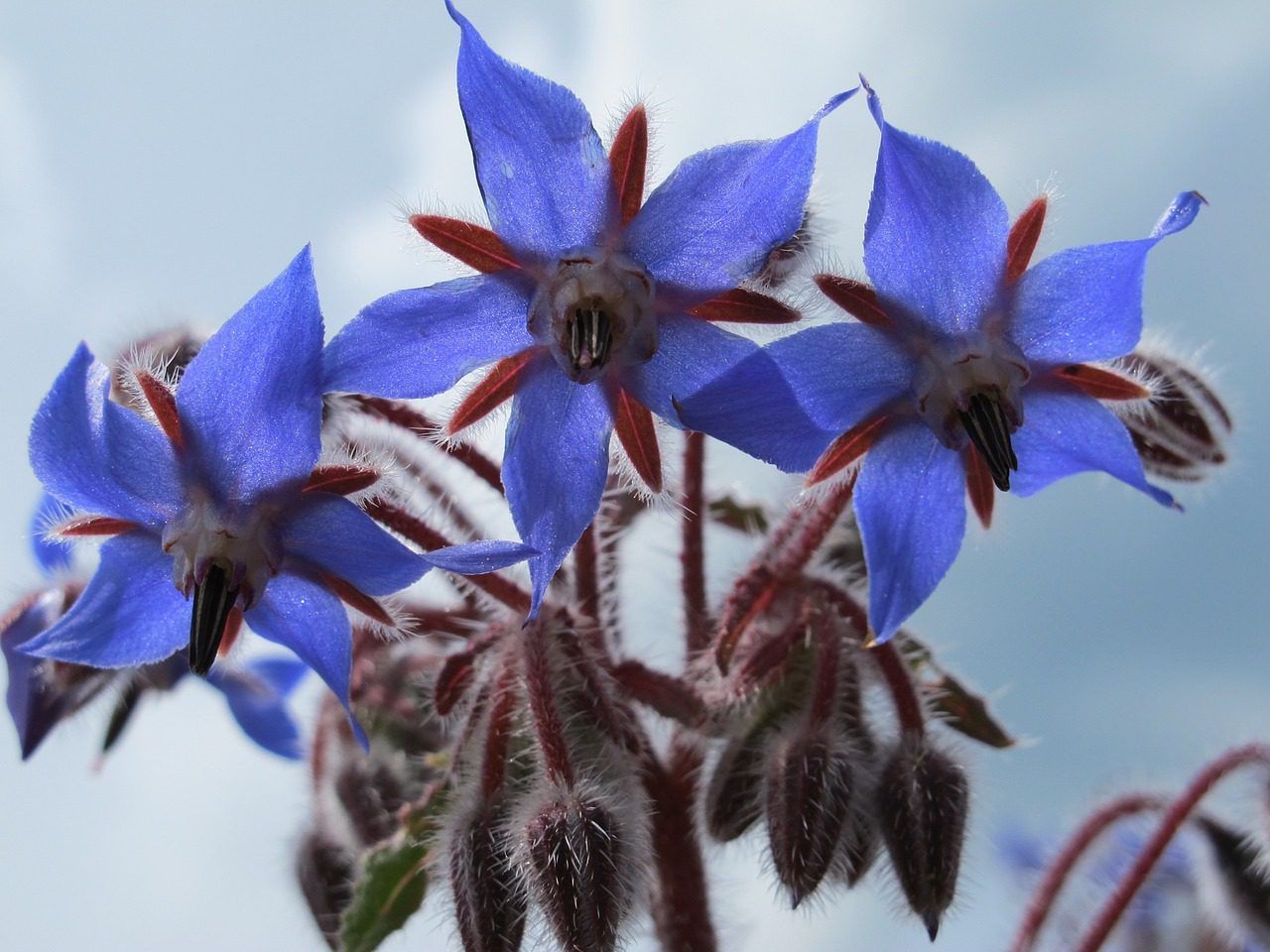
Slug-repellent plants, or prevention through planting
Read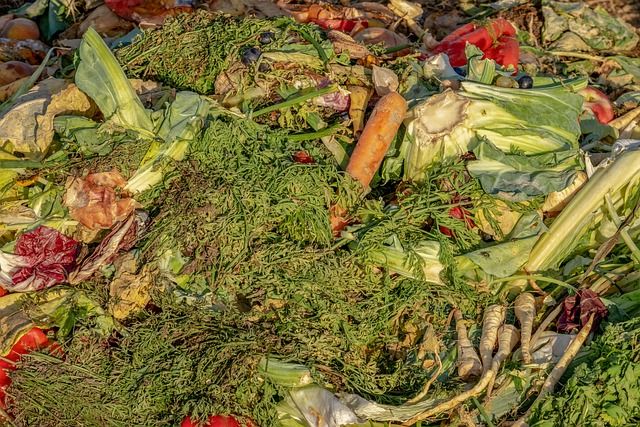
Surface composting: protect your vegetable patch from slugs, with love
Read
Slugs: their usefulness in the garden, what they indicate, and holistic management through reshaping the habitat
Read
Slug predators: which are they? How to attract them to the garden?
Read
Slug control: the (harmful) methods to avoid – why and how?
Read