Surface composting: protect your vegetable patch from slugs, with love
In this article, I give you a brief overview of surface composting, with its pros and cons, for general use in permaculture. The section highlighted in green is a little more technical.
Then I share why and how to avoid the “war on slugs”, why surface composting is a “magic” method for finally gardening alongside them, and I give you a few practical tips for setting up this kind of composting.
Before we go any further, if you have slug trouble in the garden, there’s an article you absolutely must read, because it brings together all the solutions presented on my website. It’s the article “slug control in the garden”, the link to which is just below. I’d advise you to read it and then come back.
Related articles
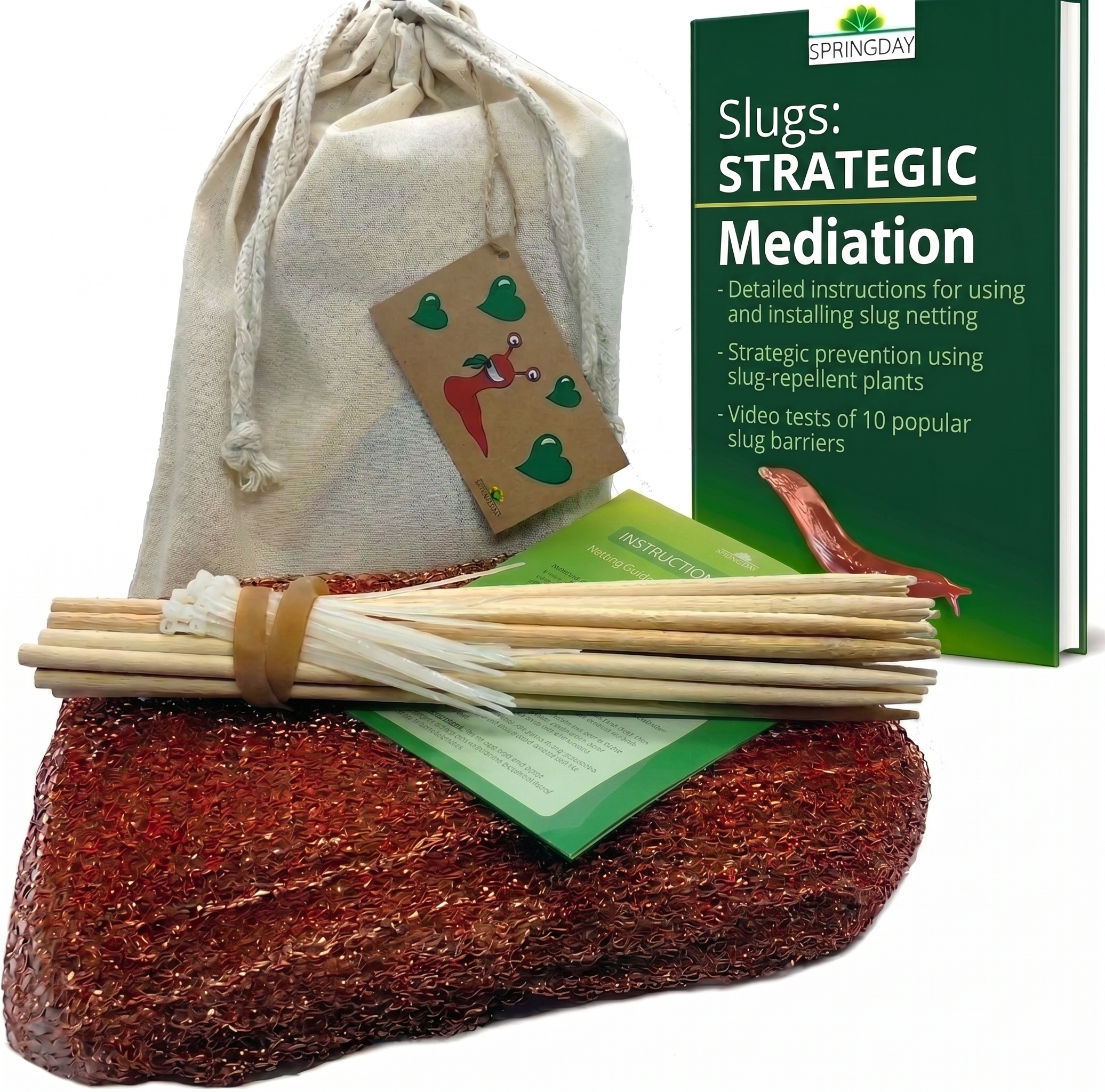
If you're discovering my blog, chances are slugs and snails are giving you grief.
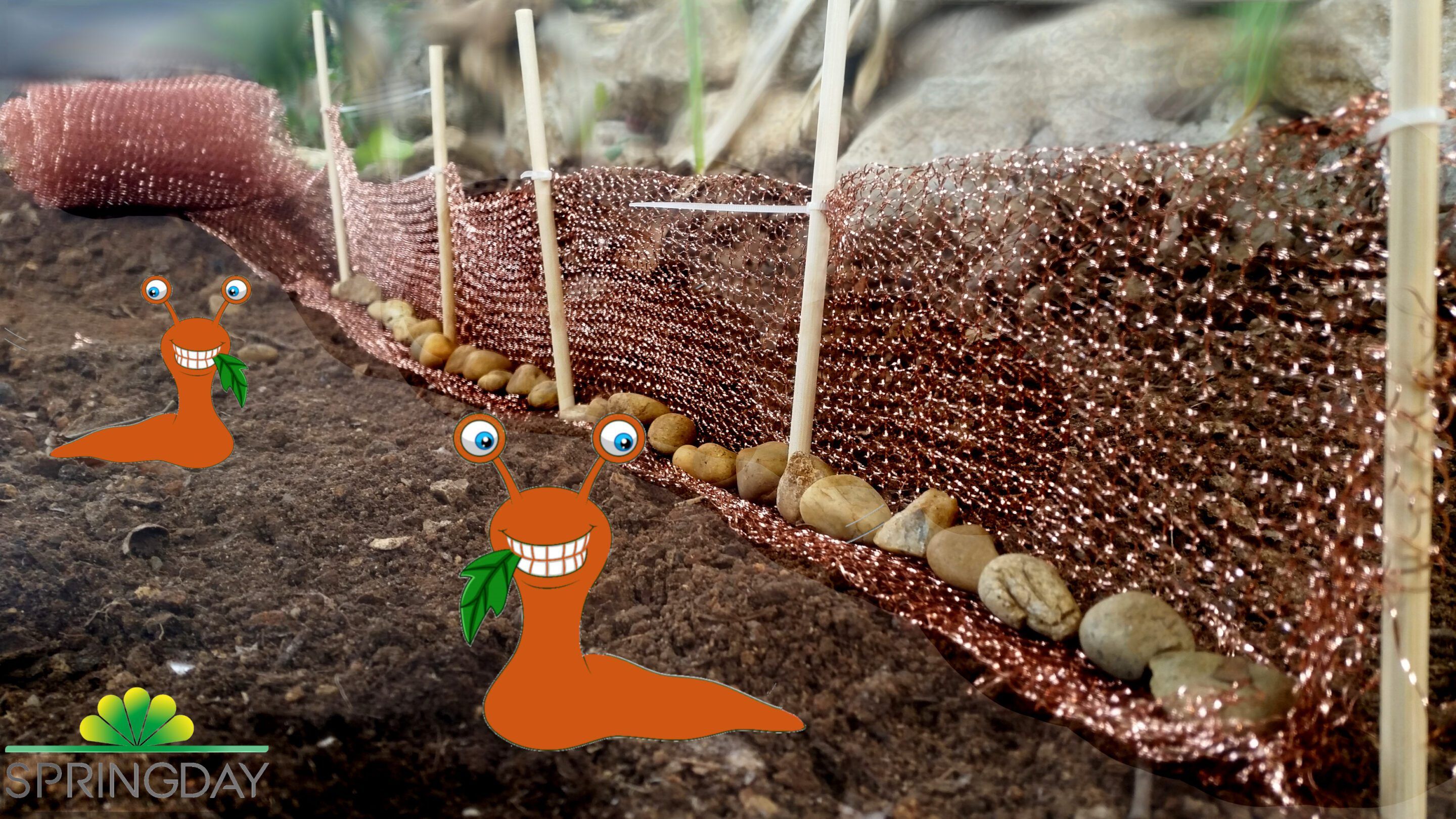
You'd probably be very interested in the copper slug barrier I designed .
It changed everything for me. I can finally grow lettuce, cabbages, strawberries and squashes without tearing my hair out.
Don't hesitate — it's an investment (copper is expensive), but you'll likely save yourself a huge amount of time!
I. Why do surface composting?
You’ve often heard about surface composting, but as far as you’re concerned, nothing beats a good compost heap in a corner of the garden?
So, why do so many people use this composting technique in permaculture?
I’ll try to keep it concise by setting out the advantages and disadvantages of what I’ve been able to learn on the subject.
1. But what actually is surface composting?

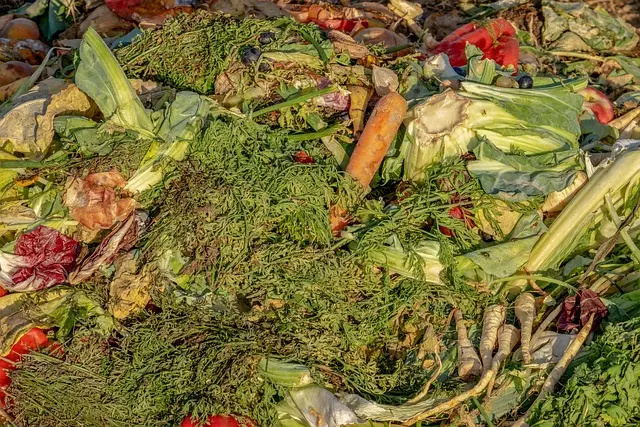
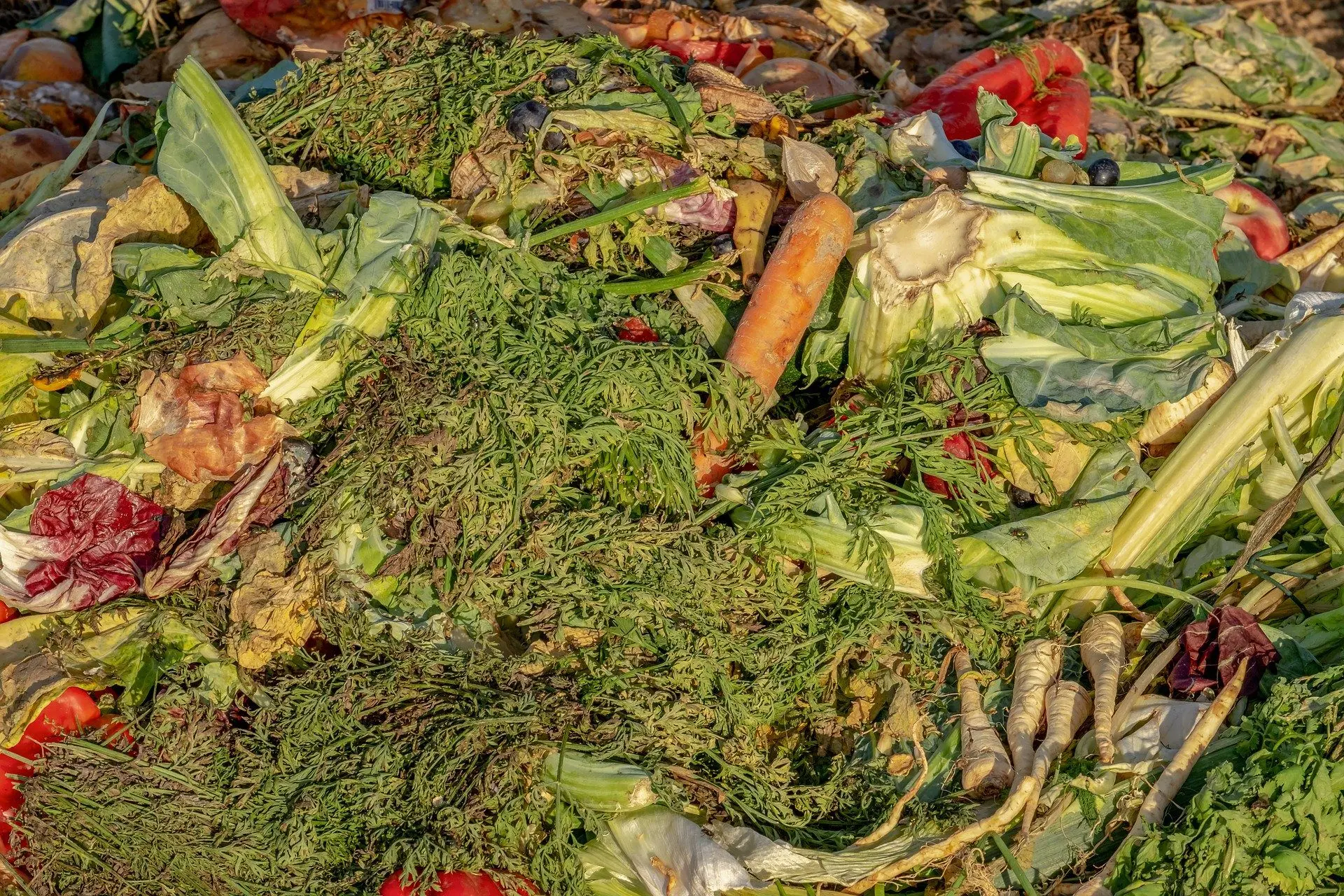
Surface composting is, in principle, composting that takes place directly on the soil of your vegetable patch! When I use this technique, in addition to (or instead of) my mulch, I add all my organic waste that would normally go into the compost bin between my rows of plants.
2. Advantages:

- Ideal for the lazy among us ( 😉 ) or fans of the “self-sufficient vegetable patch”: do you love enjoying your vegetables without spending too much time managing everything? Are you the sort who relies heavily on ollas rather than spending hours draining your region’s water table? Surface composting saves you the upkeep of a “hot” compost heap, and saves you the back-and-forth trips to it (or even to a cold composter) to feed your soil with good fresh compost. What’s more, green waste is excellent for helping to maintain a great level of moisture in your soil, and therefore lets you water much less (sometimes not at all!). It’s a wonderful thing to combine with ollas, for those who no longer want to water, even in very dry regions.
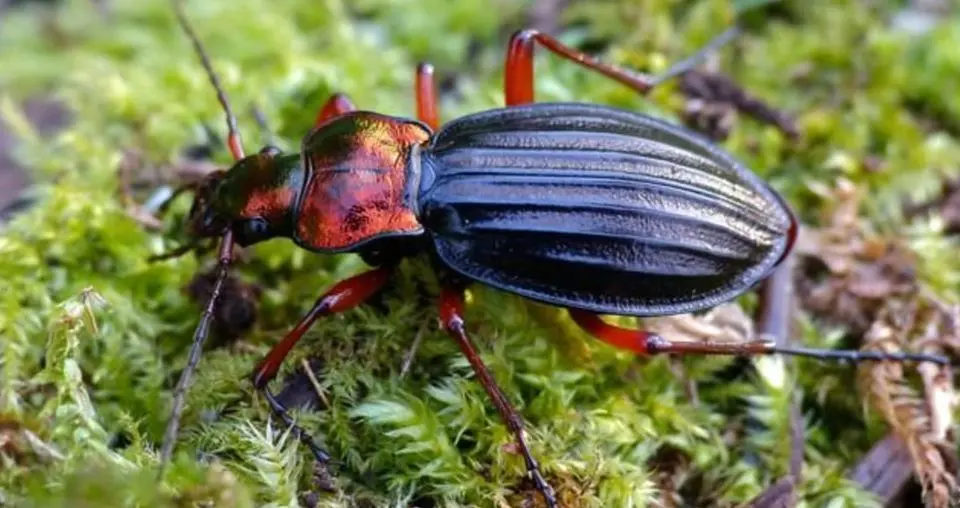
- You significantly boost the life of your soil! Rose chafers, springtails, woodlice, snake millipedes … and other small and micro-organisms will come along to digest this organic matter on the spot. This will also attract their predators, encouraging biodiversity right where you garden, and not just in some remote corner of your vegetable patch. And richer biodiversity means a more stable, more resilient garden!
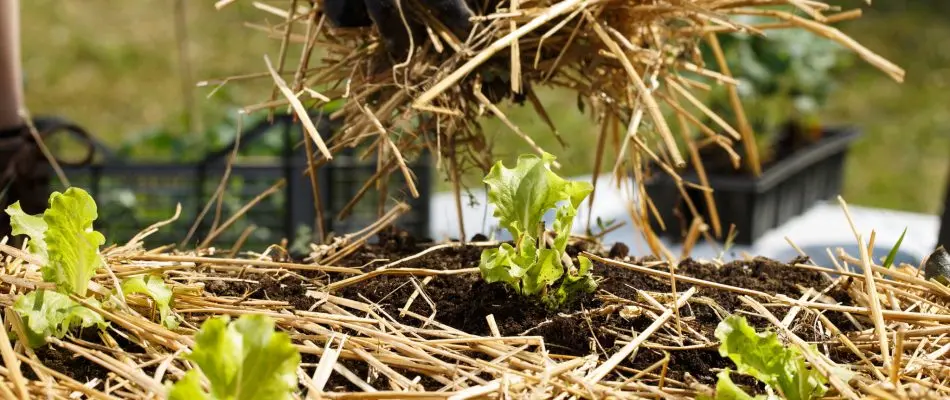
- Are you afraid of being struck by the dreaded nitrogen hunger, which leaves you trembling and turns your nights — yours and your family’s — sleepless?
No matter, because surface composting has an answer for everything!
I’m exaggerating a little, but in truth, if you’re used to mulching your garden to preserve the life of the soil, a regular supply of nitrogen-rich organic matter (your peelings and other green waste) will balance out your carbon/nitrogen ratio, which greatly reduces the risk of nitrogen hunger.
It’s also a way to get as close as possible to a natural biotope, because, in a forest for example, plant waste, fruit or fruit scraps end up on the ground, spread out evenly.
3. Disadvantage:

-
It’s not very attractive: “Hmm, I don’t really fancy my garden looking like a rubbish tip.” Yes, it’s true that if all your organic waste is on show while you’re relaxing in your garden, it’s not the most pleasant thing to look at. But, mixed in with mulch, you’ll most likely barely notice it. Even so, it may well be more attractive to limit this kind of composting to your ornamental plants and flowers, which are often right next to where you spend your time.
-
This plant waste can attract slugs into the immediate vicinity of your vegetable patch. Yes, that’s true, but it’s also a way of drawing them away from your plants! (We’ll look at all of that in the section that follows.)
Special section: What is it about surface composting that reduces the risk of “nitrogen hunger”?
When you mulch your vegetable patch with straw, the carbon/nitrogen ratio of this input is unbalanced: indeed, the C/N ratio of straw is 100. This means that straw is made up of 100 times more carbon than nitrogen.
Now, the breakdown of 100 g of carbon-rich matter requires the mobilisation (by the soil micro-organisms responsible for this breakdown) of 4 g of nitrogen, on average.
For 100 grams of straw to be broken down by the micro-organisms, this therefore requires the mobilisation of 4 grams of nitrogen. But straw contains only one gram of nitrogen per 100 grams of matter! 3 grams of nitrogen contained in the soil will then be mobilised by the soil micro-organisms until the straw is fully digested. This nitrogen present in the soil can therefore no longer be taken up by your plants, which can lead to nitrogen hunger.
To limit this phenomenon, you need to rebalance the carbon/nitrogen ratio, in particular by adding nitrogen-rich matter to the soil (green waste, for example). So, if you supply nitrogen to the soil micro-organisms, they’ll no longer need to mobilise the nitrogen that was already there, and the latter can therefore be taken up by your plants.
Here is a list of various nitrogen-rich materials with their C/N ratio, which, alongside surface composting, can help you put an end to nitrogen hunger (source: la permaculture au jardin by Damien Dekarz):
- Urine: 0.70
- Meat: 1
- Animal droppings: between 5 and 10
- Fresh grass: between 10 and 15
- Green leaves: between 10 and 20
- Kitchen waste (peelings, …): 20
II. Surface composting, or how to garden alongside slugs without waging war on them.
1. The “slug war” and surface composting, and why it works

Slugs… quite the business…
Every year, with the first rains of spring, hundreds, even thousands of cries for help spring up in permaculture groups on Facebook.
Faced with the population explosions of these gastropods, which breed and develop very quickly in spring, seedlings and young plants often don’t last long.
So, out comes the artillery:
- Counterproductive tanks: anti-slug pellets and beer traps
- Bunkers of ash and eggshells, of more than doubtful effectiveness (proof on video)
- Ground troops: a cavalry of Indian runner ducks, undercover nematodes
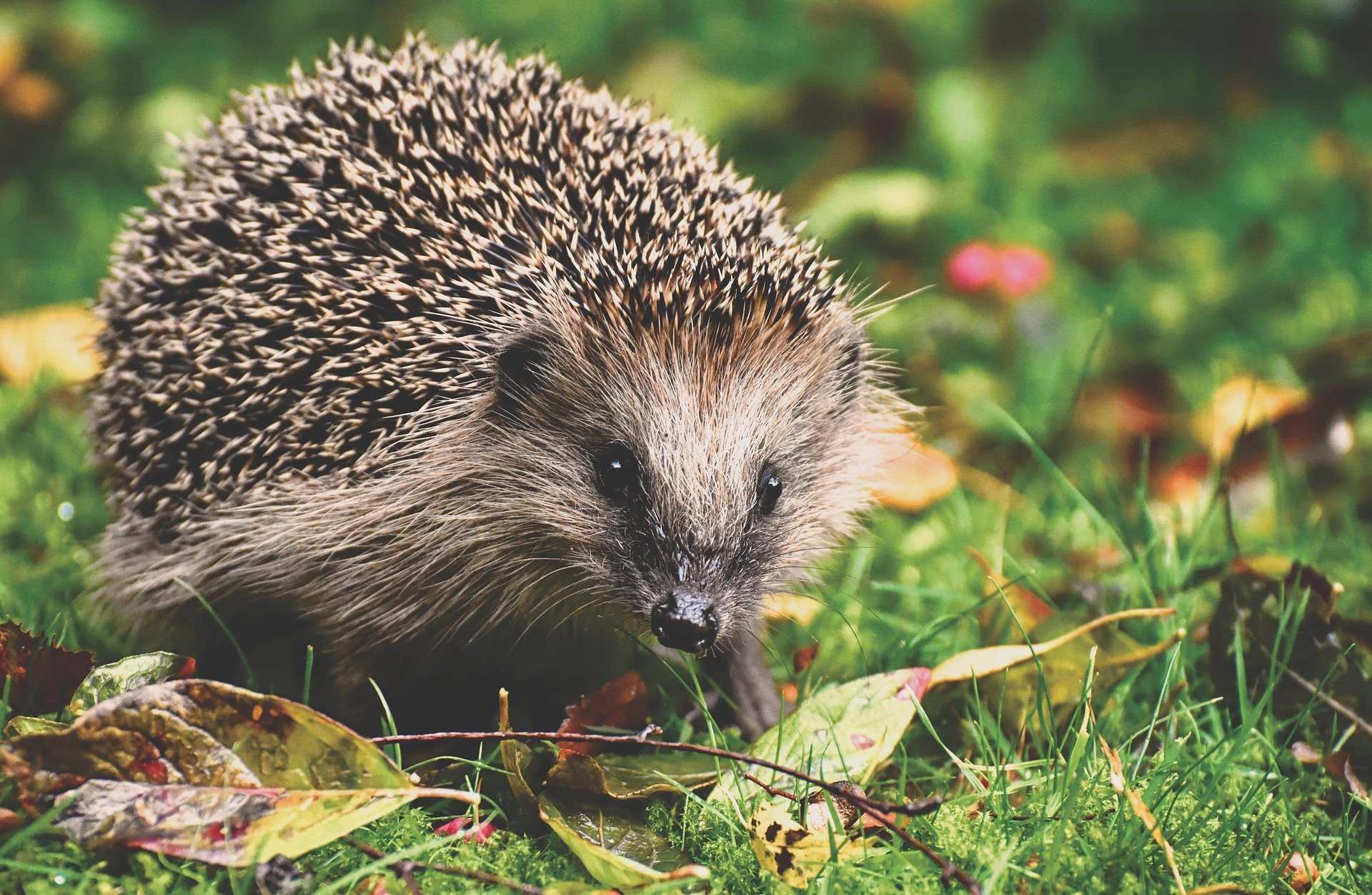
Even the protective ramparts around plants, sometimes very effective (you can click here to find all the slug barriers, or else click here for a test and comparison of copper barriers), can’t always be used across an entire garden, and recruiting the local troops (hedgehogs, ground beetles, rove beetles, …) sometimes takes a while.
And what if all it took was a change of mindset? What if we decided to stop seeing slugs and snails as enemies, and instead as allies of a fruitful harvest?
And what if they weren’t acting out of the wrath of elusive higher holistic forces, but rather as a symptom, an indicator helping you uncover the syndrome affecting your garden?
It turns out that this is in fact often the case. Restoring the balance sometimes takes a while to set in, but it requires that you don’t kill or exclude gastropods from the vegetable-patch system. Otherwise, the natural predators, for example, won’t settle in.
So how, then, can you protect your plants from slugs, without methods that would harm them?
A wonderful solution to this is surface composting, precisely.
Slugs naturally play a role in digestion (of organic matter in an early stage of decomposition in particular, which limits the spread of pathogenic fungi!) within an ecosystem. If they have some available, they will therefore turn preferentially to plant waste rather than your plants.
If they’re sometimes very voracious in spring, it’s precisely because they’re starving: in spring, all life starts up again, and the proportion of plants in the early stages of decomposition is far rarer than at other times of the year.
Feed them, and they should leave your plants alone. Banana skins, wilted lettuce leaves, potato peelings will then be their thank-you gift for all the work they do. (Thanks to Eric for the inspiration.)
Give love, avoid war!
2. A few practical tips for surface composting aimed at slugs

Okay, so in principle you’re up for trying out surface composting in the face of these endless waves of slugs ravaging your vegetable patch.
Yes, but do I need to set up this surface composting in a particular way?
Not all that much, really, but a little all the same, let me explain:
Your surface compost should be spread fairly evenly to enjoy these benefits for the good health of your soil. But, where the main use is seasonal slug management, you can put three things in place:
-
Spread the surface compost so that its density is greater around the edge of the vegetable patch than in the middle (to keep slugs as far as possible from the most sensitive areas)
-
Don’t place too much (or even any) compost right next to the base of your plants: this could encourage the development of pathogens (blight on tomato plants, for example)
-
If you garden in raised beds, it can be very worthwhile to place some of the compost on the ground, lower down around the beds: slugs will stop there before climbing the beds. Also add a little compost into your beds to benefit from its value for the life of the soil and for your plants
-
You can also opt to set up surface composting in a remote corner of your garden, well away from your vegetable patch: it can gather the majority of slugs there, drawing them away from your patch (a technique close to that of a sacrificial bed)
-
Finally, the amount of surface compost to put down will need to be regulated over time and in quantity (not too much at once): for an understanding of why this is, here is an article that explains it in detail (slugs: role, indications, and regulation by restructuring the system).
3. And what if the slugs devour your plants anyway?
If the slugs attack your most sensitive plants regardless, I think that using effective barriers around them can solve the problem in the short term. Combining the two solutions is often very effective, and it in no way excludes slugs from the garden!
For longer-term regulation of the problem, you can plant naturally repellent plants, attract slug predators, or restructure your soil (to attract mycorrhizal fungi in particular)..
For a review of short- and long-term solutions, you can read the main article I’ve written on the subject: Slug control section of the website.
Conclusion
Surface composting is a practice that’s increasingly used in permaculture, and not without reason: it boosts the life of the soil, means less work in the garden, a better C/N ratio… but it’s also an effective way to garden alongside slugs, enjoying their undeniable benefits while limiting the damage to your plants!
Ultimately, avoiding war with slugs, offering them a gift of compost, and protecting your plants are all compatible!
Related article:
An effective old wives’ remedy against slugs.
Making (or buying) your anti-slug barrier
The information in this article has been selected and verified according to the criteria defined in our editorial charter.
Done with slugs. For good. Starting this season.
Related articles