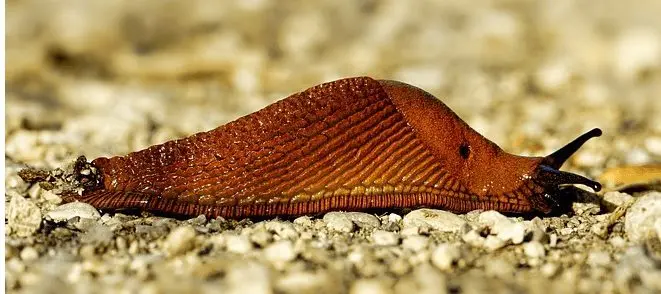
Slugs: their usefulness in the garden, what they indicate, and holistic management through reshaping the habitat
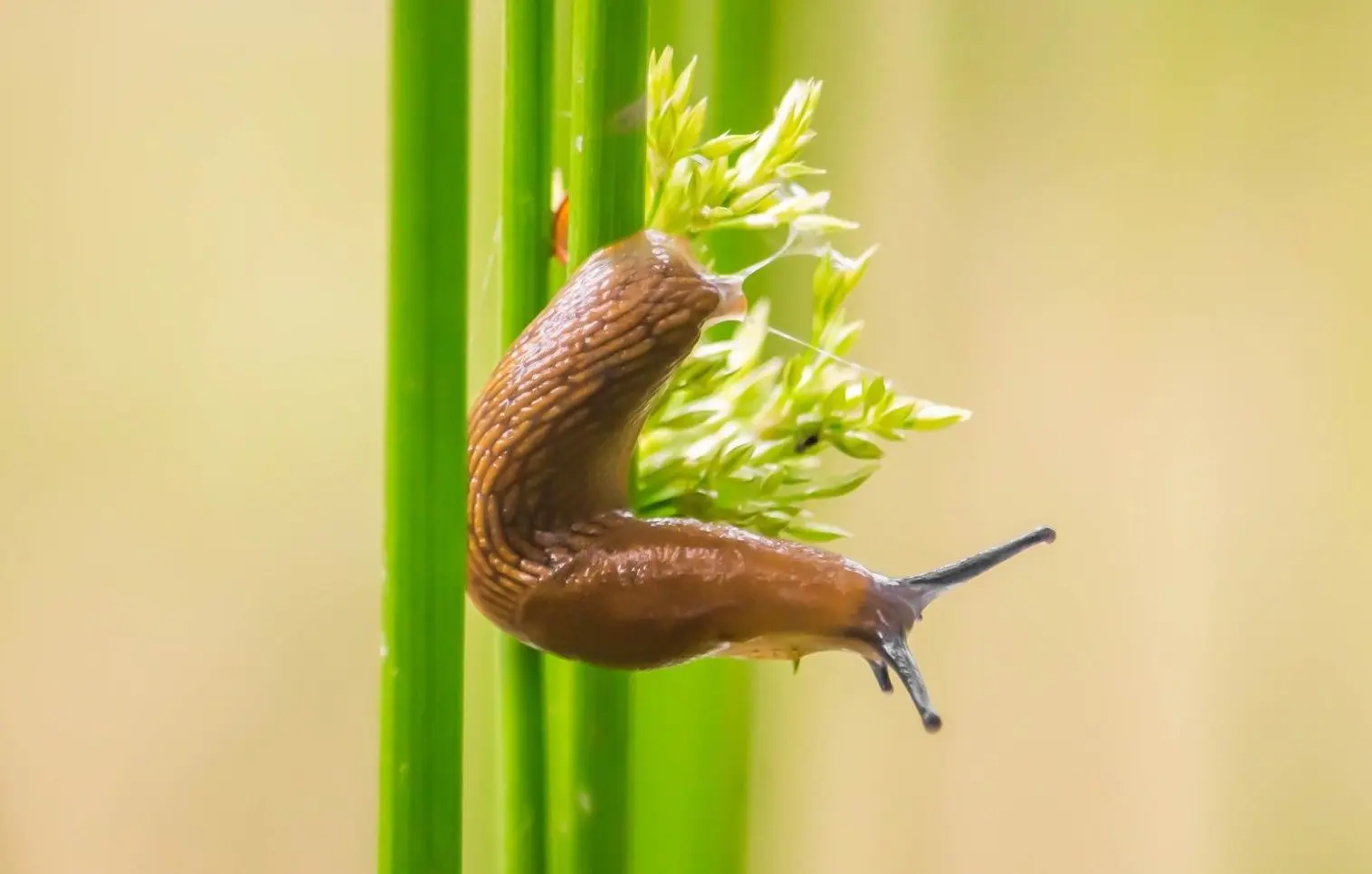
In this article, I will first share with you all the benefits that the slug brings to the garden, and to any ecosystem in general, which make it so useful.
Then I invite you to see slug populations as indicators of the health of your soil, and to look at the different “syndromes” that a slug overpopulation can point to.
Finally, we will explore various solutions to address the underlying problem responsible for this overpopulation!
Before you read on, if you are currently looking for ways to manage slugs in the garden, then I would advise you to read the article in the thumbnail below (“slug control”), and to come back to this article afterwards.
Related articles
If you're discovering my blog, chances are slugs and snails are giving you grief.
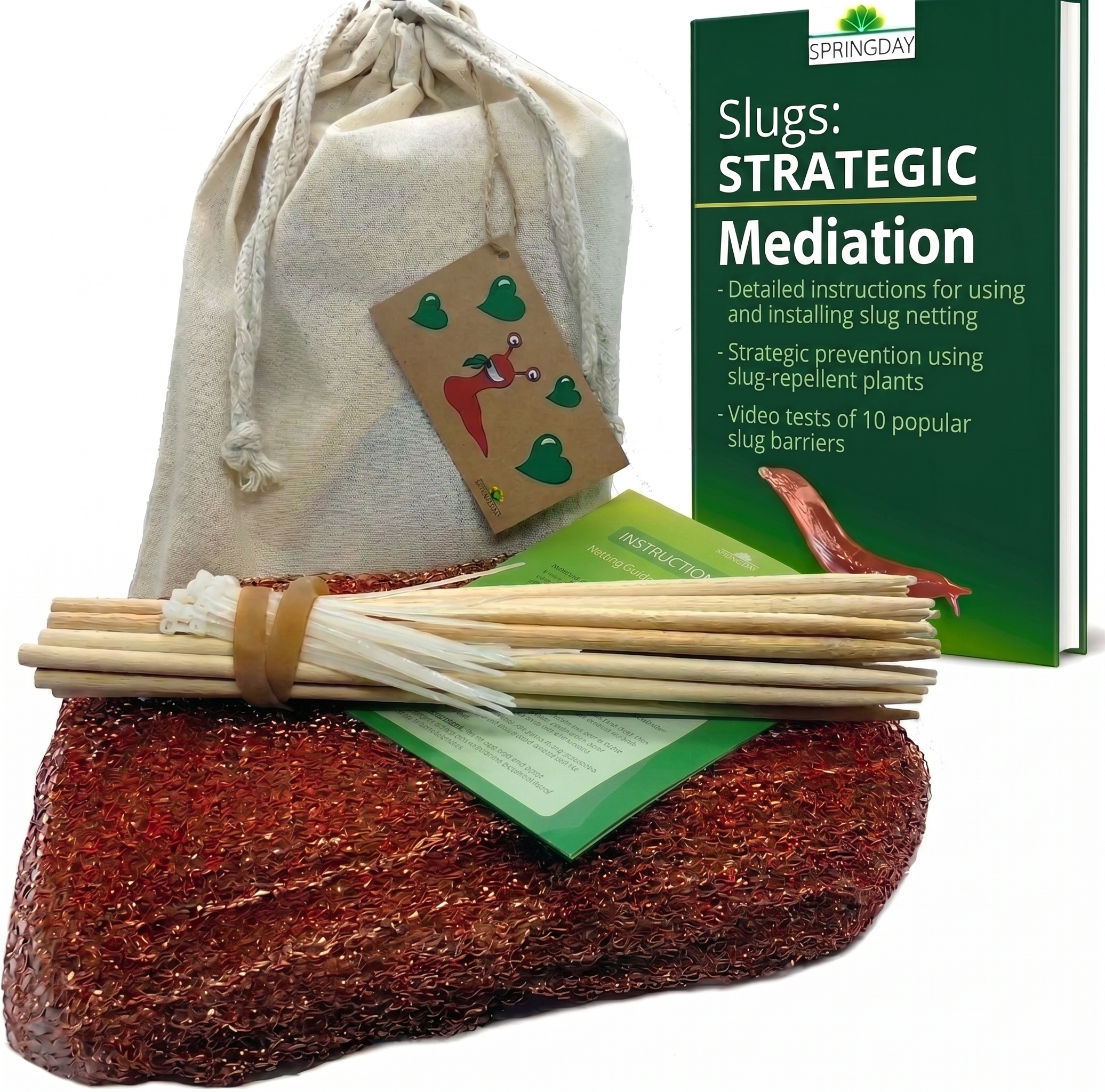
You'd probably be very interested in the copper slug barrier I designed .
It changed everything for me. I can finally grow lettuce, cabbages, strawberries and squashes without tearing my hair out.
Don't hesitate — it's an investment (copper is expensive), but you'll likely save yourself a huge amount of time!
1. What use are slugs in the garden?
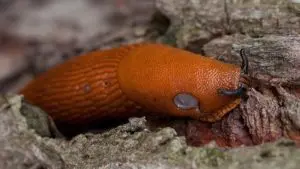
What is the slug good for in the garden?
The slug, like every native living creature, holds an essential and irreplaceable place within a natural ecosystem. Just as the bee does in another sphere, the slug contributes to the balance, the stability and the resilience of the biotope to which it belongs. Its usefulness plays out along many lines, which I set out below:
a) Use 1: the slug has a digestive function
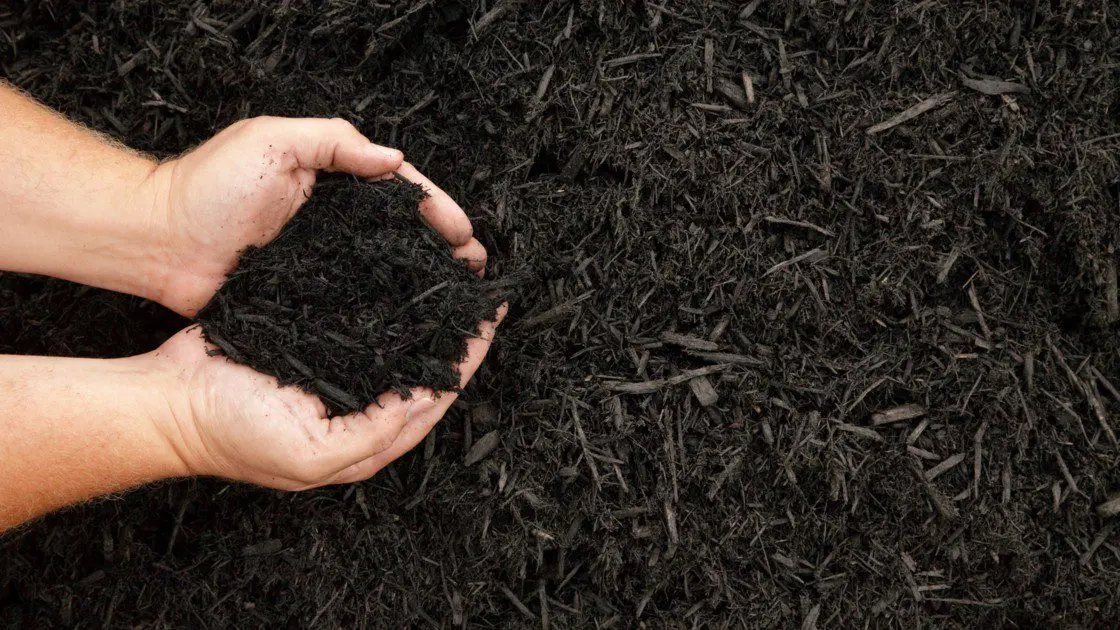
The digestion of the cellulose of barely dead plants, before the other organisms (insects, springtails, …) come into play, is only possible thanks to fungi and slugs. They alone have this capacity for digestion.
It is also worth knowing that, under normal conditions, the digestion of organic matter in its first stage of decomposition is mostly carried out by fungi.
Slugs are therefore part of that community of living organisms which make up the digestive system of the garden. Having a soil with an efficient digestive system (with the dedicated macro- and micro-fauna present in numbers) is an essential condition for a quality soil, and allows a good flow of nutrients and minerals all the way to your plants’ root systems in particular (so these are in better shape, less prone to disease, and more productive).
• This activity of breaking down organic matter gives them a major role in regulating pathogenic fungi. Indeed, leaves infected by this type of fungus are preferentially chosen by slugs (the biochemical mechanisms behind this detection are still not very well understood). Slugs eat these diseased leaves before the pathogen can develop too far, and in particular before the amplifying phenomena of putrefaction and oxidation of this organic matter set in. But above all, slugs digest the reproductive spores of these pathogenic fungi!
b) Use 2: the slug works the soil
-
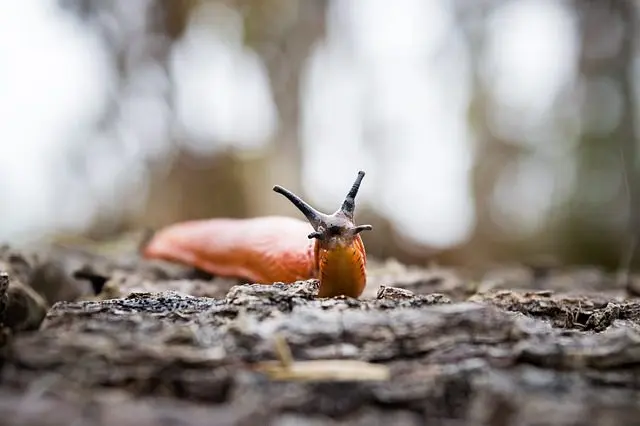
Slugs help to bind and hydrate the soil thanks to their mucus (which they need in order to move about). The creation of this mucus is made possible by the slug capturing the surrounding moisture, and therefore amounts to a redirection of water towards the soil surface.
-
During the day, when slugs hide underground away from the dry air, the little tunnels they dig contribute to the aeration of the soil.
c) Use 3: the slug plays a part in the multiplication of mycorrhizae

(artistic illustration of the fungal life of the soil)
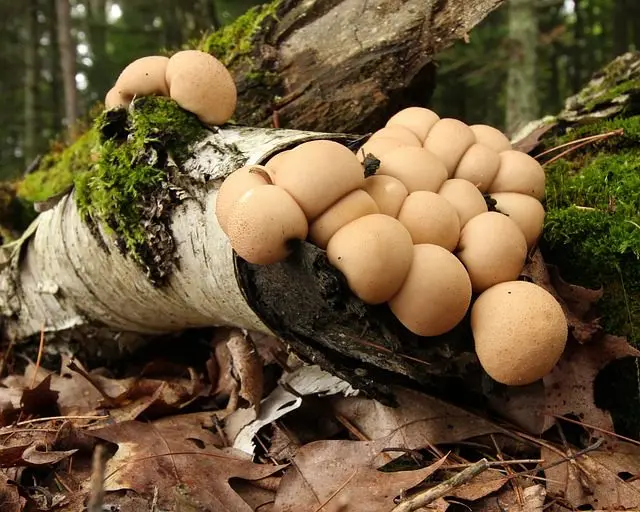
Fungi are its favourite food, and since the slug does not digest the spores of fungi (except those of the great majority of pathogenic fungi!), it passes them out in its droppings. Now, the medium formed by the slug’s droppings is very favourable to the development of these spores into fungi (one may refer to the story of “the truffles and the slugs” by Hervé Coves, which illustrates this very well).
By spreading fungal spores in this way, slugs are key players in the development and multiplication of mycorrhizae. These mycorrhizae are symbioses between plant roots and fungi of the soil’s rhizosphere, essential to the plant (nematodes and protozoa feed on the fungi, and the droppings of the former feed the plant) and to the soil in general.
II. Slugs as an indicator of the health of your soil

Prerequisite: as we saw in the first part, it helps here to remember that:
-
- Slugs and certain fungi are the only organisms able to break down the cellulose of plants in the first stage of decomposition.
-
- In a balanced environment, this breakdown is mostly carried out by fungi.
-
- Fungi feed mainly on lignin, which is abundant in wood.
-
- Soil fungi are one of the favourite foods of slugs.
1.Soil fungi are not present in sufficient quantity:
Consequences:
-
The organic matter in its first stage of decomposition will not be digested sufficiently, and so the slugs will arrive on the scene to make up for this shortfall (see below for more on this subject).
-
With the slugs’ favourite food (fungi) no longer present in the soil, a fair split between a diet based on soil fungi and one based on organic matter at the start of decomposition gives way to a concentration of the gastropods on digesting this organic matter (the slugs will go after your plants more eagerly).
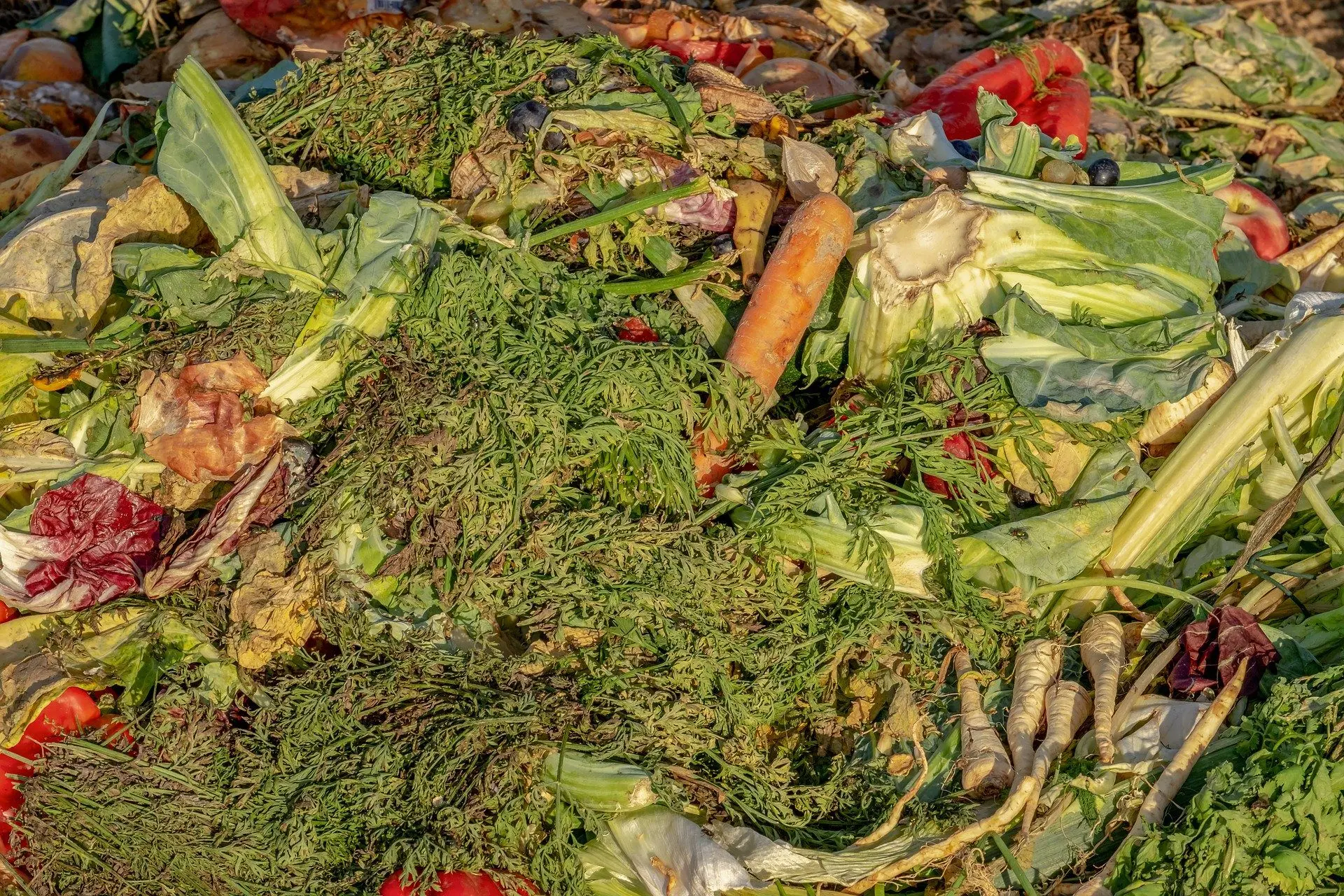
2. Organic matter in its first stage of decomposition is present in too great a quantity:
(and the addition of this matter is recent, and is not done with the continuity found in a natural ecosystem such as a forest)
Consequence:
- The fungi alone will not manage to digest it, and they will then naturally be supplemented by an arrival of slugs: the “food” not consumed by the fungi is food available to the slugs, which will therefore reproduce in greater numbers. The presence of a species in an environment is, in fact, naturally regulated by the ratio of “amount of food available to that species” to “number of predators of that species”.
3. On the contrary, a lack of organic matter at the start of decomposition, in the soil
(Too much weeding, for example)
Consequences:
-
A drop in the number of fungi in the soil, the favourite food of slugs (less food)
-
No longer enough alternative plant “prey”, besides your plants, for the slugs
4. Your mulch is too damp:
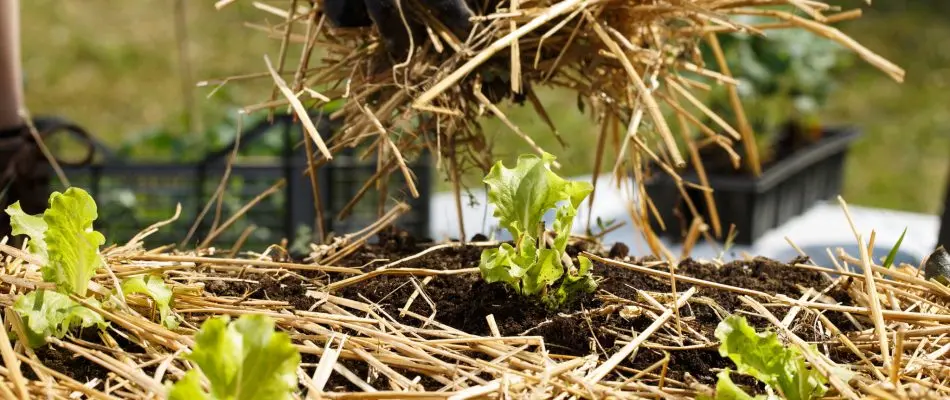
Consequence:
It encourages the presence of slugs and their movements (moisture is necessary for them to produce mucus)
5. A lack of natural predators:
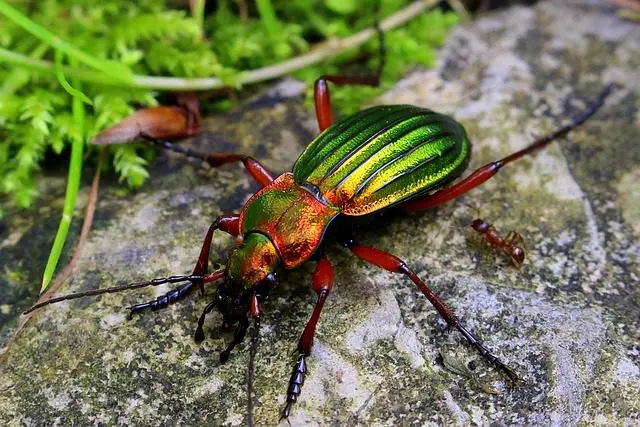
Consequence:
Predators are essential for sustainably regulating the number of slugs within an ecosystem. Following the “prey” / “predator” relationship, they will develop (reproduce) all the more as there are more slugs, which actively regulates their numbers.
III. How do you rebalance the environment over the long term?
(the main means of action of holistic slug management)
Each answer will be given with reference to each symptom (represented by its section number) defined in part II.
1. Regulating slugs through (holistic) reshaping in response to the symptoms of section 1, part II: too few fungi present.
In the short term:
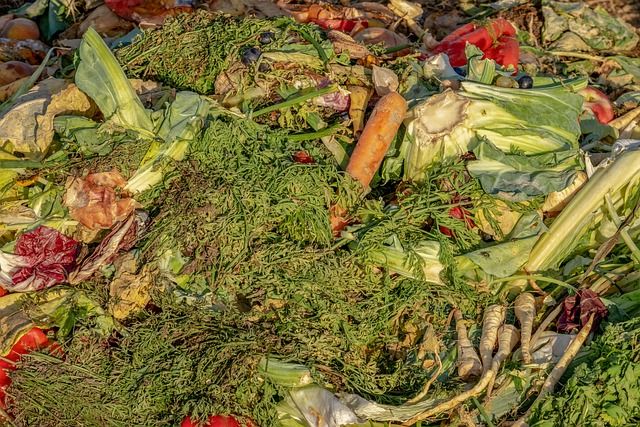
- Feed the slugs through surface composting (I have written a dedicated article on this subject here!) or with sacrificial plants planted for them, which they will prefer.
- Protect your most vulnerable plants with slug barriers (or repellent plants) that are effective yet harmless (both to the slugs and to soil life): if the topic interests you, parts 4 and 5 of Slug control section of the website are devoted to it. .
In the long term:
-
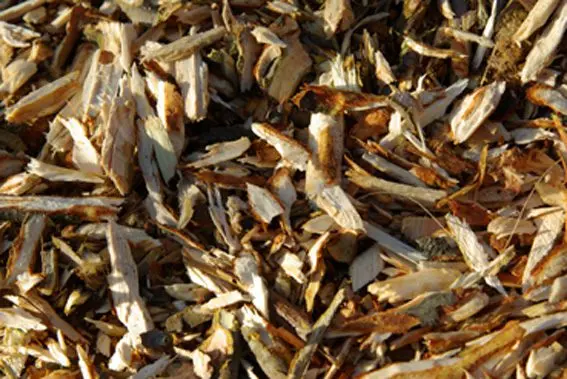
Encourage the lasting re-establishment of soil fungi. To do this, Hervé Coves suggests reintroducing lignin (the main food of fungi, as seen in part I) into the environment. A good solution for this is to bring RCW into the garden (by “mulching” with it, for example). In the short term, this will encourage the development of slugs (we are indeed in case 2 of part II here), but in the long term the fungi will re-establish themselves in numbers, which will rebalance the system (resolving the two sub-problems of part 1), and it is likely that the number of slugs will stabilise and finally decline.
-
Encourage the establishment of natural predators, as a complement.
2. Regulating slugs through (holistic) reshaping in response to the symptoms of section 2, part II: too much organic matter

The aim is to reduce the amounts of this organic matter present at soil level:
- Either take part of this organic matter out of the system, to reintroduce it in small doses, with a long-term aim
- Or replace this quantity of organic matter with a material rich in lignin, such as RCW, again introduced in small doses to avoid the waves of slugs that this can create over the first few seasons.
- You can also apply the more general methods of section 1, as a complement.
3. Regulating slugs through (holistic) reshaping in response to the symptoms of section 3, part II: too little organic matter
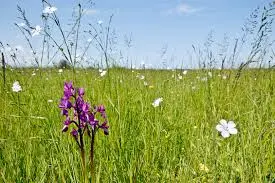
In this case, the same answers as in section 1 apply. As a complement, try to reduce the weeded plots (and above all never use plant-protection products!).
4. Regulating slugs through (holistic) reshaping in response to the symptoms of section 4, part II: litter that is too often damp
-
Try to water in the morning rather than in the evening (when the moisture is kept through the night, the slugs’ active period); the results can soon become visible!
-
Occasionally lift (in early spring, when slugs are very active) the mulch of your vegetable plot, which tends to retain all the moisture.
5. Regulating slugs through (holistic) reshaping in response to the symptoms of section 5, part II: a lack of natural predators
Encourage the establishment of natural predators:
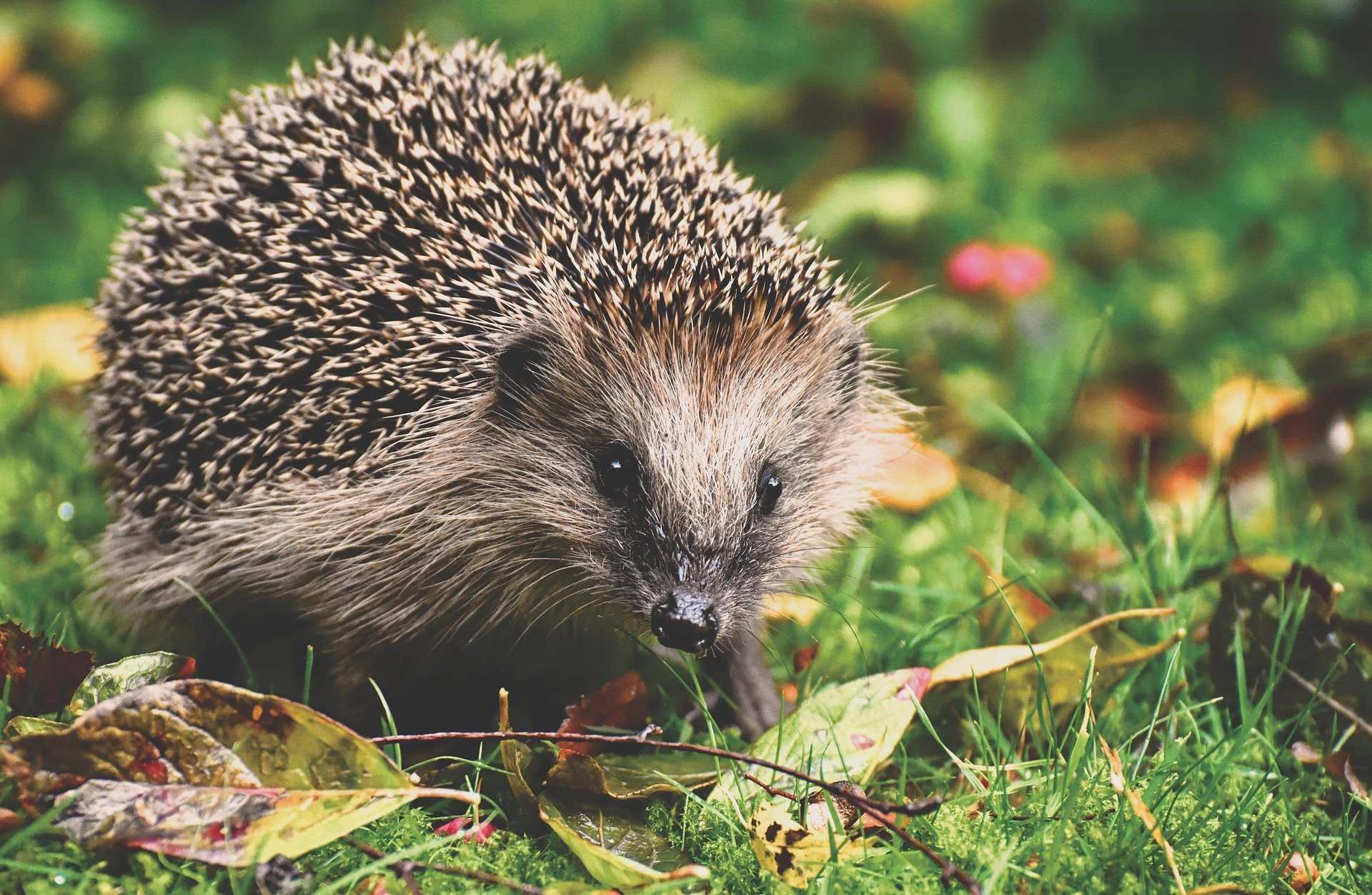
Find in part V of this overview the various natural predators of slugs (hedgehogs, ground beetles, toads…), and tips for welcoming them into the garden.
Conclusion:
The slug is a living creature essential to the balance of natural ecosystems, within which its numbers regulate themselves naturally. Since your garden is a modification of an original natural biotope, it is normal that the slug populations developing there seasonally should seem to you out of control. For a return to balance, it is essential to work over the long term, through a complete restructuring of the habitat.
Thank you for taking the time to read 😊, I hope this article has interested you and taught you things you find useful. Do not hesitate to tell me what you think in the comments; I am open to anything you have to share with me, as it can only enrich this document. Send me your ideas, and I will happily round out this article so that it is as complete as possible.
Sources:
- Le manuel des jardin agroécologiques, by Terre et Humanisme
- Hervé Coves’ talk on the holistic management of slugs
- https://permaforet.blogspot.com/2014/07/cultiver-avec-les-limaces-et-les.html
- https://catoire-fantasque.be/limace/#:~:text=Les%20limaces%20ont%20%C3%A9galement%20besoin,%C3%A0%20l’avant%20du%20pied.&text=Si%20la%20nourriture%20est%20abondante,en%20profondeur%20dans%20la%20terre.
Related article:
An effective grandmother’s remedy against slugs.
Make (or buy) your own slug barrier
The information in this article has been selected and verified according to the criteria defined in our editorial charter.
Done with slugs. For good. Starting this season.
Related articles