Ferric phosphate against slugs: effectiveness, and dangers for pets.

Slugs are sometimes a genuine scourge for gardeners, threatening crops and plantings.
Faced with these pests, ferric phosphate has established itself as an eco-friendly alternative to metaldehyde, a chemical pesticide now banned because of its high toxicity.
However, although it is kinder to the environment, ferric phosphate is not without risks, particularly for pets and wildlife, which may suffer severe iron poisoning if they ingest it.
This article explores the benefits and the limitations of this solution in the fight against slugs.
If you're discovering my blog, chances are slugs and snails are giving you grief.
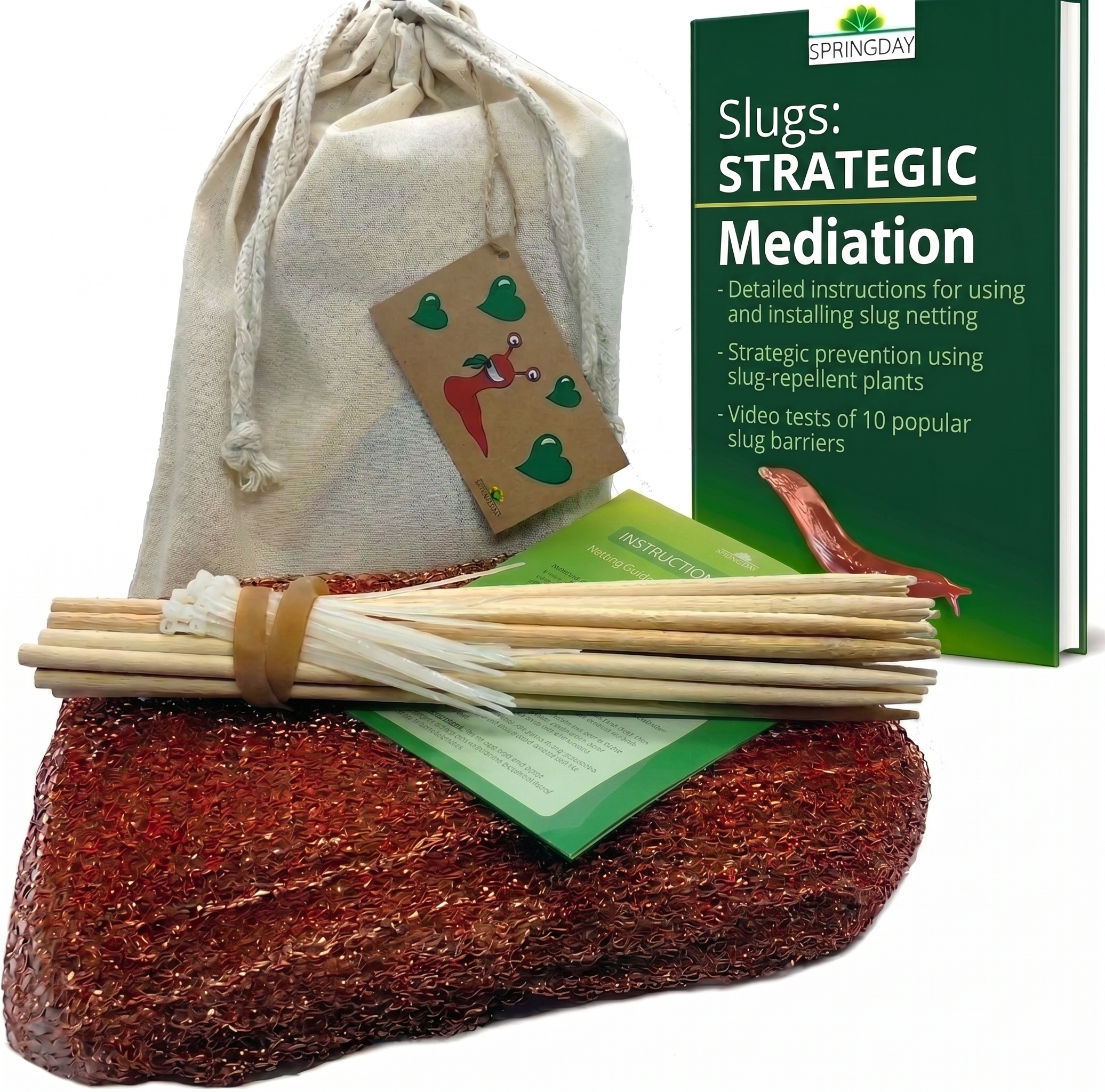
You'd probably be very interested in the copper slug barrier I designed .
It changed everything for me. I can finally grow lettuce, cabbages, strawberries and squashes without tearing my hair out.
Don't hesitate — it's an investment (copper is expensive), but you'll likely save yourself a huge amount of time!
Why is ferric phosphate an alternative to metaldehyde?
Ferric phosphate is considered an alternative to metaldehyde chiefly because of its ecological profile and its relative safety. Here is an overview and a comparison of the two products:
Overview of the two products:
- Ferric phosphate: this is a compound that occurs naturally in soils and is used as a bait for slugs. When they ingest the pellets, the ferric phosphate disrupts their digestive system, killing them after a few days. It is often the preferred choice in organic gardening because it breaks down naturally and does not build up toxic substances in the soil.
- Metaldehyde: this was one of the most widely used anti-slug pesticides, until it was banned in many European countries. Its immediate toxicity did not target slugs alone, but also affected pets (dogs, cats) and wildlife (birds, hedgehogs), causing rapid and sometimes fatal poisoning. On top of that, metaldehyde could pollute soils and watercourses.
Comparing the two:
-
Toxicity to animals:
- Metaldehyde: very dangerous, it is known to cause rapid poisoning in pets and wild animals. There is no specific antidote, and even small doses can be fatal for curious animals such as dogs.
- Ferric phosphate: less toxic than metaldehyde, but still potentially dangerous to animals. When they ingest pellets in quantity (and that is often the case, as we will see in the third part of this article), animals can suffer iron poisoning, with serious effects on the liver and kidneys. The symptoms of iron poisoning are often more subtle and can take longer to appear.
-
Environmental impact:
- Metaldehyde: this chemical pesticide is non-biodegradable, contaminating soils and water for the long term and thereby affecting ecosystems well beyond slugs.
- Ferric phosphate: biodegradable, it leaves no toxic residues in the soil, which makes it a better-suited solution for organic crops. What is more, it does not harm beneficial insects such as bees or earthworms.
The little-known risks of ferric phosphate for animals
Although ferric phosphate is often promoted as an eco-friendly and safe alternative to chemical pesticides like metaldehyde, it does indeed carry some little-known risks for animals, particularly pets and wildlife. Here is an overview of the main dangers:
Toxicity to pets
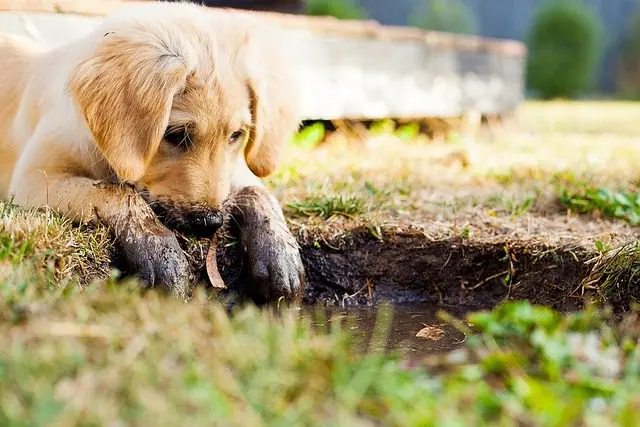
Ferric phosphate, though generally regarded as safer, can cause iron poisoning in pets (such as dogs and cats) if they ingest the pellets. Animals, drawn by the smell of the bait, may consume it directly or indirectly by eating poisoned slugs.
- Symptoms of poisoning: ingesting ferric phosphate can lead to serious symptoms in animals:
- Vomiting
- Diarrhoea
- Abdominal pain
- Lethargy
- In severe cases, this can progress to irreversible liver or kidney damage, or even death if treatment is not given promptly.
It is therefore important for pet owners to keep an eye on their gardens after applying the product and to stay alert to any sign of poisoning.
Dangers for other animals
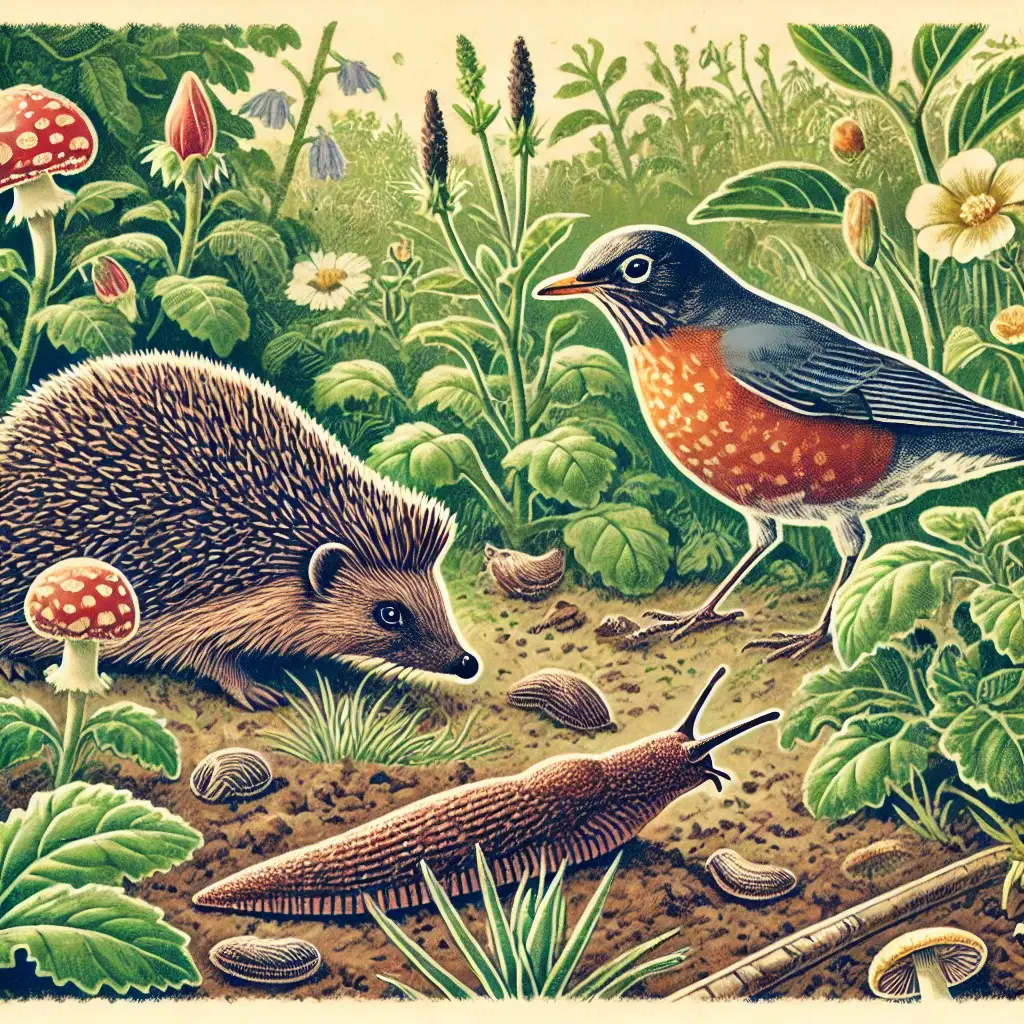
Besides pets, wildlife is also at risk. Birds, hedgehogs and other small mammals can be attracted to the pellets or eat dead or weakened slugs after they have ingested ferric phosphate.
- Indirect effect via slugs: animals that feed on slugs, such as hedgehogs, may suffer secondary poisoning by ingesting slugs contaminated with ferric phosphate. This could affect the natural balance of insectivorous animal populations, which play a crucial role in the ecosystem.
Scientific study backing these claims
- Iron poisoning in pets: a quotation from the article: “In total, 518 calls were recorded (416 for dogs and 102 for cats), of which 163 (149 for dogs and 14 for cats) were deemed probable poisoning. The main toxic source is the ferric-phosphate-based slug killer, which accounts for 50% of the calls (of which 28% are probable cases). This product is therefore more dangerous than is often stated on the packaging (frequent claims such as “safe for pets” or “harmless to animals”).

The iron(III) phosphate molecule, also known as iron(III) orthophosphate.
Precautions to take to avoid poisoning animals
Precautions to take to avoid poisoning animals
Although ferric phosphate is an eco-friendly alternative to metaldehyde-based pellets, it is not free of risks for pets and wildlife.
It is therefore essential to take certain precautions when using it, in order to limit the risk of poisoning.
Here are some recommendations to protect your own animals and those nearby.
1. Methods of application
The way you apply ferric phosphate in your garden can considerably reduce the risk of exposure for animals. Here are a few precautions to follow:
- Scatter the pellets sparingly: apply a thin layer of pellets in the areas where slugs are most present (under plants, near crops), rather than spreading them evenly over the whole surface.
- Avoid areas accessible to animals: try to limit application in areas where your pets or wildlife may roam. If you have dogs or cats, avoid spreading the pellets near their play or resting areas.
- Apply the product after sunset: since slugs are more active at night, this helps limit how long the pellets are exposed to pets, which mostly go out during the day.
2. Alternative solutions to limit the risks
To minimise the risk of ingestion by animals while still fighting slugs effectively, there are some practical solutions:
- Use bait in closed boxes: these boxes let slugs reach the bait while preventing pets or birds from getting to it. “Slug trap” style boxes can be made at home or bought in the shops.
- Place barriers around treated areas: you can surround the areas where you have laid down pellets with low barriers or fences, which stops animals from getting to them.
3. What to do in the event of ingestion?
If you think your animal has ingested ferric phosphate, it is crucial to act quickly:
- Contact a vet immediately: the sooner your animal receives care, the better its chances of recovery. Tell the vet that the product involved is ferric phosphate, so they can administer the appropriate treatment.
- Do not try to induce vomiting without medical advice: certain products or treatments can make the situation worse, and only a vet will be able to give the right instructions to avoid complications.
By applying these precautions, you can use ferric phosphate while effectively protecting your pets and local wildlife from the risk of poisoning.
The natural and effective alternatives to blue pellets
There is an incredible number of natural methods, diverse and varied, for managing slugs in the garden.
Some are effective, others not at all.
Some work for only a very short time, others for the long term.
Rather than giving you a watered-down summary of the subject in this section, what I have decided to do is send you off to read the 6,000-word article I wrote on the topic.
It is an article that takes stock of my tests, observations, and common-sense reasoning on around thirty natural slug deterrents.
It includes, among other things, a good half-dozen video tests.
Here is the article: Slug control section of the website
And if you are already a veteran of the slug wars, and you know that it is never simple whatever you do, I can only urge you to take a look: discover the impassable barrier I designed, the copper mesh for slugs.
I hope you have enjoyed this article, and that it has given you new tools to garden freely and self-sufficiently, while understanding what you are doing and why you are doing it.
See you soon,
Robin.
The information in this article has been selected and verified according to the criteria defined in our editorial charter.
Done with slugs. For good. Starting this season.
Scientific references
- Review of the molluscicide metaldehyde in the environment
- Iron poisoning in pets: a quotation from the article: “In total, 518 calls were recorded (416 for dogs and 102 for cats), of which 163 (149 for dogs and 14 for cats) were deemed probable poisoning. The main toxic source is the ferric-phosphate-based slug killer, which accounts for 50% of the calls (of which 28% are probable cases). This product is therefore more dangerous than is often stated on the packaging (frequent claims such as “safe for pets” or “harmless to animals”).
Related articles
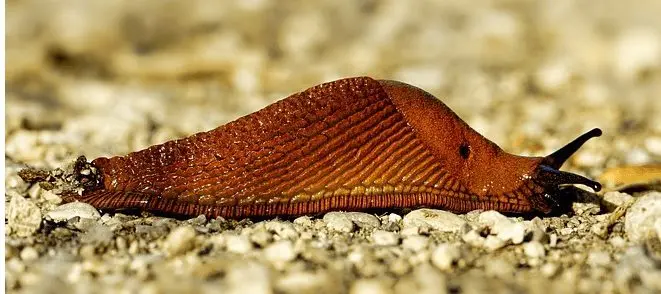
Testing and review of 30 natural slug deterrents (do they work?)
Read
Slug-repellent plants, or prevention through planting
Read
Surface composting: protect your vegetable patch from slugs, with love
Read
Slugs: their usefulness in the garden, what they indicate, and holistic management through reshaping the habitat
Read
Slug predators: which are they? How to attract them to the garden?
Read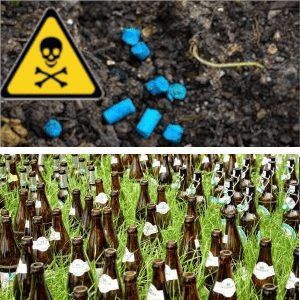
Slug control: the (harmful) methods to avoid – why and how?
Read