What is the best slug trap and how do you make one yourself?
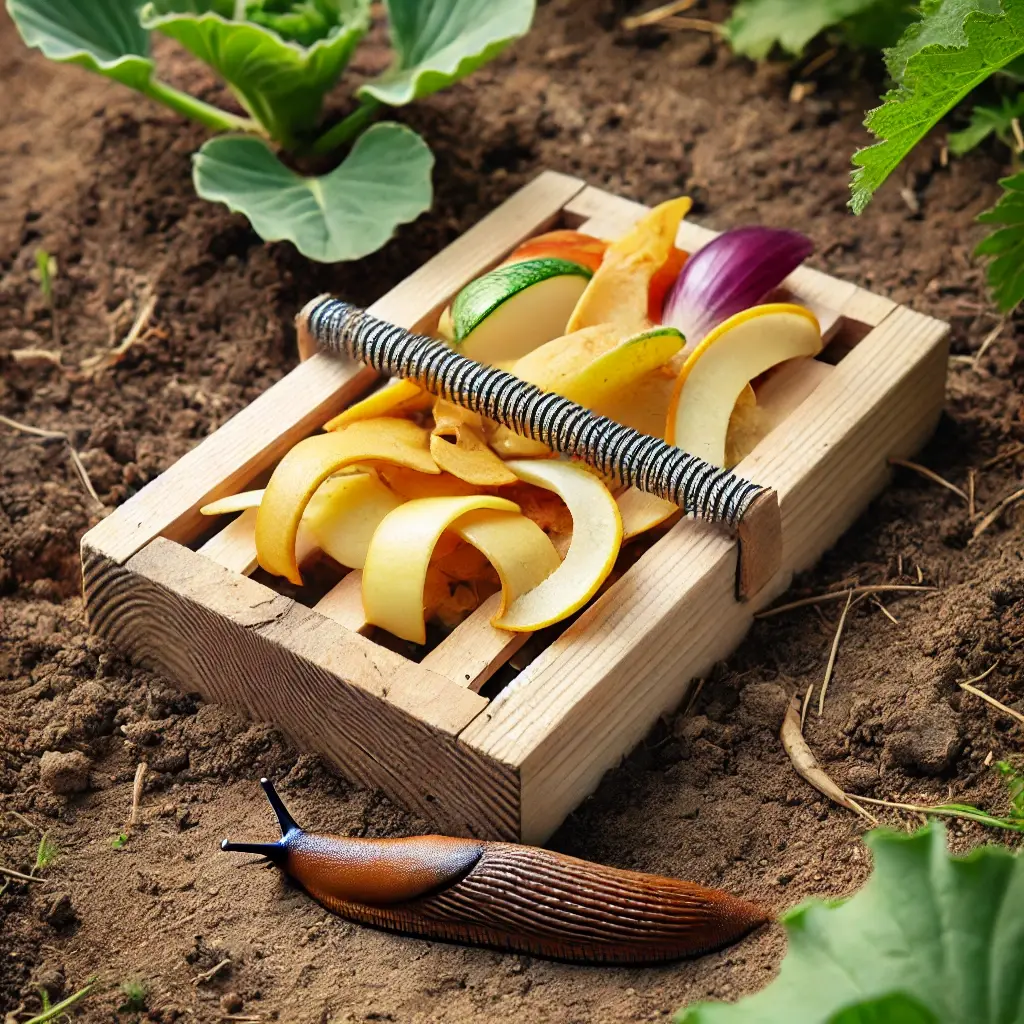
Slugs have invaded your vegetable patch and are sowing despair there – and death, the death of your vegetables!
You have tried the “natural barriers” people so often talk about, and which are utterly useless.
And, unsurprisingly, it hasn’t been very productive.
Today I’d like to take you through, in detail, the option of slug traps.
We’ll look at which devices are available to buy, which one (or ones) are the most effective, and how to build your own super-effective, homemade slug trap.
Then we’ll explore the alternative methods that are also open to you.
If the subject appeals to you, let’s get going!
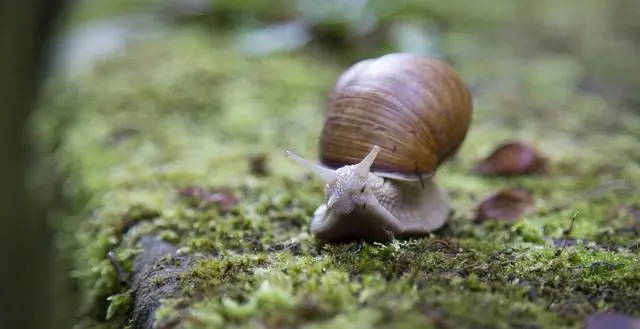
If you're discovering my blog, chances are slugs and snails are giving you grief.
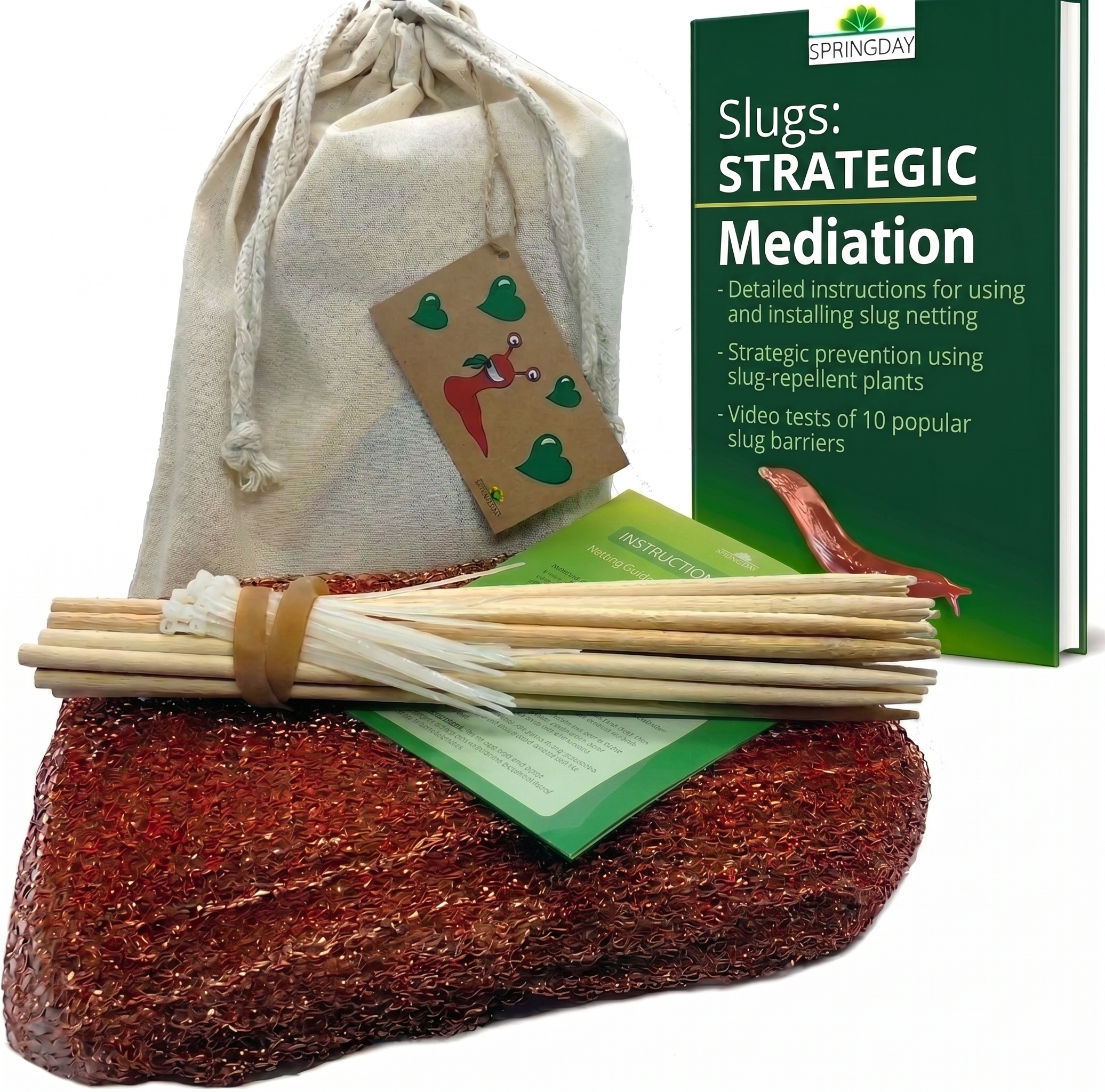
You'd probably be very interested in the copper slug barrier I designed .
It changed everything for me. I can finally grow lettuce, cabbages, strawberries and squashes without tearing my hair out.
Don't hesitate — it's an investment (copper is expensive), but you'll likely save yourself a huge amount of time!
The different types of slug trap:
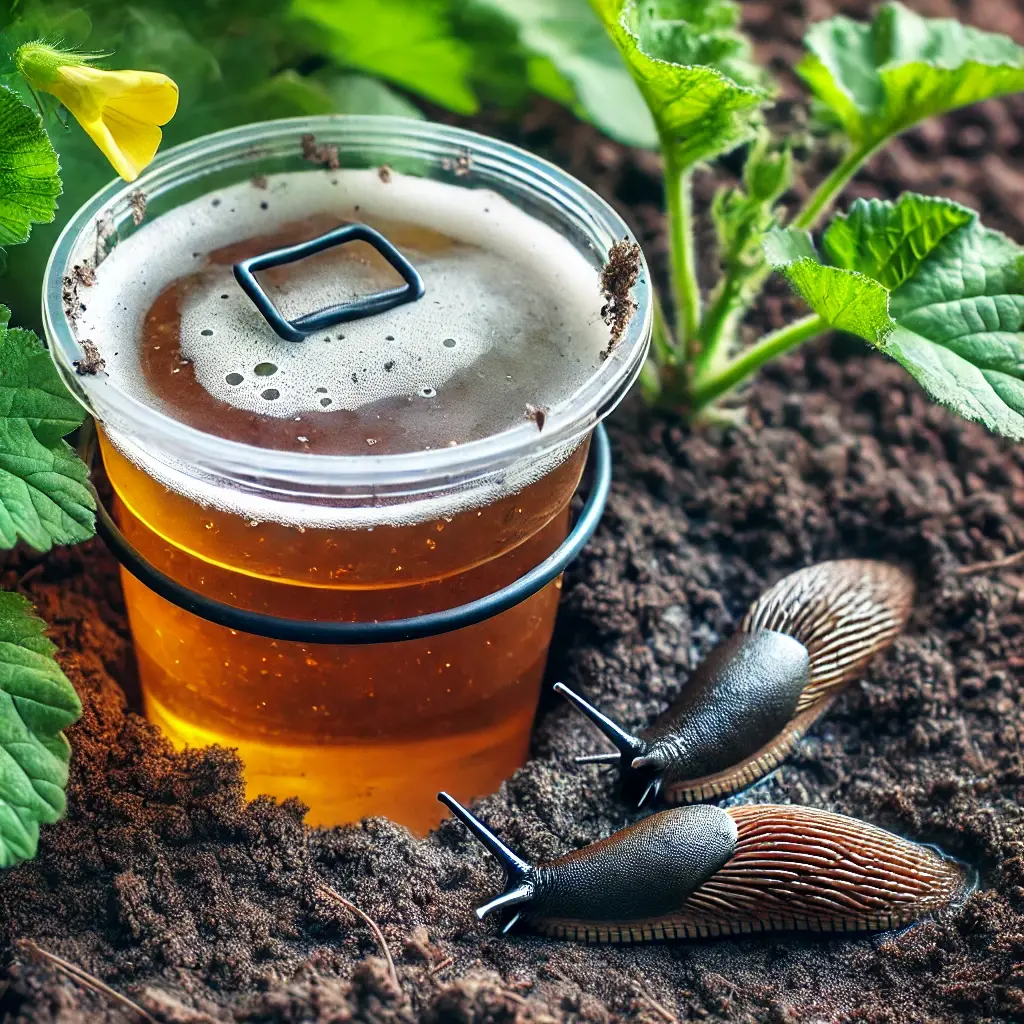
Beer traps
Beer traps are very popular.
And they are effective at attracting slugs.
The smell of beer draws them in from far away; they fall into the trap and drown.
To use them, simply follow these steps:
- Dig a hole in the ground to set the trap into (a simple container meant to be filled with beer).
- Fill the container with beer.
- And that’s it: you can leave it to do its “work” – the slugs will be drawn in by the smell and will fall into the container.
Bear in mind that shop-bought beer traps often come fitted with a small, raised lid.
This means they can be used even in wet weather, when rain would otherwise fill the container and make it overflow, all the while diluting the beer and so reducing its appeal.
Ideally, don’t bury beer traps too deeply: the opening into the container should sit a little higher than ground level, in order to lower the chances of ground beetles, rove beetles and other slug predators falling in and drowning.
A substitute for the beer trap: the yeast + sugar trap against slugs
This type of trap uses a yeast-and-sugar solution to attract slugs, working in much the same way as beer traps (only the “bait” changes here). Here’s how to prepare it:
- Mix yeast, sugar and water in a container.
- Place the container in the ground in the same way as the beer trap.
- The slugs will be drawn in by the smells given off by the mixture and will fall into the trap.
The vegetable-peel slug trap
Vegetable peelings can also be very appealing to slugs. This type of trap is simple to set up:
- Lay out vegetable peelings (such as potato or carrot skins, but also lettuce leaves, or orange, melon or watermelon rinds) on the ground.
- The slugs will be drawn in by the smell and will come to feed on the peelings.
- In the morning, gather up these peelings along with the slugs you find on them. They often hide behind them, pressed against the soil, where it’s cool.
The wooden-board or cardboard slug trap
Slugs love to hide in dark, damp spots. Use this behaviour to trap them:
- Place a wooden board or a piece of cardboard on the ground (or even a piece of plastic sheeting, or any other material likely to keep moisture in the soil), near your plants.
- In the morning, turn the board or the cardboard over.
- The slugs that have hidden underneath can then be picked up with ease.
Comparing the different slug traps: which is the best?
The hidden, little-known drawbacks of the beer and yeast trap.
The beer trap seems ideal to many people: put it in a slug-infested garden and you’ll see it fill up fast, even completely overflowing.
The slugs never stop being drawn to it and falling in.
And for that reason – for the number of slugs it kills each day – it often seems to be the most effective trap.
But there’s a hidden problem with the beer trap: its smell attracts slugs so strongly that they arrive from more than 100 metres around (their sense of smell can detect a substance like beer over that distance), which often means from your neighbours’ plots or the adjacent field, all the way into your garden.
So you’re increasing the total number of slugs you have there.
“But that’s no problem,” you’ll tell me, because they’ll all end up in the trap.
That’s where the second problem lies: on average, beer traps catch only a third of the slugs they attract.
Let’s say, for example, that you double the total number of slugs in your garden by drawing in the neighbourhood’s slugs: if the beer traps eliminate only a third of the total, do the maths – it isn’t a “worthwhile” exercise. Not in the slightest.
And that’s why a good many people who feel they’re acting decisively against slugs, thanks to their beer traps, are in fact making their situation worse and increasing the damage to their crops.
Note that yeast + sugar traps attract slugs just as strongly as beer traps, so I’d advise against them all the more
The advantages of board or peel traps
By contrast, peelings or cool spots (board or cardboard traps) don’t attract slugs nearly as much. Let’s say they simply draw them in slightly more than the vegetable-patch plants do. But the scent compounds given off by their very slight decomposition are nowhere near as strong as those of beer or yeast.
This way, you’re not luring slugs from outside your garden into it.
Instead, you’re concentrating the slugs already there.
True, they don’t die (and you’ll soon realise that, in the end, that’s no bad thing), but once gathered together like this you can easily collect them.
Here is the best slug trap
For the best of all traps, simply combine the “peel trap” and the “moisture trap”: put down a good quantity of peelings under a wooden board or a large piece of cardboard. This will draw them in great numbers and hold them firmly, without bringing them in from outside.
And you can easily collect them by hand, dropping them into a bucket as you lift the cardboard or the board.
For me, this is the best slug trap you can use in the garden.
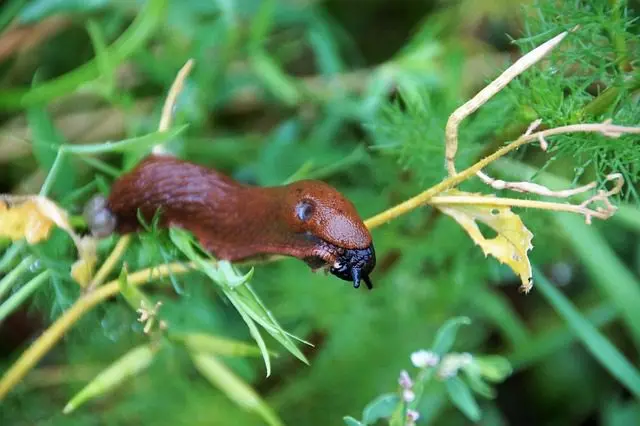
Here’s how to make your own homemade slug trap
Here we’ll only cover making a beer trap at home (to leave you free to choose that option anyway, even though you know what I think of it) and then a board + peelings trap, which, as already said, is for me the best trap for slugs.
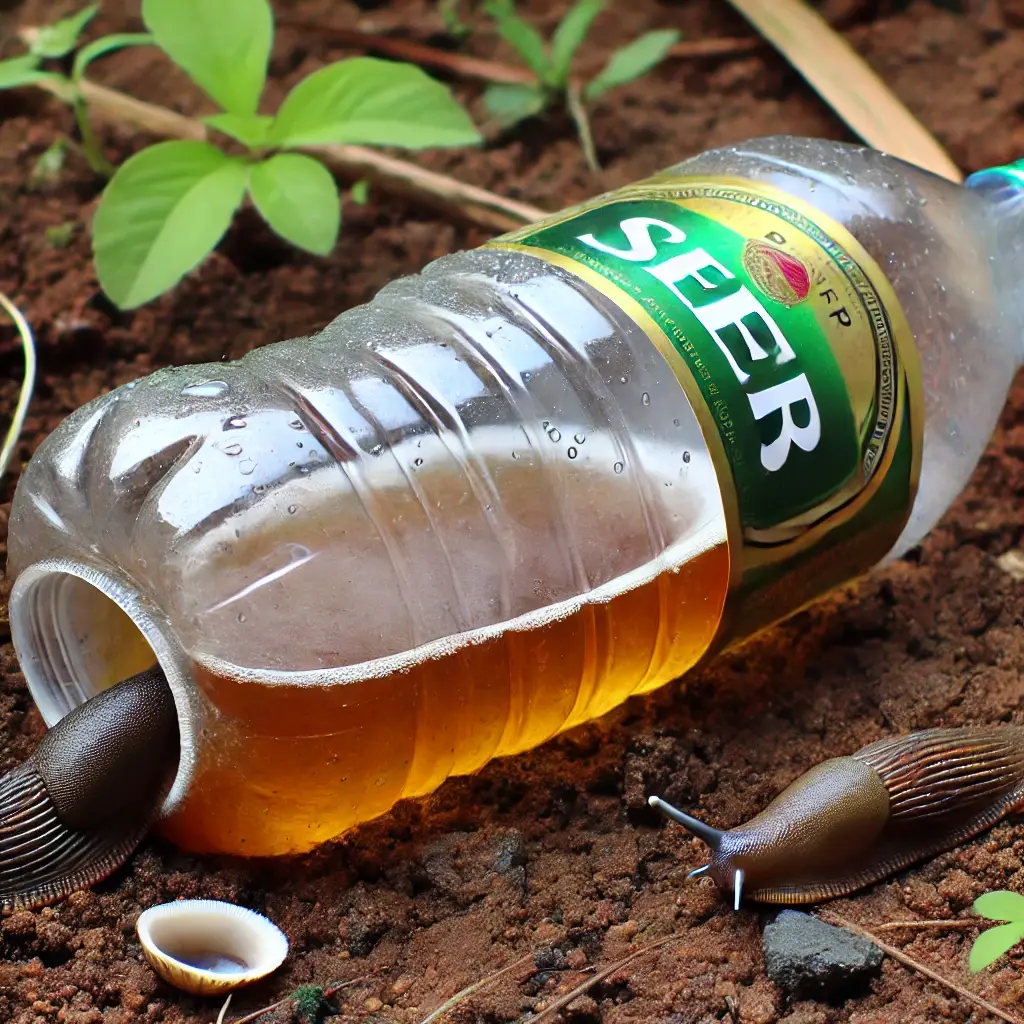
Make your own homemade beer trap with a water bottle
It’s hard to keep it any simpler:
1. Take a plastic water bottle and cut it at the first third. You’re left with the container into which you pour the beer.
2. Dig a shallow hole in the ground: you should be able to half-bury the container in it, so that it sits nice and stable, while making sure the top of the container (and so the opening of the trap) is a little higher than the soil (let’s say 10 cm, ideally), in order to stop slug-predating insects, drawn in by their smell, from drowning in it.
3. Fill the cut, half-buried water bottle a third of the way up.
4. Then you have two options: either you leave the trap as it is, simply topping it up with a little beer now and then, when the rain starts to dilute it. Or you add a small lid on top of your trap (a plain flat one, for instance), to stop rainwater getting in. You’ll then need to work on your container a little so the slugs can find ways in, between the top of the water bottle and the lid: by making some unevenness there, with a knife, for example.
5. Finally, set out several of these traps in different spots around the garden.
Make your own homemade peel trap
Here, too, it’s hard to keep it any simpler:
1. Find a wooden board (we’re using a wooden board as the example here, but it works just as well with a large piece of cardboard) of a decent size.
2. Gather a good quantity of peelings and vegetable and fruit scraps: peelings of all kinds, lettuce leaves, carrot and radish tops, orange, watermelon and melon rinds, and so on…
3. Place the lot on the soil, near the vegetable patch, or somewhere your garden’s slugs frequent heavily
4. Water very lightly, in order to create the damp conditions that slugs are so fond of
5. Then simply put the board over the whole thing. There’s no need to artificially create a gap between the soil and the board: the slugs will find their own easily enough, they can slip into the tiniest of nooks. And this preserves the moisture of the hideout you’ve created all the better.
The limits of using slug traps
Note: I won’t revisit here the limits of beer traps, already covered above.
Only the limits of the one we now consider the “best slug trap”. That is, the one made of peelings under a wooden board or a piece of cardboard.
The limit of such a slug trap is simply that it still asks some work of you! You have to collect the slugs daily and go and release them far, far away from your garden.
And then, even though a good share of the slugs will be diverted from your vegetable patch by these traps, it does nothing to protect your vegetables from the slugs that might have fancied nibbling on them.
Traps are one of the components of a garden that is naturally protected from slugs. But only one component.
Effective alternatives to slug traps
When a garden ends up overrun with slugs, it’s because it’s out of balance: the slug overpopulation is the sign of the deeper trouble – the underlying systemic imbalance of your garden.
“Treating” or masking the symptom (collecting the slugs and removing them from the garden) won’t solve the underlying trouble. And your slug problems will carry on, year after year.
The systemic imbalance that prevails in the vast majority of relatively young gardens has two main components:
1. Too little plant biodiversity: a lack of prey other than your vegetables for the slugs, which would divert their attention away from your vegetable patch. Which would reduce their grazing pressure there. On this front, you need to increase the presence of herbs and plants of all kinds in the garden, and in particular slug-repellent plants and flowers.
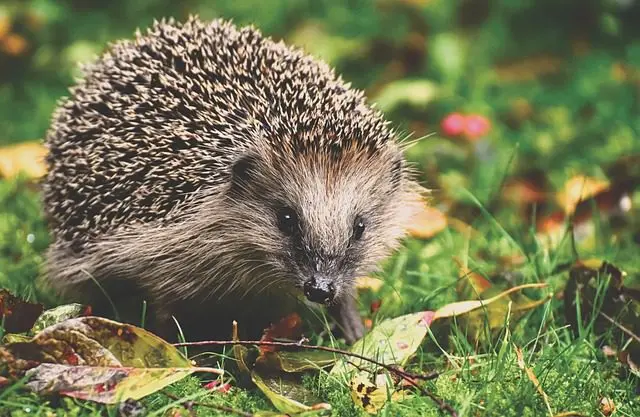
2. A lack of natural slug predators. Unlike the adopted slug predators (Indian runner ducks, hens, nematodes, etc.), these regulate the presence of gastropods in their natural environment. Creating, or recreating, the ideal conditions for the presence of these predators is the second pillar needed to solve a garden slug problem for good.
If you want to solve your garden’s slug problem for good, it’s on these two pillars that you’ll need to work as a priority, and continuously.
In parallel, genuinely effective slug barriers, and collection-based slug traps (not beer traps), help make the garden more liveable during the transition period leading to this systemic rebalancing.
Traps help divert slugs’ attention away from your beloved plants and reduce their pressure on the vegetable patch generally.
Effective slug barriers directly help protect plants from slugs during this transition period until balance is restored.
When it comes to slug barriers, forget eggshells, ash, or other old wives’ methods that are completely useless over time. I’ve tested all these methods on my YouTube channel. Not one of them is really worth keeping.
Only two barriers are genuinely useful in the long run:
– A barrier in the form of a “water moat”, at least 5 cm deep and at least 5 cm wide.
– A vertical copper barrier, more than 7 cm in height.
To put the “water barrier” into practice, if you’re a bit handy, you can manage it fairly easily by partly burying guttering that will fill with water after every rainfall.
As for the copper barrier, I’ve designed a device that meets these requirements, that finally lets me stop tearing my hair out every spring, and that I now sell. You can find it here: the copper mesh for slugs.
Conclusion
Slug traps are only one component of a garden that is naturally “free” of slugs.
Even so, together with effective slug barriers, they can help make the transition period towards a lasting rebalance far easier to live through – for you as much as for your plants!
I’d still advise you to forget beer traps, which often create far more problems than they solve. Not least because, despite every precaution one might take, they often end up trapping important slug predators (predatory insects) too.
See your garden as a “whole”, gently learn to think “globally” and in terms of interdependencies, and you may end up glimpsing, little by little, what I mean by that.
I hope you enjoyed this article, and that it has given you new tools for gardening freely and self-sufficiently, while understanding what you’re doing and why you’re doing it.
See you soon,
Robin.
The information in this article has been selected and verified according to the criteria defined in our editorial charter.
Done with slugs. For good. Starting this season.
Scientific reference
Related articles
Testing and review of 30 natural slug deterrents (do they work?)
Read
Slug-repellent plants, or prevention through planting
Read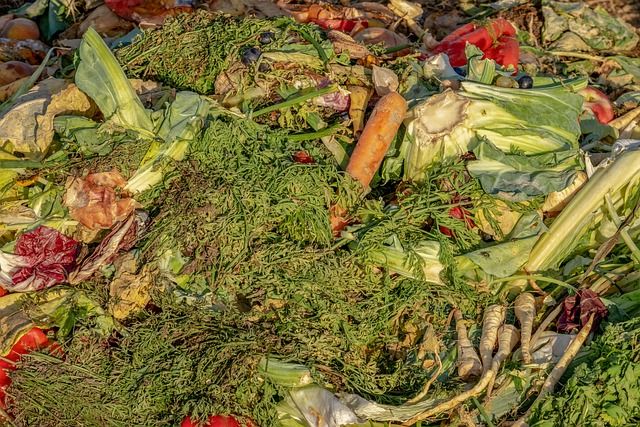
Surface composting: protect your vegetable patch from slugs, with love
Read
Slugs: their usefulness in the garden, what they indicate, and holistic management through reshaping the habitat
Read
Slug predators: which are they? How to attract them to the garden?
Read
Slug control: the (harmful) methods to avoid – why and how?
Read