What is the best natural slug control product?
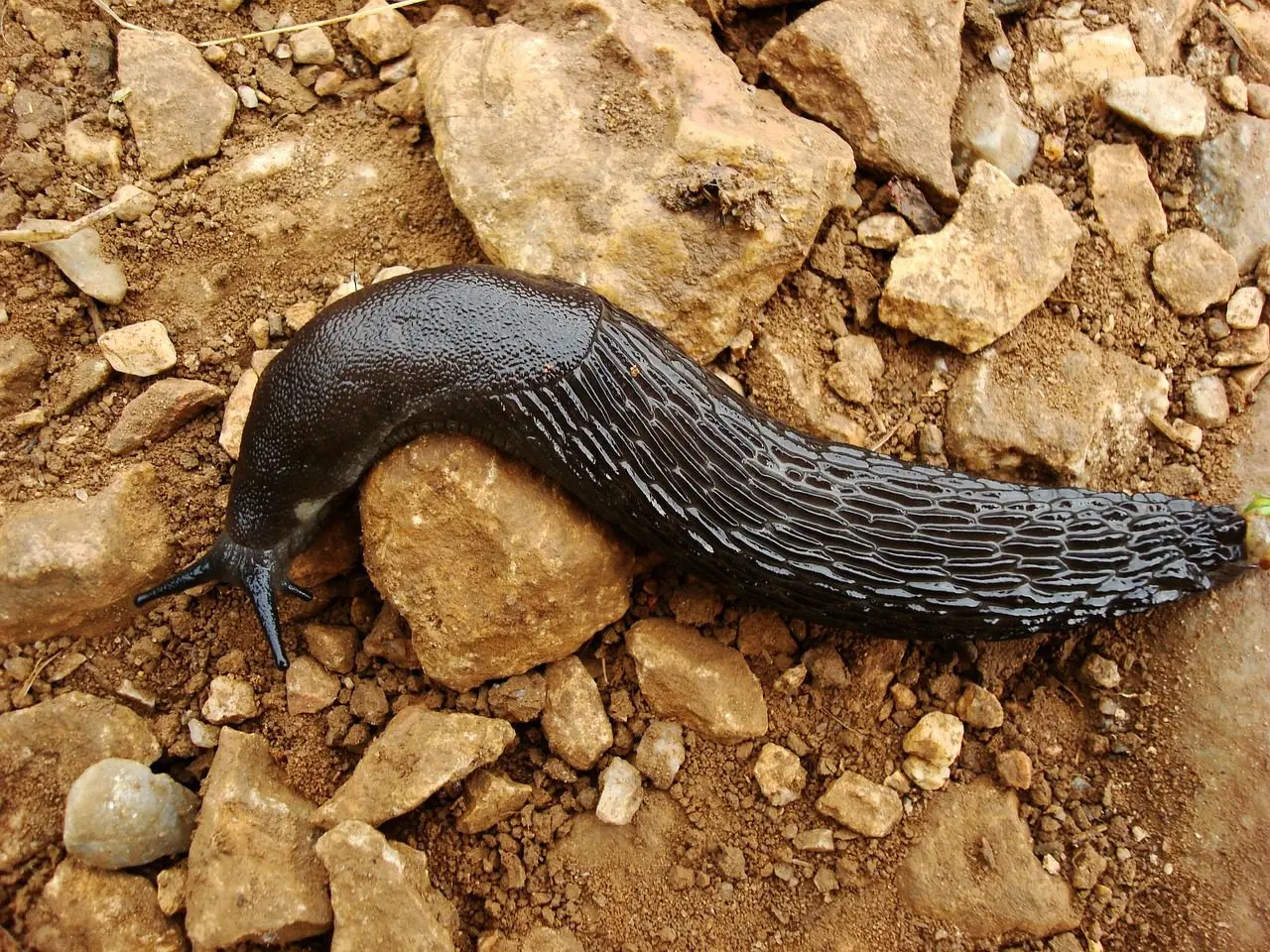
If you're discovering my blog, chances are slugs and snails are giving you grief.
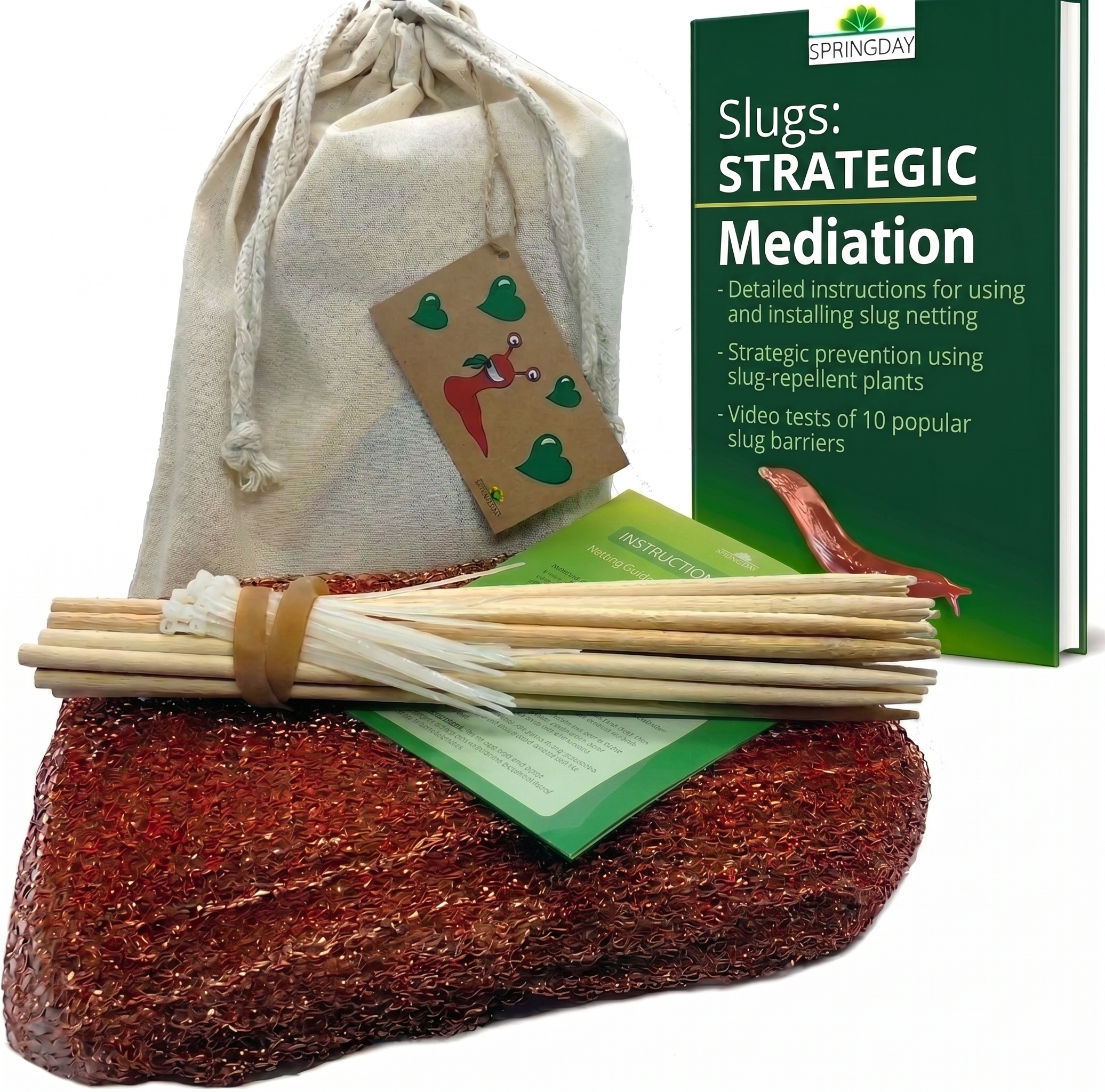
You'd probably be very interested in the copper slug barrier I designed .
It changed everything for me. I can finally grow lettuce, cabbages, strawberries and squashes without tearing my hair out.
Don't hesitate — it's an investment (copper is expensive), but you'll likely save yourself a huge amount of time!
What are the different products available on the market to repel slugs effectively?
That is what we are going to cover here, following this plan:
- First, we will list the various existing natural products that help to repel slugs
- For some of these products, we will see whether they can be used to repel slugs inside a home
- Then, we will do the same for protecting the plants of the vegetable garden
- And finally, we will see whether there are more worthwhile alternatives to these slug control products
The various slug control products
Here is a list of the different existing slug control products that can be considered natural:
Iron phosphate slug pellets: an artificial product with a natural active ingredient

These slug killers come in the form of pellets, and kill the gastropods that eat them.
Some consider them natural because iron phosphate, their active ingredient, is a naturally occurring mineral.
Despite this, the production process for these pellets can involve processing and treatment stages, which can make them less natural than certain other products.
Personally, I find it rather hard to consider them natural. Especially knowing that they could have a harmful impact on earthworms.
Lava stone (pozzolana) barriers

Here is another potential purchase you might come across when visiting a garden centre.
In its box, it can easily be confused with slug pellets.
Yet this is in fact a natural material to spread on the ground (lava stone), in order to form a so-called slug barrier.
Why so-called? Because I know this type of material: it sometimes works when it is completely dry (as is the case for ash, or fine sand), but becomes utterly ineffective after rain, or in damp weather.
And then, reading the customer reviews, you realise that one box would barely be enough to protect a vegetable bed of 2 metres by 2 metres… Which works out rather expensive for a product of patchy effectiveness.
Diatomaceous earth
Diatomaceous earth is indeed a natural product, as it is made from the fossilised skeletons of diatoms, which are single-celled algae.
It is also an effective barrier against slugs: it even kills, on contact, the gastropods that would try to cross it.
It is therefore an effective natural product for blocking the path of slugs and snails!
The only snag: in the garden, diatomaceous earth also kills, on contact, every insect that would try to cross it: including beneficial insects, such as ladybirds, or ground beetles (predators of slugs).
And it is still not well understood what impact diatomaceous earth might have on the soil of a vegetable garden, whose role is to feed the plants we are going to eat, by means of an essential soil life.
A slug control spray
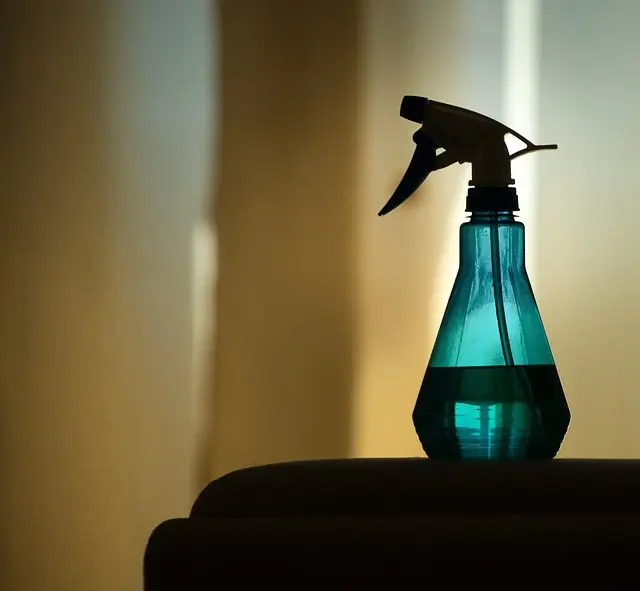
It is a spray that I came across by chance.
This spray seems to have a fairly natural composition, based on caffeine, geraniol, and cherrywood essential oil.
According to the customer reviews, it appears to work for killing slugs on contact (by spraying them directly with it, should you wish to), and quite well for repelling slugs within homes.
On the other hand, its results seem very poor when it comes to protecting plants and the vegetable garden: this is a problem often encountered with liquid repellents: they dry out and/or evaporate quickly, and their effect disappears. Also, at the slightest rain, the sprayed plants will be washed clean of the product, which will return to the soil.
It is therefore a product to be used mainly inside a home, as its effectiveness in the vegetable garden will be very poor.
Bicarbonate of soda
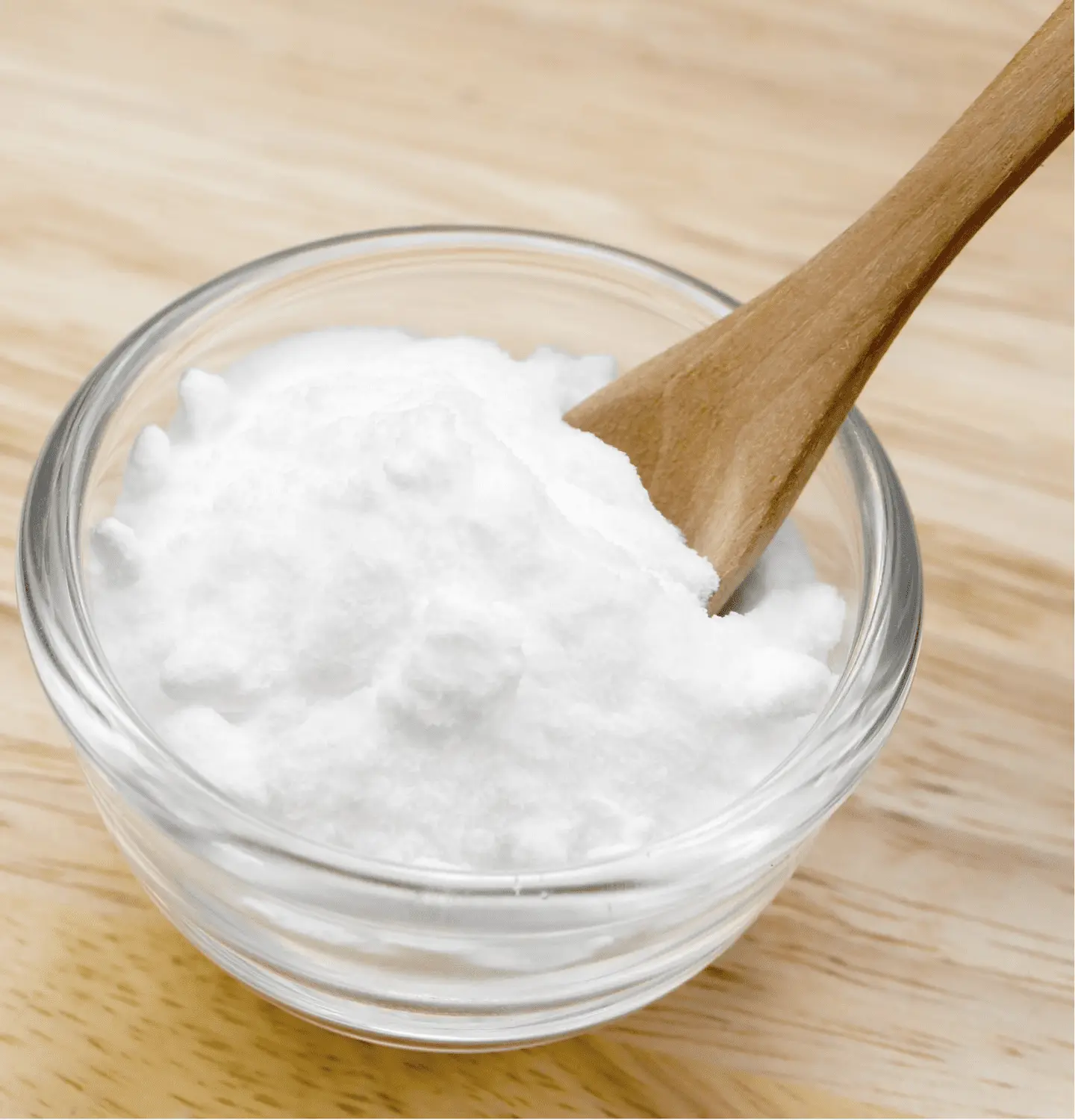
Bicarbonate of soda can be considered a natural product, as it is produced from sodium carbonate and potassium carbonate, which are natural elements.
Bicarbonate of soda placed on the ground will have the effect of creating an effective barrier against slugs, as its mode of action is similar to that of salt.
Nevertheless, while using it inside a home can of course be of interest, you might wonder how relevant it is to use it within a vegetable garden, where the rain will carry the bicarbonate into the soil, in which its effects are unlikely to be positive.
Spirit vinegar

Spirit vinegar, or white vinegar, is said to owe its effectiveness on slugs to its high acidity. Acidity that disrupts the membrane of the cells of their body, and can cause irreparable damage.
So, as with bicarbonate of soda and the spray, spirit vinegar finds a use inside a home.
But less so within a vegetable garden, where the very high acidity of the vinegar can, in the same way, cause damage to the plants by disrupting the membrane of the cells that make them up.
What effective alternatives to these products are there for protecting a vegetable garden?
In terms of slug barriers, the most effective, according to my tests, are:
-
Water “moats”, with a depth greater than 5 cm, and a width greater than 10 cm. To create them, you can use half-buried guttering blocked off at its ends, which will fill with water at every rainfall. Indeed, slugs do not cross water, and this system makes it possible to protect entire growing beds completely
-
A vertical copper barrier more than 5 to 7 cm in height. Copper releases a slight electric current (on contact with their mucus) that is very unpleasant for slugs, and that prompts them to quickly turn back.
As proof of copper’s effectiveness, I invite you to watch this video:
The last device tested is the barrier made of pure copper, which I designed and brought to market: the copper mesh for slugs.
Even so, be aware that you should not settle for simply installing a slug barrier, and that you need to put in place a genuine strategy for the long-term regulation of the problem, which notably involves the lasting establishment of the natural predators of slugs, and the development of plant biodiversity.
To explore the question further, here are the articles I suggest:
The information in this article has been selected and verified according to the criteria defined in our editorial charter.
Done with slugs. For good. Starting this season.
Scientific bibliography
-
The study examines several different substances for their capacity to repel slugs and snails. The results notably revealed that copper had repellent effects.
Related articles
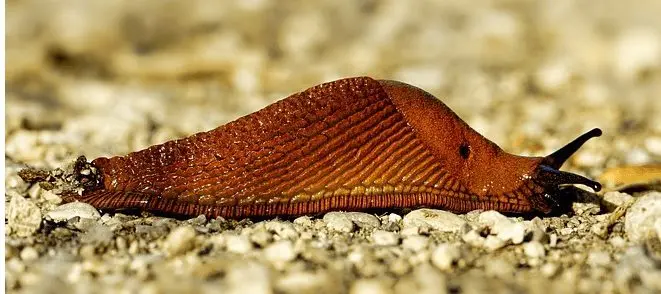
Testing and review of 30 natural slug deterrents (do they work?)
Read
Slug-repellent plants, or prevention through planting
Read
Surface composting: protect your vegetable patch from slugs, with love
Read
Slugs: their usefulness in the garden, what they indicate, and holistic management through reshaping the habitat
Read
Slug predators: which are they? How to attract them to the garden?
Read
Slug control: the (harmful) methods to avoid – why and how?
Read