The big orange slug (Arion rufus): is it poisonous? Plus its features and how to manage it
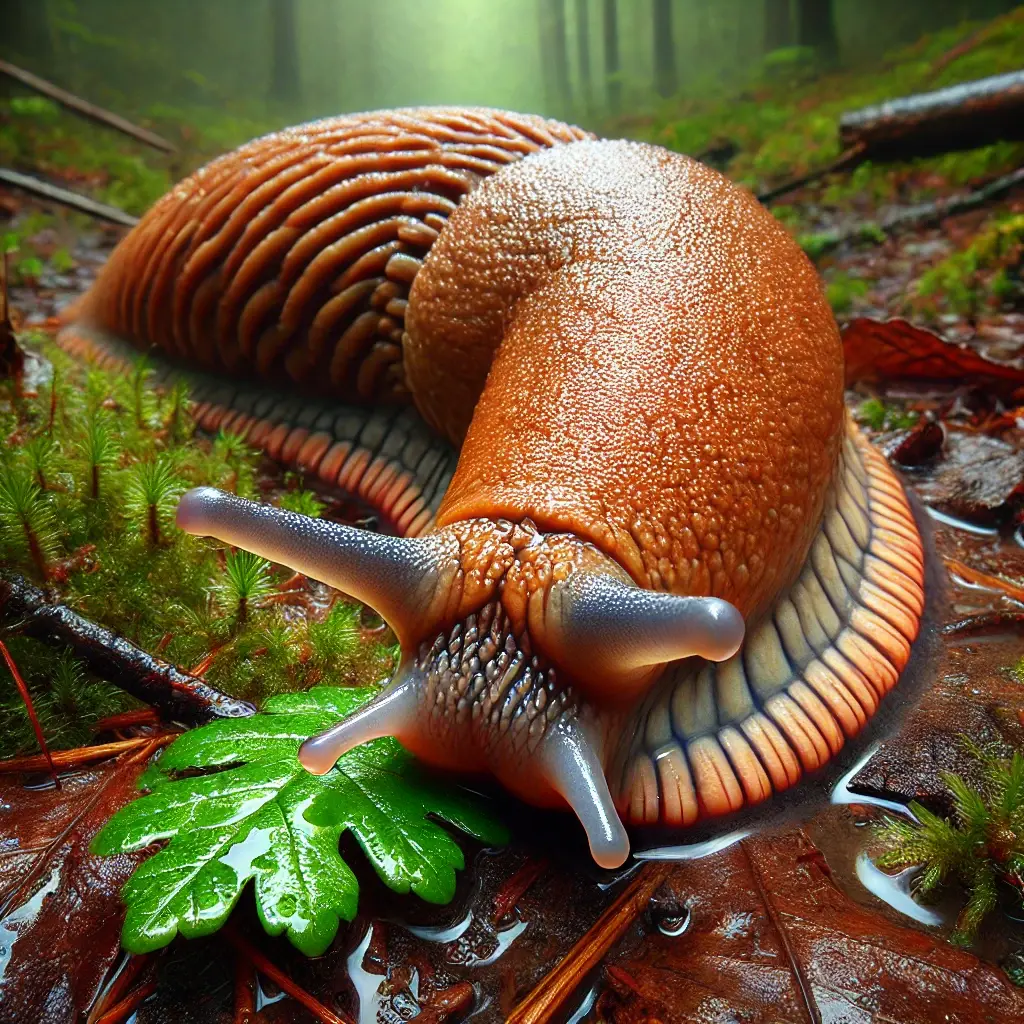
Hideous, enormous, neon-orange slugs are descending on your garden in droves.
Where do they come from, what exactly are they, and how do you deal with them?
And do they pose a risk to your dog or your hens, should they happen to eat one?
That is exactly what we are going to look at here, in detail!
So if the subject really interests you, let’s get started!
If you're discovering my blog, chances are slugs and snails are giving you grief.
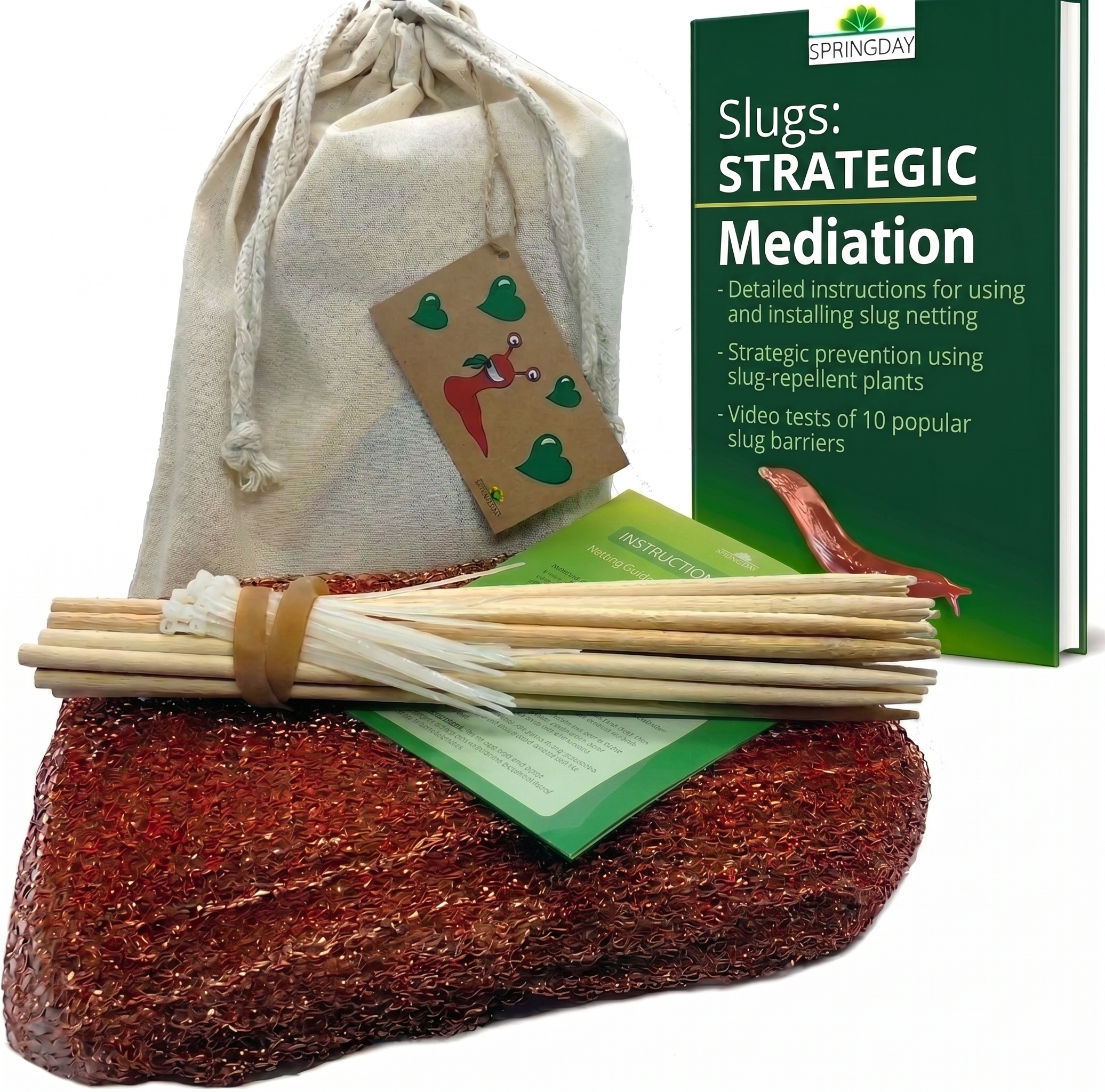
You'd probably be very interested in the copper slug barrier I designed .
It changed everything for me. I can finally grow lettuce, cabbages, strawberries and squashes without tearing my hair out.
Don't hesitate — it's an investment (copper is expensive), but you'll likely save yourself a huge amount of time!
Identifying and describing the big orange (neon) slug
Physical appearance
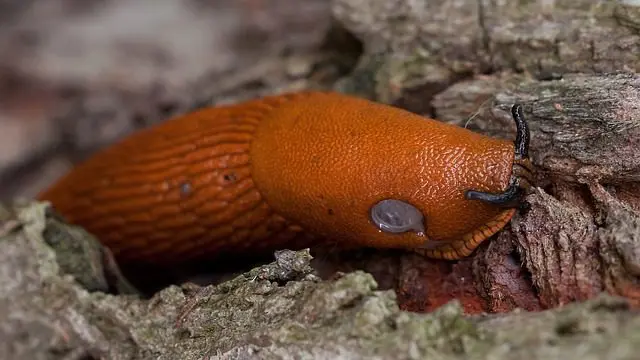
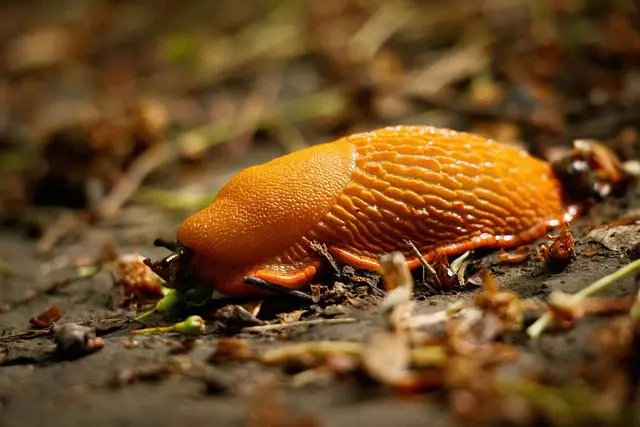
The orange slug, known scientifically as Arion rufus (also called the large red slug), stands out for its vivid colouring (some even say it is neon orange!), ranging from yellowy orange to reddish.
This characteristic colour is especially pronounced on the animal’s back and flanks, while the underside tends to be paler, often greyish.
When it comes to size, the adult orange slug usually measures between 7 and 15 centimetres long, although some specimens can reach up to 20 centimetres. That makes it one of the largest slugs.
Its body is soft, elongated and covered with small tubercles that give it a rough texture.
Another distinctive feature is its mantle, an area located just behind the head, which protects the respiratory organs and contains the genital and respiratory openings.
The slug has two pairs of tentacles: the upper tentacles carry the eyes at their tips, while the lower ones are used to explore the surroundings.
Comparison with other slug species
Compared with other slugs such as the black slug (Arion ater) or the leopard slug (Limax maximus), the orange slug (Arion rufus) stands out for its vivid colour and its somewhat more modest size (versus the black slug).
The black slug, for instance, is even larger and uniformly dark, while the leopard slug is more elongated and shows a pattern of dark spots on a light grey background, very different from the uniform orange of Arion vulgaris.
Life cycle and behaviour
Stages of the life cycle
The orange slug begins its life with the laying of eggs, generally in autumn. Each slug can lay several hundred eggs, often clustered together in damp, sheltered spots such as under stones or in loose soil.
The eggs, measuring around 3 millimetres in diameter, are translucent and glossy.
After an incubation period of two to four weeks, the young slugs emerge.
At this stage they are tiny, just a few millimetres long, and already display a pale orange hue.
They start feeding immediately and reach their adult size within a few months, thereby continuing their reproductive cycle.
Natural habitat and geographical range
The orange slug prefers damp, shady environments such as forests, meadows, gardens and farmland. It is especially active at night, but can also be seen after rain, when the ground is wet.
Originally native to Europe, the orange slug has spread widely into other regions of the world, notably North America and Asia, where it is often regarded as an invasive species because of its impact on local crops.
Mode of movement and feeding habits
The orange slug, like most slugs, moves by contracting and relaxing its muscles, creating a wave that travels through its body and pushes it forward.
This movement is aided by the secretion of mucus, which reduces friction and protects the animal from rough surfaces. This thick mucus is also responsible for the glistening trails left behind it.
In terms of diet, the orange slug is omnivorous. It feeds mainly on decomposing plant matter, but also attacks living plants, particularly young shoots and vegetables.
It also eats small insects, fungi and other organic matter, thereby playing an important role in recycling nutrients within the ecosystem.
But its ability to destroy crops quickly makes it a serious problem for farmers and gardeners.
Origin and geographical distribution
Origin of the species
Hypotheses on its geographical origin
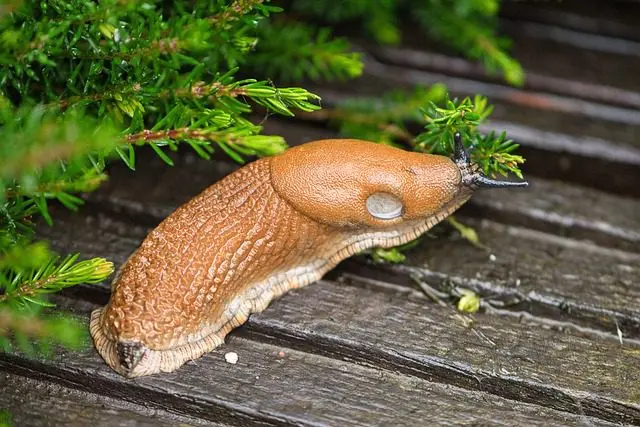
The orange slug, Arion rufus, is often considered native to Europe.
The earliest documented observations of this species date back several decades, and it is generally accepted that its origin lies in this region, where the climatic and environmental conditions were particularly conducive to its development.
But debate persists as to the exact origin of this species.
Some hypotheses suggest that it could be the result of hybridisation between different European slug species. Other theories argue that it had been present across a larger part of Europe for a long time, but was only identified as a distinct species relatively recently.
Current distribution
Areas where the orange slug is mostly found
Today the orange slug is widespread across Europe, with established populations in countries such as France, Germany, the United Kingdom, the Netherlands and Scandinavia. Outside Europe, this species has also been introduced into several regions of North America, notably the United States and Canada, as well as in Asia.
The orange slug’s current distribution spans a wide range of climates, from warm Mediterranean regions to the colder temperate zones of northern Europe. Its ability to adapt to varied environments has made its rapid expansion into new geographical areas easier.
Analysis of the environmental conditions that favour its presence
The orange slug thrives in damp, temperate environments. The ideal conditions for this species are high humidity, moderate temperatures and easy access to decomposing organic matter.
These conditions are often found in forests, meadows, gardens and farmland, which explains its wide distribution.
The rise in average temperatures in Europe due to climate change could also play a role in the orange slug’s expansion into more northerly regions.
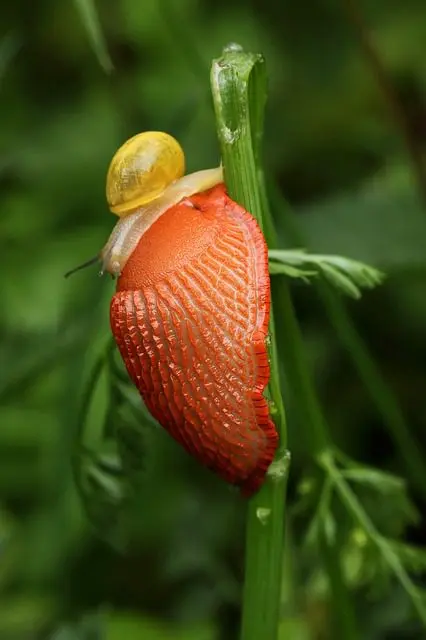
Is the orange slug poisonous? Danger to hens, dogs and other animals
The question of whether the orange slug is poisonous or dangerous to domestic and wild animals is a common concern, especially for owners of hens, dogs and other animals that might eat it.
Even though this slug is often present in gardens and fields, it is best to understand the potential risks associated with eating it.
Is the orange slug edible for hens?
Hens are known to be opportunistic omnivores, eating a wide variety of insects and small animals, including slugs.
Nevertheless, it seems that hens generally avoid eating the orange slug.
This reluctance could be due to the production of thick, unappetising mucus that the slug uses as a defence mechanism. Even though this mucus is not directly poisonous, it could make the slug less appealing to hens.
There is no solid evidence indicating that the orange slug is dangerous or poisonous to hens.
However, because of its diet, which sometimes includes poisonous plants or fungi, it is possible that harmful substances are present in the slug itself.
So, even though hens eating this slug does not appear to pose an immediate danger, it is advisable to keep a close eye on their behaviour after they have eaten one.
Risks for dogs
Dogs, particularly young, curious puppies, may be tempted to play with or eat slugs.
The orange slug is not poisonous in itself, but it can pose a serious danger to dogs because of the risk of transmitting parasites, notably lungworm (Angiostrongylus vasorum).
This parasite, which can be carried by the slug, can cause serious infections in dogs, with symptoms such as coughing, fatigue and breathing difficulties.
So, even though the orange slug is technically edible for dogs, it can be dangerous because of the parasites it may harbour.
It is therefore strongly recommended to discourage dogs from eating slugs and to consult a vet if you suspect they have swallowed one.
Dangers for other animals
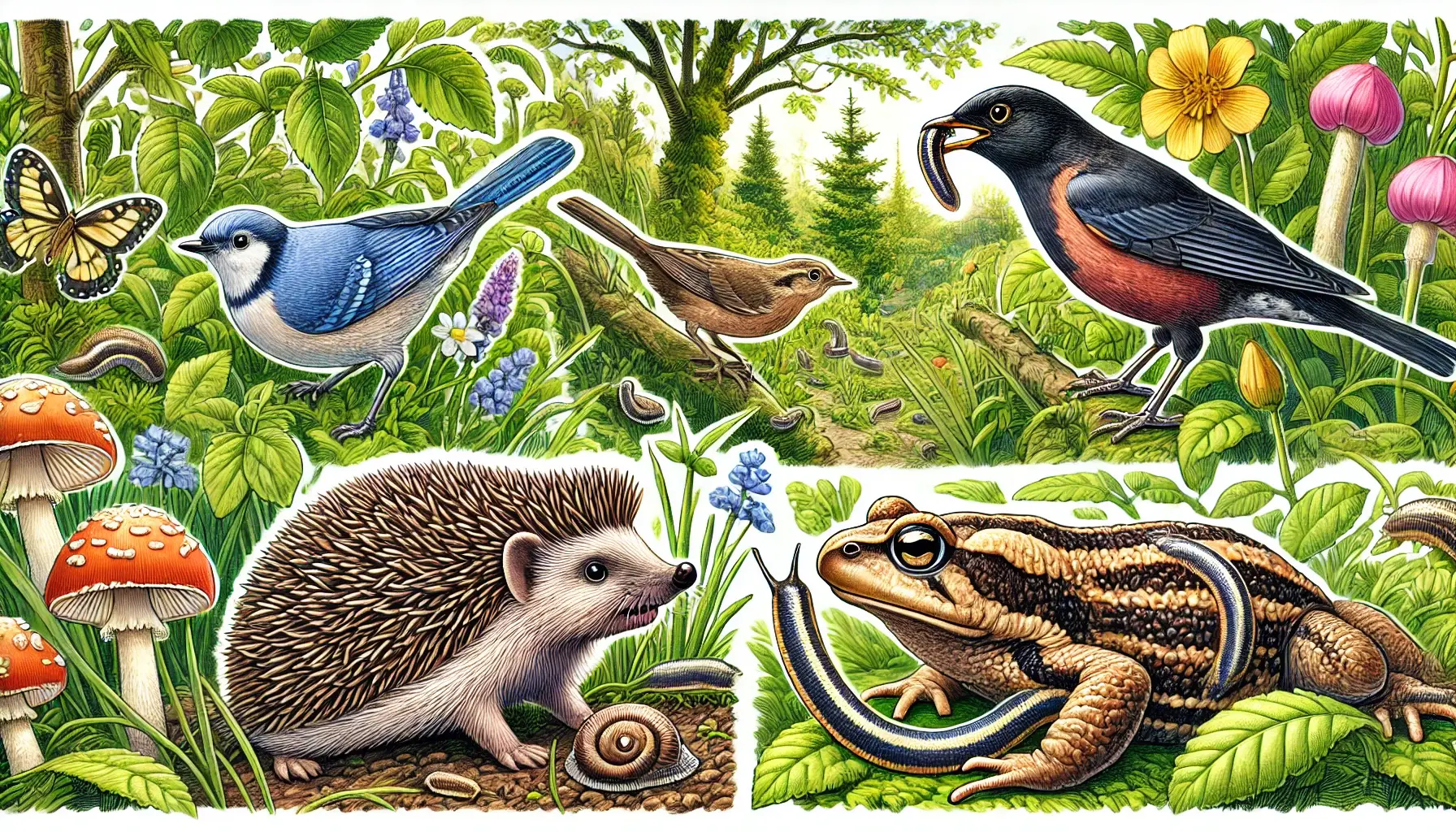
For other wild animals, such as hedgehogs, frogs and certain bird species, the orange slug is a source of food.
However, as with hens and dogs, the main danger lies not in any direct toxicity of the slug, but rather in the risk of transmitting parasites.
Furthermore, some animals instinctively avoid eating slugs, mainly because of their unappetising mucus.
You should therefore keep an eye on interactions between the orange slug and domestic or wild animals in order to prevent any health risk.
Potential toxicity of the orange slug: conclusion
In summary, the orange slug is not considered poisonous to most animals, but it can present indirect dangers, mainly through the transmission of parasites such as lungworm in dogs.
Although it is theoretically edible, it is best to minimise the risks by preventing animals from eating it.
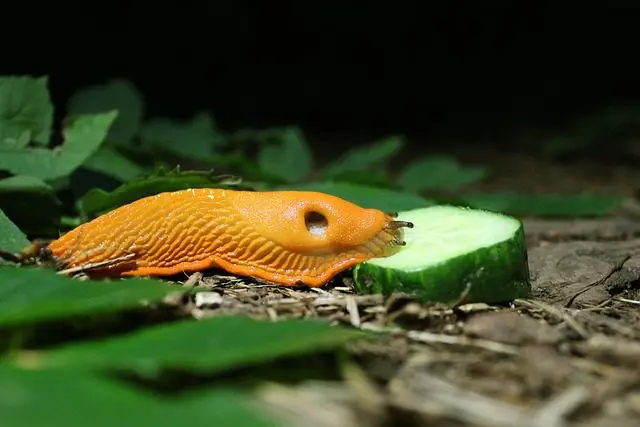
Reproduction of the big orange slug
The reproduction of the orange slug is a hugely interesting process, and an important one for understanding the rapid proliferation of this species.
The orange slug is hermaphroditic, which means it has both male and female reproductive organs.
This particular trait allows it to maximise its chances of reproduction, thereby contributing to its status as an invasive species in many regions of the world.
The reproduction process
Hermaphroditism and cross-fertilisation
Although the orange slug is hermaphroditic, reproduction generally involves two individuals. When they are ready to reproduce, the slugs meet and begin a courtship ritual that can last several hours.
During this ritual, they exchange sperm, a process known as cross-fertilisation, which allows each slug to fertilise its own eggs.
This exchange of genetic material promotes genetic diversity in the offspring, thereby increasing the species’ chances of survival in different environments.
Laying the eggs
After fertilisation, each slug will lay between 200 and 500 eggs in a single season, often in several batches. The eggs are deposited in clusters in damp, sheltered spots such as under stones, in loose soil or tucked away beneath plant debris.
Orange slug eggs are relatively small, measuring around 3 millimetres in diameter, and are translucent to whitish in colour.
The laying period generally runs from summer into autumn, depending on the climatic conditions.
The eggs incubate for 2 to 4 weeks, after which the young slugs hatch. Humidity and temperature conditions play a crucial role in the success of the incubation.
Development and maturation
The young slugs, once hatched, measure barely a few millimetres long and are immediately able to feed on decomposing organic matter.
They grow quickly, reaching sexual maturity in 3 to 6 months, depending on the environmental conditions.
Once mature, these young slugs can themselves reproduce, thereby completing a life cycle that can repeat several times over the course of a year.
This ability to reproduce quickly and in large numbers is one of the reasons why the orange slug is so prolific and difficult to control.
Impact of reproduction on the spread of the species
The rapid and efficient reproduction of the orange slug contributes directly to its swift spread into new geographical areas.
Its ability to lay hundreds of eggs in a single season, combined with its hermaphroditism, allows it to colonise new territories rapidly.
Orange slugs can also be transported unintentionally through human activity, such as the plant trade. This makes their dispersal even easier.
To sum up this point, the reproduction of the orange slug is an extremely efficient process that allows it to multiply quickly and spread to new regions.
Its ability to adapt to a variety of environmental conditions, combined with its high reproduction rate, makes it a particularly invasive and problematic species in many agricultural and natural environments.
Ecological and economic impact
Role in the ecosystem
Positive contribution
The orange slug, although it is often seen as a nuisance, also plays an important ecological role.
As a decomposer, it contributes to the breakdown of organic matter, such as dead leaves, plant debris and other decomposing organic material.
This process is crucial for recycling nutrients in the soil, thereby enriching the earth and encouraging plant growth.
In addition, the orange slug is part of the food chain and serves as food for various predators, such as hedgehogs, certain birds and other small animals.
Negative consequences
However, the negative impacts of the orange slug on human cultivated areas are considerable.
Because of its ability to reproduce quickly and its voracious diet, it can cause very rapid and significant damage to agricultural crops and gardens.
Agricultural problems
Damage caused to crops
The orange slug is especially dreaded in agricultural areas because of the damage it inflicts on crops.
It is omnivorous, but feeds preferentially on young shoots, leafy vegetables, strawberries and even tubers such as potatoes and carrots.
The attacks are often seasonal, intensifying in spring and autumn, periods during which humidity and temperature favour the slug’s activity.
The damage caused by the orange slug translates into significant yield losses for farmers.
Young plants are particularly vulnerable, as a single slug can quickly devour a large part of the shoots, thereby jeopardising the entire harvest.
Control measures
To combat the ravages of the orange slug, various control methods are used. We will set out the method recommended for gardens in the next section.
On the chemical side, anti-slug pellets containing substances such as iron phosphate are frequently used in agriculture.
These pellets are effective at reducing the slug population, but their use must be controlled to avoid any negative impact on the environment, notably on non-target species and the contamination of soils.
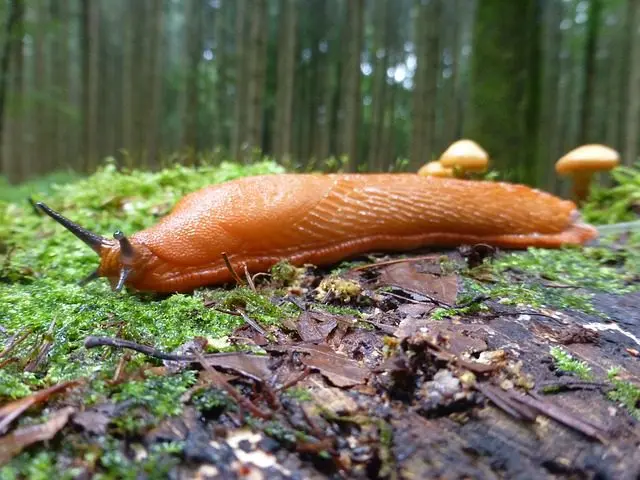
How to manage orange slugs in the garden?
To put an end to these slugs in the garden for good, you will need to let them swarm there, at first.
I know it sounds strange, but it is the only way to genuinely attract their predator, so that it settles down close to you: its food must be present there.
In parallel, you will need to set up the garden so that you can welcome these predators into it.
You can see how to do this in my article on the predators of slugs.
The trouble is that attracting slug predators takes time.
So, while you wait for them, protect your plants from slugs without killing the slugs themselves.
To do this, you will need to use effective slug barriers. And forget straight away about eggshells, ash and other grandmother’s remedies of that kind: they do not work, at least not in a lasting way, I have tested them all on video with real slugs (here are my video tests)
The only truly effective slug barriers? Water, used in the form of a moat (partially bury guttering around the areas to be protected), and copper, as a vertical barrier more than 7 cm high.
I designed a barrier based on this second point. And it proved so effective at my place that I now sell it. It is the copper mesh for slugs, if you would like to discover it.
Conclusion
The orange slug, Arion rufus, although it plays an ecological role as a decomposer, represents a major challenge for gardeners and farmers because of its destructive impact on crops.
Attracting slug predators, which are used to this prey in Europe, is the best way to keep this little animal in check over the long term.
Also, it has no proven toxicity, but watch out for your dog, which could catch a parasite by eating this slug.
I hope you have enjoyed this article, and that it has given you new tools for gardening with freedom and self-sufficiency, while understanding what you are doing and why you are doing it.
See you soon,
Robin.
The information in this article has been selected and verified according to the criteria defined in our editorial charter.
Done with slugs. For good. Starting this season.
Scientific references
- The influence of slug (Arion rufus) mucus and cast material addition on microbial biomass, respiration, and nutrient cycling in beech leaf litter
- Distribution and Genetic Diversity of the Terrestrial Slugs Arion lusitanicus Mabille, 1868 and Arion rufus (Linnaeus, 1758) in Poland Based on Mitochondrial DNA
- Food preferences of Deroceras reticulatum, Arion lusitanicus and Arion rufus for variousmedicinal herbs and oilseed rape
Related articles
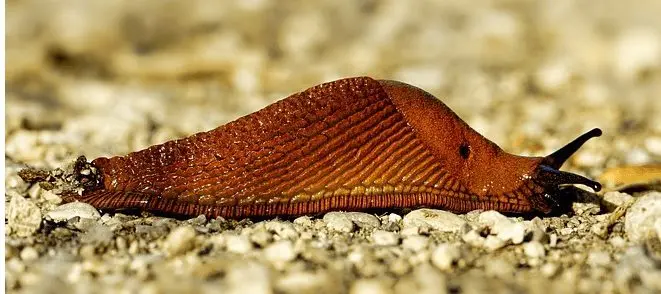
Testing and review of 30 natural slug deterrents (do they work?)
Read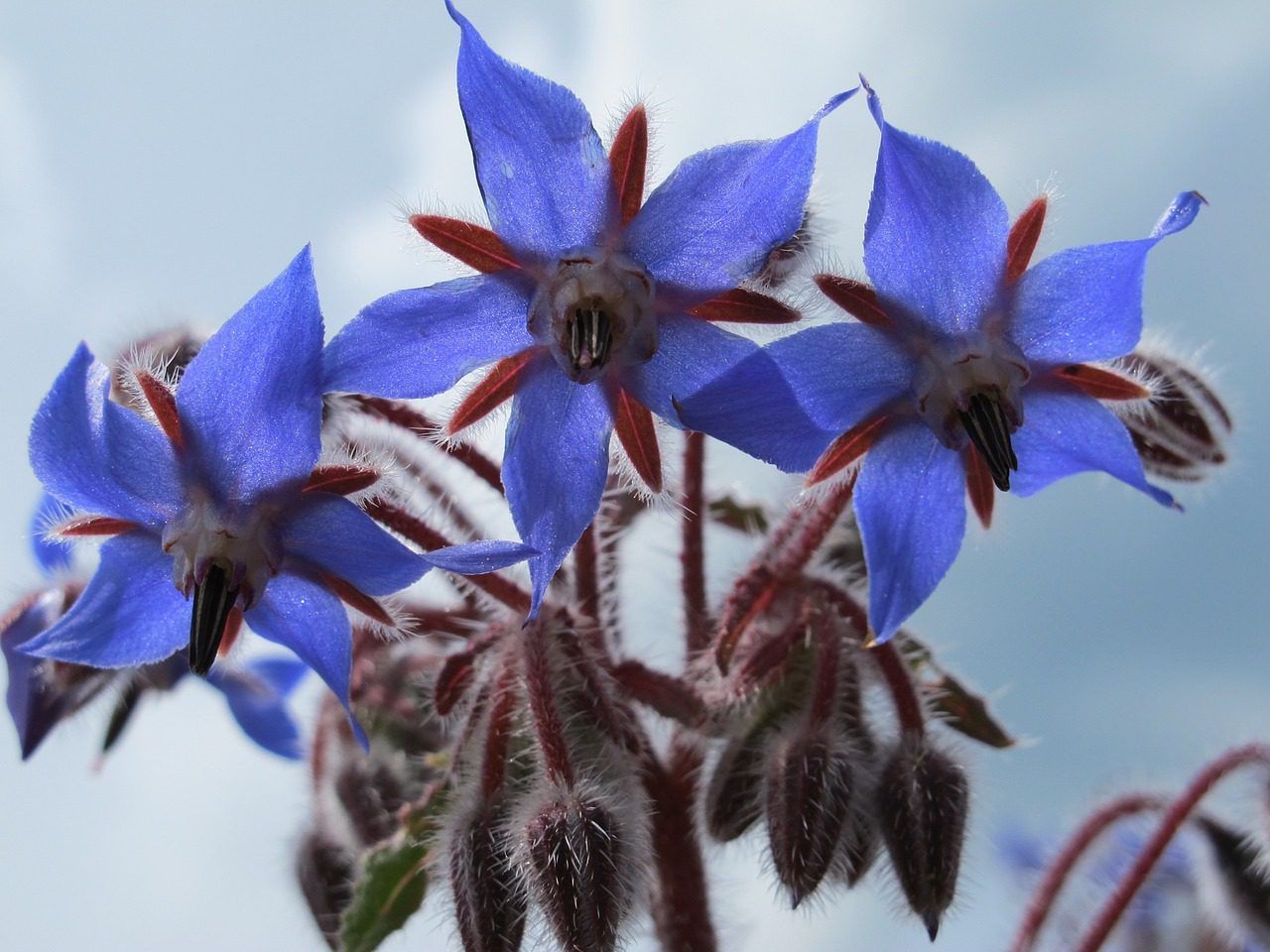
Slug-repellent plants, or prevention through planting
Read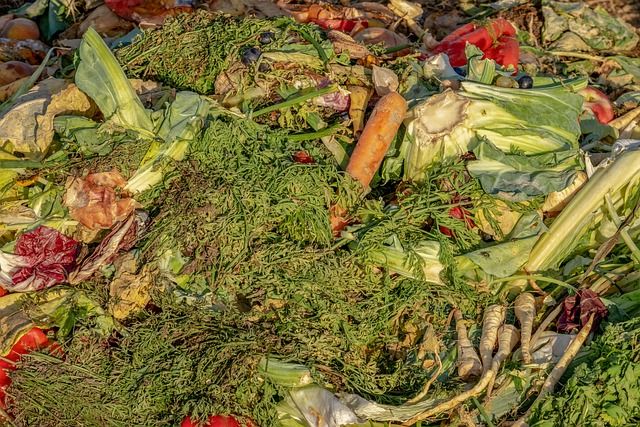
Surface composting: protect your vegetable patch from slugs, with love
Read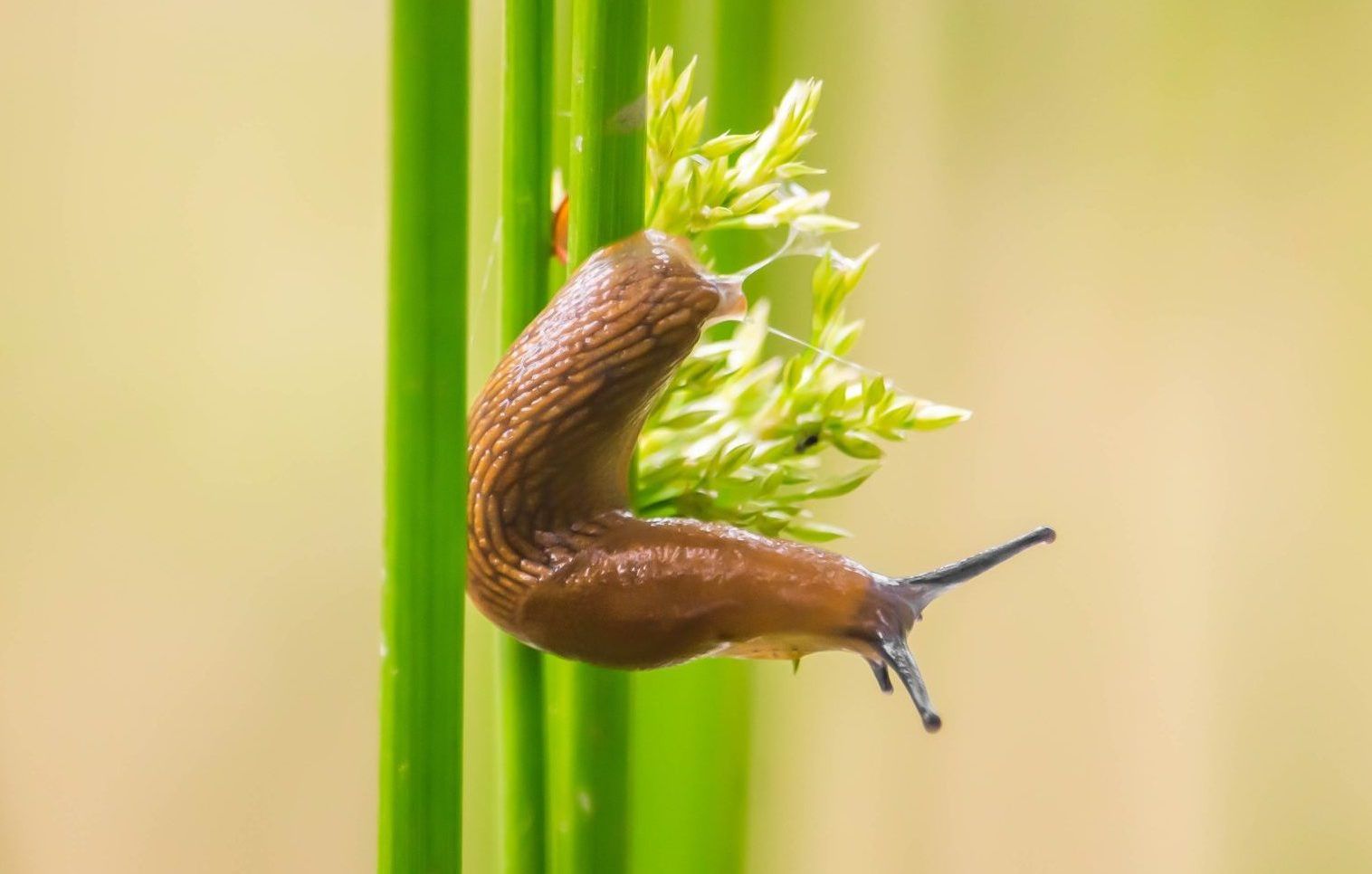
Slugs: their usefulness in the garden, what they indicate, and holistic management through reshaping the habitat
Read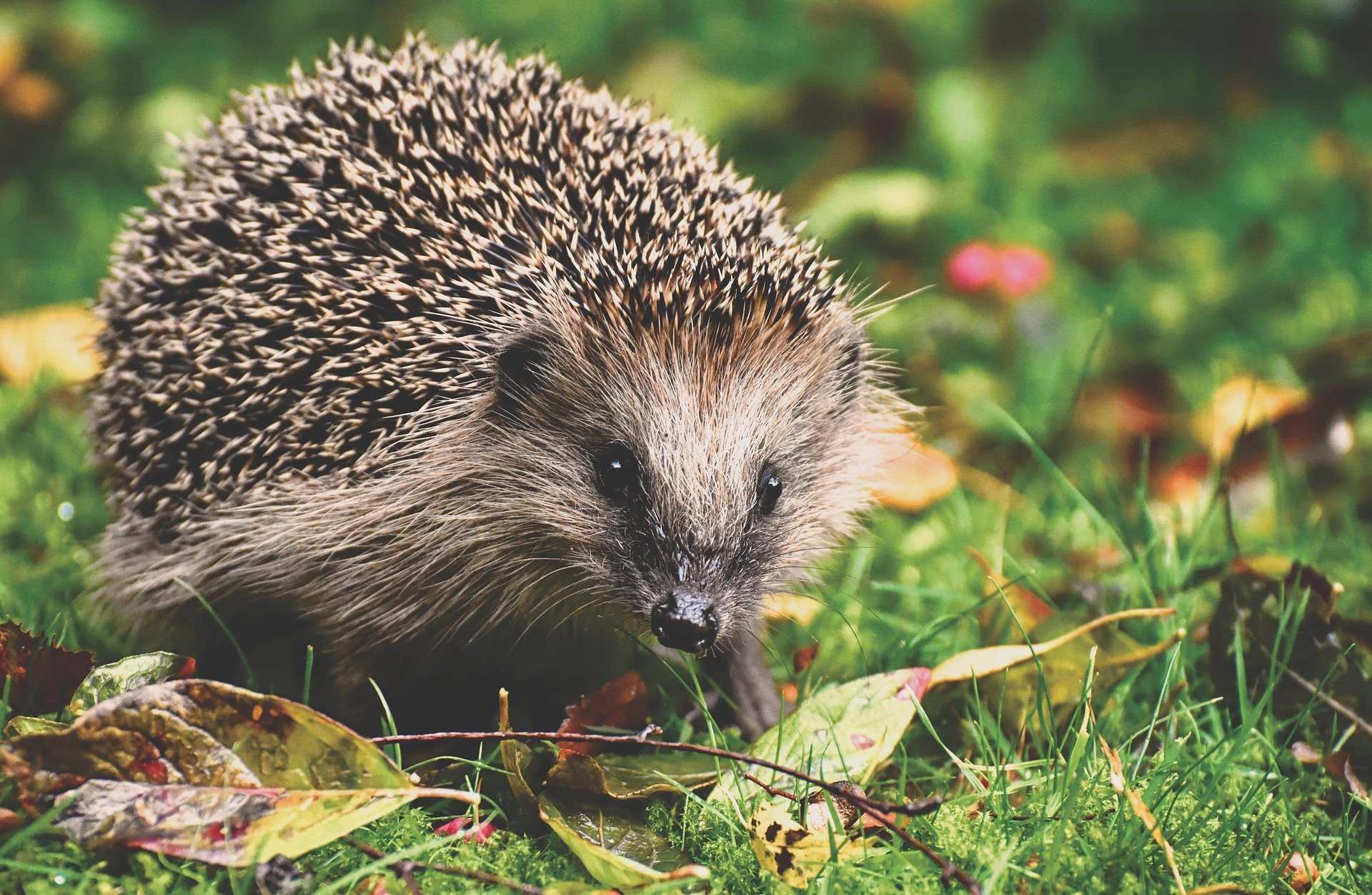
Slug predators: which are they? How to attract them to the garden?
Read
Slug control: the (harmful) methods to avoid – why and how?
Read