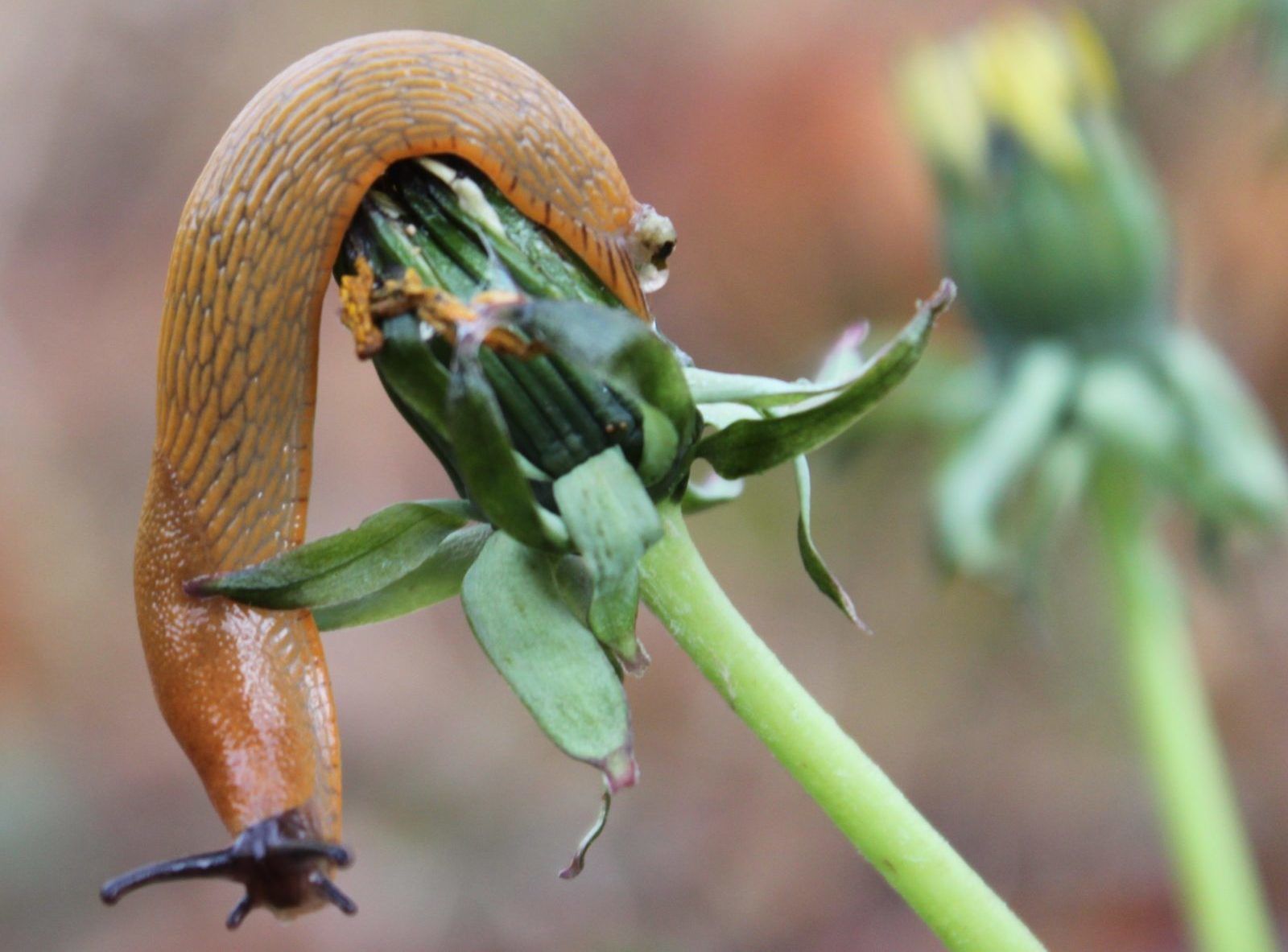
The flowers that slugs and snails don’t eat (or rarely)
If your garden is regularly overrun with slugs in spring, then for a vegetable plot it’s important to know which vegetable plants are least vulnerable to their attacks.
But a garden often also means the desire for flower beds: for colour, fragrance, pollinators…
Here I present a list of 179 ornamental “anti”-slug flowers.
But, before going any further, I’d advise you to read the article shown in the thumbnail below. Then come back to this one.
Related articles
If you're discovering my blog, chances are slugs and snails are giving you grief.
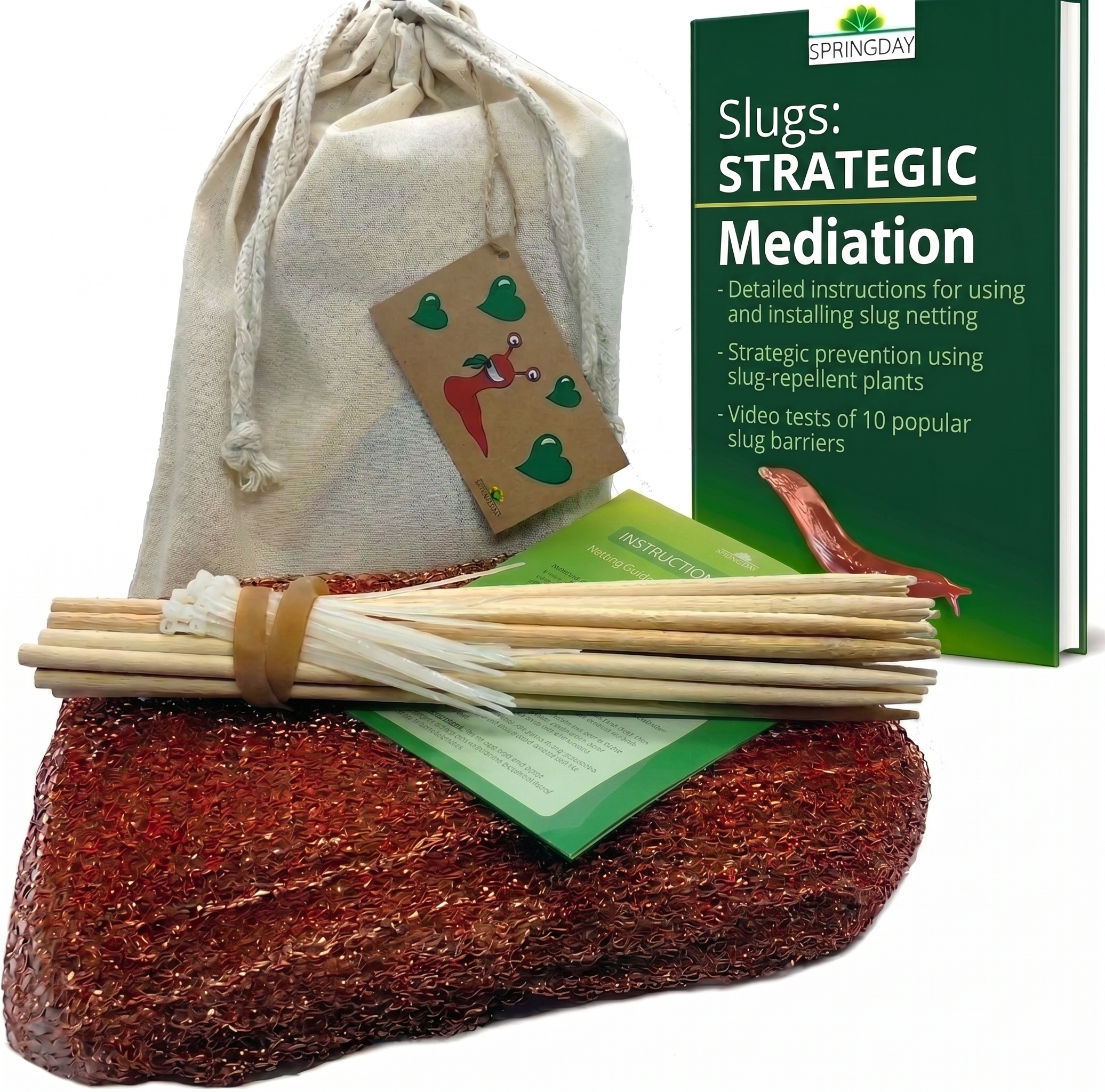
You'd probably be very interested in the copper slug barrier I designed .
It changed everything for me. I can finally grow lettuce, cabbages, strawberries and squashes without tearing my hair out.
Don't hesitate — it's an investment (copper is expensive), but you'll likely save yourself a huge amount of time!
I. Choosing “anti”-slug flowers: prevention rather than cure

Knowing the habits and feeding preferences of slugs and snails is, I believe, essential for managing them well within the garden.
Some flowers and ornamental plants are very vulnerable to slugs (because they like to eat them), and you’ll then probably need to avoid planting them, or else use them as a sacrificial bed to lure the slugs away from other plants. This applies above all to Sunflowers, Dahlias, Zinnias, Hostas…
But other flowers have characteristics that make them naturally resistant to slugs. In particular:
-toxic flowers or leaves
-bitter flowers or leaves
-an unpleasant or disorienting scent
-flowers or leaves containing substances that are hard to digest
-tough or hairy leaves
-thorns or stinging hairs on stems and leaves
These characteristics are often the result of an evolutionary adaptation of these flowering plants to “predators” such as gastropods.
Most vegetable plants currently available come from an unnatural selection process aimed at productivity rather than resistance to small “pests”, which makes them fairly vulnerable. But the same isn’t true of ornamental plants, because the characteristics that give them natural resistance to “pests” don’t necessarily undermine their ornamental assets.
So, in the next section, here is a fairly comprehensive list of flowers whose properties mean that slugs don’t eat them, as a rule:
II. List of flowers that slugs and snails don’t eat (or rarely):
Before starting the list of these slug-resistant flowers, don’t be surprised if you notice that you’ve had slug attacks on some of these plants. Indeed, these aren’t flowers that will never -and under any conditions- be eaten, but rather flowers that, on average, will be far less appreciated by gastropods (and so often less eaten) than the others. The science of living things isn’t an exact science!
Note that these flowers don’t repel slugs either, they have no repellent effect, but are simply resistant to gastropods, because the latter don’t like them.
To find a flower easily: press the Ctrl + F keys on your keyboard, then, in the small search bar that appears, type the name of the plant (if you can’t find it, try the Latin name, or the genus).
A ”+” means that the plant in question is particularly resistant.
Flowers that slugs don’t eat (A to B):
1. Wormwood (Artemisia absinthium)
2. Yarrow (Achillea millefolium)
3. Aconite ++ (Aconitum)
4. Bugbane (genus Cimicifuga)
5. Common lady’s mantle (genus Alchemilla)
6. Sweet alyssum (Lobularia maritima) ++
7. Alyssum ++ (genus)
8. Amaranths
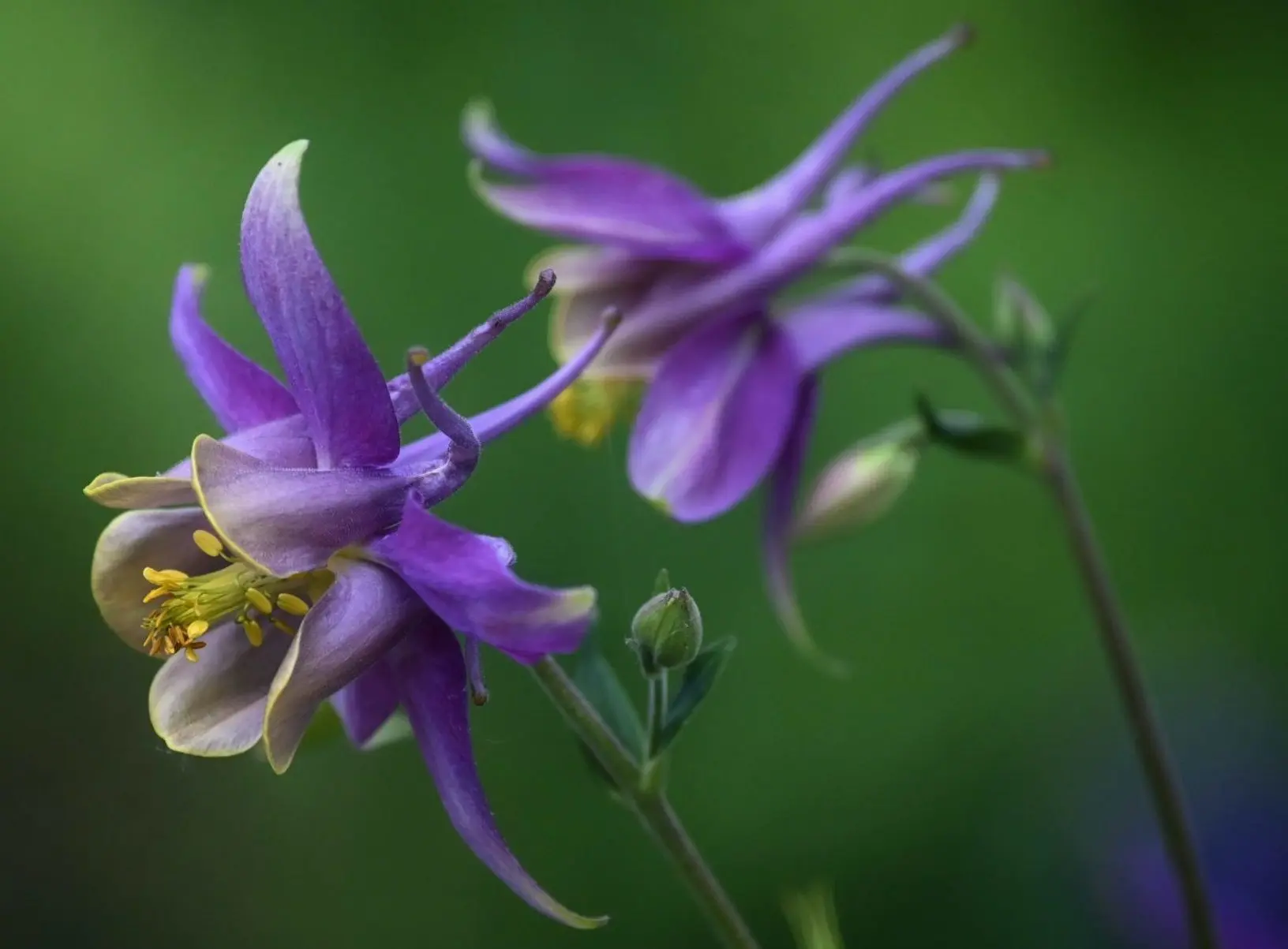
9. Columbine ++ (Aquilegia)
10. Alpine pasqueflower (Pulsatilla Alpina)
11. Wood anemone +
12. Liverleaf (Hepatica nobilis)
13. Common pasqueflower (Pulsatilla vulgaris)
14. Antennaria
15. Apache beggarticks
16. Mugworts (genus)
17. Sweet woodruff (Galium odoratum)
18. Alpine aster (Aster alpinus)
19. China aster (genus Callistephus) +
20. Rice button aster (Symphyotrichum dumosum)
21. Masterworts ++ (genus)
22. Southernwood + (Artemisia abrotanum)
23. Balsams +
24. Goat’s beard ++ (genus Aruncus)
25. Begonia + (genus)
26. Avens + (Geum)
27. Bee balm ++
28. Bergenia ++
29. Bidens
30. Plume poppy ++ (Macleaya cordata)
- Common mullein (Verbascum thapsus)
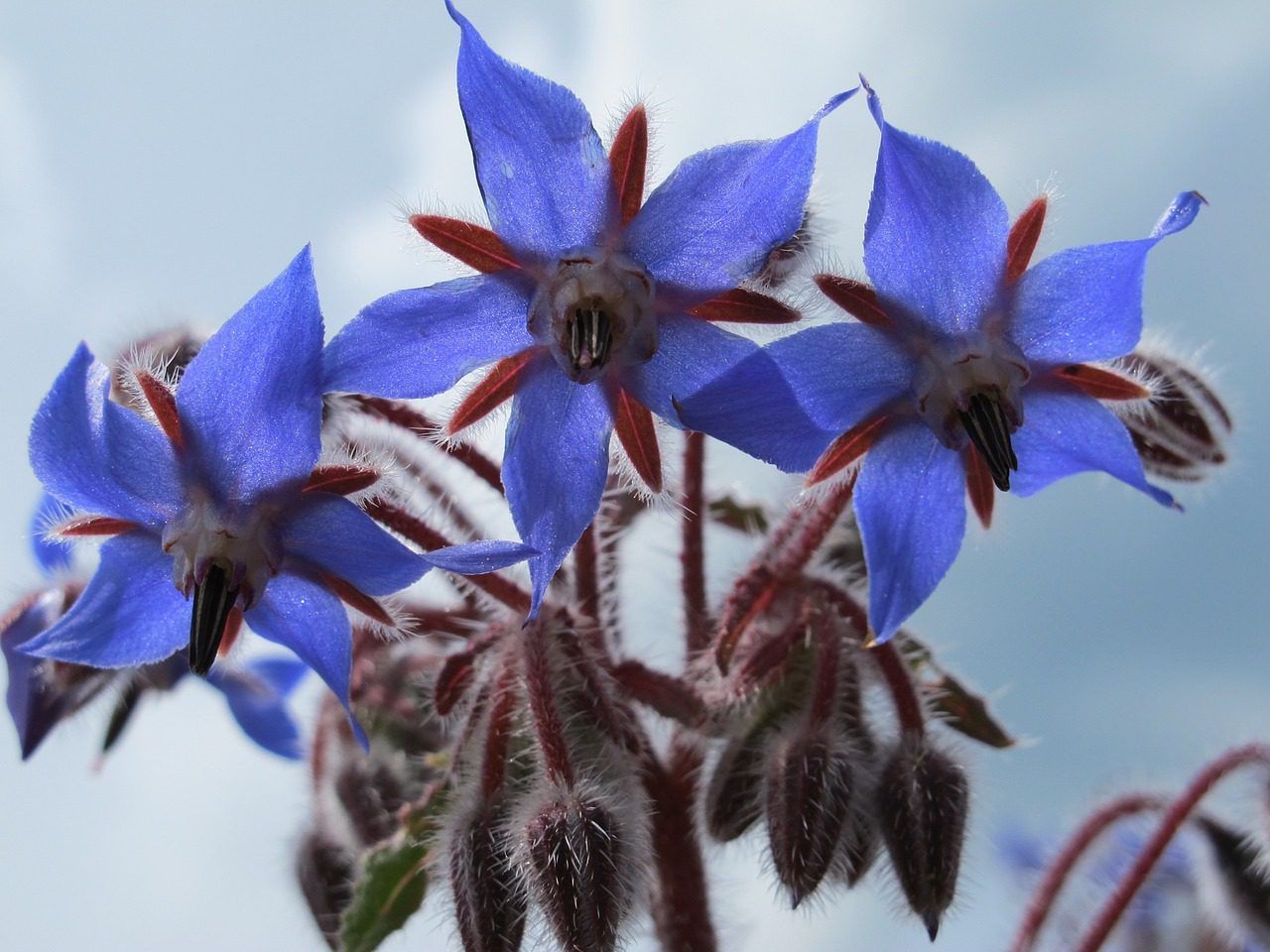
32. Common borage ++
33. Large-leaved brunnera ++ (Brunnera macrophylla)
34. Bugles (Ajuga)
35. Common bugloss (anchusa officialis)
Flowers that slugs don’t eat (C to D):
36. Great bellflower ++
37. Wall bellflower (Campanula portenschlagiana)
38. Nasturtium + (Tropaeolum)
39. Teasel (genus Dipsacus)
40. Sedge (Carex) +
41. Catnip (Nepeta cataria) +
42. Cornflower ++
43. Valerian (or red valerian) +++ (genus)
44. Cotton thistle (Onopordum acanthium)
45. Globe thistle ++ (genus Echinops)
46. Thistles (Cynareae)
47. Honeysuckle (Lonicera caprifolium)
- Corn marigold (Glebionis segetum)
49. Bleeding heart
50. Comfrey (Symphytum)
51. Rose campion (Silene coronaria)
52. Whorled tickseed (Coreopsis verticillata)
53. Cosmos +
54. Cyclamen + (genus)
55. Ivy-leaved toadflax (Cymbalaria muralis)
56. Dianthus plumarius +
57. Foxglove (Digitalis purpurea)
58. Mountain avens (Dryas octopetala)
Flowers that slugs don’t eat (E to H):
59. Echinacea (sometimes attacked nonetheless)
60. Lamb’s ears ++ (Stachys byzantina)
61. Fleabane (genus)
62. Immortelle + (Xeranthemum annuum)
63. Spurge + (genus Euphorbia)
64. False goat’s beard ++ (genus Astilbe)
65. Fescue (Festuca)
66. Lesser celandine (Ficaria verna)
- Barrenwort (Epimedium)
68. Snake’s head fritillary (Fritillaria meleagris)
- Fuchsia (genus)
70. Fumitory (Fumaria)
71. Gaillardia ++
72. Gazania ++
73. Geraniums
74. Germander (Teucrium)
75. Wallflower + (Erysimum cheiri)
76. Gladiolus (genus)
77. Feverfew (Tanacetum parthenium)
78. Vetchlings (Lathyrus)
79. Baby’s breath ++ (Gypsophila paniculata)
80. Sneezeweed (genus Helenium)
81. Common rock rose + (Helianthemum nummularium)
82. Helipterum +
83. Black hellebore ++ (Helleborus niger)
84. Daylily (Hemerocallis): depends greatly on the variety and the position
85. Fountain grass (Pennisetum alopecuroides)
86. Heucheras ++ (Heuchera genus)
87. Hydrangea + (Hortensia)
88. Hymenostemma
Flowers that slugs don’t eat (I to M):
89. Italian everlasting + (Helichrysum italicum)
90. Himalayan everlasting (Anaphalis triplinervis)
91. Impatiens walleriana +
92. Impatiens (Impatiens)
- Inulas (Inula)
94. Siberian iris (Iris sibirica)
- Japanese iris (Iris ensata)
96. Bluebells (genus Hyacinthoides)
97. Winter jasmine (Jasminum nudiflorum)
- Houseleeks +
99. Dame’s rocket (Hesperis matronalis)
100. Kochia (Bassia scoparia)
101. Lavender (lavandula)
102. Toadflaxes (Linaria)
103. Lobelias ++
104. Lychnis
105. Creeping jenny + (Lysimachia nummularia)
106. Daisies (Leucanthemum)
107. Mallows (genus Malva) but depends on the species and the location
108. Meconopsis
109. St John’s wort (genus Hypericum)
110. Purple mullein (Verbascum phoeniceum)
111. Black mullein
112. Bee balm
113. Montbretia
114. Snapdragons + (genus Antirrhinum)
115. Lily of the valley ++
116. Grape hyacinth (Muscari)
117. Forget-me-not + (Myosotis)
Flowers that slugs don’t eat (N to R):
118. Daffodil (genus)
119. Nemesia ++ (genus)
120. Nicotiana
121. Love-in-a-mist (Nigella damascena)
122. Maiden pink + (Dianthus deltoides)
123. Carnation (Dianthus caryophyllus)
124. Sweet William (Sweet William)
125. Evening primrose (genus Oenothera)
126. Giant onion
127. Daisies (Bellis perennis)
128. California poppy (Eschscholzia californica)
129. Oriental poppy + (Papaver orientale)
130. Pelargonium (genus)
131. Horned pansy (Viola cornuta)
132. Penstemon
133. Saxifrage (Saxifraga) ++
134. Perovskia (genus)
135. Periwinkle + (genus Vinca)
136. Lesser borage +
137. Phlox ++ (genus)
138. Virginia obedient plant ++ (Physostegia virginiana)
139. Peony ++ (genus Peonia)
140. Succulent plants (almost all species of succulent plants)
141. Plectranthus (genus Plectranthus)
142. Kansas gayfeather (Liatris spicata): depends quite a lot on the species
143. Cinquefoils + (genus Potentilla)
144. Large-flowered purslane (Portulaca grandiflora) ++
145. Himalayan meadow primrose ++ (Primula rosea)
146. Primula vialii (species)
147. Pasqueflowers + (Pulsatilla)
148. Meadowsweet + (genus Filipendula)
- Knotweeds + (genus Persicaria)
150. Rhododendrons (genus)
151. Roses
152. Rubiaceae
Flowers that slugs don’t eat (S to U):
153. London pride (Saxifraga x urbium)
154. Loosestrife + (genus Lysimachia)
155. Cotton lavender ++
156. Solomon’s seal (genus Polygonatum)
157. Sedum ++ (genus)
158. Ragworts ++ (Senecio)
159. Campions (Silene) +
160. Goldenrods +
161. Marigold (Calendula officinalis), but depends on the location
162. Blue spiraea (Caryopteris)
163. Japanese spiraea (Spiraea japonica)
164. Stachys + (genus)
165. Tansy (Tanacetum vulgare)
166. Candytuft ++ (Iberis)
167. Foamflower (Genus)
168. Globeflower (Trollius europaeus)
169. Angel’s trumpet (Brugmansia)
170. Tulips (genus)
Flowers that slugs don’t eat (V to Z):
171. Greek valerian + (genus Polemonium)
172. Canada goldenrod (Solidago canadensis)
173. Annual fleabane (Erigeron annuus)
174. Bitter fleabane
175. Speedwells ++
176. Vervain (Verbena officinalis)
177. Vetches + (genus Vicia) – depends on the position and the varieties
178. Common dog violet (Viola riviniana)
179. Waldsteinia (genus)
III. If you still want to protect flowers that slugs like to eat:
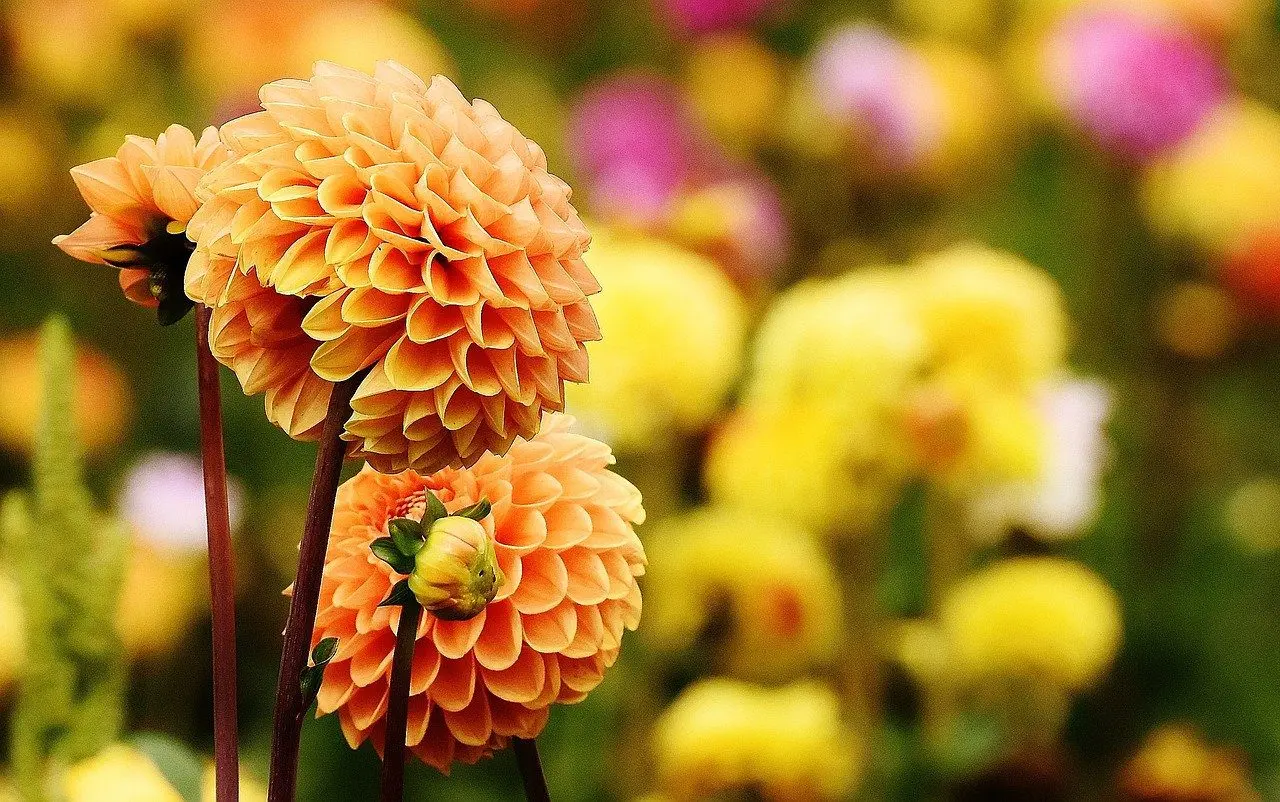
Despite these countless anti-slug and snail flowering plants, what should you do if you’re a dahlia addict?
You’ll need to find a way to stop slugs and snails from getting too close to them.. To do this, you can turn to a selection of other types of plant: for example, the use of decoy plants is a very effective strategy for protecting other plants from slugs.
If your vegetable plot is also struggling to withstand the slugs’ assaults, you should think about choosing resistant and/or repellent vegetable plants.
But there are plenty of other ways to manage slugs intelligently in the garden. You can get an overview of the existing possibilities by browsing through the various articles in the “slug control” section of my site, accessible from the menu.
Done with slugs. For good. Starting this season.
Conclusion
In this article, I present another method for preventing potential slug and snail problems in the garden.
Choosing flowers that slugs don’t like to eat (and which will therefore withstand a potentially large slug population inside your garden) is one of the best solutions. As the saying goes: prevention is better than cure!
Thank you for taking the time to read 😊, I hope this article has interested you and taught you things you find useful. Don’t hesitate to tell me what you think in the comments, I’m listening to everything you have to share with me, as it can only enrich this document. Send me your ideas, I’ll be glad to expand this article so that it’s as comprehensive as possible.
The information in this article has been selected and verified according to the criteria defined in our editorial charter.
Bibliography:
- To add nuance to this article: Reed, J. M., Paine, M. E., & Million, J. N. (2008). Slugs as Generalist Herbivores: Tests of Three Hypotheses on Plant Choices. Ecology, 89(11), 3138-3148.
Related articles