Slug-repellent and/or slug-resistant plants

To create a vegetable garden that stays resilient and stands up to the seasonal onslaught of slugs, it is essential to turn to crops that hold little appeal for these molluscs.
Which ones are they? And what about aromatic herbs — do they act as repellent plants? What role can they play? And how can you still protect plants that are vulnerable to slugs?
In this article I try to answer these questions, beginning with a list of 17 vegetable plants that are resistant to slugs, followed by a list of 13 culinary herbs that slugs also tend to dislike, some of which even have a repellent effect.
If you're discovering my blog, chances are slugs and snails are giving you grief.
You'd probably be very interested in the copper slug barrier I designed .
It changed everything for me. I can finally grow lettuce, cabbages, strawberries and squashes without tearing my hair out.
Don't hesitate — it's an investment (copper is expensive), but you'll likely save yourself a huge amount of time!
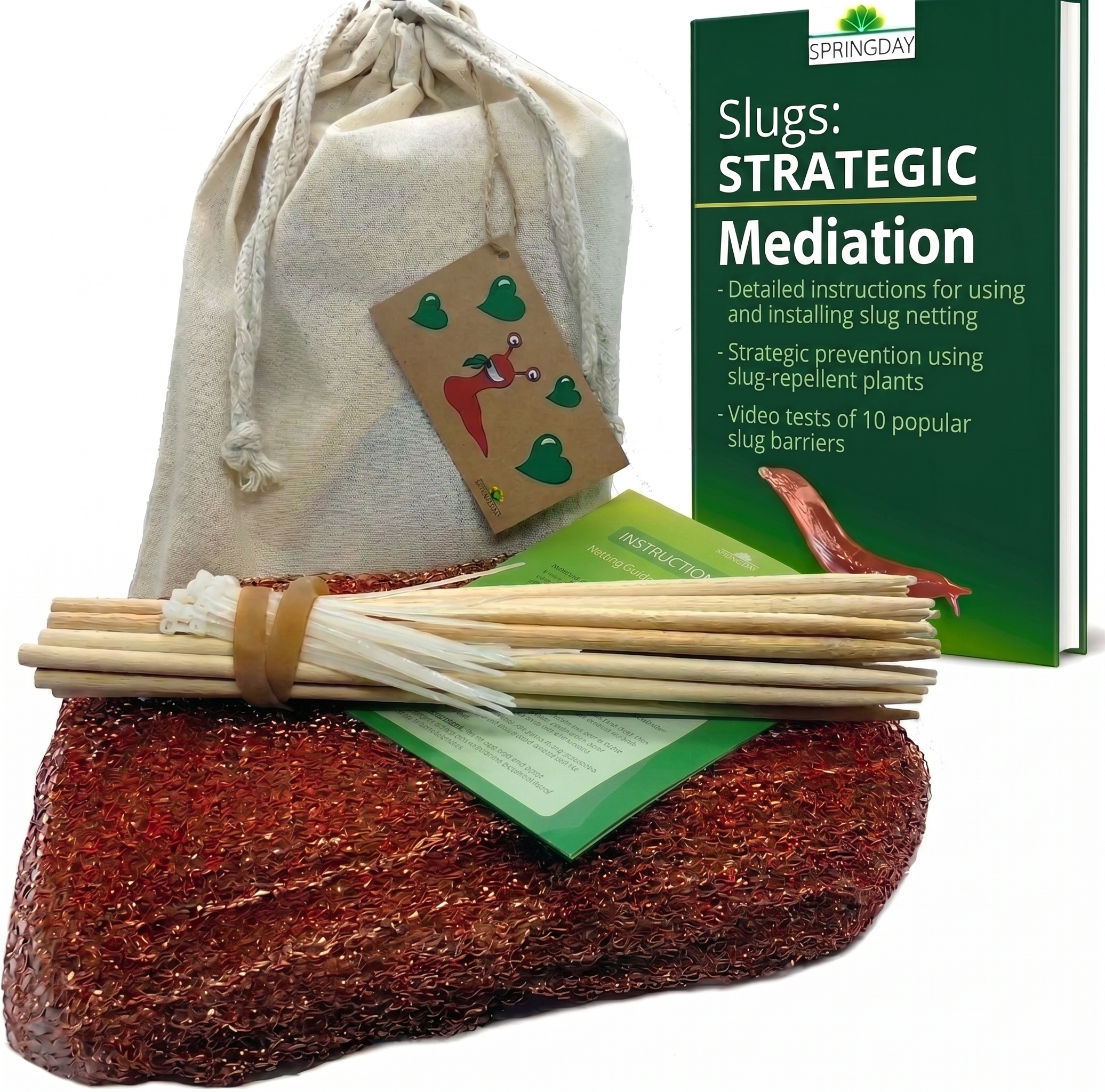
But before we go any further, I’d advise you to read the article in the thumbnail below. Then come back to this one.
Related articles
I. As a preventive measure, create a vegetable garden that resists slugs and snails.
I’ve now devoted a fair few articles to preventive methods for managing slugs in the garden.
I genuinely believe that, in any undertaking and any project, assessing and preventing potential risks must take priority over any other progress. This is true when setting up the vegetable garden of our dreams, but it’s also true across every sphere of our society today — a society that, I think, is all too often pushed towards strong, unconsidered innovation. Whether it’s the massive use of fossil fuels since the industrial revolution, or the intensive cultivation of green lettuces on bare soil, a lack of risk prevention can bring about the downfall of any project.
To prevent is to arrange, to prepare, to design while taking on board all the less desirable aspects of the environment. Prevention is also a way of avoiding the stress, or even the despondency, that comes when faced with what we refused to take into account. To prevent is a means of being ready, and of bouncing back more easily.
All this may seem a little silly — after all, we’re only talking about a garden here… But for many people that garden also represents countless, uncounted hours spent mulching, sowing, watering, transplanting, watering again… So when everything is razed to the ground in two days by slugs following a thunderstorm, the despair that can take hold of some gardeners is entirely understandable.

This prevention may involve setting up surface composting, or the creation of a sacrificial bed, but it should also, in my view, involve selecting plants that are naturally of little interest to slugs and snails. I discuss the most fragile vegetable plants here. But it’s essential to also get to know the plants that are the most resistant!
That’s what I’m presenting to you in this article, through a review of the vegetables and crops that slugs and snails don’t eat as a priority, including a few repellent plants, and therefore the most resistant ones (where the word “resistance” isn’t to be taken as “the plant surviving despite heavy damage”, but rather as “little damage compared with the other plants in the garden”) in the face of slugs and snails.
First of all, as already mentioned in other articles on the importance of plant selection, you should know that some plants have naturally developed a resistance to slugs that makes them more or less repellent.
Through their bitterness, their hairy or fleshy leaves, the presence of hairs or prickles, or through the scent they give off, these plants are, more often than not, avoided by slugs.
If, despite all this, the slugs turn out to be very numerous, and there’s little food to be found in your garden (hence the importance of keeping what we unfairly call “weeds”, some of which have appetising leaves), then it’s possible that the slugs will fall back on these plants all the same.
But let’s take a look right away at what these resistant plants are:
II. The slug-resistant vegetables and crops (the ones slugs don’t like to eat)
1. Garlic
2. Artichokes (the leaves can be attacked)
3. Beetroot (can sometimes be attacked)
4. Chives
5. Cucumbers (watch out for young plants, which are vulnerable)
6. Endive
7. Fennel
8. Red-leaf lettuce
9. Lamb’s lettuce
10. Melon (watch out for young plants, which are vulnerable!)
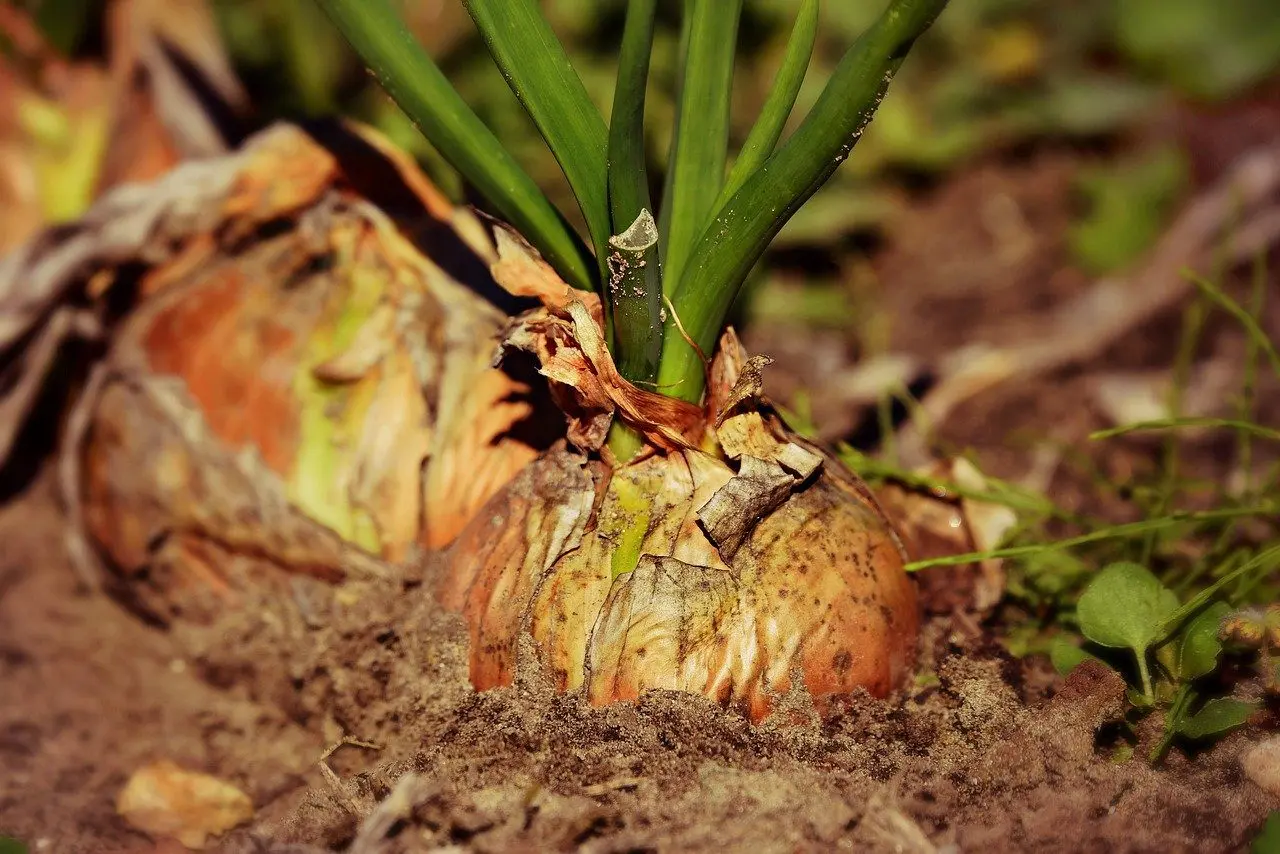
11. Onion
12. Leeks
13. Peas (the young plants are vulnerable)
14. Potato (depending on the variety)
15. Rhubarb
16. Rocket
17. Tomatoes
You’ll notice that some of them are fairly obvious (garlic and onion, for example), but others much less so (lamb’s lettuce and rocket, for instance, whose taste slugs reportedly don’t care for).
As decomposers of organic matter, slugs and snails feed preferentially on young, fragile or diseased plants. The resistance of these plants will therefore also depend a great deal on their stage of development, as well as on where they’re located.
III. The slug-resistant aromatic herbs
Once you’ve chosen something to go with your meals, you’ll of course need some seasoning! The flavours of the south, the taste of the garrigue, the saving grace of your sauce-based dishes… I’m talking about aromatic herbs!
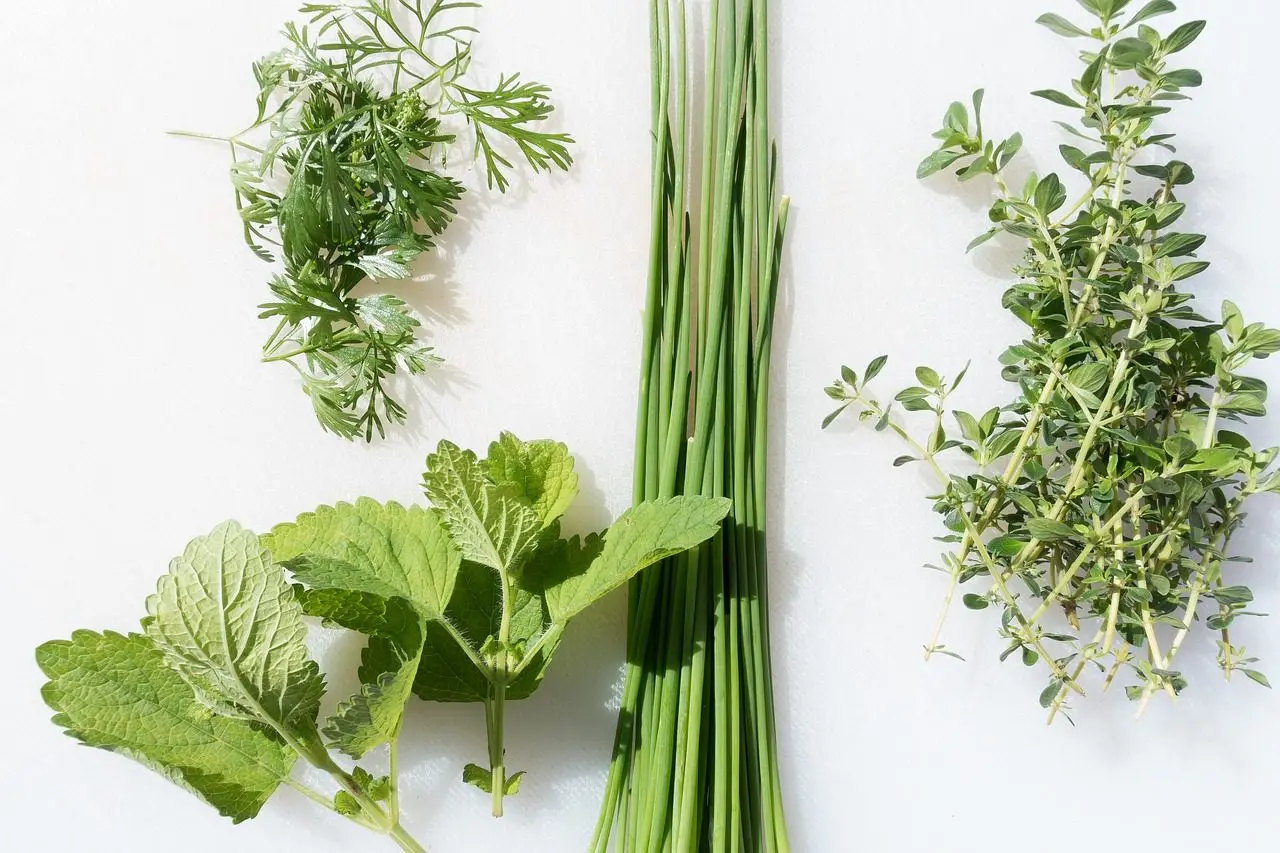
In fact, you should know that most aromatic herbs, because of their scent or their strong flavour, are not eaten by slugs, and their scent can even have a repellent effect… With the exception of basil, which they’re very fond of, along with young parsley, lemon verbena and marjoram, which they tend to nibble on now and then.
So here’s a list of aromatic herbs that will withstand the slugs’ assaults:
1. Wild garlic
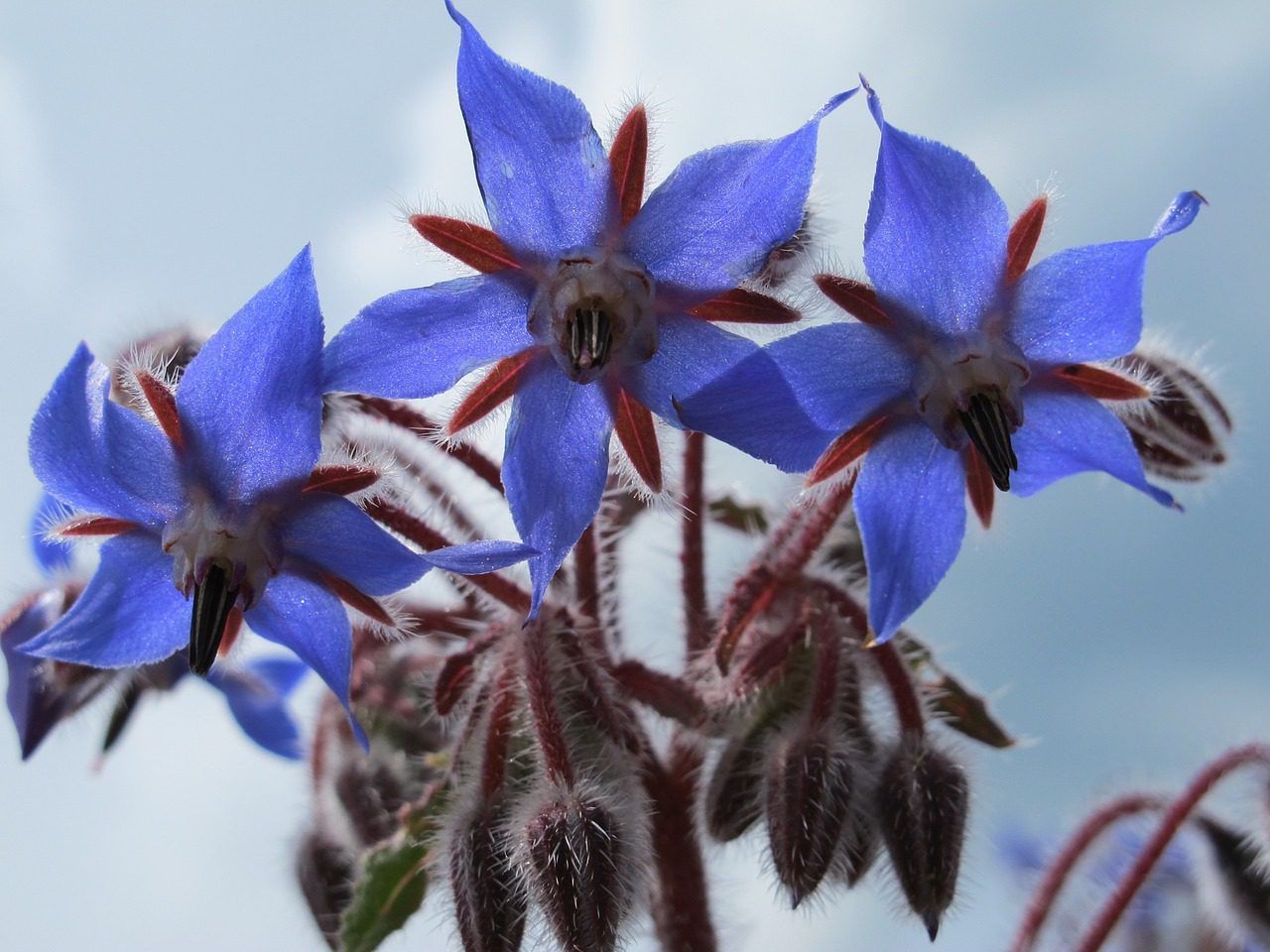
2. Borage
3. Chervil
4. Coriander
5. Tarragon
6. Lemon balm
7. Mint
8. Oregano
9. Rosemary
10. Savory
11. Sage
12. Ragwort
13. Thyme
IV. Repellent plants for slugs?
Among the vegetable plants and aromatic herbs in these two lists, some plants even have a repellent effect on slugs. This may in particular be down to the scent they give off (slugs do, after all, rely heavily on smell to find their way around).
Here are some of these plants recognised as being repellent:
- Garlic
- Wild garlic
- Fennel
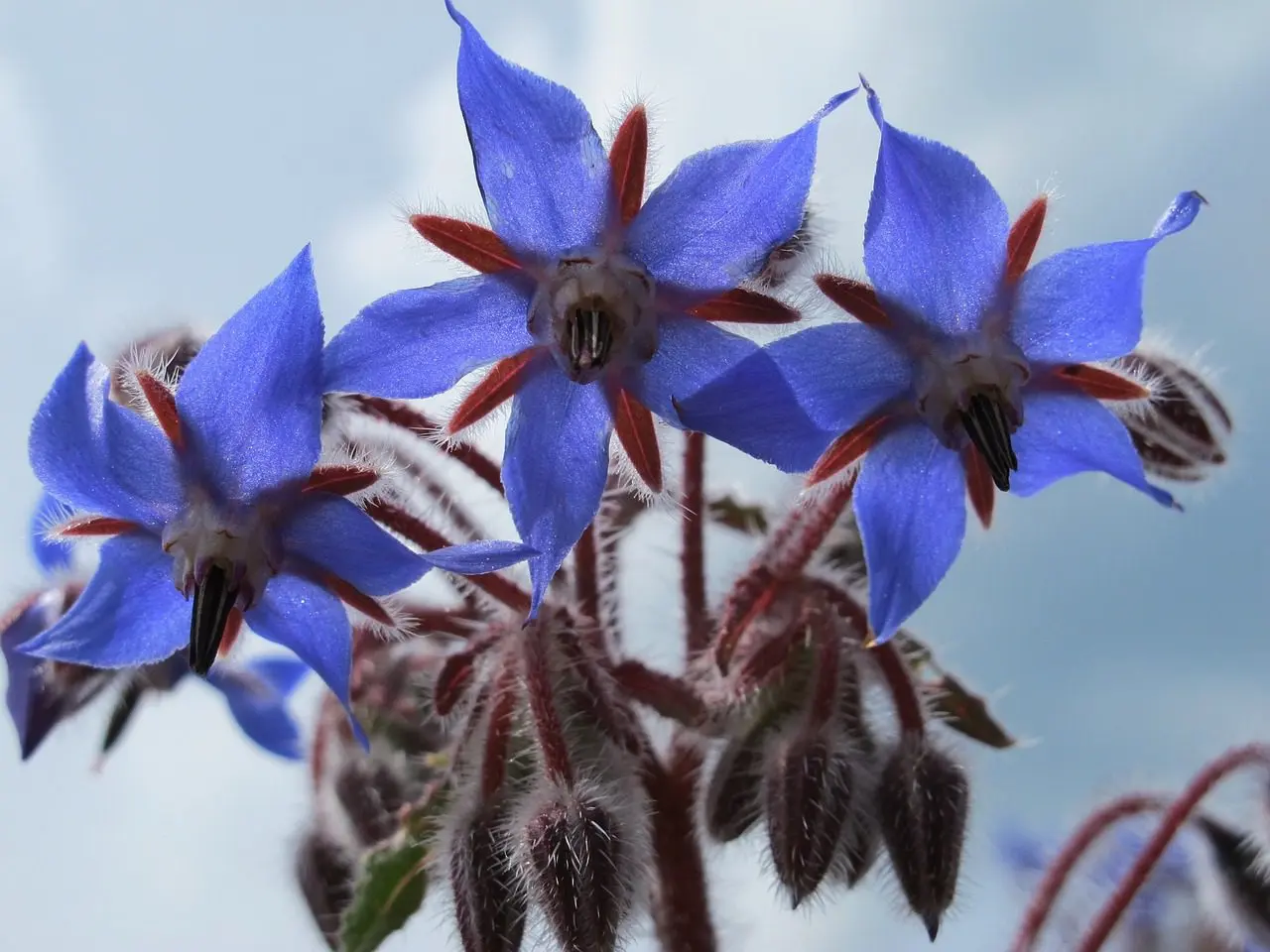
- Borage
- Mint
- Rosemary
- Thyme
- Ginger
- Chives
- Comfrey
- Chervil
- Common mugwort (thanks to Antoine in the comments, who observed what appeared to be a significant repellent effect at his own home)
It’s entirely possible to make use of their repellent effect to protect other, less resistant plants by planting them nearby.
Note: according to a survey carried out in our perma group for managing “pests”, only borage seems to have a genuinely marked repellent effect.
V. How can you protect plants that are vulnerable to slugs?
If you still want to grow plants that are fairly vulnerable to slugs (because you can’t imagine going without green lettuce, for example), there are several things you can put in place to limit the damage to them.
You can choose to grow old varieties, or to select, year after year, the seeds from the most resistant individuals (this is what I go into in detail here on the subject of selected plants that slugs love). For your ornamental plants and flowers, you’ll need to do the same.
You can put several preventive measures in place, such as surface composting, or the creation of a sacrificial bed, as already mentioned.
You can redesign your garden, with the aim of resolving a systemic imbalance of which a slug overpopulation is merely the symptom. Hervé Coves teaches us, for example, how important it is to encourage soil life for effective slug management in a permaculture garden. Whether that’s to favour the presence of the fungi that slugs are so fond of (and which take part in breaking down organic matter), or to help their natural predators establish themselves.
This last point is crucial for a natural regulation of slugs and snails within the garden system. Attracting ground beetles, rove beetles, toads, hedgehogs, slow-worms and birds of all kinds can only help you speed up this long-term regulation. To do so, and as a general rule, you’ll need to encourage unmown grass, hedges, as well as the many hiding places and shelters dotted around the garden (wood piles, stone piles, mounds of branches, flat stones, old stone walls…), but above all, never use any plant-protection products… But that goes without saying in permaculture…
You can also put up protective barriers, or natural slug-repellent mulches, to protect your plants from slugs and snails.

Natural slug barriers, such as ash, eggshells, coffee grounds, animal hair… can, depending on conditions, prove effective… but not always in the way they’re credited with, nor under all environmental conditions.
Done with slugs. For good. Starting this season.
Conclusion:
This article, too, focuses on preventing any damage caused by slugs and snails.
The selection of vegetable plants and aromatic herbs that are naturally resistant to slugs and snails is, I believe, the foundation of preventing this kind of problem.
At the very least during the first years of your vegetable garden’s life, which are often the most difficult ones with our friends the slugs. It gives your garden system the time to absorb the imbalance (to regulate itself).
Aromatic herbs are, as their name suggests, rich in scents. It can be very worthwhile to bring them into your vegetable garden, to help gently keep most of those slug ladies at bay.
Thank you for taking the time to read 😊, I hope this article has interested you and taught you a few things you find useful. Don’t hesitate to tell me what you think in the comments — I’m all ears for anything you’d like to share, as it can only enrich this document. Send me your ideas and I’ll gladly add to this article, so that it’s as complete as possible.
The information in this article has been selected and verified according to the criteria defined in our editorial charter.
Bibliography:
- As a complement, here are other slug-resistant plants, according to the excellent media outlet Hortus Focus: 8 plants that don’t interest slugs and snails
- And to add some nuance to our article: Reed, J. M., Paine, M. E., & Million, J. N. (2008). Slugs as Generalist Herbivores: Tests of Three Hypotheses on Plant Choices. Ecology, 89(11), 3138-3148.
Related articles