What do slugs and snails eat, and how can you garden alongside them?
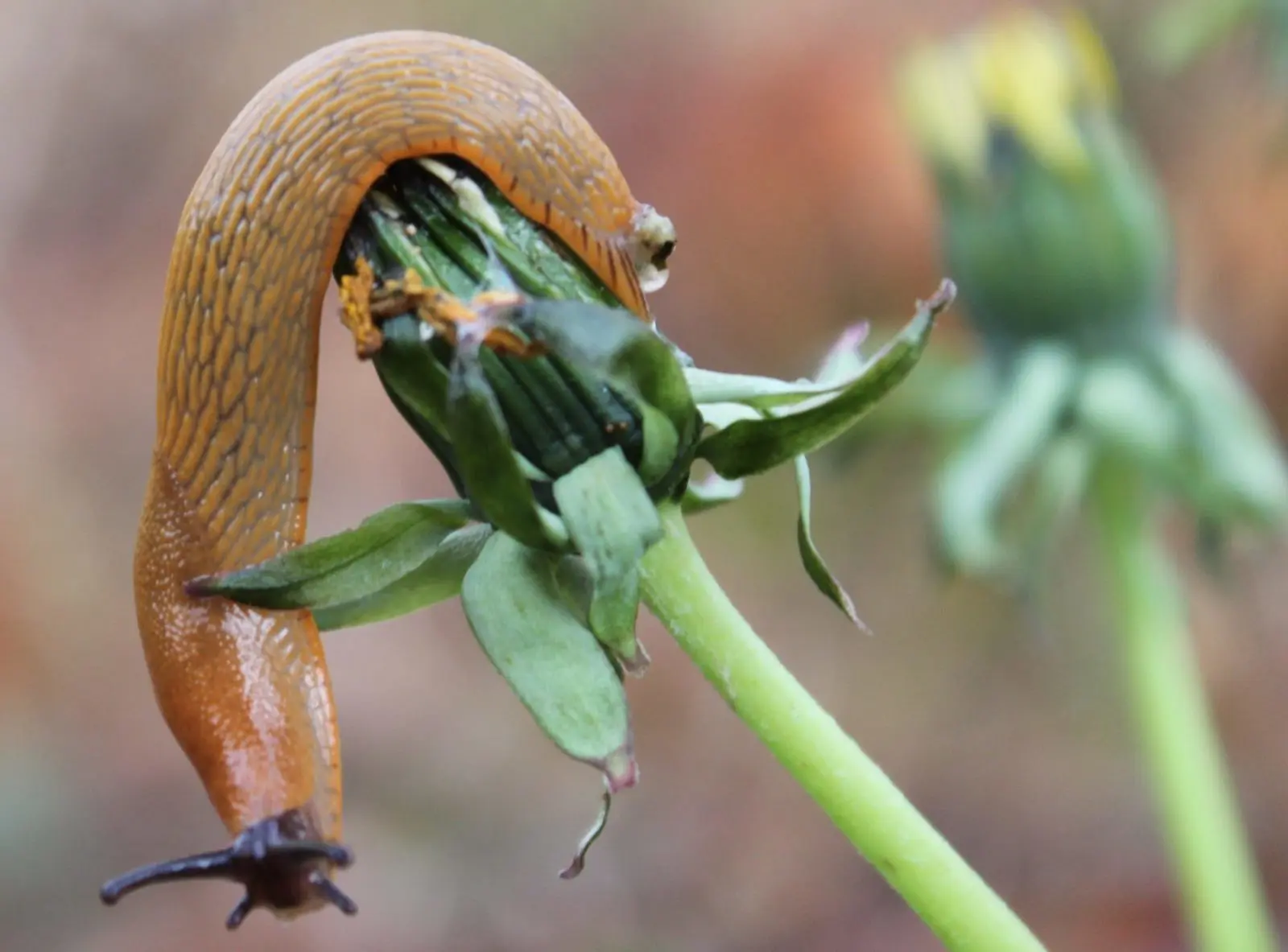
Plenty of permaculture gardeners battle hordes of hungry slugs every season, watching them devour the fruit of days of hard work. Slug control section of the website is tried, often in vain; the little creatures are picked up, relocated, picked up again … relocated again and again …, the beam of your head torch combs through the grass, the dark circles dig into your face …
What if a thoughtful garden layout, built on knowing what slugs eat, could solve the problem — both after the fact and as a preventative measure?
That is what I am trying to bring to light in this article.
Key points
• Busting the myth: Slugs are above all detritivores. They far prefer decomposing plant matter, fungi, carcasses and droppings to your living vegetables.
• The attack signal: When they do eat a living plant, it is often because it is sick or stressed. An unhealthy plant gives off signals that attract slugs, which then play their role as “health police”.
• Magnet plants (to protect): Keep a close eye above all on: basil, brassicas, lettuces, French marigolds, beans and young squashes. These are their favourite treats.
• The “sacrifice” strategy:
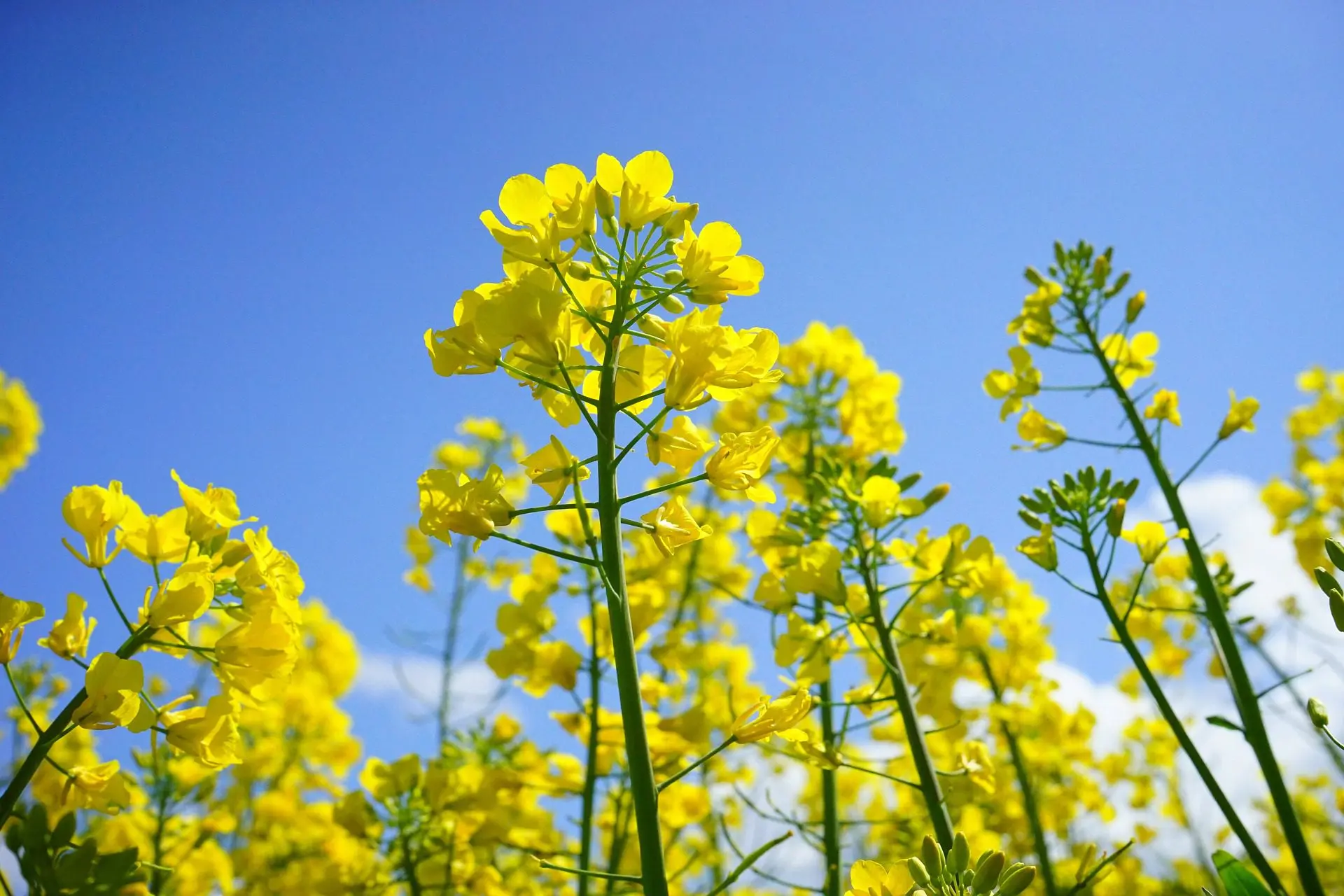
Deliberately plant what they love (mustard, rape, hosta, dahlia) around the edge or in the heart of the vegetable garden to lure their appetite away from your precious crops.
• The mulch trap:
– To avoid in spring: fresh grass clippings and damp hay (they love to shelter in them).
– To favour: hemp, miscanthus, or pine needles (dry and rough).
• In short: Don’t only fight “against” them. Look after your plants to make them less appealing, and offer the slugs an alternative food source (sacrificial plants or surface composting).
If you're discovering my blog, chances are slugs and snails are giving you grief.
You'd probably be very interested in the copper slug barrier I designed .
It changed everything for me. I can finally grow lettuce, cabbages, strawberries and squashes without tearing my hair out.
Don't hesitate — it's an investment (copper is expensive), but you'll likely save yourself a huge amount of time!
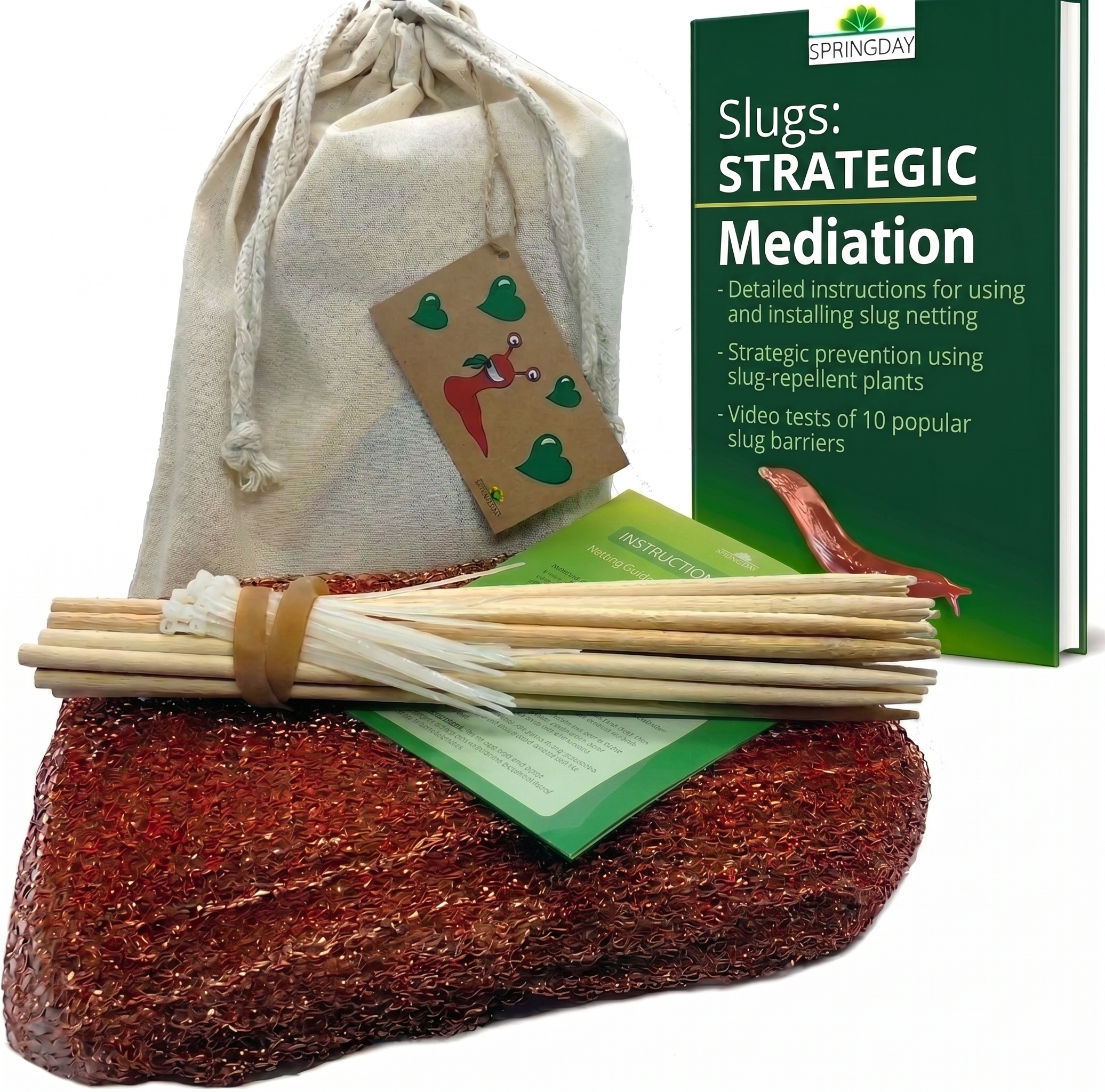
But, before going any further, I’d advise you to read the article in the thumbnail below. Then come back to this one.
Related articles
I. What does a slug REALLY eat? (Busting the vegetarian myth)
Before cursing them for turning your lettuces into lace, it is essential to understand their true biological role. In nature, the slug is not programmed to be a predator of living vegetables. It is above all a cleaner and a detritivore.
If it goes after your vegetable garden, it is very often “by default”, because its environment is out of balance or because it can’t find anything else to get its teeth into.
Its favourite menu (long before your lettuces)
If a slug were given the choice in a rich, wild environment, here is what it would choose to eat first:
-
Fungi and moulds: This is its absolute weakness. It is often far more keen on these than on greenery. A garden that is “too tidy”, treated with fungicide or with no dead wood (which shelters fungi), is a garden where hungry slugs will inevitably fall back on your vegetables.
-
Decomposing matter: A dead plant, a rotting leaf, decomposing mulch or compost. They speed up the return of nutrients to the soil.
-
Carcasses (necrophagy): And yes, the image is not very appetising, but slugs eat dead animals (mice, birds, dead earthworms …). They even practise cannibalism: if you crush a slug and leave it where it lies, the smell will inevitably draw its fellow slugs the following night to clean it up.
-
Droppings: This is nature’s “refuse collector” side. They consume and recycle the waste of other animals (dogs, cats, wildlife).
The snail vs slug distinction: a question of shell
Although their diet is very similar (and the damage they cause comparable), the snail has a vital constraint that the slug does not: its shell.
To build and repair it, it has an absolute need for calcium. That is why you will often see more snails on chalky soils, or rasping away at old cement walls and stones. The slug, on the other hand, is far less dependent on this resource and can happily colonise more acidic soils.
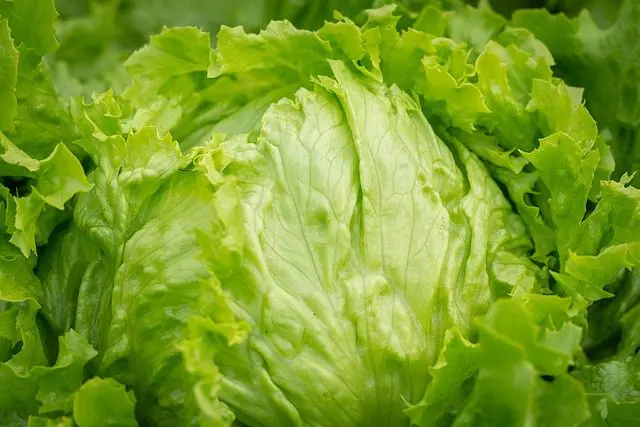
II. Why do they pick YOUR lettuces? (The signal of the sick plant)
You have no doubt already noticed this strange phenomenon: in a row of 10 apparently identical lettuces, a single one is devoured down to the root in one night, while its immediate neighbours are left perfectly untouched. This is not chance, and it is not because that slug had a grudge against you. It’s biology.
A highly developed sense of smell for spotting weakness
Slugs and snails have an extremely keen sense of smell. In nature, their role is that of “health police”. Their instinct drives them to eliminate the least viable individuals in order to speed up the return of organic matter to the soil and make room for the strongest.
In practical terms, they are irresistibly drawn to plants that are stressed, sick or wilting. When a plant suffers (lack of water, roots damaged during clumsy transplanting, the onset of a fungal disease), it gives off biochemical signals that are invisible to us, but very clear to the gastropods. In particular, it releases ethylene and other volatile compounds that act as a real “dinner bell” for the slugs in the vicinity.
The lesson for the gardener: don’t blame yourself!
We need to change the way we look at the damage. If your freshly transplanted young seedlings are attacked en masse, it is not always “the slugs’ fault”. It is often a sign that the plant was already in distress.
-
A courgette plant that went thirsty before planting? Attractive.
-
A lettuce whose roots were knocked about too much? Attractive.
-
A vegetable unsuited to your soil or your aspect? Attractive.
By eating this “weak” plant, the slug is only doing its natural regulating job. The practical upshot is simple: rather than spending all your energy fighting against the slug, spend some of it looking after the health of your plants. A vigorous plant, grown in living soil and free of water stress, becomes chemically far less “visible” and appetising to pests.
III. And the plants they don’t eat? (The barrier solution)
Before looking at the list of their favourite dishes (so you know what to protect), one question often comes up: “Are there plants that slugs hate?”.
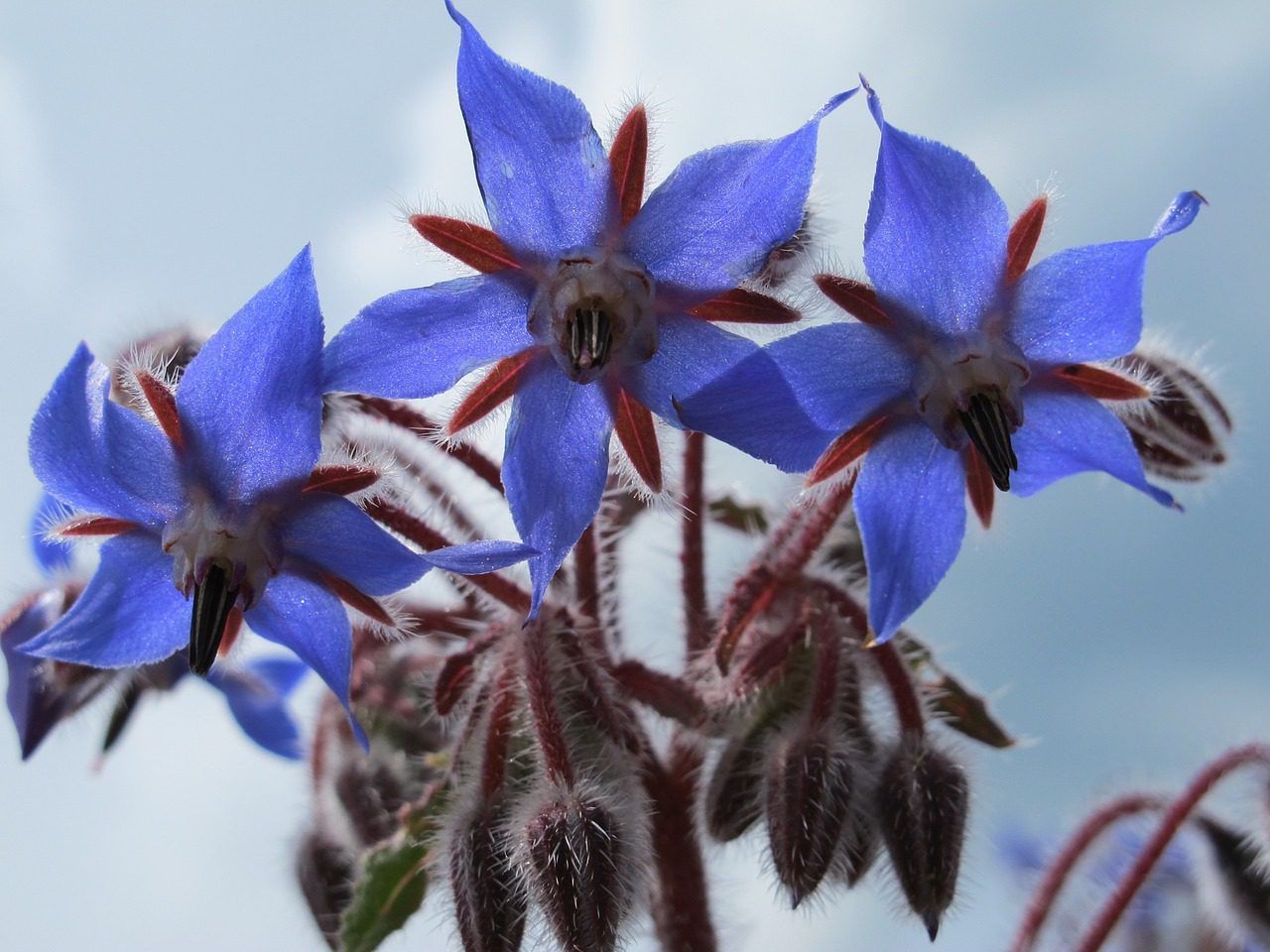
The answer is YES. Some plants, through their texture or their smell, are genuine repellents or living barriers (like borage), and others are simply resistant to their attacks (or simply left alone because they are not attractive to slugs). Rather than listing them here, I have devoted a full feature to this subject to help you create “plant shields” around your vegetable garden. Here for resistant flowers. And here for resistant and/or repellent plants.
IV. The “Red List”: The vegetable plants that are slug magnets
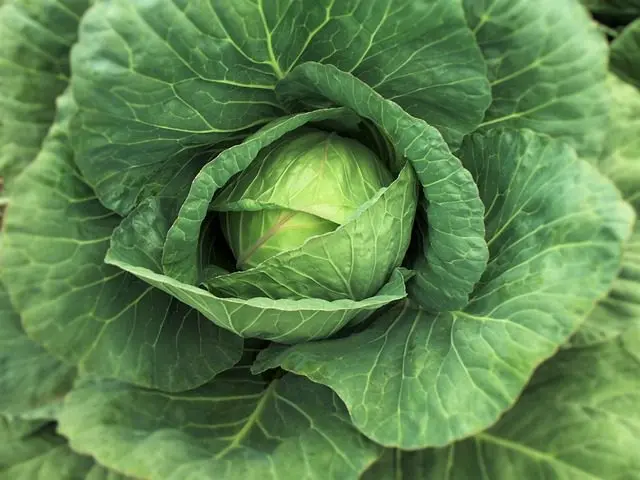
We have seen what they don’t like. But let’s be honest: most of the vegetables we love to grow are also their favourites. These plants are tender, sweet and have no chemical defences.
The list of plants to watch like a hawk: If your garden is infested, be aware that planting these varieties is like ringing the dinner bell. They will demand close protection (netting, cloche, or night-time watching):
-
The very top (their favourite dessert):
-
Basil (they can strip a plant bare in one night).
-
Brassicas (especially young plants).
-
Green salad (lettuce, Batavia … less so lamb’s lettuce, which is more resistant).
-
French marigolds (often planted to protect tomatoes, they get devoured first … which makes them good sacrificial plants!).
-
-
The other delicacies:
-
Beans and soya (as soon as they emerge).
-
Sweetcorn.
-
Young plants of squashes, courgettes and cucumbers (once grown, the hairs protect them, but as babies they are vulnerable).
-
Young plants of peppers and celery.
-
Kohlrabi.
-
Asparagus.
-
Spinach.
-
The critical case of STRAWBERRIES (and how to save them) Slugs love strawberries for their sugar, and because the fruit often touches the ground. The specific tip: Avoid mulching with fresh green waste (clippings) at the base of strawberry plants, as it draws the slugs right under the fruit. Prefer a mulch of pine needles (which makes their progress harder and which they like far less than other mulches) or raw sheep’s wool around the plants. Otherwise, growing in a hanging pot remains the most drastic protection.
“But they eat everything! What am I supposed to eat?” I can hear you already: “But Robin, they’re all on there! I’m hardly going to eat nothing but potatoes and onions at every meal!”. It’s true, it’s discouraging. That’s why knowing this list isn’t about banning yourself from planting them, but about knowing where to concentrate your protection efforts. Don’t waste your energy protecting tomatoes (which are barely at risk), throw everything you’ve got at your lettuces and your brassicas!
V. How can you garden with plants that are very vulnerable to slugs?
1. How can you protect seedlings and young plants from slugs?

Several plants in your vegetable garden are vulnerable to slugs throughout their development (this is the case, for example, of radishes, lettuces and brassicas, basil, among others …). But the majority of plants are far more vulnerable in their first stage of development (cucurbits, for example). A good solution, for those plants, is to protect the young seedlings, and not put them in the ground until they are vigorous enough: they will then be less attractive to slugs and snails, and they will cope better with any damage when these finally come to eat them. Keeping these young plants indoors is a very good solution. As a general rule, it is better not to sow directly into the ground.
2. Selecting the plants most resistant to slugs

Another strategy you can put in place is to put your trust in Mr Darwin, even if it is a far longer-term approach.
For every species, nature applies natural selection … so that only the individuals best adapted to their environment can reproduce. This is so that they pass on their genes (and therefore their anatomical and/or behavioural characteristics) to their offspring. It gives species a remarkable resilience and adaptability, in the long term, in the face of major changes within their environment. Plants are also subject to this natural selection.
If you have planted 10 courgette plants in your garden, the diversity of their genetic make-up means that none will have exactly the same characteristics as its neighbour. Among these differences, the plants probably won’t all be equally attractive to slugs (their texture and/or “taste” will be very slightly different).
Sometimes, you will then notice that one of your plants has been attacked less than the others by the slugs.
What you can do is save the seeds of that plant (its genetic make-up, then), to sow them again next season. If it turns out that this courgette plant really was attacked less because of its lower attractiveness to slugs (and not just by luck, because that is possible too), then, by continuing to do this season after season, your plants will become more resistant to slugs.
3. Sowing old plant varieties that slugs rarely eat

A simpler and quicker method to put in place is to choose old plant varieties directly. Indeed, over the last few decades, plant selection has been carried out with the aim of keeping only the plants that produced the most fruit, the biggest, and those with the best flavour. The climatic and environmental hazards (drought, slug population explosions, …) were kept in check by technological “progress” (lavish watering, metaldehyde pellets, …).
But back then, when none of these technologies existed yet, the plants that were selected were the most naturally resistant, because those were the ones that survived.
Many old varieties have been preserved, and their greater natural resistance to slugs is a real asset.
VI. How to use the knowledge of what a slug eats: the sacrificial bed technique
1. The sacrificial bed technique: why? And how can you use it to keep slugs away from the vegetable garden?
The sacrificial bed, as its name suggests, consists of devoting a part of your garden to the slugs, in order to limit the damage to your vegetable plants. This part that is given over to them, if you can see it as a gift for their usefulness in the garden, is also a way of focusing their “attention” on plants that are unimportant to you, but very attractive to them (it’s the same principle as with surface composting).
Imagine you are out with friends, and you are all absolute pancake fanatics. You’re in a pedestrian square, and there is a pancake stall at one end of the square, and a candyfloss stall at the other end.
There’s a good chance you’ll head for the pancake stall. And even if one of your friends had some the day before, and goes off to buy themselves a candyfloss, the majority of you are more likely to feast on those nice warm rolled-up pancakes.
In your garden, let’s imagine the candyfloss stall is your vegetable garden. Set up the pancake stall there, the one the slugs prefer.
2. List of the plants slugs eat with a passion, to use for a sacrificial bed
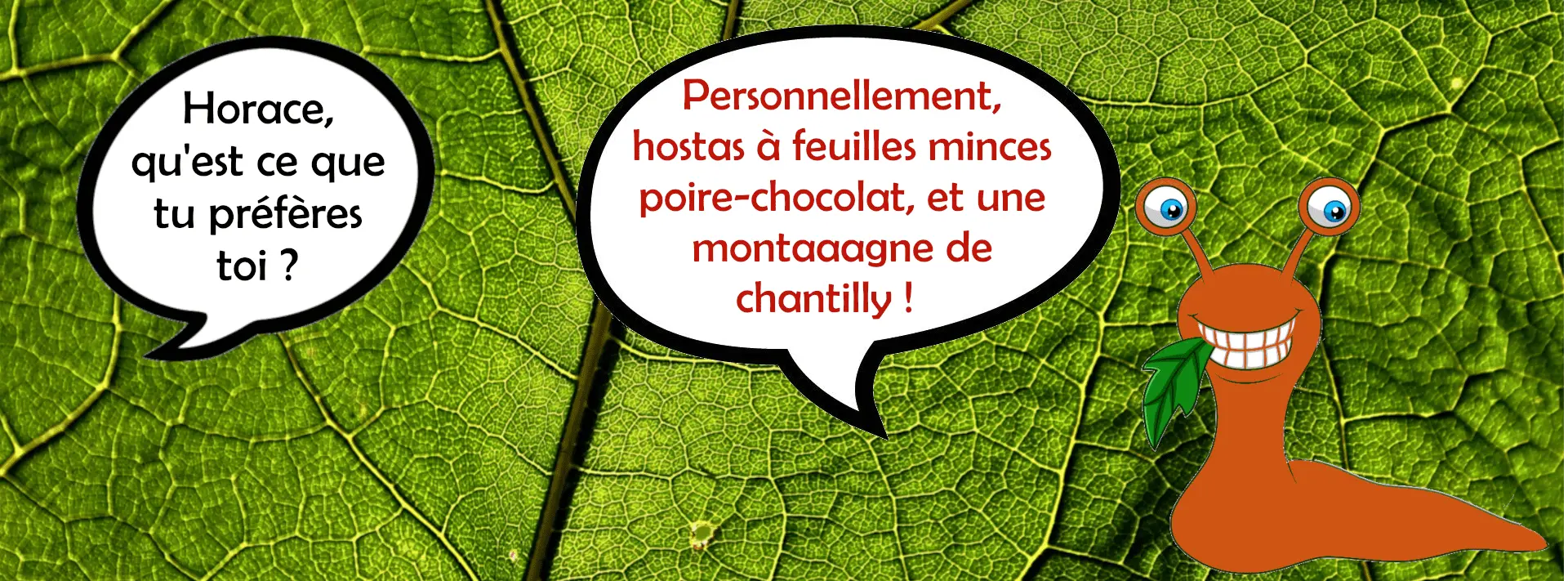
Here are the varieties you could offer the slugs and snails at your stall:
- Lemon-sugar mustard
- Chestnut-cream sunflowers
- Strawberry-jam hostas
- Banana-Nutella dahlia
- Salted-caramel zinnia
- Garrigue-honey radish
- Pear-chocolate rape
- Maple-syrup cress
- Whipped-cream dandelions
VII. Putting what slugs most like to eat inside the vegetable garden
Something else you can do, on top of creating a sacrificial bed in a remote corner of the garden (to keep the bulk of the slugs away from your vegetable garden), is to add plants that slugs love to eat inside your vegetable garden. To return to the earlier analogy, there will always be a few slugs that venture towards your candyfloss stall (by chance or because they were close to it). Your pancake stall at the other end of the garden won’t interest them (it’s far too far away and they won’t detect it, or else the (instinctive) cost/benefit of that journey becomes low).
So you need to plant “sacrificial” plants (which are usually part of the core of the slug diet) within your vegetable garden too, among your most precious plants.
VIII. The role of mulch: All-you-can-eat menu or barrier?
In permaculture, the golden rule is to always cover your soil. “The soil should never be left bare”, we often repeat. That is true for soil life, but when you have a slug problem, the choice of mulch material becomes a double-edged sword. Depending on what you spread at the base of your plants, you can either invite the slugs to a feast, or build them an obstacle course.
The “canteen” mulch (to avoid in spring)
Some mulches act as a powerful magnet. They give the slugs both lodging (moisture and shade) and board (food). If you’re facing an invasion, temporarily avoid green, damp, nitrogen-rich mulches:
-
Fresh grass clippings: This is the equivalent of an all-you-can-eat buffet. They ferment, stay damp and are tender.
-
Cut green manures left in place: Same problem.
-
Vegetable peelings: If you put your kitchen waste straight down as mulch, you attract all the wildlife around (this can, on the contrary, be used as a distraction solution, just like sacrificial plants!).
-
Very fine straw or hay (if it’s damp): Although it is an excellent material, if it rains a lot, hay can become an ideal refuge.
The practical tip: If your lettuces are being devoured, scrape away and temporarily remove these damp mulches around the plants to let the surface of the soil dry out.
The “barrier” mulch (to favour)
Conversely, slugs are less keen on mulches that are dry or that draw out their mucus (their slime). To protect your vulnerable crops, favour carbon-rich, structured materials:
-
Miscanthus (shredded): Its shards are sharp and hard.
-
Flax or hemp shiv: Very dry, they stick to the slug’s foot and hamper its progress.
-
Pine needles: As seen with strawberry plants.
IX. Plants destined to be eaten by slugs: the psychological mindset to adopt

To finish, I wanted to highlight an aspect that seems important to me. When you choose plants to “sacrifice”, bear in mind that you really must be ready for everything to be devoured.
It is easy to fall into the trap of setting up a very elegant ornamental bed, which you’ll fall in love with. And in the end you’ll no longer be ready to leave it to the slugs and snails to graze on … only to end up back where you started.
If you’re afraid of falling into this trap, choose the plants with the least ornamental appearance possible. So perhaps steer clear of sunflowers, dahlias, zinnias … and plant dandelions, rape, mustard instead, …
Conclusion
The choice of varieties of the vegetable plants most resistant to slugs , and the layout of the garden, are priorities for coping with significant seasonal increases in the number of slugs or snails.
Knowing these gastropods, and in particular their habits and food preferences, is, I think, a crucial point for an effective implementation of these courses of action.
The information in this article has been selected and verified according to the criteria defined in our editorial charter.
FAQ: Your frequently asked questions about slugs’ appetites
Do slugs eat earthworms?
This is a big worry for gardeners who care about their living soil and fear that slugs might decimate their precious soil workers. Rest assured: NO. The common slug of our gardens (the keeled slug or the little grey field slug) is vegetarian and a detritivore. It does not go after living earthworms. They coexist perfectly happily. Note: There is indeed a family of “carnivorous slugs” (the Testacella), which hunt earthworms underground, but they are rare and almost never come up to the surface.
Do slugs eat one another (cannibalism)?
Yes, absolutely. As explained at the start of the article, slugs are opportunistic scavengers. The carcass of a slug gives off a strong protein smell that attracts its fellow slugs in the vicinity. That is why leaving the slugs you have killed (cut up or crushed) in the middle of the vegetable garden is not always a good idea if you want to keep the others away: you’re serving them dinner! (But it can also be a distraction for your appetising vegetable plants.) Also worth noting: leopard slugs even eat living slugs.
Do they eat the roots of plants?
Generally, surface slugs prefer tender leaves and stems. However, some small black or grey slugs live partly underground and can indeed nibble the roots or tubers (such as potatoes or carrots), creating tunnels where rot then sets in.
Why do my slugs eat my flowers but not my weeds?
It’s a question of texture and chemistry. Wild plants (“weeds”) are often tougher, more bitter or hairier than our horticultural varieties, which have been bred to be tender and mild (for our palate … and theirs!). It’s unfair, but it’s the price of genetic selection.
Done with slugs. For good. Starting this season.
Bibliography
- To add nuance to this article: Reed, J. M., Paine, M. E., & Million, J. N. (2008). Slugs as Generalist Herbivores: Tests of Three Hypotheses on Plant Choices. Ecology, 89(11), 3138-3148.
Related articles