Here’s how to identify and cleverly eliminate slug eggs
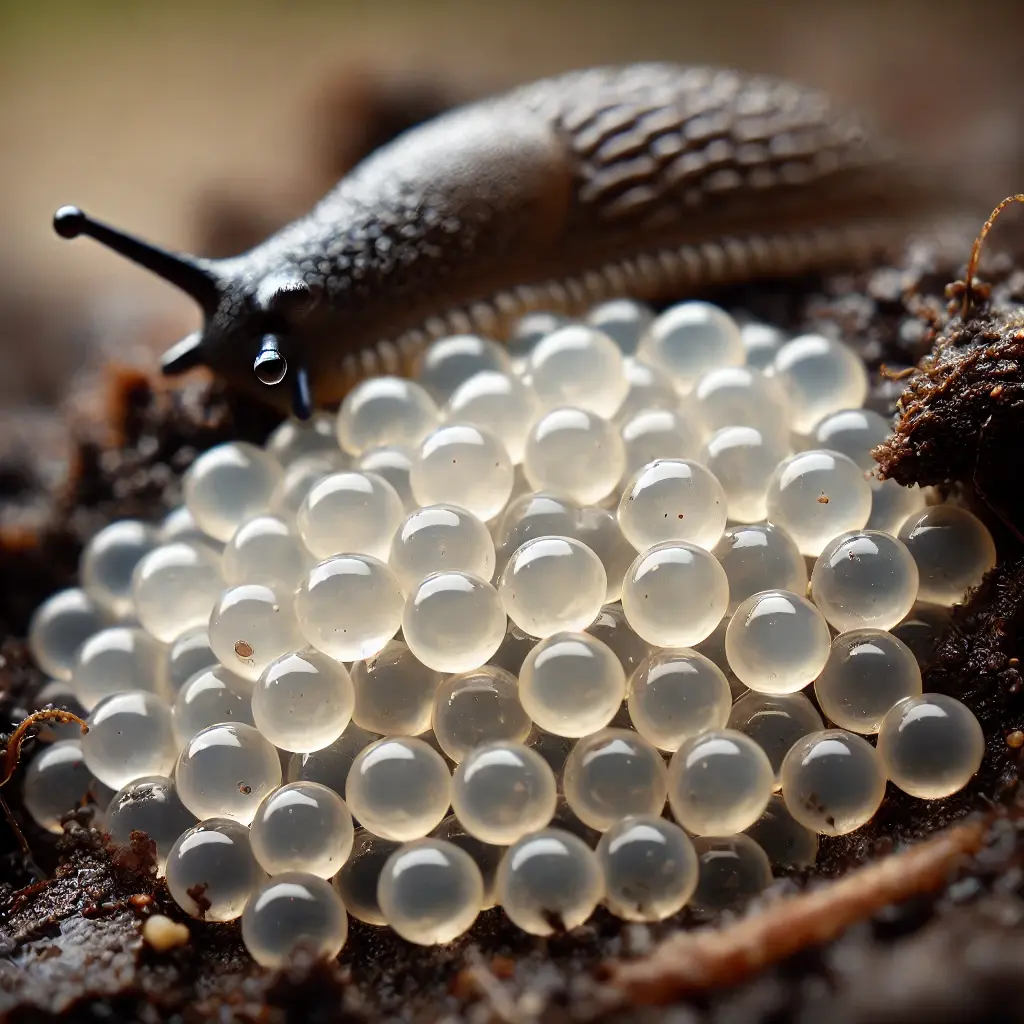
Slugs are swarming all over your garden, devouring everything in sight.
And you know it: an effective management strategy tackles the problem at source, at the slugs’ eggs.
If you could pinpoint the slugs’ main laying sites and destroy the eggs there regularly, you would dramatically curb the slug invasion in your garden.
That is exactly what we are going to look at here. First, by learning to recognise slug eggs. Then, where slugs mainly lay their eggs. And finally, by seeing how we can strongly regulate the slug population in our garden by acting on their eggs: by destroying them, or by attracting animals and insects to the garden that will do the job for us.
Does the plan appeal to you?
Then let’s get started!
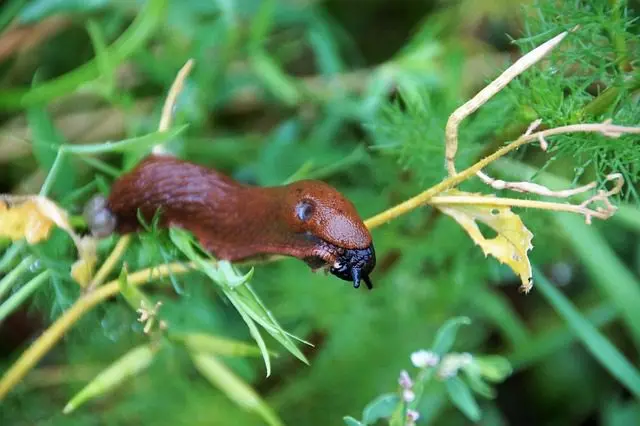
If you're discovering my blog, chances are slugs and snails are giving you grief.
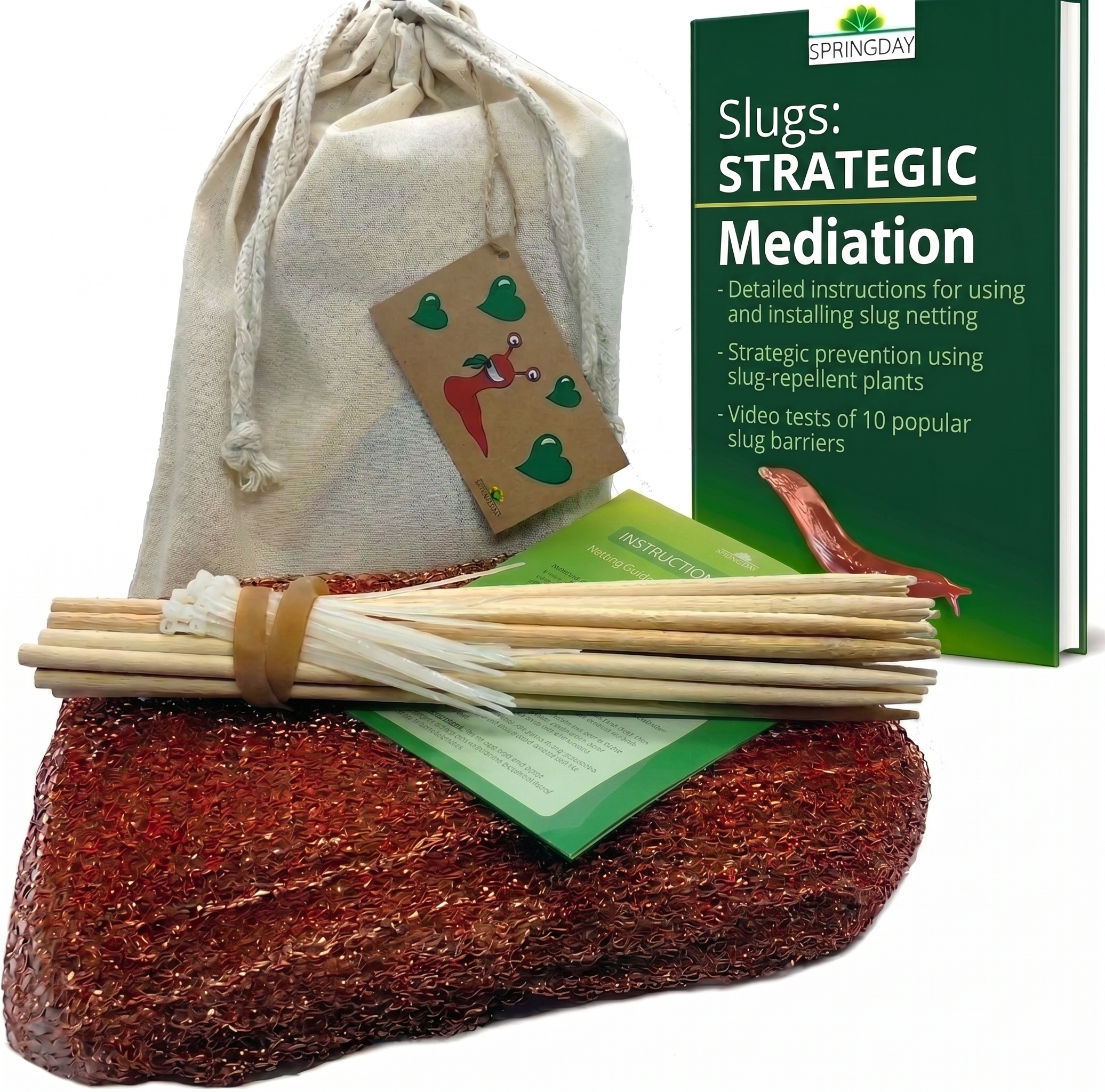
You'd probably be very interested in the copper slug barrier I designed .
It changed everything for me. I can finally grow lettuce, cabbages, strawberries and squashes without tearing my hair out.
Don't hesitate — it's an investment (copper is expensive), but you'll likely save yourself a huge amount of time!
How do you recognise slug eggs?
What colour are slug eggs?
- Slug eggs are generally translucent to white. They can sometimes look slightly yellowish or greyish depending on the humidity and the ambient light, but also depending on the species (see further down).
Size of slug eggs
- Slug eggs measure roughly 3 to 4 millimetres in diameter. They are relatively small and often grouped together in clusters.
Shape
- Slug eggs are spherical in shape, resembling little pearls or beads.
Other features of slug eggs
- The eggs are often found in groups, with clusters that can contain anything from a few dozen to several hundred eggs.
- They are usually laid in damp, sheltered spots, such as under stones, dead leaves, or in loose soil.
Recognising slug eggs
- Look out for clusters of small, translucent to white spheres, often in damp, shady areas.
- They may be stuck together in a gelatinous mass, which makes them fairly distinctive once you have identified them for the first time.
Here is an image to make things clearer:
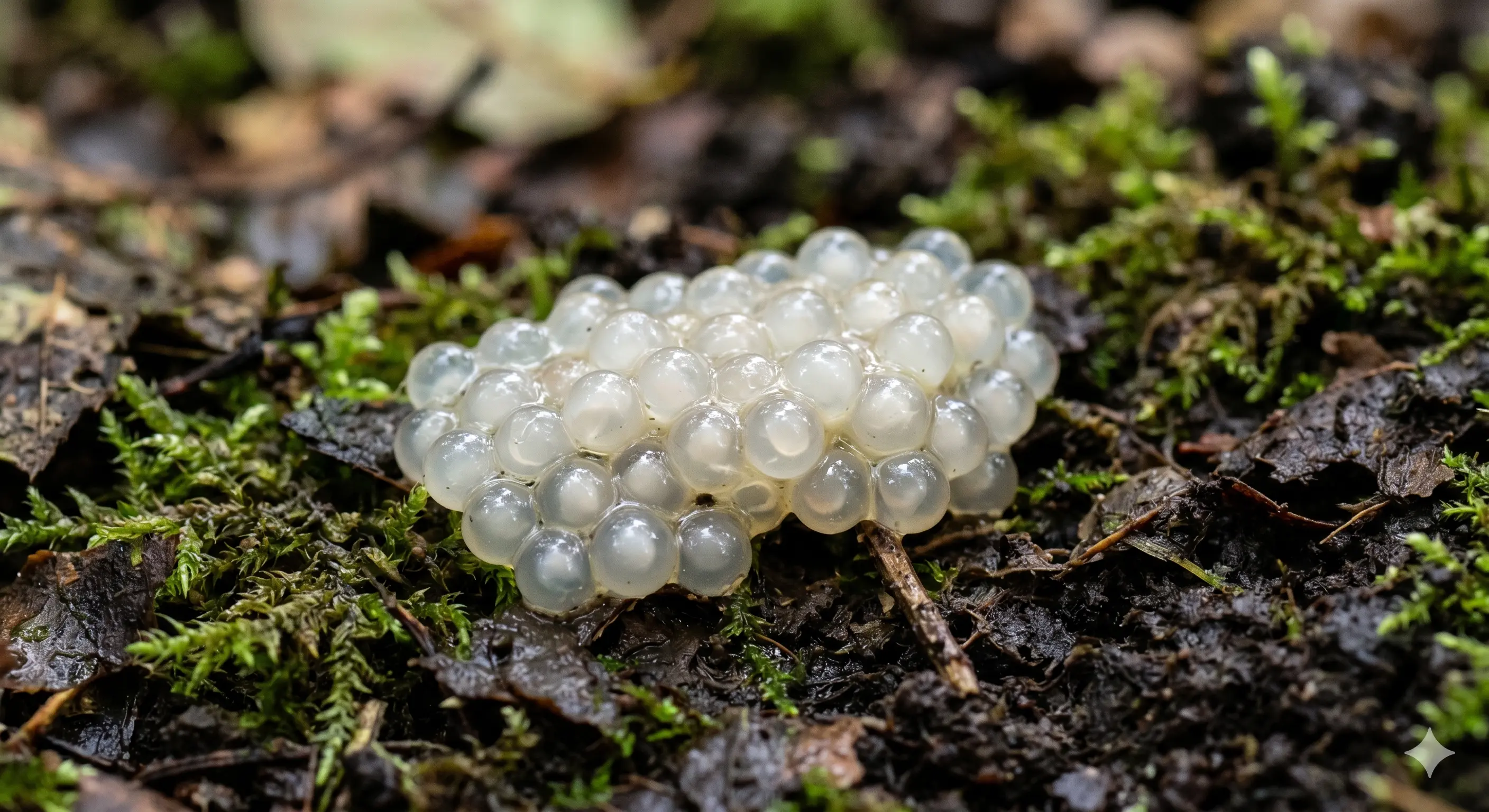
A small batch of slug eggs
Where do slugs lay their eggs?
Slugs generally lay their eggs in damp, sheltered places. Here are a few spots where they often lay their eggs:
1. Under dead leaves: Dead leaves provide a damp, protected environment much favoured by slugs for laying. Lift the dead leaves near the vegetable patch or near vulnerable plants and check whether you find any eggs there.
2. In the soil: Slugs can dig small holes in the ground to lay their eggs directly inside them. Here, it is hard to pinpoint any specific spot.
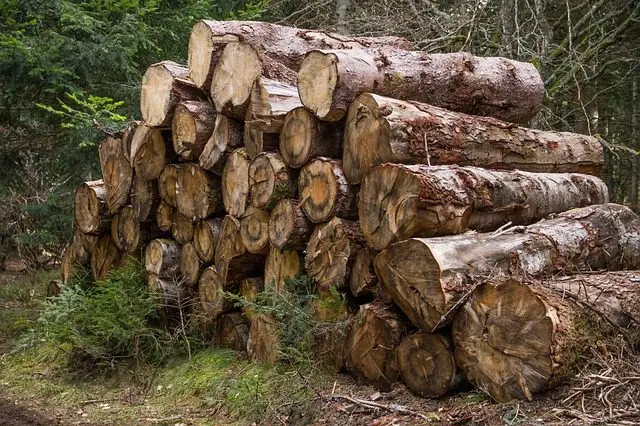
3. Under stones, planks, sheets of cardboard, roof tiles laid directly on the ground, or woodpiles: These places provide cover and keep the moisture constant. Slugs are fond of sheltering there, feeding there (when peelings have been put out), and laying their eggs there. Deliberately placing such items on the ground is a good way to concentrate the egg-laying in one spot so you can then eliminate the eggs more easily.
4. Under flowerpots or other garden objects: These other spots also create damp, sheltered micro-habitats.
In general, slugs seek out dark, damp places protected from predators to lay their eggs. This gives their offspring the best chance of survival.
Reproduction, egg-laying, and hatching of slug eggs
Reproduction of slugs
Slugs are hermaphrodites, meaning they possess both male and female reproductive organs.
This allows them to mate with any other adult slug of the same species.
Mating: When two slugs mate, they exchange sperm, which allows each of them to fertilise its eggs.
Mating can last several hours and most often takes place at night or in damp weather.
The slugs’ first laying takes place in April. After that, slugs will lay again at least one to three times, depending on that year’s weather (the wetter the year, the more slugs will lay, up to four times a year on average).
Egg-laying
After mating, each slug lays eggs. Here are the stages that precede and follow this process:
- Choosing the laying site: The slug looks for a damp, dark, sheltered spot (as already seen) to lay its eggs: dead leaves, loose soil, under stones, logs, or other materials or objects on the ground.
- Laying: The slug lays clusters of 20 to 100 eggs (depending on the species) at the chosen site.
- Protecting the eggs: Even though slugs do not tend to their eggs after laying them, choosing a well-sheltered laying site helps protect the eggs from predators and unfavourable environmental conditions.
Number of eggs laid according to slug species
The different slug species lay a variable number of eggs per clutch, depending on their size, their habitat, and their life cycle. Here are a few detailed examples:
1. Garden slug (Arion hortensis)
-
- Number of eggs per clutch: 20 to 50
- Description of the eggs: translucent to white, round and gelatinous
- Laying period: mainly in spring and autumn
2. Grey field slug (Deroceras reticulatum)
-
- Number of eggs per clutch: 30 to 60
- Description of the eggs: white and gelatinous, often laid in tight clusters
- Laying period: spring and summer, with additional clutches in autumn during wet years
3. Large red slug (Arion rufus)
-
- Number of eggs per clutch: 50 to 100
- Description of the eggs: white to slightly yellow, gelatinous
- Laying period: spring, summer, and sometimes into autumn
4. Black slug (Arion ater)
-
- Number of eggs per clutch: 40 to 90
- Description of the eggs: white and translucent, often found under plant debris or stones
- Laying period: mainly in spring, with clutches in autumn
5. Leopard slug (Limax maximus)
-
- Number of eggs per clutch: 20 to 80
- Description of the eggs: translucent to white, slightly oval and gelatinous
- Laying period: spring and summer
Hatching of the eggs
Slug eggs generally take 2 to 4 weeks to hatch, depending on temperature and humidity.
1. Embryonic development: During this period, the embryos develop inside the eggs. Damp conditions and moderate temperatures favour rapid development.
2. Hatching: When the young slugs are ready to hatch, they break through the membrane of the egg and emerge. The young slugs look like miniature versions of the adults.
3. First days of life: After hatching, the young slugs immediately begin to feed on decaying plant matter, fungi, and sometimes young plants.
How do you cleverly eliminate slug eggs?
Inspecting, hand-collecting, and eliminating slug eggs
- Search for the eggs: Regularly examine the damp, sheltered areas of your garden, such as under dead leaves, stones, flowerpots, and plant debris.
- Collecting the eggs: Use a spoon or your hands (gloved, if you prefer) to gather up the eggs.
- Eliminating slug eggs: The most basic method of disposal consists of putting the eggs in a bucket of soapy water, which destroys their membrane and kills the eggs. The method that strikes me as the cleverest consists of feeding your garden’s wildlife with the slug eggs you have collected: you can put them on a little dish where the birds in your garden are used to feeding, for instance. Be careful, though: you need to be sure they will be snapped up quickly one way or another, and that they will not have time to hatch.
Keeping a tidy garden
- Remove debris: Regularly clear away dead leaves, branches, and other debris where slugs might lay their eggs.
- Reduce hiding places: Limit potential hiding places by tidying up the areas under flowerpots, wooden planks, and stones.
- Limitations and a few doubts about this slug-egg management strategy: the first thing that comes to mind on this subject is that these hiding places are also the very ones that encourage the presence of slug-egg predators, which we discuss next. “Tidying away” these hiding places means creating a garden that is less attractive to the predators of slugs and their eggs, and that is extremely counterproductive in relation to the goal of putting a lasting end to slugs in the garden.
Attracting the natural predators of slug eggs
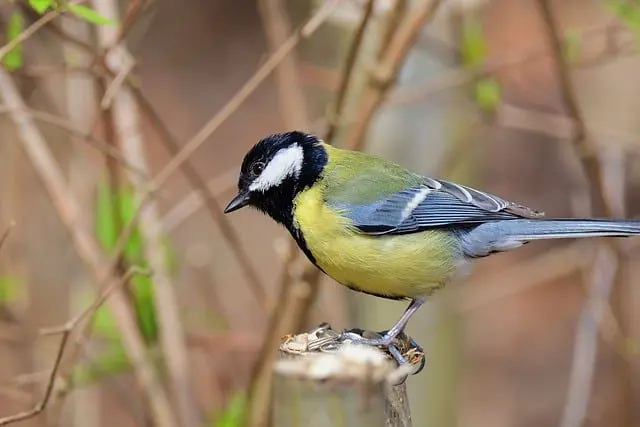
- Introduce predators: Encourage the presence of slugs’ natural predators, such as rove beetles, ground beetles, glow-worms, frogs, toads, birds, and hedgehogs, which can eat the eggs and the young slugs.
- To do this, arrange your garden with plenty of hiding places (piles of wood, stone, dead leaves, hedges, strips of unmown grass, and so on), a ban on pesticides, a strong reduction in deep soil cultivation (which affects several insect predators of slug eggs, such as ground beetles and rove beetles), one or more small water features, a great diversity of local plant life, and even some specialised shelters. As already mentioned, this runs counter to what was said above, namely the idea of aiming for a more “tidy” garden in order to limit the ideal laying sites for slugs.
- When it comes to regulating slug eggs, predatory insects are the most effective. Hence the importance of severely limiting the use of pesticides and soil cultivation (where their larval stage often takes place).
Which animal eats slug eggs?
We have already mentioned some of these animals earlier in this article.
But here is a detailed list of the various predators of slug eggs that a garden can host:
- Rove beetles: Predatory insects that consume slug eggs. Attract them with compost heaps and damp, shady areas. Common throughout France, particularly in wooded and damp regions.
- Ground beetles: Predatory insects that are effective against slug eggs. To attract them, keep hedges and areas of dense vegetation, and avoid using pesticides. Present throughout France, especially in farmland and woodland.
- Roman snail: Consumes slug eggs. Attract them by keeping a damp garden with hiding places such as piles of leaves or stones. Common in the regions of Burgundy, Alsace, and the wooded areas of France as a whole.
- Glow-worm and its larvae: Natural predators of slug eggs. Attract them by leaving unmown grassy areas and by avoiding artificial lights at night. Common in meadows and gardens throughout France.
- Chilopods: Including centipedes, these predators attack slug eggs. Attract them with piles of leaves, compost, and damp, shady spots. Present everywhere in France, notably in gardens and forests.
- Ischyropsalididae: A type of harvestman that mainly eats snails, but also slug eggs. Provide hiding places such as stones and dead leaves. Common in the wooded and damp regions of France.
- Ocypus olens: A beetle known for preying on slug eggs. Attract it with piles of wood and compost. Present throughout France, often in gardens and wooded areas.
- Moles: Burrowing mammals that consume slug eggs. They are drawn to soils rich in earthworms. Widespread throughout France, notably in meadows and gardens.
- Hedgehogs: Insectivorous mammals that also feed on slug eggs. Attract them by providing shelters such as piles of wood and leaves, and by creating gaps in fences. Common throughout France, especially in gardens and parks.
- Shrews: Small mammals that prey on slug eggs. Provide natural hiding places such as piles of stones and wood. Present everywhere in France, notably in gardens and meadows.
- Rats: Omnivorous rodents that include slug eggs in their diet. They are drawn to places with plenty of hiding spots and food. Common in urban and rural areas throughout France.
- Badgers: Omnivorous mammals that also consume slug eggs. Attract them with wooded areas and meadows. Present throughout France, especially in wooded areas.
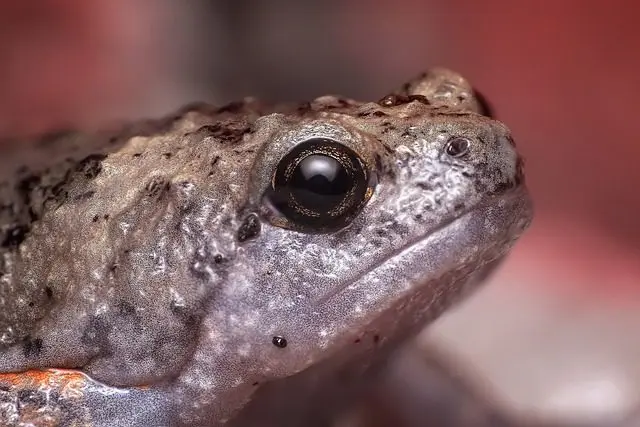
- Toads: Amphibians that take part in preying on slug eggs. Provide water features and shady areas with piles of leaves. Widespread throughout France, especially near water features.
- Frogs: Amphibians that eat slug eggs. Attract them with ponds or pools in the garden. Common in the wetlands of France as a whole.
- Slow-worms: Reptiles that prey on slug eggs. Provide compost heaps and areas of dense vegetation. Present throughout France, especially in gardens and wooded areas.
- Lizards: Reptiles that consume slug eggs. Attract them by keeping sunny areas with stones and piles of wood. Common in the sunny regions of France, notably in the south.
How do you get rid of slugs in the garden for good?
Managing slug eggs is already an important step in the overall management of slugs in the garden. But many other components are essential if you want to deal with them for the long term.
First of all, you need to understand that a garden overrun by slugs is a garden out of balance: there are often far too few natural slug predators present, and the plant diversity is frequently too low.
So, in order to lastingly reduce the number of slugs swarming in your garden, you will need to make it a priority to attract the predators of slugs (already mentioned above) through suitable garden arrangements (likewise).
It will also be necessary to introduce a wide variety of local plants of all types, which will offer slugs alternative “plant prey” and reduce the pressure on your vegetable patch.
In particular, there are so-called slug-repellent plants, which you should introduce as a priority.
While your garden is taking the time it needs to find this new balance, you can protect your plants with effective slug barriers.
At this level, the only truly effective barriers (see my video tests here) are water barriers and copper barriers.
And if it interests you, I have designed and tested a copper barrier that stops every slug that rubs against it from reaching my vegetable patch.
After such results, I have also made it available for sale: here it is, the copper mesh for slugs.
Conclusion
Learning to spot and cleverly eliminate slug eggs is a good way to slow down their development.
But other, longer-term strategies need to be put in place if you want to solve your garden slug problem once and for all.
One of these strategies is, in fact, shared with that of destroying slug eggs: attracting the natural predators of slugs.
Predators that will work, day after day, to reduce the number of eggs and slugs in your garden.
Attracting them is not an option for anyone who wants to be done, once and for all, with the nuisance of these slimy ladies: it is a necessity.
I hope you have enjoyed this article, and that it has given you new tools to garden in freedom and self-reliance, while understanding what you are doing and why you are doing it.
See you soon,
Robin.
The information in this article has been selected and verified according to the criteria defined in our editorial charter.
Done with slugs. For good. Starting this season.
Scientific references
-
Recognition and biology of slug eggs:
- Gastropods on Land: Phylogeny, Diversity and Adaptive Morphology by G.M. Barker (2001). This book explores the diversity and morphological adaptation of land gastropods. You can access part of this work on SpringerLink.
- Terrestrial Slugs: Biology, Ecology, and Control by A. South (1992). This book is a detailed reference on the biology and control of terrestrial slugs. It is available in PDF form here.
-
Managing slugs and their eggs:
- Pest Slugs and Snails: Biology and Control by D. Godan (1983). This book deals with the economic importance of pest snails and slugs and with control methods. You can consult this book through your university library or by looking for an online version on sites such as Google Books.
- A study on the effect of cultivation techniques on the predation of slugs by invertebrates: “Effects of cultivation techniques and methods of straw disposal on predation by invertebrates of slugs exposed on the soil surface” by W.O.C. Symondson et al. (1996)
Related articles
Testing and review of 30 natural slug deterrents (do they work?)
Read
Slug-repellent plants, or prevention through planting
Read
Surface composting: protect your vegetable patch from slugs, with love
Read
Slugs: their usefulness in the garden, what they indicate, and holistic management through reshaping the habitat
Read
Slug predators: which are they? How to attract them to the garden?
Read
Slug control: the (harmful) methods to avoid – why and how?
Read