Here’s how to stop snails eating your plants: lettuces, flowers, courgettes, strawberries and other leaves.
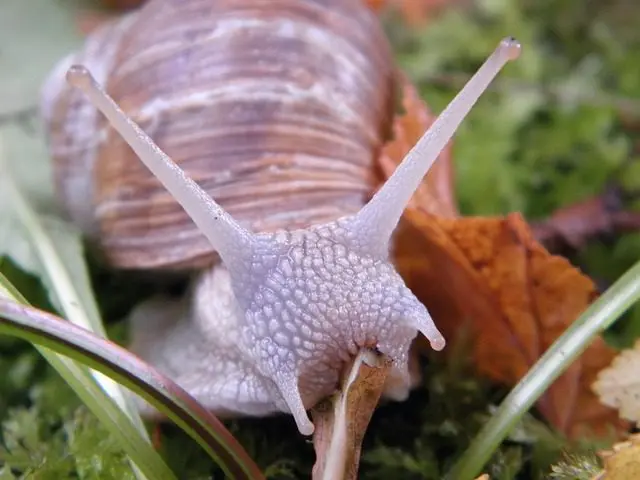
The snails are out in force, and they’re devouring your plants.
How can you cleverly stop them eating your lettuces, your flowers, your courgettes and your strawberries? That’s exactly what we’re going to look at here.
We’ll start by taking the time to understand snails and how they work.
We’ll then look at the few rare general methods proven to be effective, which let you protect your plants from snails reliably.
We’ll finish with the specific case of each plant, taken one by one: lettuces (lettuce heads), courgettes, flowers and strawberries.
You’ll understand the situation far better.
And you’ll finally know how to act, with clarity, at last.
Because I’ve been at this for a while, I’ve dug deep into the subject, and I’ve got what it takes to back up my claims (unlike the dozens of superficial blogs you’ll see tackling the question, completely missing the point…).
In short, if you want to stop snails eating your plants once and for all, let’s go!
If you're discovering my blog, chances are slugs and snails are giving you grief.
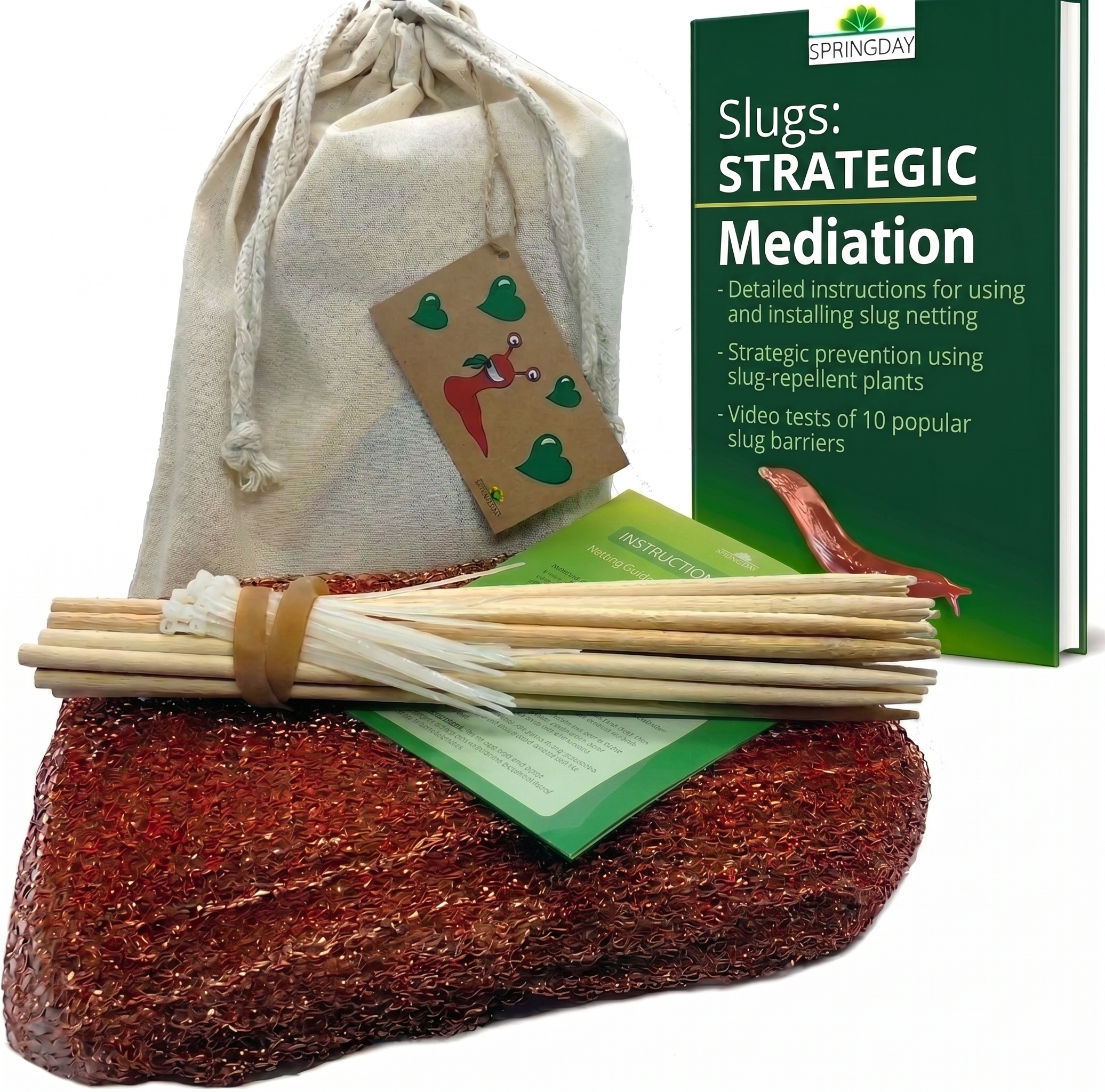
You'd probably be very interested in the copper slug barrier I designed .
It changed everything for me. I can finally grow lettuce, cabbages, strawberries and squashes without tearing my hair out.
Don't hesitate — it's an investment (copper is expensive), but you'll likely save yourself a huge amount of time!
Understanding how snails work
The biology of snails
The life cycle of snails
Snails, which belong to the class of gastropods, follow a relatively simple life cycle, characterised by the following stages:
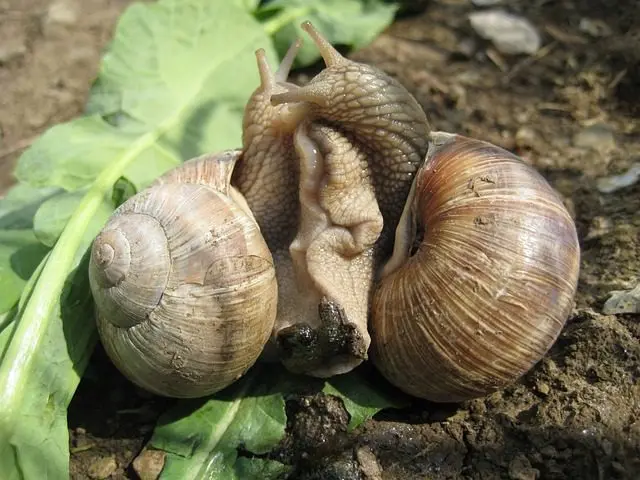
1. Eggs: Snail reproduction is mostly hermaphroditic, which means that a single individual possesses both male and female reproductive organs. After mating, snails lay clusters of eggs in moist soil, usually a few centimetres deep to protect the eggs from predators and unfavourable weather conditions.
2. Young snails: The eggs hatch after about 2 to 4 weeks (depending on environmental conditions), giving rise to young snails that are miniatures of the adults. These young snails have a soft, transparent shell, which hardens and thickens over time.
3. Adults: Within a few months, the young snails reach their adult size. A snail’s growth is marked by the enlargement of its shell. Once it’s an adult, the snail is able to reproduce. The lifespan of snails varies by species, but it can reach several years under favourable conditions.
Preferred habitat and conditions favouring their proliferation
Snails are land-dwelling animals that prefer damp, shady environments. Their natural habitat includes woodlands, gardens, meadows and certain cultivated areas. Here are the conditions that favour their proliferation:
- Moisture: Snails need moisture to survive, as their bodies are prone to drying out. They are particularly active after rain or in environments where humidity is consistently high.
- Temperature: They prefer moderate temperatures, generally between 10 and 25°C. Extreme temperatures, whether too hot or too cold, reduce their activity.
- Substrate: A calcium-rich soil is ideal for snails, as it allows them to build and maintain a strong shell. Light, well-drained soils that nonetheless retain a certain amount of moisture are also conducive to their development.
- Vegetation: Snails are often found in areas where the vegetation is dense, because it provides them with both a source of food and shelter from predators and unfavourable weather.
Diet
The plants and plant parts snails prefer
Snails are mainly herbivores and feed on a wide variety of plants. Their dietary preferences include:
- Leaves: Snails consume the tender leaves of many plants, particularly young shoots and broad-leaved plants such as lettuces, cabbages and hostas.
- Flowers: Some snail species also like to nibble on flower petals, notably roses and dahlias.
- Fruit and vegetables: Snails can attack fallen fruit and vegetables, such as strawberries, tomatoes and courgettes, when these are within reach.
The time of year and weather favouring their rapid development and activity
Snail activity is strongly influenced by weather conditions and the seasons:
- Spring and autumn: These seasons are the periods of greatest activity for snails. The moisture and moderate temperatures are ideal for their feeding and reproduction.
- Summer: During hot, dry spells, snails slow down their activity and seek shelter to avoid dehydration. They can enter a dormant state called aestivation to survive unfavourable conditions.
- Winter: In regions where temperatures drop in winter, snails hibernate. They burrow into the soil or hide under debris to protect themselves from the cold until more favourable conditions return.
These climatic factors determine not only the daily activity of snails, but also their reproductive cycle and their ability to proliferate in a given environment.
A strategy to stop snails eating the plants in your garden
In this section we’ll look at the ways to limit the damage from snails already present in your garden or vegetable patch.
In the next section, we’ll see how to limit the number of snails entering your garden in the first place, which is a more comprehensive, more sustainable approach, but also a less immediate one (there’s a certain lag between the measures you put in place and the results, unlike what we’re about to cover right away).
Note: these strategies are the same as for slugs. You’ll also find here my article explaining how to stop slugs eating your plants
Snail traps
You’ve probably already heard of them. Beer traps in particular.
Yet you should rule out this method, which lures snails into your garden from far away (drawn by the smell of the beer), while only about a third of the lured snails end up drowning in the famous beer trap. Do the maths: if your plot isn’t several ares in size, you’ll end up with more snails than before by using this method.
No, the snail traps I recommend are attractive but not too attractive: it’s a matter, for example, of a simple plank or tile laid on the ground, beneath which you’ve placed a few peelings.
In the morning, or at night, you can then lift the plank and collect the snails gathered this way. More than a trap, it’s really a method that makes it easier to collect the gastropods.
Even so, you’ll see in the next section that it isn’t necessarily wise to collect snails in order to “remove” them from the garden, by taking them a long way off, for example. The same goes if you decide instead to get rid of them.
Snail-repellent plants
A very useful method involves harnessing the value of snail-repellent plants. There are 4 main types: plants that repel snails (these are rare), plants that are resistant to snails (a preventive measure that helps limit damage upstream), plants that snails love (which you use as sacrificial plants, to divert the slugs’ attention away from your vegetable or ornamental plants), and plants that attract snails’ predators.
These plants are the same as for slugs; you’ll find them in detail in the related article.
Snail barriers
Snail barriers, meaning anything capable of preventing snails from getting through.
These barriers are used to stop snails from reaching your plants, and therefore to prevent them from eating them.
I know, you’re now thinking of eggshells, ash, coffee grounds…
But you should know that almost all of these old wives’ remedies aren’t effective, at least not in the long term.
If you doubt it, take a look at my video tests here.
Only two barriers prove genuinely effective over time: water (used in the form of a moat, with buried guttering for example), and copper, used in the form of a vertical barrier more than 7 cm high.
In fact, based on my tests, I designed a slug barrier made from copper. And it proved so effective that I now sell it, here: the copper slug netting.
It’s worth noting that, according to my tests, copper is even more effective at repelling snails than slugs. You’ll see it with your own eyes in my copper barrier video test.
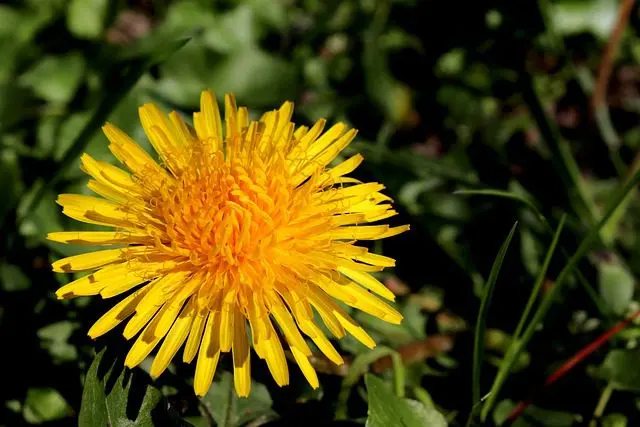
The dandelion is a plant much loved by snails, so it plays the role of a sacrificial plant, that is, a distraction drawing snails away from the vegetable or ornamental plants you want to protect.
The strategy to reduce the number of snails in the garden for good
Welcoming snails’ natural predators
The predators of snails are the foundation on which we base our hopes of a garden without snails (or with far fewer snails), in the long term.
Once the natural predators of snails have settled in at your place, they work 7 days a week to reduce the number of snails in your garden.
To learn more about the subject, I can only recommend this article: getting to know and welcoming slugs’ predators
(The predators of slugs are the same as the predators of snails)
Avoiding killing or moving the garden’s snails
The essential prerequisite for this first point is not killing or moving the snails in your garden.
Because if snails’ predators no longer find their food, they’ll never settle in, and you’ll spend years chasing after the problem.
So don’t kill or move the snails, if you want the problem to be solved for good (and cleverly).
Banishing lethal methods
Don’t use methods that work in the opposite direction to what you’re trying to achieve.
I’m talking about beer traps (already mentioned), anti-slug and anti-snail pellets (killers + impact on biodiversity), diatomaceous earth (likewise), and killing snails in general.
Avoid these methods, and your snail problem will be solved all the faster.
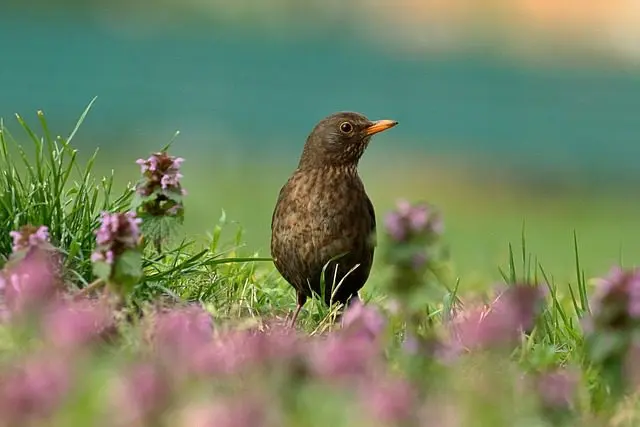
The blackbird is a predator of slugs.
Specific solutions to stop snails eating different plants
Let’s now look at the particularities that can exist for different types of plants, to help you maximise their protection.
We’ll only cover protection strategies here, not reducing the number of snails in the garden.
Lettuces (lettuce heads)
Use water moats that are deep enough (> 5 cm deep, and > 10 cm wide) around a lettuce bed.
Use the slug and snail netting around this same kind of lettuce enclosure.
Particularly fragile lettuces can be protected individually, as a complement. With the slug and snail netting, cut a section about thirty centimetres long, and slip it over, like a sock (the netting is shaped like a sock), around each plant to be protected.
Removing the mulch from the growing bed in the first few weeks after planting can also be beneficial for reducing the presence of snails (by reducing the bed’s moisture and their hiding places).
Plant snail-repellent plants from all 4 categories near or within the lettuce bed.
Courgettes (young plants)
Young courgettes, and cucurbits in general, are very susceptible to snails.
Personally, I use the slug and snail netting for individual protection only around young plants (right after planting), then remove it once the plants are sturdy enough.
Removing the mulch during the first few weeks after planting is also an option worth considering. It also allows the soil to warm up faster, which is very useful at the start of the season.
Strawberries (the fruit)
For strawberries, individual protection is too complicated to manage.
Use water moats or the slug netting around the strawberry bed.
Also use the anti-slug plants.
Sensitive flowers
Potted flowers can be protected with self-adhesive copper bands, stuck around the pot.
Take care that the total width of the adhesive band is more than 7 cm. And that it forces a vertical crossing. Don’t stick it on horizontally, it won’t work.
Leaves, in general
A common problem is large, drooping leaves that touch the ground on the other side of the barrier you’ve put in place. And which therefore often get devoured.
The solution:
Make sure the leaves don’t touch the ground. For example by holding them up with stakes.
Conclusion
It’s sometimes tricky to live alongside our friends the snails.
Nevertheless, solutions do exist.
You simply need to know the ones that really work (and that isn’t easy, I’ve had to run quite a few tests…).
And to apply them with method and conscientiousness.
So that, after a few days, you finally arrive at protected plants.
And after 2 to 5 years, a garden where snails no longer swarm, inhabited by a horde of formidable gastropod predators.
I hope you’ve enjoyed this article, and that it’s given you new tools to garden in freedom and self-sufficiency, all while understanding what you’re doing and why you’re doing it.
See you soon,
Robin.
The information in this article has been selected and verified according to the criteria defined in our editorial charter.
Done with slugs. For good. Starting this season.
Scientific references
Related articles
Testing and review of 30 natural slug deterrents (do they work?)
Read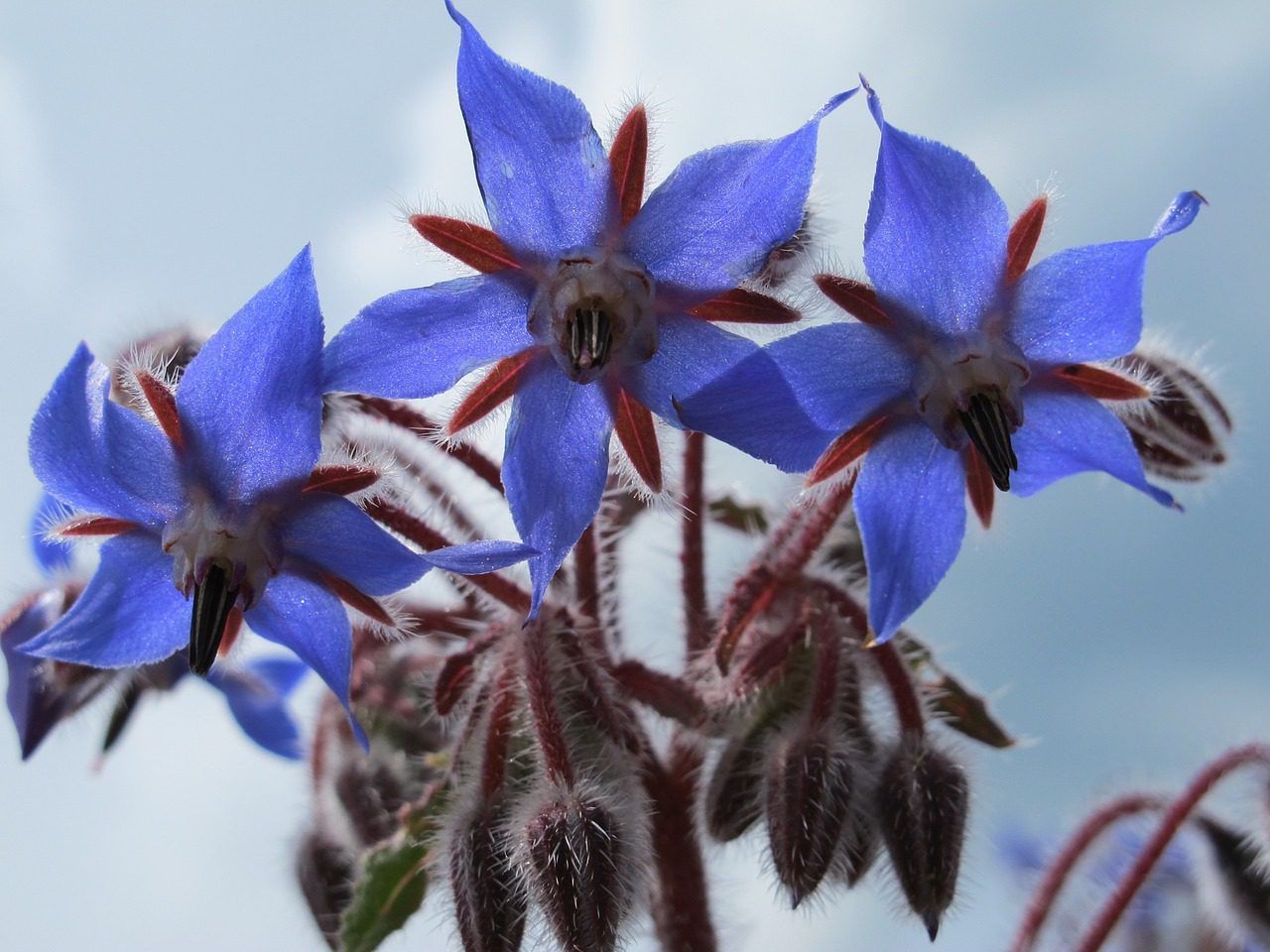
Slug-repellent plants, or prevention through planting
Read
Surface composting: protect your vegetable patch from slugs, with love
Read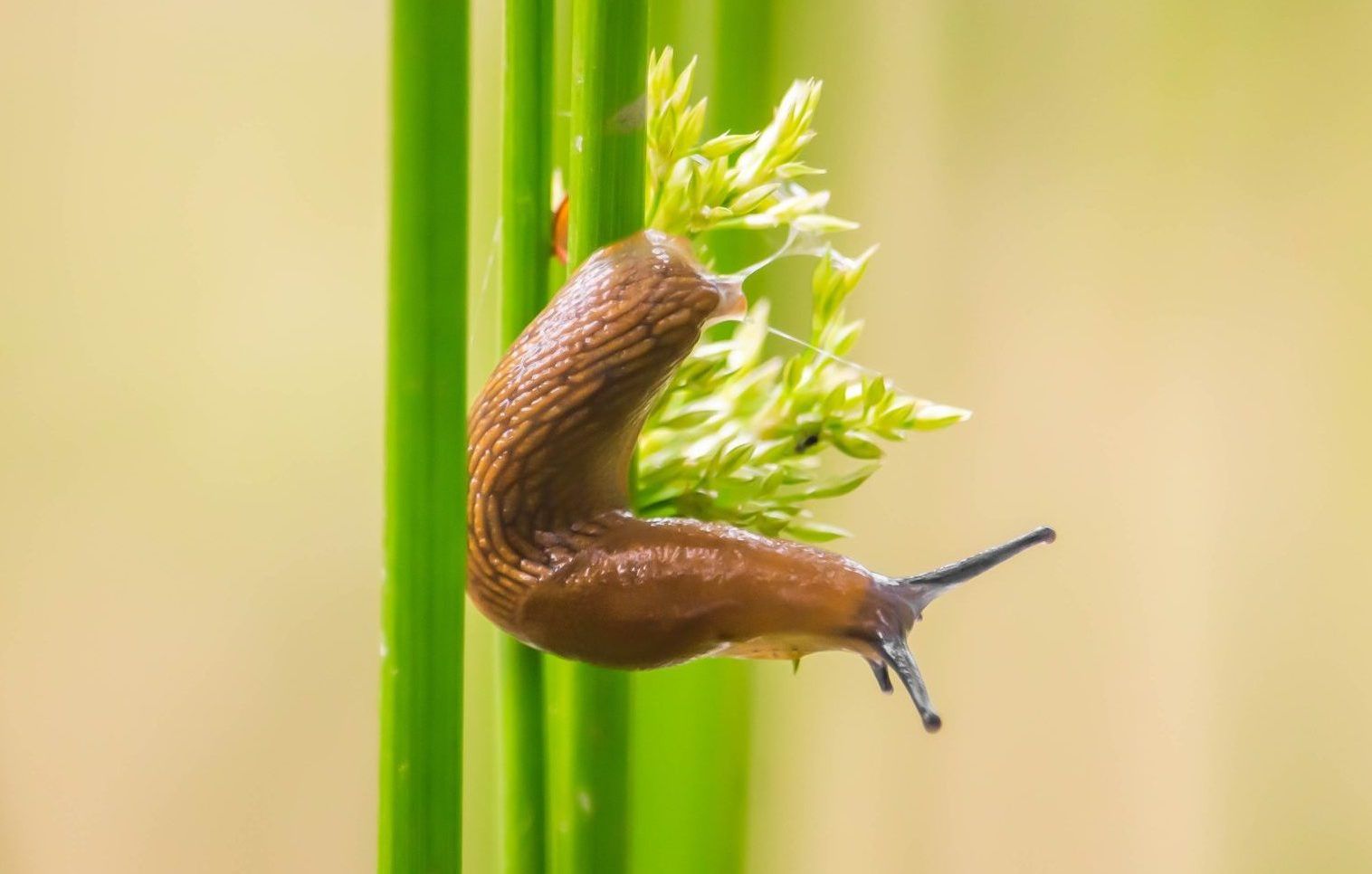
Slugs: their usefulness in the garden, what they indicate, and holistic management through reshaping the habitat
Read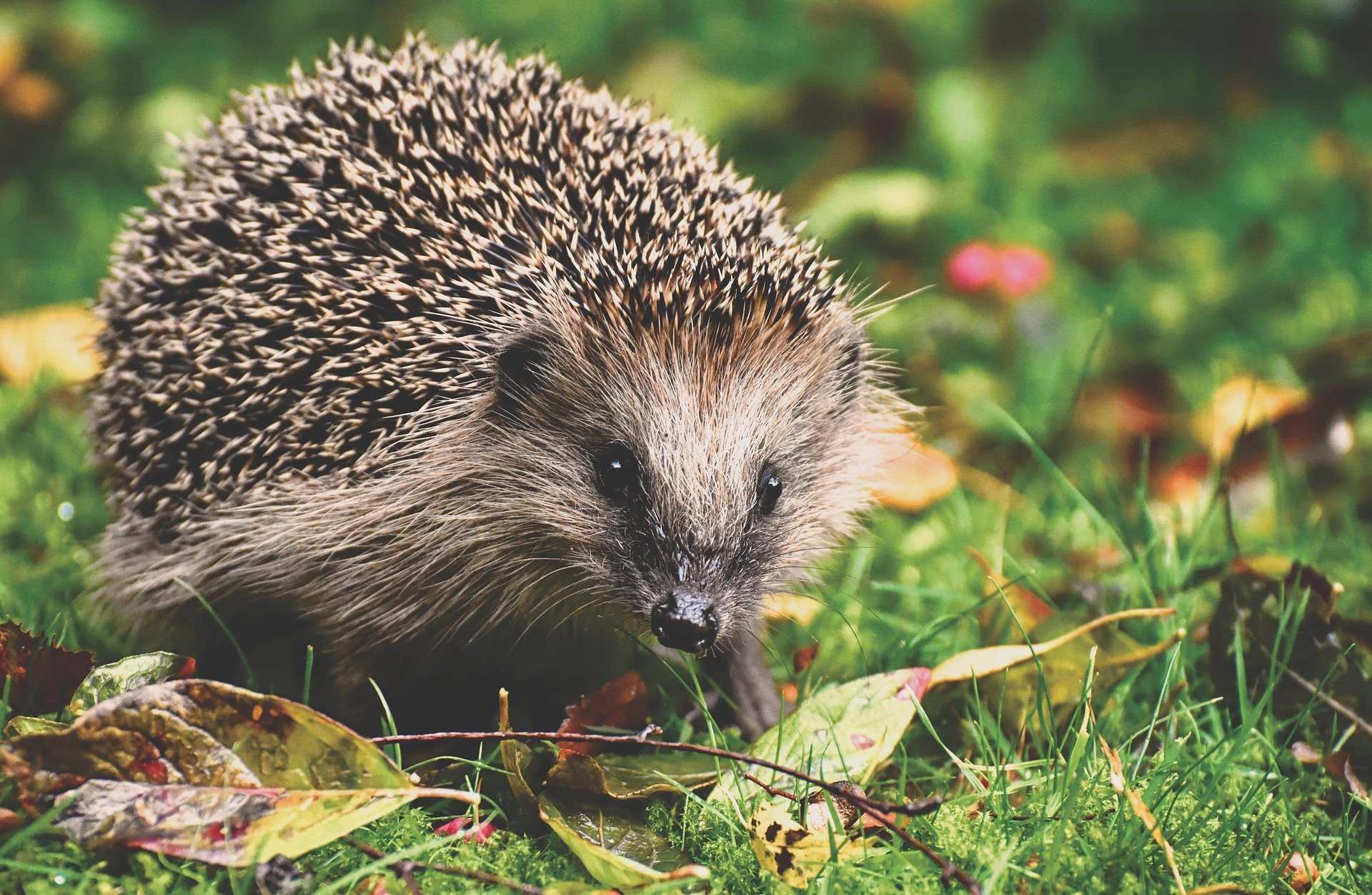
Slug predators: which are they? How to attract them to the garden?
Read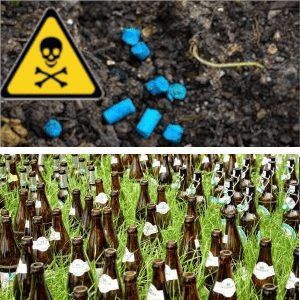
Slug control: the (harmful) methods to avoid – why and how?
Read