Here’s Where Slugs Hide During the Day and What to Do

During the day, when you don’t see them, slugs are hiding.
They are mainly nocturnal creatures, also very sensitive to dehydration (and therefore to heat), and they favour dark, damp places.
So they tuck themselves away in every nook and cranny of this kind that they can find: little tunnels dug into the soil, dead leaves, piles of stone, stacks of wood, and so on…
Let me invite you to explore the question in greater detail below.
If the idea appeals to you, come along!
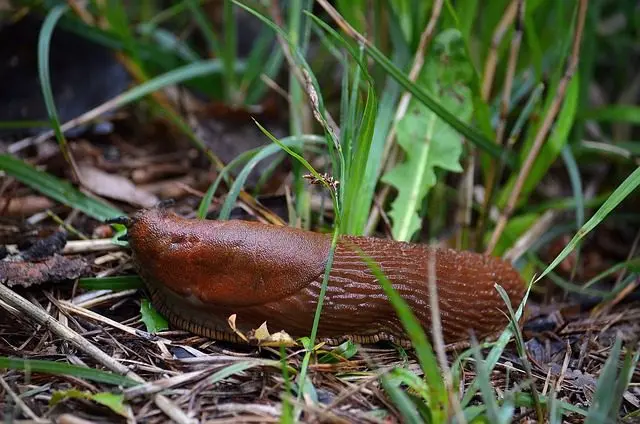
If you're discovering my blog, chances are slugs and snails are giving you grief.
You'd probably be very interested in the copper slug barrier I designed .
It changed everything for me. I can finally grow lettuce, cabbages, strawberries and squashes without tearing my hair out.
Don't hesitate — it's an investment (copper is expensive), but you'll likely save yourself a huge amount of time!
Understanding Slug Behaviour
The Biology of Slugs
Slugs are gastropod molluscs, a group that also includes snails.
But unlike the latter, slugs have no visible external shell.
Their elongated, soft body is made up mainly of muscles and glands that secrete a thick mucus. This mucus allows them to move by gliding over surfaces and to protect themselves against injury.
One of the most important features of slugs is their great sensitivity to dehydration. Their thin, permeable skin makes them particularly vulnerable to water loss, which explains their preference for damp, shady environments.
What’s more, slugs are very sensitive to direct sunlight, which can quickly dry them out and kill them. This drives them to adopt specific behaviours to avoid exposure to light and heat.
Circadian Rhythm
Slugs follow a circadian rhythm that is mainly nocturnal. They are most active at night, when temperatures are cooler and humidity is higher — ideal conditions for their survival.
During the day, they hide away in dark, damp spots to avoid dehydration and predators.
This nocturnal behaviour is also linked to their need for moisture, since their mucus dries out quickly under the heat and light of day. Night offers them a safer, more suitable environment in which to feed and move about.
It’s also the reason why they are rarely seen in broad daylight, except in overcast weather or after rain, when conditions are similar to those of the night.
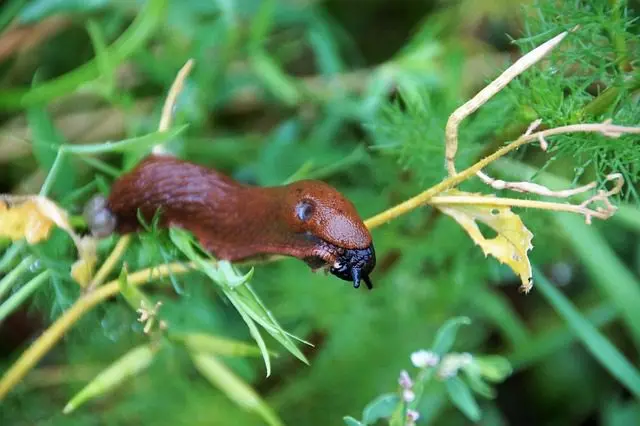
The Reasons Why Slugs Hide During the Day
Sensitivity to Light and Heat
Slugs are extremely sensitive to sunlight and high temperatures. Their body is made up mainly of water, and their thin, permeable skin makes them particularly vulnerable to dehydration. Direct exposure to the sun can quickly lead to a critical loss of moisture, putting their survival at risk. To avoid this danger, slugs adopt behaviour that drives them to seek out shady, cool shelters as soon as day breaks.
By hiding under stones, leaves or in cracks in the ground, they manage to maintain their bodily moisture while avoiding direct sunlight. This strategy allows them to conserve their energy and stay safe during the hottest parts of the day.
Protection Against Predators
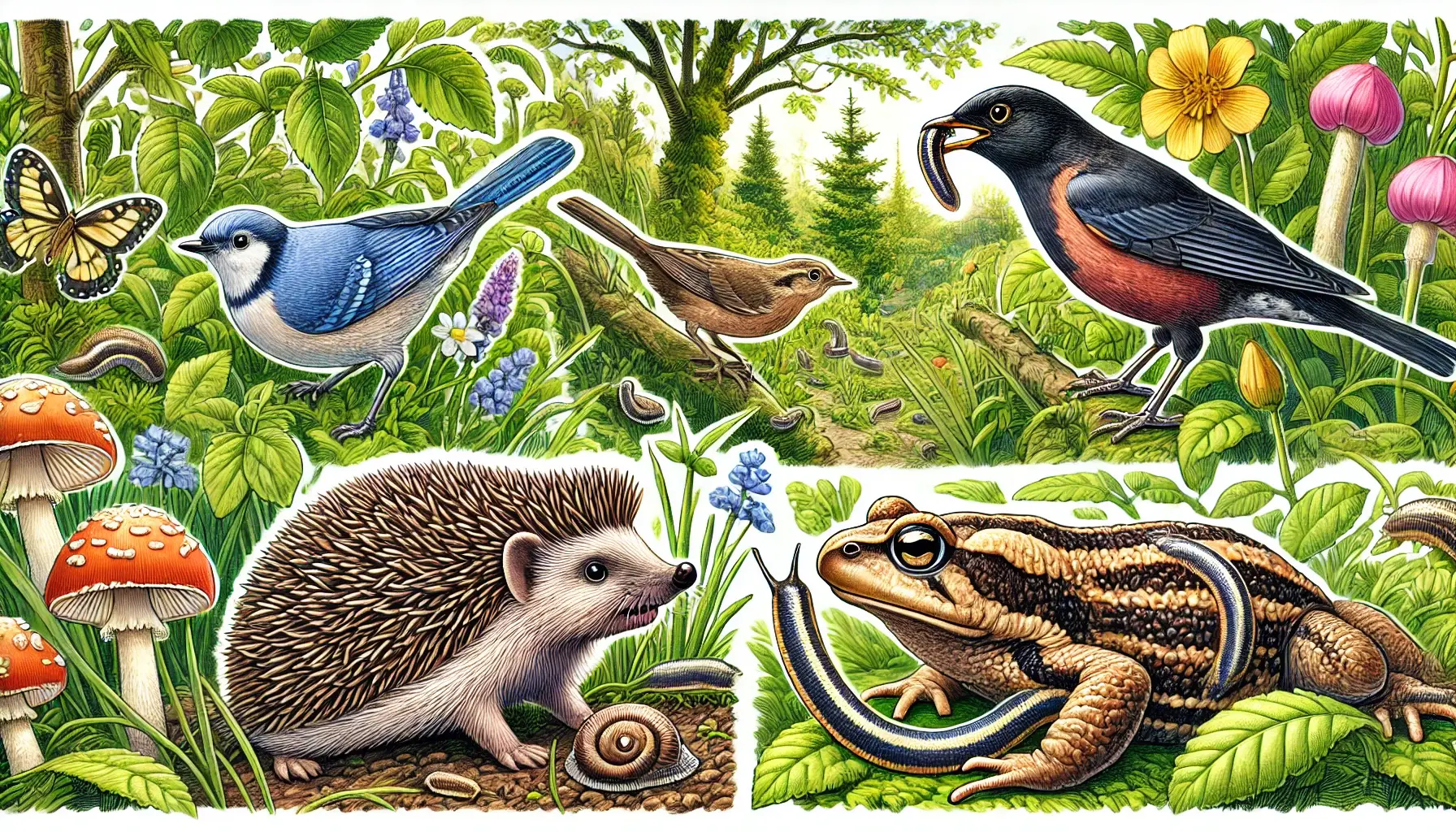
In addition to the threat of dehydration, slugs must also protect themselves against a wide range of predators. Birds, mammals such as hedgehogs, and certain insects like ground beetles are natural hunters of slugs. Daylight exposes slugs more to these predators, which reinforces their need for discretion.
Hiding during the day allows them to stay out of sight of these predators and to increase their chances of survival. By concealing themselves in dark, inaccessible places, they avoid being spotted and hunted. This behaviour is therefore essential to avoid dehydration, but also to protect themselves against the natural dangers lurking above ground.
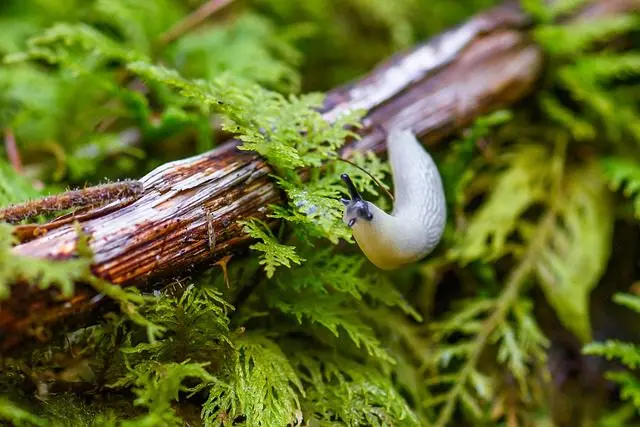
The Typical Hiding Spots of Slugs During the Day
Under Dead Leaves and Plant Debris
Dead leaves and plant debris make ideal hiding spots for slugs during the day. These places not only offer effective protection from sunlight, but they also maintain a constant level of moisture, essential to the survival of slugs.
Plant debris forms an insulating layer that keeps the soil beneath cool and damp, thereby creating a perfect microclimate for slugs. By slipping under this natural cover, slugs can avoid dehydration and escape the heat, while remaining hidden from predators.
Under Stones and in Cracks
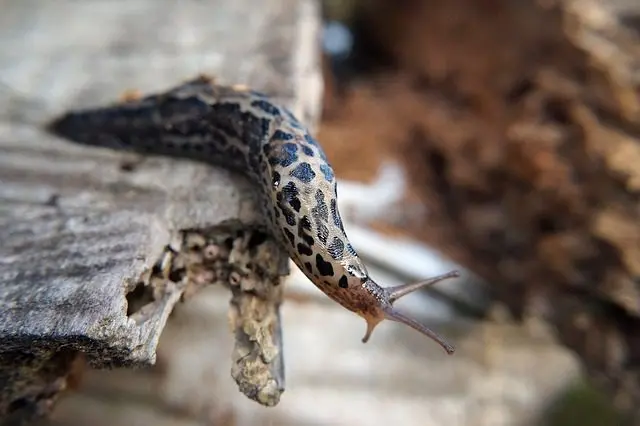
Stones, rocks, and cracks in the ground offer prime refuges for slugs during the day.
These shelters provide a cool, dark environment, protected from direct sunlight.
The microclimate under stones is often damper and cooler than the surrounding environment, which is ideal for slugs seeking to conserve their hydration.
What’s more, cracks in the ground offer them safe hiding spots where they can conceal themselves undisturbed, minimising their exposure to danger.
In the Soil
Some slug species have the ability to burrow slightly into the soil to protect themselves from external conditions. By digging just beneath the surface of the ground, they can reach a cooler environment that is more stable in terms of moisture.
This behaviour is particularly common during periods of intense heat or drought, when the surface of the soil becomes too dry for their survival.
By burrowing, slugs not only escape the heat, but they also place themselves out of reach of many predators.
In the Shade of Plants
Plants, especially those with dense foliage, play an important role in protecting slugs during the day.
The shade provided by these plants reduces the slugs’ exposure to the sun and helps to maintain a cooler microclimate at ground level.
Plants thus create pockets of moisture that attract slugs, offering them a refuge where they can rest in complete safety until nightfall.
By hiding in the shade of plants, slugs can avoid dehydration while staying camouflaged in their natural environment.
Consequences for Gardeners and Slug Management
Impact on Gardens
Slugs can cause significant damage in gardens, especially at night when they are most active.
These molluscs feed mainly on young shoots, tender leaves, flowers, and even certain fruits and vegetables.
Their voracious appetite can quickly destroy rows of seedlings or mutilate ornamental plants, which is particularly frustrating for gardeners who have put time and effort into cultivating these plants.
The slime trails left by slugs and the holes in the leaves are often the first visible signs of their presence in a garden.
Strategies to Control Them
Gardeners need to adopt prevention and control strategies to minimise the damage caused by slugs.
One of the first measures is to design the garden so as to attract the slugs’ predators.
It’s also useful to create physical barriers to stop slugs from reaching vulnerable plants, while those predators settle into the garden.
On this front, the most effective methods are vertical copper barriers more than 7 cm high, and water used in the form of moats.
The slug netting, which I now sell on this site, is the application of the first of these strategies. And it’s the most effective one I currently know of.
Conclusion
When you don’t see slugs during the day, it’s because they’re hiding away somewhere cool and shady!
But once you’ve discovered their hiding places, don’t kill them or move them for all that.
This is the foundation of the definitive strategy for managing slugs in the garden: leaving the slugs there, in order to attract their predators for the long term.
I hope you’ve enjoyed this article, and that it has given you new tools to garden freely and self-sufficiently, while understanding what you’re doing and why you’re doing it.
See you soon,
Robin.
The information in this article has been selected and verified according to the criteria defined in our editorial charter.
Done with slugs. For good. Starting this season.
Scientific References
-
Impact of slugs in gardens:
- The article on “Slugs and Their Control” by Penn State Extension provides comprehensive information on the damage that slugs can cause to crops and gardens. It describes the types of damage observed, such as holed leaves and mutilated plants, as well as strategies to limit their impact. This document is particularly useful for understanding the extent of the problems that slugs can pose to gardeners. Direct link here (Penn State Extension).
-
Sensitivity of slugs to light and dehydration:
- The article “Slugs in the Greenhouse, Nursery, Landscape” published by NC State Extension explains in detail how slugs are affected by heat and sunlight, and why they hide during the day to avoid dehydration. This text also provides recommendations on habitat management to limit their presence. Direct link here (NC State Extension).
-
Behaviour and hiding spots of slugs:
Related articles
Testing and review of 30 natural slug deterrents (do they work?)
Read
Slug-repellent plants, or prevention through planting
Read
Surface composting: protect your vegetable patch from slugs, with love
Read
Slugs: their usefulness in the garden, what they indicate, and holistic management through reshaping the habitat
Read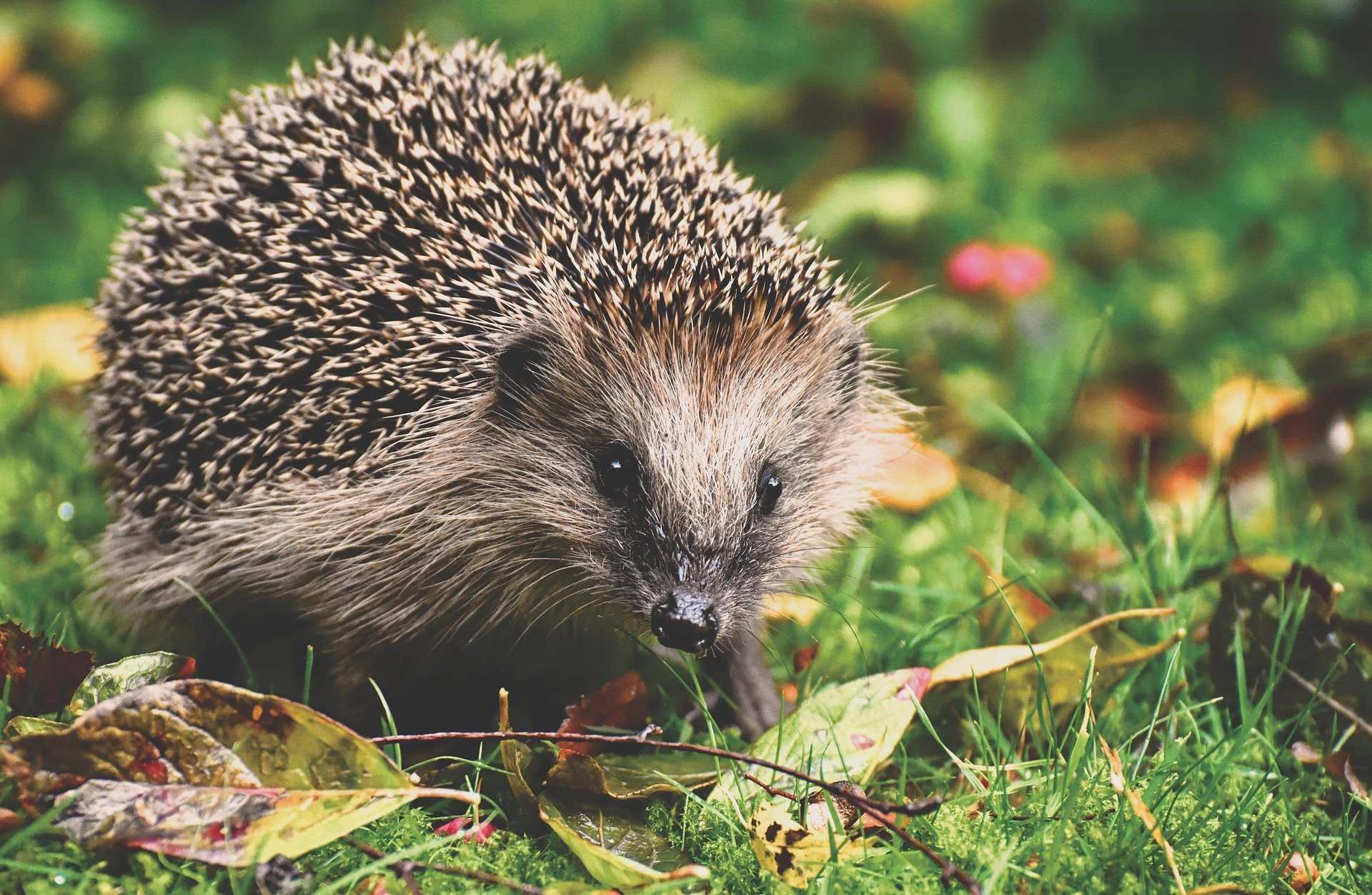
Slug predators: which are they? How to attract them to the garden?
Read
Slug control: the (harmful) methods to avoid – why and how?
Read