The best (clever) old wives’ remedy against slugs.
If you're discovering my blog, chances are slugs and snails are giving you grief.
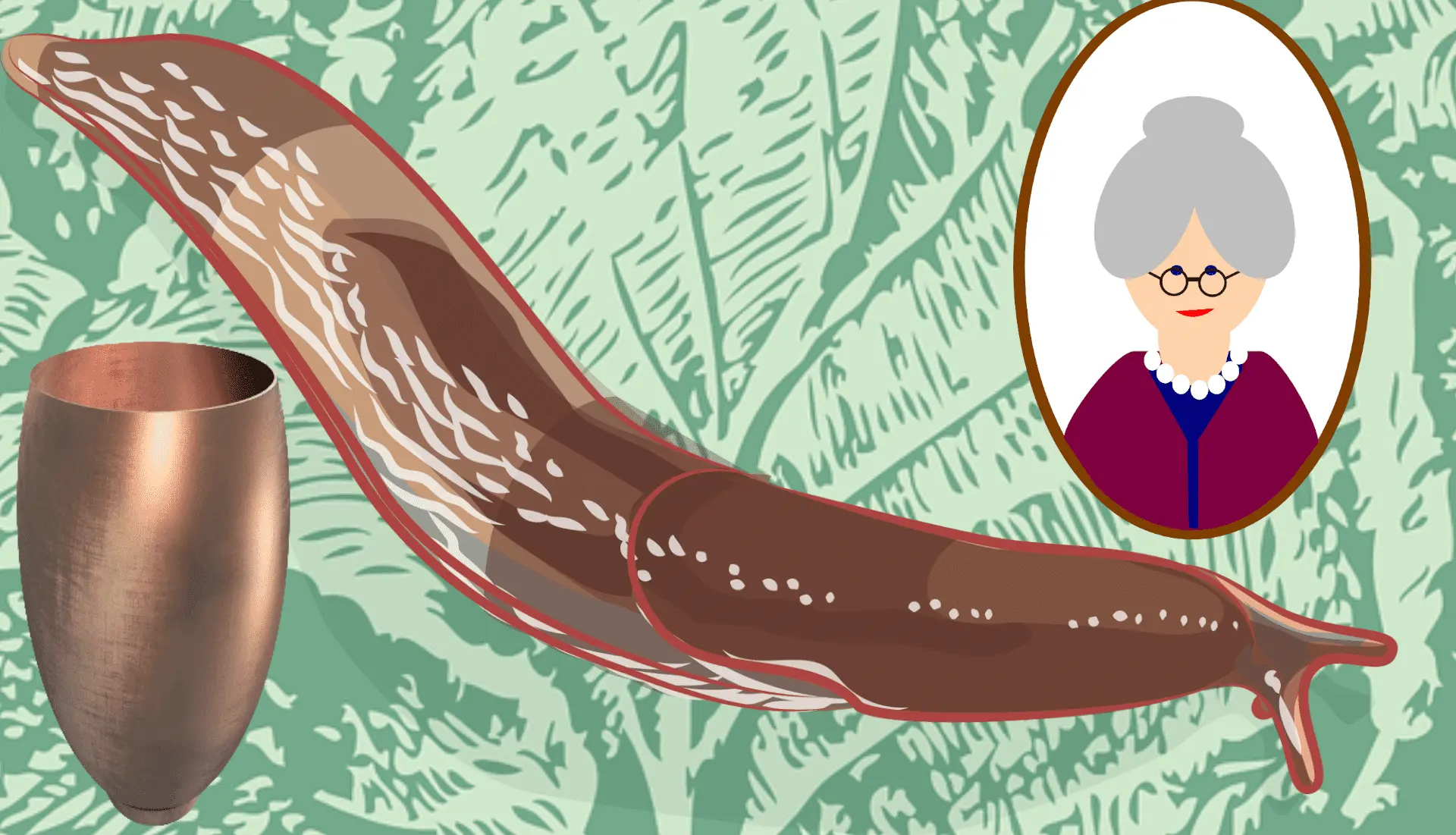
You'd probably be very interested in the copper slug barrier I designed .
It changed everything for me. I can finally grow lettuce, cabbages, strawberries and squashes without tearing my hair out.
Don't hesitate — it's an investment (copper is expensive), but you'll likely save yourself a huge amount of time!
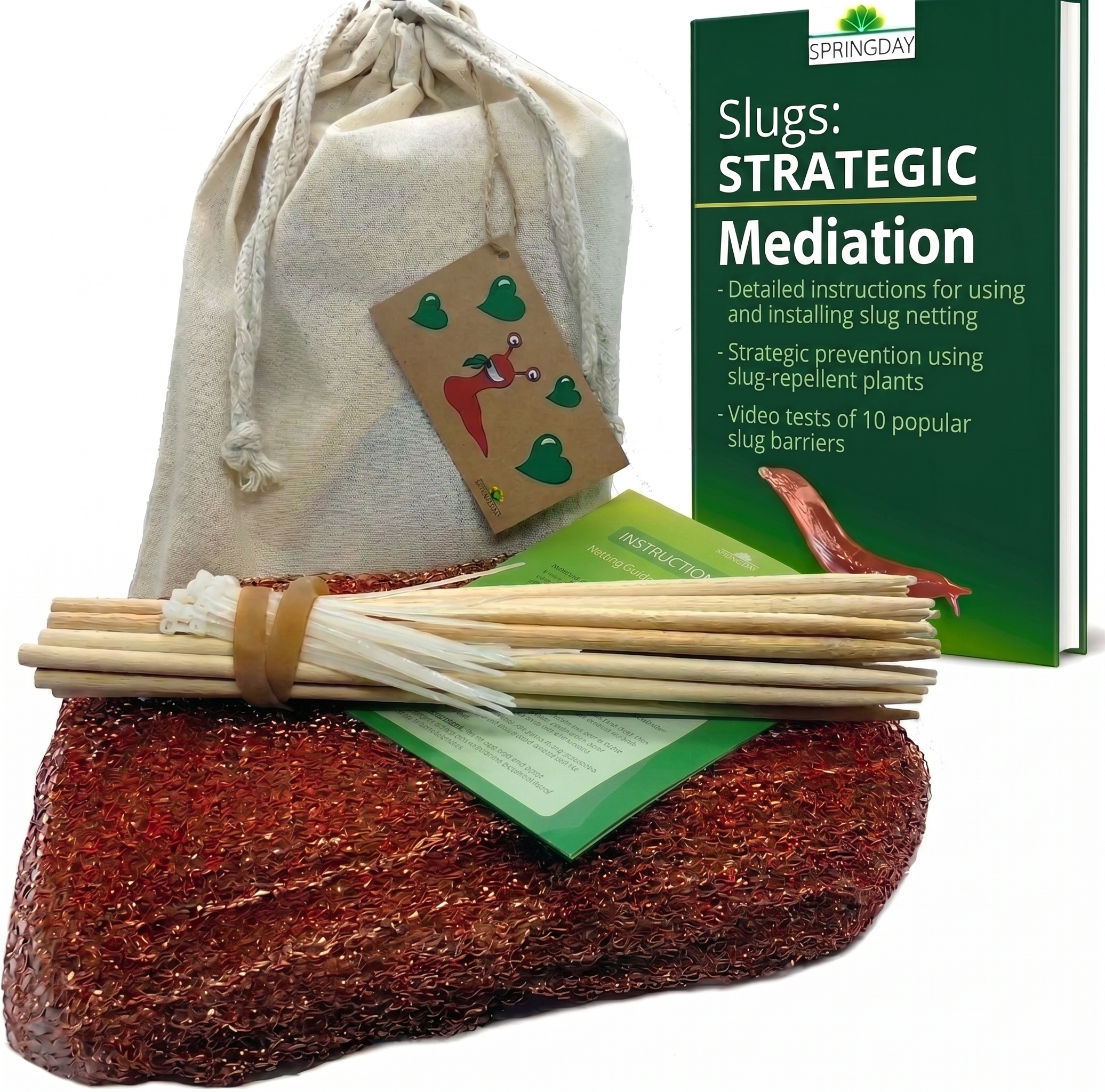
Slugs, a huge problem for so many gardeners, seem to be an inevitable fate. And yet these and other molluscs can be kept away from the vegetable patch with a clever old wives’ remedy. An effective solution, and one that is far too little known…
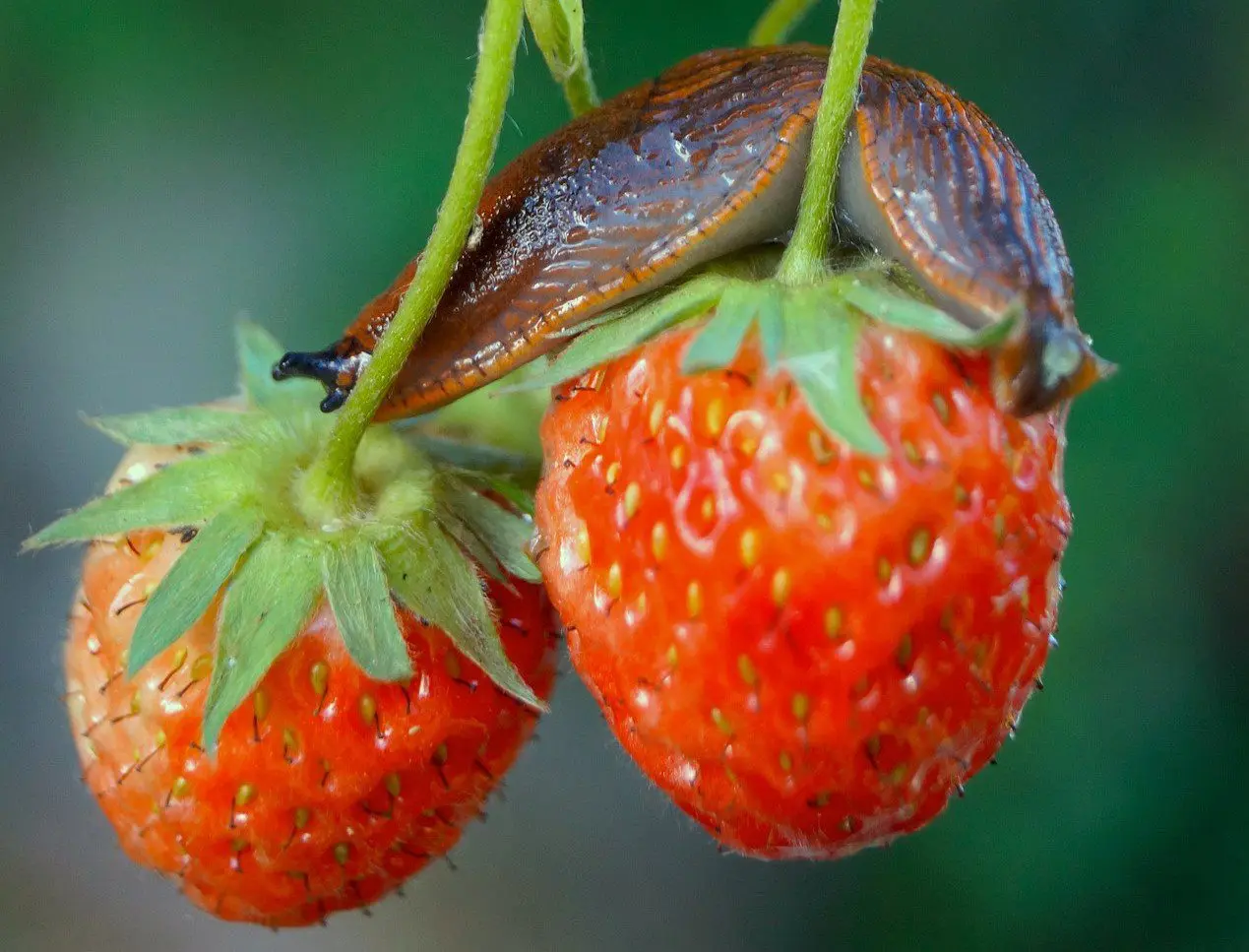
The old wives’ remedy against slugs in the garden – Part 1: attract their predators.
Spring is here… At last!
You are quivering with impatience to grow your first lettuces of the year, in soil that is still a little cold.
But…
Soon you are quivering with dread at this dreadful sight: the lettuces have been laid waste… By a horde of slugs.
What can you do?
How do you fight back?
Is there a special recipe that grandmothers once used, in the old days, to deal with slugs?
The answer is yes. There is an effective old wives’ remedy against slugs.
And it is not as crude and brutal as what you might find elsewhere.
Ever since time began, vegetable patches have been overrun with slugs and snails as the first mild spells of spring approach.
And, ever since time began… One of the best strategies, used by the cleverest and laziest grandmothers… is still to do nothing at all.
“Sorry? Are you having me on?”
No, but let me explain:
An overpopulation of molluscs in the vegetable patch is the symptom of an imbalance in your garden.
Slugs are a consequence.
And the cause behind that consequence is the imbalance.
“OK, but an imbalance of what, exactly?”
There are probably two things out of balance in your garden if you have too many slugs and snails.
Let us tackle the first one straight away – we will talk about the second in the next part.
The first imbalance behind a slug infestation is a lack of their natural predators in your garden.
Slow-worms, toads, hedgehogs, ground beetles, rove beetles, glow-worms…
Once settled in your garden, these companions will take care of keeping your slugs in check, and they will do so continuously.
But to encourage them to set up home with you, there are 2 rules to follow – let us call them the 2 rules of the clever grandmother:
Clever grandmother’s rule number 1:
“Killing slugs, thou shalt avoid”
For heaven’s sake, grandma, have you gone senile?! And what about my salads?
The predators of slugs will only come to you if their food is present there.
So you need to be patient in the early days, while you wait for them to settle in. And let the slugs multiply.
But don’t worry, grandma is still all there: in the 2nd part, we will see how – while you wait for the molluscs’ predators – to keep your plants protected from slugs.
Clever grandmother’s rule number 2:
“Thy garden, thou shalt arrange”
That’s right, the predators need food, but also shelter!
For that, you will need thick, evergreen hedges, unmown grass, piles of wood, piles of stones, and other nooks and hiding places.
To sum up, and even though it isn’t everyone’s aim: rule number 2 is, to encourage the predators of slugs to settle in your garden, don’t keep too “tidy” a garden.
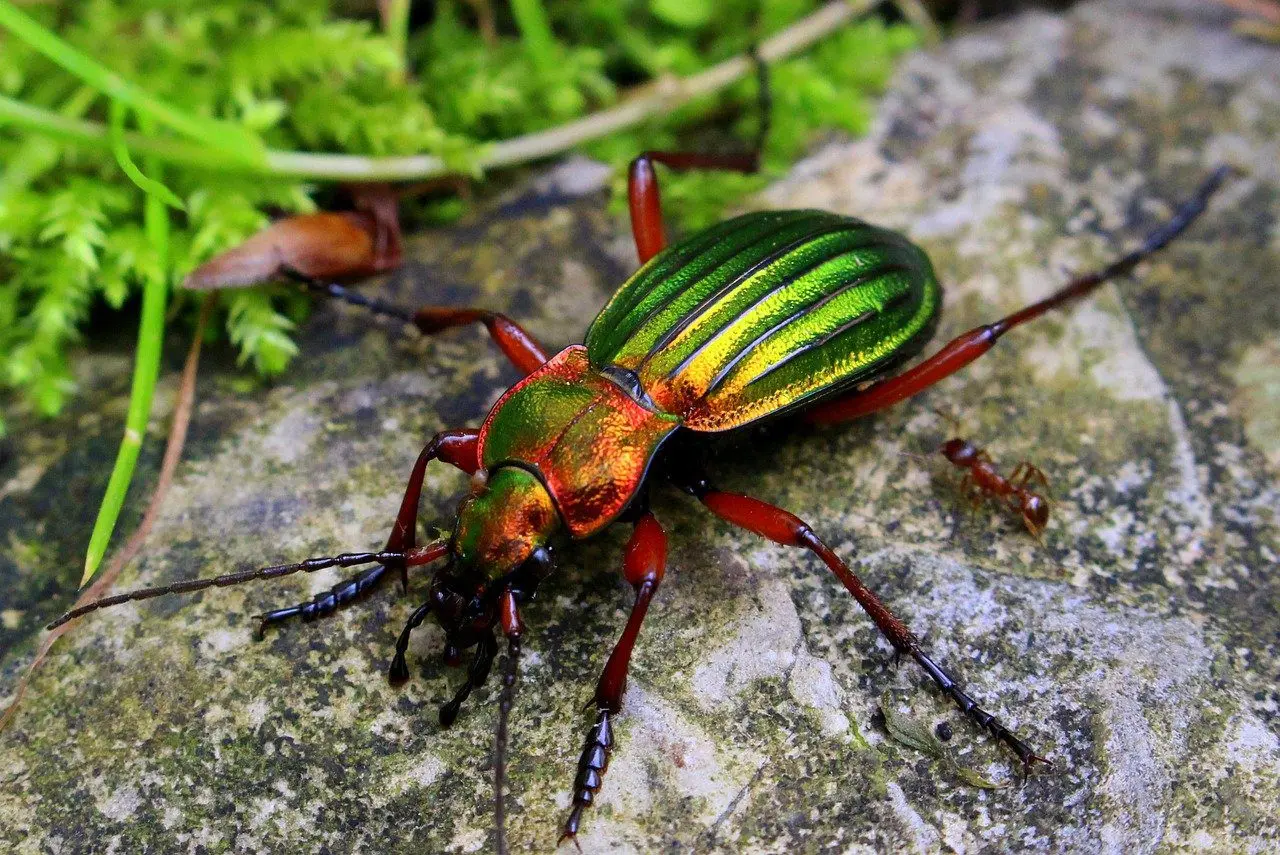
Ground beetles are formidable predators of slugs and snails.
Use slug-repelling plants cleverly – The remedy, Part 2.
I had promised to reveal grandma’s 2nd secret to you: the second thing that creates an unbalanced garden – behind a glut of slugs – and the answer to it.
This second likely cause of the imbalance in your vegetable patch is a lack of plant biodiversity. Or, to put it another way, the clever use of “slug-repelling” plants.
Why?
Because when slugs become active again, in spring, they are intensely on the hunt for food.
And they will munch on whatever they happen to find.
If your garden is a lifeless desert, containing only your two precious rows of salads…
… The slugs will focus on them… And lay them waste.
What you need to do is spread out the slugs’ grazing.
How?
By offering them a whole range of alternative prey instead of your salads.
This could be dandelions, mustard, rape, cress, sunflowers…
In short, the second part of the clever old wives’ remedy is to increase the garden’s plant biodiversity, to spread out the slugs’ grazing on the plants that really matter to you.
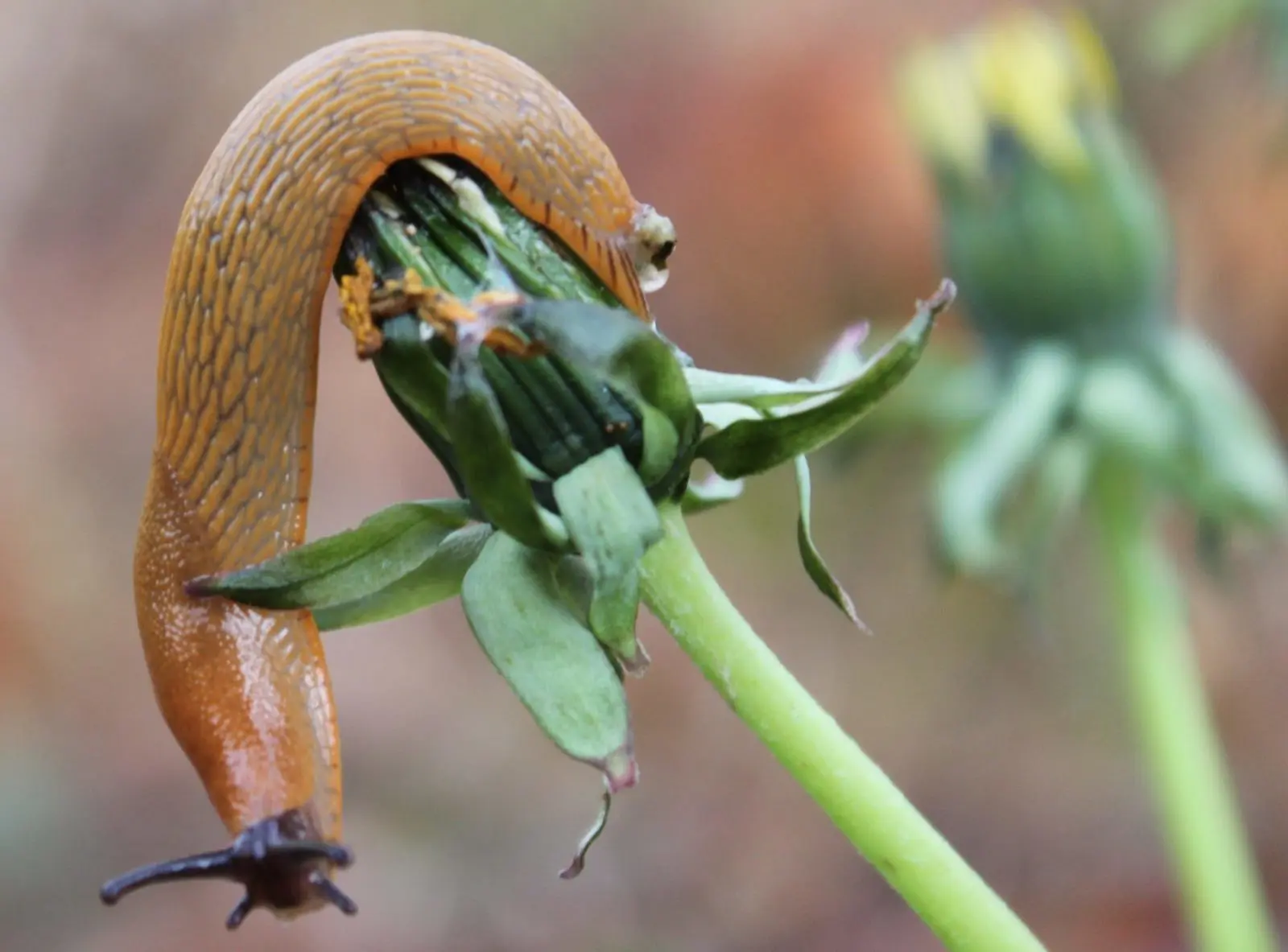
Dandelions are very popular with slugs.
Use slug barriers that are genuinely effective – Grandma’s tip, Part 3.
“OK, so to settle my slug problem in the garden once and for all, in a lasting way, I need to give my garden time to rebalance itself. But in the meantime? Do I let slugs and snails devour everything?”
Good question.
Indeed, it wouldn’t be an easy thing to accept – having no harvest for 2-3 years, while everything falls back into place.
Fortunately, grandma, who has had to face this problem herself, has found the clever workaround.
The “remedy” is to use effective slug barriers.
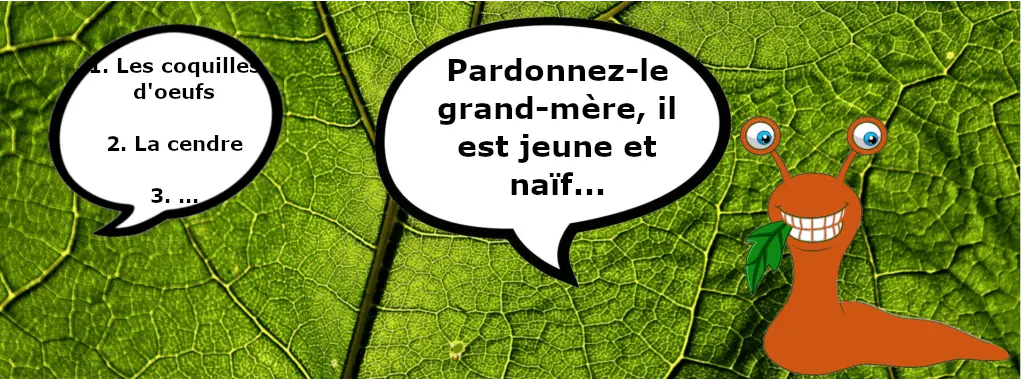
– “Ah yes, I know all about those” – the naive young man would say – “Eggshells, ash, brambles, coffee grounds, cat hair, sawdust…!”
– “No, naive young man” – grandma would say – “All those barriers have already been tested… and every one of them proven ineffective (or too weakly effective, or ineffective at the slightest dampness (rain, dew)).”
– “Grandma, you’re lying” – the naive young man would say, taken aback.
– “Here, you’ll find the proof of these harsh words” – grandma would say.
Here you’ll find the slug barrier test videos, proof of these claims.
– [Arms hanging limp] “So, what do I do?” the naive young man would say.
– [Face calm and serene, but eyes sparkling] “There are in fact 2 slug barriers proven to be genuinely effective.” the grandmother would say.
– The naive young man – [hanging on grandma’s next word]
– The grandmother – “The 1st genuinely effective slug barrier is a trench filled with water, at least 5 cm deep and wide enough.
The molluscs won’t be able to cross it.
It’s rather the same principle as the water-filled moats of medieval castles.

To put this into practice, you can surround the sensitive areas of your vegetable patch with buried guttering whose ends have been blocked off.
The guttering will fill up with water by itself when it rains, and will form a barrier the slugs cannot cross.”
“The 2nd genuinely effective slug barrier is copper, used as a vertical barrier, more than 7 cm high.
Indeed, because when a slug comes into contact with copper, it feels something very unpleasant: this is due to an electric current (of a nature still not identified), produced by the contact between the slug’s mucus and the solid copper (Cu).

But if you have sometimes doubted the effectiveness of copper, long used by the old-timers though it is, that’s because it is often used incorrectly:
Placed horizontally, it won’t work: the slugs feel the current, but too faintly (the need to grip the surface is weaker), and they get past.
Placed vertically, but at too low a height (< 7 cm): the slugs feel the current, but they manage to endure it long enough to get across all the same.”
“There are several shop-bought copper-based products.
But unfortunately, almost all of them have fairly poor customer reviews.
Because these shop-bought products don’t follow these rules, and so don’t work well enough.”
“But now that you know more, I’m going to share a secret with you….”
The now-educated young man – [drinking in her words] “Yes?”
Grandma – “A new copper-based slug barrier, which recently succeeded in a crowdfunding campaign, has come into being.
It meets all the important criteria…
… And so the customer reviews are very good…
… Because it is genuinely effective.”
The now-educated young man [curious, and impatient to learn more]: “Grandma, so where can I find this new barrier?”
Grandma: “here”: Click here to discover the new, impassable copper-based slug barrier.
Grandma: “AND if you want a summary of the test results of every existing method for managing slugs in the garden, you can download it here”:
The information in this article has been selected and verified according to the criteria defined in our editorial charter.
Done with slugs. For good. Starting this season.
Scientific bibliography
The study examines several different substances for their ability to repel slugs and snails. The results revealed, among other things, that copper had a repellent effect.
Related articles
Testing and review of 30 natural slug deterrents (do they work?)
Read
Slug-repellent plants, or prevention through planting
Read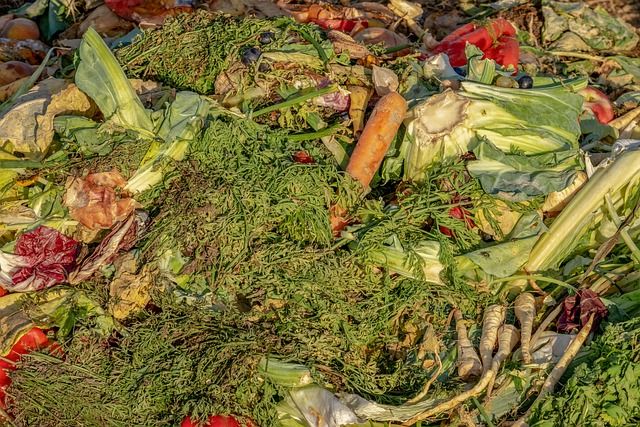
Surface composting: protect your vegetable patch from slugs, with love
Read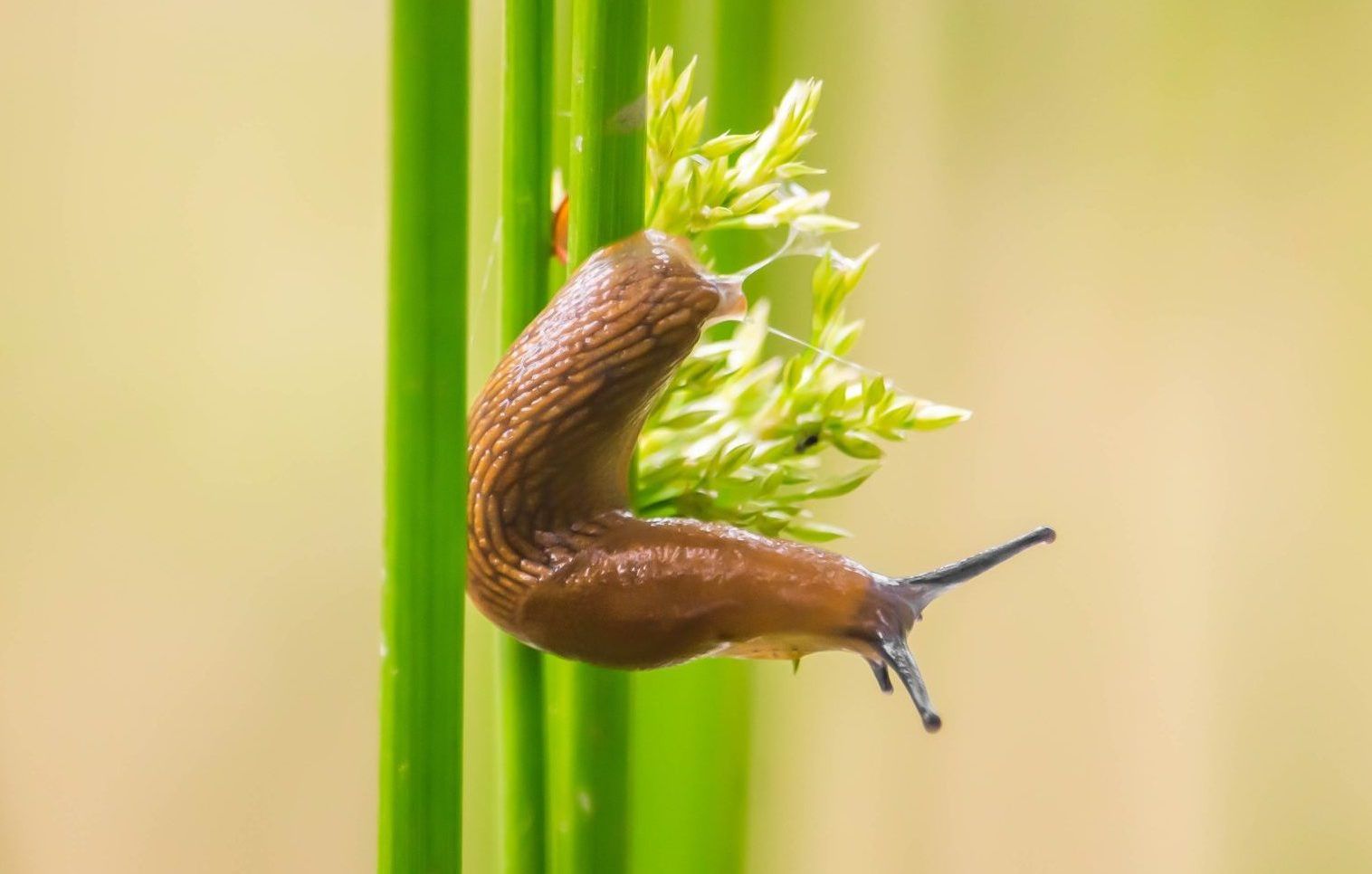
Slugs: their usefulness in the garden, what they indicate, and holistic management through reshaping the habitat
Read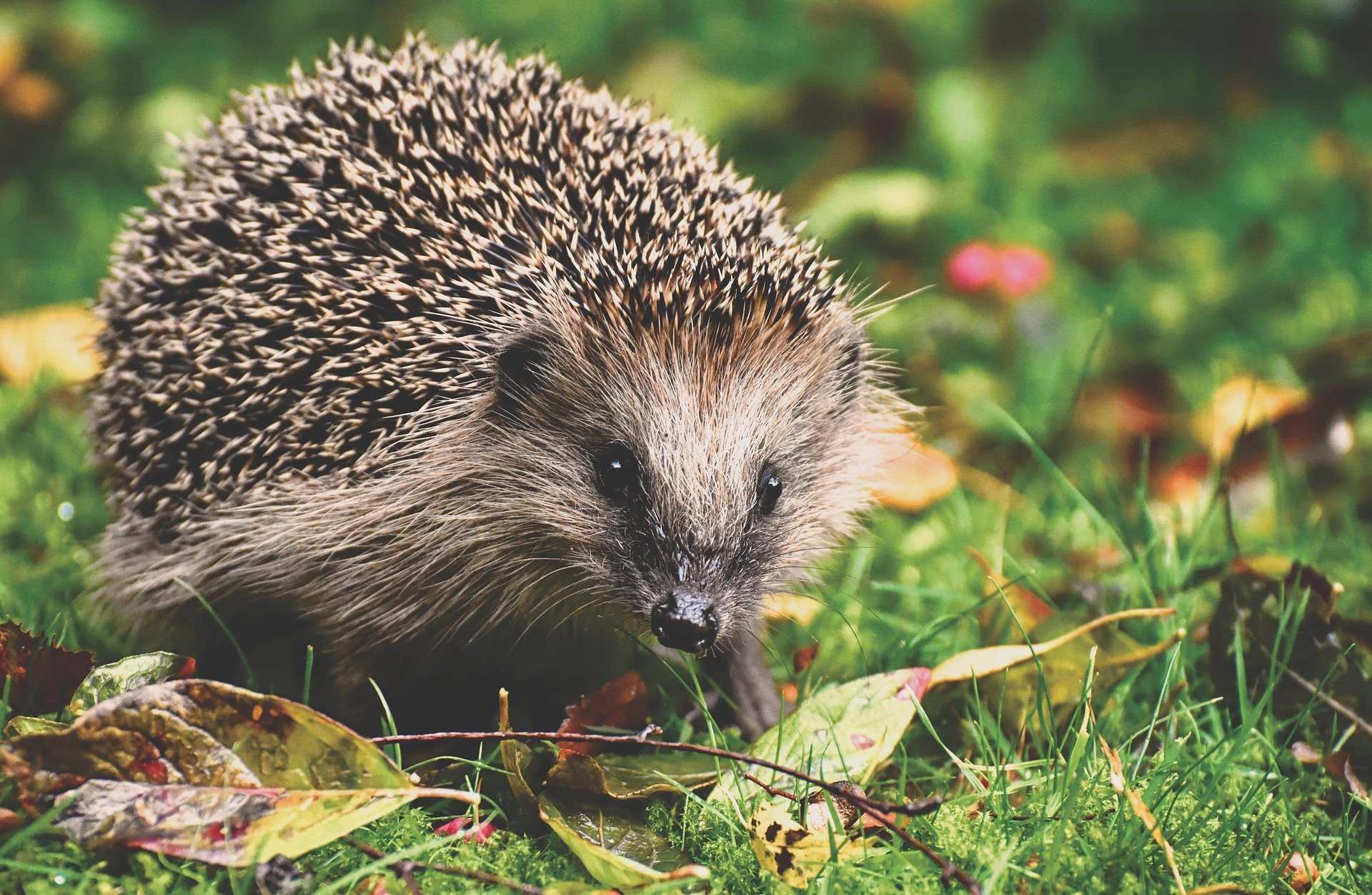
Slug predators: which are they? How to attract them to the garden?
Read
Slug control: the (harmful) methods to avoid – why and how?
Read
Building (or buying) your own slug barrier
Read