How to (cleverly) get rid of slugs and snails in the garden

If you're discovering my blog, chances are slugs and snails are giving you grief.
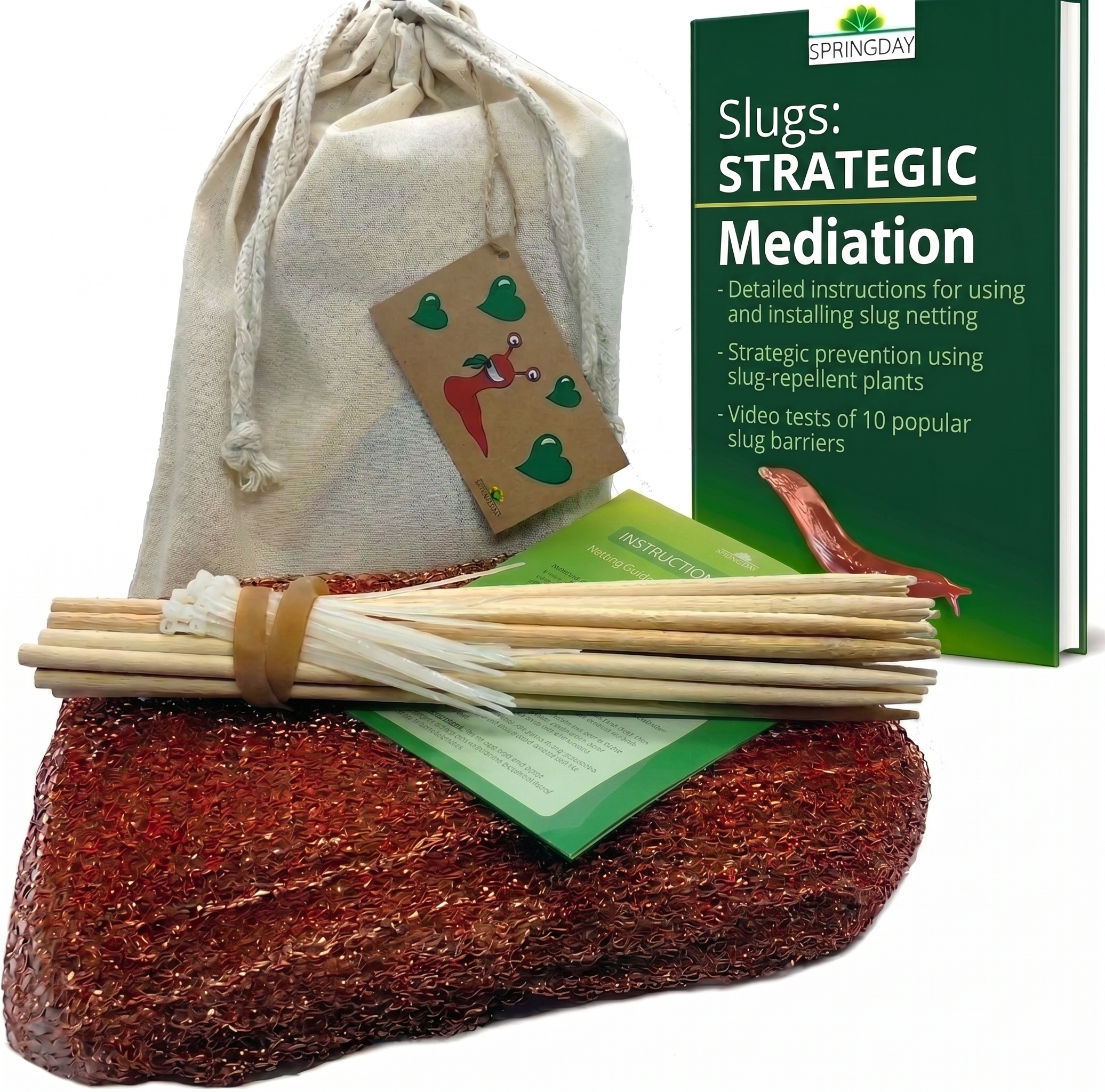
You'd probably be very interested in the copper slug barrier I designed .
It changed everything for me. I can finally grow lettuce, cabbages, strawberries and squashes without tearing my hair out.
Don't hesitate — it's an investment (copper is expensive), but you'll likely save yourself a huge amount of time!
Slugs and snails can become a real problem in a garden. The question every gardener asks: how do you get rid of them? How do you keep these gastropods away from our vegetable patch for good? That is exactly what we are going to look at in this article.
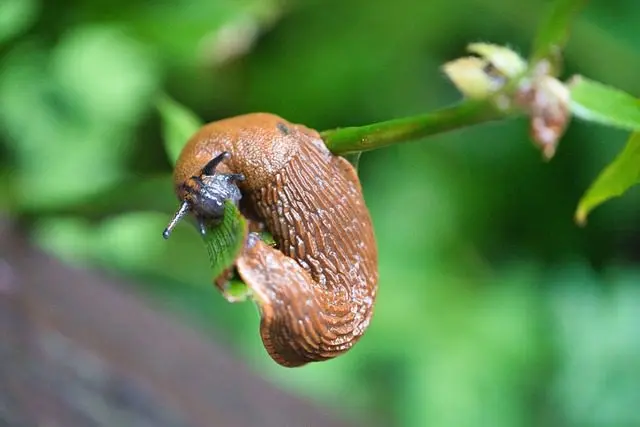
6 ways to get rid of gastropods in the garden
Here are 6 ways to eliminate slugs and snails from the garden (quick, visible results):
Picking slugs off by hand:
Through sheer courage, by night, with a head torch strapped to your forehead: you take advantage of the slimy creatures coming out with the night-time moisture to gather them up.
It is a bit like picking mushrooms, just with a little less enthusiasm in your heart.
Once they are collected in your big bucket, if you are the merciful type you will release them far from home (more than 300 metres, so they don’t risk coming back).
It is a method that works very well in the short term, and for as long as your motivation holds out, to get rid of the gastropods.
Anti-slug pellets:
You can use iron-phosphate pellets if you are looking to decimate the slug population in your garden.
The slugs that swallow them will die.
The short-term effect is often fairly clear-cut.
Even though the long-term effects of using iron-phosphate pellets in the garden still seem unclear to me (in particular their potential impact on earthworms), it is a solution that some traditional gardeners go for.
Anti-slug nematodes:
These are microscopic worms, which you can buy from specialist websites.
These nematodes are predators of slugs and snails, and they will rapidly wipe out the population.
Here too, the short-term results are clearly visible. But nematodes remain rather expensive, and they have to be applied frequently.
Indian Runner ducks
These ducks, called “runners” because of their “upright” posture (which gives us the impression that they are running), are very fond of gastropods.
Adopt a pair of Indian Runner ducks (be warned, you will need to build them a pond), and you can be sure they will rid your garden of slugs and snails with a vengeance.
But do be careful, because adopting Indian Runner ducks is not always a good idea for managing slugs in the garden.
In particular because they also munch on your lettuces, and for other reasons we mention further down in this article.
Hens
After the ducks, the hens!
While Indian Runner ducks can rid your garden of the big slugs, hens can only tackle the smallest slugs, as well as the eggs.
Hens also have the annoying habit of scratching at the soil with their feet (quickly creating compacted, grassless ground) and pecking at your plants.
The “hens” option therefore usually only makes sense alongside the use of wire-mesh tunnels or some other movable temporary enclosure, allowing them to hunt slugs without damaging your vegetable patch too much.
Beer traps
Beer traps are a common solution for fighting slugs in the garden.
It is true, slugs are very much drawn to beer, and a good many of them end up drowning in the trap.
BUT - and this is why I am putting this “solution” last on this list -, beer traps actually don’t allow you to get rid of slugs and snails, even in the short term.
What is little known is that the smell of beer attracts slugs so strongly that they travel a long way towards the beer traps.
A long way, that is to say more than 100 metres! So they come over from your neighbours’ gardens, all the way to yours.
“But, no worries, because they’ll die in the beer” – I am usually told.
That is problem number 2: it turns out that, in fact, no more than a third of the slugs lured by beer traps actually end up drowning in them.
Drawing slugs into your garden from more than 200 metres around, and only eliminating a third of them, a good idea? … Hmmm Kevin, I’m not sure the maths add up.
In short, beer traps are a false good idea for getting rid of slugs… And you can look into the topic in more detail in my dedicated article.
Killing or moving slugs and snails, are these really lasting solutions?
As we said, there are several effective solutions that allow you to eliminate slugs from the vegetable patch.
At least, in the short term.
And in the long term, what does that give you?
What you need to know is that killing - or even moving - slugs creates what is known as a yo-yo effect: the problem disappears for a while, then comes back.. Sometimes even more pronounced than before..
This is due to the fact that a slug overpopulation in a garden, as Hervé Coves puts it so well**, is a symptom of an imbalance in that garden**.
An imbalance caused by too weak a presence, on site, of the gastropods’ natural predators – which keep slugs in check over the long term.
But often also due to too little plant biodiversity, which is needed to offer slugs alternative “prey”, other than your lovely rows of lettuce, when spring rears its head.
And, if we wipe out the slugs in the garden, their natural predators will never settle there.
The following season, the imbalance will be even greater. It is then likely that the slugs come back in even greater numbers.
That’s the yo-yo effect.
So, very often, what we recommend is not killing or moving the slugs in your garden, even if that is all you want to do. Just long enough for the balance to re-establish itself.
But, you are right.
This wise patience is a little utopian, and few people can bear to watch their lettuces be decimated in a single night…
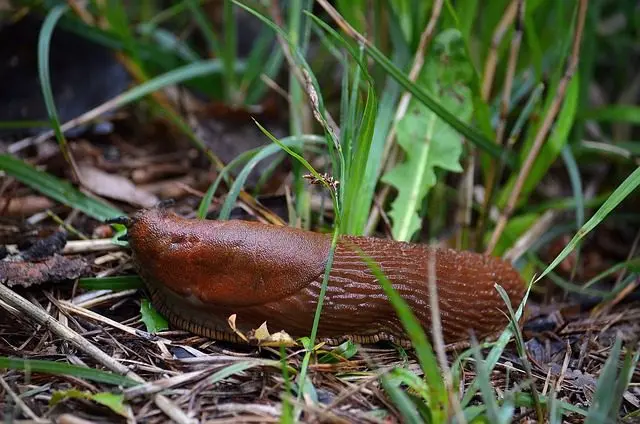
And what about slug barriers?
Oh yes? Slug barriers!?
Eggshells, ash, coffee grounds, fine sand, brambles, …
They protect your plants without killing the slugs.
So you can wait it out reasonably, while your garden rebalances itself.
But, you sadly know it too, if you have already tried them yourself: they don’t work. Or at least not enough, not in any lasting way.
For example:
- Eggshells do not work at all
- Ash, fine sand and sawdust are barriers that only work when they are perfectly dry.
And so on…
You can see the analysis of each of these slug barriers in this article on the Slug control section of the website.

So, what should you do?
In fact, not all slug barriers are useless.
There are two of them, truly impassable when used properly, that are of real interest:
-
Water, used by creating trenches at least 5 cm deep and around 10 cm wide. From which you can surround the sensitive areas of your vegetable patch.
-
Copper, used vertically, over a height greater than 7 cm. Copper’s remarkable effectiveness comes from the fact that it discharges a slight electric current when a slug’s mucus comes into contact with it.
Here you will find a comparison of all the shop-bought methods using copper: from copper tape to the copper mesh for slugs, by way of wire and rings.
These barriers, which you can set up for free (the water example), have the advantage of protecting your crops, without killing the slugs, while your garden rebalances itself. Thus moving towards a goal of lasting control of the slug problem, and so cleverly getting rid of the overpopulation of these creatures, and of their impact on your crops.
The information in this article has been selected and verified according to the criteria defined in our editorial charter.
Done with slugs. For good. Starting this season.
Bibliography:
The study examines several different substances for their ability to repel slugs and snails. The results notably revealed that copper had repellent effects.
Related articles
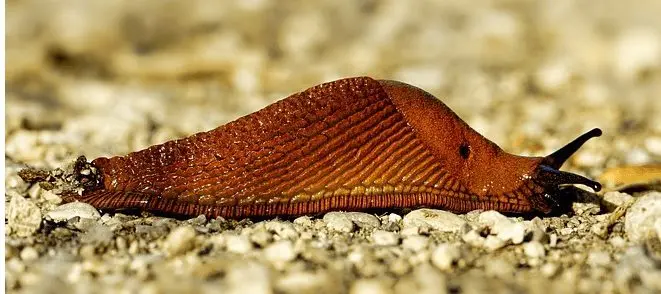
Testing and review of 30 natural slug deterrents (do they work?)
Read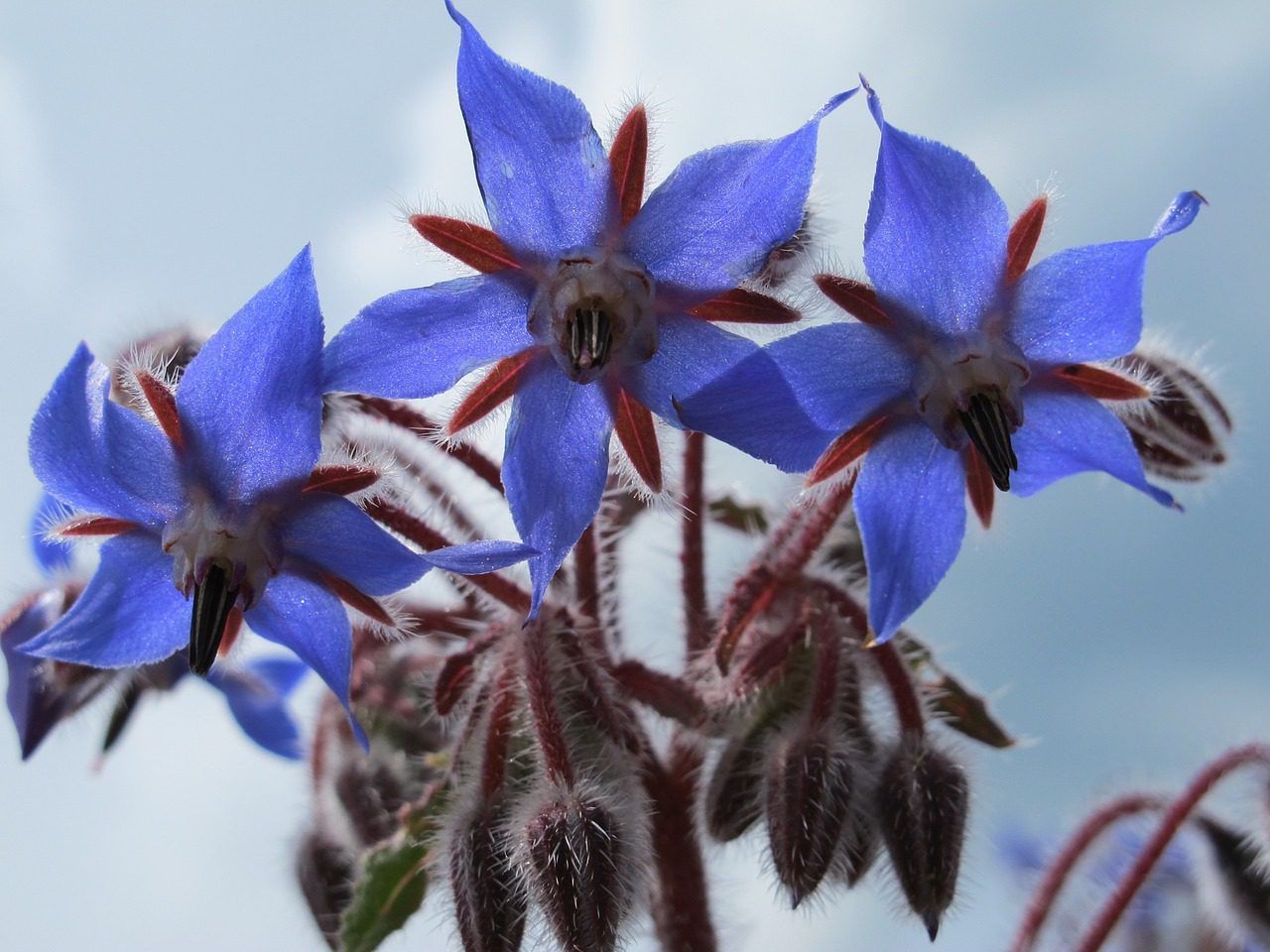
Slug-repellent plants, or prevention through planting
Read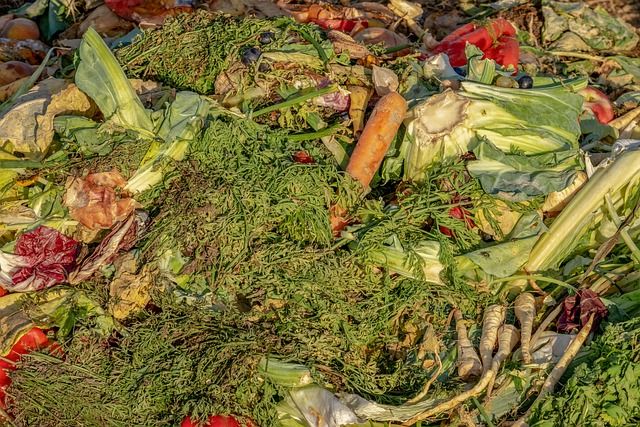
Surface composting: protect your vegetable patch from slugs, with love
Read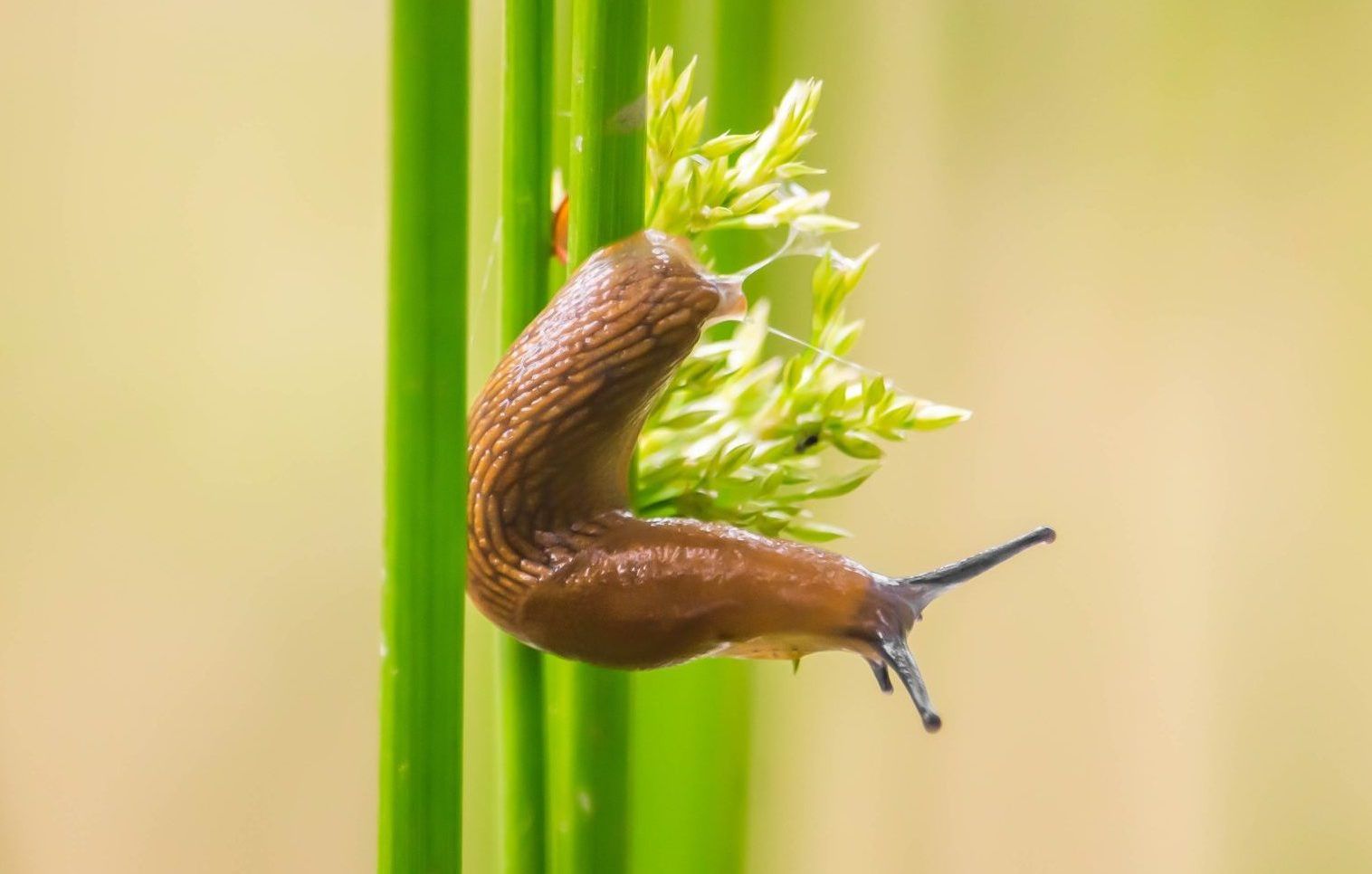
Slugs: their usefulness in the garden, what they indicate, and holistic management through reshaping the habitat
Read
Slug predators: which are they? How to attract them to the garden?
Read
Slug control: the (harmful) methods to avoid – why and how?
Read