Beer traps for slugs: a really bad idea

It’s May, the garden is putting on its festival of flowers, the birds are singing their hearts out, every little creature is wide awake, and you’ve finally pulled your gardening gloves back on! Because, at last, you’ve planted out the seedlings you’ve been nursing for weeks. Your babies.
An icy shiver runs down your spine when, the very next morning, your garden is nothing but a sorry no man’s land, overrun by slugs that your seedlings weren’t enough to satisfy.
Happily, like an unexpected answer to your dismay, a friend tells you about a fearsomely effective technique to put an end to your slug troubles: the beer trap!
STOP!! Hold everything! It’s a great big false good idea! The beer trap is a technique to steer well clear of, for your sake, for your plants, and for most of the living things in your garden.
Let’s look straight away at why:
If you're discovering my blog, chances are slugs and snails are giving you grief.
You'd probably be very interested in the copper slug barrier I designed .
It changed everything for me. I can finally grow lettuce, cabbages, strawberries and squashes without tearing my hair out.
Don't hesitate — it's an investment (copper is expensive), but you'll likely save yourself a huge amount of time!
But, before we go any further, I’d advise you to read the article in the thumbnail below, because it gives you an overall understanding of the problem shared by all these “bad” solutions. Then come back to this article.
Related articles
I. How the beer trap works on slugs
a. Why slugs are drawn to beer: is it the alcohol that attracts them?
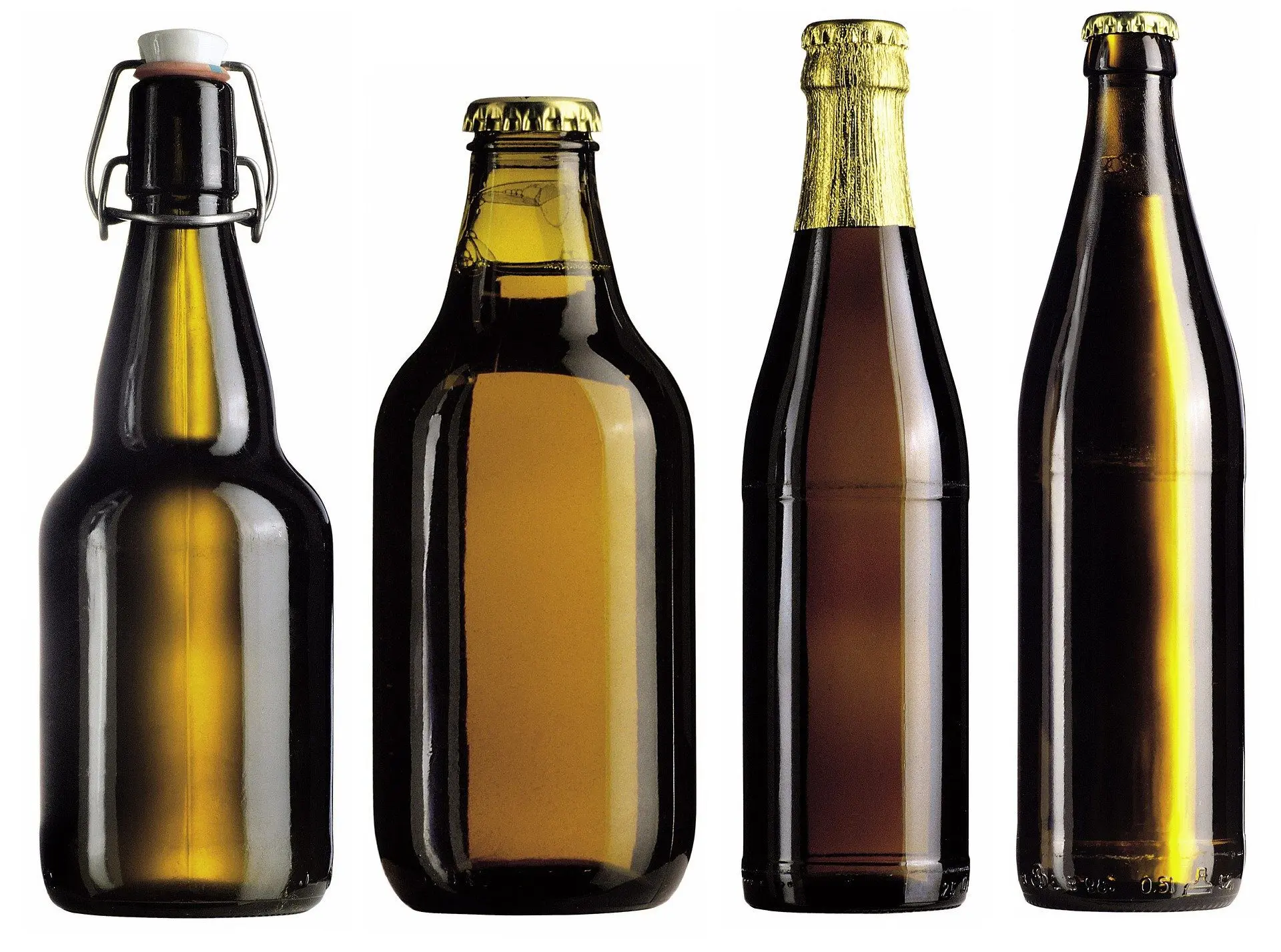
But then, the first question I asked myself was: what is it about beer that attracts slugs? Is it the alcohol? Would it be possible to adapt the traps too? Red-wine traps in the West Country, neat Scotch if you’ve a Scottish soul, or perhaps a drop of Pastis if you fancy a game of boules and a snooze beneath the cicadas?
Well, actually, no! Slugs won’t drown themselves in Pastis the way Uncle Albert does in front of a football match.
Because what draws the ladies in is rather the flavours of hops, so dear to our friends in Yorkshire, Bavaria and Belgium.
In fact, they mistake the smell of hops for that of chicory, which they’re absolutely mad about!
Catching a whiff of this delicious scent, slugs come hurrying in from afar, sometimes to fall straight into the trap.
b. Can you trap slugs with alcohol-free beer?
You’re on a detox and there isn’t a single alcoholic beer left lurking in your fridge? You’re wondering whether a slug trap works just as well with alcohol-free beer? Even if you’ve diligently read the first part of this article, you might still wonder whether the alcohol in beer doesn’t actually come from the hops? And whether, as a result, the hops have been replaced by artificial flavourings.
So, when I look at the ingredients of the first alcohol-free beer that came to hand, it lists:
- Water
- Barley malt
- Natural flavouring
- Hop extract
There you have it, the answer to your question! There’s hops in it, so it works the same way as an ordinary beer 😉
b. How a classic beer trap works on slugs
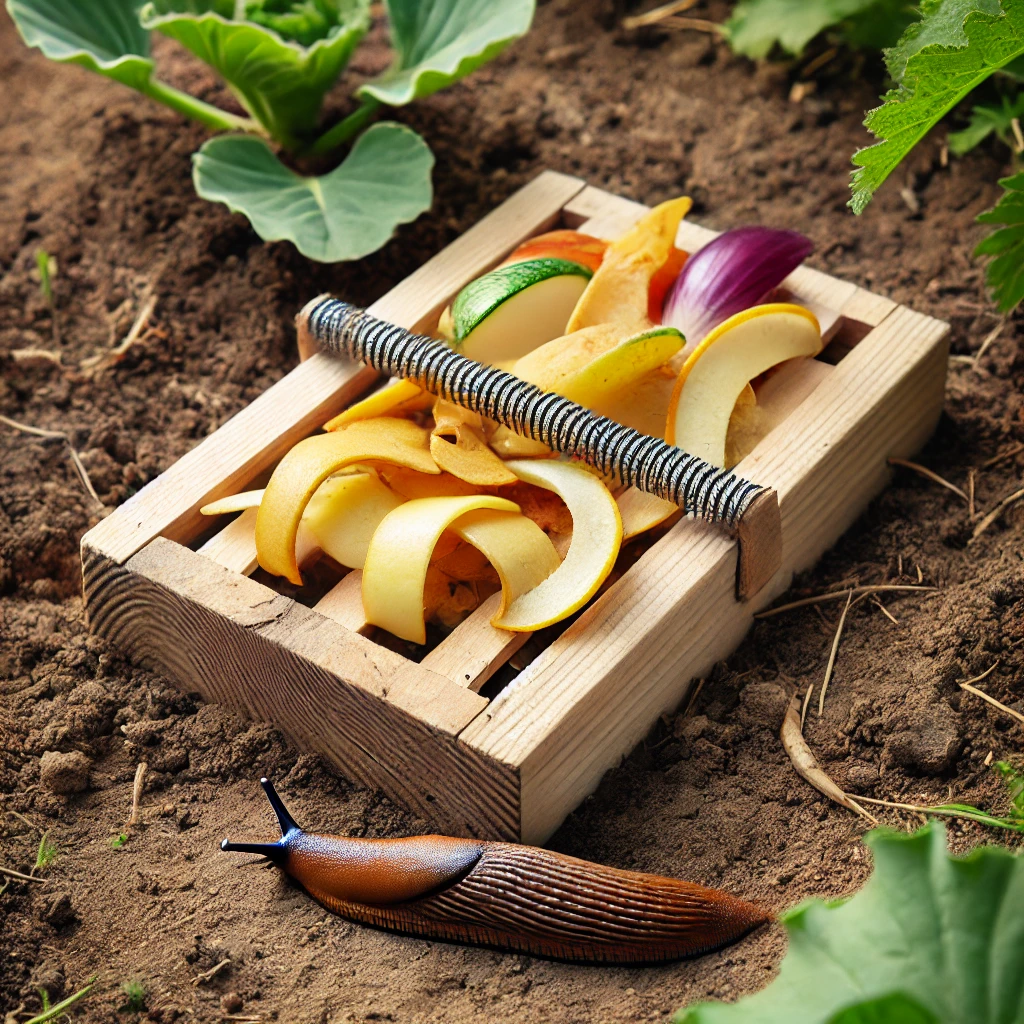
For those who aren’t quite sure what we’re talking about: a beer trap is simply a dish of beer set out (sometimes half-buried) in the garden. The slugs, lured by the smell, come to take a few sips and, once tipsy, tumble in and drown. Yes, it’s grim.
II. Why the beer trap is an ineffective, even counterproductive, method
a. The counterproductive consequences of beer’s appeal to slugs
As we said, slugs love that hoppy smell the beer gives off on contact with the air. You should know that slugs have very poor eyesight and find their way around their surroundings mainly thanks to their sense of smell, which is extremely keen.
And it’s this highly developed sense of smell that lets slugs pick up the scent of beer from a little over 100 m away!
So it’s going to be a gold rush for the brown stuff. Within a 100 m radius of your garden, every gastropod fancying a little swig of hops will set off (at 2 m/hour) towards your garden gate. One ultra-slug-trail and 50 hours later, the whole neighbourhood will be in your garden.
The upside is that your neighbours will grow very fond of you. Their hostas, dahlias and zinnias will get their vigour back.
The downside is that, back at yours, it’s likely to be a gastropod free-for-all: don’t go thinking all the slimy ones will drown. As it happens, only about a third of slugs end up drowning in the beer. The rest just have a drink and head off to tuck into your lettuces. (See the video below, where you can clearly see most of the slugs calmly crawling off again.)
Even if your neighbourhood isn’t all that into “gastropod culture” (they may be wrong, because slugs and snails are very useful in the garden), you won’t, then, be elevated to sainthood at the next street party. And besides, mass extermination is never a real solution. We’ll see why in what follows!
b. Beer trap: why does it harm slug predators, which are essential for lasting control of the problem?
Right, let’s suppose the idea of using a beer trap still appeals to you (for instance, if you have a garden of more than 100 metres by 100 metres (1 hectare), one can accept that this method might still be of interest to you). That said, you should also know that a beer trap has “side effects” on a far longer timescale. That’s what we’re going to look at here, with the impact of a beer trap on slugs’ natural predators.
i. The impact of a beer trap on the insects that prey on slugs
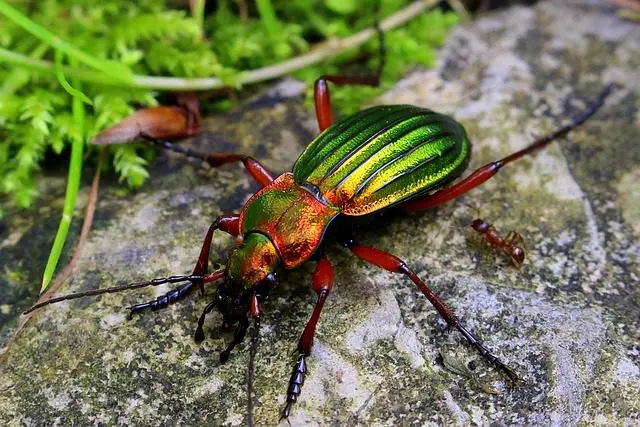
There are plenty of insects that prey on slugs: rove beetles, glow-worms, but above all ground beetles, for example.
These insects, as predators, are drawn to the smell of slugs.
So they’ll come prospecting near the beer traps, and run a high risk of falling in. Once they’ve fallen into the dish of beer, these insects have virtually no chance of getting out.
One ground beetle drowned in a beer trap means a great many slugs warmly thanking you. Several ground beetles drowned in a beer trap can threaten the balance of this species in your garden: fewer offspring, hence fewer ground beetles next season, and so on… Fewer ground beetles in your garden potentially throws an already off-kilter garden even further out of balance (because a glut of slugs is merely the symptom of a systemic imbalance that needs putting right).
ii. The impact of a beer trap on hedgehogs, predators of slugs
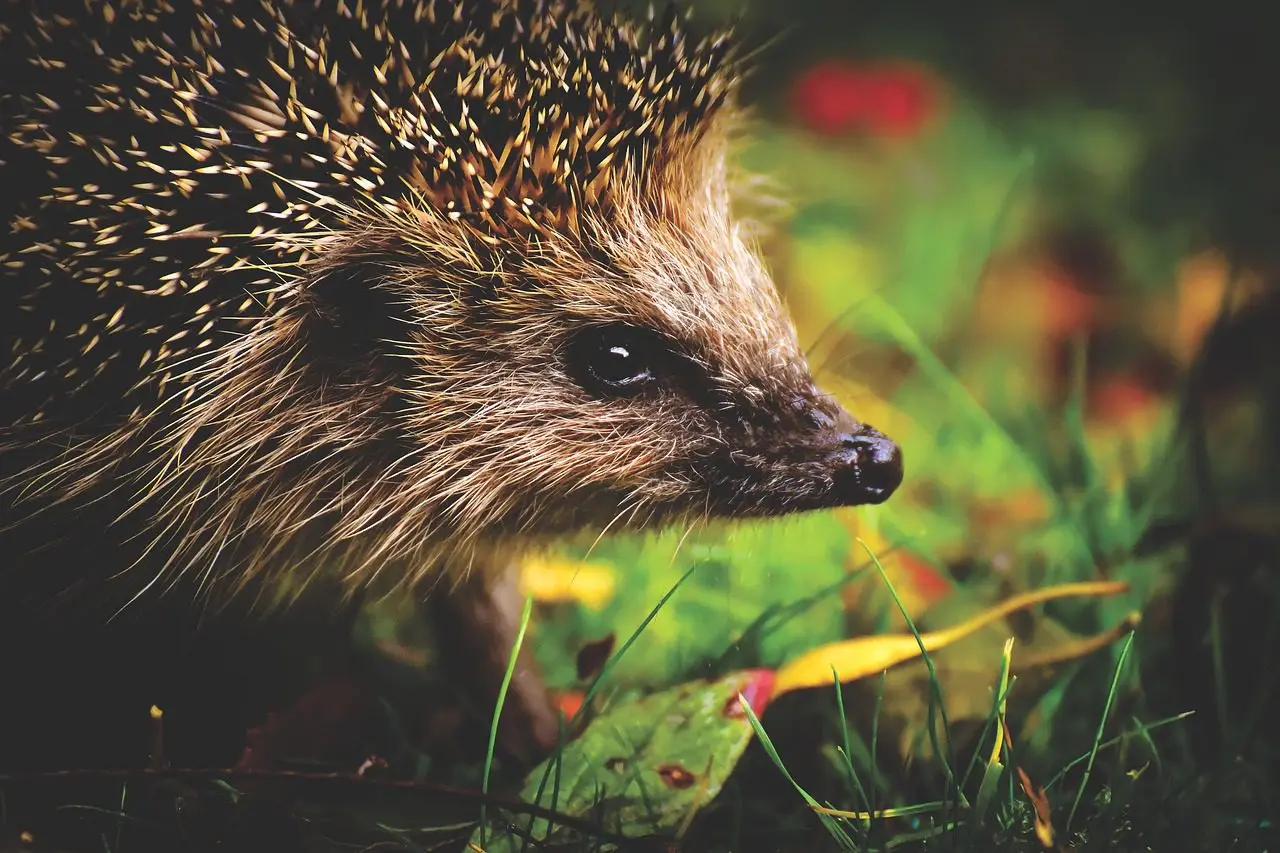
While the beer trap endangers the smallest of our “allies”, it also puts the biggest at risk.
Using a beer trap can, in fact, be very harmful to hedgehogs.
First of all, their food is likely to become scarcer over a 1-hectare radius.
So they risk either:
- Coming to eat the slugs in your beer trap: since these are soaked in alcohol, they too risk getting drunk. A drunken hedgehog can no longer curl up into a ball to protect itself from predators, it may drown by tumbling into a small pool of water or a puddle, and, disoriented, the odds of it being run over on the road go up.
- Or moving off to somewhere richer in prey.
In both cases, the risk of losing (or of causing the loss of!) this ally of the garden is considerable.
iii. The danger of a beer trap for leopard slugs
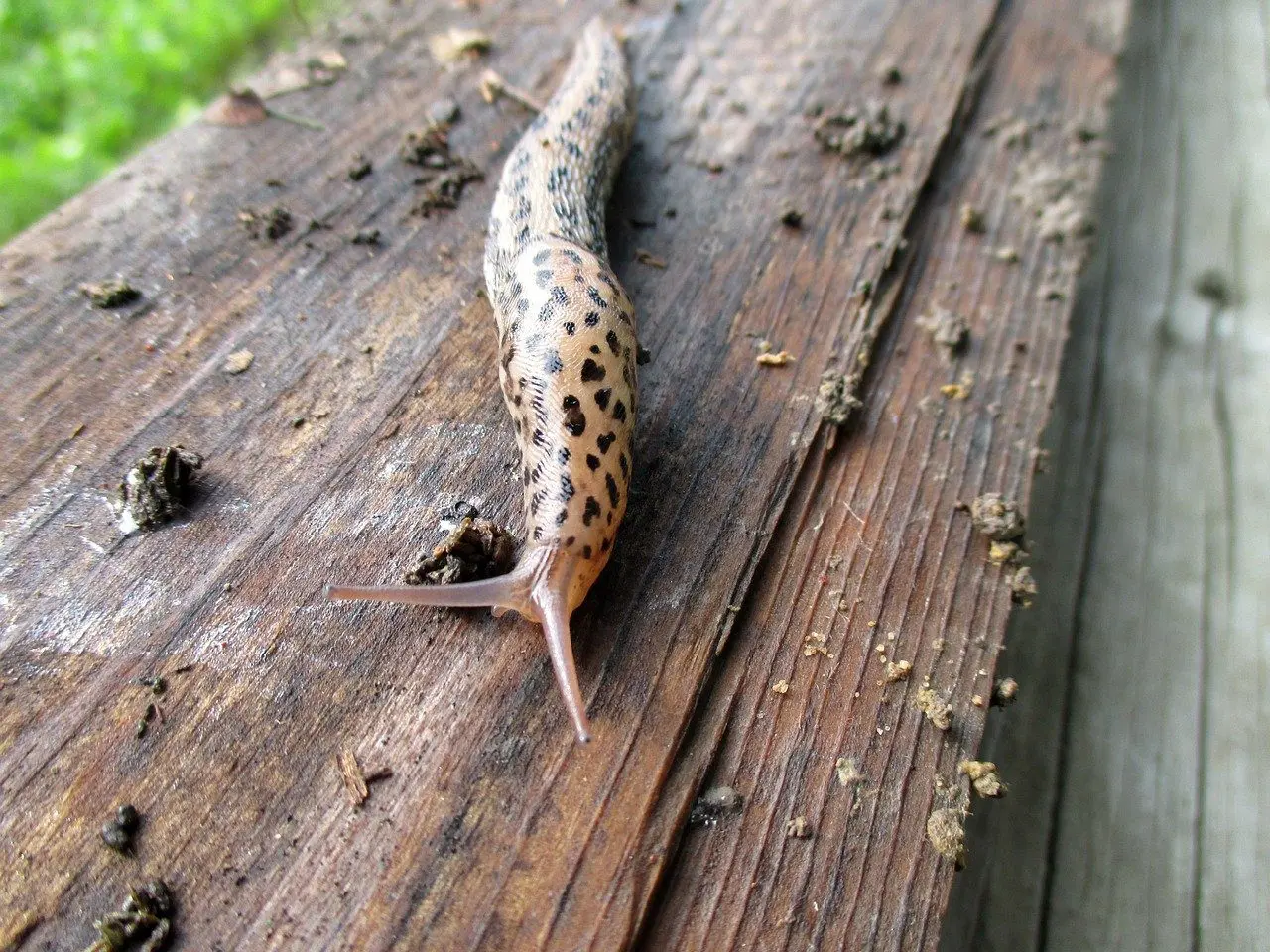
Not all slugs are a threat to your vegetable patch! Leopard slugs, for example, prey on other slugs (they’ll even chase them down!).
These too, drawn by the smell of the drowned slugs, risk falling into the beer trap and drowning.
iv. The beer trap tips the prey-predator balance

The side effects of this “anti-slug method” are many. As a rule, “eradication” methods are to be avoided by anyone who one day wants a balanced, self-sustaining garden. Extermination methods of this kind often lead only to a yo-yo effect: it’s the story of the prey-predator balance — kill the prey, and the predators move off or starve. Without predators, the prey start to swarm again. Once more, we eradicate… and round we go again…
III. Alternatives to the beer trap

“But then, what am I supposed to do, watching my whole vegetable patch being destroyed by slugs?”
In fact, there are looads of alternatives to the beer trap. Most of them are compatible with the philosophy of permaculture.
After that, the point is to know:
- What is more of a legend than a genuinely effective solution
- What is of no use whatsoever in wet weather
- What risks holding back the long-term natural regulation of our garden
For that, I’d recommend reading my many articles on the subject :)
Done with slugs. For good. Starting this season.
Conclusion:
The success of the beer trap probably comes from being able to observe its “result” (the dead slugs), whereas the effect of other solutions is harder to see.
But let’s not be fooled by this cognitive bias (down to what’s known as “the ignorance of absence”), because the harmful side effects of the beer trap are undeniable: drawing every slug in the neighbourhood into your garden, the death or departure of the natural predators, and therefore a yo-yo effect and a brake on long-term natural regulation, among others…
The same yo-yo effect as when using anti-slug pellets, salt, or other lethal methods. See, for example: salt against slugs, don’t do it!).
And yet, the beer trap is a method of slug control that is very often used, and also widely passed on.
What a shame people aren’t better informed on the subject!
What a shame to turn to this sort of method when alternatives exist that are more effective and more respectful of the living things in our garden!
I hope that, having read this article, you feel better informed on the subject, and that you’ll be able to make the choice that seems fairest to you!
The information in this article has been selected and verified according to the criteria defined in our editorial charter.
Bibliography:
-
A source: https://www.slughelp.com/beer-traps-slugs-snails-experiences-alternatives/ – an excellent site
Related articles