Here’s how to drive slugs away naturally
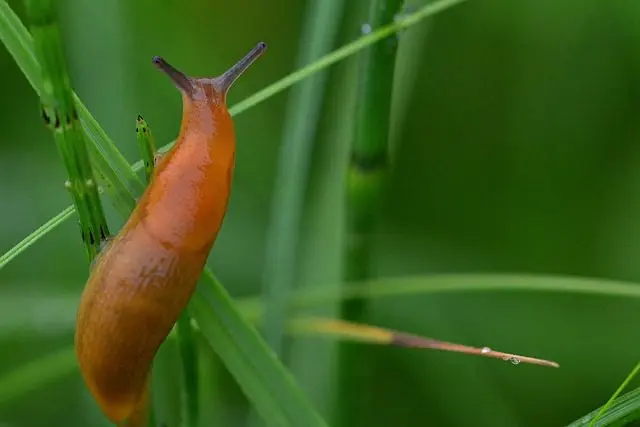
Your vegetable patch is overrun with slugs, and your plants are paying the price.
You’re looking for a quick, natural and, above all, effective way to drive them out of your little haven of peace. To keep them well away from you and your garden.
In this article we’ll see exactly how to do it. Everything I tell you is based on reliable sources, hands-on testing, or logic solid enough to stand on its own.
I’ll debunk the common myths around the subject, and give you a real strategy so that you can finally be done, once and for all, with slugs.
To begin with, we’ll look at slugs in general terms, the better to understand how they tick, in case that’s new to you.
Then we’ll turn to the methods that genuinely drive slugs away: plant-based liquid feeds, truly repellent plants, the sacrificial bed, lifting the mulch off the soil at strategic moments, strategic watering, and surface composting.
Finally, we’ll look at the advanced overall strategy you’ll need to put in place if you want to be rid of slugs for good. In particular, we’ll cover the only two genuinely effective slug barriers: water and copper.
In short, if you want to be done with slugs once and for all, I can only urge you to read what follows.
Let’s get started!
If you're discovering my blog, chances are slugs and snails are giving you grief.
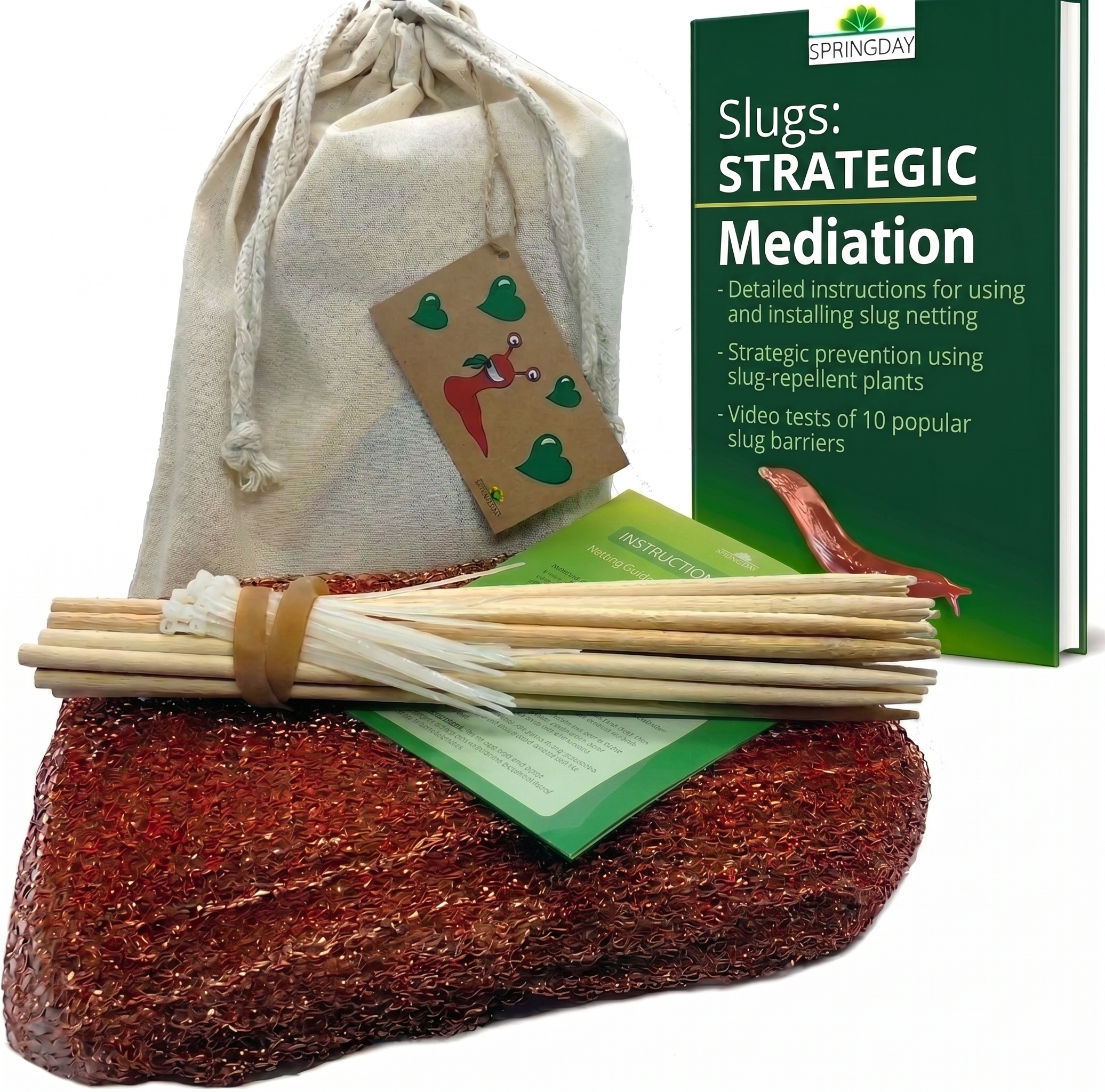
You'd probably be very interested in the copper slug barrier I designed .
It changed everything for me. I can finally grow lettuce, cabbages, strawberries and squashes without tearing my hair out.
Don't hesitate — it's an investment (copper is expensive), but you'll likely save yourself a huge amount of time!
Understanding slugs: behaviour and habits
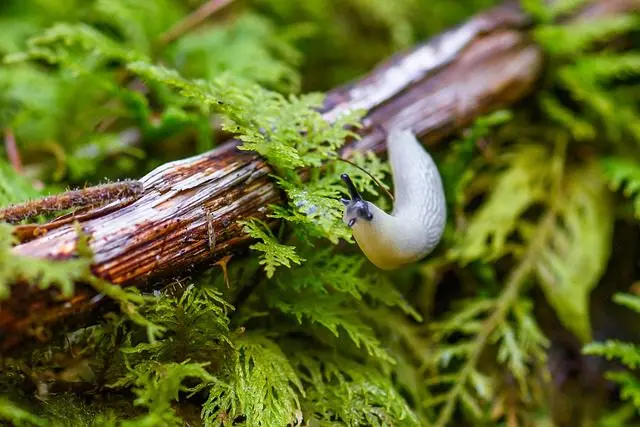
Slugs are terrestrial molluscs belonging to the class of gastropods, similar to snails but without a visible external shell.
They play an important role in the ecosystem, particularly in the nutrient cycle, but they’re also often regarded as pests in gardens because of the damage they cause to crops.
A description of slugs: a general overview
There are several species of slug, each with distinct characteristics. Among the most common are:
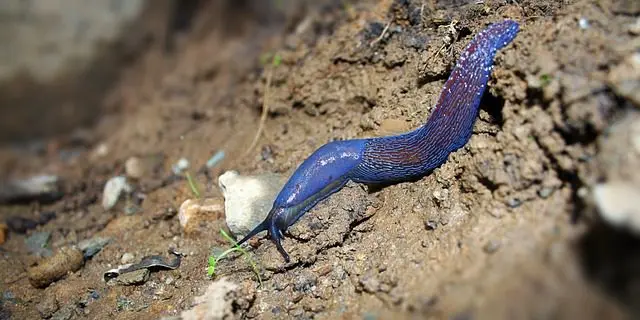
- The great leopard slug (Limax maximus): reaching up to 20 cm in length, it is light grey to brown in colour and has dark markings on its back.
- The garden slug (Arion hortensis): smaller, measuring between 2 and 3 cm, it is generally black or brown with an orange fringe around its body.
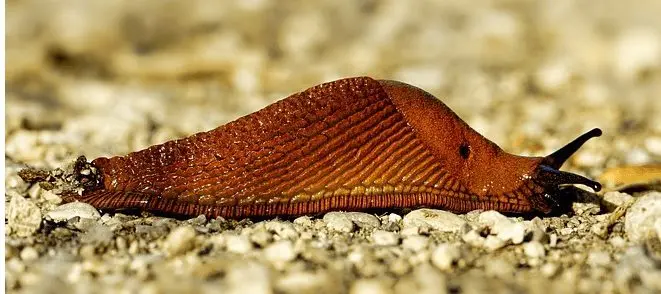
- The red slug (Arion rufus): as its name suggests, this slug is often red or orange and can measure up to 15 cm.
Slugs have a long, flexible body covered in mucus, which protects them from dehydration and allows them to move about easily.
They have two pairs of tentacles on their head: the larger ones, which carry the eyes, and the smaller ones, which serve as sensory organs for smelling and tasting their surroundings.
The life cycle of slugs comprises several stages: the egg, the young slug and the adult.
Slug reproduction is hermaphroditic, meaning that they possess both male and female reproductive organs.
After mating, they lay clusters of eggs, usually in damp, shaded spots.
The eggs hatch within a few weeks, giving rise to young slugs that reach maturity in a few months.
Preferred habitat
Slugs are especially active in damp, shaded environments.
They prefer soils rich in organic matter, where they can easily find food and hiding places.
Slugs are nocturnal creatures, which means they are most active at night or in damp weather, as this reduces the risk of dehydration.
They like to hide under leaves, stones, or in mulch during the day to protect themselves from direct sunlight. After rain or during spells of heavy dew, they come out to feed, drawn by the moisture that makes it easier for them to move about.
What slugs eat
Slugs are mainly herbivorous, although they can also feed on decomposing organic matter.
They have a preference for tender, juicy plants, which makes them dreaded pests in gardens. They consume a wide variety of plants, including:
- Tender leaves and young shoots: lettuces, young cucurbits, brassicas and radishes are among their favourite targets.
- Ripening fruit: they can also go after strawberries, tomatoes and other fruit still on the plant.
- Mushrooms: as well as plants, slugs are wild about mushrooms.
Gardens are particularly appealing to slugs because of the abundance of young plants, the moisture that watering often maintains, and the plant cover that offers them both food and shelter.
These gastropods can detect plants from a distance thanks to their sensory organs, and they head swiftly towards gardens that offer the ideal conditions for their survival and feeding.
Natural methods for keeping slugs away from the vegetable patch
Slugs can wreak havoc in a vegetable patch, but there are several natural methods for keeping them at bay without resorting to chemicals.
Here are a few effective techniques for protecting your plants.
Plant-based liquid feeds and other plant preparations
Plant-based liquid feeds and other plant preparations (macerations, etc.) are often used as natural repellents against slugs. These preparations, rich in astringent substances, can be sprayed near the plants or even directly onto the foliage to deter slugs from feeding on them. Here are the best-known liquid feeds on the subject:
- Garlic: slugs dislike the smell of garlic. You can make a repellent preparation by putting crushed garlic in water, leaving it to macerate for 3–4 days, then spraying the resulting liquid at the base of your plants. Worth renewing every 2–3 days, though..
- Wormwood: a liquid feed or fresh sprigs to spray on or place at the base of the plants. Recipe for the liquid feed: 150 g of leaves in 5 litres of simmering water. Heat for 20 minutes. Leave to cool, strain and spray undiluted.
- Mugwort: liquid feed: 1 kg of fresh leaves and stems in 10 litres of water, to spray at the base of your plants.
- Ferns: liquid feed: as they break down, ferns release formaldehyde. A liquid feed to spray at the base of your plants.
- Common rue: liquid feed: chop 100 grams of leaves and stems of fresh rue (to be picked before it runs to seed and flowers, for better results). Leave to macerate for 10 days in 1 litre of cold water, stirring each day. Strain, dilute to 20%, then spray at the base of your plants
- Spurge: liquid feed diluted to 15%, to spray at the base of the plants
It’s likely that most of these sprays have an immediate effect (you only have to see how slugs react to the smell of garlic to understand that a garlic maceration is likely to be very effective). But the problem, unfortunately, is that at the first rainfall the plants will be “washed” clean of their sprays, and that after only a few days, even in dry weather, you’ll have to start the spraying over again to restore the “anti-slug” scent to its full strength.
Repellent plants
Some plants have a reputation for repelling slugs. Among them, borage stands out particularly. According to a survey of many gardeners plagued by slugs, carried out in our Facebook group, borage is one of the few plants to have a genuinely repellent effect on slugs.
This plant is not only useful for keeping the gastropods away, but it also attracts pollinators, which makes it an excellent addition to the vegetable patch.
Sacrificial bed
The sacrificial bed is a method that involves planting species particularly attractive to slugs in a specific area of the garden, well away from the vegetable patch.
The idea is to divert the slugs’ attention from the main crops by offering them a corner where they can feed without causing any damage to the plants you want to protect.
Plants such as cress, white mustard, oilseed rape or dandelion can be used in these beds, as they are particularly favoured by slugs.
To learn more about using plants to manage slugs in the garden, I recommend this article on slug-repelling plants.
Lifting the mulch off the vegetable patch at strategic moments
Mulch is often used to retain moisture and protect the soil, but it can also create an environment that favours slugs by keeping moisture levels constant.
Lifting the mulch at strategic moments helps to reduce moisture at soil level and to offer slugs fewer hiding places in the immediate vicinity of the plants.
This technique is particularly beneficial coming out of winter, as it also allows the soil to warm up, which gives the plants a good start.
Strategic watering
Watering the garden can have a significant impact on the presence of slugs.
It’s recommended to water in the morning rather than in the evening, as this allows the soil to dry out during the day, thereby reducing the night-time moisture that attracts slugs.
By limiting moisture during the night, you reduce the conditions that favour their activity.
Surface composting
Surface composting involves spreading a layer of compost directly onto the soil.
This method can divert the slugs’ attention from the vegetable plants, as they are drawn to compost rich in organic matter in the early stages of decomposition.
By applying this technique, you create an alternative feeding area for the slugs, offering them an easily accessible food source while keeping them away from your main crops.
You can also combine this technique with that of the sacrificial bed, by adding surface composting to your sacrificial bed.
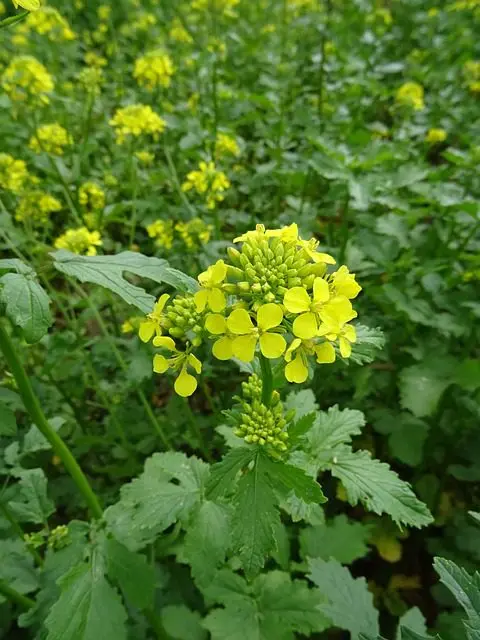
White mustard is a slug-repelling plant with a distracting effect
An advanced overall strategy to be rid of slugs in the garden for good
To keep slug populations in your garden under lasting control, you need to develop a strategy that respects the balance of your garden ecosystem while offering your plants effective protection.
Here is an advanced approach that fosters the natural balance of your garden and reduces reliance on harmful, counter-productive methods.
Don’t kill or move the slugs
One of the fundamental principles of this strategy is not to kill or move the slugs.
By leaving them in their natural habitat, you allow their predators to settle in your garden for the long term.
Slugs are part of the food chain, and their presence encourages the arrival of natural predators such as hedgehogs, ground beetles, rove beetles, frogs, toads, and certain birds.
By eliminating the slugs, you deprive these predators of their food source, which will prevent them from settling in your garden.
Arrange the garden to make it attractive to slug predators
To encourage the establishment of natural slug predators, it’s essential to make your garden appealing and welcoming to them. Here are a few features to consider:
- Create habitats: plant hedges, leave areas of dense vegetation, and set out piles of wood or stones to provide shelter for predators such as hedgehogs, toads and ground beetles.
- Install water features: small ponds or pools attract amphibians such as frogs and toads, great consumers of slugs.
- Encourage biodiversity: plant a variety of species to attract diverse insects and birds, which will contribute to the natural regulation of slug populations.
Use effective slug barriers
While the natural predators are settling in, you need to protect your plants from slugs, if you want to harvest anything in your vegetable patch.
Using effective physical barriers makes this possible, without any counter-productive side effects.
At this stage, though, forget the ineffective old wives’ remedies that everyone passes around without ever having tested them seriously: forget ash, eggshells, fine sand, bramble cuttings, coffee grounds and so on.
It’s not effective enough to stop slugs from attacking your plants.
At least not over the long term.
If you don’t believe me, I invite you to watch my video tests of these slug barriers here.
My results are clear: the only two barriers that work in the long term are
– Water, usable thanks to moats around the areas to be protected (bury some guttering)
– Copper, if used as a vertical barrier more than 7 cm high.
In fact, I designed a copper barrier for my vegetable patch. The results were so incredible that I now sell it. Here it is, if you’re interested: the copper mesh for slugs.
These barriers should be put in place strategically around the most vulnerable plants.
They serve as temporary protection while the predator populations grow.
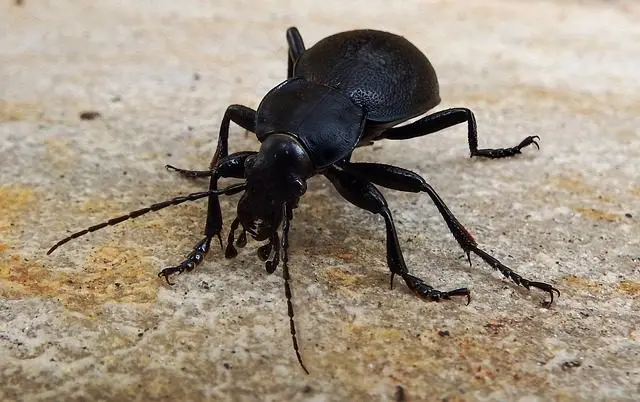
The ground beetle is a slug predator
Conclusion
It’s often hard to live alongside our slug friends, especially when they lay waste to a whole spring’s work.
But through all the mire of unfounded, unverified myths to be found online, there are genuinely effective methods, and real strategies to come out on top once and for all, over the medium to long term.
Driving slugs away from the vegetable patch for a while can help, but in the long run, deep-seated changes to the garden are needed.
If you want to see real, lasting change, at any rate.
I hope you’ve enjoyed this article, and that it has given you new tools to garden in freedom and self-sufficiency, while understanding what you’re doing and why you’re doing it.
See you soon,
Robin.
The information in this article has been selected and verified according to the criteria defined in our editorial charter.
Done with slugs. For good. Starting this season.
Scientific references
Related articles
Testing and review of 30 natural slug deterrents (do they work?)
Read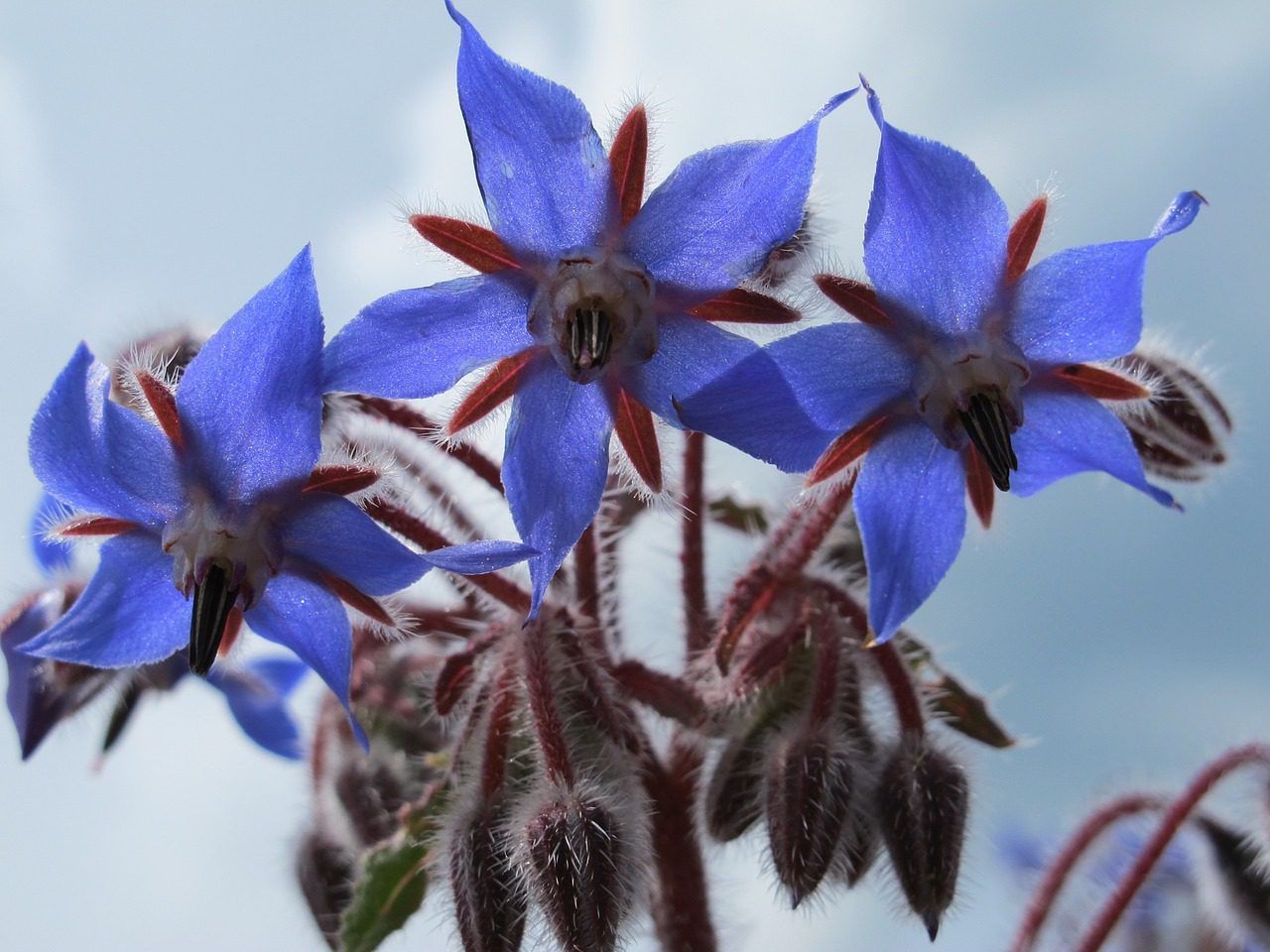
Slug-repellent plants, or prevention through planting
Read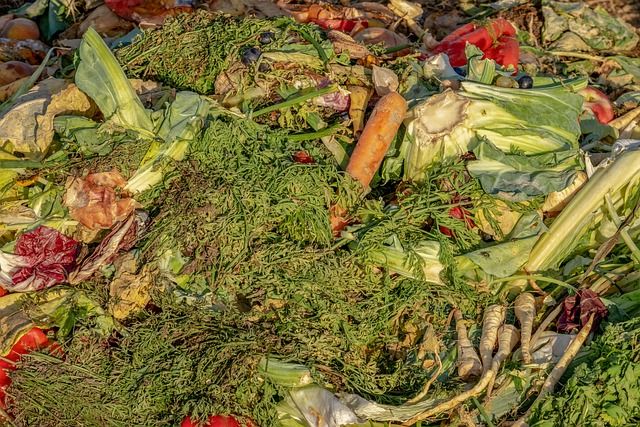
Surface composting: protect your vegetable patch from slugs, with love
Read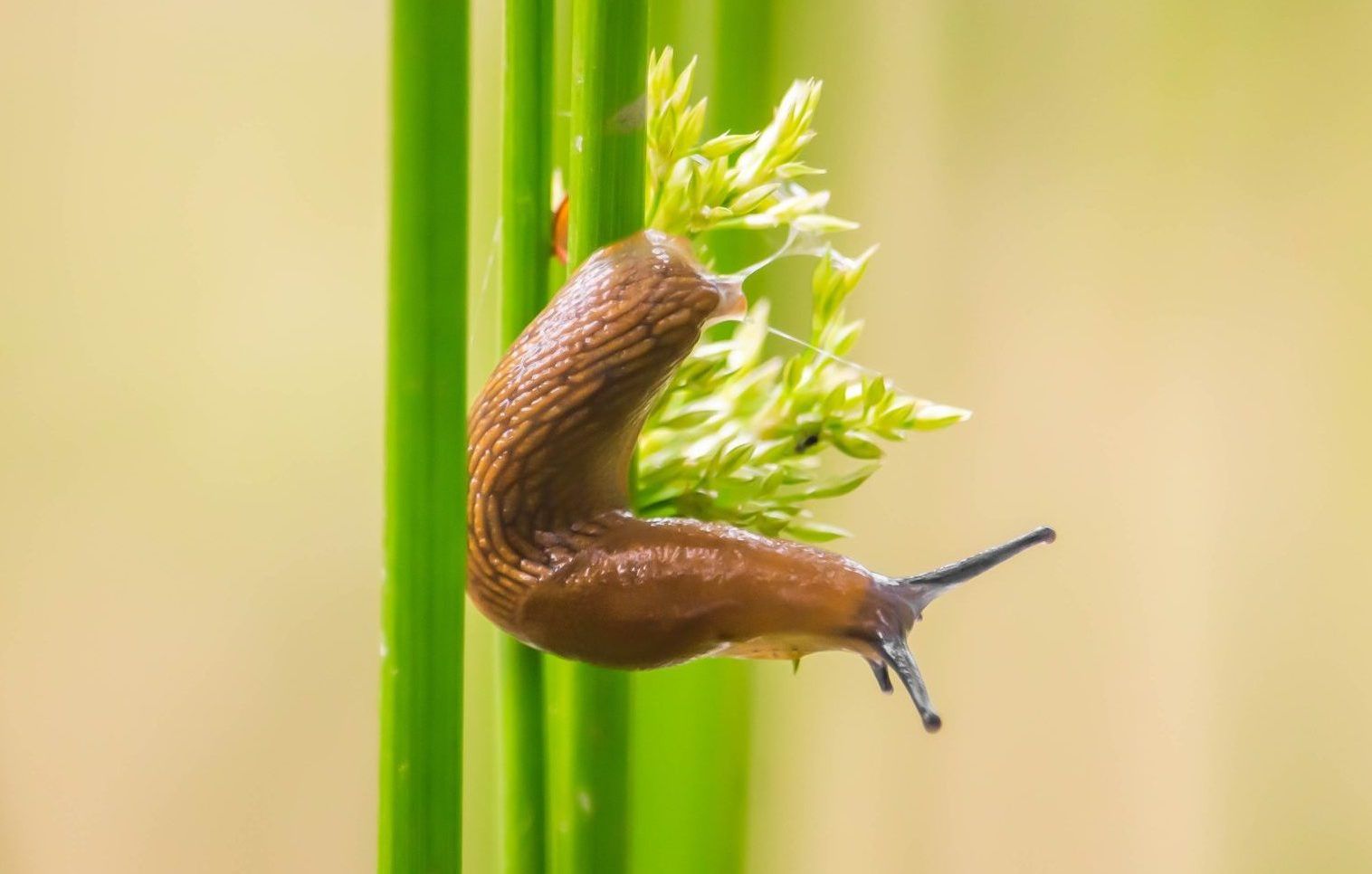
Slugs: their usefulness in the garden, what they indicate, and holistic management through reshaping the habitat
Read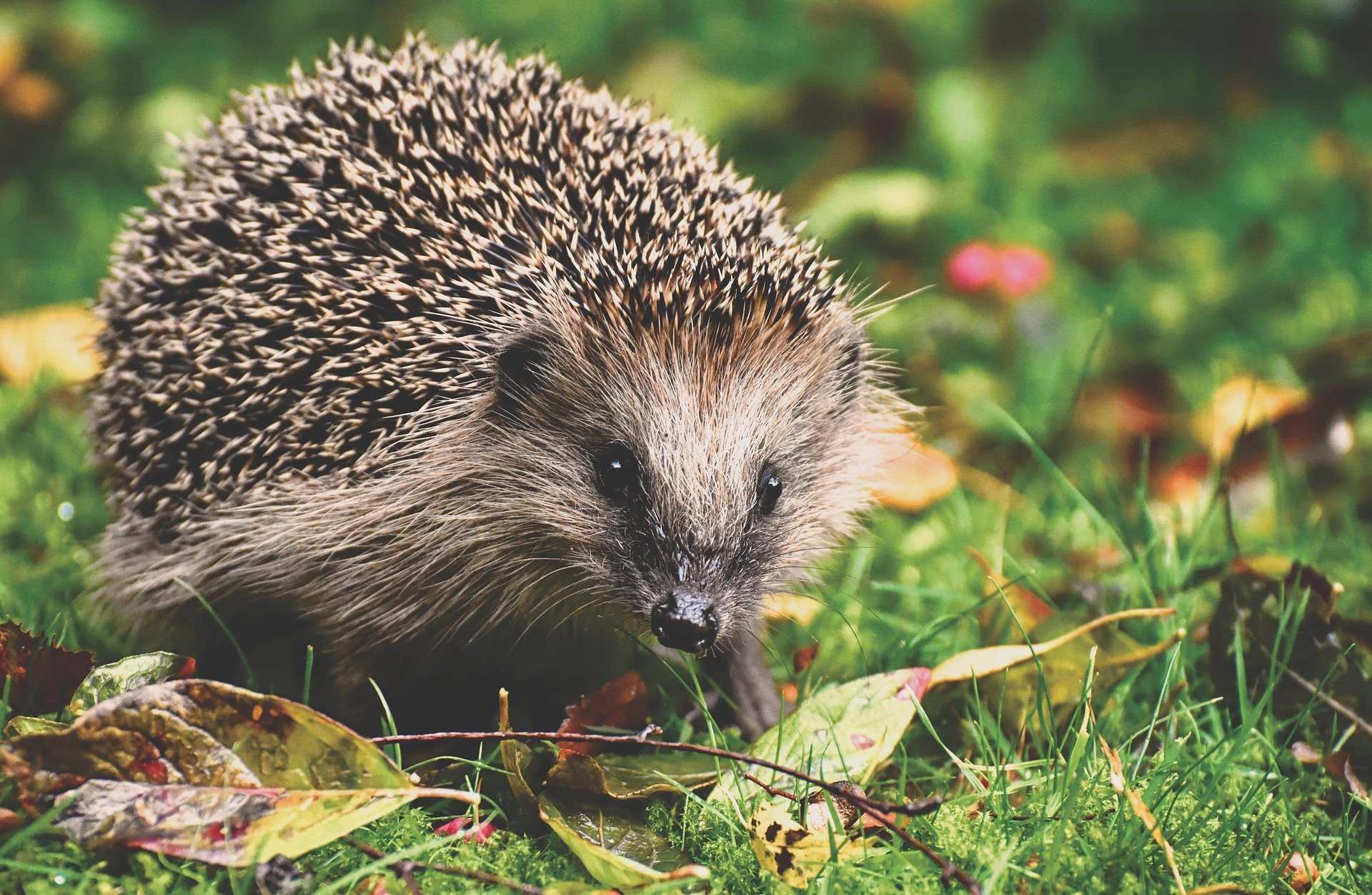
Slug predators: which are they? How to attract them to the garden?
Read
Slug control: the (harmful) methods to avoid – why and how?
Read