How do slugs reproduce?

Slugs play an important role in our ecosystems, breaking down organic matter and enriching the soil.
But they also cause considerable problems for gardeners by attacking ornamental plants and vegetable crops.
Understanding how slugs reproduce is essential for managing their spread more effectively and minimising the damage they do in gardens.
By getting to know their reproductive cycles, gardeners can anticipate infestations and put effective preventive measures in place, all while favouring sustainable management methods that respect both the environment and their garden.
This knowledge makes it possible to balance crop protection with the preservation of the ecosystem. As part of a holistic, intelligent approach to management.
If you're discovering my blog, chances are slugs and snails are giving you grief.
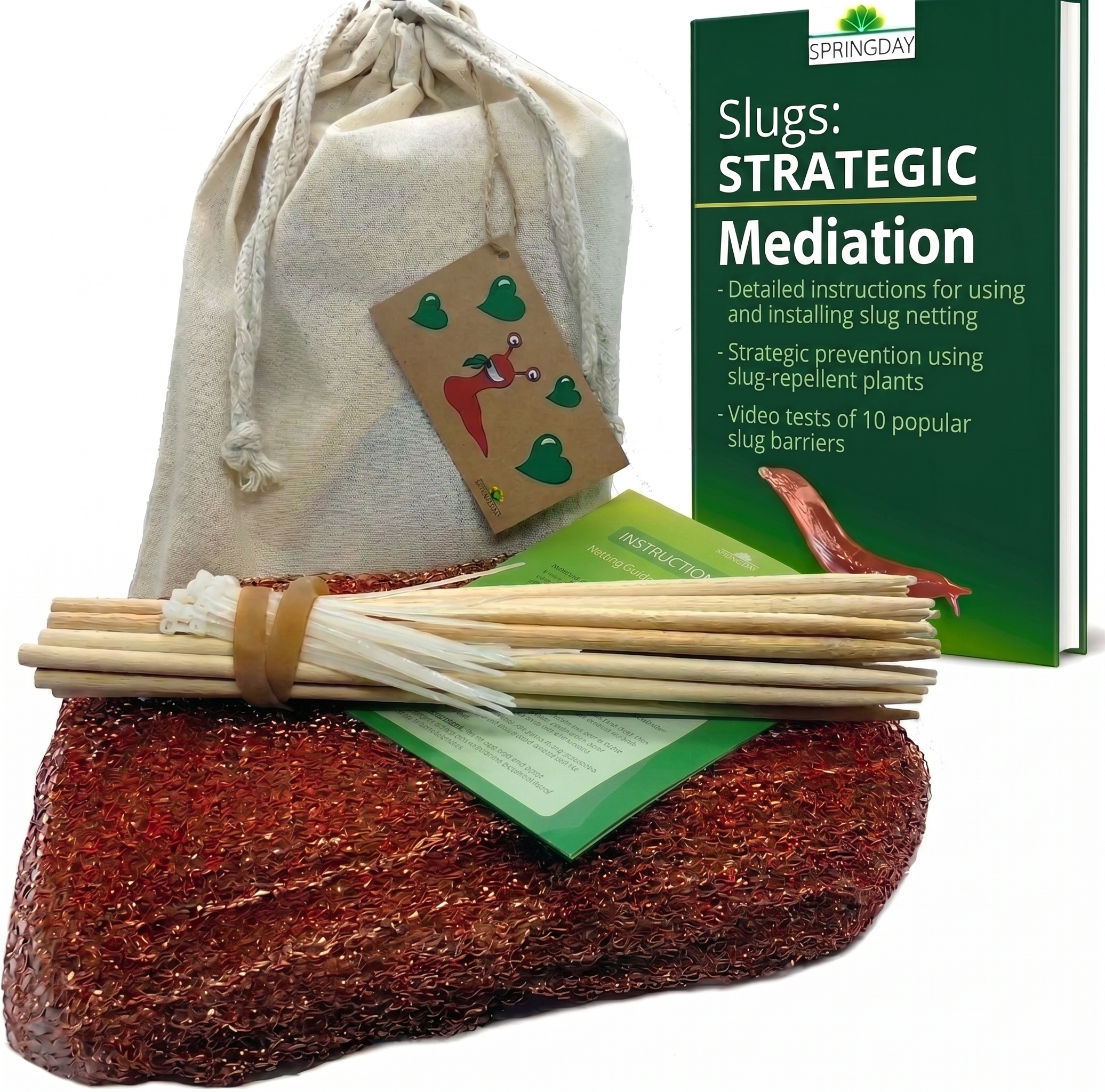
You'd probably be very interested in the copper slug barrier I designed .
It changed everything for me. I can finally grow lettuce, cabbages, strawberries and squashes without tearing my hair out.
Don't hesitate — it's an investment (copper is expensive), but you'll likely save yourself a huge amount of time!
General characteristics of slugs
Physical description
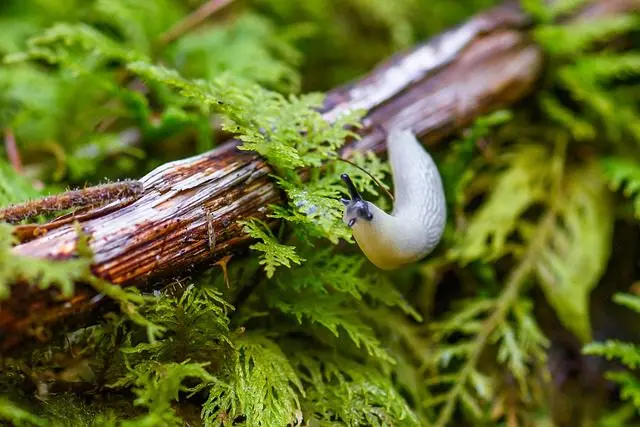
Slugs are gastropod molluscs with no visible shell, unlike their cousins the snails.
Their body is elongated and covered in mucus, which helps them move about and stay hydrated.
They have two pairs of tentacles (yes, their “feelers” are actually tentacles!): the upper pair is longer and bears the eyes, while the lower pair is shorter and serves as a touch and smell sensor.
Their mouth, located beneath the head, contains a radula, a sort of tongue covered in tiny teeth used to rasp away at food.
Habitat and distribution
Where do slugs live?
Slugs are found in many habitats across the world: woodlands, meadows, gardens and even certain aquatic environments.
They prefer damp, dark surroundings, which allow them to keep their body moist and make it easier to move around.
Environmental conditions needed for their survival
Slugs need damp conditions to survive, as their body is liable to dry out quickly.
They prefer moderate temperatures and are often more active at night or in wet weather.
Soils that are rich in organic matter and moist are ideal for their feeding and reproduction.
The slug life cycle
Stages of the life cycle, from egg to adult
The slug life cycle comprises several stages:
- Eggs: Slugs lay clusters of transparent, jelly-like eggs in damp, sheltered spots.
- Young slugs: After hatching, the young slugs resemble miniature versions of the adults and begin feeding straight away.
- Adolescence: Slugs continue to grow in size and maturity, going through several moults.
- Adults: Adult slugs are able to reproduce, and this process can repeat several times over the course of their life. Some slug species can live for several years, while others have a shorter lifespan.
Reproductive anatomy of slugs
Hermaphroditism
An explanation of hermaphroditism in slugs
Slugs are hermaphrodites, which means they have both male and female reproductive organs.
Each individual can therefore produce both sperm and eggs, which allows them to mate with any other individual of their species.
The advantages of this trait for reproduction
Hermaphroditism offers slugs several advantages:
- Flexibility in reproduction: Since every slug can play the role of either male or female, they have a greater chance of finding a mate, which increases the opportunities for reproduction.
- Genetic diversity: Mating between two hermaphroditic individuals allows for more varied genetic mixing, which can strengthen the population’s resilience against disease and environmental change.
- Efficiency: The ability to produce both eggs and sperm allows slugs to maximise their reproductive potential, even in environments where mates are scarce.
The reproductive organs of slugs
Description of the male and female reproductive organs
Slugs therefore have both male and female reproductive organs built into their body.
- Male organs: The male reproductive organs include the testes, which produce the sperm, and the penis, which transfers the sperm to the partner during mating.
- Female organs: The female reproductive organs comprise the ovaries, which produce the eggs, and the spermatheca, which stores the sperm received from a partner until the eggs are ready to be fertilised.
How each organ works in the reproductive process
- Mating: During mating, two slugs come together and exchange sperm. Each slug inserts its penis into the other’s genital opening to transfer the sperm.
- Fertilisation: The sperm received is stored in the spermatheca until the eggs are mature. Once the eggs are ready, they are released from the ovaries and fertilised by the stored sperm.
- Egg-laying: After fertilisation, the eggs are laid in a damp, protected spot. The eggs are usually laid in clusters and hatch after an incubation period, giving rise to young slugs.
How do slugs reproduce?
The mate-seeking phase
How do slugs find a mate?
Slugs find a mate mainly through the release of pheromones.
These chemical substances act as attractive signals that allow slugs to locate other individuals ready to mate.
When a slug detects the pheromones of a potential mate, it follows their trail until it finds the other individual.
In addition to pheromones, specific behaviours such as movements and postures can also play a part in the search for a mate.
Mating
Details of the mating process
During mating, two slugs come together and begin a pre-mating ritual (the famous foreplay) that may include circular movements and physical contact with their tentacles.
This process allows the slugs to prepare for the exchange of sperm.
Duration and conditions needed for successful mating
Slug mating can last from several minutes to several hours.
The conditions needed for successful mating include a damp environment and moderate temperatures, as these conditions favour the mobility and viability of the sperm (and no, it’s not the size that counts!).
Fertilisation
How fertilisation works in slugs
Fertilisation in slugs takes place after mating, when the sperm received is stored in the spermatheca until the eggs are mature.
Once the eggs are ready, they are released and fertilised by the stored sperm.
Differences compared with other hermaphroditic species
Unlike some other hermaphroditic species that can self-fertilise, slugs generally need a partner to exchange sperm, which favours genetic diversity.
The slug reproductive cycle
A complete description of the slug reproductive cycle
- Mate-seeking: Slugs release pheromones to attract potential mates.
- Mating: Slugs exchange sperm during mating.
- Fertilisation: The eggs are fertilised by the stored sperm.
- Egg-laying: The fertilised eggs are laid in a damp, protected environment.
- Incubation: The eggs incubate for a set period before hatching.
- Hatching: The young slugs emerge from the eggs and begin feeding immediately.
- Maturity: The young slugs reach adulthood and become able to reproduce in around 2 to 3 months.
Average time between mating and egg-laying
The average time between mating and egg-laying is around 2 to 4 weeks, depending on environmental conditions (the damper and milder the conditions, the shorter this period).
Egg incubation time until hatching
The incubation time of the eggs varies from 2 to 5 weeks, depending on environmental conditions (as above).
Total time for a new generation of slugs to reach adulthood and reproduce in turn
The total time for a new generation of slugs to reach adulthood and be able to reproduce is around 2 to 3 months.
Total duration between the reproduction of the parents and the reproduction of the offspring
You should allow 1 to 2 months between the mating of the slugs and the hatching of the eggs.
Then 2 to 3 months between the hatching of the eggs and the ability of this new generation to reproduce.
Which gives a total of between 3 and 5 months (depending on the species and environmental conditions) between the reproduction of the parents and the offspring being able to reproduce.
Special cases: Red slug (orange slug), black slug, leopard slug and grey field slug
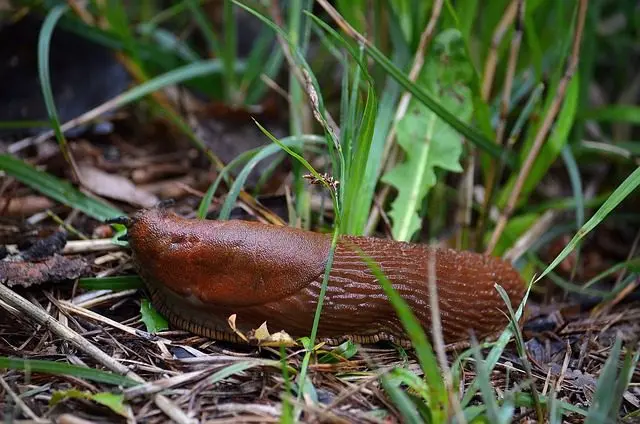
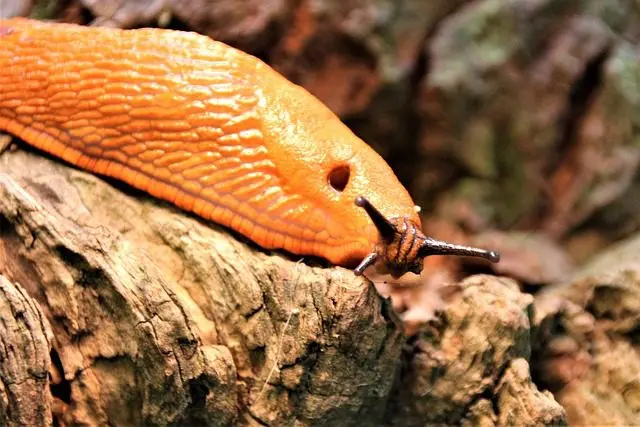
Red slug or orange slug (Arion rufus)
Specific reproductive behaviours
Red slugs, also known as orange slugs, have mating rituals similar to those of other slugs, with circular movements and physical contact.
Habitat and particular conditions for reproduction
These slugs prefer damp environments rich in organic matter, often found in gardens, woodlands and meadows.
Clarifying the common names: red slug and orange slug
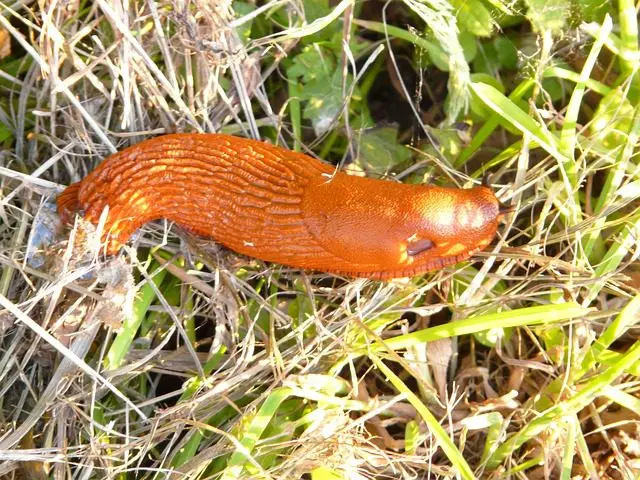
The terms “red slug” and “orange slug” generally refer to the same species, Arion rufus, with colour variations ranging from red to orange.
Length of the reproductive cycle
The reproductive cycle of the red or orange slug takes around 3 to 4 months for a new generation to reach adulthood and be able to reproduce.
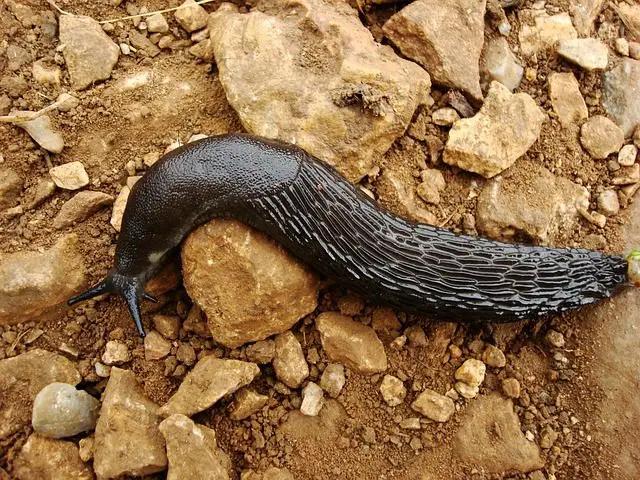
Black slug (Arion ater)
Particularities of mating and egg-laying
Black slugs (Arion ater) have mating behaviours similar to Arion rufus but prefer cooler, damper habitats.
The environmental impact of their reproduction
Black slugs can have a significant impact on crops and gardens owing to their voracity and their ability to reproduce quickly.
Length of the reproductive cycle
The reproductive cycle of the black slug is around 3 to 4 months for a new generation to reach adulthood and be able to reproduce.
Leopard slug (Limax maximus)
Distinctive mating rituals
The leopard slug has a splendid and highly elaborate mating ritual, made up of genuine aerial dances during which the partners wind themselves around a structure suspended by their mucus.
Specific adaptations for the survival of the eggs
The eggs of the leopard slug are often laid in well-protected, damp spots to maximise the survival chances of the young slugs.
Length of the reproductive cycle
The reproductive cycle of the leopard slug takes around 4 to 5 months for a new generation to reach adulthood and be able to reproduce.
Grey field slug (Deroceras reticulatum)
Reproductive habits and environmental conditions
The grey field slug prefers damp environments and often agricultural areas, where it can find an abundance of food.
Specific behaviours and impact on crops
The grey field slug is particularly harmful to crops because of its varied diet and its ability to reproduce quickly, causing significant damage to cultivated plants.
Length of the reproductive cycle
The reproductive cycle of the grey field slug takes around 3 to 4 months for a new generation to reach adulthood and be able to reproduce.
Development of the eggs and hatching
Egg-laying
Where and how do slugs lay their eggs?
Slugs lay their eggs in damp, protected spots, such as under stones, in cracks in the soil, or among dense vegetation.
They choose sites where the moisture conditions are constant to prevent the eggs from drying out.
The eggs are laid in transparent, jelly-like clusters, which protect them and keep them hydrated.
Average number of eggs laid and frequency of laying
A slug can lay between 20 and 100 eggs at a time, and it can lay several times over the course of its life.
On average, a slug can lay up to 500 eggs a year, depending on environmental conditions and the availability of food.
Incubation conditions
Environmental conditions needed for the incubation of the eggs
Slug eggs need particular environmental conditions for successful incubation:
- High humidity: The eggs must stay damp to avoid drying out.
- Moderate temperature: Moderate temperatures, often between 10°C and 20°C, are ideal for incubation.
- Protection: The eggs must be laid in spots protected from direct sunlight and predators.
Average incubation time before hatching
The incubation time of the eggs varies between 2 and 5 weeks, depending on temperature and humidity conditions.
Hatching and the first stages of life
Description of the young slugs after hatching
After hatching, the young slugs, also known as juveniles, resemble miniature versions of the adults.
They measure a few millimetres long and already have their full anatomy, in particular the tentacles and the mantle.
First behaviours and feeding of the young slugs
Young slugs begin feeding immediately after hatching.
Their initial diet consists of decomposing plant matter and fungi.
They explore their immediate surroundings to find food and refuge.
Their behaviour is similar to that of the adults, even though they are more vulnerable to predators and extreme environmental conditions.
Slug reproduction in video
Ecological and economic impact
The role of slugs in the ecosystem
The contribution of slugs to the decomposition and recycling of organic matter
Slugs play a crucial role in ecosystems by contributing to the decomposition and recycling of organic matter.
By feeding on dead leaves, decaying vegetation and fungi, they help break down these materials and turn them into essential nutrients for the soil.
This process enriches the soil with organic matter, which encourages plant growth and improves soil structure.
Relationship with other species in their habitat
Slugs interact with various other species in their habitat:
- Predators: They serve as food for many predators, including insects, birds, reptiles, amphibians and certain mammals.
- Competition: They can compete with other herbivores for food, such as insects and other molluscs.
- Symbiosis: Some slug species maintain symbiotic relationships with fungi or bacteria present in their environment.
Consequences for agriculture and gardens
Damage caused by slugs to crops and ornamental plants
Slugs are often regarded as pests in agriculture and gardening because of the damage they can cause to crops and ornamental plants.
They feed on the leaves, stems and roots of various plants, which can lead to:
- Loss of yield: Crops damaged by slugs can suffer a significant reduction in yield.
- Deterioration of quality: The bite marks and holes left by slugs on plants can reduce the aesthetic and commercial quality of agricultural produce, or simply make life difficult for gardeners.
Methods for controlling and managing slug populations
Several methods can be used to control and manage slug populations.
A sustainable, effective and holistic approach to slug management nonetheless comes down “simply” to steering the garden or the growing area towards a “return to the local natural balance”, which involves particular arrangements. Arrangements designed to attract and establish the slugs’ natural predators. As well as to increase the plant biodiversity of the growing area, with the aim of diluting the “predatory” pressure of slugs on the vegetable or ornamental plants by offering alternative plant prey.
In parallel, the few genuinely effective slug barriers can be used to make this transition period “workable” for gardeners and growers.
The copper mesh for slugs, offered for sale on this site, is one of the best examples of this.
Conclusion
A summary of the key points
A recap of the slug reproductive process
Slugs are hermaphroditic gastropod molluscs that have both male and female reproductive organs. The reproductive process comprises several key stages:
- Mate-seeking: The use of pheromones to attract mates.
- Mating: The exchange of sperm between two individuals.
- Fertilisation: Eggs fertilised by the stored sperm.
- Egg-laying: Eggs laid in damp, protected spots.
- Incubation: A period of 2 to 5 weeks until hatching.
- Hatching and growth: The young slugs begin feeding immediately and reach maturity in around 2 to 3 months.
The importance of understanding this process for ecological and agricultural management
Understanding the slug reproductive cycle is essential for developing effective management strategies in natural ecosystems and agricultural environments.
Knowing the conditions favourable to their reproduction and the appropriate control methods makes it possible to minimise the damage to crops and ornamental plants while preserving the ecological balance.
Consequences and practical advice
Implications for future research on slugs
Future research on slugs could focus on several aspects:
- Ecology and behaviour: Studying the interactions of slugs with other species and their role in ecosystems.
- Genetics and adaptation: Understanding the genetic mechanisms that allow slugs to adapt to different environments and climatic conditions.
- Sustainable control methods: Developing more sustainable, environmentally friendly management solutions to control slug populations.
Practical advice for gardeners and growers
For gardeners and growers, it is worth putting integrated management practices in place to control slug populations:
- Regular monitoring: Regularly inspect plants and soils for signs of slug presence.
- Attracting natural predators: Encourage the presence of natural predators.
- Planting arrangements: using slug-repelling plants.
- Trapping methods: Set up slug traps to capture and reduce their numbers. Ideally peelings traps, which let you concentrate the slugs and their egg clutches in chosen areas, to make them easier to control and collect.
- Physical barriers: Use effective physical barriers such as water moats or the slug netting to protect the plants directly.
I hope you have enjoyed this article, and that it has given you new tools to garden in freedom and self-sufficiency, while understanding what you are doing and why you are doing it.
See you soon,
Robin.
The information in this article has been selected and verified according to the criteria defined in our editorial charter.
Done with slugs. For good. Starting this season.
Scientific references
-
Solar-powered slugs have a bright reproductive future – This article published by Nature explores how slugs use stolen chloroplasts to produce polyunsaturated fatty acids that are important for reproduction.
-
Reproduction in the book Terrestrial Slugs – This chapter, available on SpringerLink, describes in detail the reproductive system of terrestrial slugs, which are hermaphrodites.
Related articles
Testing and review of 30 natural slug deterrents (do they work?)
Read
Slug-repellent plants, or prevention through planting
Read
Surface composting: protect your vegetable patch from slugs, with love
Read
Slugs: their usefulness in the garden, what they indicate, and holistic management through reshaping the habitat
Read
Slug predators: which are they? How to attract them to the garden?
Read
Slug control: the (harmful) methods to avoid – why and how?
Read