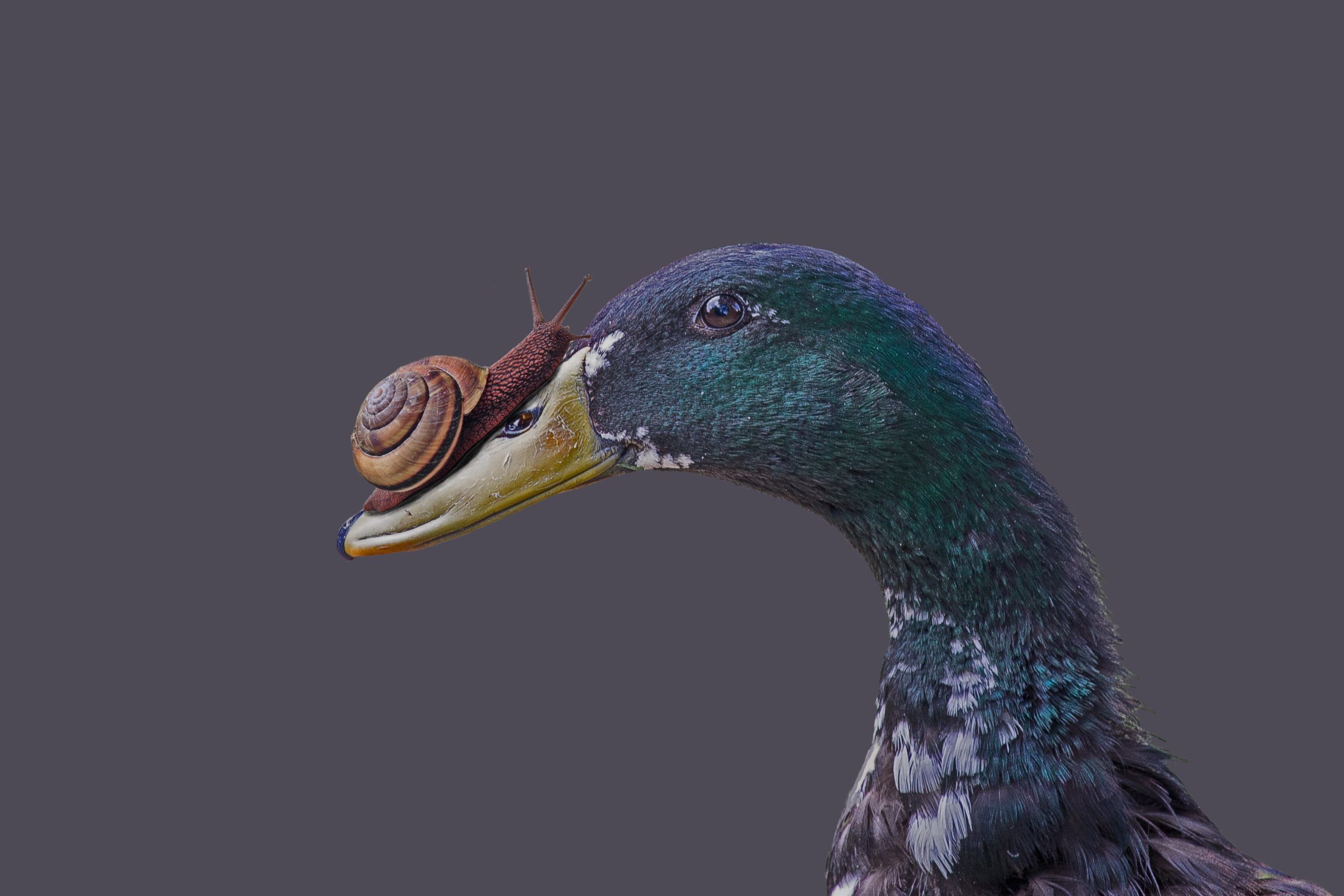
The natural elegance of the crested Indian Runner duck: a complete exploration
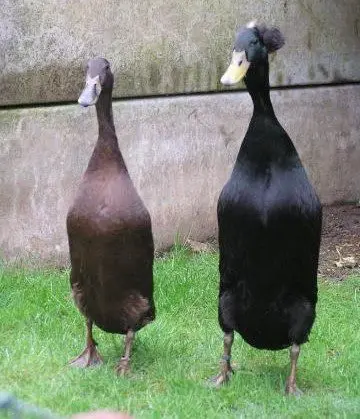
The avian world is a vast ecosystem of varied forms, colours and behaviours. Within this mosaic of species, the crested Indian Runner duck stands out not only for its unique, almost “running” gait, but also for a striking genetic peculiarity: the crest.
This feature, a natural ornament perched on the head, is as intriguing as it is charming. Over the years, the popularity of this variant of the Indian Runner duck has grown exponentially, making it ever more sought-after among breeders and enthusiasts of ornamental birds.
If you're discovering my blog, chances are slugs and snails are giving you grief.
You'd probably be very interested in the copper slug barrier I designed .
It changed everything for me. I can finally grow lettuce, cabbages, strawberries and squashes without tearing my hair out.
Don't hesitate — it's an investment (copper is expensive), but you'll likely save yourself a huge amount of time!

History and Origin of the Indian Runner Duck
South-East Asia is a region rich in biodiversity, and it is here that the Indian Runner duck has its roots. Despite the common confusion caused by its name, this duck is not native to India, but rather to the marshy areas and rice paddies of countries such as Indonesia and Malaysia. In the 19th century, traders and explorers intrigued by this species introduced it to Europe. Its distinctive gait, resembling a run rather than the usual waddle of ducks, soon earned it considerable attention. In Europe, the breed was reared, adapted and diversified, giving rise to several variants, including the crested one.
The Crest Mutation: A Genetic Exploration
At first glance, the crest resembles a small tuft of soft feathers sitting on top of the duck’s head. It is not simply a feathery “cap”; it is a fleshy outgrowth covered in feathers. And this is where science comes into play: the crest is the result of a specific genetic mutation. In the complex world of avian genetics, this trait stems from a dominant gene. This means that if a duck carries the crest gene, there is a high probability it will pass it on to its offspring.
But what happens when two ducks carrying the crest gene breed together? Genetic statistics show there is a 75% chance the duckling will inherit the crest characteristic. Of these, 50% will be single carriers of the gene and will have a crest, 25% will carry two copies of the gene (which, unfortunately, often leads to health complications) and the remaining 25% will have no crest. This understanding of crest genetics is essential for breeders who wish to preserve this characteristic while safeguarding the health and welfare of their ducks.
Breeding and Care of the Crested Duck
The crested Indian Runner duck, though graceful and visually distinctive, presents unique challenges for the breeder. The crest, being a fleshy outgrowth, is prone to infection and injury. When the ducks bathe or explore their surroundings, the crest can easily catch on branches or become soiled, increasing the risk of infection.
What is more, the crest can draw the attention of other animals, thereby raising the risk of predation or injury. This is why it is vital for breeders to provide a safe and well-fenced environment for these ducks. A clean habitat with fresh water that is regularly renewed, suitable shelter and regular monitoring are essential to ensure their welfare. Breeders must also be proactive, regularly checking the crest to make sure it stays clean and free of abrasions or infection.
Ethical Aspects of Selective Breeding
Selective breeding for aesthetic traits such as the crest raises significant ethical concerns. Although the crest is visually appealing, it can potentially cause health problems for the duck, particularly when the duckling receives both copies of the gene. Is it, then, ethical to favour an aesthetic trait at the expense of the animal’s welfare?
Moreover, selective breeding can lead to a decline in genetic diversity, which can leave populations more vulnerable to disease. Animal rights advocates and certain ethicists debate the balance between preserving a particular breed or characteristic and the overall welfare of the species.
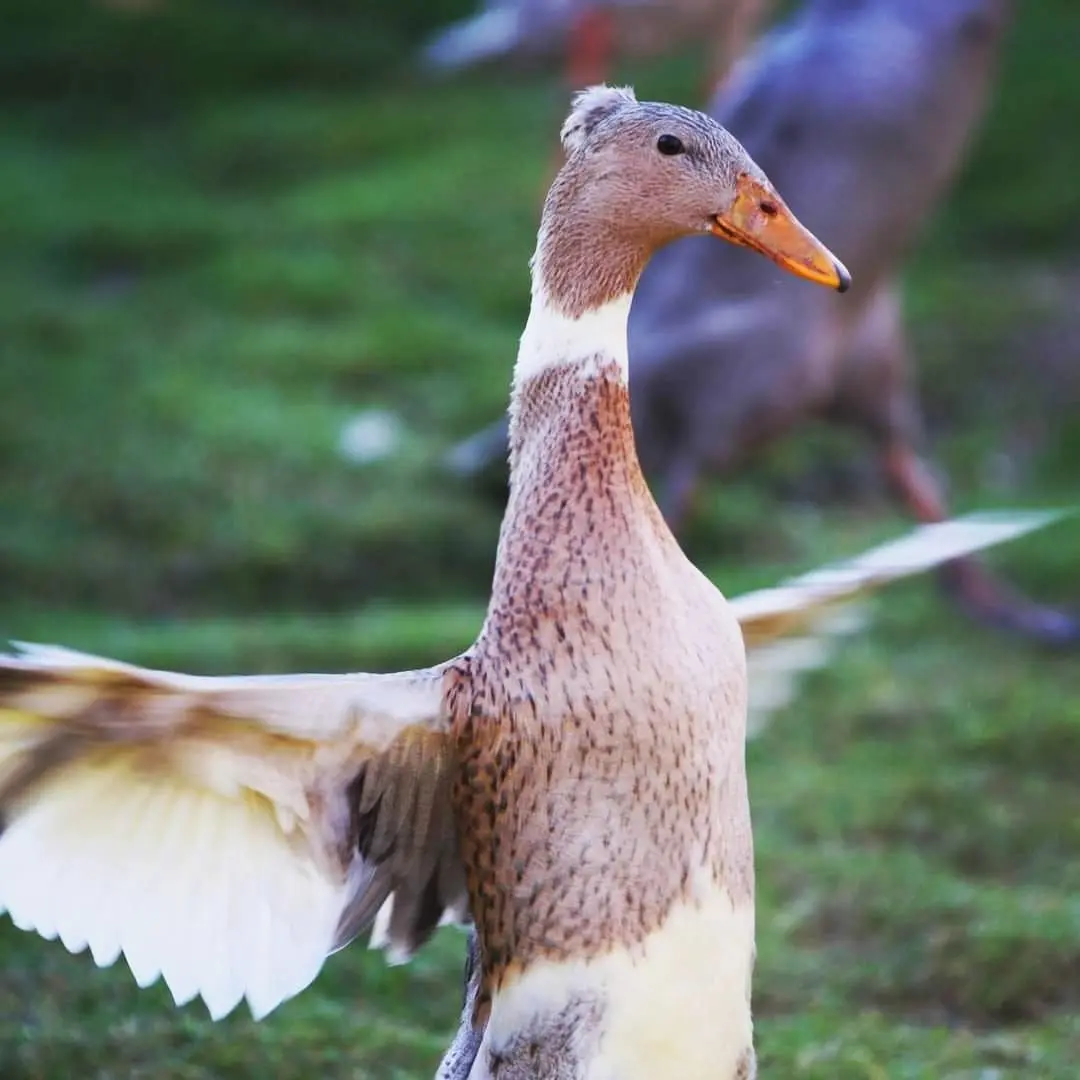
Image source: https://elevagecanardcoureurindien.weebly.com/
Adaptability and Behaviour
Not all ducks are equal when it comes to behaviour, and this is especially true when comparing the crested Indian Runner duck with its counterparts. The Indian Runner duck is naturally active, curious and alert. Its distinctive, almost upright gait lends it a certain elegance. With or without a crest, these ducks are often more sociable and less shy than some other breeds. They adapt well to environments with water, whether a natural pond or a large breeding pool.
In terms of adaptability, the Indian Runner duck is hardy. Although it originates from the warm climates of South-East Asia, it has shown a surprising ability to adapt to a wide range of environments, from temperate regions to colder areas, provided it has suitable shelter against the harshest of the elements.
Breeding Methods
Breeding crested Indian Runner ducks calls for particular attention to genetics, given the peculiarity of the crest. Breeders seeking to preserve this trait must ensure they cross ducks that carry the crest gene, while taking care to avoid excessive inbreeding.
Best practice recommends selective yet diverse breeding, using a regular rotation of breeding stock to ensure genetic diversity. Breeding two crested ducks together is not always advisable, as it can lead to health complications for the ducklings. The ideal is to balance the desired aesthetics with the health and welfare of the animals.
Conclusion
The beauty and singularity of the crested Indian Runner duck attract many breeders and animal lovers from around the world. However, as we have explored, there is far more behind this aesthetic appeal. From the complex genetics that gives rise to the crest to the ethics of selective breeding, raising these ducks is a fascinating interplay of science, aesthetics and morality. In a world where natural beauty and science so often intersect, the crested Indian Runner duck serves as a reminder that nature, in its infinite diversity, never ceases to amaze us.
The information in this article has been selected and verified according to the criteria defined in our editorial charter.
Done with slugs. For good. Starting this season.
Related articles