Is the Indian Runner duck really that noisy?

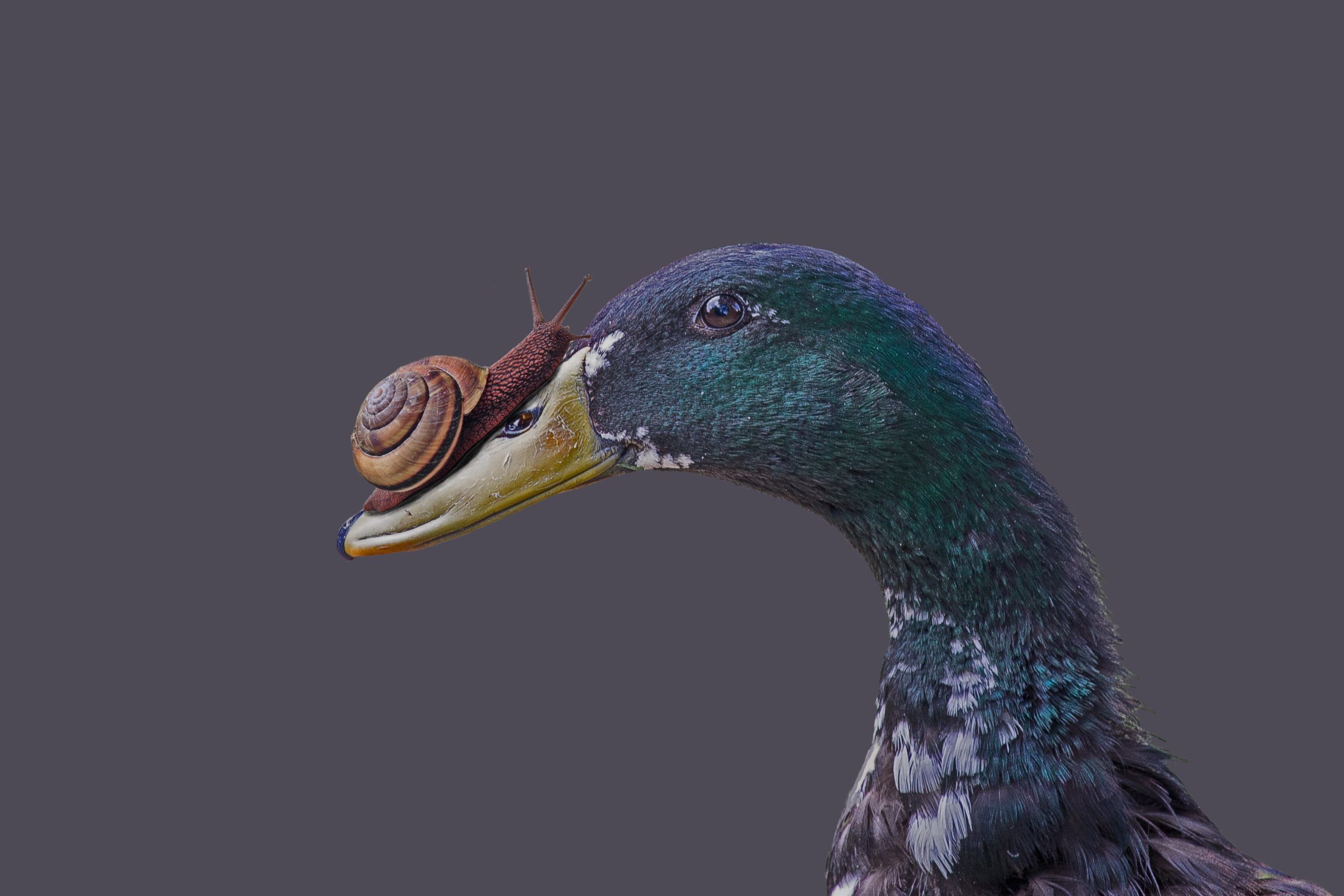
The Indian Runner duck has become a familiar sight in gardens and vegetable plots, where it is often put to work against slugs and snails (although, in my view, Indian runner ducks against slugs).
But one question keeps coming up about this handsome, fleet-footed bird: is it noisy?
Noisy enough to bother the neighbours, or quiet enough to let its humble owner enjoy a well-earned nap?
In this article, we answer that very question!
So if the subject interests you, follow me!

If you're discovering my blog, chances are slugs and snails are giving you grief.
You'd probably be very interested in the copper slug barrier I designed .
It changed everything for me. I can finally grow lettuce, cabbages, strawberries and squashes without tearing my hair out.
Don't hesitate — it's an investment (copper is expensive), but you'll likely save yourself a huge amount of time!

Origins and characteristics of the Indian Runner duck
Although its name can be misleading, the Indian Runner duck does not come directly from India, but rather from the regions of South-East Asia. It has a rich history stretching back several centuries, during which it was kept both for its usefulness around the farm and for its exotic good looks. It is its near-upright posture that mainly sets it apart from other duck breeds. This feature, combined with a brisk gait that looks more like running than waddling, earned it its evocative name.
The noise levels of ducks in general
When tackling the question of noise in ducks, it is essential to understand that the sound level varies enormously depending on the bird’s sex. Females are generally more talkative, producing loud, persistent “quacks”, particularly when they are excited or sense danger. The males, the drakes, on the other hand, have a softer, almost hoarse voice and are often less noisy. That said, certain breeds, such as the Pekin duck, are known for their especially high volume. The Indian Runner duck, for its part, sits somewhere between these extremes, balancing its sometimes chatty nature with quieter spells.

The Indian Runner Duck and Noise
An overview of the Indian Runner duck’s typical noise level
When it comes to noise, Indian Runner ducks are generally not silent. They quack often, especially when communicating with one another or with their owner. Their quacking is usually clear, high-pitched and can be quite loud, particularly when they are excited or trying to warn of danger.
A comparison with other breeds to put things in context
- Pekin duck: This is a popular breed for meat production. They are noisier than breeds such as the Mallard, but generally less noisy than the Indian Runner.
- Khaki Campbell duck: These ducks are known for their egg production. In terms of noise level, they are comparable to the Indian Runner, although some owners say they are a little quieter.
- Mallard (wild): Wild mallards are generally less noisy than most domestic breeds, except during the mating season or when alarmed.
- Muscovy duck: Unlike other ducks, Muscovies are relatively quiet. They make little hisses and coos instead of the usual quacking.
Circumstances that can make Indian Runner ducks noisier:
- Excitement: If something gets them excited, such as the arrival of food or the presence of a pond to swim in, they may quack more loudly.
- Threat or danger: If a predator is near or they sense danger, Indian Runner ducks can become very vocal to alert the others.
- Social communication: Ducks are sociable creatures and communicate with one another for various reasons, whether to establish a pecking order or to locate a member of the group.
- Looking for a mate: During the breeding season, ducks can be noisier as they seek out or court a mate.
Considerations for prospective owners
Before deciding to take on an Indian Runner duck, there are several things to consider when it comes to noise:
- Proximity to neighbours: If you live close to neighbours, the noise level of your ducks could disturb them.
- Personal tolerance: Assess your own tolerance for noise. If you are after a quieter animal, a duck may not be the right choice.
- Managing the noise: If you are worried about noise, consider taking on males (drakes), as they are generally less noisy than the females.
- Local predators: If you live in an area with plenty of predators, expect your Indian Runner ducks to be noisier when threats are about.

Considerations for prospective owners of Indian Runner ducks in residential areas
The Indian Runner duck, with its distinctive appearance and entertaining character, can be a tempting addition to any household or garden. However, in residential areas, the noise level can become a major concern. Before taking on these ducks, it is essential to think about the impact of their quacking on the neighbourhood and on your own quality of life.
The importance of noise level:
Consideration for the neighbours: In a residential area, noise can easily carry across the fences, disturb the neighbours’ peace and quiet, and potentially cause conflict.
Local by-laws: Some councils or residential areas have strict rules concerning noise levels or the keeping of backyard poultry. It is essential to know and to respect these regulations.
Quality of life: Even if you love your ducks, constant noise can disturb your own peace and that of your family, particularly early in the morning or late in the evening.
Recommendations for managing the noise
Choose more males: If egg-laying is not your priority, taking on more males can be a way to reduce the noise. The males, or drakes, generally quack less loudly than the females. However, it is important to note that keeping several males can lead to fights for dominance if you do not have enough females to balance the ratio.
Enclosure design: Placing the enclosure or the coop well away from living areas and property boundaries can help to dampen some of the noise. Vegetation barriers or tall fences can also help to absorb certain sounds.
Enrichment and distractions: Providing your ducks with a variety of distractions can keep them occupied and potentially reduce their quacking. This could include water pools, duck toys, or areas to explore.
Conclusion
The Indian Runner duck is a distinctive and endearing bird, renowned for its upright posture and brisk gait. However, anyone considering taking on these ducks, particularly in residential areas, must be fully aware of their noise habits. While their quacking can be a source of amusement, it can also become a source of disturbance for owners and their neighbours alike.
Their curious and interactive nature makes them entertaining companions, and they can bring a great deal of joy to a household. They are also of interest for egg production and, quite simply, as garden animals.
That said, the decision to take on Indian Runner ducks should not be made lightly. It is vital to think carefully about their needs, the impact on your neighbourhood and the potential consequences of keeping them. The key is to combine respect for these animals with careful consideration for the environment in which they are raised.
The information in this article has been selected and verified according to the criteria defined in our editorial charter.
Done with slugs. For good. Starting this season.
Related articles