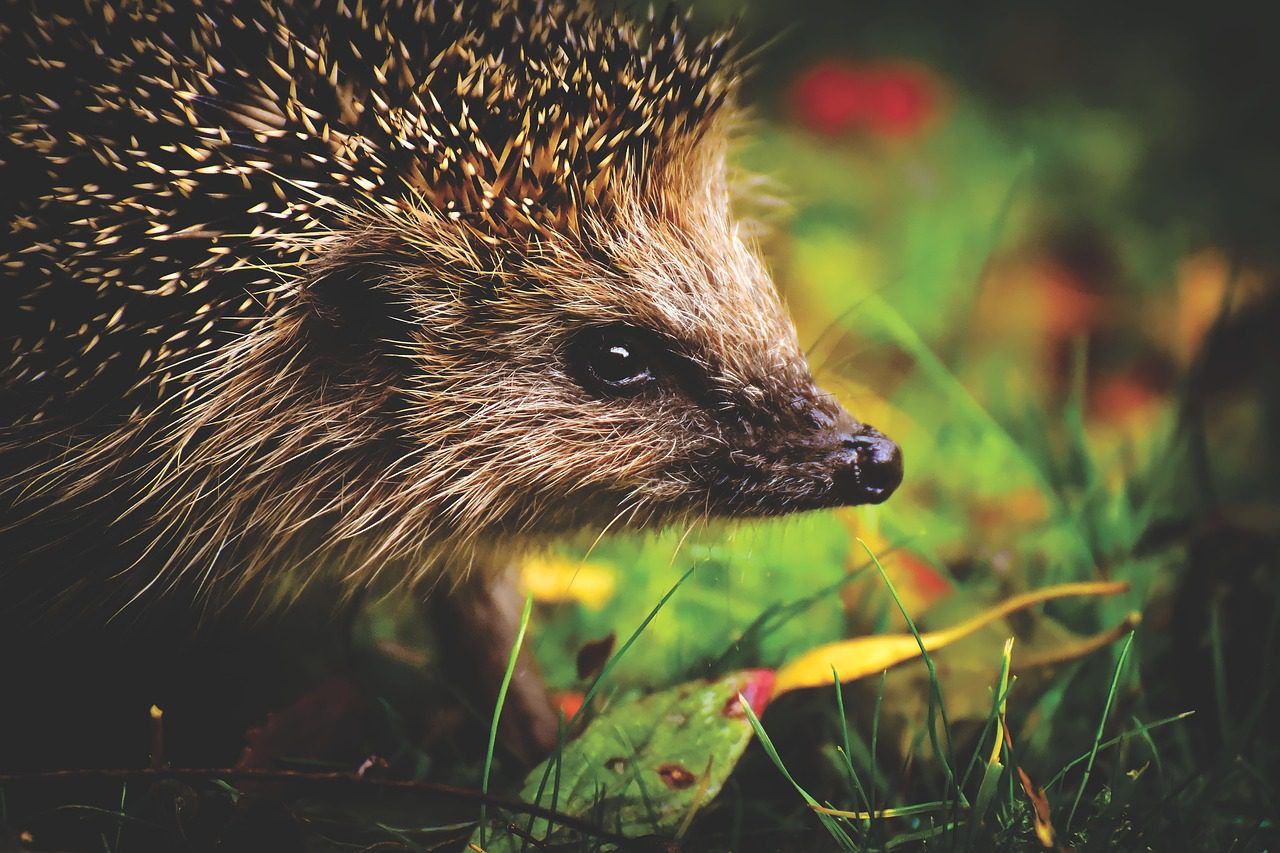
The hedgehog, a slug predator in the garden: should you feed it? How do you attract it to the garden?
Read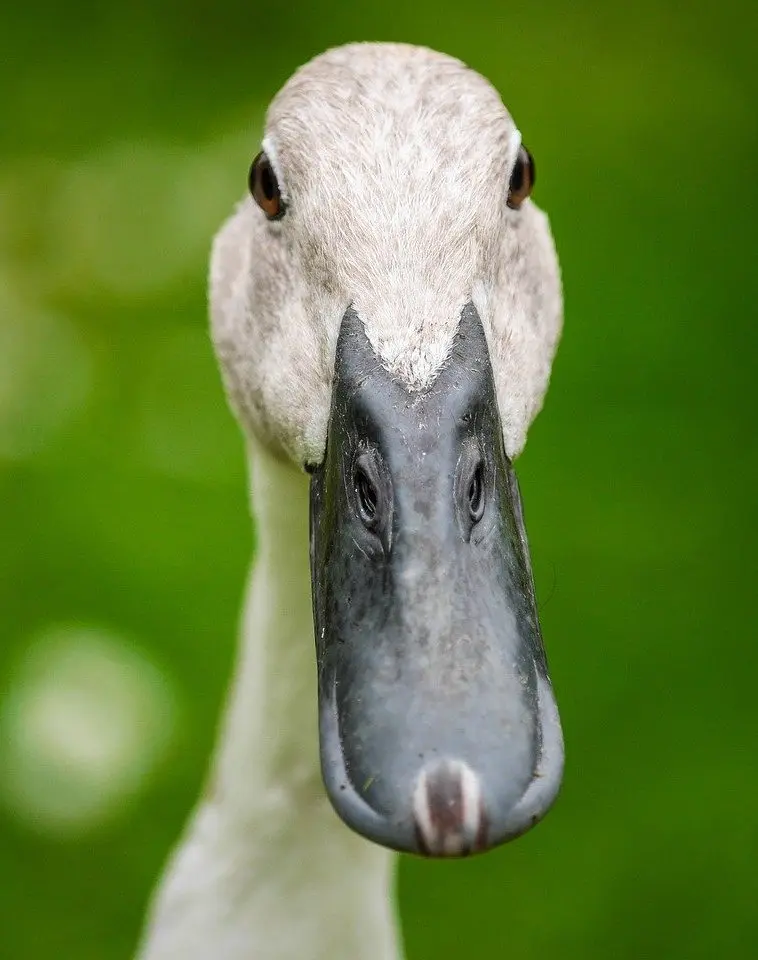
What impact do Indian Runner ducks have on a slug population?
How do you welcome them into the garden?
What are the personal and financial costs, and what are the side effects of Indian Runner ducks for the garden system?
I’ll try to answer these various questions in this article!
• Formidable effectiveness: They are genuine slug-and-snail vacuum cleaners. They clean up the garden without leaving any debris behind.
• Non-negotiable needs: These are demanding animals. They need to live in a group (at least 2), have permanent access to water (to clean their eyes and to swallow) and a secure shelter against foxes for the night.
• Vegetable-plot compatibility: Good. Unlike hens, they don’t scratch at the soil.
Beware: they trample seedlings and are nonetheless very fond of lettuces and cabbages.
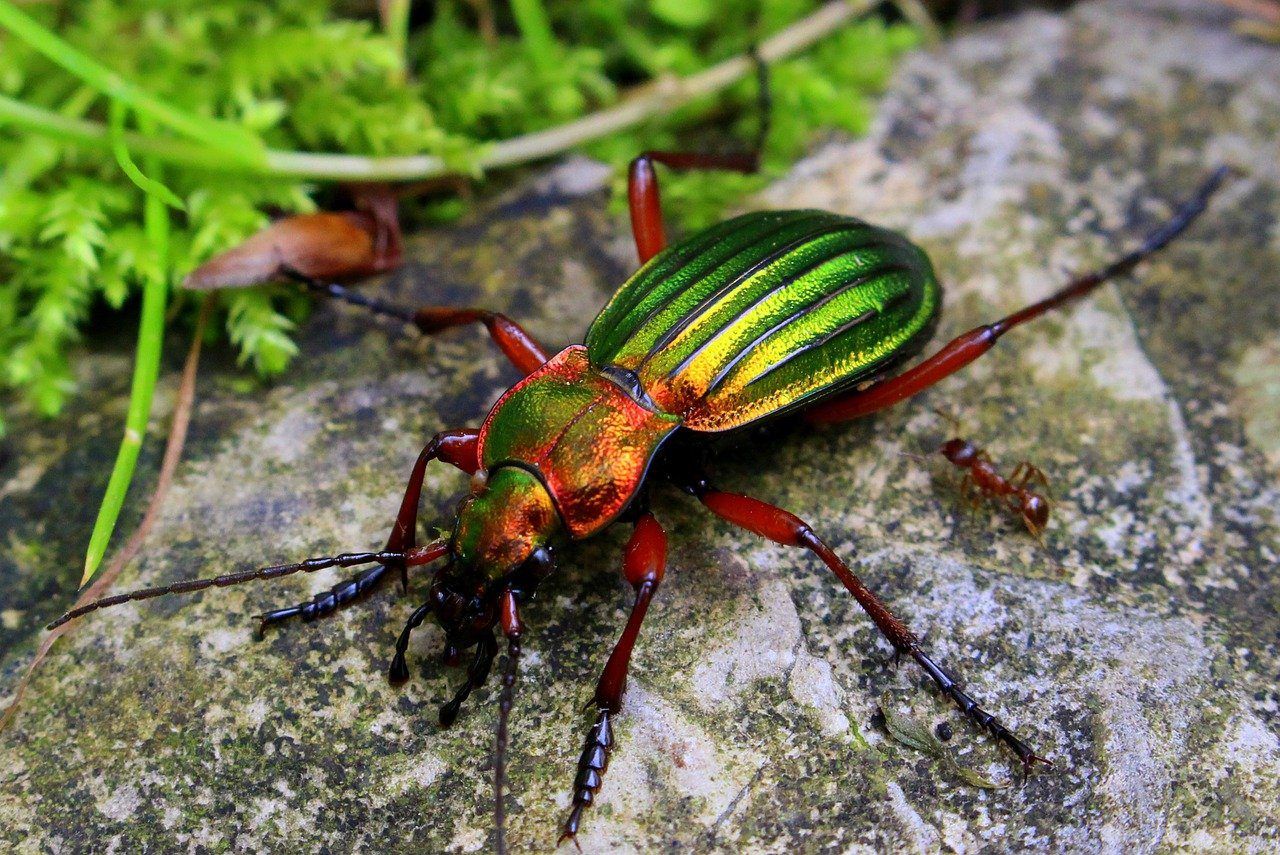
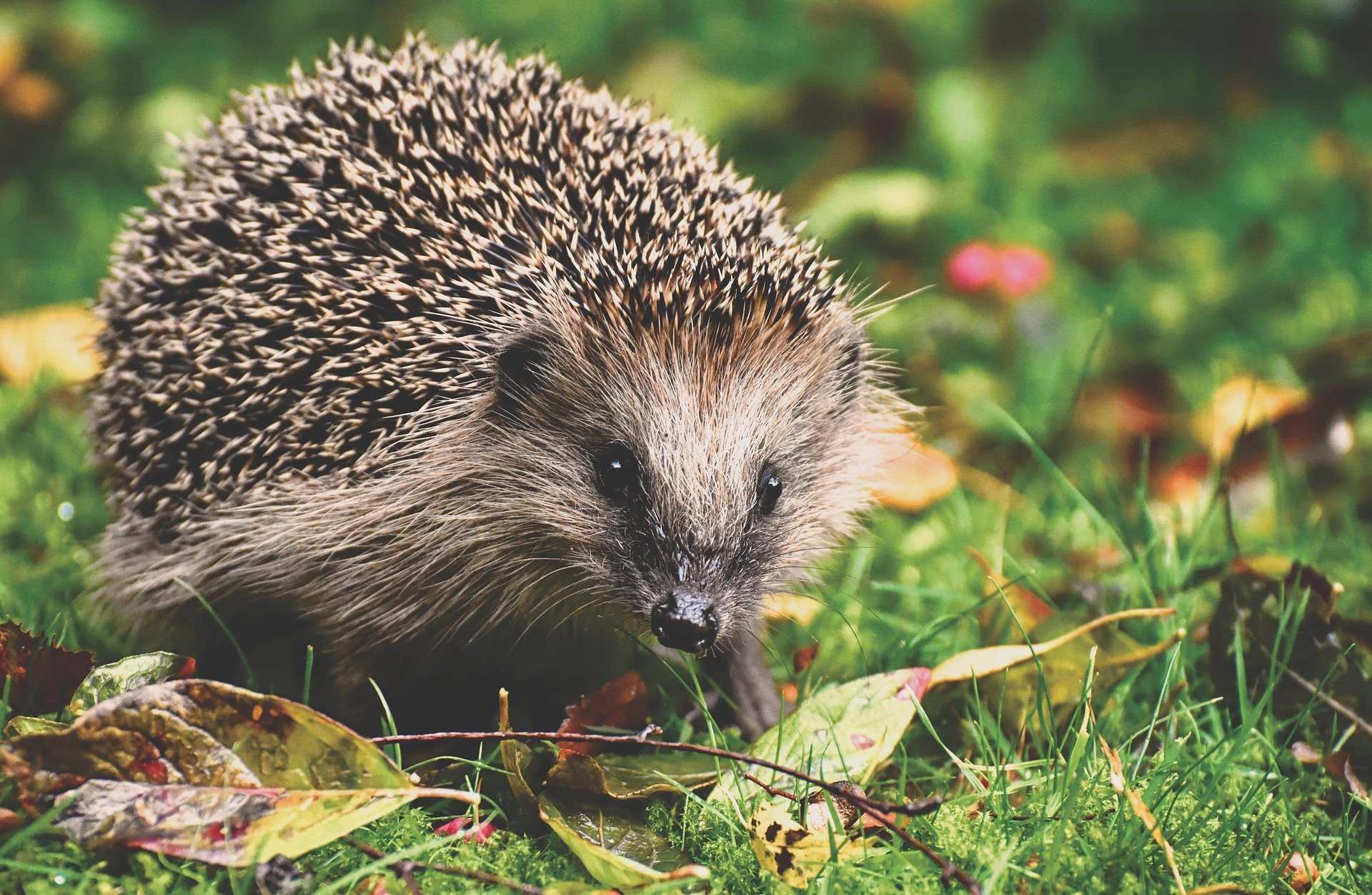
• Ecological impact: This is the flip side of the coin. They also eat the garden’s beneficial insects (helpers), and in particular the slug-predator insects (ground beetles, rove beetles), and they deprive hedgehogs and toads (also slug predators) of food, which can strongly slow down the attraction of the slugs’ natural predators as well as the increase in their numbers, and thereby slow the lasting, deep-rooted resolution of the slug problem in the garden (it masks the symptom without resolving the underlying syndrome)
• Cost and commitment: Reckon on around £500 in the first year (fencing, shelter, pond) and daily time over 10 to 12 years. In the event of avian flu, they will have to be kept confined.
• Beware, Danger: Never give them bread (wing malformation), avocado or raw potato peelings.
If you're discovering my blog, chances are slugs and snails are giving you grief.
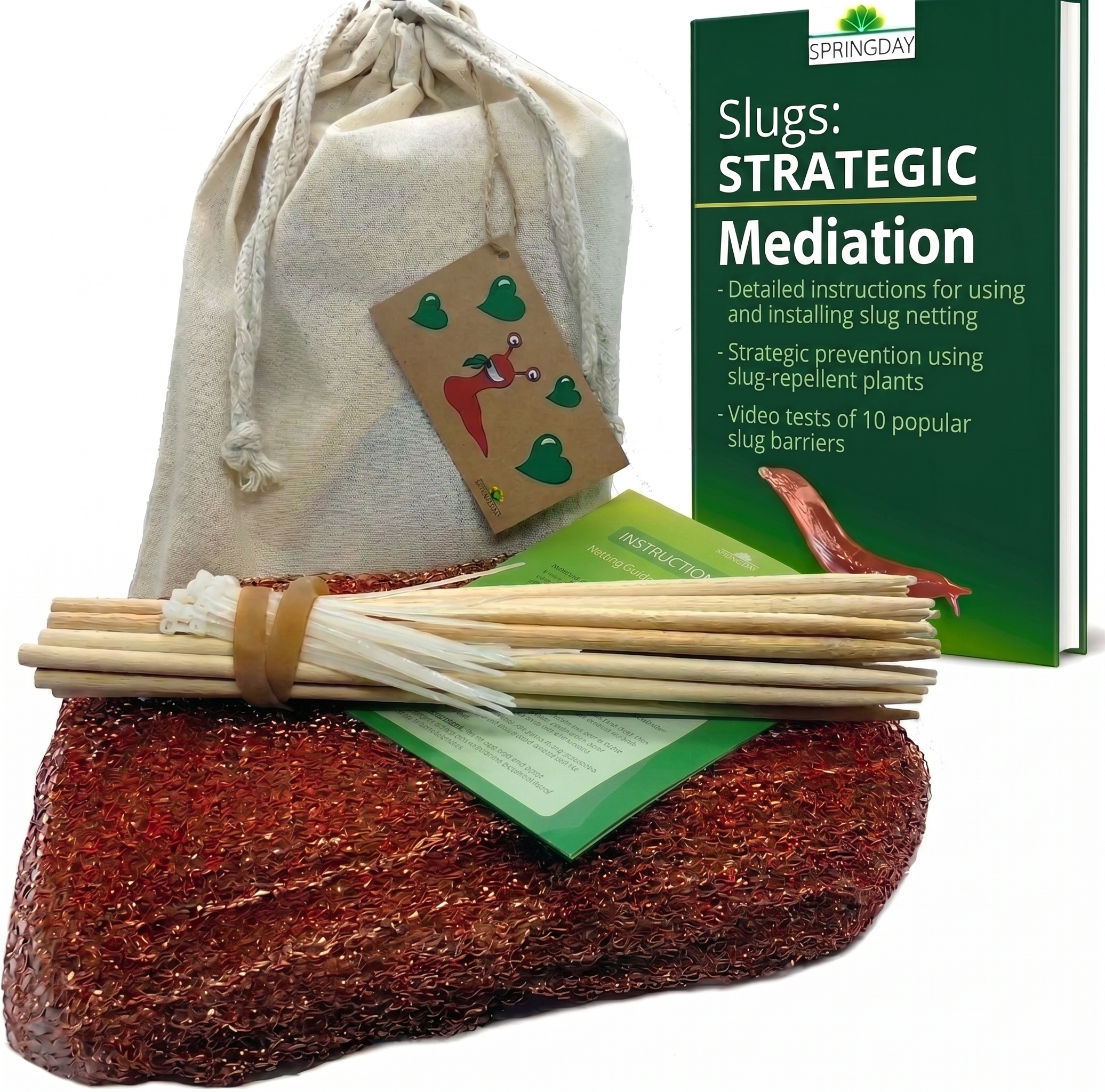
You'd probably be very interested in the copper slug barrier I designed .
It changed everything for me. I can finally grow lettuce, cabbages, strawberries and squashes without tearing my hair out.
Don't hesitate — it's an investment (copper is expensive), but you'll likely save yourself a huge amount of time!
Before we begin, if it interests you, here is the article on all the predators of slugs.
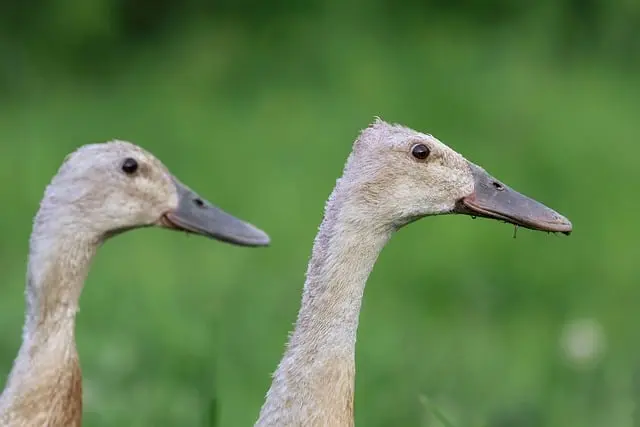
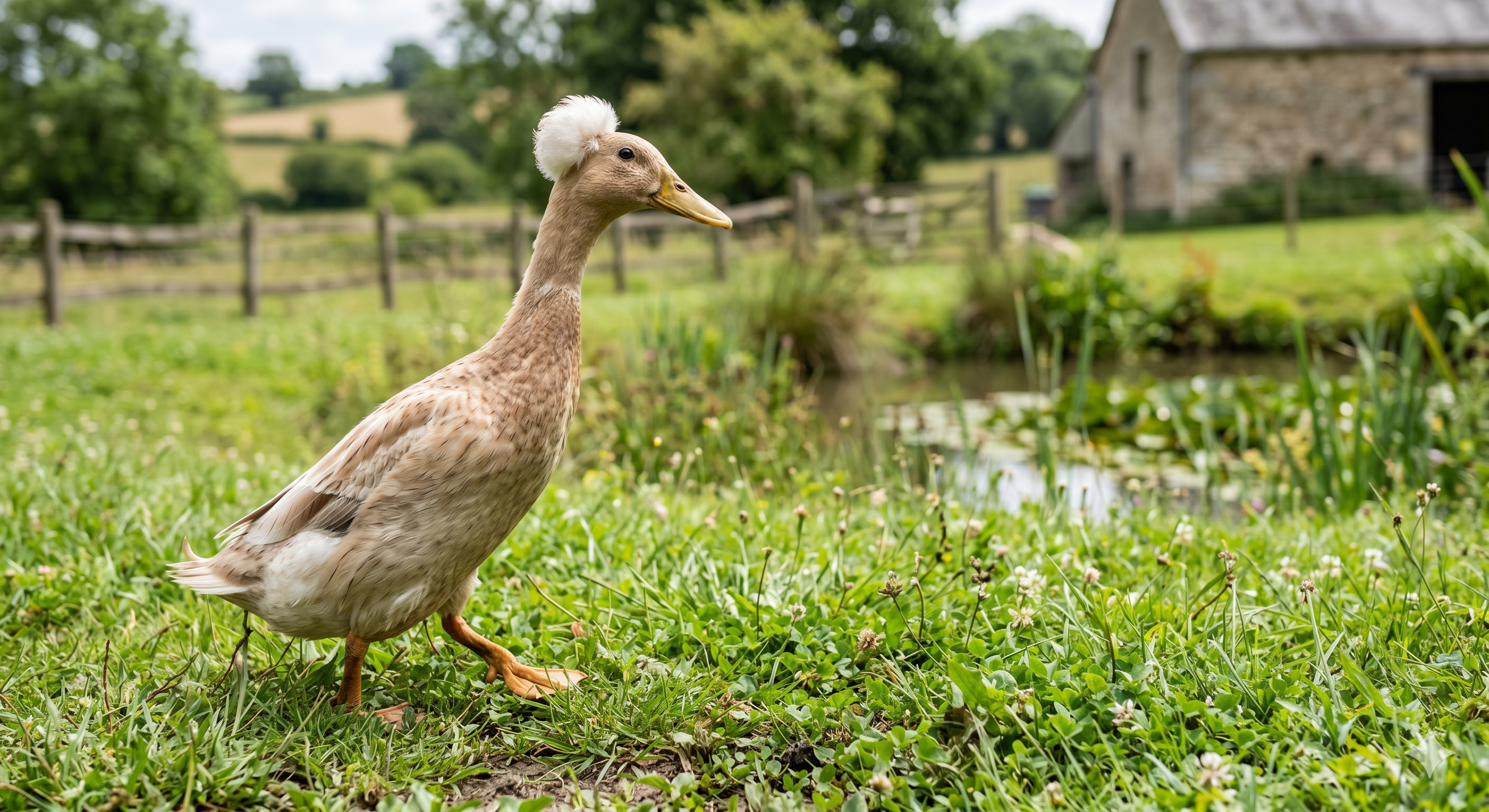
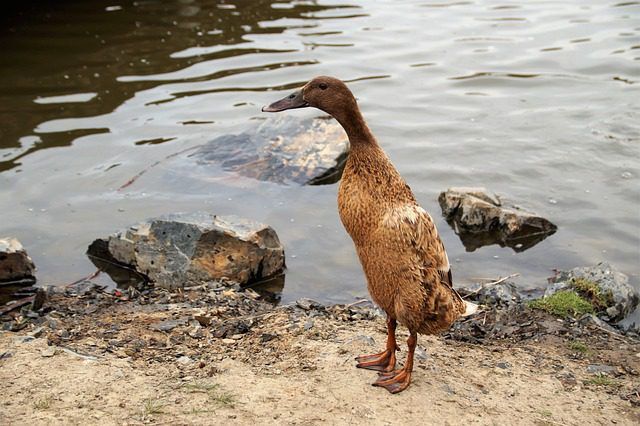
This breed comes from the mallard, hence the strong resemblance to it. It is said to originate from Asia, and it sets itself apart from other species by its tall, upright stance on its legs, which gives us the impression that it is constantly running.
This species of duck is renowned for being particularly fond of slugs and snails. But these ducks also devour any other small insect they come across nearby, as well as plants (see the section “their diet”). To help them hunt the gastropods, the best thing is to release them into the garden at the times most favourable for the slimers to appear: early in the morning, in the evening, and in damp or rainy weather. Be sure to bring the ducks into their fenced shelter before nightfall (I’ll come back to this in the section “shelter and fencing”), because they would risk being snapped up by a fox, a weasel or a marten.
Indian Runner ducks are a very good alternative to many undesirable slug controls (slug pellets, beer traps: see why in part VII of this article), and they are increasingly being adopted in permaculture gardens.
You may come across Runner ducks with a peculiar tuft on their head. While this aesthetic feature is charming, you should know that it is a complex genetic mutation. It involves significant ethical and health issues (mortality rate, skull fragility) that you absolutely must be aware of before you give in to temptation.
To learn everything about this variety and avoid mistakes when adopting one, read my dedicated piece: the elegance of the crested Indian Runner duck.
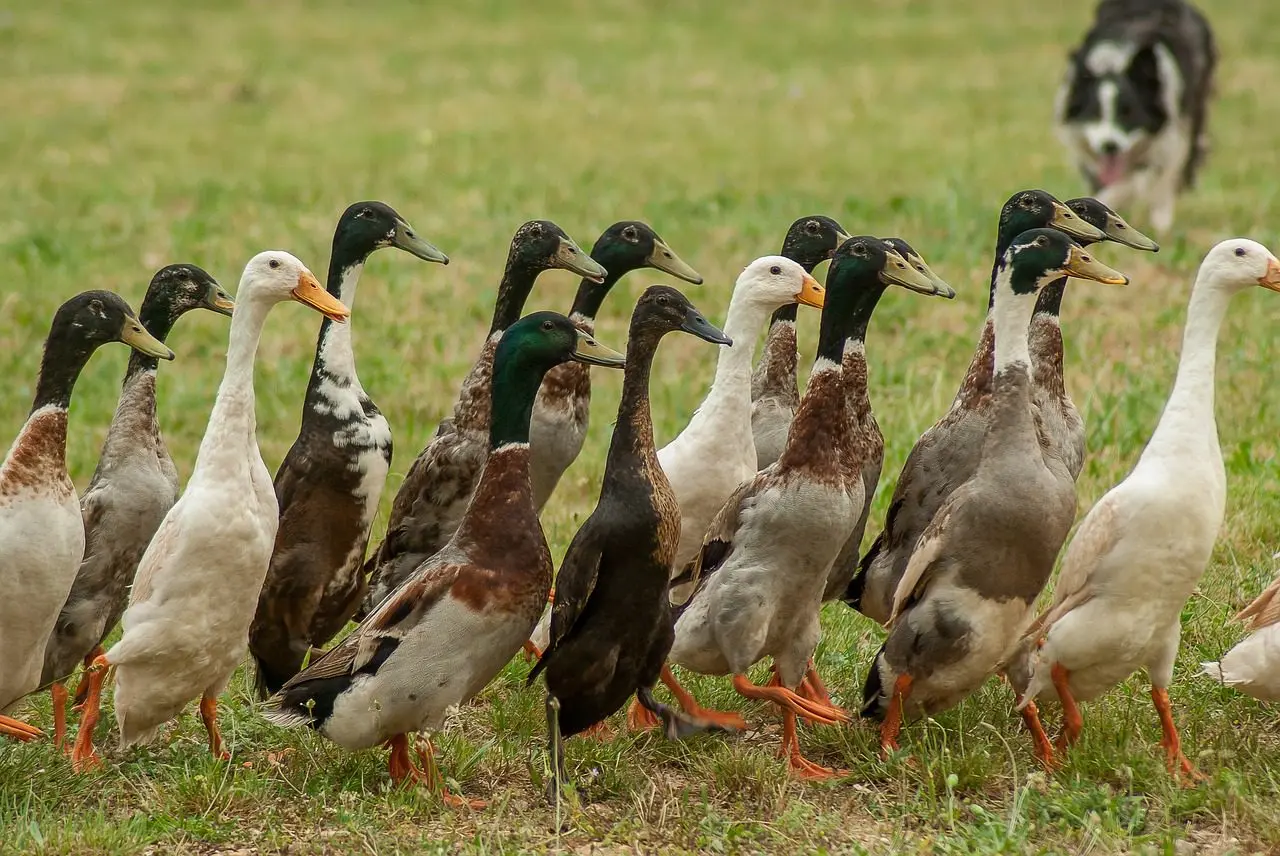
Indian Runner ducks are social animals, and for this reason it is important to take in at least 2 individuals.
Mind the male / female ratio: The Runner drake is a very (very) active breeder. I strongly advise against the ratio of 1 male to 2 females that is sometimes recommended.
The male risks exhausting the ducks by soliciting them so much, going as far as tearing out the feathers on their necks or drowning them during mating. The ideal ratio is 1 male to 3 or 4 females. This helps to “dilute” the male’s ardour and keep the peace within the group.
If you don’t want any breeding, a group made up solely of males (a brotherhood) generally gets along very well!
Does the Indian Runner duck make noise? Does it make too much noise?
Many people, before investing in a pair of Indian Runner ducks, ask themselves the question of noise: are my ducks’ loud quacking calls (and yes, ducks quack 😉 ) going to spoil my relaxing afternoons in my garden? Will it finally give my insufferable neighbours a reason to take me to court? (Joking aside, a duck breeder has already been taken to court because of the noise of her ducks, even if the story doesn’t say whether they were Indian Runner ducks.)
As for lawsuits, rest assured, it’s an exceptional case, and the poor breeder must have had quite a flock of ducks.
For your afternoon naps in the garden, it all depends on whether you’re the sort to move the bedroom clock into the next room when you’re invited to stay over at friends’ houses.
Because, well, it’s not extremely noisy, but you do still hear the fellows, see for yourself:
And while we’re at it, a guilty pleasure: an Indian Runner duck race (poor things):
A pair of Indian Runner ducks is generally enough to rid 1,000 square metres of garden of its slugs.
As for their daytime space, think big: between 500 and 1,000 square metres minimum, for a pair. This is both the space they need for their wellbeing, and the space needed for the survival of your garden.
Because, yes, beware of thinking too small, as they can quickly turn a lawn into a mud puddle. Indeed, ducks descended from the mallard (as the Indian Runner duck is) soil the ground more than other species. Personally, I have already had ducks (other than mallards), and the state of the garden suffered considerably from it…
For more than a pair, more space isn’t necessary for their wellbeing, but it will be in order to keep the garden in good condition.
As for the space needed for their night-time shelter (see the following paragraph), you should reckon on 2 square metres per duck.

It’s sometimes said that the Runner duck doesn’t need a shelter, but that isn’t true… well, not really. In fact, it doesn’t need a shelter for its “wellbeing”, but it is necessary that you provide one for it to bring it into each night, because otherwise there’s a good chance it will get eaten alive by predators (foxes, weasels or martens).
The Runner duck hen also needs a shelter if she is to brood her eggs.
Their little home should be at ground level, and not too small either, if they are to spend every night there (2 square metres per duck, as already seen), especially if you’re thinking of expanding the family.
Even if you have a large plot surrounded by woods or fields, and even if you bring them into their shelter every evening, if the plot isn’t fenced, the Runner ducks will escape at one point or another, especially during the nesting period.
For this reason, you absolutely must fence off the space in which they can roam. If you want to make the most of their benefits for hunting slugs, this space will have to include the vegetable plot, or be in its immediate vicinity.
That’s the good news for your fencing budget! Unlike the mallard, which flies very well, the Runner duck has too vertical a build and wings that are too small to fly. At most it can make little hops or glide a few metres if it’s startled.
Practical consequence: No need for a 2-metre-high aviary. A simple fence or netting 80 cm to 1 metre high is amply enough to keep them at home (and to protect your lettuces from their hungry pecks).
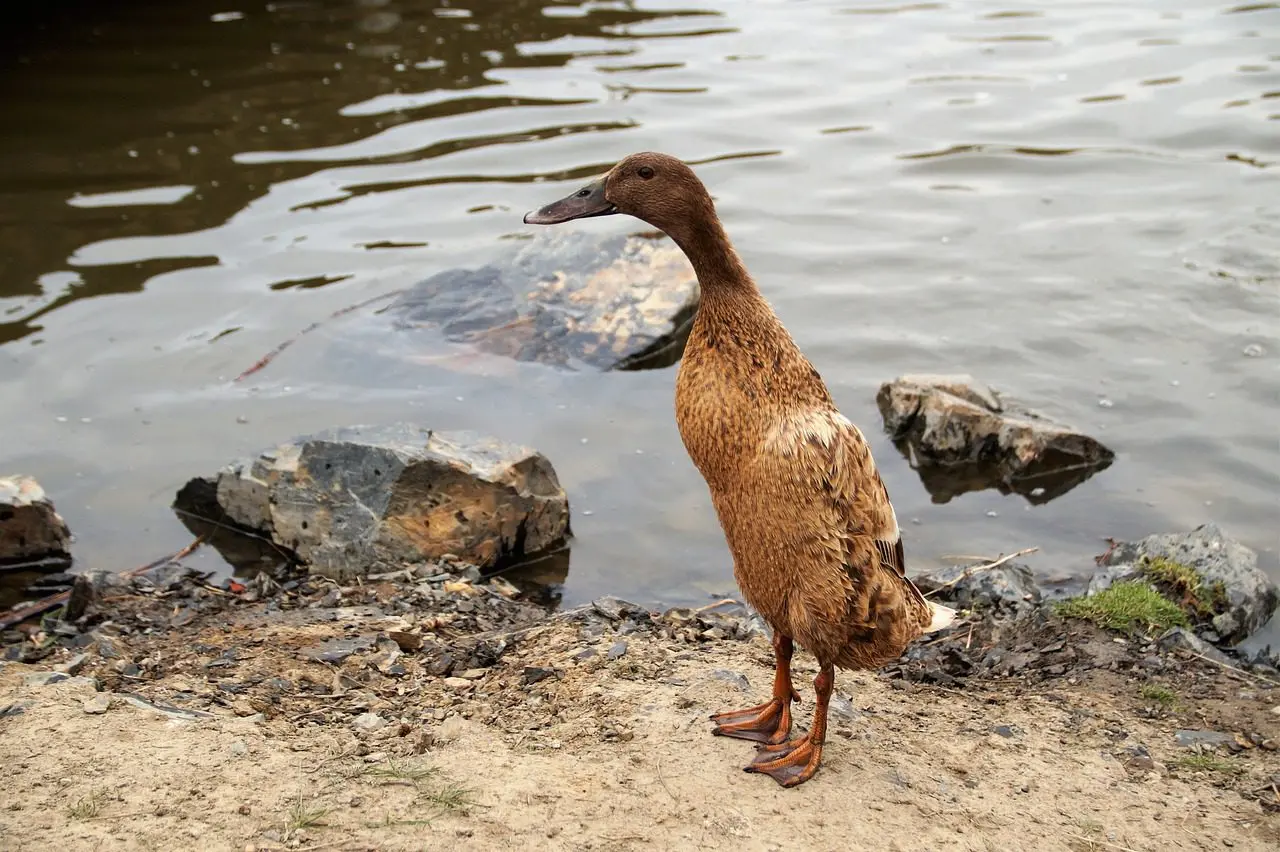
A pond of 2 square metres is the minimum needed for their wellbeing (source of the information: a breeder of Runner ducks intended for private individuals) and for their breeding (they most often reproduce on the water). Here is a video showing you the various steps needed to build a small pond for Indian Runner ducks (this one is just under 2 square metres), through to filling it with water.
Why water is VITAL for their eyes (and not just for swimming)
Beware: even if you don’t have a large pond, it isn’t enough to give them a little hen drinker.
Anatomically, the duck has no tear glands to clean its eyes.
It must be able to immerse its entire head in the water several times a day to rinse its eyes and nostrils (otherwise watch out for infections such as coryza).
Always provide, at the very least, a deep basin of clean water, changed daily.
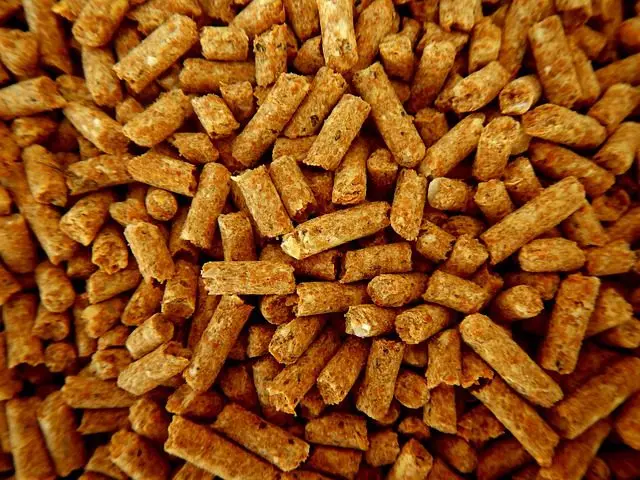
The Runner duck’s primary diet should consist of wheat or pellets. Slugs, snails, insects and garden herbs come only in second place.
For them to stay in top form, the quantity of wheat or pellets to give them should be around 1.7 kg per duck per week, that is, a little more than 3 kg per week for a pair. This amount of food should be adjusted according to the potential presence of a large number of slugs, on which they feed.
The Runner duck doesn’t eat most of the vegetables in the plot, except for certain ones it loves: lettuces and cabbages, beetroot and chard leaves, seedlings, and several other herbs and flowering plants in the garden.
Beware though, because even for the vegetable plants it doesn’t eat, it can still trample them when it goes off in search of insects and slugs. When these plants have grown well, it isn’t a big deal… but when they’ve just been transplanted or sown, it’s immediately far more of a nuisance…
We all have the idyllic image of the crust of bread handed to ducks… Forget that straight away! It isn’t just “bad”, it’s dangerous. Here is the blacklist and the scientific reasons for each food:
Bread (white, wholemeal, hard or soft): It’s a nutritional disaster.
The problem: Bread stuffs the duck with fast carbohydrates without providing it with the essential nutrients (vitamins D, E and manganese).
The consequence: It causes the Angel Wing syndrome. The feathers of the wing grow too fast relative to the bone structure of the wrist, which twists permanently outwards. The duck can no longer fold its wing and becomes easy prey.
Raw potato peelings:
The problem: They contain solanine, a natural toxin found mainly in the skin and the green parts.
The consequence: It’s a neurological poison for poultry. Even in a small dose, it causes severe digestive disorders, paralysis and respiratory distress that can be fatal. Note that the cooked potato is harmless (cooking breaks down part of the toxin), but raw, it’s a no!
Avocado (stone, skin, and flesh):
The problem: It contains persin, a natural fungicidal toxin harmless to humans but deadly to birds.
The consequence: Persin directly attacks the duck’s cardiac and respiratory system. Ingesting it can cause necrosis of the heart muscle and sudden death in less than 24 hours.
Onions (and garlic in large quantities):
The problem: They contain thiosulphate, a substance that the duck’s metabolism cannot eliminate.
The consequence: This substance destroys the red blood cells, causing what is known as haemolytic anaemia. The duck weakens, becomes breathless and can die from a lack of oxygen in the blood.
Chocolate:
The problem: As with dogs, the danger comes from theobromine (and from caffeine).
The consequence: Birds’ digestive systems can’t break down this molecule. It acts as a violent cardiac over-stimulant, causing convulsive seizures and cardiac arrests, even with a very small quantity.
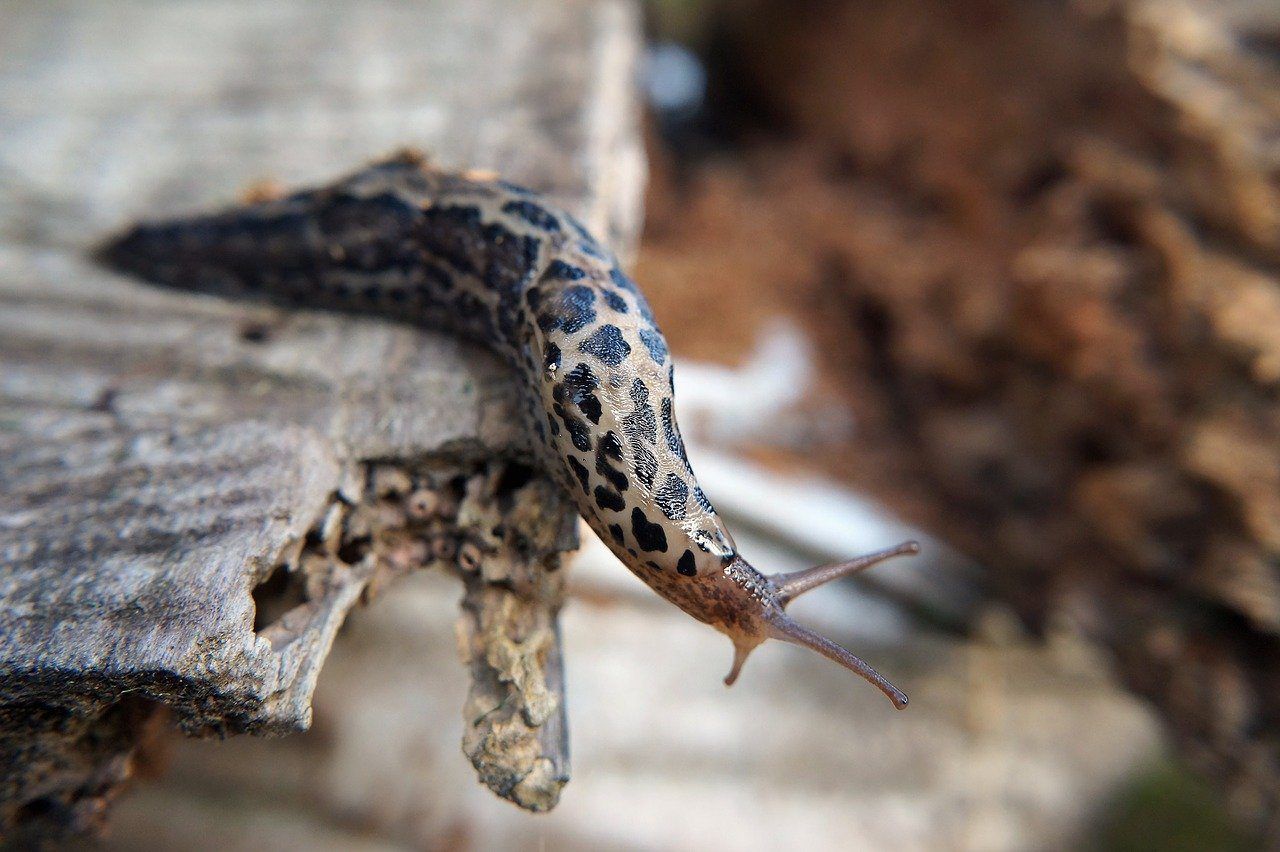
“Eating slugs, is that harmless?” Not quite.
1. Choking risk: The big red slugs (Spanish slugs) are sometimes too large and too sticky. The duck must have water in its immediate vicinity to “wash down” the slug as it swallows it. Without water, it can choke.
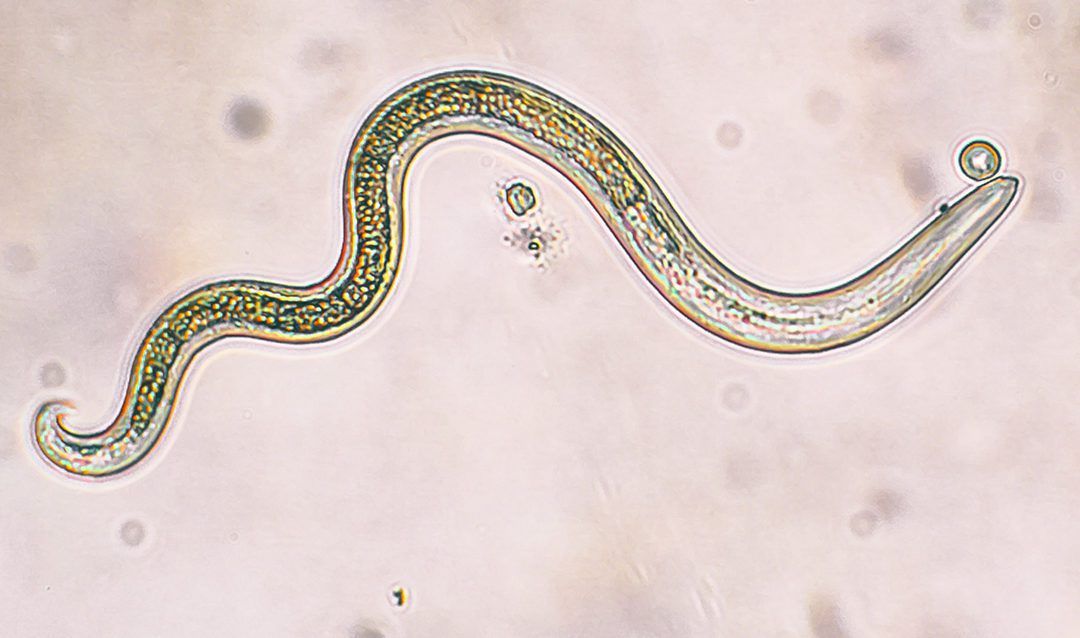
2. Parasites: As with dogs, slugs can transmit internal parasitic worms. Remember to worm your ducks twice a year (in spring and in autumn) to stop them losing weight.
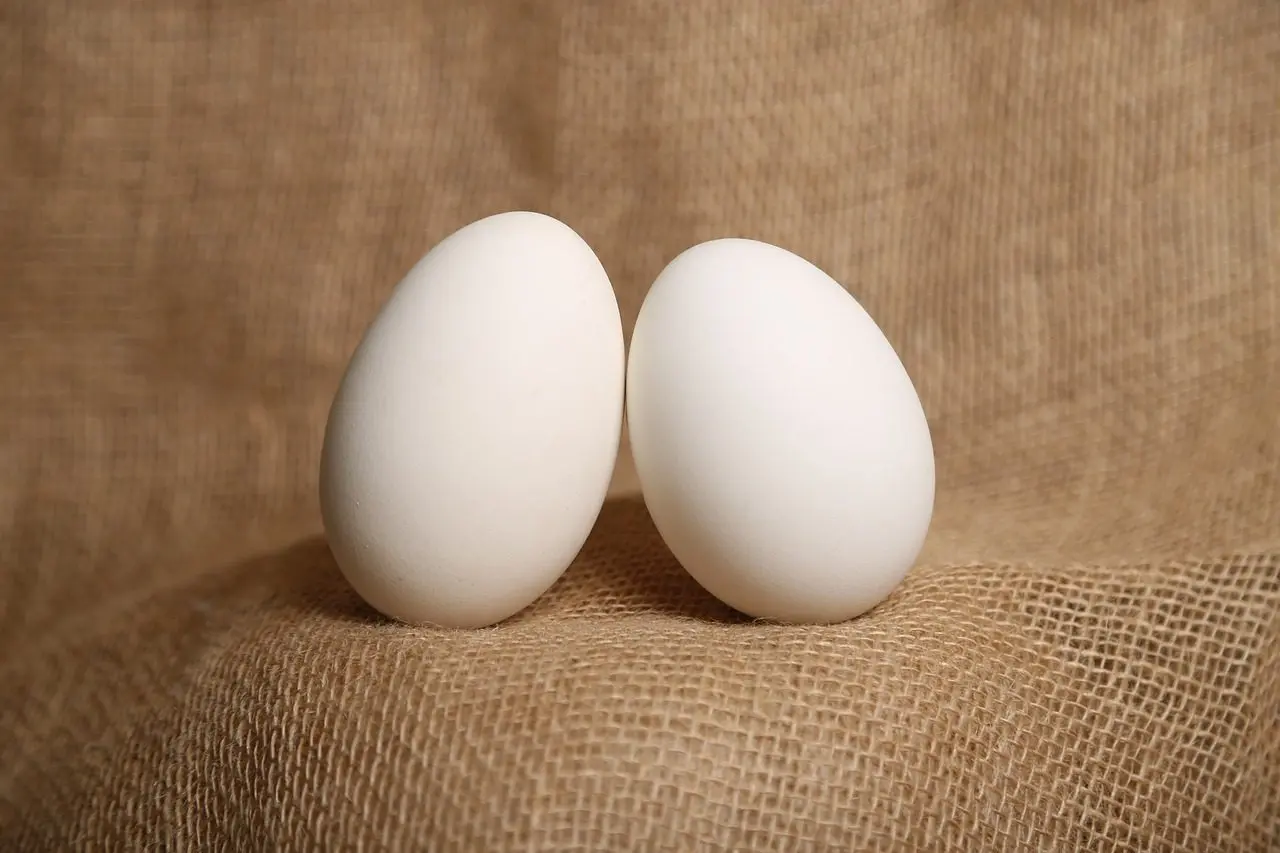
A hen starts laying from the age of 5 months, and continues until the age of 5 years. A Runner duck hen lays around 100 eggs (but up to 200) a year. This laying usually takes place between the end of winter and the middle of summer. Without a male, a hen still lays eggs (like laying hens), which you can eat. But eating them carries a greater risk of salmonellosis than for hens’ eggs, and for this reason they are used only in baking. They are fairly large (around 65 g), and fattier than hens’ eggs. You can keep them safely for a good month.
But of course, you need a male to get fertilised eggs, which the hen will brood and which will yield a whole troop of squawking little ducklings. Beware though, because during this brooding period, which lasts around 28 days, the hens can be quite aggressive if you try to approach the nest.

Price of a pair of Indian Runner ducks: around £80
Price of the food: with each duck requiring around 1.5 kg of grain or pellets per week: 52 weeks * 3 kg per week = 156 kilos of grain or pellets a year. The price of these pellets is, roughly, £17 for 20 kilos. You need about 8 bags of 20 kilos to cover the year, which works out at £136 for a pair, per year.
Building a pond can be done with a spade and a bit of muscle, so that isn’t really a problem. You will, however, need to think about the liner for waterproofing.
If you don’t build the shelter yourself, a closed henhouse costs around £100 for the cheapest options.
If it isn’t already the case, you will also need the wire fencing to enclose your garden: around £40 for 25 metres. If we base this on a garden of 900 square metres (30 metres by 30 metres), that makes 120 metres of fencing, which still works out at around £200…
In short, and assuming there are no unforeseen expenses (illnesses, etc.), setting up and housing a pair of Runner ducks over a year still calls for a financial investment of around £500…

As explained earlier, Indian Runner ducks must be able both to roam in a large space and to paddle in a small pool, but above all, they must be put to safety from predators before nightfall. That, on top of feeding them daily, takes time (sometimes you have to chase them for a while to get them into their shelter).
And it also requires someone to look after them every single day, even when you go away on holiday!
The personal investment is therefore not to be overlooked either.

Within an ecosystem, your vegetable garden (laid out arbitrarily, and made up for the most part of non-native plants) already constitutes a systemic imbalance.
Slugs, for their part, are most often native. Their population, sometimes hard to control at first, can be regulated by managing the environment, and in any case settles down naturally over the years. We mustn’t forget either that they play an essential role in the garden, and in any ecosystem in general.
Indian Runner ducks, by contrast, are introduced, and are in no way native to the ecosystem in which our garden sits. Their actions (detailed in the following subsections) within the system bring about a new imbalance for it.

The presence of Indian Runner ducks prevents slugs from proliferating in the garden. But beware! Your garden’s overall biodiversity is also likely to take a hit. Indeed, as I explained above, the ducks aren’t only fans of slugs, but also of every other insect that crosses their path.
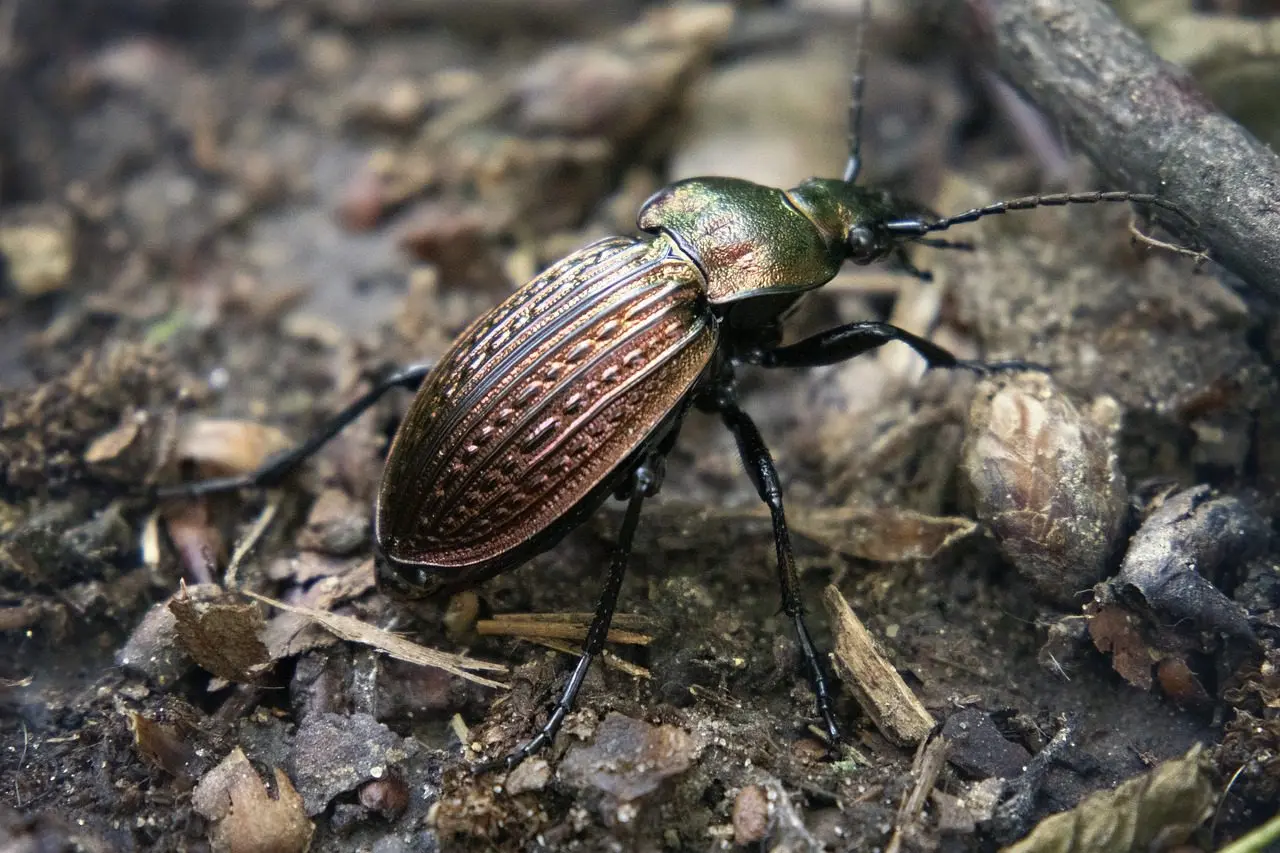
Ground beetles, scented rove beetles, glow-worms, and centipedes are very good natural predators of slugs (see part V of this article), some of which are even specialised predators. But these will get snapped up by the first Runner duck that sees them. In place of a regulation that could have been natural, here comes a regulation (or rather an extermination) that I find more or less artificial, even if that word is a little strong.
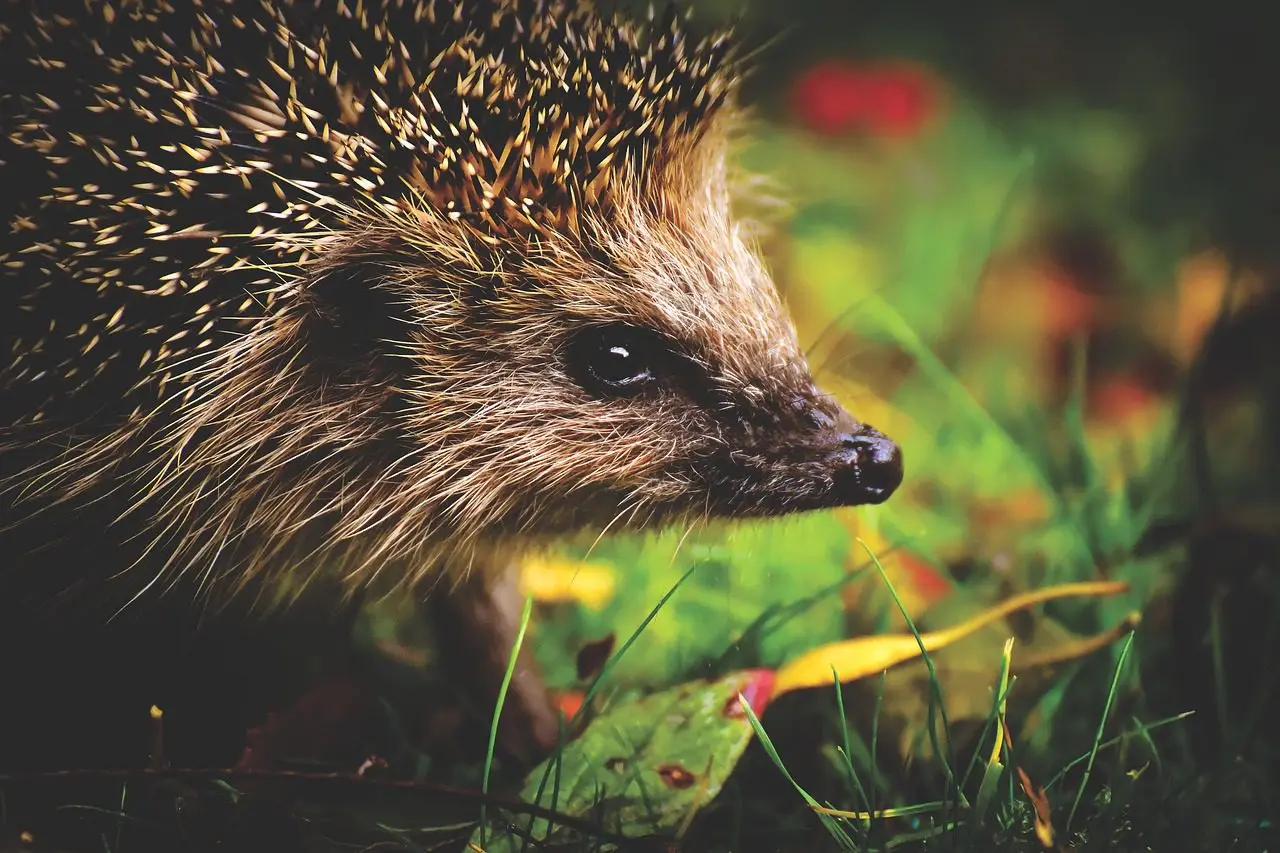
If there are no more slugs in the garden, there is no chance for their natural predators (not directly affected by the Runner ducks) to settle there… all the more so if there are very few other insects, on which these predators can also often feed. And, having had ducks, take it from me that they are never (no, never!) full, and that they won’t stop for a second going to rummage through the grass in search of the slightest prey.
So where, then, will the hedgehogs, the toads, the slow-worms, and the birds, find their lunch! Probably more at the neighbour’s than at yours…
Beware, I’m not saying you’ll no longer come across these little animals, simply that there’s a risk of a food shortage if they stay at your place.
But above all, the day you decide to give away your Indian Runner ducks, the slugs will have a field day, and you’ll have to wait 1 to 3 years for their natural predators to settle back nearby.
Finally, this is only my opinion, but I think that the practice of keeping Indian Runner ducks isn’t entirely compatible with the philosophy of permaculture, in certain respects.

They allow a rapid regulation of a large population of slugs and snails
You can use their eggs to make baked goods
Even though the slugs are killed by an external element (the duck) introduced into the system, they don’t leave the garden-system, and are returned to it in the form of a fertiliser for the plants (the droppings), rich in nitrogen.
If you like animals, it can be very pleasant to have a band of ducks roaming around your garden, and your children will surely be delighted.
Unlike hens, they don’t eat most of your vegetables and vegetable plants.

Indian Runner ducks call for a significant personal investment, because each day you have to let them out of their shelter, before bringing them back in come evening. And you also have to feed them regularly. It’s hard to go away on holiday under these conditions.
Acquiring and housing them also calls for a fairly significant financial investment: depending on the size of your vegetable plot, in the order of £500 for a pair, for the first year, and around £130 a year in the years that follow, once the setting-up is done.
The Runner ducks, even if they don’t eat the majority of vegetables, are fond of lettuces, cabbages, beetroot and chard leaves, seedlings, and several other herbs and flowering plants in the garden. They also tend to trample the plants, which can be quite a nuisance when these are in their first stage of development.
If too small a space is made available to them, they can quickly turn a lawn into a muddy puddle, just as mallards can also do.
They constitute one more disruption to the original ecosystem in which our garden sits.
Their appetite is insatiable; they don’t eat only the slugs, but also all sorts of insects, including the garden’s beneficial insects. So they strongly contribute to the decrease in the number of slug-predator insects, but they also prevent the settling-in of many other beneficial animals, which then no longer find their food.
The threat of Avian Flu (Confinement) This is a point that is often forgotten, but the law can forbid you from letting your ducks out. In the event of an avian flu epidemic (which happens more and more often in autumn/winter), the authorities impose the strict confinement of poultry under netting or indoors. The result: just at the moment when the slugs come out with the autumn rain, your ducks are shut away by law… and your lettuces get devoured. This is where the “100% duck” strategy shows its limits compared with permanent physical protection (such as a copper barrier).
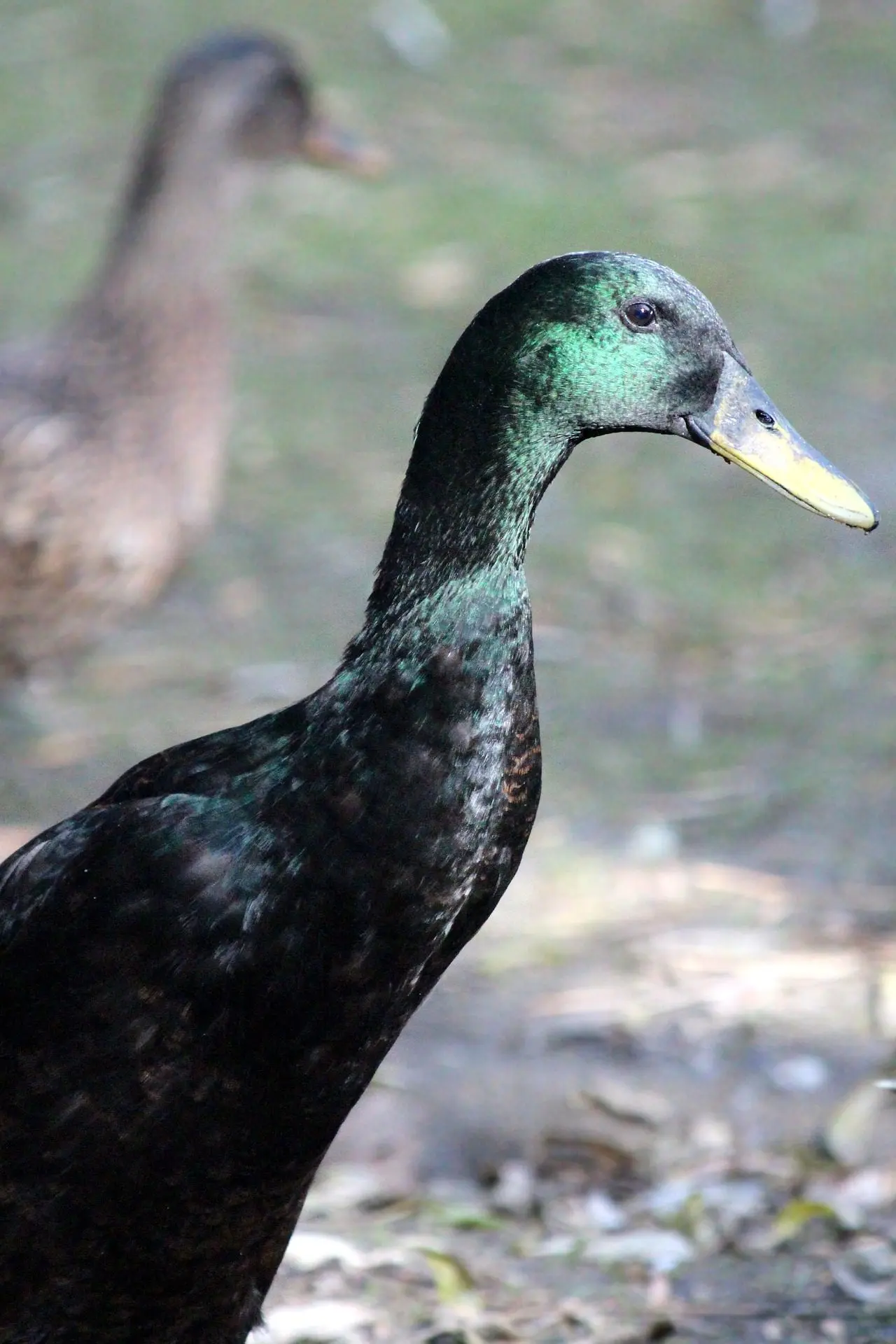
Renting Runner ducks is also something that is done.
In practice, it seems to be the perfect solution! Deal a heavy blow to the slugs when their population explodes, then return the ducks to their owner, and life is good!
That’s true, but… Slugs proliferate throughout the spring period, during the stormy spells of summer, and when the weather turns damp again in autumn: that’s a very fragmented period for a rental…
But let’s say you simply want to rent the ducks to cope with the often difficult spring months. Then you’ll still have to set up a space to house them, with the fairly significant costs that implies (see the section “financial investment” above), if you don’t want the foxes and weasels to snap them up.
Also, as already highlighted, an overpopulation of slugs or snails is only a symptom of an imbalance in your system, and eradicating them seasonally won’t solve the problem at all. Every year you’ll probably have to start over, and when the ducks aren’t there, watch out for the invasion!
And besides, ducks are animals, not objects… You also have to consider the psychological shocks that can result from constantly changing their living environment… But above all from changing the companions with which they share the garden: when they’re at your place, each individual of the pair (if it’s a pair) is used to its companion. Imagine the shock if, after three months, they are taken back and reinserted with all the owner-renter’s individuals, then, 9 months later, a new pair is arbitrarily chosen and settled in for 3 new months in a garden, and the cycle goes on…

You’ve understood: even though I try to stay objective on the question, in my view keeping Indian Runner ducks isn’t a long-term solution for regulating slug populations in the garden.
What to do, then, if you’re regularly overrun by these young ladies?
Among what are called “natural slug controls”, you can try setting up slug barriers, laying slug-repelling mulches, planting plants with a repellent power, or attracting the natural predators of these gastropods… You’ll find all of this in my various articles devoted to managing slugs in the garden (see the “slug control” section of the menu).
Yes, and it doesn’t do it by halves! Unlike a cat that might just “play” with its prey, the Runner duck literally devours slugs and snails. It swallows them whole (that’s why it needs water to make them slide down). This is a huge advantage over picking them up by hand or using scissors: it leaves no carcasses in the garden, everything is turned into energy… and into eggs!
The fox and the weasel are your worst enemies. The fox is able to dig under the wire fencing (you have to bury it or put a “skirt” of wire on the ground) and the weasel can climb anywhere and slip through small holes. That’s why a shelter that is hermetically closed at night is non-negotiable.
People often say they are faithful, but it’s mainly that they are gregarious (they hate solitude). If you introduce new hens, the male won’t hesitate to go looking elsewhere! However, the pairs that form often stay very close-knit and always move around the garden together.
This is a major difference from hens: ducks don’t perch. They sleep on the ground, huddled up against one another. That’s why their shelter must always have clean, dry, thick bedding (straw or hay), to insulate them from the cold and damp of the ground.
It’s a long-term commitment! With good care, a balanced diet and shelter from predators, an Indian Runner duck can live between 8 and 12 years.
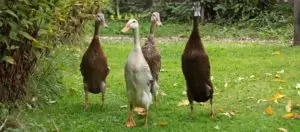
Indian Runner ducks are very much in fashion at present, for fighting slugs in a permaculture garden.
They do indeed allow a very effective regulation of the population of these gastropods.
Yes but… these ducks mask a symptom more than they resolve the underlying syndrome.
On the contrary, they can slow and even halt a natural rebalancing of these slug populations that is already under way.
More generally, and even though it depends on many parameters, the threat to the garden’s biodiversity can also raise questions.
A few references:
https://www.fermedebeaumont.com/coureur-indien-blanc-p-735.html
https://fr.wikipedia.org/wiki/Coureur_indien
https://www.slughelp.com/runner-ducks-the-slug-hunters-think-twice/
The information in this article has been selected and verified according to the criteria defined in our editorial charter.
Nervo, V., & Vrbančić, M. (2017). Phenotypic characteristics of Indian runner ducks
To go further: Natural_and_artificial_Indian_runner_duck_culture.pdf
Done with slugs. For good. Starting this season.
Related articles
Other related articles:
Related articles
Articles in this section