The art of protecting your Indian Runner ducks: a guide to the ideal shelter
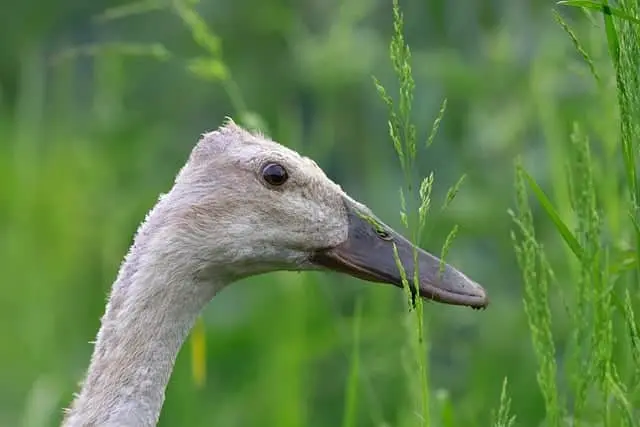
When it comes to caring for Indian Runner ducks, the shelter plays a crucial role in their well-being. These quick-stepping creatures, beyond their distinctive gait, have specific needs that deserve our attention. In this article, we will explore the key elements to consider in order to give these birds a safe and comfortable haven, and thereby ensure their health and happiness.
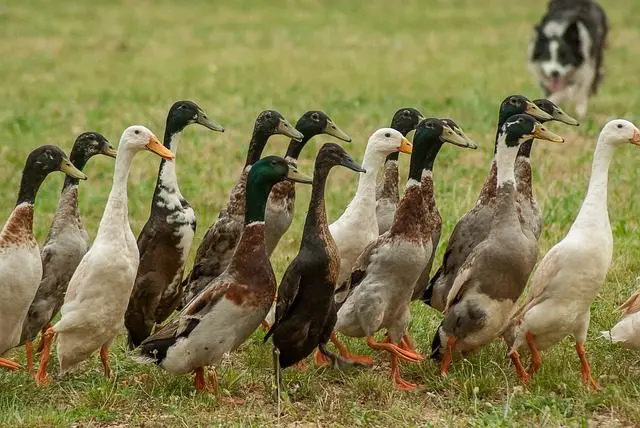
If you're discovering my blog, chances are slugs and snails are giving you grief.
You'd probably be very interested in the copper slug barrier I designed .
It changed everything for me. I can finally grow lettuce, cabbages, strawberries and squashes without tearing my hair out.
Don't hesitate — it's an investment (copper is expensive), but you'll likely save yourself a huge amount of time!

The Indian Runner duck: an introduction and its distinctive features
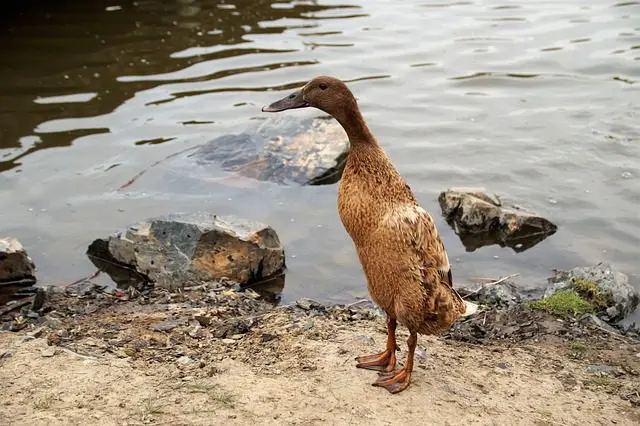
The Indian Runner is a breed of domestic duck that stands out chiefly for its upright posture and swift gait. Here are a few of its distinctive features:
Origin: Despite its name, the Indian Runner does not come from India, but from South-East Asia, in particular the regions that today make up Indonesia.
Posture: This duck has a unique, almost vertical posture. It walks quickly and fairly upright, hence its name “runner”.
Temperament: It is known for being active, inquisitive and less noisy than some other duck breeds. Indian Runners are also good foragers.
Reproduction: They are renowned for being excellent layers, with some females capable of laying up to 300 eggs a year.
Colours: They can be found in a variety of colours, ranging from pure white to apricot, taking in blue and black along the way.
Why is it essential to provide a suitable shelter for Indian Runner ducks?
Providing a suitable shelter for Indian Runner ducks is essential for several fundamental reasons:
Protection from predators:
Night-time safety: At night, ducks are particularly vulnerable to predators such as foxes, feral cats and even certain birds of prey. A sturdy, secure shelter can make the difference between life and death for these birds.
A place of refuge: Even during the day, opportunistic predators can pose a threat. A shelter gives ducks a place of refuge where they can take cover when they feel threatened.
Protection from the elements:
Sun: Too much sun can cause heatstroke, especially on hot summer days. The shade a shelter provides allows ducks to cool down and rest.
Rain: Although Indian Runner ducks love water, prolonged rain, particularly when it is cold, can weaken them. A shelter protects them from excessive damp.
Wind: Strong winds, especially cold ones, can quickly exhaust Indian Runner ducks. A shelter offers protection from gusts and reduces the risk of hypothermia.
Importance for their well-being and health:
Emotional comfort: Just like other animals, Indian Runner ducks experience stress. A shelter provides a stable, secure environment, which can ease anxiety.
Hygiene: A suitable shelter makes it easier to keep the environment clean. Unsanitary conditions can lead to illness and infection. Having a well-structured shelter allows you to separate resting areas from feeding and toileting areas, which encourages cleanliness.
Reproduction: For those wishing to encourage their Indian Runner ducks to breed, a shelter offers a protected environment for nesting and rearing the ducklings.
In short, a suitable shelter is essential not only for the physical survival of Indian Runner ducks, but also for their emotional well-being and overall health. It provides a refuge from potential threats and creates a stable environment for daily life and activities.
Essential features of a good shelter for Indian Runner ducks:
Size and space:
Space per duck: It is recommended to allow at least 0.2 to 0.3 m² of indoor space per Indian Runner duck in a shelter. That said, more space is always preferable to allow good movement and avoid overcrowding.
Nesting space: If you want to encourage laying, provide nesting boxes. For Runner ducks, a 30×30 cm nesting box is generally enough. Make sure they are placed in a quiet, somewhat secluded spot to offer a little privacy.
Materials:
The materials should be sturdy and weatherproof. Treated wood, metal and certain durable plastics are good choices. Avoid materials treated with harmful chemicals.
Pros and cons of various common materials:
Wood: Natural and offers good insulation. However, it can rot if it is not properly maintained.
Metal: Durable and resistant to predators. However, it can heat up or cool down quickly depending on the weather.
Plastic: Weatherproof and easy to clean. It may, though, be less insulating than wood.
Ventilation:
Good ventilation prevents the build-up of moisture, reduces odour and helps prevent respiratory illness in Indian Runner ducks.
Provide ventilation openings at the top of the shelter to allow warm, humid air to escape. Make sure these openings are protected with mesh or another material to keep predators out. Avoid creating direct draughts, especially during the cold months.
Access to water:
Proximity to water: Runner ducks need water to drink and bathe. If possible, provide a small pool or a large container so they can get wet. The water should be changed regularly to prevent the growth of bacteria.
Preventing freezing in winter: If you live in a region where it freezes in winter, consider using a pond heater or a heated drinker to stop the water from freezing (or else break the ice regularly). Make sure all cables and electrical equipment are secure and out of reach of the Indian Runner ducks.
Points to consider when designing a shelter
When designing a shelter, several essential points must be taken into account to ensure the safety, well-being and comfort of the animals that will live in it. Here are a few points to consider:
Location:
Safety: Choose a location away from roads or thoroughfares to minimise the risk of accidents and disturbance.
Ground: The spot should be well drained to avoid water building up. Avoid low-lying areas that could fill with water during heavy rain.
Supervision: Place the shelter somewhere you can easily keep an eye on the animals, so you can quickly spot any problem or danger.
Orientation:
Sun: Orientation is important to ensure sufficient sunlight, but also to provide shade during the hottest periods. Consider positioning the shelter so that it benefits from the warmth of the sun in winter and from shade in summer.
Prevailing wind: Knowing the direction of the prevailing winds will let you position the shelter so that it is protected from the strongest gusts, while still ensuring good ventilation.
Ease of cleaning:
Access: Make sure the doors and entrances are wide enough to make access for cleaning easier.
Floor: A slightly sloping floor will make it easier for water to drain away during cleaning. A concrete or slatted floor can be easier to clean than bare earth.
Materials: Opt for waterproof, easy-to-clean materials such as plastic, metal or treated wood.
Interior layout: The design should minimise nooks and hard-to-reach areas to make cleaning more efficient.
Security:
Protection from predators: Buried barriers or fences can stop predators from digging their way in. A solid mesh or wire netting will prevent intrusions from above or from the sides.
Bolts and locks: Use sturdy bolts and, where possible, locks to prevent unwanted human intrusion.
Surveillance: depending on your goals and your means, you might consider installing cameras or alarm systems so you are alerted in the event of an intrusion or problem.
By taking these aspects into account when designing your shelter, you will be able to create a safe, durable and functional space for the animals.
Types of shelter commonly used for Indian Runner ducks:
Indian Runner ducks, like other breeds of duck and poultry, can be housed in different types of shelter depending on the owner’s needs and resources. Here are a few commonly used types of shelter and their features:
Mobile shelters / chicken tractors:
Advantages:
Flexibility: They can be moved to new areas, giving Runner ducks regular access to fresh grass and reducing the build-up of waste in a single spot.
Pest prevention: Moving them regularly can help reduce the build-up of parasites.
Protection: They offer protection from predators.
Disadvantages:
Limited size: They are often smaller than fixed shelters, which can limit the number of animals they can house.
Handling: They have to be moved regularly, which calls for work and effort.
Adapting them for Indian Runner ducks:
Make sure there is an area where the Runner ducks can shelter from the rain, because unlike chickens they often like to get wet, but they also need a dry place.
Provide a small pool or water tray so the ducks can bathe.
Make sure the ground is suitable to prevent mud from forming.
Huts or fixed shelters:
Recommended materials:
Wood: This is a common choice for fixed structures. It offers good insulation but must be treated to resist mould and rot.
Metal: Durable and hard-wearing, but it may require additional insulation to regulate the temperature.
Concrete: Ideal for floors because it is easy to clean and disinfect.
Construction:
Build on slightly sloping ground to ensure good drainage.
Provide adequate ventilation to prevent the build-up of moisture.
Think about a design that makes cleaning and egg collection easier.
Make sure there is enough space for all the Indian Runner ducks, avoiding overcrowding.
Natural solutions:
Using the existing vegetation:
By default, trees and bushes can provide natural shelter from sun and rain. They can also offer a degree of protection from predators.
It goes without saying, though, that this will not be the ideal option for your Indian Runner ducks.
Topography:
Slightly raised areas can be used to avoid flooding.
Natural hollows can be turned into bathing areas for your Indian Runner ducks.
Ultimately, the type of shelter you choose will depend on your resources, your space and your husbandry goals. The important thing is to ensure the safety, comfort and well-being of the Runner ducks at every stage.

Additional considerations for shelters depending on the seasons
Designing a shelter suited to the different seasons is essential to ensure the comfort and safety of the animals throughout the year. Here are a few additional considerations for each season:
Protection from summer heat:
Ventilation: Make sure the shelter is well ventilated to allow sufficient air circulation, which will help reduce the indoor temperature.
Shade: Place the shelter in a shaded spot or use reflective materials on the roof to fend off some of the sun’s heat.
Water baths: If possible, provide water areas where the animals can cool off.
Insulation: Adequate insulation can not only keep the warmth in during winter, but also keep the heat out in summer.
Insulation and heating for winter:
Insulation: Make sure the walls and roof of the shelter are well insulated to retain heat. Hay, straw or commercial insulating materials can be used.
Heating: If temperatures drop below a level the animals can tolerate, consider using heaters or heat lamps. Make sure they are installed safely and out of the animals’ reach.
Combating draughts: Although ventilation is important, it is essential to protect the shelter from cold draughts in winter. Check the openings, doors and windows and seal them if necessary.
Entrance: A double door can help keep the warmth inside.
Managing rain in spring and autumn:
Drainage: The shelter should be raised or located in an area where water does not accumulate. A sloping floor inside the shelter will also help drain the water away.
Gutters and downpipes: Installing gutters can help direct rainwater away from the shelter.
Waterproof materials: Make sure the roof and walls are made of materials that will not let water through.
Mud zone: To prevent mud around the shelter, consider laying out an area with gravel or paving slabs that will stop mud building up near the entrances.
By paying attention to these seasonal details, you can ensure the animals are protected and comfortable whatever the weather.
Where can you buy a shelter for Indian Runner ducks?
You can buy shelters for Indian Runner ducks from the following places:
Specialist livestock stores: Many livestock stores offer a variety of shelters for poultry, including for ducks.
Local craftspeople: You can hire a local craftsperson or carpenter to design and build a bespoke shelter to your specifications.
Classified ads: Check classified ad sites or local notice boards to find second-hand shelters or special offers.
Agricultural shows or fairs: These events may have stands or exhibitors selling livestock equipment, including duck shelters.
Online shopping sites: Ebay, for instance, offers a wide choice of duck shelters suited to Indian Runner ducks: here it is: several shelters suited to Indian Runner ducks on Ebay
Conclusion:
Indian Runner ducks, although hardy and adaptable to a range of conditions, deserve a shelter specially designed to meet their unique needs. A suitable shelter not only offers protection from the elements and predators, but also plays a crucial role in their overall well-being, by providing them with a comfortable and secure space.
The importance of such a shelter extends across all the seasons. From managing the summer heat to insulating against winter cold, by way of protection from the rain in spring and autumn, every detail counts. The materials used, the orientation, the ease of cleaning and the security are all factors that, when carefully considered, help create an optimal habitat.
Anyone considering keeping Indian Runner ducks, or any other breed of duck, is therefore strongly encouraged to undertake thorough research and careful preparation. The well-being and health of Indian Runner ducks depend in large part on the environment we provide for them. By investing time and effort in designing a suitable shelter, you ensure not only their safety, but also their happiness and flourishing.
Indian runner ducks against slugs
The information in this article has been selected and verified according to the criteria defined in our editorial charter.
Done with slugs. For good. Starting this season.