Slug lifespan: everything you need to know

Slugs, often seen as pests in our gardens, nonetheless play a crucial role in the ecosystem.
They take part in the decomposition of organic matter and are a source of food for many predators.
Understanding their lifespan is essential not only to better manage their presence among our crops, but also to appreciate their contribution to biodiversity.
This article explores the lifespan of slugs in depth, examining their life cycle, the factors that influence their longevity, and the differences between the common species.
We will also look at the findings of recent scientific research, the impacts of human activity on their survival, and the conservation measures in place.
Finally, we will provide a detailed comparison of the lifespans of the most common slugs, such as the red slug.
Since I am a nice chap and want to save you some time, I will give you here straight away the life expectancy of slugs by main species:
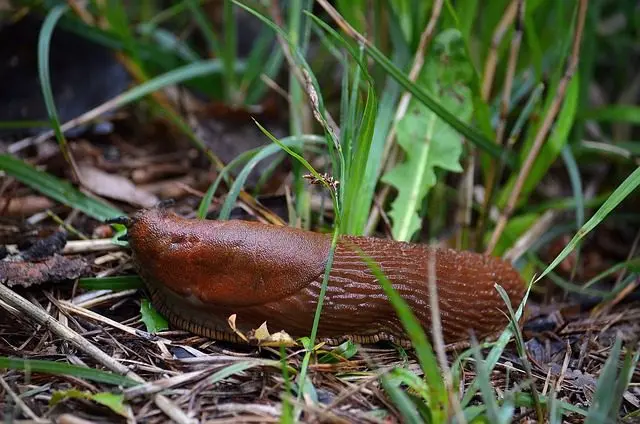
- Red slug (Arion rufus): typical lifespan of around 1 year.
- Grey field slug (Deroceras reticulatum): average lifespan of 6 to 12 months.
- Black slug (Arion ater): lifespan that can reach 2 to 3 years in favourable conditions.
- Leopard slug (Limax maximus): life expectancy of up to 3 years.
But do note that the whole purpose of this article is to give you a deeper understanding of these simple figures, and to add an important nuance to them.
If you're discovering my blog, chances are slugs and snails are giving you grief.
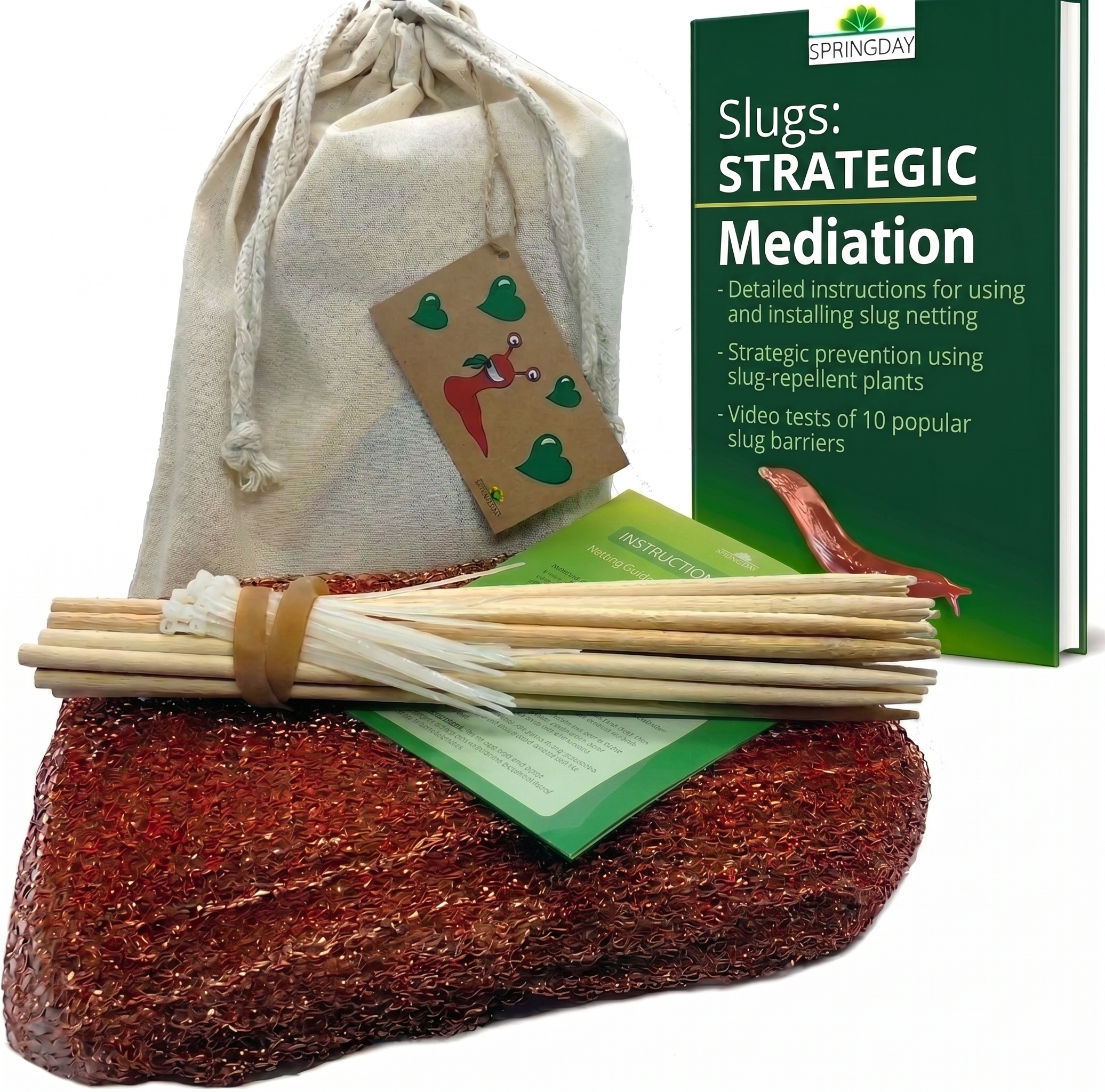
You'd probably be very interested in the copper slug barrier I designed .
It changed everything for me. I can finally grow lettuce, cabbages, strawberries and squashes without tearing my hair out.
Don't hesitate — it's an investment (copper is expensive), but you'll likely save yourself a huge amount of time!
A General Introduction to Slugs
Definition: What is a slug?
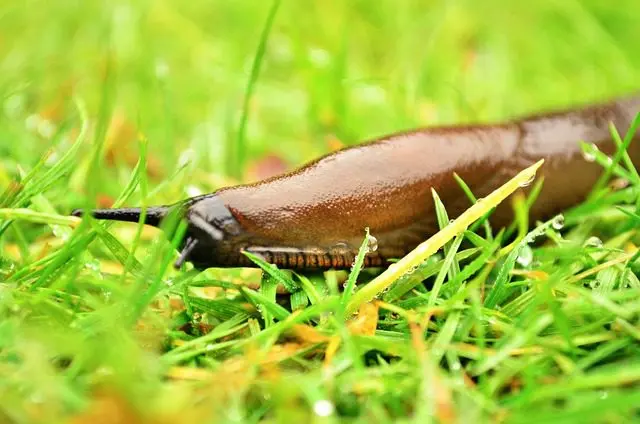
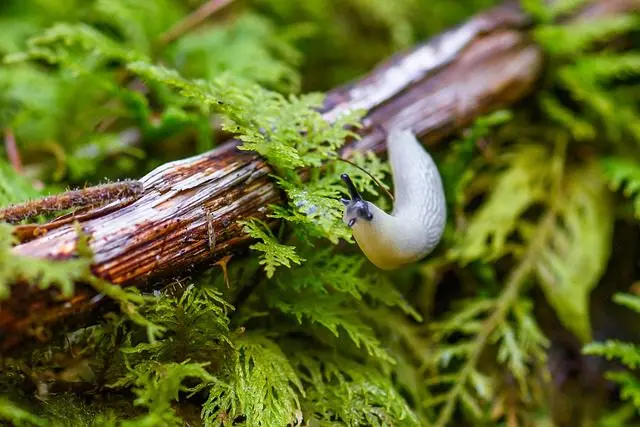
A slug is a land-dwelling mollusc belonging to the class of gastropods.
Unlike snails, slugs have no visible external shell, which gives them a soft, elongated-bodied appearance.
They move by gliding over the mucus they secrete, which makes it easier for them to travel across various surfaces.
Classification: Family, genus and species
Slugs belong to several families, genera and species, each group having its own specific characteristics.
Among the most common families are:
- Arionidae: includes species such as the red slug (Arion rufus).
- Limacidae: includes the leopard slug (Limax maximus).
- Agriolimacidae: comprises the grey field slug (Deroceras reticulatum).
Morphology and Physical Characteristics
Slugs have a soft, elongated body, generally measuring from a few millimetres to several centimetres in length.
Their body is divided into three main parts:
- The head: It bears two pairs of retractable tentacles. The upper tentacles have eyes at their tips, while the lower tentacles are used to sense the surroundings.
- The mantle: A dorsal section located just behind the head, often covered in mucus. The mantle houses the vital organs, including the heart and lungs.
- The foot: A broad, muscular ventral band that secretes mucus to ease movement. It is through the wave-like contraction of this part that slugs travel.
Slugs possess a radula, a tongue-like structure covered with tiny teeth, which they use to rasp and ingest their food.
Adapted to a variety of habitats, they can be found in damp environments such as gardens, woodlands and meadows.
Their ability to secrete mucus helps them move but also protects them against dehydration and predators.
The mucus can also contain toxic or unpleasant substances, deterring many potential predators.
The Slug’s Life Cycle
Life Stages: Egg, Juvenile, Adult
Slugs go through several stages of development throughout their lives:
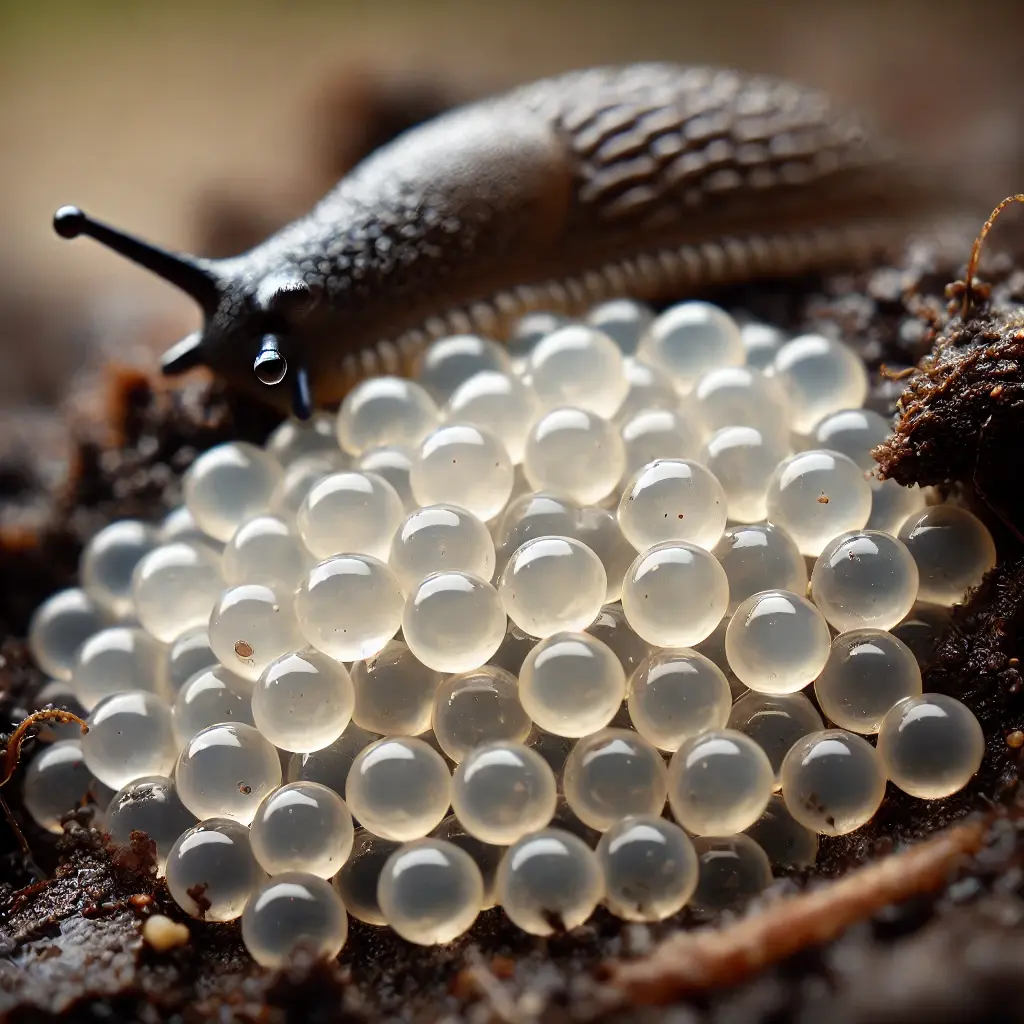
- Egg: Slugs lay their eggs in clusters, usually in damp and sheltered spots. Slug eggs hatch within a few weeks, depending on environmental conditions.
- Juvenile: After hatching, young slugs look like miniature versions of the adults. They pass through this phase by growing and feeding actively to build up energy.
- Adult: On reaching maturity, slugs attain their adult size and become able to reproduce. The slug’s lifespan at this stage depends on many external factors, as we shall see.
Average slug lifespan: factors influencing longevity
The lifespan of slugs varies according to several factors, such as natural conditions and the density of predators.
In general, most slugs live between 1 and 3 years.
But this duration can be shortened or extended depending on various elements. And on the species, too.
Natural Conditions: Temperature, Humidity, Predators
- Temperature: Slugs prefer moderate temperatures and are most active at temperatures between 10°C and 25°C. Extreme temperatures can shorten their lifespan.
- Humidity: A damp environment is very important for slug survival. They are more active and live longer in humid conditions, whereas drought can lead to fatal dehydration.
- Predators: Slugs face many natural predators, notably birds, mammals, reptiles and certain insects. Predation pressure obviously has a strong influence on their survival.
Variation by Species: Comparing Lifespans Across Different Species
The lifespan of slugs also varies according to the species. Here are a few examples of lifespans for various common species:
- Red slug (Arion rufus): around 1 year.
- Grey field slug (Deroceras reticulatum): 6 to 12 months.
- Black slug (Arion ater): can live up to 2 to 3 years in favourable conditions.
- Leopard slug (Limax maximus): life expectancy of up to 3 years.
These variations show that each slug species has adapted to specific conditions, thereby influencing its lifespan.
Lifespan of Common Slugs (by species)
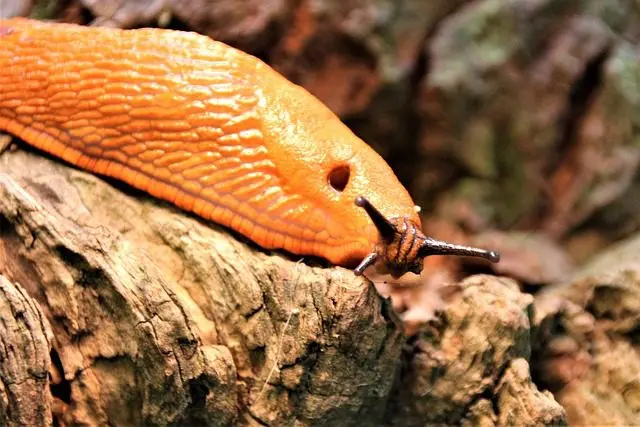
Red slug (Arion rufus)
The red slug, also known by its scientific name Arion rufus, is one of the most common species in Europe.
It generally measures between 7 and 15 cm in length. Its typical lifespan is around 1 year.
It is mainly active during the wet seasons, when it feeds on decomposing plant matter and young shoots.
Grey field slug (Deroceras reticulatum)
The grey field slug, or Deroceras reticulatum, is smaller than the red slug, measuring between 3 and 5 cm.
Its average lifespan ranges from 6 to 12 months.
It is particularly known for its voracious appetite for crops, which makes it a dreaded pest in gardens and agricultural fields.
Black slug (Arion ater)
The black slug, Arion ater, is a larger species, reaching up to 15 cm in length.
It is able to live up to 2 to 3 years in favourable conditions.
This species is hardy and can survive in a variety of habitats, although it prefers damp environments rich in organic matter.
Leopard slug (Limax maximus)
The leopard slug, or Limax maximus, is known for its distinctive appearance with dark spots on a lighter body. It can reach up to 20 cm in length.
Its life expectancy can extend to 3 years, which makes it one of the longest-lived slug species.
It prefers damp, shaded habitats and feeds mainly on fungi and decomposing plant matter.
Comparison of Lifespans
For an overview, here is a concise comparison table of the lifespans of the various species mentioned:
Species
Average Lifespan
Red slug (Arion rufus)
Around 1 year
Grey field slug (Deroceras reticulatum)
6 to 12 months
Black slug (Arion ater)
2 to 3 years
Leopard slug (Limax maximus)
Up to 3 years
Factors Affecting the Lifespan of Slugs
Environment and Habitat: The Influence of Natural Habitats
Slugs are greatly influenced by their environment and natural habitat.
They generally prefer damp, shaded environments, such as undergrowth, gardens and areas rich in organic matter.
Habitats that offer protection from predators along with favourable temperature and humidity conditions help to extend their lifespan.
Slugs living in optimal habitats with an abundance of food resources tend to live longer. And that is fairly logical.
Predators and Threats: An Analysis of Natural Predators and Other Threats to Slugs
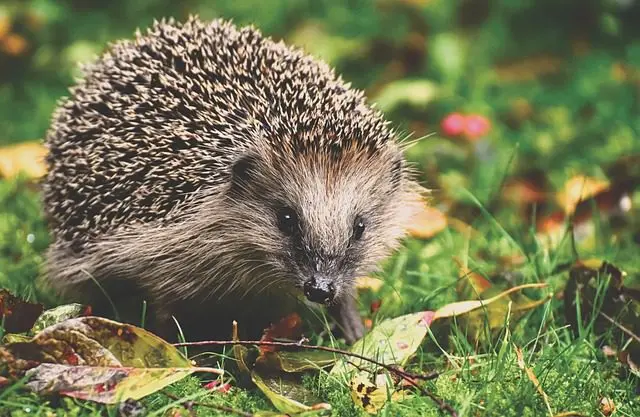
Slugs have many natural predators that influence their lifespan, notably:
- Birds: Several bird species, such as blackbirds and thrushes, feed on slugs.
- Mammals: Animals such as hedgehogs and shrews also consume slugs.
- Insects: Certain beetles and their larvae are sometimes formidable predators of slugs.
- Amphibians and Reptiles: Frogs, toads, slow worms and certain lizards also feed on slugs.
On top of natural predators, slugs face threats such as pesticides, changes in land use and the fragmentation of their habitat, which can likewise reduce their population and life expectancy.
Food Resources: The Impact of Food Availability
The availability of food plays a crucial role in the survival and longevity of slugs.
They feed mainly on decomposing plant matter, fungi and young shoots.
When food is plentiful, slugs can develop quickly and reach adult size, which allows them to reproduce and increase their survival rate (and therefore their lifespan).
By contrast, a shortage of food resources leads to greater competition, delayed growth and early mortality.
Climatic Conditions: The Effects of Climate Variation on Longevity
Climatic conditions have a direct impact on the lifespan of slugs.
Climatic factors influence their activity, their feeding and their reproduction:
- Temperature: Slugs prefer moderate temperatures. Temperatures that are too high can lead to dehydration and increased mortality, while temperatures that are too low can slow their metabolism and reduce their activity.
- Humidity: High humidity is essential for slug survival, as it protects them from dehydration. During dry spells, slugs may enter a state of dormancy to survive, which can nonetheless affect their growth and reproduction.
- Rainfall: Regular rainfall maintains a damp environment that favours their activity and feeding. Prolonged periods of drought, on the other hand, can reduce their population and life expectancy.
The lifespan of slugs is the result of a complex interplay between their environment, the threats they encounter, the availability of food and the climatic conditions.
These combined factors determine their survival, their growth and their ability to reproduce.
Scientific Studies and Research
Findings of Recent Research: A Summary of Scientific Studies on the Lifespan of Slugs
Recent scientific research has made it possible to better understand the factors influencing the lifespan of slugs.
Studies have shown that environmental conditions, food availability and interactions with predators are major determinants of their longevity.
For example, research has revealed that slugs living in controlled environments with regular feeding and no predators can live longer than those in the wild.
Studies have also shown the negative impact of pesticides and climate change on the lifespan of slugs.
Study Methodology: How Researchers Measure and Analyse the Lifespan of Slugs
Researchers use various methods to measure and analyse the lifespan of slugs. Here are some of the techniques often employed:
- Direct Observations: Researchers track slug populations in natural and controlled environments, recording their development, behaviour and mortality over long periods.
- Mark and Recapture: This method involves marking slugs individually and releasing them into their habitat. Researchers can then recapture them at regular intervals to follow their growth and survival.
- Laboratory Studies: Slugs are kept under controlled laboratory conditions, where researchers can manipulate variables such as temperature, humidity and food availability to observe their effects on lifespan.
- Genetic Analysis: Genetic studies make it possible to understand the variations in lifespan between different slug populations and species. This includes identifying genes associated with longevity and resistance to environmental stress.
The Impact of Human Activity
Pollution and Environmental Change: The Effects of Pollution and Pesticides on the Life Expectancy of Slugs
Human activity has a considerable impact on the lifespan of slugs.
Pollution of the air, water and soil affects their habitat and their health.
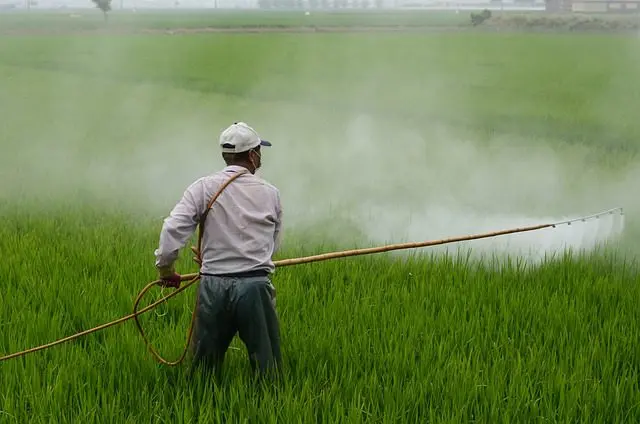
Pesticides, in particular, have devastating effects on slug populations. These chemical substances, used to control crop pests, can poison slugs directly or indirectly by contaminating their food sources.
Studies show that exposure to pesticides significantly reduces the longevity of slugs, impairing their ability to feed and reproduce.
Urbanisation and Habitat Loss: The Consequences of Shrinking Natural Habitats
Urbanisation leads to the fragmentation and destruction of natural habitats, limiting the spaces available to slugs.
The conversion of land for agriculture, infrastructure and residential areas reduces the wetland and woodland zones that are essential for slug survival.
The loss of habitat increases competition for resources (and therefore the pressure on your plants) and exposes slugs more to predators (provided, of course, the space is arranged to accommodate them) and to extreme environmental conditions, thereby lowering their life expectancy.
Conservation Initiatives: Actions and Programmes Aimed at Protecting Slugs and Their Habitat
Faced with growing threats, various conservation initiatives have been put in place to protect certain threatened slug species and their habitats:
- Protected Areas: The creation of nature reserves and national parks protects critical slug habitats against urbanisation and pollution.
- Awareness and Education: A few (rare) awareness programmes aim to inform the public and farmers about the importance of slugs in the ecosystem and the ways to protect them.
- Research and Monitoring: Ongoing research into slugs and the monitoring of their populations make it possible to better understand the impacts of human activity and to adapt conservation strategies (and regulation strategies, depending on the species) accordingly.
Conclusion
Slugs, although often regarded as pests, play a vital role in ecosystems by taking part in the decomposition of organic matter and serving as food for many predators.
Their life cycle consists of three main stages: egg, juvenile and adult, with an average lifespan varying between 1 and 3 years depending on the species and environmental conditions.
The main factors influencing their longevity include the environment and habitat, natural predators, the availability of food resources and climatic conditions.
Recent scientific studies have revealed the importance of these factors and have documented specific case studies showing remarkable lifespans in certain species such as the leopard slug and the black slug.
Human activity, such as pollution, the use of pesticides and urbanisation, has a significant negative impact on certain slug populations, reducing their habitat and their survival.
However, conservation initiatives, such as the creation of protected areas and the adoption of sustainable farming practices, show that it is possible to protect threatened species and their habitat
Nevertheless, while some slug species play an essential role in ecosystems, others can become invasive and cause problems for crops.
It therefore comes down to striking a balance between protecting threatened slugs and intelligently managing problematic species.
By adopting sustainable gardening and farming practices, we can minimise the negative impact on slug populations while effectively controlling those that cause damage.
The main rule at this level is to guide the garden or cultivated spaces towards a “return to the original natural balance”, in which predators and rich plant biodiversity considerably reduce the pressure of the slimy ladies on crops and vegetable plots.
I hope you have enjoyed this article and that it has given you new tools to garden in freedom and self-reliance, while understanding what you are doing and why you are doing it.
See you soon,
Robin.
The information in this article has been selected and verified according to the criteria defined in our editorial charter.
Done with slugs. For good. Starting this season.
Scientific References
-
The Life Cycle of Slugs and Their Ecology
- Barker, G. M. (2001). Gastropods on Land: Phylogeny, Diversity and Adaptive Morphology. The Biology of Terrestrial Molluscs. CABI Publishing.
- Barker, G. M. (2004). Natural Enemies of Terrestrial Molluscs. CABI Publishing.
-
The Impact of Human Activity on Slugs
- Hommay, G., Lorvelec, O., & Jacky, F. (1998). Daily activity rhythms and behaviour of the slug Deroceras reticulatum (Müller) in the laboratory and the field. Annals of Applied Biology, 132(2), 167-177.
-
Factors Influencing the Longevity of Slugs
- Speiser, B., & Rowell-Rahier, M. (1991). Effects of Food Availability, Temperature and Humidity on Activity and Locomotion of the Slug Arion lusitanicus. Journal of Molluscan Studies, 57(4), 458-466.
- Prior, D. J., & Uglem, G. L. (1972). The influence of temperature on locomotion in the terrestrial slug Limax maximus. Comparative Biochemistry and Physiology Part A: Physiology, 41(4), 947-956.
-
The Impact of Pesticides and Pollution
- Grimm, B., & Paoletti, M. G. (2002). Impact of Pesticides on Non-target Invertebrates in Agroecosystems: Retrospective and Prospective Approaches. Agriculture, Ecosystems & Environment, 88(3), 267-274.
- Honek, A., Martinkova, Z., & Jarosik, V. (2003). Ground beetles (Carabidae) as seed predators. European Journal of Entomology, 100(4), 531-544.
-
Conservation Studies and Protection Initiatives
- Hunter, P. J. (1968). The Control of Slugs in Field Crops. The Agricultural Environment. Academic Press.
- South, A. (1992). Terrestrial Slugs: Biology, Ecology, and Control. Springer Science & Business Media.
-
General Notes on the Morphology and Characteristics of Slugs
- Kerney, M. P., & Cameron, R. A. D. (1979). A Field Guide to the Land Snails of Britain and North-west Europe. Collins.
- Barker, G. M. (2001). Gastropods on Land: Phylogeny, Diversity and Adaptive Morphology. The Biology of Terrestrial Molluscs. CABI Publishing.
Related articles
Testing and review of 30 natural slug deterrents (do they work?)
Read
Slug-repellent plants, or prevention through planting
Read
Surface composting: protect your vegetable patch from slugs, with love
Read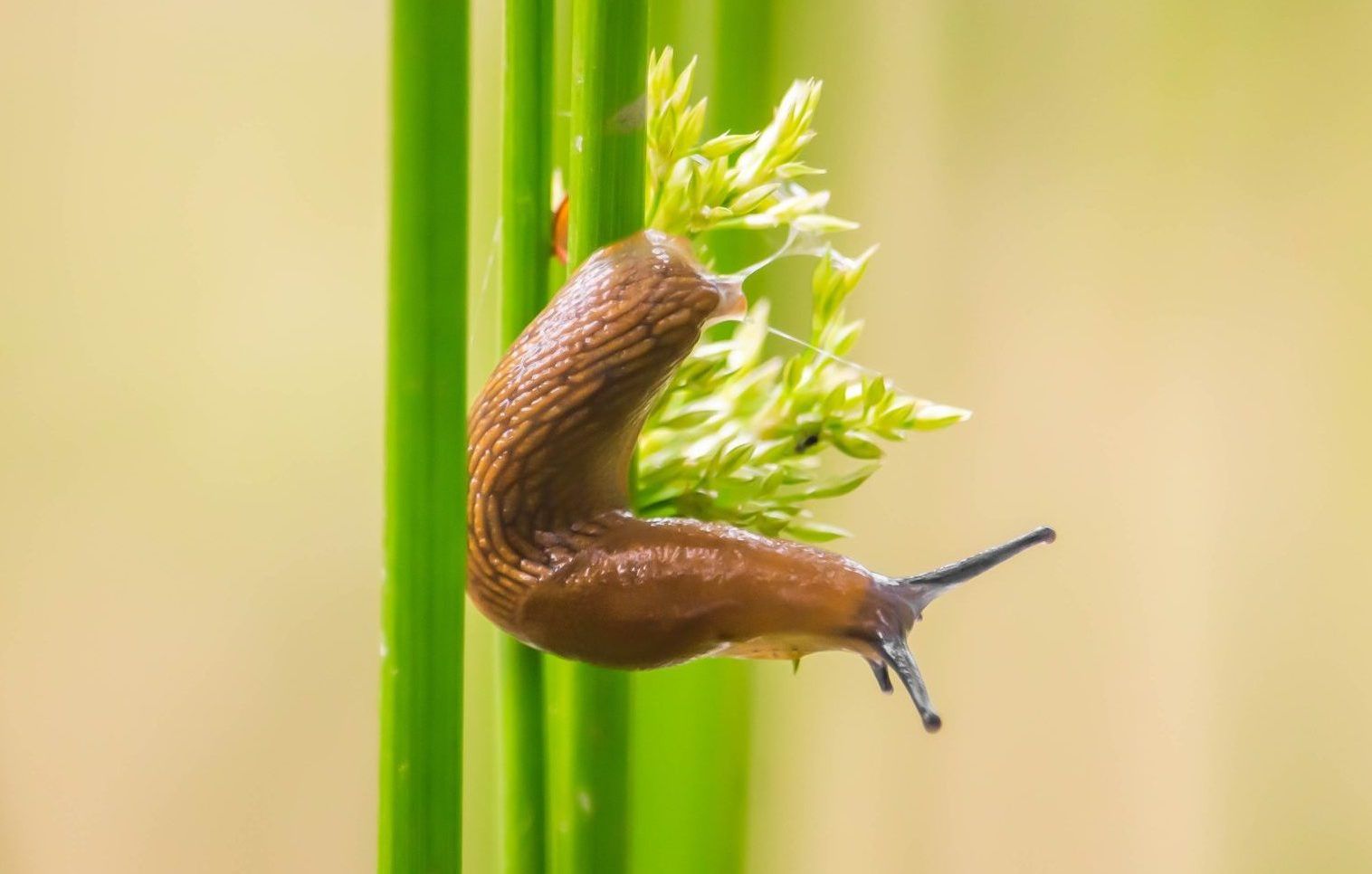
Slugs: their usefulness in the garden, what they indicate, and holistic management through reshaping the habitat
Read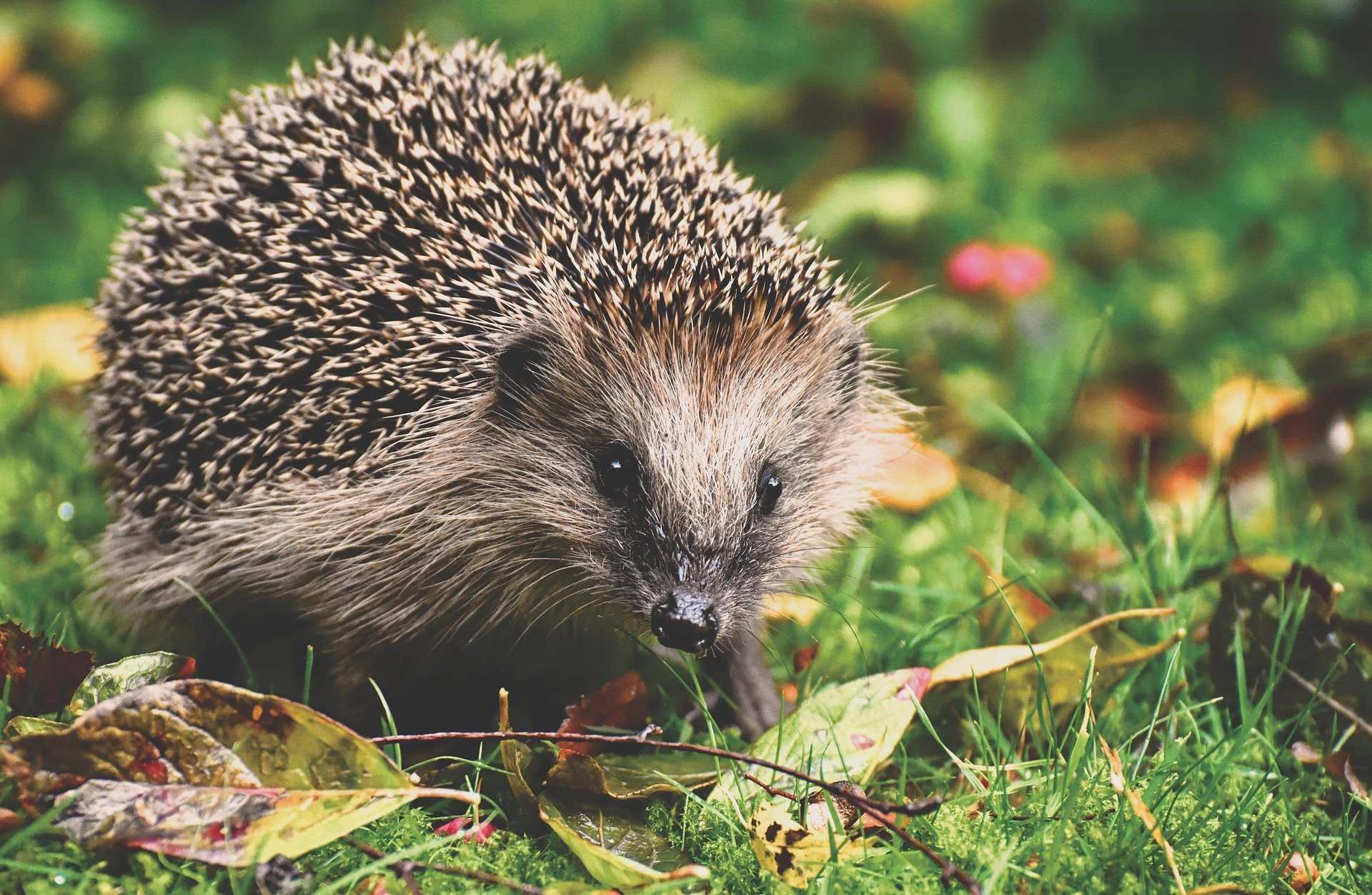
Slug predators: which are they? How to attract them to the garden?
Read
Slug control: the (harmful) methods to avoid – why and how?
Read