The best natural slug and snail repellents
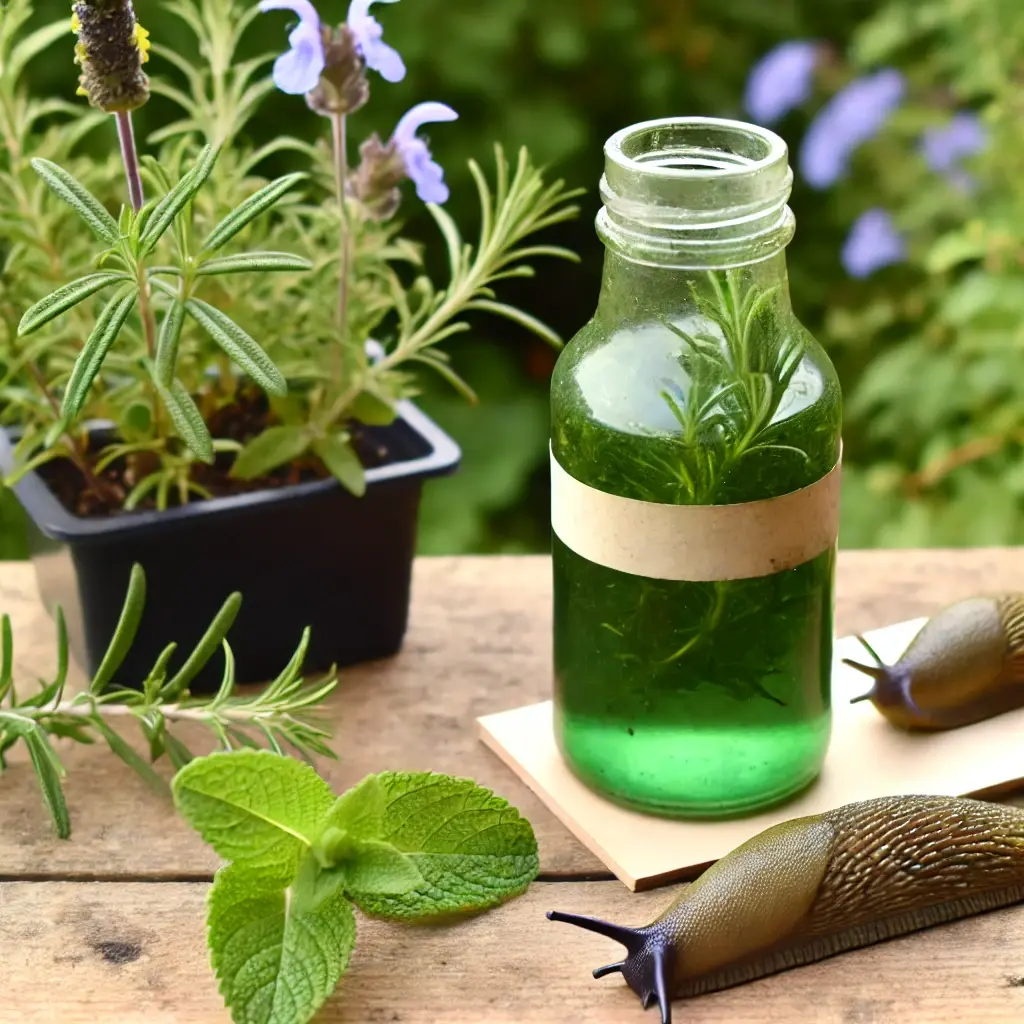
Your plants are suffering the repeated assaults of slugs and snails.
How can you keep them at bay, ideally by natural means?
That is exactly what we will look at in this article, sharing with you the few rare natural slug repellents that are genuinely effective, far from the morass of baseless tips and tricks and other unverified grandmother’s remedies found on most blogs.
So, after touching on the risks of chemical solutions, we will go into effective slug barriers, the 4 types of slug-repellent plants, and home-made natural repellents based on plants.
Then I will give you THE strategy, THE guiding principle to follow if you want to put a lasting and definitive end to slug troubles in your garden.
Does the programme appeal to you?
Then let’s get started!
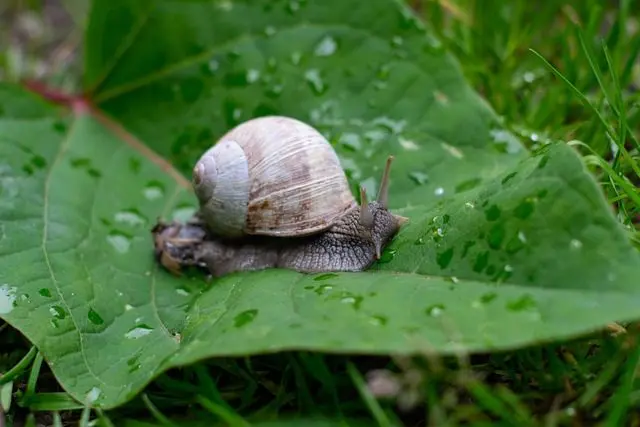
If you're discovering my blog, chances are slugs and snails are giving you grief.
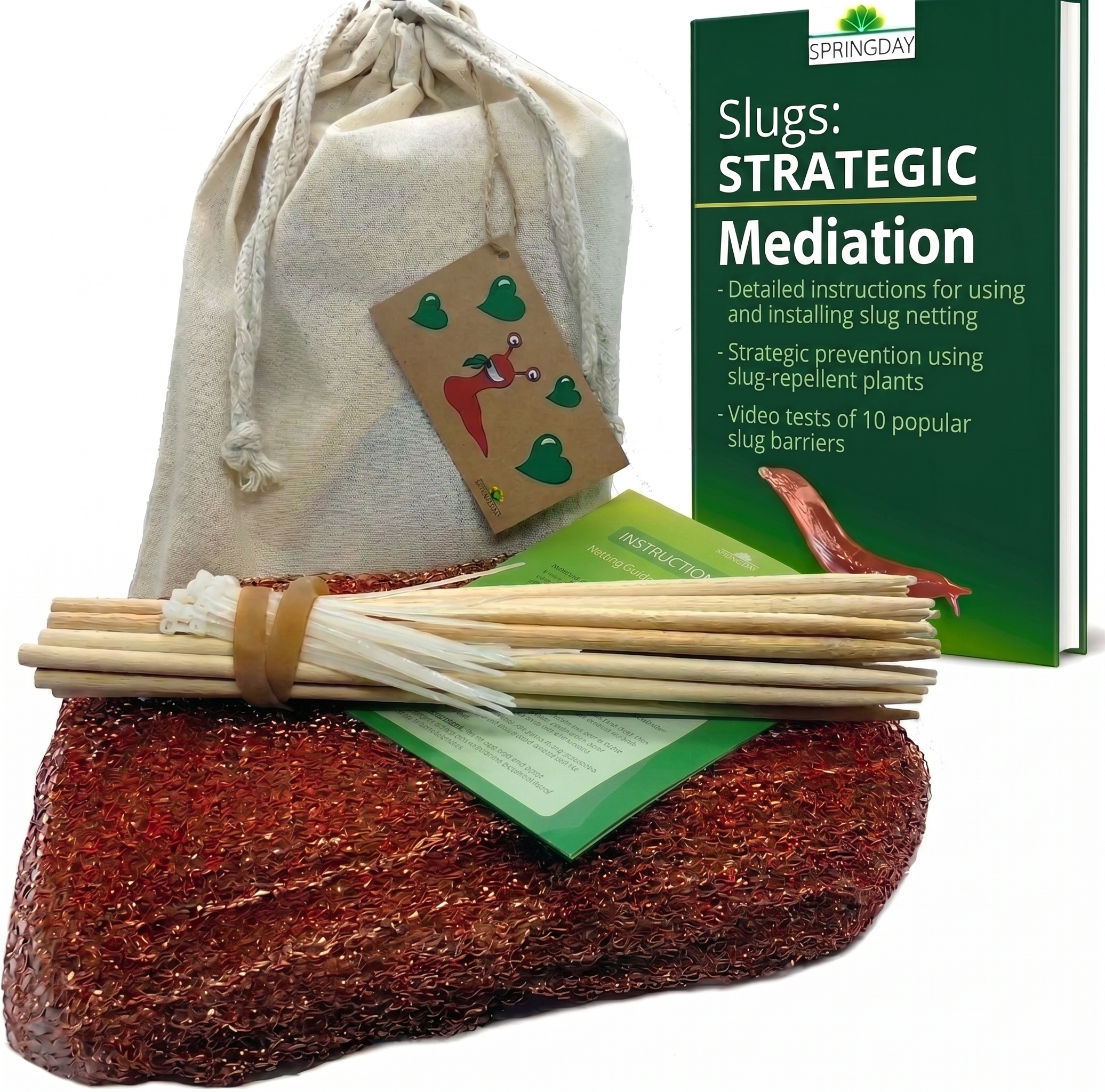
You'd probably be very interested in the copper slug barrier I designed .
It changed everything for me. I can finally grow lettuce, cabbages, strawberries and squashes without tearing my hair out.
Don't hesitate — it's an investment (copper is expensive), but you'll likely save yourself a huge amount of time!
Understanding the problem: slugs and snails
A description of these gastropods
Characteristics of slugs and snails
-
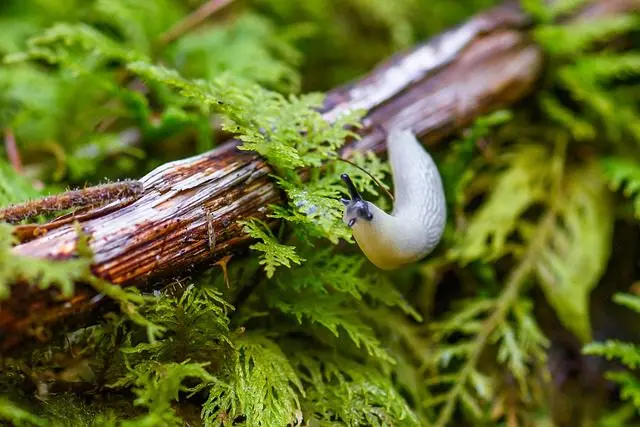
Slugs: Slugs are molluscs with no visible shell, although some species do have a small internal shell. They have a soft, elongated body, generally coated in mucus, which helps them move about and protects them against dehydration. Their colour ranges from grey to brown to black, and they can measure between 1 and 15 centimetres depending on the species.
-
Snails: Unlike slugs, snails have a hard, helical external shell into which they can retract for protection. Their body is also soft, coated in mucus, and they move slowly with the help of a broad, muscular foot. The shell varies in size and colour, but it is often brownish or yellow with stripes.
Life cycle
- Reproduction: Slugs and snails are hermaphrodites, meaning they possess both male and female reproductive organs. Nevertheless, they generally mate with another individual to exchange sperm before laying eggs.
- Egg-laying: The eggs are laid in the soil or under debris, in damp places. A female can lay several hundred eggs a year. The eggs hatch within a few weeks, depending on temperature and humidity.
- Development: Young slugs and snails resemble the adults, only smaller. They grow gradually, reaching sexual maturity within a few months.
- Longevity: In general, they live for one to three years, although some snails can live longer in favourable conditions.
Damage caused in gardens
- Slugs and snails are mainly herbivores, feeding on leaves, flowers, fruit and even the tender bark of certain plants. They prefer young, tender seedlings, which can be particularly destructive in a garden.
- The damage takes the form of irregular holes in the leaves, plants devoured right down to the stem, and shiny trails of mucus left on the soil and on the plants. This can lead to the death of young plants, a reduction in fruit and vegetable production, and a general weakening of the plants.
Reasons for their proliferation
Favourable conditions
- Moisture: Slugs and snails thrive in damp environments, because their soft body is very sensitive to dehydration. Prolonged spells of rain, frequent watering and poorly drained soils are ideal conditions for their proliferation.
- Types of plants: They are attracted to certain plants, in particular those with tender leaves such as lettuces, spinach and young vegetable seedlings. Gardens containing these types of plants are more likely to suffer invasions.
- Ground covers and debris: Areas with plenty of organic debris, dead leaves or mulch offer a perfect refuge for slugs and snails, providing them with the shade and moisture they need. That said, this debris and these hideaways are also the refuge of the predators of slugs and snails, which are essential to their lasting regulation, as we shall see in what follows.
Critical periods
Slugs and snails are particularly active in spring and autumn, when conditions are damp and temperatures are moderate.
During the dry, hot summer, they often retreat to cool, damp places to avoid dehydration, and are less active at the surface.
Role in the ecosystem
Although they are often regarded as pests, slugs and snails play an important role in the ecosystem.
They help to break down dead plant matter, thereby enriching the soil with nutrients.
What is more, they serve as food for many predators, such as birds, hedgehogs and certain insects.
Summary
Managing slugs and snails in a garden calls for an understanding of their life cycle, of the conditions that favour their proliferation, and of the damage they can cause.
While seeking to protect plants from these unwelcome guests, it is equally important to recognise their role in the ecosystem and to adopt control methods that respect the natural balance. And this is in your own interest, because if you do things properly and respect that balance, your gastropod problem will resolve itself for good after two to five years.
Why opt for natural solutions?
The impact of chemical solutions
The dangers of slug pellets
Slug pellets are often used to combat slugs and snails in gardens, but they pose significant risks to the environment and to health.
There are two main types of chemical pellet: those based on metaldehyde and those based on ferric phosphate.
Here is an analysis of the dangers specific to each of these products.
Metaldehyde pellets
- For soils: Metaldehyde pellets can cause soil pollution by disrupting the micro-organisms that play a crucial role in breaking down organic matter and improving soil structure. The build-up of metaldehyde in the soil can also affect the long-term health of plants by reducing soil fertility.
- For pets: Metaldehyde is extremely toxic to pets, such as dogs and cats. Even a small amount ingested can cause severe symptoms, in particular convulsions, tremors and vomiting, which can lead to death in the absence of prompt treatment.
- For beneficial wildlife: This product is also dangerous for the garden’s beneficial wildlife. Birds that feed on poisoned slugs can be poisoned in turn, and many other useful insects can be directly or indirectly affected by the use of these pellets.
Ferric phosphate pellets
- For soils: Ferric phosphate pellets are often presented as a less toxic alternative to metaldehyde ones. However, in high concentrations they can still pose risks to the soil’s microfauna, even though their impact is generally considered to be less destructive. Their breakdown produces iron and phosphate, elements that are naturally present in the soil, but an excessive build-up could disrupt the nutrient balance.
- For pets: Although ferric phosphate is less toxic to pets than metaldehyde, it is not entirely harmless. Ingesting a large amount can cause digestive upsets in pets, even if the risk of serious toxicity is much lower.
- For beneficial wildlife: Ferric phosphate pellets are less dangerous for beneficial wildlife, but they can still have negative effects. For example, they can affect certain invertebrates that play a key role in the garden’s ecosystem (one study, for instance, showed significant harmful effects on earthworms). Their impact is nonetheless considered more moderate compared with metaldehyde.
The advantages of natural repellents
Safety for the environment
Natural repellents do not introduce harmful (or potentially harmful) chemicals into the garden, thereby preserving the health of the soil and biodiversity.
They make it possible to maintain a balanced environment in which plants, insects and other organisms coexist harmoniously.
Maintaining the ecological balance
The use of natural methods, such as physical barriers or repellent plants, helps to maintain the ecological balance by limiting inputs whose side effects are all too often little understood.
These solutions respect the natural interactions between the various organisms in the garden, unlike chemical pellets, which can disrupt these relationships.
Sustainable solutions
It is by aiming to resolve the garden’s gastropod problem for good that you come to realise that natural solutions are the only way to achieve it.
The goal is for the natural system in place in the garden to regulate this slug population by itself.
It is possible, and it works, as we shall see at the end of this article, with a more concrete and detailed action plan.

Even “organic” slug pellets, which have this white appearance, are based on ferric phosphate and pose risks to earthworms (who are the spade of the intelligent gardener, the main agents of soil fertility)
The different natural methods for repelling slugs and snails
Physical barriers
While you wait for natural predators to settle in your garden, you will need to protect your plants from slugs and snails to ensure a harvest.
Physical anti-gastropod barriers are an effective solution, with no undesirable side effects, for protecting your crops. But you have to choose the right methods, and not fall for unverified myths.
The traditional solutions that are often recommended, such as ash, eggshells, fine sand, brambles or coffee grounds, prove for instance too ineffective over the long term to repel slugs and snails.
They do not provide sufficient and lasting protection.
If you have any doubts, take a look here at my video tests on these various slug barriers, which clearly demonstrate their limitations.
According to my research, only two methods have proved genuinely effective over the long term:
- Water, used to create moats around the areas to be protected (for example, by burying guttering to surround vulnerable beds).
- Copper, particularly effective when used in the form of a vertical barrier more than 7 cm high.
What is more, I designed a copper barrier specifically for my vegetable garden, and the results were so conclusive that I decided to bring it to market. If this interests you, you can discover my copper slug netting here.
Slug-repellent plants
Using certain plants can play a major role in managing slug and snail populations in your garden.
Here is how different types of slug-repellent plants can be used to repel, attract or protect your crops.
Repellent plants
Among the plants reputed to repel slugs and snails, borage is one of the few to have shown a repellent effect confirmed by gardeners according to a survey carried out in our Facebook group.
Planting borage around your vulnerable crops can therefore help you reduce gastropod attacks.
Plants greatly prized by gastropods
Certain plants are particularly sought after by slugs and snails, such as watercress, white mustard and dandelion. These plants can be used strategically to divert gastropods away from the main crops.
By planting them near the vegetable garden or in a corner of the garden as a sacrificial bed, you can protect your vegetable plants by concentrating the “pests” on these “martyr plants”.
Plants that attract slug predators
Certain plants, such as red clover and phacelia, are known to attract insect predators of slugs, such as rove beetles and ground beetles.
By bringing these plants into your garden, you encourage these natural predators to settle in, and you contribute to intelligent and lasting control of slug populations.
Vegetable plants naturally resistant to slugs
Certain vegetable plants display a natural resistance to slug attacks. Growing them as a preventive measure can allow you to reduce losses in your vegetable garden:
- Garlic
- Artichokes (the leaves can be attacked)
- Beetroot (can sometimes be attacked)
- Chives
- Cucumbers (watch out for young plants, which are vulnerable)
- Endive
- Fennel
- Red-leaved lettuce
- Lamb’s lettuce
- Melon (watch out for young plants, which are vulnerable)
- Onion
- Leeks
- Peas (the young plants are vulnerable)
- Potato (depending on the variety)
- Rhubarb
- Rocket
- Tomatoes
By bringing these plants into your garden, you can not only reduce the impact of slugs and snails, but also foster a more balanced and resilient ecosystem.
Organic and natural home-made repellents
Plant-based preparations, such as liquid manures and macerations, are frequently used as natural repellents against slugs and snails.
These solutions, rich in astringent substances, can be sprayed around the plants or directly onto the foliage to deter slugs from feeding on them.
Here are some of the liquid manures most renowned for this use:
- Garlic: Slugs are particularly sensitive to the smell of garlic. To prepare an effective repellent, crush some garlic and leave it to steep in water for 3 to 4 days. Then spray the resulting liquid at the base of your plants. It is recommended to repeat the application every 2 to 3 days to maintain its effectiveness.
- Wormwood: Wormwood can be used in the form of a liquid manure or as fresh sprigs laid at the base of the plants. To prepare a liquid manure, infuse 150 g of wormwood leaves in 5 litres of simmering water for 20 minutes. After cooling, strain and spray undiluted.
- Mugwort: For a mugwort liquid manure, mix 1 kg of fresh leaves and stems in 10 litres of water. Then spray this solution at the base of your plants to deter slugs.
- Ferns: As they break down, ferns release formaldehyde, a substance that acts as a natural repellent. Prepare a fern liquid manure and apply it at the base of your plants.
- Common rue: For a common rue liquid manure, chop 100 g of fresh leaves and stems (picked before flowering for better effectiveness). Leave to steep in 1 litre of cold water for 10 days, stirring daily. Then strain the solution, dilute it to 20%, and spray it at the base of your plants.
- Spurge: A spurge liquid manure, diluted to 15%, can also be sprayed at the base of the plants to keep slugs away.
Even though these preparations are potentially very effective, especially because of the slugs’ immediate reaction to the smell, their main drawback is their poor durability.
After rain, or even after a few days of dry weather, the plants are rid of these sprays, requiring a fresh application to maintain the repellent effect.
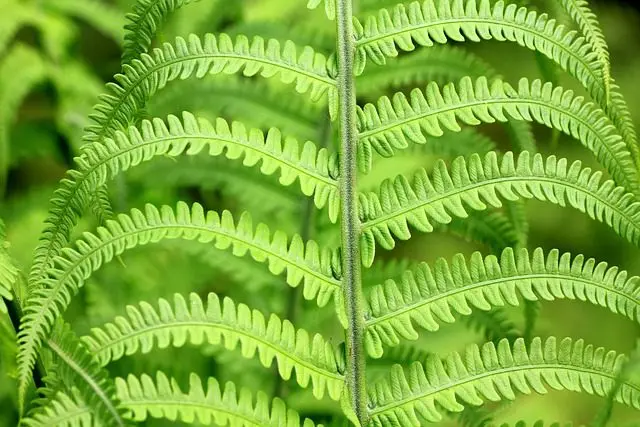
Bracken fern is very useful as a liquid manure. Some gardeners also use it directly as a mulch. And according to them, the results are good.
The strategy to put in place to put a lasting end to slugs and snails in the garden
Natural predators: the key to lasting regulation
To solve the problem of slugs and snails in the garden in a lasting way, it is essential to rely on the natural predators of gastropods.
These ensure continuous, long-term regulation of gastropod populations, which makes them the most effective means of putting a definitive end to these little unwelcome guests.
Encouraging beneficial wildlife
Welcoming and fostering the presence of natural predators in your garden is THE strategy for keeping slugs and snails under control.
Hedgehogs, amphibians (such as frogs and toads), slow-worms, birds, and ground beetles and rove beetles are all effective predators of gastropods.
- Hedgehogs: These small mammals are voracious eaters of slugs. To attract them, create a pile of leaves or a shelter made of wood and stones in a quiet corner of your garden.
- Amphibians: Frogs and toads also feed on slugs. To welcome them, set up damp areas, such as a small pool or a natural pond.
- Slow-worms: These legless lizards appreciate dark, damp spots. A pile of wood or stones can offer them an ideal habitat.
- Birds: Many insectivorous birds, such as blackbirds and tits, feed on slugs and snails. Installing nest boxes and feeders in your garden can encourage them to stay there.
- Ground beetles and rove beetles: These beetles are effective predators of slug eggs and young slugs. To attract them, avoid using pesticides and leave areas of dense vegetation or piles of stones where they can hide.
Fostering their presence: creating favourable habitats
To encourage beneficial wildlife to settle in your garden, you need to create habitats that meet their needs:
- Piles of wood, leaves and stones: These features offer secure shelters for hedgehogs, slow-worms and ground beetles.
- Damp areas: A small body of water or a pond attracts amphibians, while creating a microclimate favourable to predatory insects.
- Nest boxes and feeders: Installed up high, they encourage birds to frequent your garden.
Do not kill slugs and snails or move them
A fundamental aspect of this strategy is not to kill slugs and snails, nor to move them out of the garden.
Indeed, the regular presence of these pests is necessary for their natural predators to settle in for the long term.
If you eliminate all the slugs, their predators will lack food and will not stay in your garden.
By accepting a certain slug population, you ensure that your natural allies remain active and effective throughout the year.
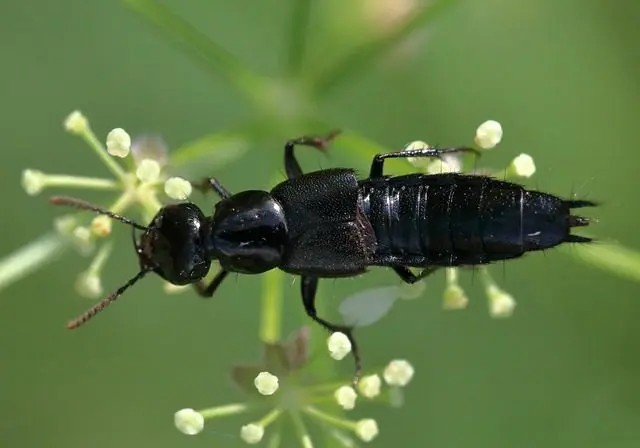
The rove beetle is a very useful predator of slugs.
Conclusion
Do you want to put an end to slugs and snails in the garden?
Then don’t kill them, and don’t move them.
Set up your garden to welcome their predators, and do everything you can so that they can settle in as quickly and in as great a number as possible.
Finally, use the natural repellents mentioned here to keep slugs away from your plants, while the predators settle into your garden.
Do this well, continuously. And in 2 to 5 years, you will no longer have a problem with slugs and snails in the garden.
I hope you have enjoyed this article, and that it has given you new tools to garden in freedom and self-sufficiency, while understanding what you are doing and why you are doing it.
See you soon,
Robin.
The information in this article has been selected and verified according to the criteria defined in our editorial charter.
Done with slugs. For good. Starting this season.
Scientific references
Related articles
Testing and review of 30 natural slug deterrents (do they work?)
Read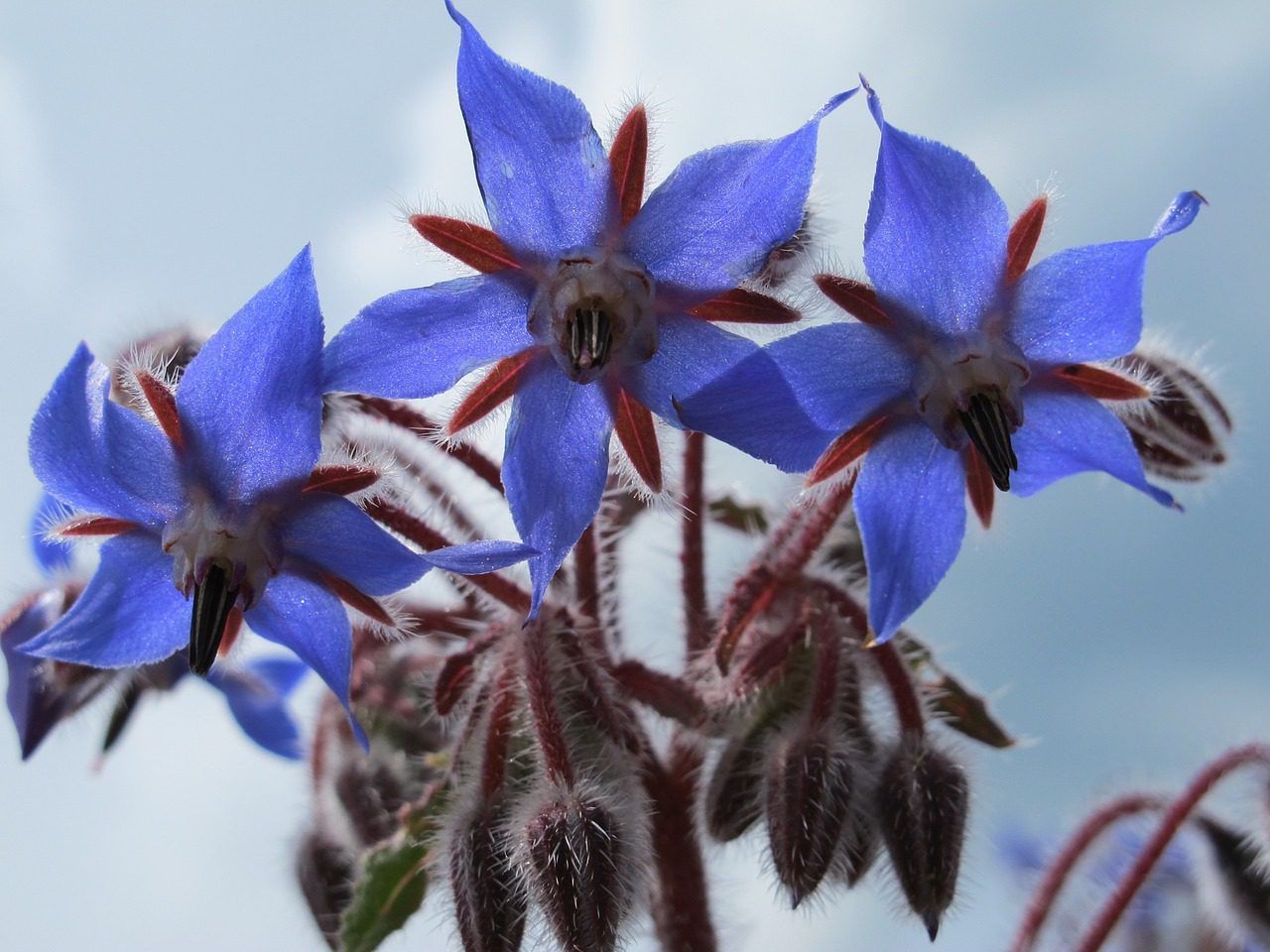
Slug-repellent plants, or prevention through planting
Read
Surface composting: protect your vegetable patch from slugs, with love
Read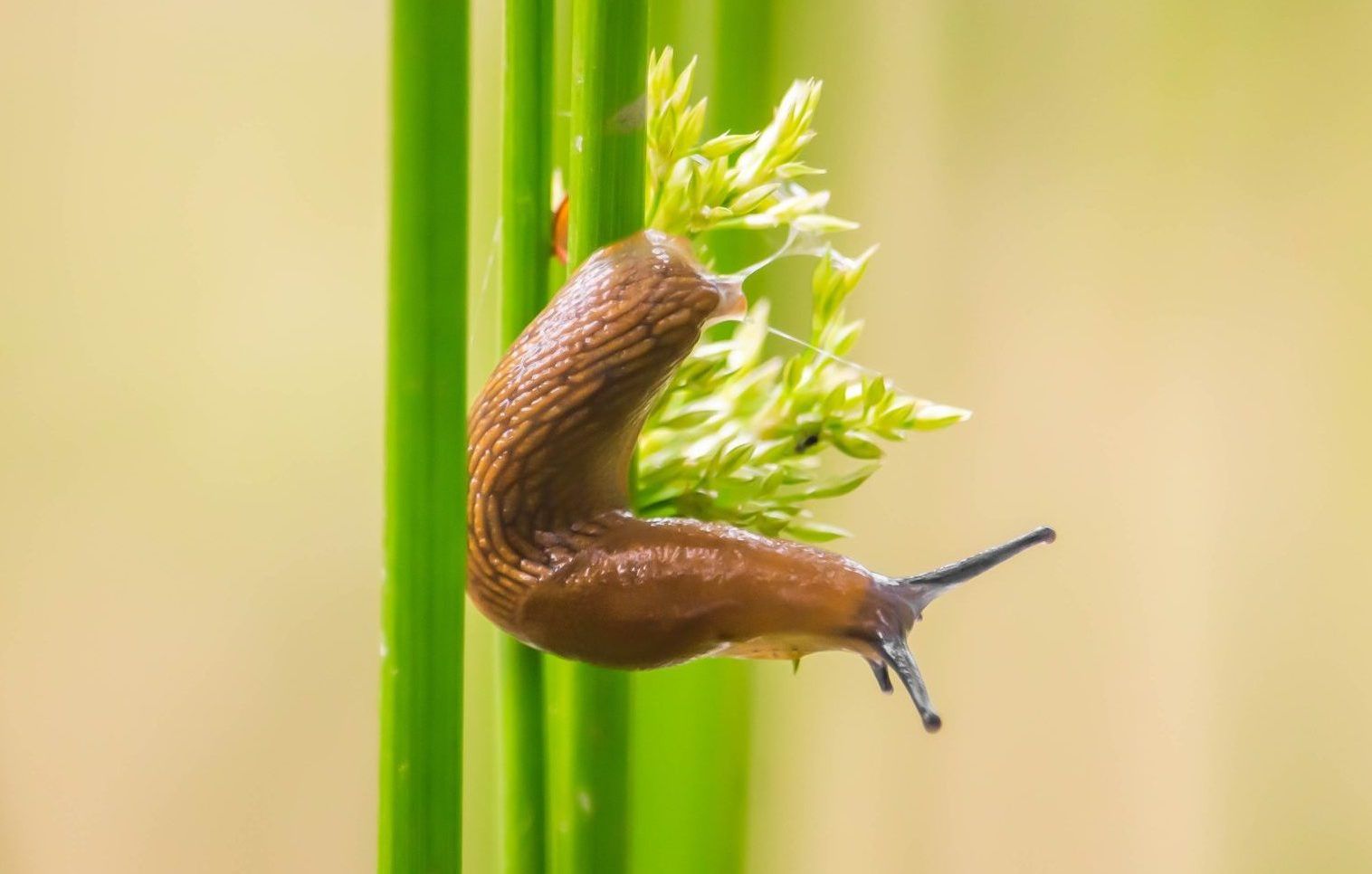
Slugs: their usefulness in the garden, what they indicate, and holistic management through reshaping the habitat
Read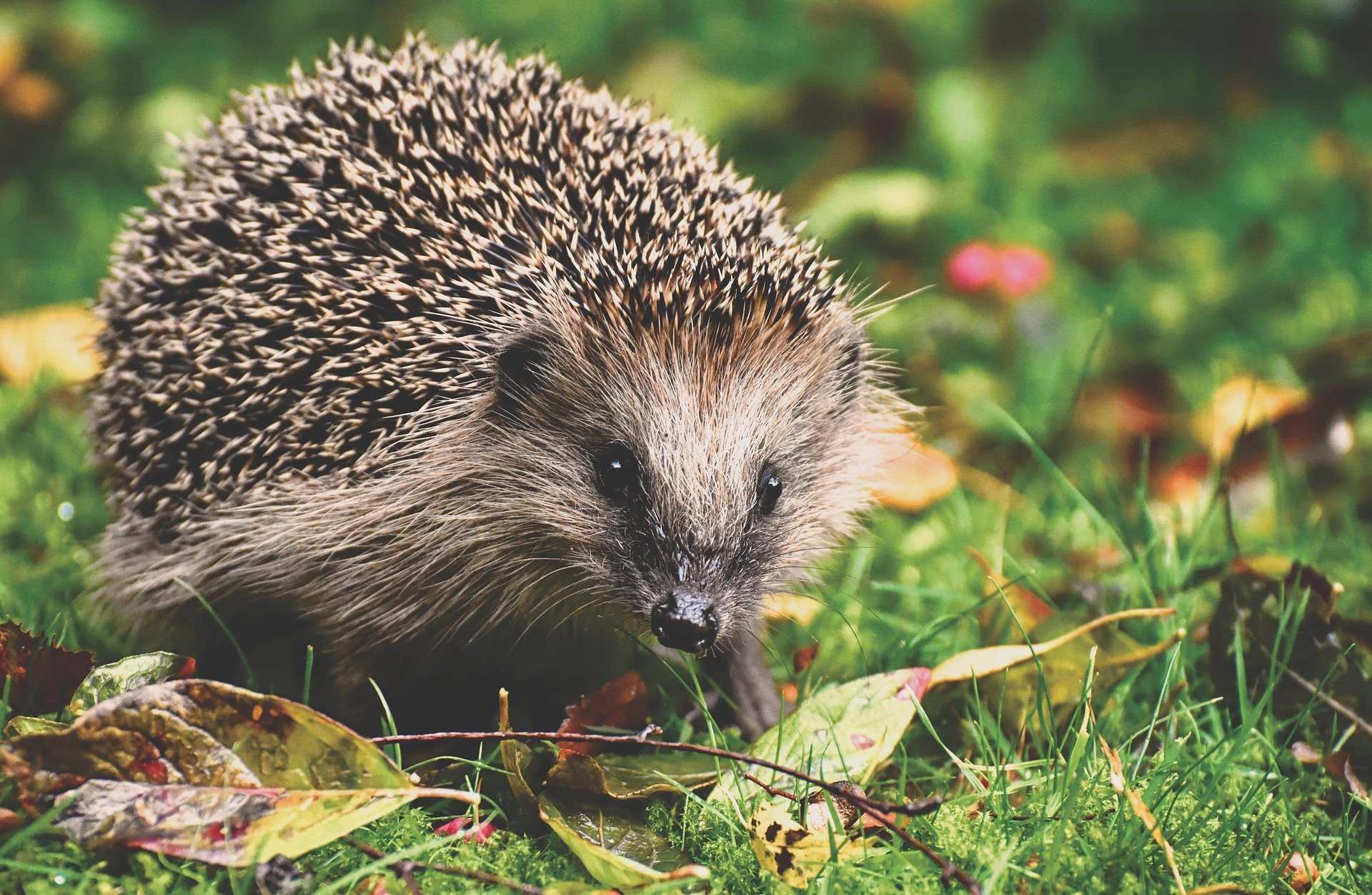
Slug predators: which are they? How to attract them to the garden?
Read
Slug control: the (harmful) methods to avoid – why and how?
Read