Attracting amphibians to the garden, these predators of slugs
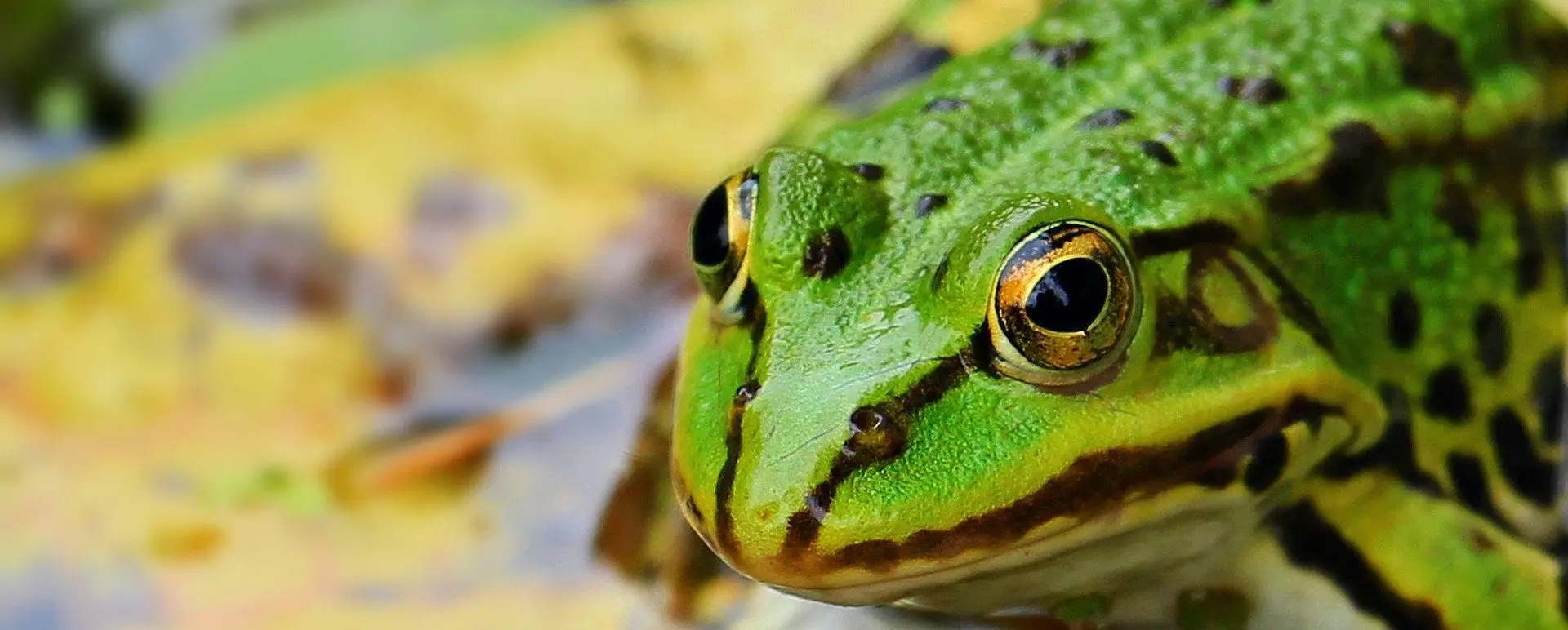
Toads, frogs, newts and salamanders: which of them can you spot in the garden, and what role can they play in managing a slug population, as predators of these gastropods? (And as alternatives to the so-called natural slug deterrents.) What dangers might lie in wait for them in the garden? How do you design and lay out your pond, step by step? How do you create safe, cool shelters so these amphibians feel protected there?
In this article, I’ll try to answer precisely these questions, for managing slugs and snails in a permaculture garden.
Before we begin, if it interests you, here is the article on all the predators of slugs.
If you're discovering my blog, chances are slugs and snails are giving you grief.
You'd probably be very interested in the copper slug barrier I designed .
It changed everything for me. I can finally grow lettuce, cabbages, strawberries and squashes without tearing my hair out.
Don't hesitate — it's an investment (copper is expensive), but you'll likely save yourself a huge amount of time!
Which amphibians are predators of slugs?
While the tadpoles of amphibians are overwhelmingly herbivorous, the adults are indeed carnivorous. Toads and frogs, but also the less common newts and salamanders, all feed on slugs, and help to actively regulate their population in the garden.
Toads are able to eat fairly large slugs and small snails, whereas frogs, newts and salamanders are useful because they eat the smaller slugs, as well as their eggs. These amphibians are also extremely useful for regulating numerous other garden insects. It’s also worth knowing that toads, frogs and newts are mostly active at night, just as slugs and snails are.
The various toads found in Britain:
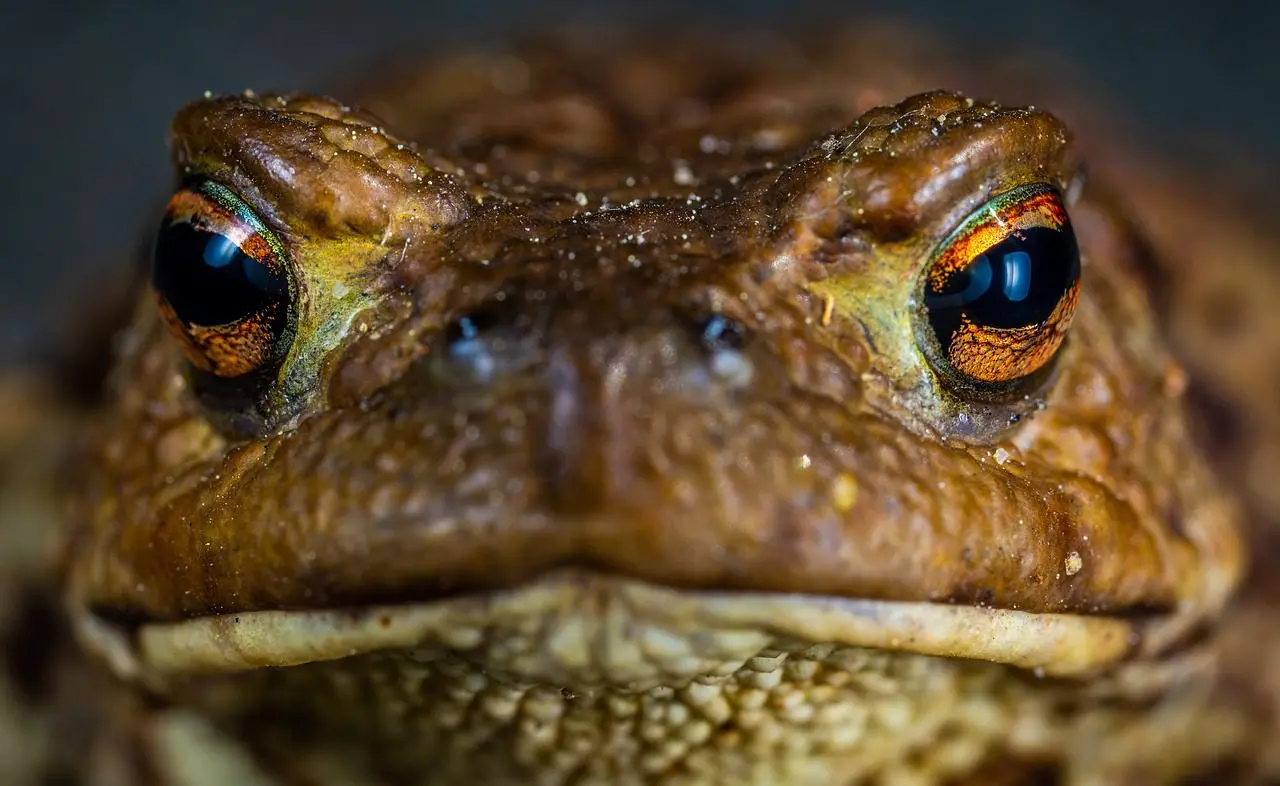
It’s the common toad (Bufo bufo) that you’ll come across most often in the garden.
But there are more than 500 different species of toad in the world, and several across Britain and the rest of Europe.
So it isn’t out of the question that you might encounter a toad from one of these species: the common midwife toad, the Corsican painted frog, the painted frog, the Tyrrhenian painted frog, the yellow-bellied toad, the natterjack toad, the common toad, the spined toad, the green toad, the green toad, Bufotes balearicus, the common spadefoot, the western spadefoot, or the parsley frog. For a table of these various species, find here the Wikipedia page dedicated to amphibians.
Frogs common in the garden
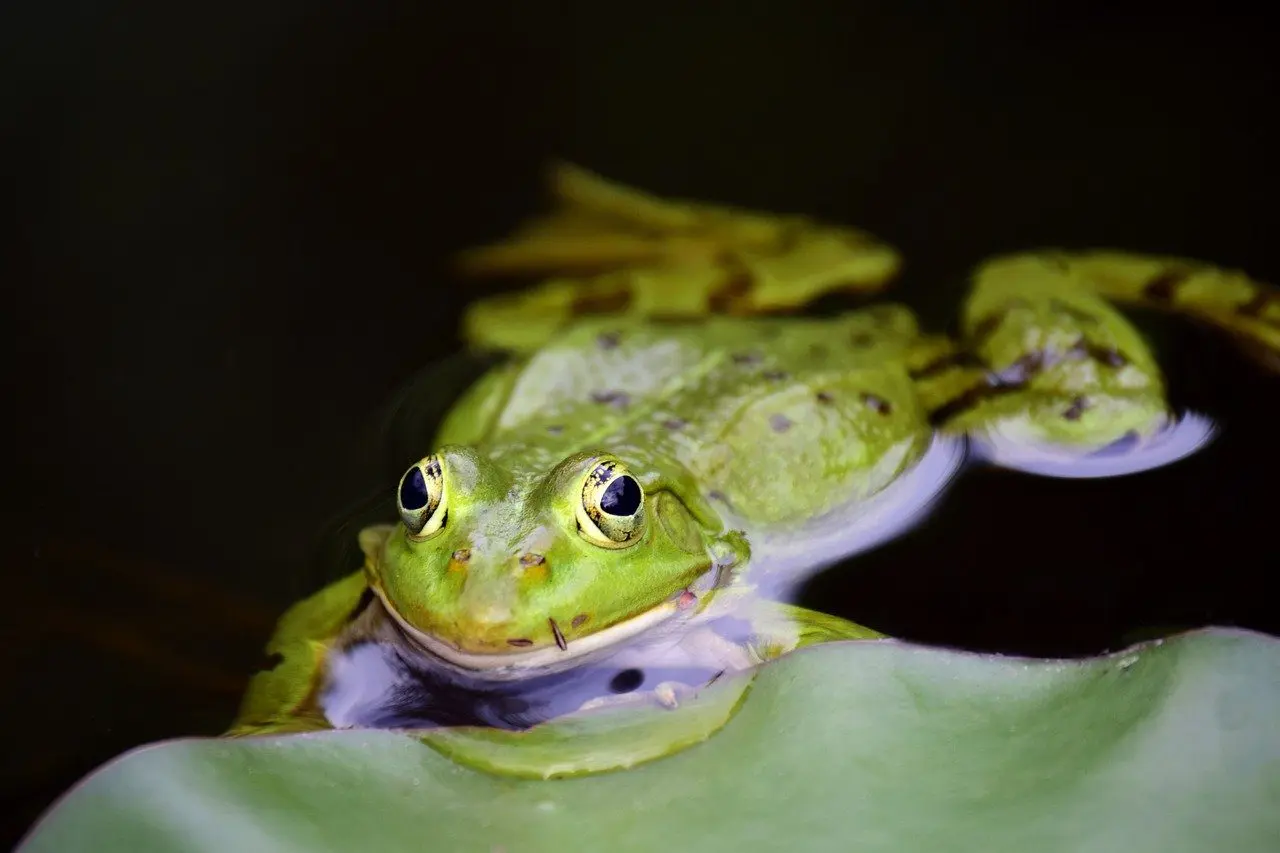
The common frog, the agile frog, the marsh frog and the European tree frog are the most widespread species in this part of Europe, and so the ones you’re most likely to encounter. If you’ve spotted a frog that belongs to none of these species, you can try to identify it via this dedicated Wikipedia page.
Newts
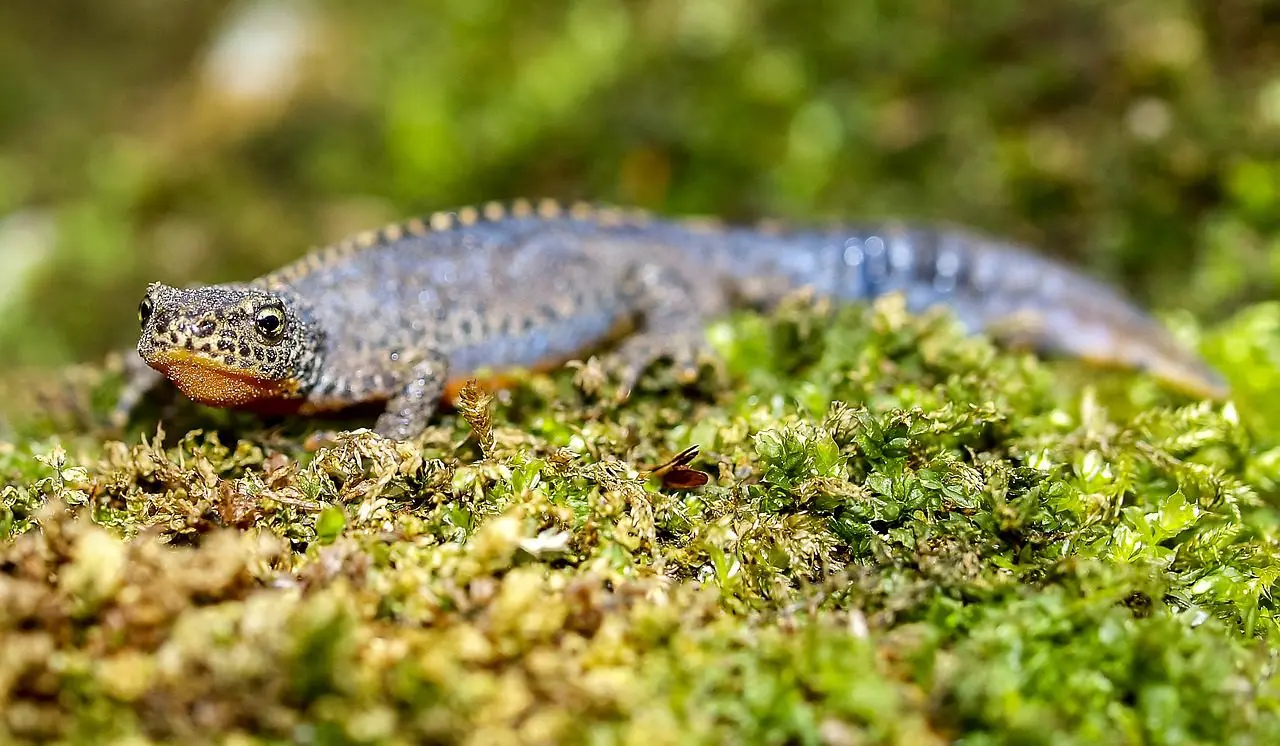
There are 5 species of newt in this region, which you may come across in the garden depending on where you are: the marbled newt, the great crested newt, the smooth newt, the alpine newt and the palmate newt. For more information about them, and to identify a specimen, I’d advise you to follow the link I cite in the previous paragraph.
Salamanders
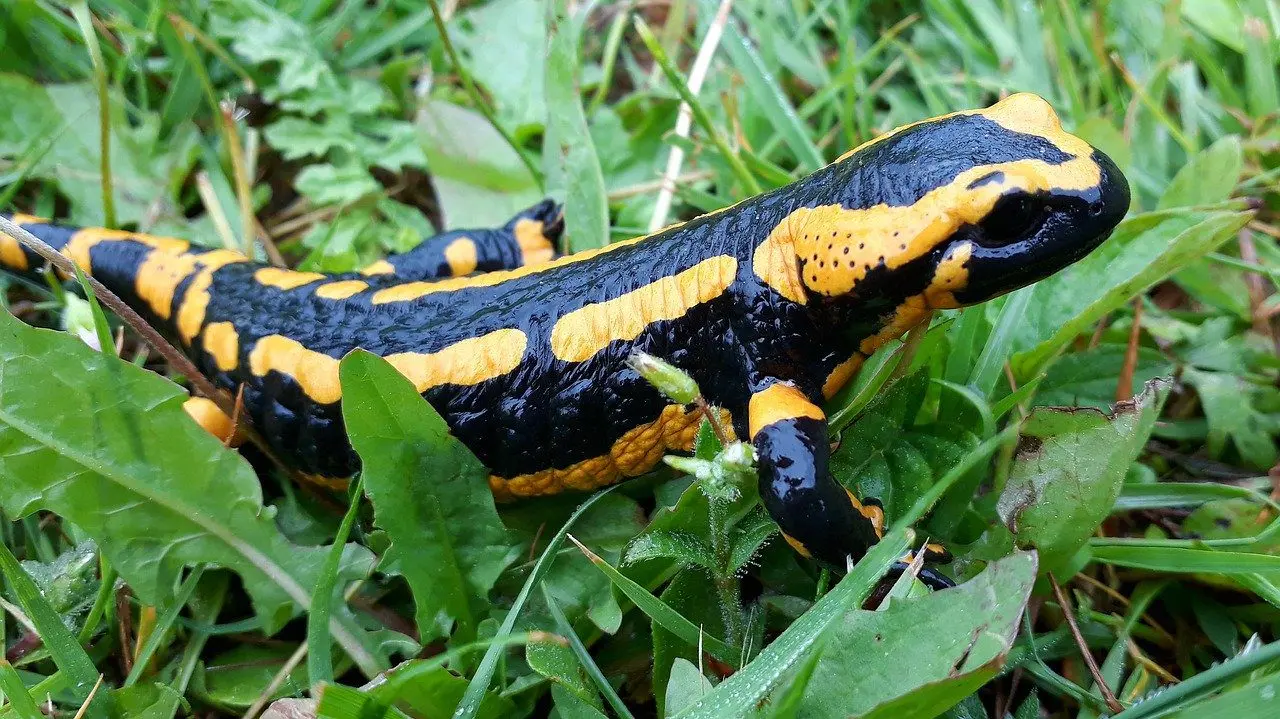
In the garden, you may come across various species of salamander, depending on the region you live in: the fire salamander, the alpine salamander, the Corsican fire salamander and Lanza’s salamander. To identify a specimen, I’d recommend the same Wikipedia page as mentioned earlier.
Be aware that if you’re lucky enough to have newts and salamanders in your garden, this is often a sign of very rich biodiversity and a well-preserved environment. A garden that respects the principles of permaculture is normally suited to welcoming them, but we’ll come back to that further on.
How do you attract amphibians to the garden?
To attract amphibians to the garden, so they can help you fight slugs, you’ll need to adapt it by removing any potential dangers, creating a suitable breeding site (a pond), and setting up small areas where these amphibians can take shelter.
The danger zones
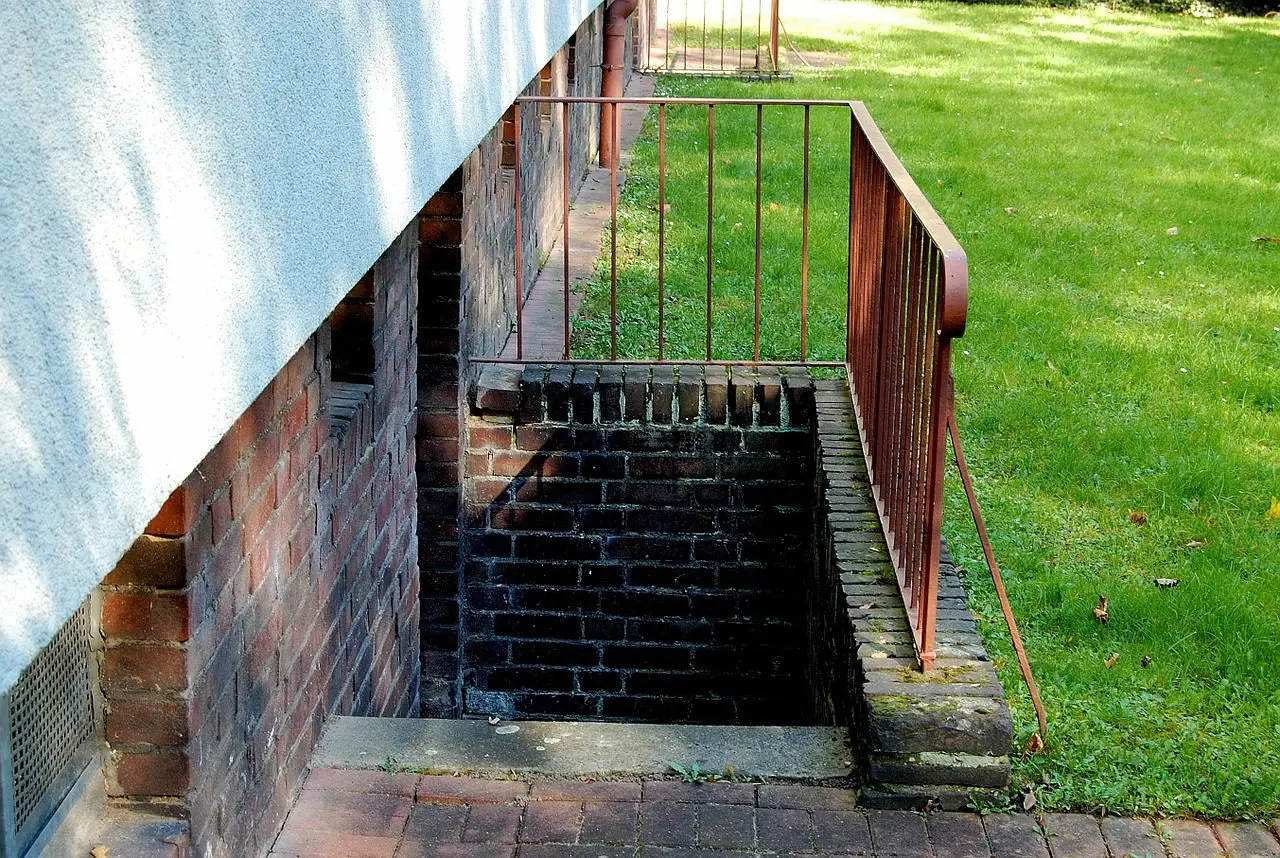
Take care if you have basement steps, or if your garden is close to a road.
In the first case, if amphibians happen to go down them, they’ll find themselves trapped there, and without water or food they’ll quickly dry out and die. So make sure, if possible, to place something across the passage that can act as a low, removable barrier to stop them getting through. You can also set out small containers of emergency water and food at the bottom of the steps, to keep them alive until you notice them.
If your garden is close to a road, the most effective solution is to block off the passages that give access to it. For this, using chicken wire can do the job perfectly.
Domestic predators
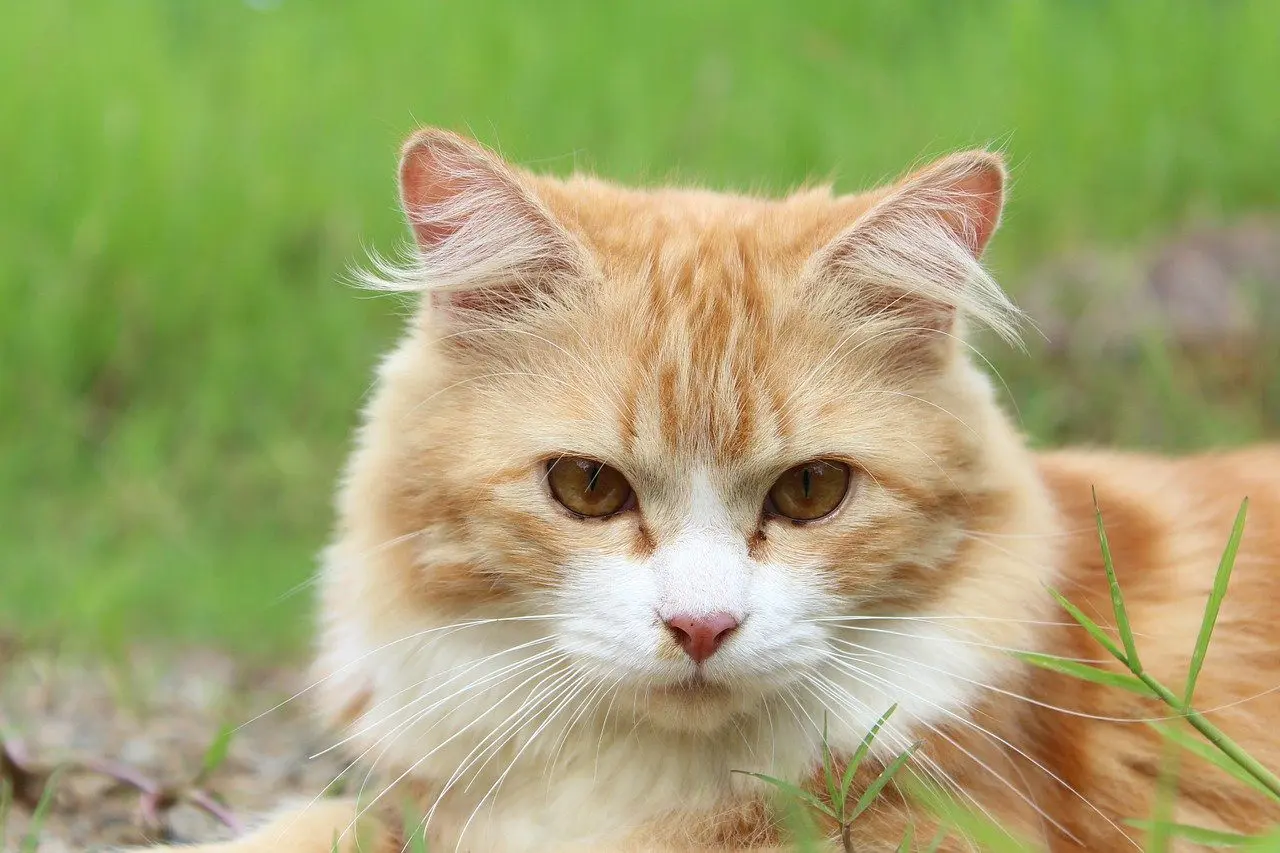
Watch out, too, for your cats and dogs, if you have any. These -especially cats- can often disturb them, but above all kill them while playing with them. And even for the cats it can be fatal: salamanders and certain toads have glands that allow them to release toxins through their skin when attacked. At best, this releases a strongly bitter taste; at worst, it can kill them.
Pesticides and slug deterrents
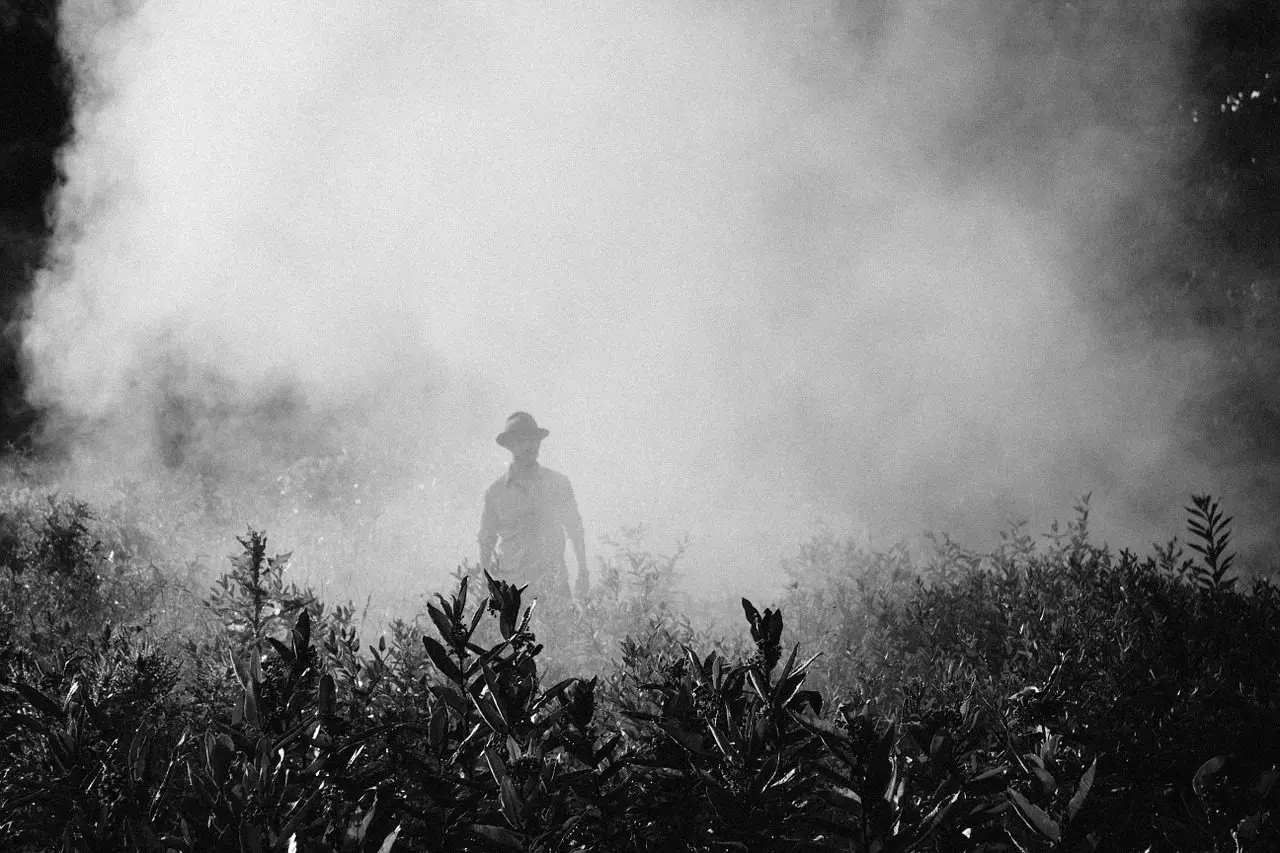
The use of pesticides can often prove fatal to amphibians. This kind of treatment must be avoided if you don’t want to wipe out biodiversity as a whole. In any case, if you garden according to the principles of permaculture, the question doesn’t even arise.
Banish slug deterrents too (natural or otherwise) that have repercussions for their predators: I’m thinking in particular of slug pellets and beer traps. See why right at the end of Slug control section of the website.
How to create a pond, for the breeding and lasting settlement of amphibians
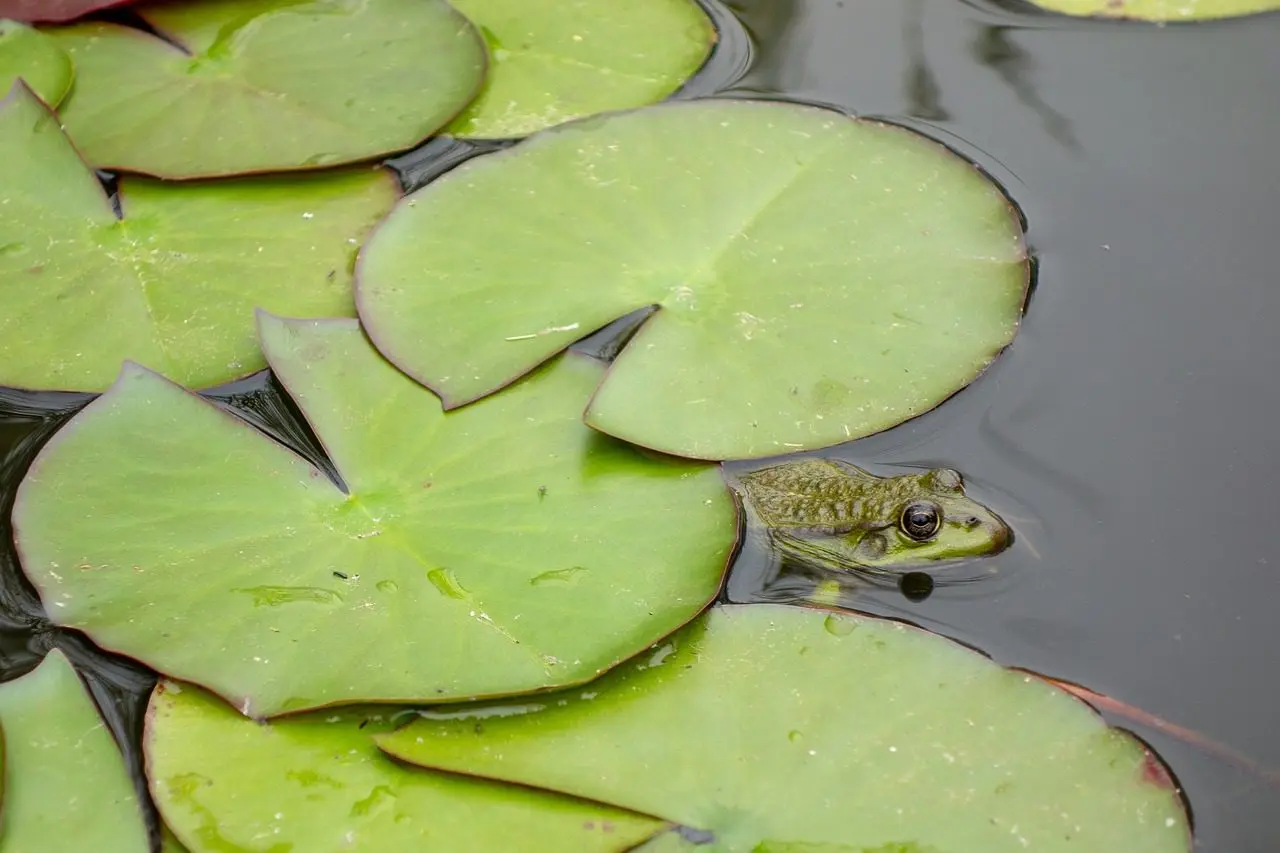
Amphibians are born and grow up in water. As adults, the presence of a body of water -which keeps them from drying out- remains necessary for the presence of frogs, newts and salamanders, less so for toads, for which a damp, shady corner does very nicely (but they need a body of water to breed).
If you don’t have a natural body of water on your land, creating a pond is the best way to attract all these little creatures into your garden.
Where should the pond go?
Your pond should, if possible, be built slightly lower than your land (to encourage water to run towards it when it rains), on a flat, open and bright spot. I’d advise you to trace the outline of your pond before you start digging.
Designing the bank
When designing your pond, there’s one rule you absolutely must follow if you want to welcome frogs, toads, newts and salamanders: at least a third of your bank must be gently sloping, to make access possible for these amphibians.
How deep should the pond be?
Your pond should be at least 1 metre 20 deep, to stop it freezing during the winter months: it does indeed happen that some amphibians remain in the pond during this season. If you live at a fairly high altitude, 1 metre 50 deep is more prudent.
How do you dig and waterproof the pond?
Depending on the size of the pond you want to dig, you can either do it by hand with a spade, or hire a small digger by the day, which will be a great help.
To waterproof your pond, you’ll need a waterproof liner, designed for this kind of use, which you can find in most large DIY stores. If you have an exceptionally clay-rich soil (bentonite clay in particular, which has the best waterproofing quality), you can try without the liner, by first wetting and firmly compacting the soil at the bottom and edges, and removing the coarse material from it. But water loss is still likely to be greater.
Which plants should you choose for the pond, and how do you put them in?
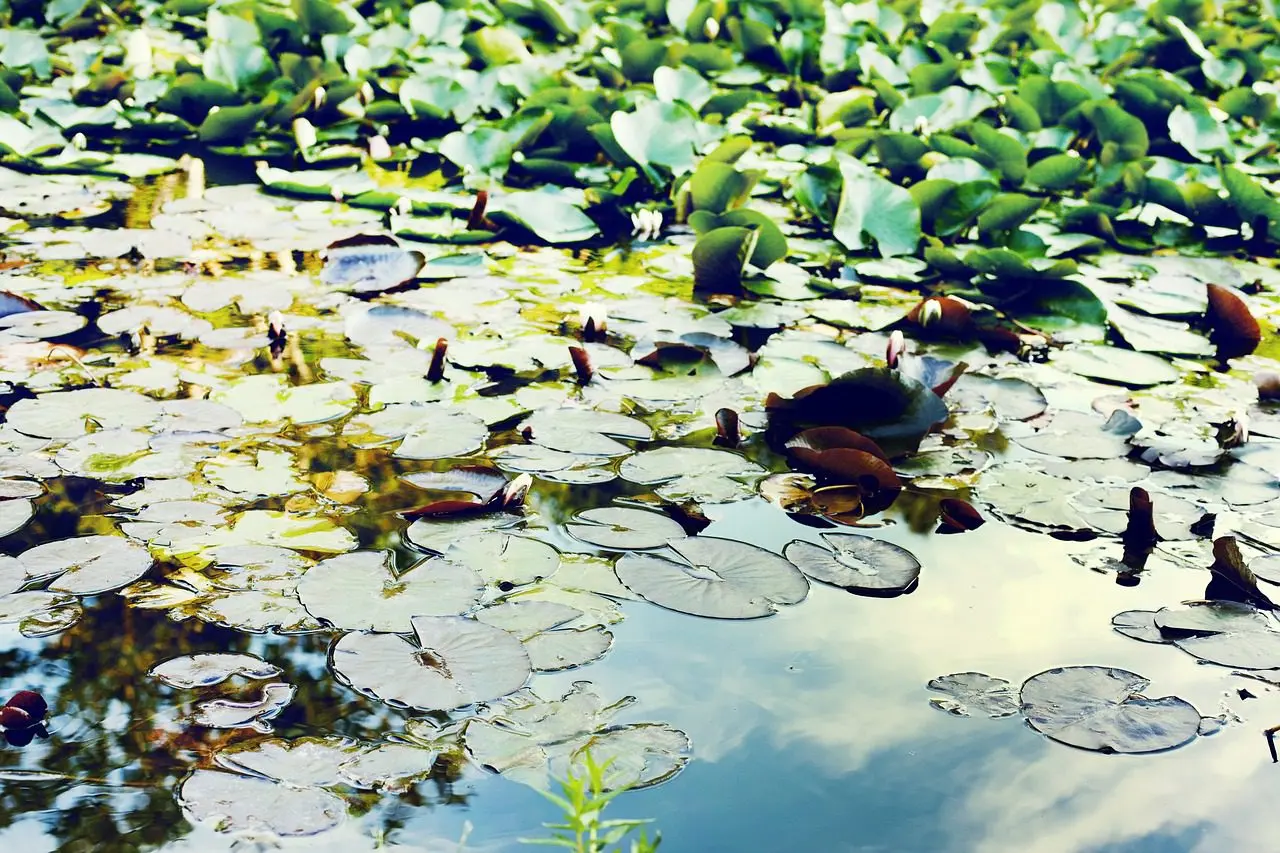
The presence of plants around -and in- your pond is essential for the development of life around this body of water. They allow the development of the microfauna, which attracts the macrofauna, and then the predators of slugs (frogs, toads, newts and salamanders) make the most of it (they’re particularly fond of certain small invertebrates that make up this macrofauna).
These plants are also egg-laying supports much appreciated by amphibians.
Among the plants most suited to establishing with a pond, you’ll find: rush, reed, bulrush and sweet grass, for the banks especially, as well as pondweed and water lily for the inside of the basin. You can find these plants in most large garden centres.
Putting in bank plants is fairly straightforward, since the soil is directly accessible. For “open-water” plants, there are two options:
- Either lay, before filling with water, a 20 cm layer of rich soil over the liner or the clay layer.
- Or leave the plants in their pots at the bottom of the basin, but checking that the plant is tall enough to catch the light just below -or above- the water.
Is it better to fit a filter pump, or simply to circulate the water?
Amphibians prefer still bodies of water, and the water has no need to be filtered: on the contrary, many small organisms would then risk disappearing from the pond ecosystem. It’s better, then, not to fit a filter pump, and not to circulate the water.
Does welcoming fish harm the presence of amphibians?
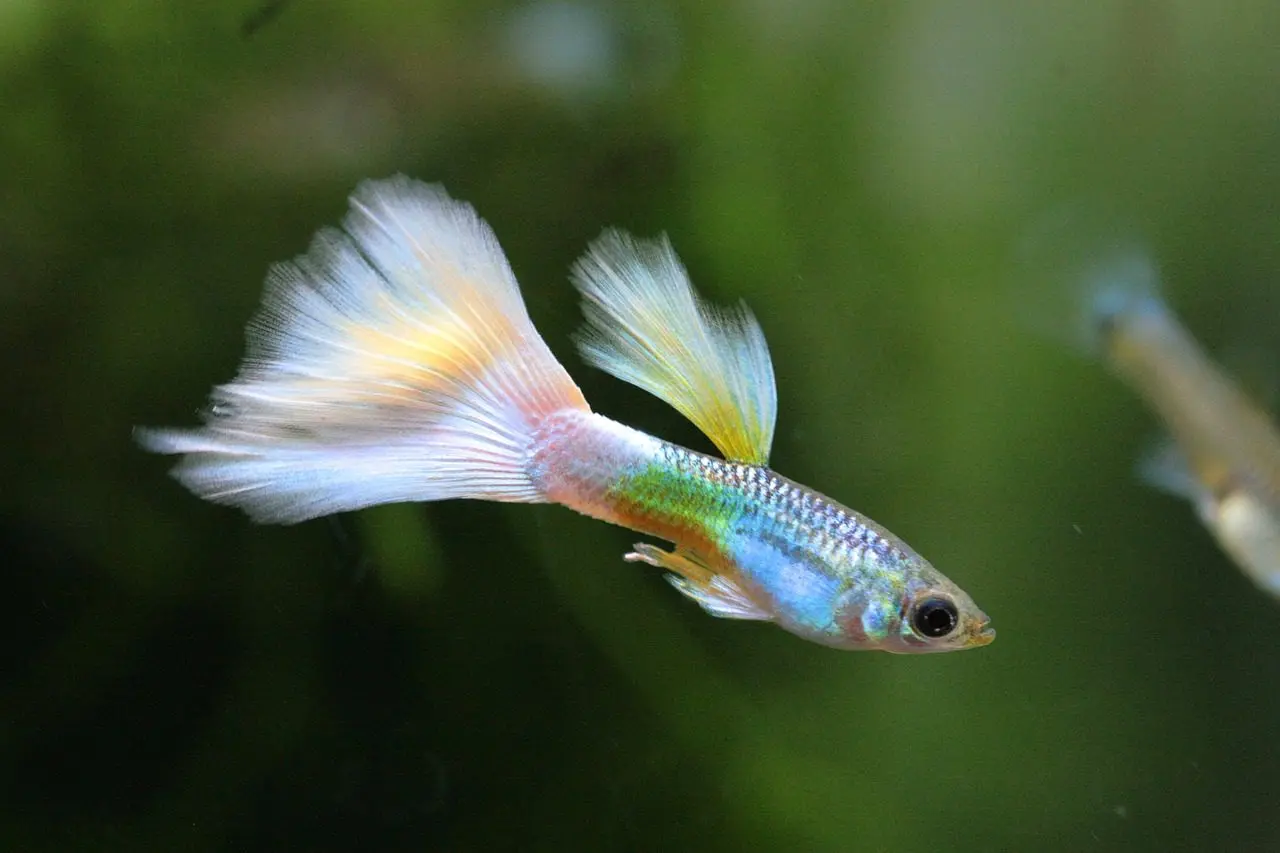
Yes, for most of them: goldfish and koi carp eat the eggs and tadpoles of amphibians. It’s better to avoid introducing them into the pond if you want to settle amphibians in the garden for the long term, and if you want them to help you regulate the gastropod population present there. You can still try putting in guppies, which can’t eat most tadpoles (except the smallest), and which will even, later on, make a prey for the frogs. In any case, be aware that, like guppies or other fish, tadpoles eat mosquito larvae!
Creating shelter and protection zones for the amphibian predators
The general layout of the garden
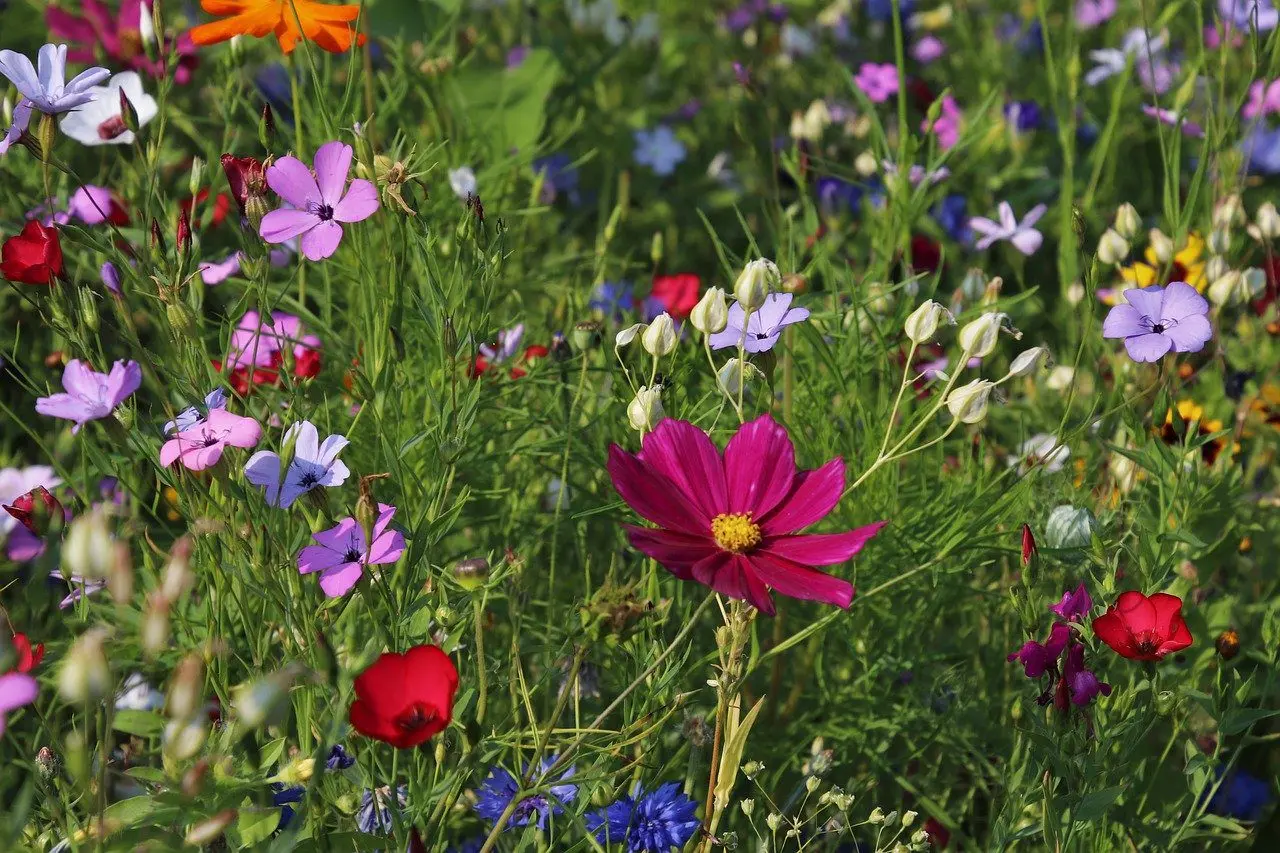
As with welcoming most beneficial animals and insects, the first thing to do is to trim your hedge and your lawn less, gather up the dead leaves less, … in short, let the life of the garden run its course. Amphibians like to find sheltered nooks where they can hide and stay cool, and this will above all attract insects, the amphibians’ favourite food.
You can plant a flowering meadow, which will attract many insects on which the amphibians will feast.
It’s even possible to install small garden lights, at ground level, which will attract moths and other nocturnal insects that toads and frogs will be delighted to eat.
Creating hiding places for amphibians
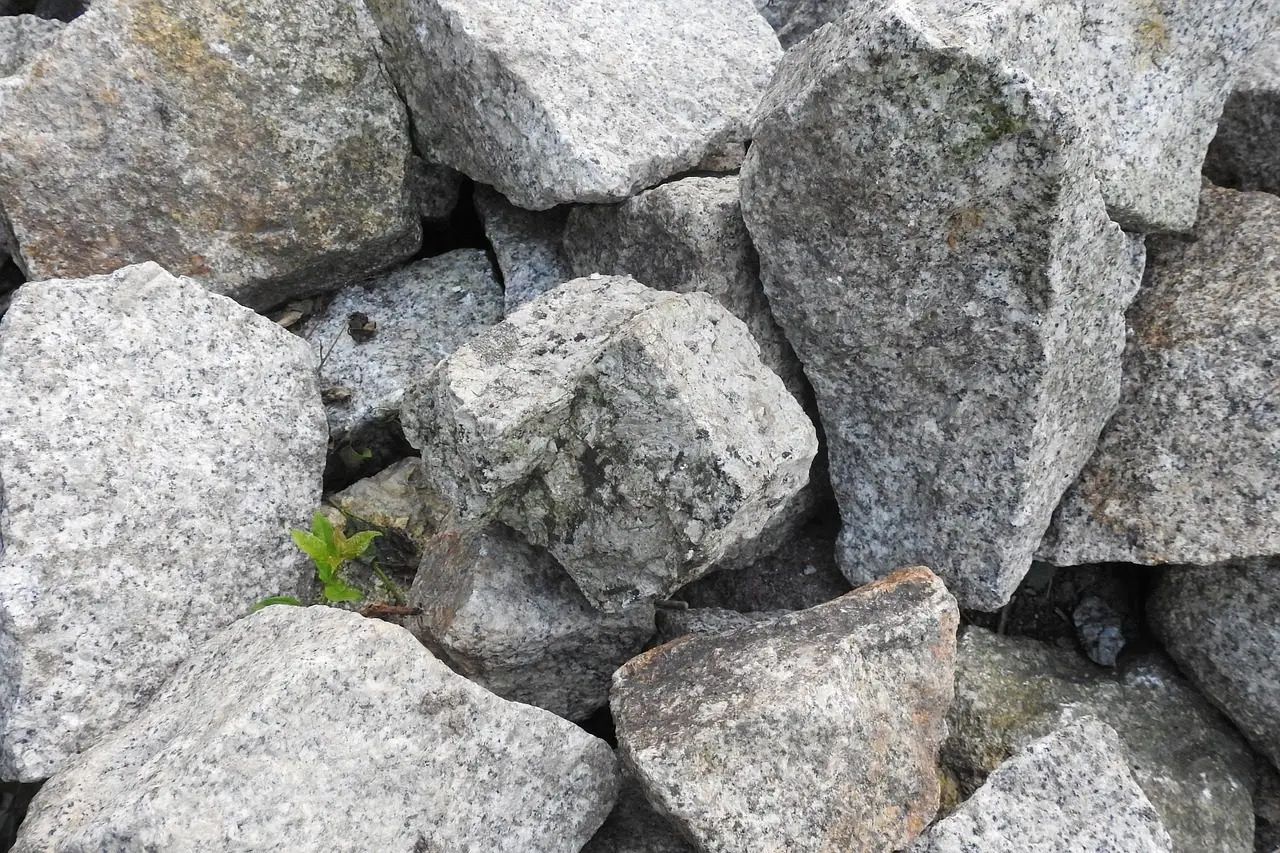
In addition to a pond, it’s important to create shelters where frogs, toads, newts and salamanders can stay cool and safe.
For toads, which aren’t very demanding, a simple upturned terracotta pot (but leaving an opening) can do the job very well. Otherwise, in general, a large pile of branches, a pile of dead leaves, a pile of logs, or a pile of stones, are much appreciated by amphibians. You can also build a cairn, which will be especially appreciated and holds moisture very well. To do this, dig a hole of about 1 square metre by 20 centimetres deep. Then fill it with sandy soil. Finally, build up the cairn, placing as many stones as possible on it, for an ideal height of 1 m to 1.5 m. Play with the size of the stones to create numerous hiding places of varying sizes, to the great delight of small and large toads, frogs, newts and salamanders alike! Build the cairn right next to your pond, and the general cacophony will be a testament to their joy!
Conclusion:
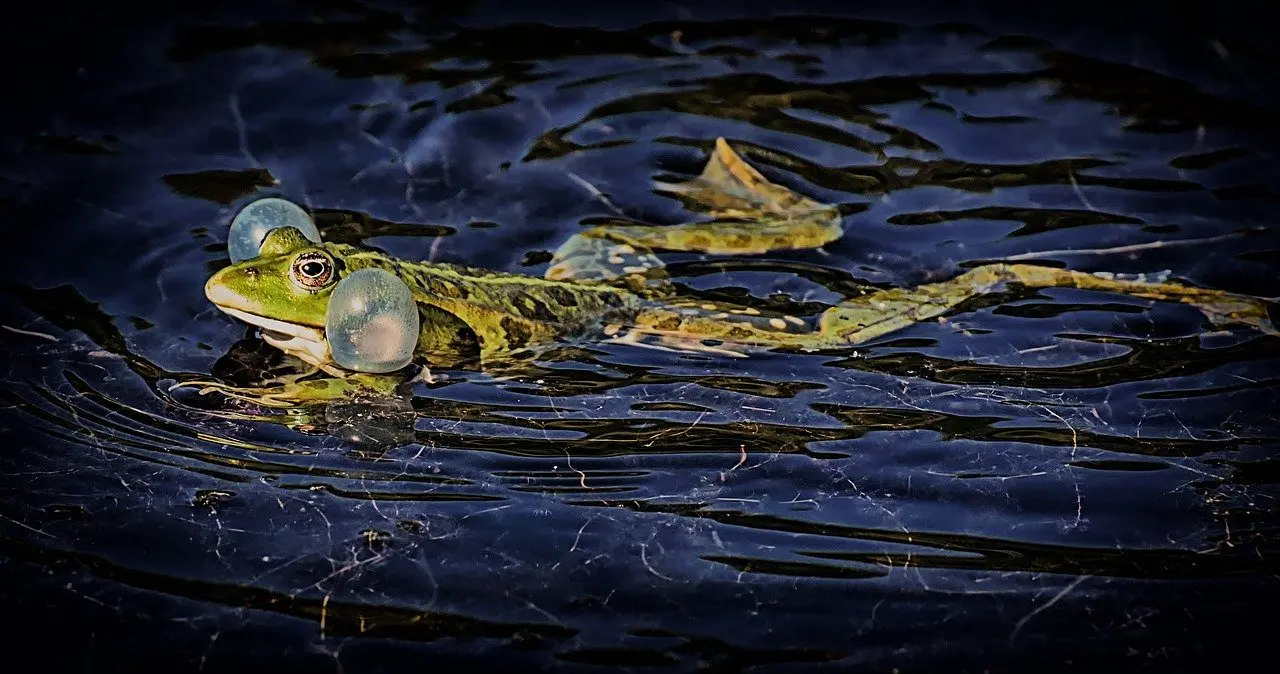
Amphibians, as you’ll have seen in the videos I’ve attached to the article, are good allies for managing slugs in the garden, as natural predators of the latter.
To welcome them there, you’ll need to make sure you remove every danger and set up appropriate spaces, which means creating a pond and creating safe, cool hiding places!
If you think that welcoming amphibians won’t be enough to keep your slug or snail problem in the garden under control, find on my site all the existing methods for responsibly managing gastropods in the vegetable patch, without forgetting to consider the essential role they play there!
The information in this article has been selected and verified according to the criteria defined in our editorial charter.
Related articles
Done with slugs. For good. Starting this season.
Scientific bibliography
- To go further: Molina, J. (1998). Typologie des mares de Roque-Haute. Ecologia Mediterranea, 24(2), 207-213.
Related articles