Ph nematodes as slug predators: a miracle solution?
Are ph nematodes the miracle solution for the permaculture gardener? Can they curb a lasting natural regulation of the slug problem in the vegetable garden?
In this article, I try to answer these questions, and others too. Then I finish by listing the various advantages and drawbacks tied to using nematodes to control slugs in the garden.
Before we begin, if it interests you, here is the article on all the predators of slugs.
What are ph nematodes as slug predators, and how do they help control slugs in the vegetable garden?
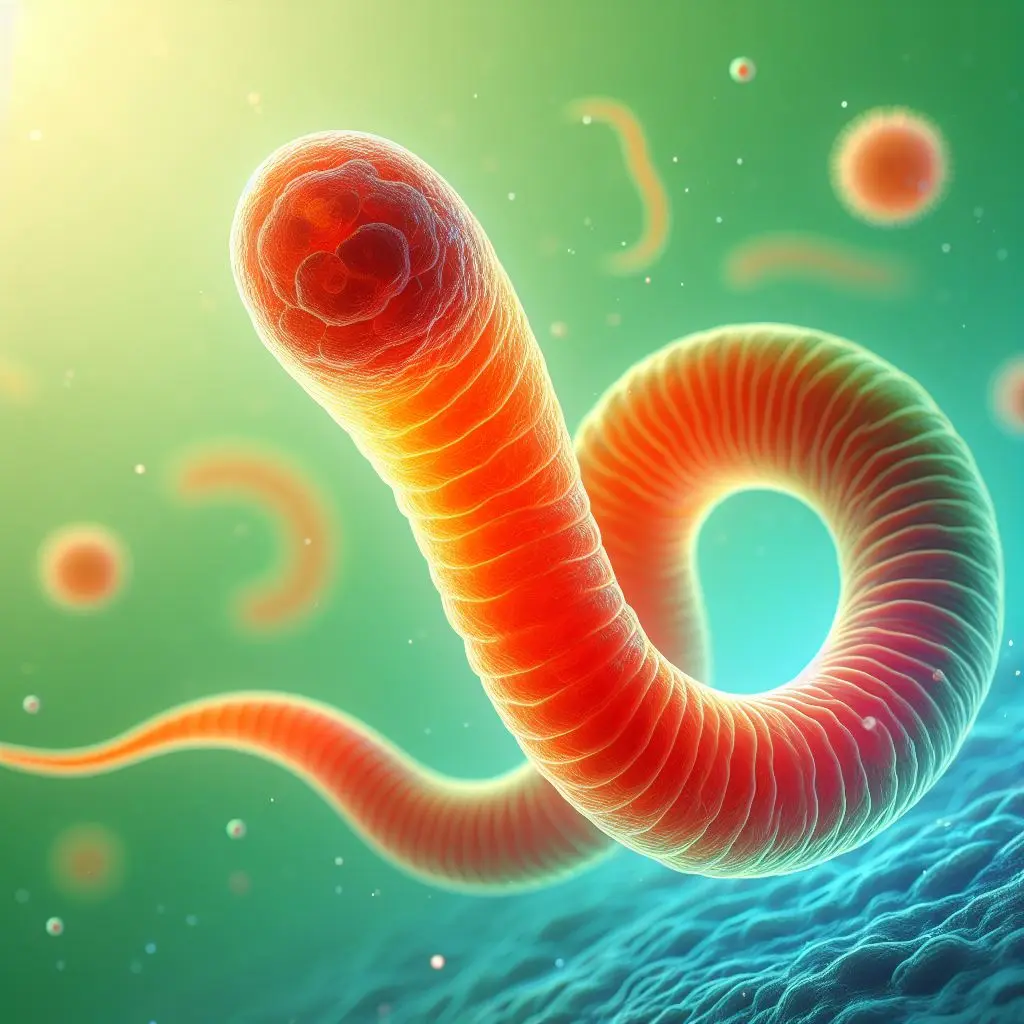
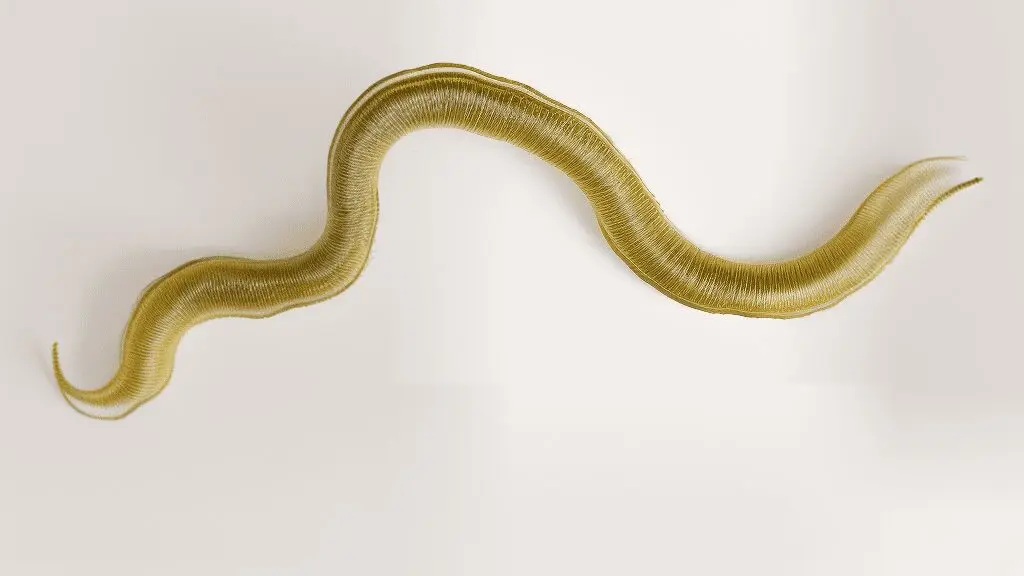
Nematodes, also called roundworms, are parasitic worms. In terms of numbers, they make up more than 80% of the planet’s animal kingdom, and are spread across more than 40,000 different species.
Certain species of ph nematodes have specialised as parasites of slugs. This is notably the case of Phasmarhabditis hermaphrodita (more simply called “ph”), which can only survive thanks to the presence of these gastropods.
This microscopic worm enters a slug through its breathing pore (pneumostome), then, once inside, the nematode releases symbiotic bacteria that decompose the slug from within. Under normal conditions, after around 3 days the slug stops feeding, and dies after 6 to 10 days. And it takes on average between 2 and 3 weeks to see significant effects on the slug population in the garden. Since ph nematodes live underground, only the slugs that have taken refuge there will be infested by the parasite.
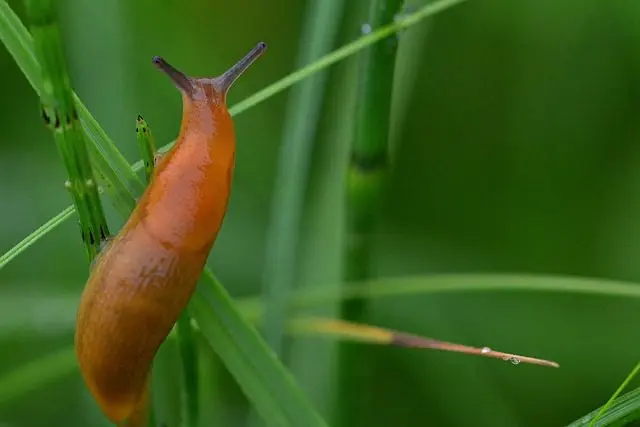
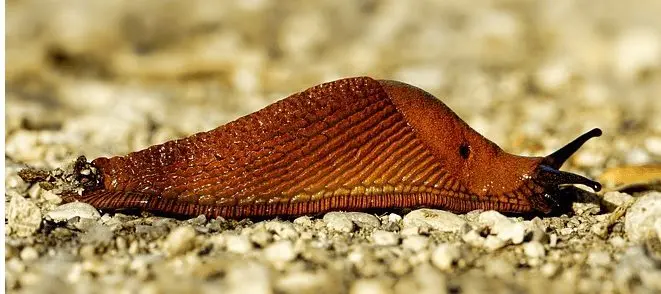
Slugs infested with ph nematodes can be recognised by the upper part of their body, which is more swollen than usual.
While the vast majority of slugs are vulnerable to ph nematodes, that is not the case for adult Spanish slugs (Arion vulgaris) (scientific source), but they also spare snails.
How do you use ph nematodes?
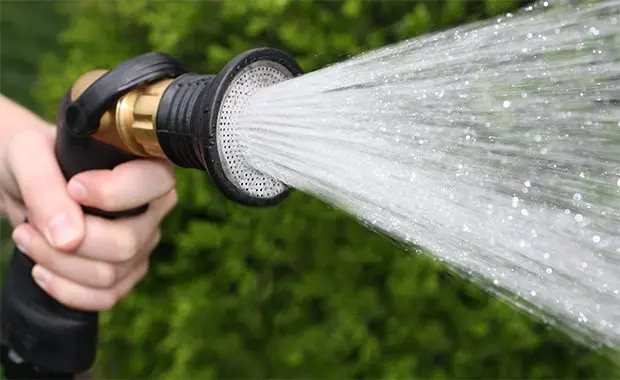
After storing them in the fridge (be careful, the shelf life is fairly short), dilute the powder (the nematodes) in a watering can (for the dilution volume, see the instructions on your packaging). Then water the area of your vegetable garden to be treated (ph nematodes need moisture to move around, and to take refuge inside the soil), having first wetted your soil beforehand. Make sure to treat only in the evening, because ph nematodes are very sensitive to sunlight (they live underground).
Do nematodes, regarded as a natural slug control, allow a lasting regulation of slug populations in the garden?
Ph nematodes, just like Indian runner ducks against slugs, are predators introduced into the environment, and are not naturally present in the quantities you would introduce into your vegetable garden if you treat slugs by this method.
The first thing that strikes me, personally, is that a further major change is being made to your garden system. Since your vegetable garden is already a modification of a natural ecosystem (most plants are not native, for example), this biological treatment can be regarded as the trigger of a new imbalance, one that often cannot be anticipated. And if the ph nematodes manage to adapt to the ecosystem in order to stay there (and perhaps even start attacking other prey), what are the potential risks? Otherwise, what might the impact on the ecosystem be if only the Spanish slugs survive?
And besides, if these parasitic worms kill all the slugs in your garden, isn’t there a risk that the natural predators of these gastropods will no longer find their food? In my opinion, that’s the risk… and the consequence is that it makes the lasting establishment of these natural predators much harder.
And, while ph nematodes are sometimes very effective at eradicating all the slugs in your vegetable garden, the effect is only temporary. As soon as these worms have no more slugs to sink their teeth into, they will die.
And, since this type of treatment curbs most of the long-term regulation mechanisms for slugs (the establishment of natural predators, for example), you will have to start over every year, rather than letting nature rebalance itself.
It’s also worth remembering that slugs play an essential role within an ecosystem, and that “eradication”, unlike “regulation”, deprives the garden of these benefits.
If you're discovering my blog, chances are slugs and snails are giving you grief.
You'd probably be very interested in the copper slug barrier I designed .
It changed everything for me. I can finally grow lettuce, cabbages, strawberries and squashes without tearing my hair out.
Don't hesitate — it's an investment (copper is expensive), but you'll likely save yourself a huge amount of time!
Advantages of using ph nematodes to control slugs

Ph nematodes are formidably effective at eradicating slugs
This method of control through living organisms is targeted, and in principle has no side effects on plants, other animals, or the health of your soil (apart from the indirect side effects following the disappearance of slugs from the garden system).
Ph nematodes have no effect on snails
Drawbacks of using ph nematodes in a permaculture vegetable garden

The price of ph nematodes is fairly high: around 45 euros for 100 square metres.
Their action is not effective on adult Spanish slugs (Arion vulgaris).
The solution is only a one-off, and you will need to treat again if slugs reappear.
Using these worms to eradicate slugs seems too recent to me for us to be certain they involve no side effects (in the short or longer term) for the environment.
This type of treatment curbs the natural long-term regulation of slugs in your garden, notably because their natural predators suddenly no longer find their food.
The mode of action of ph nematodes is fairly “grim”, and the slugs’ death is slow and probably painful. The science of living things cannot pronounce definitively on whether slugs (invertebrates in general) are -or are not- sentient beings (whether they can subjectively feel pain: phenomenal consciousness in the sense of Ned Block). As a precaution, out of respect, and given that introducing nematodes depends solely on our choice, I think this too is something to take into account.
Conclusion
At first glance, ph nematodes look like the miracle solution for the organic gardener besieged by slugs: their action is, indeed, formidable and biological.
But be careful, because introducing them into your vegetable garden is yet another modification within the system.
This modification, on top of having only very short-lived effects, curbs a natural long-term regulation of these slug populations, by preventing, for example, the natural predators from settling in lastingly in the garden.
The mode of action of ph nematodes, fairly grim, may also lead you to reconsider the situation, by looking again at the philosophical roots of permaculture.
Be aware that there are other ways to control slug populations in the garden, without hindering a long-term regulation of the problem:
Among what are known as “natural slug controls”, you can try putting slug barriers in place (see the main article in the “slugs” section), slug-repelling mulches, planting plants with a repellent power (see the “prevention through plants” section of my website), or attracting the predators of these gastropods (see below) …
The information in this article has been selected and verified according to the criteria defined in our editorial charter.
Related articles
Done with slugs. For good. Starting this season.
Scientific bibliography
- To go further: D.M. Glen, M.J. Wilson, P. Brain, G. Stroud,
Feeding Activity and Survival of Slugs, Deroceras reticulatum, Exposed to the Rhabditid Nematode, Phasmarhabditis hermaphrodita: A Model of Dose Response, Biological Control, Volume 17, Issue 1, 2000
Related articles