The hedgehog, a slug predator in the garden: should you feed it? How do you attract it to the garden?
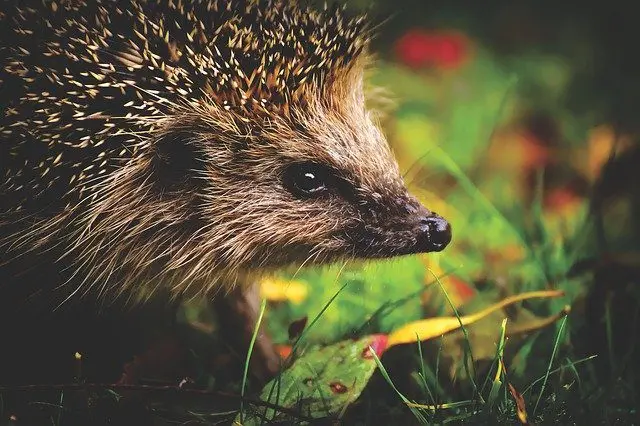
What role can the hedgehog play in keeping slugs in check? How do you attract it to the garden and look after it? Should you feed it? If so, what food should you give it? How do you keep fleas and ticks at bay?
In this article, I try to answer these questions!
If you're discovering my blog, chances are slugs and snails are giving you grief.
You'd probably be very interested in the copper slug barrier I designed .
It changed everything for me. I can finally grow lettuce, cabbages, strawberries and squashes without tearing my hair out.
Don't hesitate — it's an investment (copper is expensive), but you'll likely save yourself a huge amount of time!
Before we begin, if it interests you, here is the article on all the predators of slugs.
I. What role can you expect the hedgehog to play in managing slugs?
a. The hedgehog: what does it eat?
In Britain, the hedgehogs we come across are common hedgehogs (also known as European hedgehogs).
They are omnivorous:
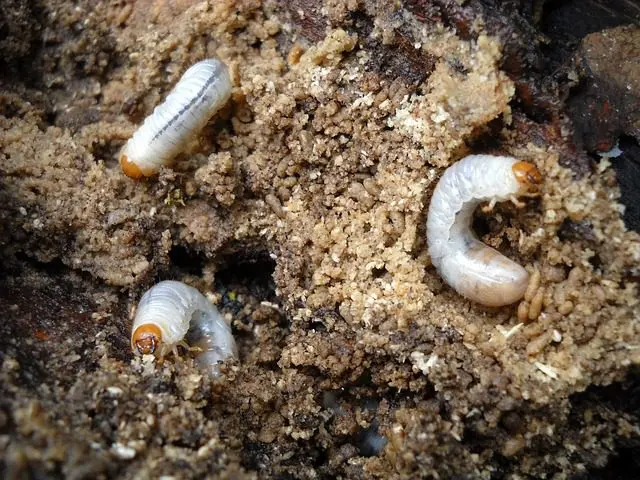
In fact, hedgehogs are above all insectivores: grubs, beetles, grasshoppers, earthworms, slugs, snails, woodlice, spiders… But mushrooms, well-ripened berries and fruit fallen to the ground, as well as fledglings fallen from the nest, or broken eggs, are also part of its diet.
b. Does the hedgehog really eat slugs?
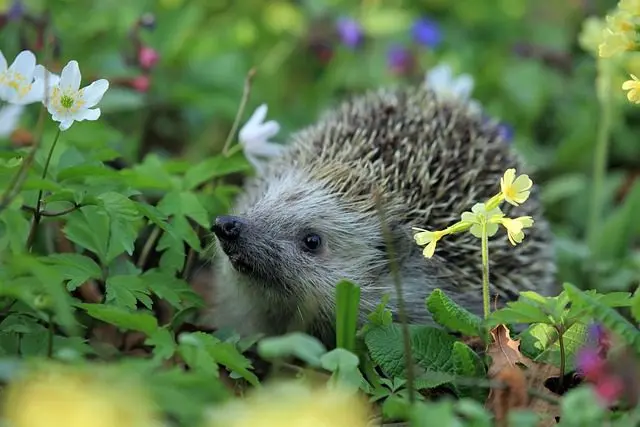
It is sometimes said that slugs are not their favourite meal… and that they much prefer worms, grubs and insects… In truth, let us say that this prey is faster and simpler to eat. But slugs remain a prized item in their diet for them, rich in protein.
Like a great chef, they prepare their dish with passion: they remove the mucus from the slugs, which would tend to make their digestion more difficult, by rubbing them along the ground with their forepaws before gulping them down (see the video below).
According to some sources, when fully grown, hedgehogs are reportedly able to eat up to 10 large slugs in a single night!
Owing to the variety of its menu, the hedgehog is what is known as a generalist helper. Likewise, because of this varied diet and its far slower breeding rate compared with that of slugs, it is a protective helper rather than a clean-up one (it keeps slug populations in check in their early stages and delays a possible explosion of that population).
Here you can see the value it can have for managing slugs in the garden. And its presence, combined with that of other predators (as well as with the health of other parameters of the garden system), is sometimes necessary for the long-term regulation of these slug populations.
II. How do you attract a hedgehog to your garden? Habitat and hibernation
a. For the hedgehog’s habitat and hibernation: laying out the garden naturally
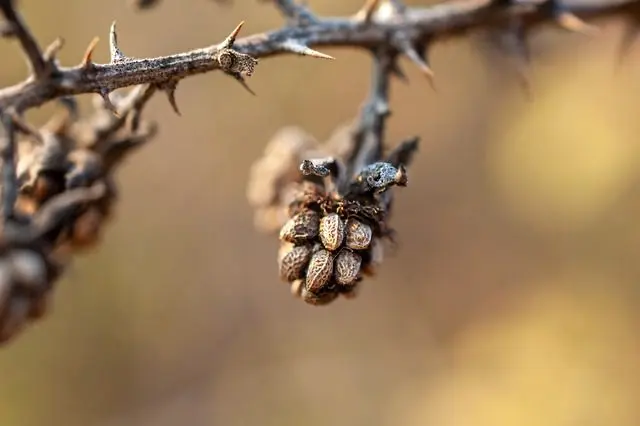
For a hedgehog to settle into the garden you are laying out, encourage the presence of dense hedges in which it can hide. If they are carpeted with dead leaves and dotted with thorny thickets (brambles), so much the better! A thorny hedge of this kind will be a very good alternative to built shelters. It will allow it to take refuge there to sleep, between spring and autumn, but it can also hibernate there during the winter. Because yes, the hedgehog hibernates! Put like that it may seem obvious, but many people wonder whether a hedgehog hibernates or simply overwinters?
To overwinter is simply to spend the winter sheltered from the cold, in a cave or the like, for example. Whereas animals that hibernate let themselves slip into a lasting state of hypothermia, slowing their metabolism, which therefore allows them to conserve their energy during those periods when food is very scarce!
(End of the hibernation aside)
Also leave strips of grass to grow wild (if possible right next to the hedges) in the garden: in particular, they attract many insects, of which it is fond! Dead wood laid on the ground, and carpets of leaves, are also a way of giving it easy access to grubs and worms.
The hedgehog’s territory is very large (3 to 10 hectares!), and it needs passages through gardens. To this end, you can create a succession of openings (such as holes in the fencing) within your boundaries. Shut inside a garden made “airtight”, there is a strong chance it will let itself die.
b. For the hedgehog’s habitat and hibernation: building or buying a shelter
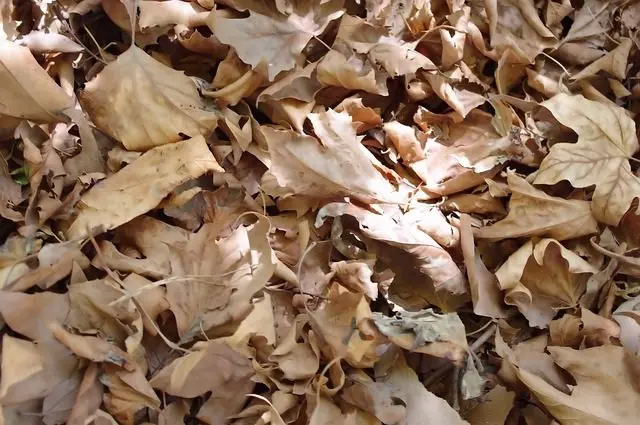
So that it can curl up for most of the day, or to allow it to hibernate so as to withstand the winter, you can also build it a shelter!
For this, you can first set up a large pile of logs or big stones in a corner of your garden.
Otherwise, you can also build or buy it a bespoke shelter. In the shops, this most often comes in the form of small wooden “houses”. But it is also possible to build this kind of shelter for it yourself, as shown in the photo below. Inside, place a thick carpet of dead leaves – which you will gather in autumn, for instance – which, as you will have understood, will be its delight!
III. How do you protect hedgehogs, which are in danger of dying out?
Sadly, hedgehogs are in danger of dying out…
For every 100 hedgehogs present thirty years ago, it is estimated that there are only 3 left today.
Their average life expectancy has fallen from 10 to 2 years.
Only about 4 in 1000 hedgehogs reach the age of 10, and 25% of them do not survive from one year to the next.
This is mostly due to the use of pesticides, harmful slug killers, and the loss of their habitat.
So how can you help them survive?
a. Those responsible for the gradual disappearance of hedgehogs: rule out any use of pesticides, slug pellets, and beer traps.
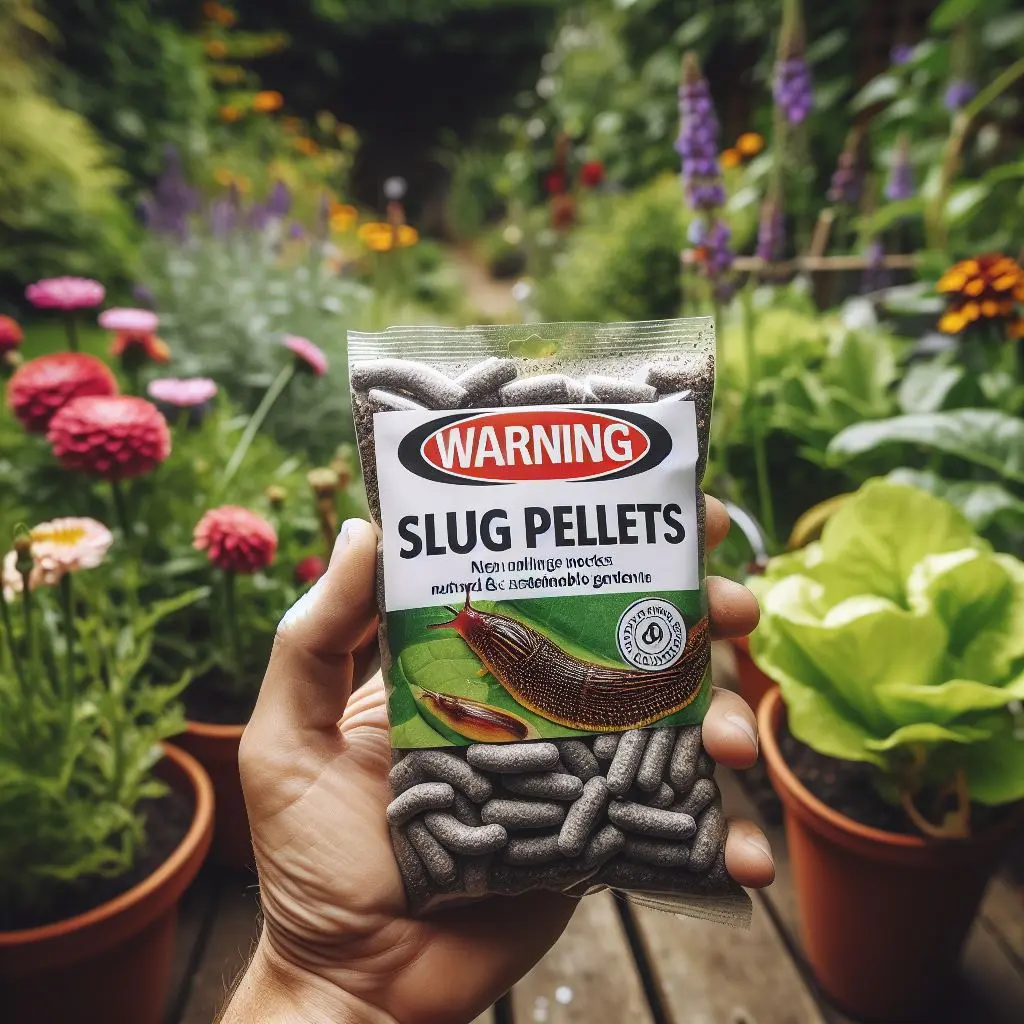
First of all, you must rule out any use of pesticides in the garden, but I think that goes without saying if you garden in keeping with the principles of permaculture. Indeed, hedgehogs poison themselves (fall ill, then die) by licking themselves after walking across areas treated with pesticides.
Next, you must rule out any use of slug pellets, which poison them indirectly (by eating the slugs). What is more, slug pellets are an obstacle to the lasting rebalancing of slug populations within your garden, and you must stop using them at all costs.
Finally, also stop using beer traps. When hedgehogs swallow slugs gorged on alcohol, they end up drunk in turn. This can have many consequences: first, this state no longer lets them roll into a ball to protect themselves against their predators (badger, eagle owl, fox). Then, this drunken state increases their chances of falling into a swimming pool, a pond, or a large puddle, where they could drown.
And besides, in any case, beer traps to fight slugs naturally are a misguided idea, and I have in fact written a dedicated article on this subject!
b. Those responsible for the gradual disappearance of hedgehogs: Prevent drownings

As you will have seen in the chart above, hedgehog deaths by drowning are common! There is something very simple you can do to avoid this: if you have a swimming pool or a pond with high sides (which they will not be able to climb), build them a little survival raft, onto which they can take refuge, so as not to drown once exhausted. You can also build them a small exit ramp!
c. The hedgehog and dogs

Be careful too if you have a dog… it can seriously injure any hedgehog it is too curious about. If you have a hedgehog that frequently comes to visit you in the garden, bring your dog up to it (keeping it on the lead) to explain that it must not touch it, and to watch its reactions. If you have a cat, on the other hand, you have nothing to worry about: it will do it no harm, and perhaps the two of them will soon be good friends 😉
IV. What food should you give a hedgehog? Should you really feed it?
As you can see in the chart above, on the causes of hedgehog mortality, on average 13% of hedgehogs die as a result of a lack of food. You can clearly see that it can be very useful to feed them!
Yes, but… not just any old way.
a. Food for hedgehogs: the importance of the times of year

From spring to autumn, it can prove very useful to feed hedgehogs from time to time! Be careful, though, this must not become too regular either, because they might risk no longer looking for their natural food on their own.
In autumn, if you spot a hedgehog that seems to you still small, take a moment to weigh it. If its weight is below 600 grams, you will need to contact a rescue organisation (a hedgehog sanctuary or a hedgehog rescue, for example) to take it in over the winter season, a period during which it could not survive while so fragile.
During the very end of autumn, and if the hedgehog seems robust and in good health, do not feed it. Indeed, the absence of food, along with the cold, are triggers for hibernation. Feeding it regularly during this period could cause a disturbance in this respect, which would probably prove fatal to it.
b. Food for hedgehogs: the crucial choice of foods
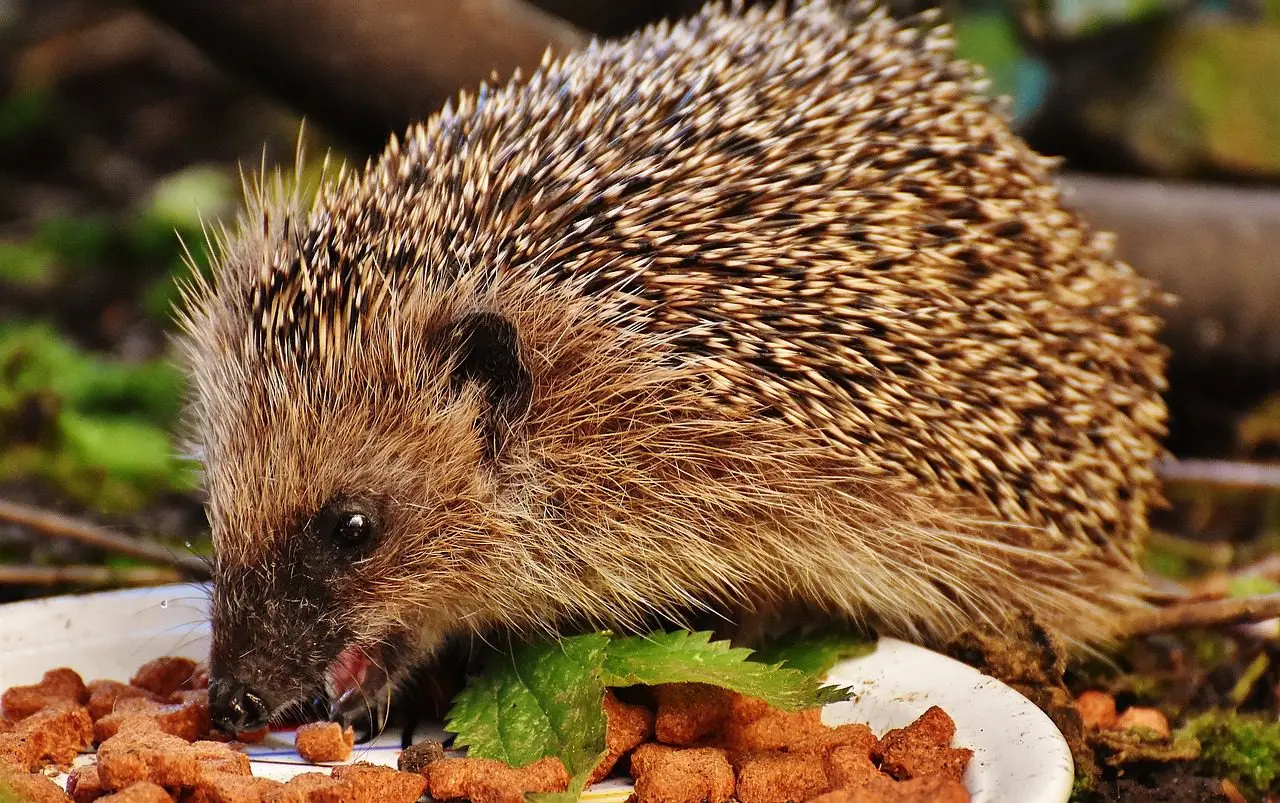
If you wish to help a hedgehog through a lean spell, the only foods you can give it are biscuits or wet food, meant for dogs or cats.
Nothing else! The other types of food you might find at home are either deadly for it, or to be given only occasionally, so it is best not to mention them at all!
And above all, never give them table scraps, milk, or bread. They will die!
As for the food to give a baby hedgehog, be careful, that is different, because it does not have the same diet, and I advise you to contact a hedgehog rescue as quickly as possible.
V. How do you protect hedgehogs from ticks?
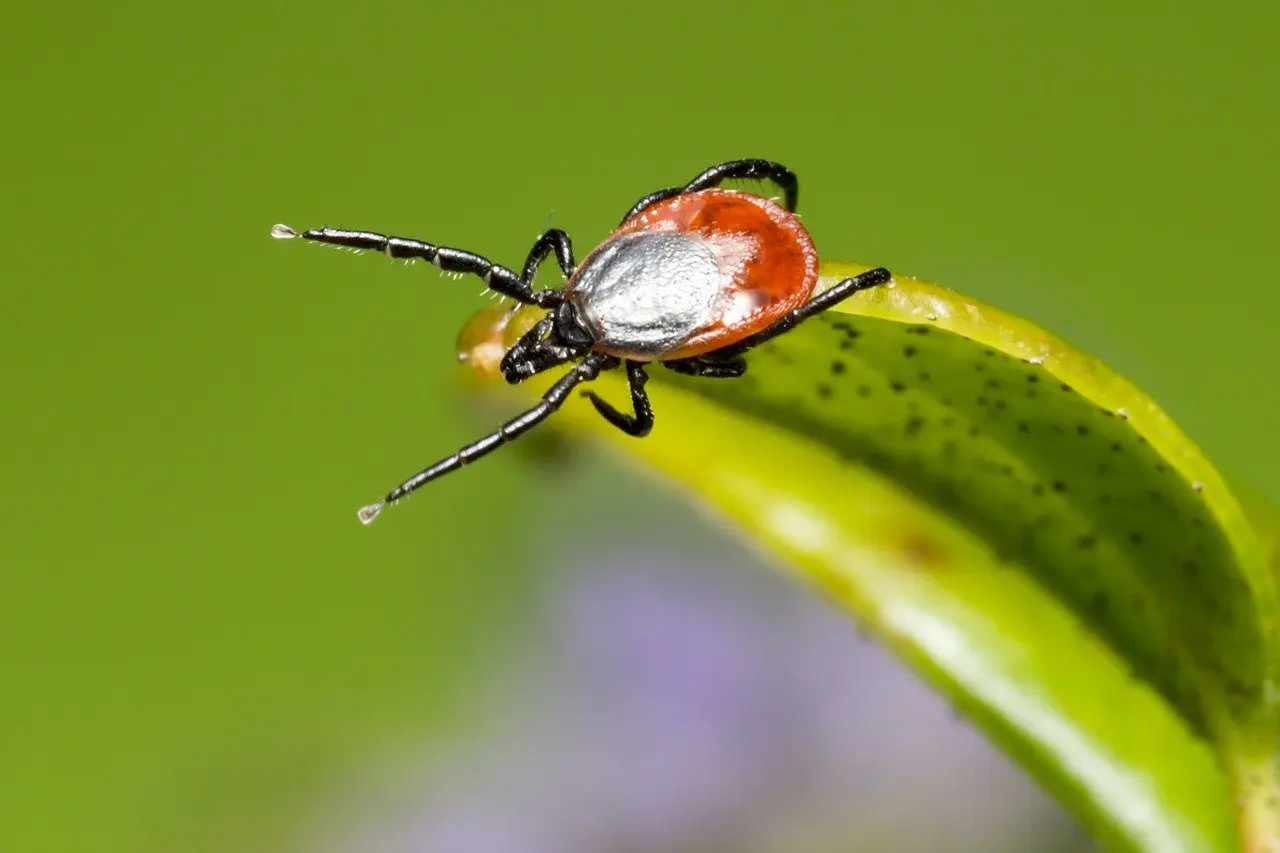
Hedgehogs are adorable little animals, very useful in the garden, but they can also be carriers of ticks…
Black cumin oil (also known as black seed oil) seems very effective at driving ticks away and stopping them from biting.
It is used by some gardeners as a dietary supplement (a teaspoon in the morning), which gives their skin a rather unpleasant smell to ticks.
For hedgehogs, you can place a few drops in its shelter, or mix 2 to 3 drops into its food. It is apparently very effective!
VI. Four curiosities to know about the hedgehog
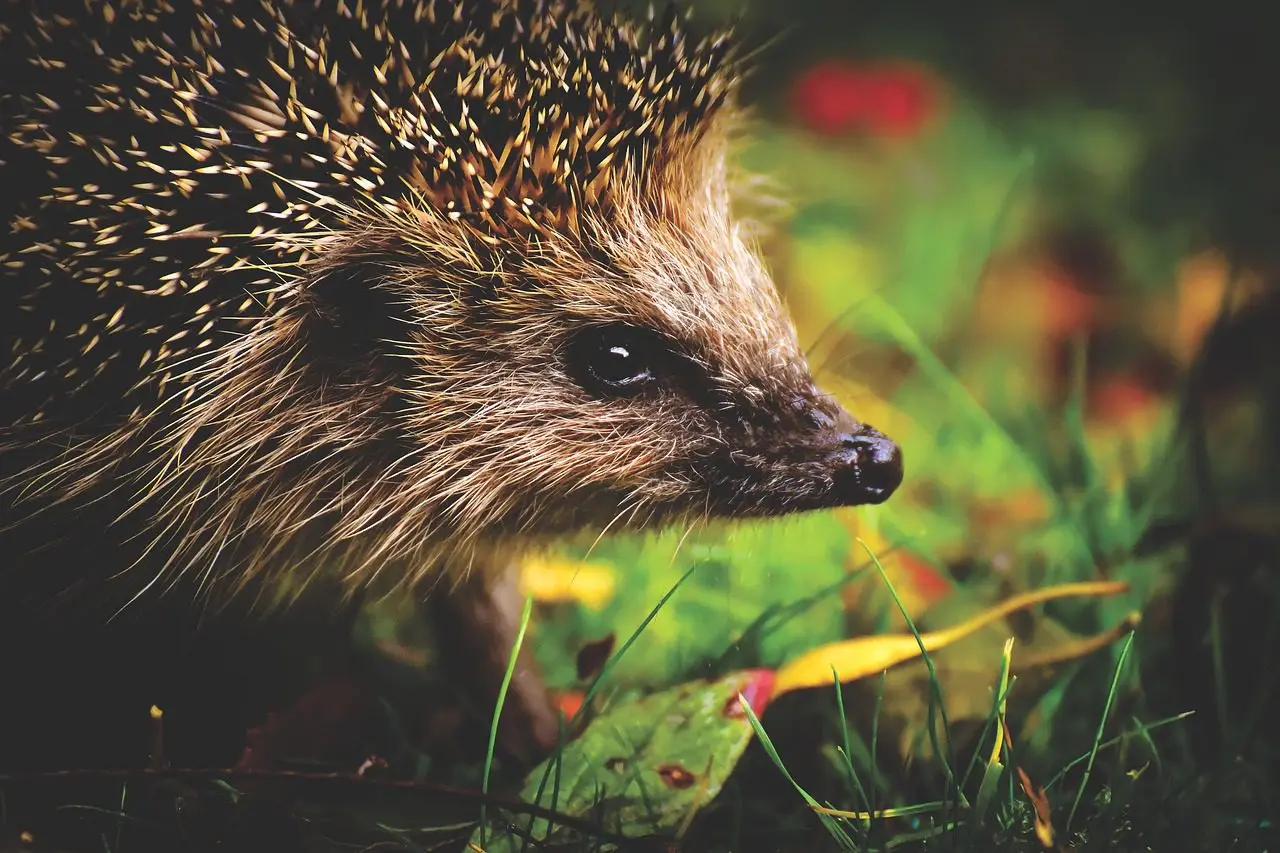
- An adult hedgehog generally has more than 5000 spines
- They have excellent hearing and a very good sense of smell, but rather poor eyesight
- They communicate with one another using a wide range of different sounds
- When a hedgehog identifies a new smell, it will literally “foam” (secrete a fairly large amount of foam), then spread the foam it produces over its spines. This phenomenon is called self-anointing.
VII. Other methods of managing slugs
If you are really overrun by slugs, and the hedgehogs have not yet arrived (or else their presence is not enough to contain the “invasion”), there are many other avenues you can follow to try to keep these gastropods in check.
You can set up natural slug barriers, slug-repelling mulches, by planting repellent plants nearby, or by attracting other predators of these gastropods, …
But slugs also have several other predators that you can try to attract: here is an article that helps you settle amphibians in the garden, or else an article that helps you attract ground beetles.
Conclusion
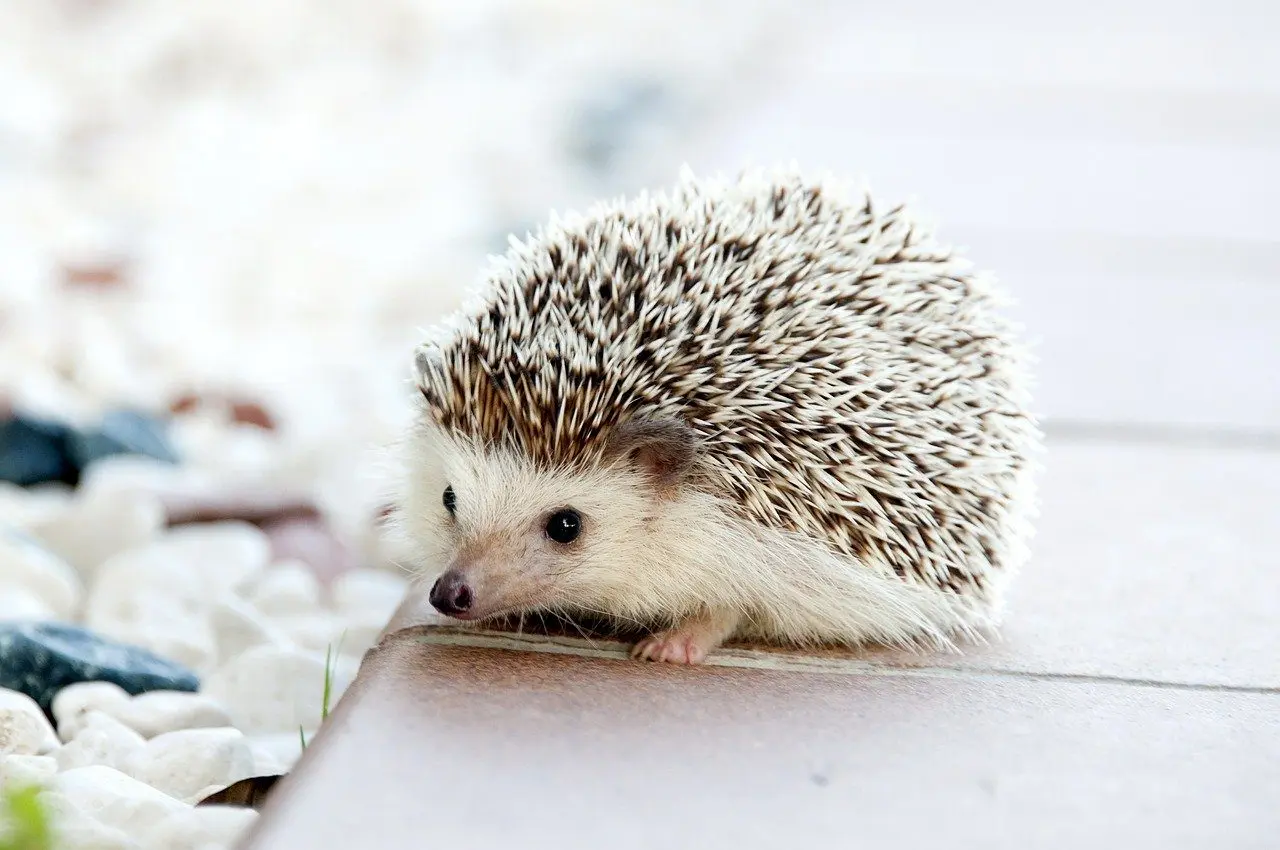
The hedgehog is a generalist, protective predator for gastropods. Its presence is one of the means that, combined, allow the long-term regulation of slug populations.
To encourage welcoming the hedgehog into the garden, you will have to lay the latter out more or less, build a shelter, learn the foods it needs, and protect it, as far as you can, from the dangers.
Thank you for taking the time to read 😊, I hope this article has interested you and taught you things you think useful. Do not hesitate to tell me what you think in the comments; I am open to anything you may wish to share with me, as it can only enrich this document. Send me your ideas, and I will gladly add to this article, so that it is as complete as possible.
Some references: https://fr.wikipedia.org/wiki/H%C3%A9risson
https://www.slughelp.com/attract-hedgehogs-locate-slugs-enemies-garden/
The information in this article has been selected and verified according to the criteria defined in our editorial charter.
Scientific bibliography
Done with slugs. For good. Starting this season.

Related articles
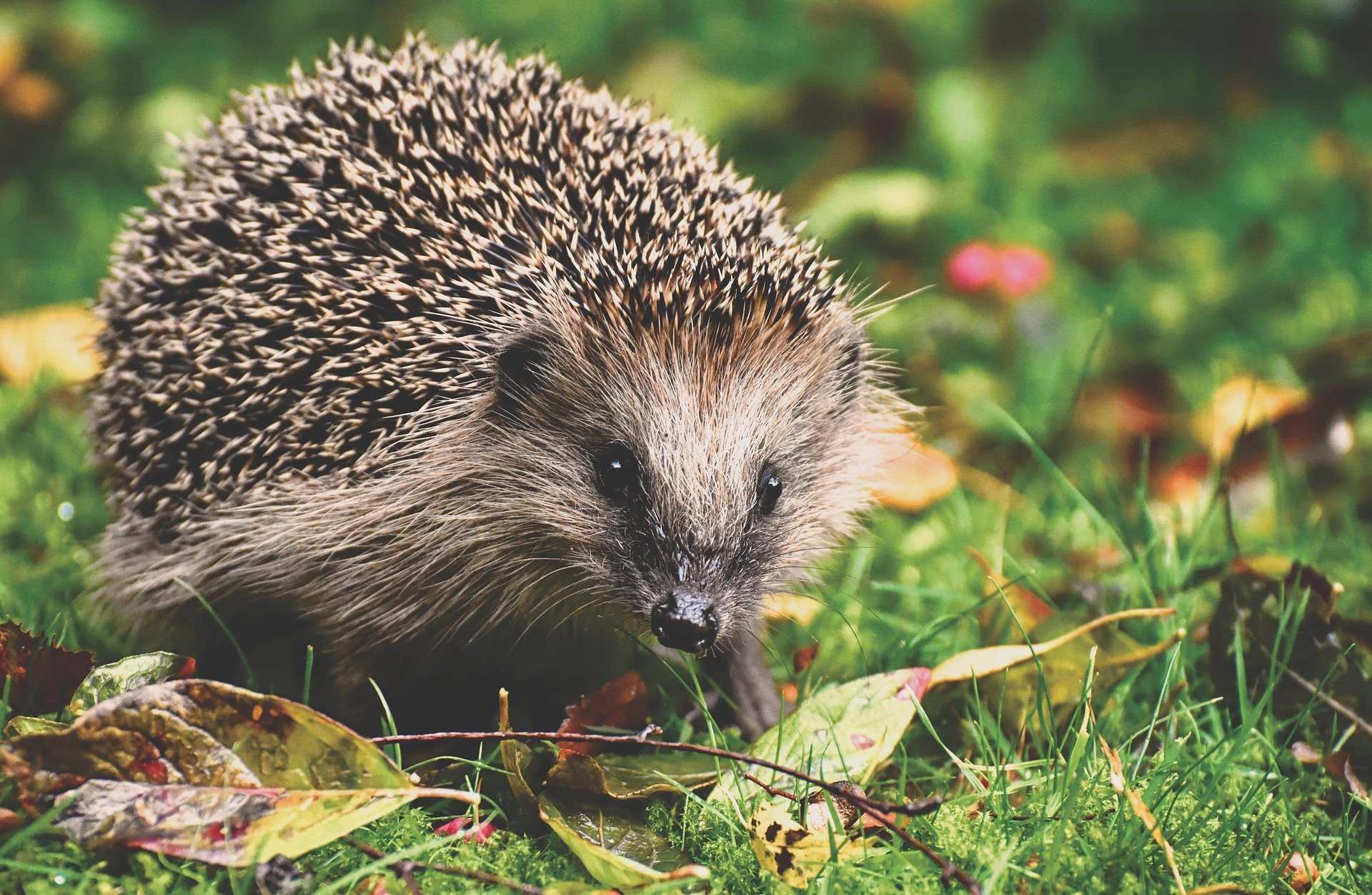
Slug predators: which are they? How to attract them to the garden?
Read
Indian Runner ducks against slugs and snails: good idea or bad idea?
Read
The leopard slug (toxic?): identification, diet, reproduction
Read
Ph nematodes as slug predators: a miracle solution?
Read
Ground beetles, predators of slugs: how to attract them to the garden?
Read
Attracting amphibians to the garden, these predators of slugs
Read