Tackling slugs: natural, effective solutions to protect your garden
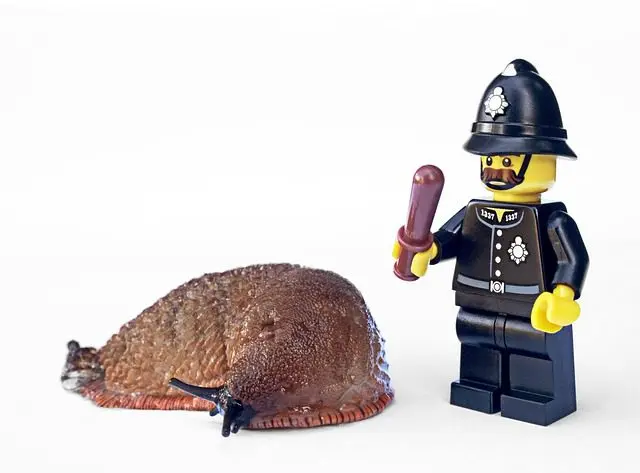
Every spring, the plants in your garden get devoured by slugs.
How do you tackle something that feels like an inevitability?
And, above all, how do you do it intelligently, with precise, effective actions that will let you put an end to this slug problem that hounds you year after year, once and for all?
That is exactly what we are going to look at in this article.
So if you want to be rid of slugs for good, I can only encourage you to read on 😉
Let’s get started!
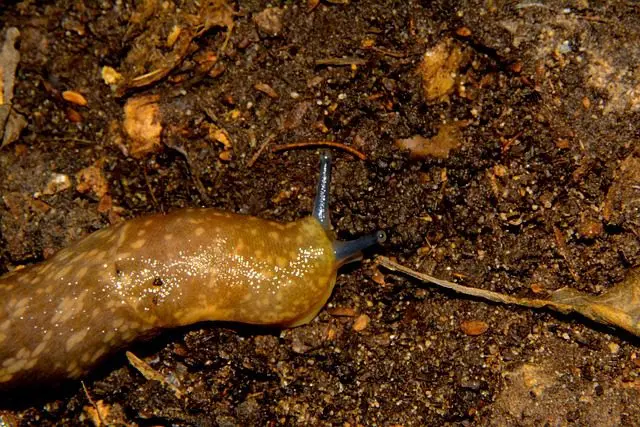
If you're discovering my blog, chances are slugs and snails are giving you grief.
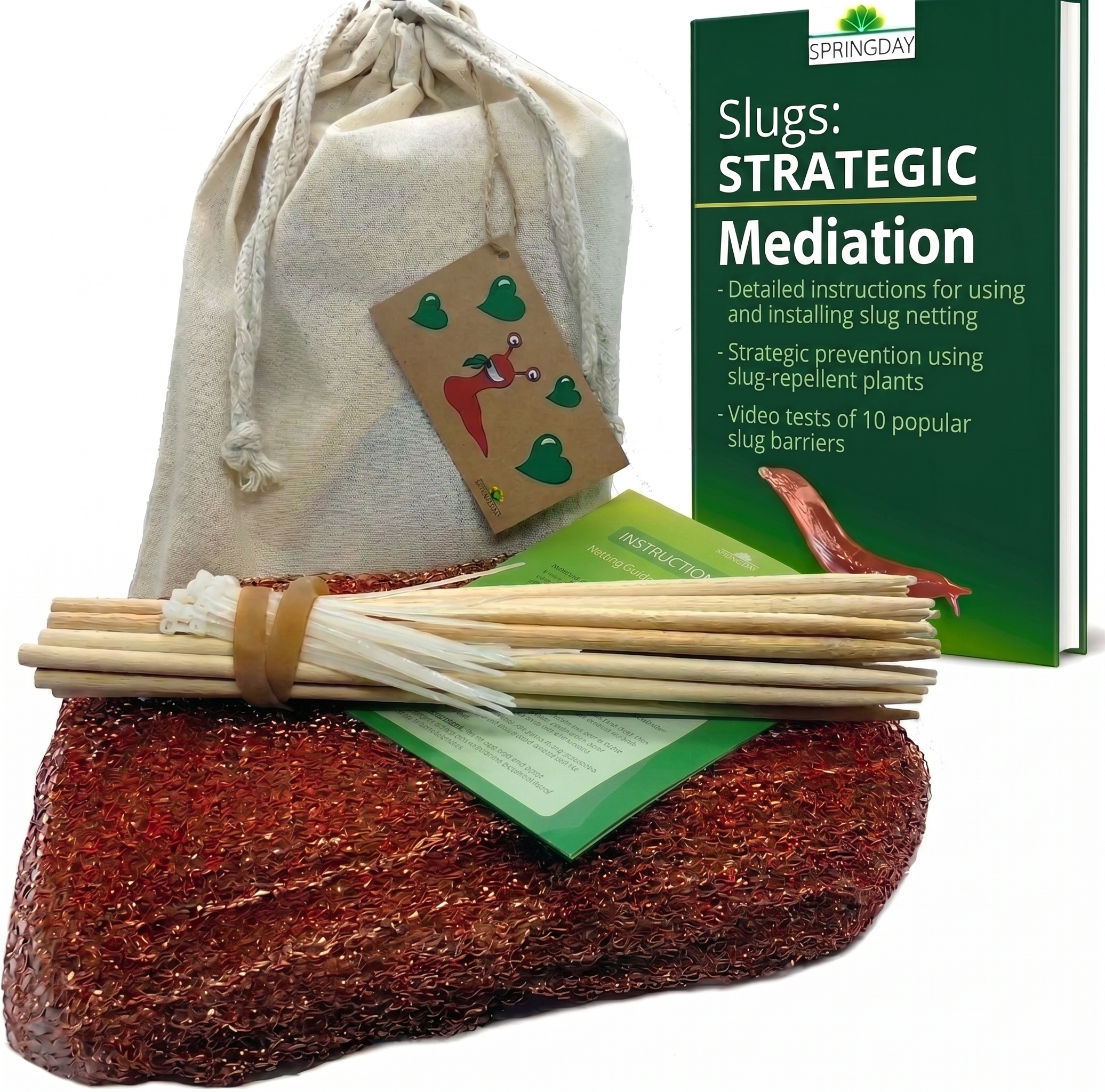
You'd probably be very interested in the copper slug barrier I designed .
It changed everything for me. I can finally grow lettuce, cabbages, strawberries and squashes without tearing my hair out.
Don't hesitate — it's an investment (copper is expensive), but you'll likely save yourself a huge amount of time!
Understanding slugs and how they live
A closer look at the slug
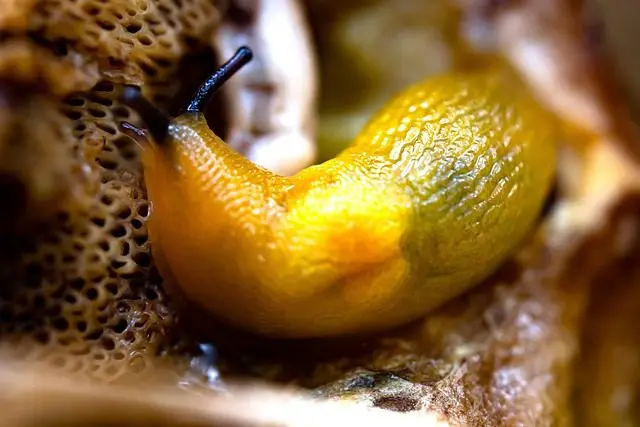
Slugs are gastropods, terrestrial molluscs with no visible shell (or, in some species, with a much reduced shell).
They move by crawling thanks to a muscular foot that secretes mucus to help them glide along.
Although they are similar to snails, their anatomy is simplified because they lack a protective shell.
They breathe through a small opening on the right-hand side of their body called the pneumostome.
The role of slugs in the ecosystem
In the ecosystem, slugs play an important role as decomposers. They feed on decaying organic matter, such as dead leaves, and so help to recycle nutrients back into the soil.
They also serve as food for various predators, such as birds, hedgehogs, amphibians and certain insects.
The most common types of slugs in gardens
There are several species of slug you may come across in gardens, including:
- Arion: this genus includes the red slug (Arion vulgaris, or Spanish slug), the orange slug (Arion rufus, which some people also call the red slug), one of the most common in Europe, the black slug (Arion ater), and the garden slug (Arion hortensis).
- Deroceras: this genus includes the grey field slug (Deroceras reticulatum), and the brown field slug (Deroceras agreste)
These two genera are the most common in European vegetable plots and gardens.
Why are slugs a problem in gardens?
The feeding habits of slugs
Slugs are mainly herbivorous and feed on young shoots, leaves and fruit.
They prefer tender plants, which makes crops such as lettuce, strawberries and other leafy vegetables prime targets.
They come out mostly at night or in damp weather, because they need a certain amount of moisture to move around and avoid drying out.
Spells of rain or frequent watering increase their activity.
The damage slugs cause to crops
Slugs can cause considerable damage in gardens and vegetable plots.
They devour leaves, sometimes leaving nothing but the veins, and they also attack fruit and vegetables.
Conditions that encourage slugs to proliferate
Slugs thrive in damp, mild environments. Here are a few conditions that encourage them to multiply:
- Moisture: slugs are drawn to damp environments. Poorly drained soils, frequent rain or heavy watering create ideal conditions for them to develop.
- Mild climate: a moderately warm, humid climate favours the reproduction and activity of slugs. They avoid very high or very low temperatures.
- Dense plant cover: dense vegetation, with shaded areas and an abundance of organic debris, creates shelter for slugs and retains moisture, increasing their presence.
So, while slugs play an essential ecological role, they can become a major nuisance for gardeners when they invade crops.
Preventing slugs from appearing
Lifting the mulch from the vegetable plot early in the season
Mulch is often used to retain soil moisture and limit the growth of weeds.
However, early in the season it can also create a damp shelter for slugs, encouraging them to proliferate right next to your crops.
Temporarily removing the mulch exposes the soil to light and air, which reduces the hiding places for these pests.
It also benefits plant growth, because lifting this insulating layer allows the soil to warm up more quickly as winter ends.
Using slug-repellent plants
There are four types of plant that are useful for limiting a slug invasion:
- Repellent plants: such as borage
- Decoy plants: plants that slugs love, such as mustard or cress, which act as a “sacrificial plant” and lure slugs away from the more vulnerable plants.
- Slug-resistant plants: hardier varieties of vegetable plants that better withstand attacks from gastropods.
- Plants that attract predators: plants such as clover or phacelia, which attract insects (rove beetles, ground beetles) that feed on slugs.
Here is my detailed article on slug-repellent plants.
Managing your watering
To limit slugs from proliferating, it is best to water the garden in the morning rather than the evening.
This allows the soil to dry out more quickly during the day, making the environment less hospitable to slugs, which prefer damp conditions.
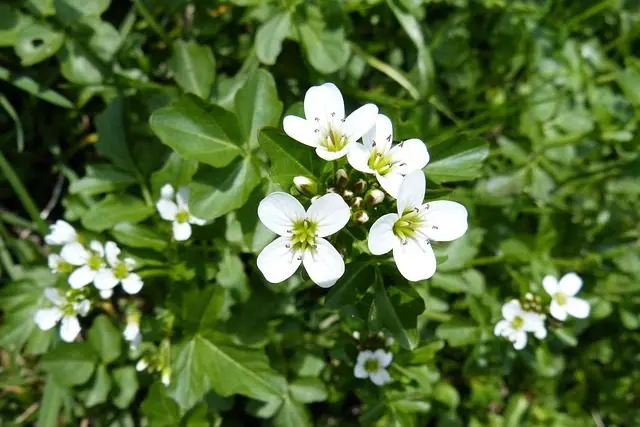
Cress is a slug-repellent plant with a decoy effect
The natural method for tackling slugs in the long term
To regulate the slug population in your garden for the long term, you can adopt an approach that respects the ecosystem. Rather than trying to wipe slugs out completely, the aim is to restore the natural balance by attracting their predators and protecting your crops in a targeted way.
1. Attract slug predators
Natural predators play a key role in keeping slug populations in check. By creating an environment that suits them, such as hedges, water features or shelters, you encourage the arrival of species such as hedgehogs, toads, insect-eating birds and certain beetles. Once established, these predators will gradually and sustainably reduce the presence of slugs, creating a natural balance in your garden.
2. Don’t kill slugs or move them out of the garden
To attract and keep predators, it is important to maintain a small slug population in the garden. Moving or killing slugs en masse can disrupt this food chain, delaying the arrival of their natural enemies. Maintaining this balance is a prerequisite for effective biological control.
3. Use effective slug barriers while you wait for predators to arrive
During the period when predators are not yet numerous enough, effective slug barriers let you protect your plants while giving the predators time to settle in and regulate the slugs naturally.
Be careful here, because most of the “slug barriers” shared on blogs as “miracle tips for tackling slugs” are not really effective over time. And sometimes they are completely useless.
So forget eggshells, coffee grounds, wood ash, and so on… You will only be wasting your time.
And if you doubt what I say on this, I can only invite you to watch the video tests of all these slug barriers, which I carried out here on my YouTube channel.
You will soon see it for yourself: the only two slug barriers that are effective enough over time are water (used in the form of moats, for example with buried guttering) and copper, when it is used as a vertical barrier more than about 7 cm tall.
In fact, I built a prototype of this copper barrier to protect my garden. And it proved so effective that I improved it further to sell it now, here: the copper mesh for slugs.
Do take a look, it has transformed my springs!
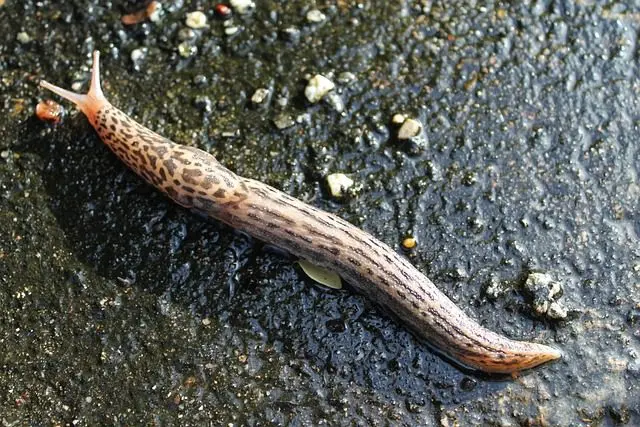
The leopard slug is a predator of slugs, because it really does eat other slugs!
Conclusion
To tackle slugs and get lasting results, you need to organise your efforts intelligently.
There are Slug control section of the website. But what I am sharing with you here is the most useful essence for achieving lasting results in the garden.
Without having to repeat the same actions every year while the situation keeps getting worse, year after year, relentlessly.
I have written close to a hundred articles on this blog about managing slugs in the garden. If you are looking for details on a particular topic, dig around in there, it is all in there 😉
I hope you have enjoyed this article and that it has given you new tools to garden freely and independently, while understanding what you are doing and why you are doing it.
See you soon,
Robin.
The information in this article has been selected and verified according to the criteria defined in our editorial charter.
Done with slugs. For good. Starting this season.
Scientific references
Related articles
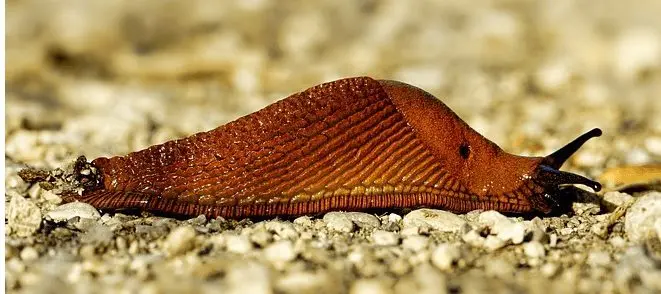
Testing and review of 30 natural slug deterrents (do they work?)
Read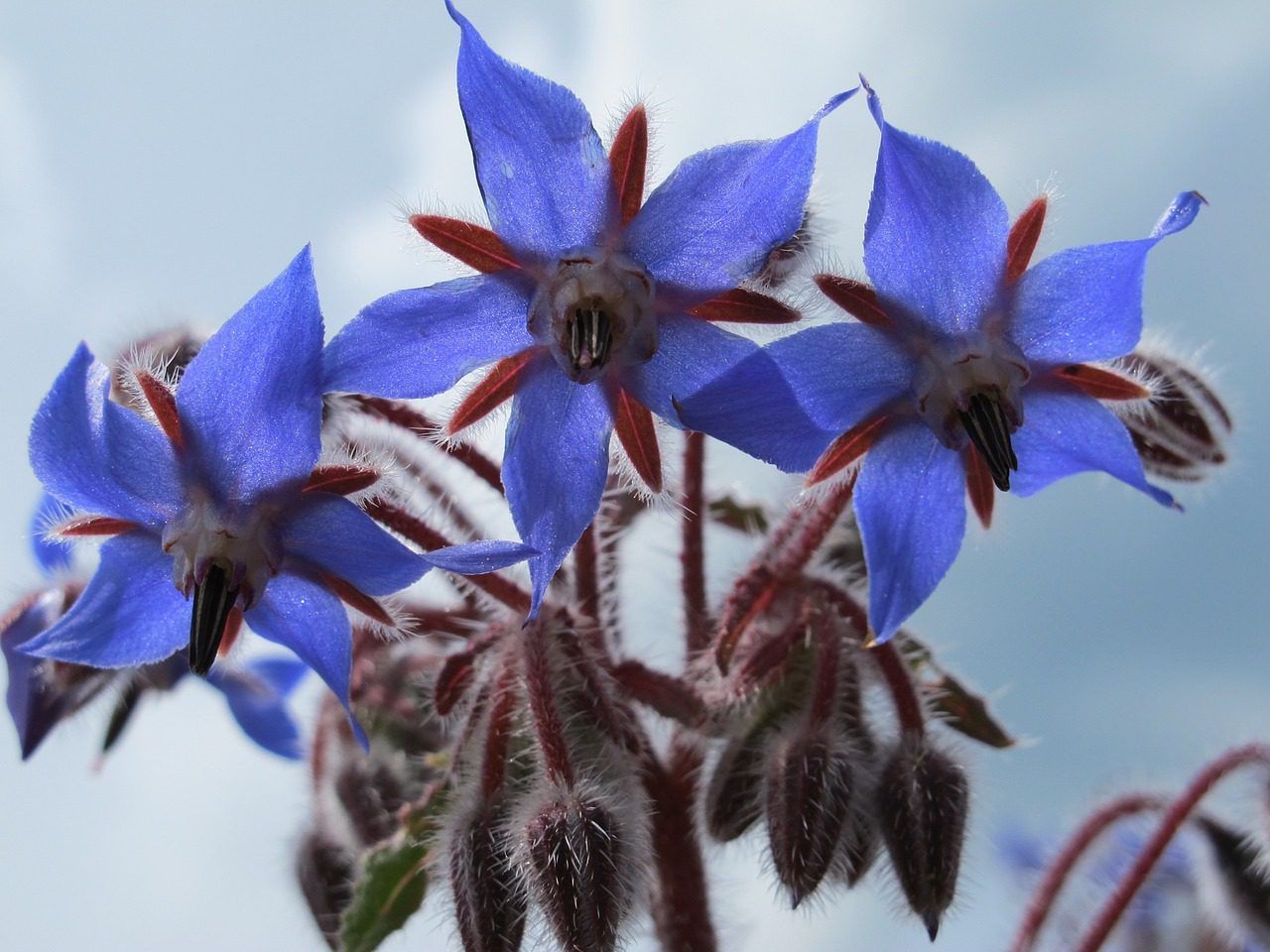
Slug-repellent plants, or prevention through planting
Read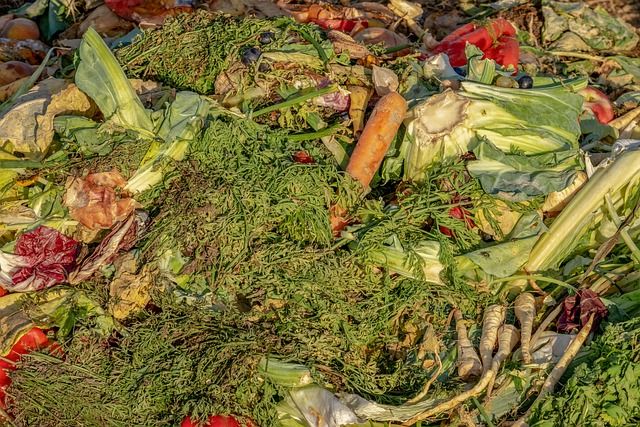
Surface composting: protect your vegetable patch from slugs, with love
Read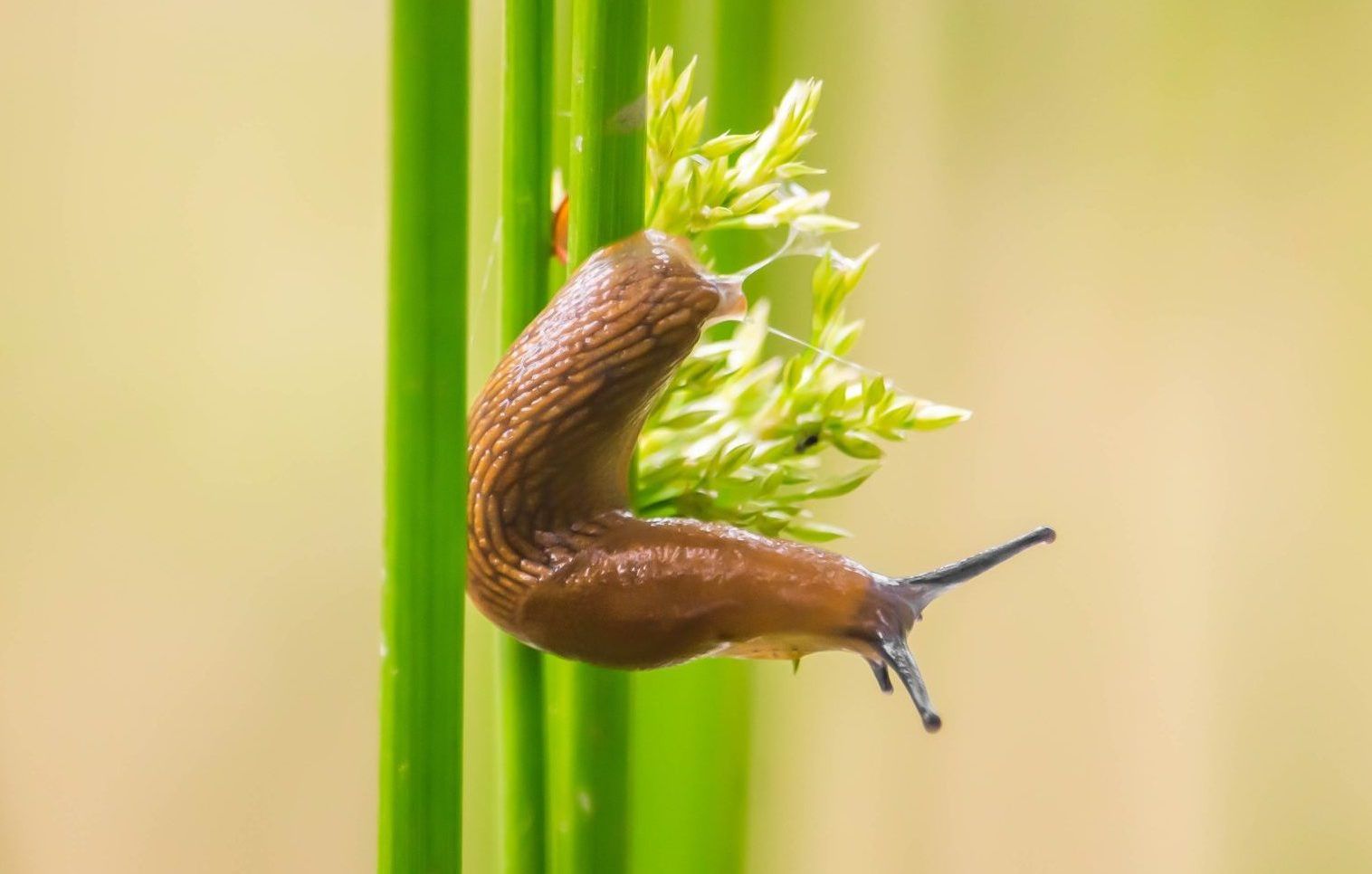
Slugs: their usefulness in the garden, what they indicate, and holistic management through reshaping the habitat
Read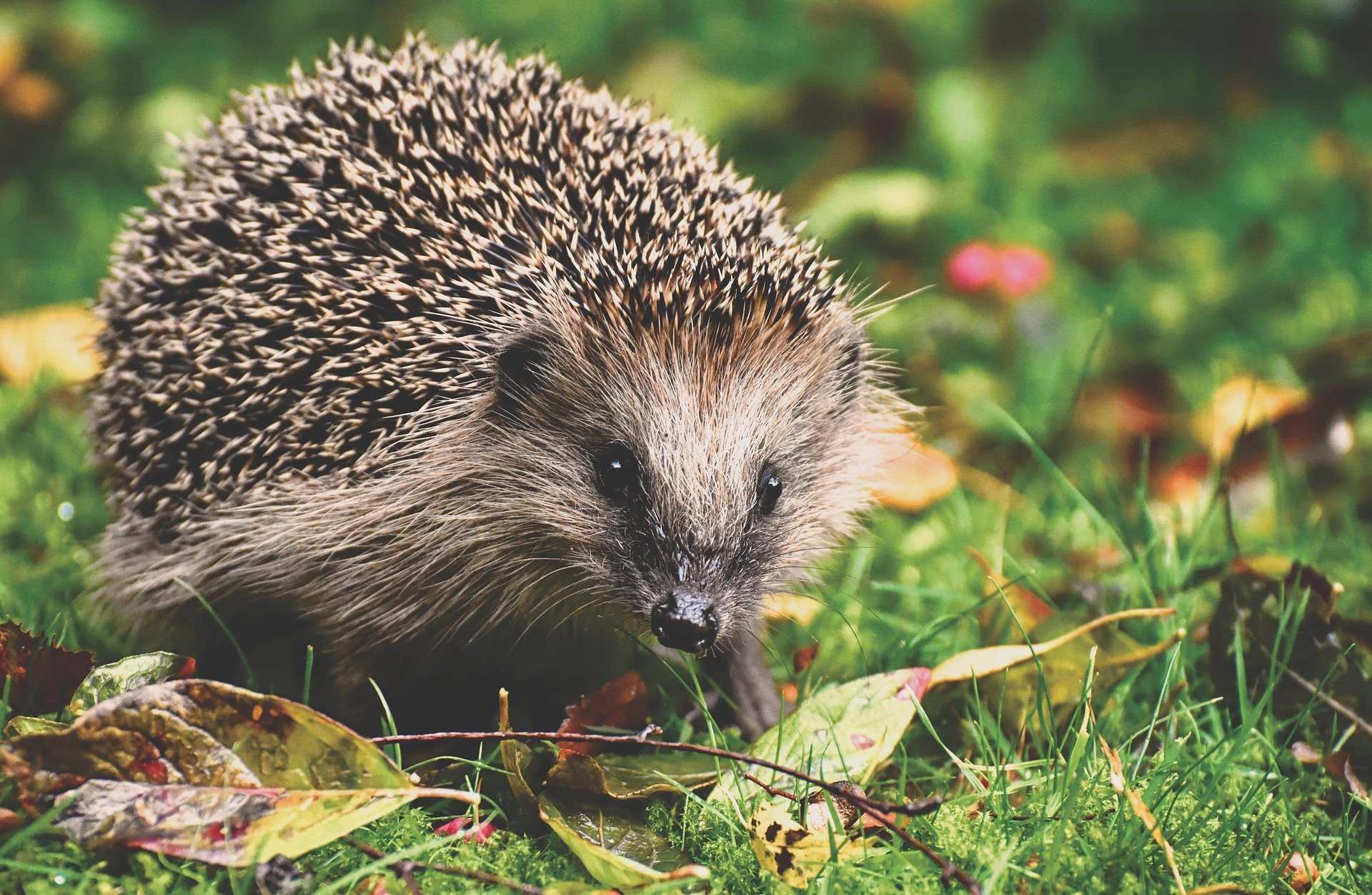
Slug predators: which are they? How to attract them to the garden?
Read
Slug control: the (harmful) methods to avoid – why and how?
Read