Red slug (Arion vulgaris): identification, life cycle, ecological impact and methods to protect gardens and crops.
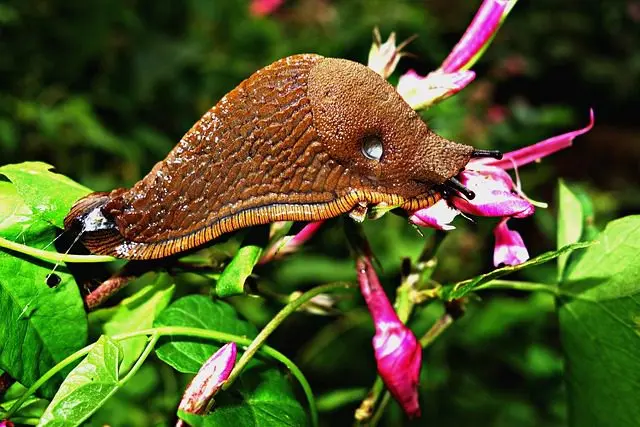
The red slug (Arion vulgaris), commonly known as the Spanish slug, is an invasive species that causes serious ecological and economic problems in France.
Native to the Iberian Peninsula, this slug has spread across the whole of Europe, damaging agricultural crops and disrupting local ecosystems.
French gardeners and farmers are increasingly concerned about its devastating impact.
In this article, we will first try to understand the red slug.
We will begin by describing it so that everyone can identify it.
We will then look at which regions of France the red slug is mainly found in.
We will discuss its behaviour, its diet and its life cycle.
We will answer the frequently asked question of whether it is toxic to humans or pets.
Finally, we will see what every gardener can do, at their own level, to protect their plants from Spanish slugs and gradually and lastingly reduce their numbers.
If that sounds like a plan, let’s get started!
If you're discovering my blog, chances are slugs and snails are giving you grief.
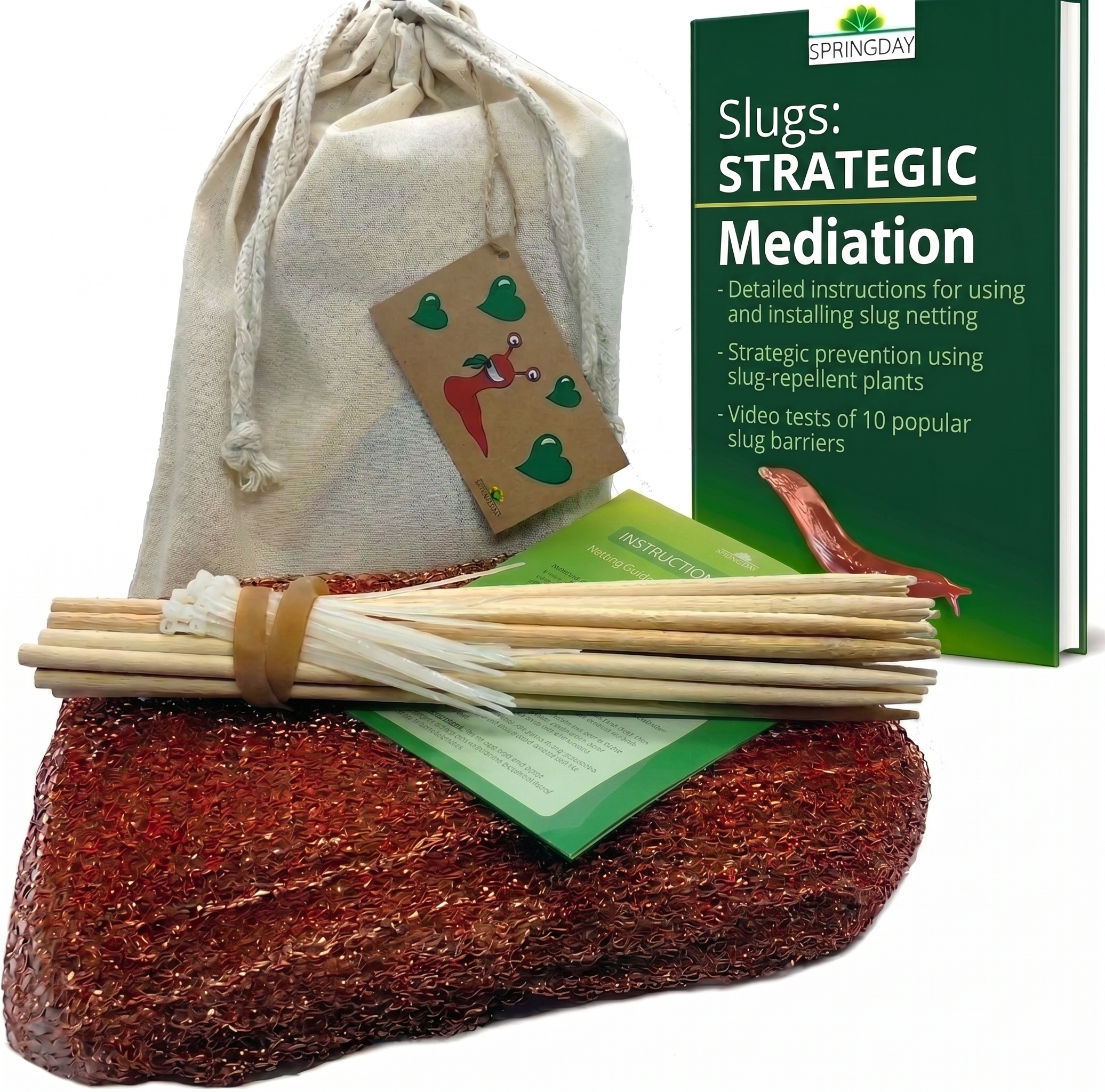
You'd probably be very interested in the copper slug barrier I designed .
It changed everything for me. I can finally grow lettuce, cabbages, strawberries and squashes without tearing my hair out.
Don't hesitate — it's an investment (copper is expensive), but you'll likely save yourself a huge amount of time!
Description and identification of the red slug (Arion vulgaris)
Physical characteristics of the red slug (Arion vulgaris)
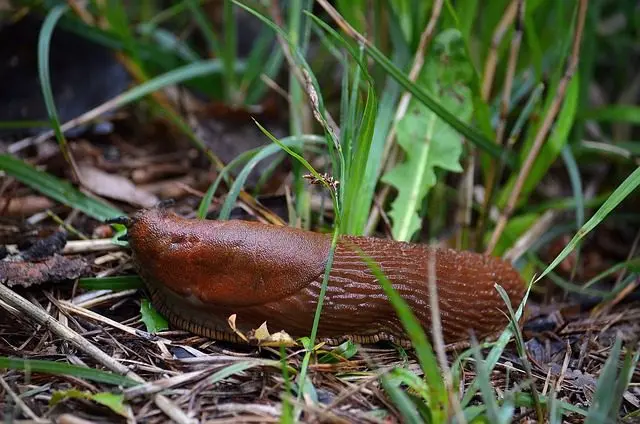
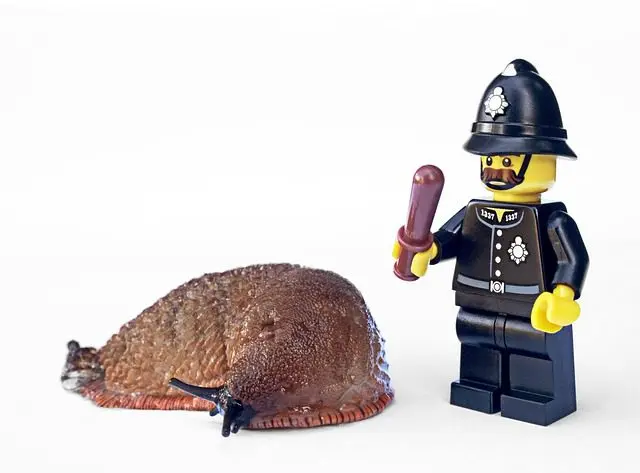
The size of the red slug generally ranges between 7 and 15 cm when fully grown, making it one of the largest slug species.
The colour of its body can vary between red, reddish-brown and sometimes even darker shades such as brown or black, depending on the environment and the age of the individual.
Unlike some other mollusc species, the red slug has no shell, a feature common to all slugs.
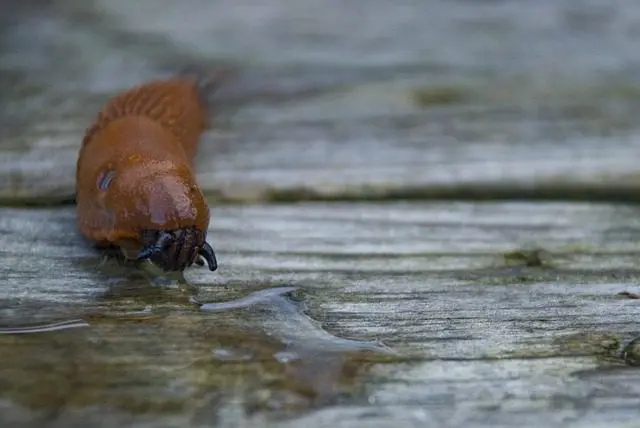
It is also distinguished by its abundant mucus, which can sometimes be orange or yellowish. This mucus is secreted to protect the slug from predators and to make it easier for it to move about.
Differences from other red slugs: comparing Arion vulgaris and Arion rufus
There is frequent confusion between Arion vulgaris (often called the red slug) and Arion rufus (often called the orange slug), another slug species that has a far more “neon orange” appearance than the Spanish slug. Although these two species look very similar, certain differences make it possible to tell them apart:
- Size: Arion rufus can reach sizes similar to Arion vulgaris, but generally stays a little stockier.
- Colour: Arion vulgaris has a more varied colour palette, ranging from light brown to black (less “orange” and more in the “browns”, even though it is commonly called the “red slug”), whereas Arion rufus is more uniformly orange (a much sharper orange, even “neon”).
- Behaviour: The Spanish slug (Arion vulgaris) is known for its very voracious behaviour, causing serious damage in gardens and crops, whereas Arion rufus is less invasive.
- Habitat: Arion rufus is rather native to Western Europe, whereas Arion vulgaris, introduced more recently, is often regarded as an invasive species.
If you are looking to identify the Spanish slug, these few characteristics can help you tell it apart from its relatives.
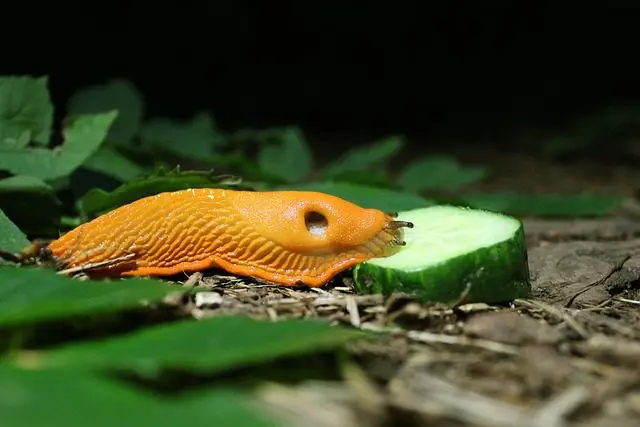
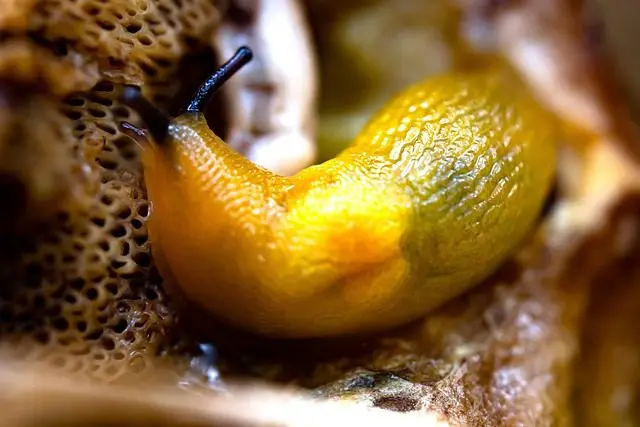
Above, arion rufus, a very bright orange.
Above, arion vulgaris, with a far browner appearance, even though it is often called the “red slug”.
Red slug: in which region of France?
Geographical distribution of the red slug in France
The red slug (Arion vulgaris) is today found in almost every region of France.
This invasive species, which has spread rapidly since it was introduced, adapts easily to different climatic conditions.
However, it is particularly abundant in certain regions, where the moisture and temperature conditions are very favourable to it.
Regions most affected by the Spanish slug
In France, several regions are particularly affected by the red slug, especially those that combine moisture and a temperate climate. Here are the worst-hit areas:
-
Brittany: This region is one of the most severely affected by the red slug, owing to its oceanic climate and constant humidity. The conditions are ideal for this invasive species to proliferate.
-
Normandy: Normandy also sees a strong presence of red slugs, notably because of its regular rainfall and temperate climate. The conditions there are similar to those in Brittany, encouraging the Spanish slug to multiply.
-
Pays de la Loire: An agricultural region par excellence, the Pays de la Loire suffers heavy losses because of slug proliferation. The cultivated areas provide an ideal habitat for this voracious species, particularly in damp soils.
-
South-West: Initially introduced into this region, the red slug spread rapidly there. With the expansion of farmland and rising temperatures, the South-West remains one of the most affected regions, although its spread northwards is ongoing.
Expansion of the Spanish slug in France
The expansion of the Spanish slug has been rapid and worrying since its introduction into France, particularly in the south-west.
Thanks to its adaptability, this species has advanced into other regions and now extends as far as the north of the country.
Rising temperatures and the expansion of farmland have fuelled this invasion.
Agricultural regions, with their damp soils rich in organic matter, are prime targets for this species, creating a real challenge for farmers.
Behaviour and diet of the red slug (Arion vulgaris)
Diet of the red slug
The red slug or Spanish slug (Arion vulgaris) is a voracious organism that eats a wide variety of foods. Its diet mainly includes:
- Plants: The red slug feeds on many plant species, particularly tender, young leaves. It is especially destructive to young seedlings raised from sowing.
- Vegetables: In vegetable gardens, it causes considerable damage by attacking vegetables such as lettuces, cabbages, carrots and courgettes.
- Fruit: It also has no qualms about eating fruit in contact with the ground, notably strawberries and apples.
- Decaying matter: As well as living plants, the Spanish slug feeds on decaying plant matter, playing a part in recycling organic matter.
A preference for human crops
The dietary preference of the red slug is particularly geared towards human crops, which explains its major impact on agriculture and vegetable gardens.
It causes serious damage in vegetable gardens and market gardens, making this species difficult for gardeners and farmers to manage.
Young plants are especially vulnerable to the slug’s attacks, and it can lay waste to entire plots in a matter of hours. The crops affected include:
- Leafy vegetables: Lettuce and spinach are often devoured overnight.
- Root crops: Carrots, potatoes and beetroot are also heavily affected.
These damages caused by the Spanish slug can lead to significant economic losses, particularly in regions with high agricultural output.
Ecological impact of the red slug
In addition to its agricultural impact, the red slug plays a negative role for local biodiversity.
As an invasive species, it enters into direct competition with native slugs.
This competition is mainly for food resources, but also for living space. The rapid proliferation of the Spanish slug often leads to an imbalance in ecosystems, as it gains the upper hand over local species, thereby reducing their numbers and disrupting food chains.
Life cycle of the red slug
Average lifespan of the red slug
The lifespan of the red slug is relatively short.
On average, an individual lives between 9 and 12 months, although this can vary depending on environmental conditions.
Temperature, moisture and food availability play a decisive role in the longevity of slugs.
Their life cycle is marked by several key phases: birth, sexual maturity, reproduction and death.
Hermaphroditic reproduction and mating
The red slug is a hermaphroditic species, which means that each individual has both male and female reproductive organs.
This gives it great flexibility in choosing a partner, because during mating, two individuals exchange their sperm reciprocally.
This process takes place mainly at night, in damp environments.
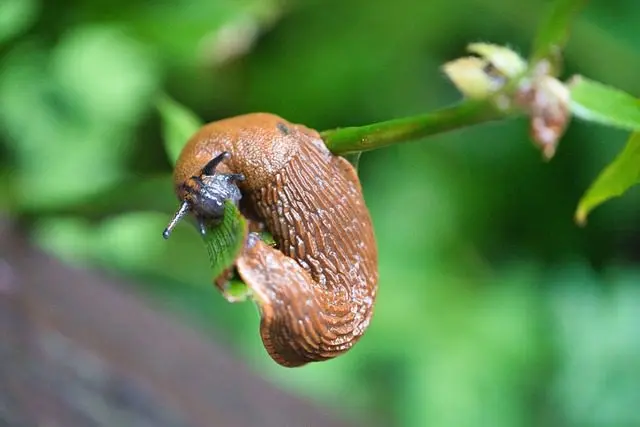
The reproduction cycle begins when two slugs meet, coil around each other and exchange their genetic material.
This hermaphroditic ability speeds up reproduction, contributing to the species’ rapid proliferation.
Each slug is thus capable of laying eggs after mating, regardless of sexual role.
Egg-laying and development
After mating, red slugs lay their eggs in damp and sheltered places, such as under leaves, stones or in soils rich in organic matter.
A red slug can lay several hundred eggs throughout its life, generally laying between 20 and 50 eggs per clutch.
These eggs are translucent or whitish and measure about 3 to 4 mm.
The eggs hatch after about 3 to 5 weeks, depending on temperature and moisture conditions.
The young slugs, still very small, immediately begin to feed and grow.
It will take them about 3 to 5 months to reach sexual maturity and start reproducing in turn, thereby completing the life cycle of Arion vulgaris.
Is the red slug toxic?
Irritant mucus: not toxic but potentially irritating
The mucus of the red slug (Arion vulgaris) is not toxic to humans.
However, some sensitive people may feel a slight irritation of the skin after prolonged contact with this mucus.
It is therefore advisable to wash your hands after handling a slug or touching surfaces contaminated by its mucus.
The latter, produced in abundance, serves the slug both as protection and as a means of locomotion, but it poses no serious risk to human health.
Transmission of parasites: an indirect risk
Although the mucus of the red slug is not toxic, slugs can carry parasites that are potentially dangerous to pets and, in rare cases, to humans.
The most notable example is Angiostrongylus vasorum, a parasite that can be transmitted to dogs.
By ingesting an infected slug, a dog can be infected with this lungworm, which can cause serious respiratory problems and even death if the infection is left untreated.
It is therefore important to make sure that pets do not eat slugs or snails, particularly in areas where they are present.
In humans, the risk of transmission remains very rare, but isolated cases of infection have been reported, mainly in tropical regions.
Impact on wildlife: toxic to some predators
Red slugs can sometimes be toxic to their predators if they eat poisonous plants.
This phenomenon is, however, fairly rare and limited to certain specific plant species.
In general, red slugs do not pose a direct toxic threat to wild animals, but they can harm biodiversity by competing with other native gastropod species and disrupting local food chains.
How to control the red slug in a garden?
The red slug (Arion vulgaris), unlike native slugs, is an invasive species that plays no essential role in the local ecosystem.
As a result, the fight against it can be more aggressive without risking any disruption to the natural balance.
Here are a few effective methods for keeping their population in check in a garden.
1. Beer traps: a workable option here, although of limited effect
Beer traps are often cited as a popular method for catching slugs, including the red slug.
Unlike with native slugs, killing red slugs does not create any significant ecological imbalance.
You can therefore use beer traps on an exceptional basis.
However, do bear in mind that in small gardens these traps attract slugs from over 100 metres away, which can make the situation worse.
What’s more, only a third of the slugs that enter these traps actually die in them, making this method of little use in the long run.
2. Encouraging natural predators
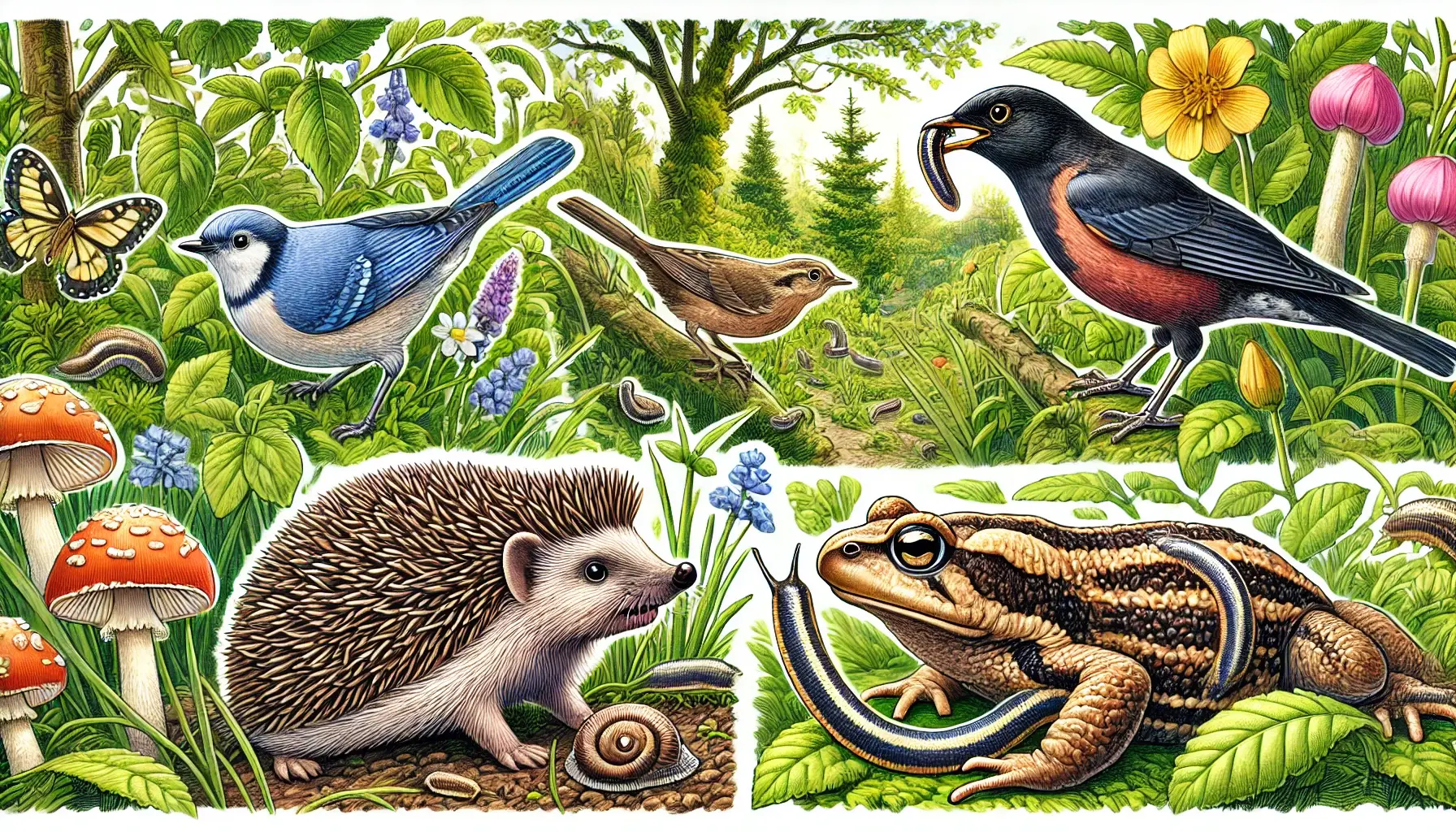
A more sustainable and holistic approach is to welcome the natural predators of gastropods into your garden, which will effectively regulate the red slug population.
Hedgehogs, birds, toads and certain insects are predators -sometimes formidable ones- of these slugs.
By creating spaces that suit these animals, you give them a habitat fit for them to settle in and feed on the slugs naturally.
This method, although slower to put in place, offers a lasting solution to the problem.
3. Using effective slug barriers
In addition to welcoming predators, you can protect your plants from red slugs by using effective physical barriers.
Contrary to received wisdom, most Slug control section of the website such as eggshells, ash or coffee grounds (among others… there are plenty of them!) are not effective enough over time.
My video tests, available here on my YouTube channel, show that only two methods have proven their long-term effectiveness:
- Water: Used in the form of a moat by means of guttering buried around the plantings.
- Copper: A copper barrier more than 7 cm high has proven extremely off-putting to slugs. Contact with the copper triggers an unpleasant reaction for them, prompting them to turn back. I actually designed such a barrier for my garden. It proved so effective that I now sell it. You will find it here: the copper mesh for slugs and snails.
Conclusion
The red slug, or Spanish slug, is an invasive species in France.
Nevertheless, the best management method for your vegetable plot and garden remains the same as for native slug species.
Why? Quite simply because it is a holistic and lasting approach, which will save you from forever chasing after the problem if it is properly put in place.
So design your garden to attract natural predators, while protecting your plants from slugs.
You can also, on rare occasions, use beer traps, but be careful: they will also attract and trap native species, as well as the insect predators of gastropods. It is therefore a double-edged sword.
But, whether cards or sword, they are in your hands. So it’s over to you 😉
I hope you enjoyed this article and that it has given you new tools for gardening freely and self-sufficiently, while understanding what you are doing and why you are doing it.
See you soon,
Robin.
The information in this article has been selected and verified according to the criteria defined in our editorial charter.
Done with slugs. For good. Starting this season.
Scientific references
- Distribution and spread of the invasive slug Arion vulgaris Moquin
- Invading slugs (Arion vulgaris) can be vectors for Listeria monocytogenes
- Introgression and Differentiation of the Invasive Slug Arion vulgaris from Native A. ater
- Arion vulgaris Moquin-Tandon, 1855 – the aetiology of an invasive species
Related articles
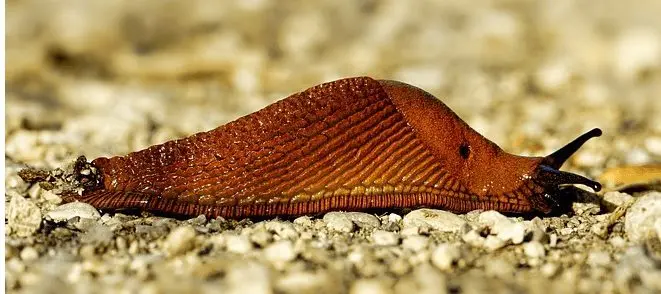
Testing and review of 30 natural slug deterrents (do they work?)
Read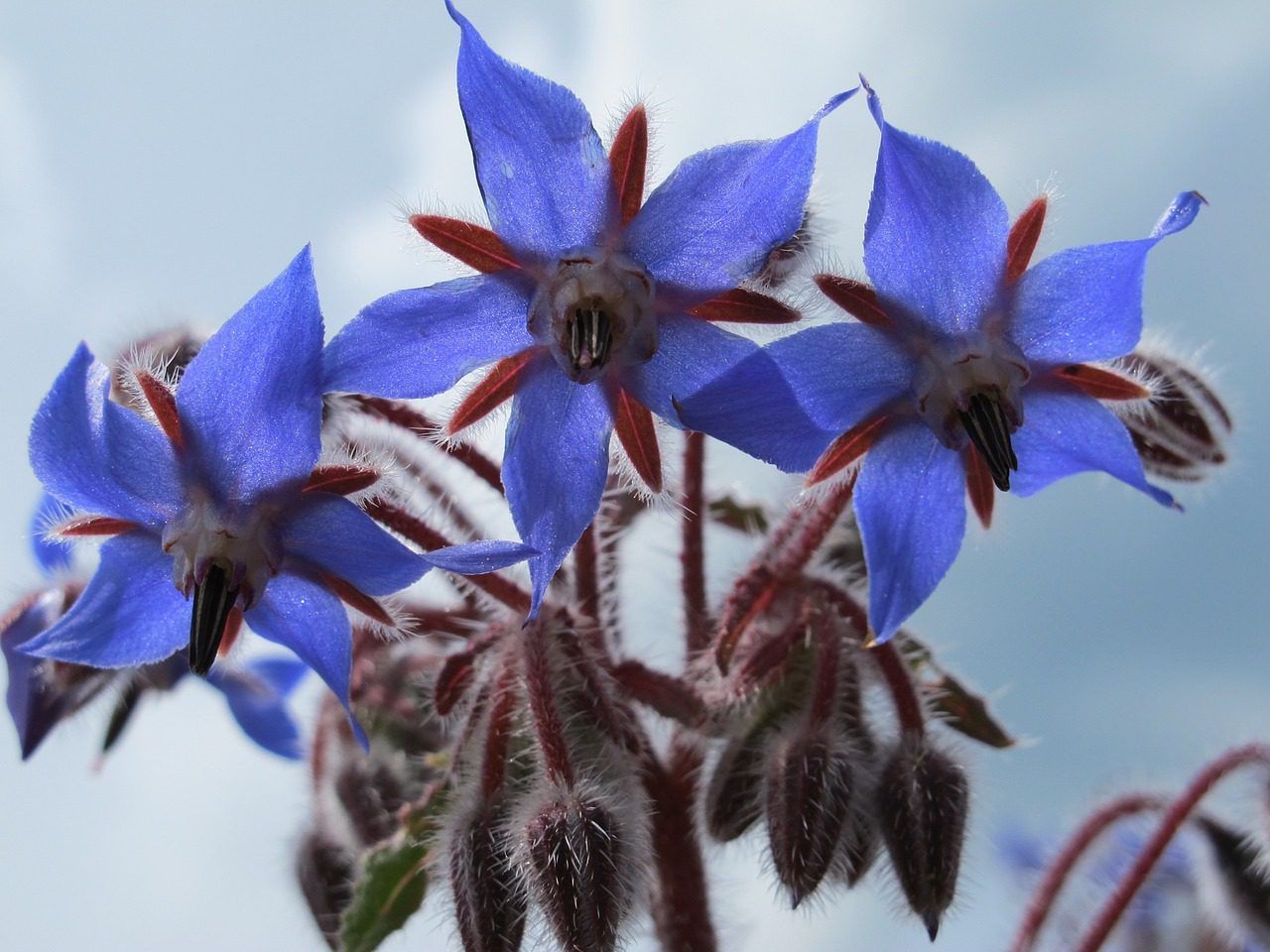
Slug-repellent plants, or prevention through planting
Read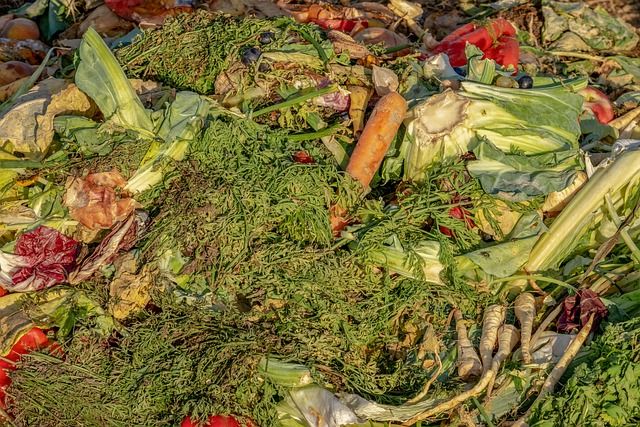
Surface composting: protect your vegetable patch from slugs, with love
Read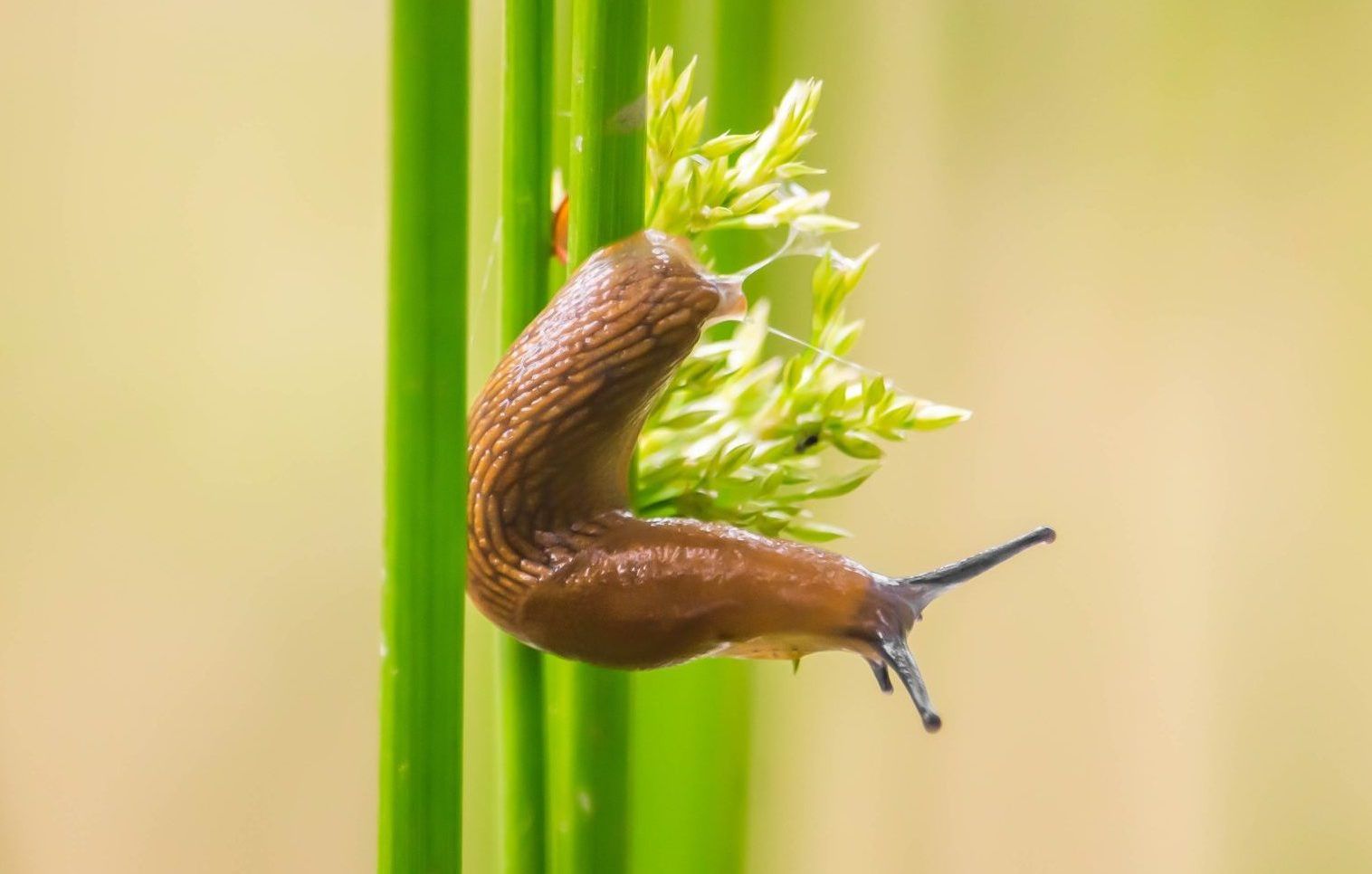
Slugs: their usefulness in the garden, what they indicate, and holistic management through reshaping the habitat
Read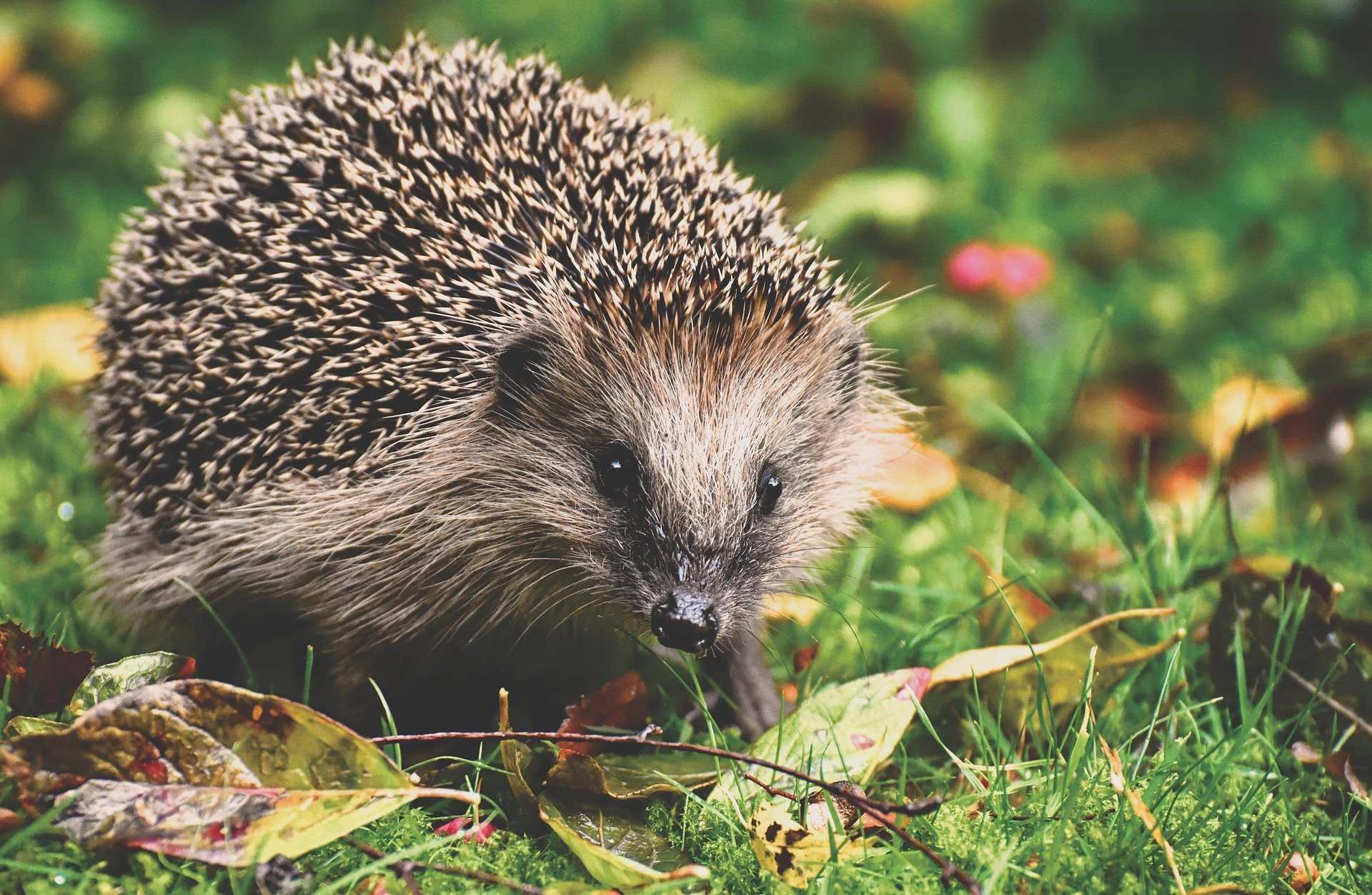
Slug predators: which are they? How to attract them to the garden?
Read
Slug control: the (harmful) methods to avoid – why and how?
Read