Yellow slug (Limax flavus), or cellar slug: description, habitat, and management in the garden
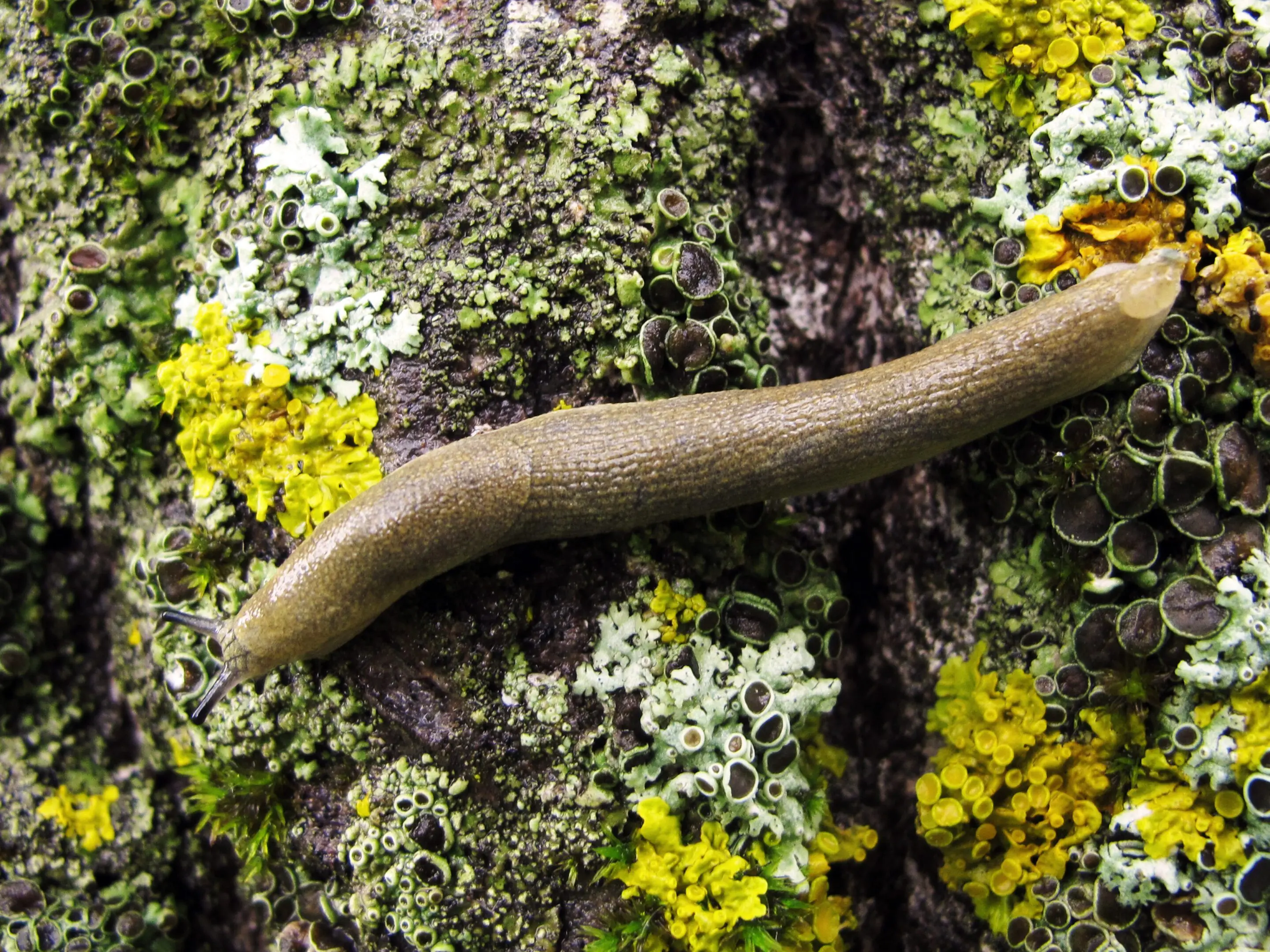
Photo by jacilluch — https://www.flickr.com/photos/70626035@N00/9494641444/, CC BY-SA 2.0, https://commons.wikimedia.org/w/index.php?curid=75368968
Large yellow slugs are roaming around your garden and even your cellar.
Which species is it? What are the characteristics of this remarkable slug, its way of life, its diet, and how do you manage them in the garden when they become too numerous and threaten our plants?
We will answer all these questions in this article.
So, if the subject interests you, let’s get started!
If you're discovering my blog, chances are slugs and snails are giving you grief.
You'd probably be very interested in the copper slug barrier I designed .
It changed everything for me. I can finally grow lettuce, cabbages, strawberries and squashes without tearing my hair out.
Don't hesitate — it's an investment (copper is expensive), but you'll likely save yourself a huge amount of time!
Physical description of the yellow slug
The yellow slug, known scientifically as Limax flavus (or Limacus flavus, which is the same thing), also known as the “cellar slug”, is easy to recognise thanks to its distinctive features.
- Colour and texture: It sports a yellowish hue, often dotted with small grey or greenish spots, and has light blue tentacles. Like all slugs, its skin is moist, glossy and covered in a slippery mucus, which allows it to move around more easily while protecting it from dehydration.
- Size: On average, it measures between 7 and 10 cm long.
- Morphology: Its body is elongated and lacks a shell, typical of land slugs. It has retractable horns (called tentacles), the longer ones serving to detect light, and the shorter ones to detect smells.
Habitat and geographic distribution of the yellow slug
The yellow slug (Limax flavus) takes its common name from its living habits. It is commonly called the cellar slug because of its preference for dark, damp and sheltered environments that recall human cellars. Here are the key points concerning its habitat and geographic distribution:
-
Preferred habitat:
- Damp, dark areas, often close to human dwellings.
- Cellars, kitchens, gardens, under stones or other sheltered spots.
- Moisture is crucial for keeping its foot lubricated, thereby making it easier for it to move around.
-
Nocturnal way of life:
- Essentially nocturnal, it comes out at night to explore and feed.
- During the day, it stays hidden away in dark nooks, often escaping people’s attention.
-
Geographic distribution:
- Very widespread in Great Britain, including Scotland, England, Wales and Ireland.
- Found across much of Western and Southern Europe, notably in France and Ukraine.
- Accidentally introduced to other parts of the world, such as China, where it thrives in environments similar to those it occupies in Europe.
-
Relationship with humans:
- The cellar slug is so closely tied to human habitats that it has been able to spread and colonise many places around the world, mainly thanks to its ability to adapt to the damp, confined spaces found around dwellings.
Thanks to its discreet behaviour and nocturnal way of life, Limax flavus often goes unnoticed, even when it is very much present in a given environment.
Behaviour and diet of the yellow cellar slug
The behaviour and diet of Limax flavus are closely linked to its environment and nocturnal way of life.
- Diet:
The yellow slug feeds mainly on decomposing plant matter, which makes it an important recycler in ecosystems. It also consumes fungi, fallen fruit, and sometimes vegetables, which can cause damage in vegetable gardens. Thanks to its appetite for organic matter, it finds abundant food resources in damp environments, such as compost heaps and piles of dead leaves. - Ecological role:
The cellar slug plays a crucial role in the decomposition of organic matter. By feeding on decomposing plants and fungi, it actively takes part in recycling nutrients in the soil. This process boosts soil fertility and helps maintain ecological balance in the environments where it is found. As a decomposer, the yellow slug contributes to the health of ecosystems by allowing nutrients to return to the natural cycle of plants.
Life cycle and reproduction of the cellar slug
Limax flavus has a life cycle characteristic of land slugs, with a hermaphroditic mode of reproduction and a development adapted to damp environments.
-
Hermaphroditic reproduction:
Like most slugs, the yellow slug is hermaphroditic, which means that each individual has both male and female reproductive organs. This allows it to mate with any other individual of its species, thereby increasing its chances of reproduction. Although each individual is capable of producing eggs, mating is nevertheless required for fertilisation to take place. -
Breeding period:
Reproduction of Limax flavus takes place mainly during the warmer seasons, in spring and summer, when humidity conditions are optimal. During these periods, the slug is particularly active at night, searching for partners and suitable places to lay its eggs. -
Egg laying:
After mating, the yellow slug can lay up to 100 eggs at a time. These are deposited in damp, sheltered spots, such as under stones, in piles of leaves or in crevices. Moisture is essential to the survival of the eggs, which usually hatch after a few weeks, releasing young slugs ready to begin their life cycle.
What to do if slugs invite themselves into your home or cellar?
Yellow slugs (Limax flavus) can sometimes make their way inside homes, particularly in damp areas.
This is actually where they get their name “cellar slug” from, as they are especially fond of the damp, dark conditions our cellars offer.
Here is why they come into your home and how to get rid of them effectively.
How to prevent them from getting into your home?
- Seal cracks and openings: Use sealant, weatherstripping or door sweeps to block cracks, windows and other potential entry points. Make sure that doors fit snugly and that there are no holes that could let slugs in.
- Reduce indoor humidity: Excessive moisture attracts slugs. Using a dehumidifier in the dampest areas of the house, such as basements or bathrooms, is an excellent way to make these places less welcoming for them. Improving ventilation throughout the house can also help to reduce humidity.
What to do if slugs are already present?
- Mechanical methods: If you find slugs in your home, you can pick them up by hand (while wearing gloves) or use tongs to move them outside, into a more suitable natural environment.
- Using white vinegar against these slugs: one of the most effective and practical methods to use inside the home. Simply wash the floor regularly with white vinegar, wherever you tend to see cellar slugs getting in and then crawling through your home. The acidity of the vinegar is very unpleasant for them, and can even be deadly at times.
I hope you enjoyed this article, and that it gave you new tools to garden in freedom and self-reliance, while understanding what you are doing and why you are doing it.
See you soon,
Robin.
The information in this article has been selected and verified according to the criteria defined in our editorial charter.
Done with slugs. For good. Starting this season.
Scientific references
- Occurrence of an invasive slug Limacus flavus
(Stylommatophora: Limacidae) in the trees of an urban landscape
in Kyiv city (Ukraine), with remarks on its colouration - Limacus Flavus : antecedente de la especie
Related articles
Testing and review of 30 natural slug deterrents (do they work?)
Read
Slug-repellent plants, or prevention through planting
Read
Surface composting: protect your vegetable patch from slugs, with love
Read
Slugs: their usefulness in the garden, what they indicate, and holistic management through reshaping the habitat
Read
Slug predators: which are they? How to attract them to the garden?
Read
Slug control: the (harmful) methods to avoid – why and how?
Read