A homemade slug repellent with white vinegar: recipe, effectiveness, and how to use it
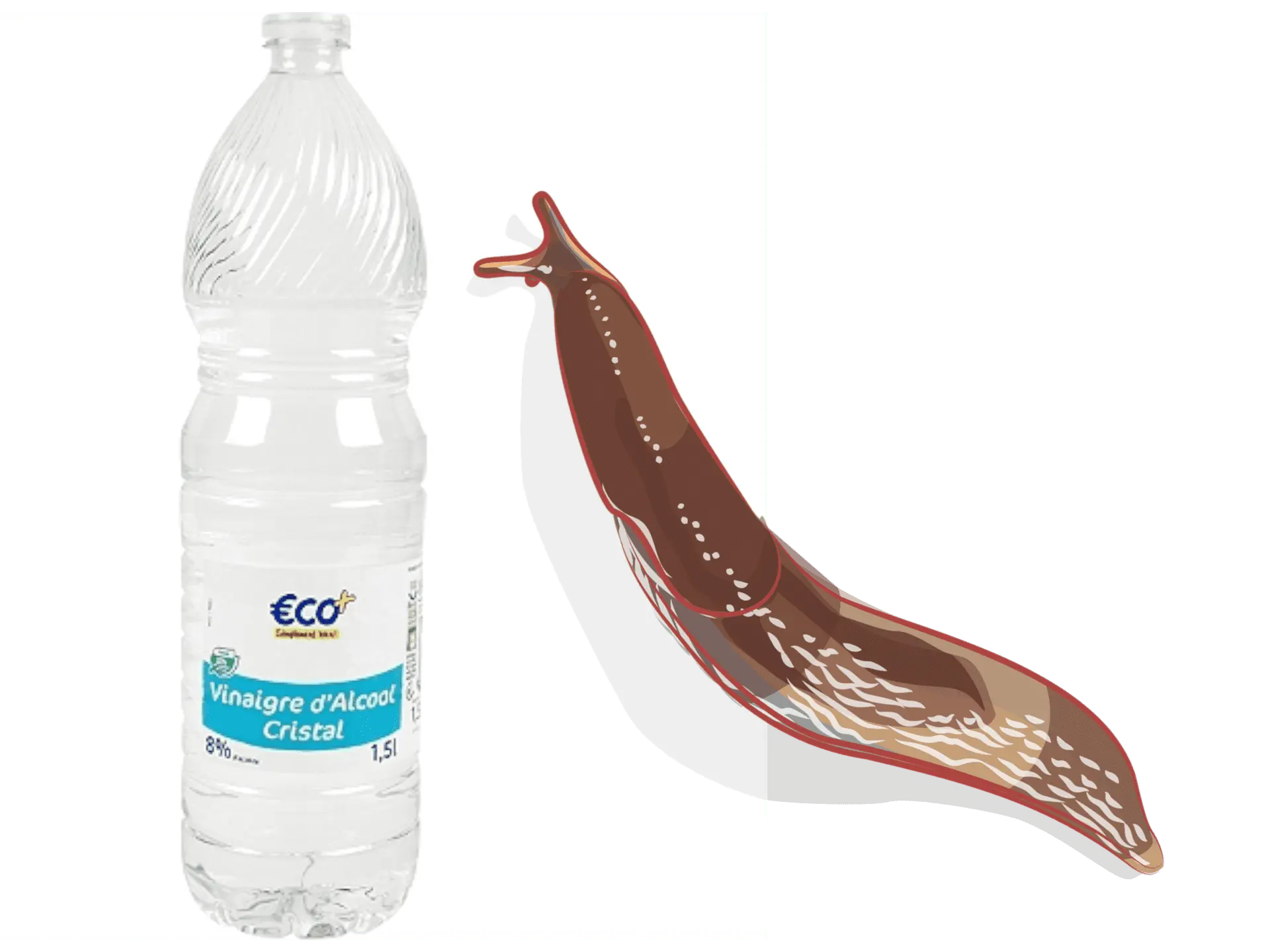
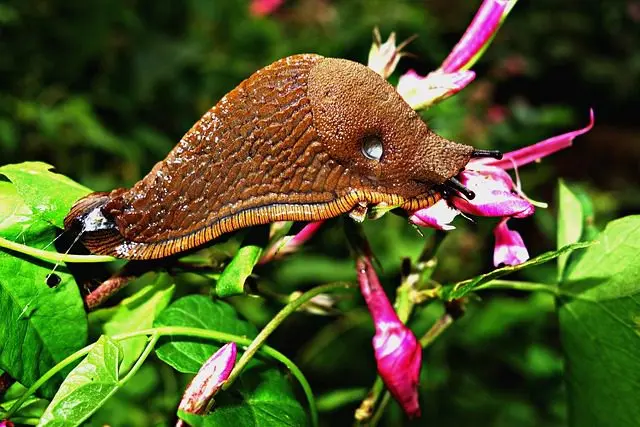
In this article, the aim is to take an intelligent look at a famous way of repelling slugs: white vinegar.
We will see how white vinegar can be used as a slug repellent (I’ll give you a recipe), its benefits and its limits, as well as the precautions to take when using it. Finally, we’ll explain in detail how to use white vinegar to keep slugs away inside the house, along with the risks associated with using it in a garden.
Key points
• Why it works: The acidity of the vinegar burns the slugs’ mucus (an immediate repellent effect) and cleans away their slime trails, wiping out their olfactory “GPS”.
• The effective recipe: A simple mix of 50% water and 50% white vinegar in a spray bottle.
• Where to use it (YES): Ideal for the inside of the house, tiled patios and door thresholds. It’s a safe and harmless solution for your pets.
• Where to avoid it at all costs (NO): In the vegetable garden! Vinegar is a powerful weedkiller (it will kill your plants) and it sterilises the soil by killing the bacteria needed for fertility.
• Ethics: Avoid spraying directly onto the slug. This causes a slow and painful death. Use it only as a repellent barrier on hard surfaces.
• In short: An excellent cleaning solution to stop intrusions into the house, but an agronomic disaster if used on the soil.
If you're discovering my blog, chances are slugs and snails are giving you grief.
You'd probably be very interested in the copper slug barrier I designed .
It changed everything for me. I can finally grow lettuce, cabbages, strawberries and squashes without tearing my hair out.
Don't hesitate — it's an investment (copper is expensive), but you'll likely save yourself a huge amount of time!
The traditional methods of slug control
The traditional methods of slug control include the use of chemical products such as anti-slug pellets based on metaldehyde or ferric phosphate. These methods are often harmful to the environment and can have consequences for human and animal health (metaldehyde), or are potentially risky (ferric phosphate).
Another famous way of barring slugs’ path are the well-known natural barriers: ash, eggshells, coffee grounds, etc.
Unfortunately, these “old wives’ remedies” have shown serious effectiveness problems in tests under real-world conditions, as can be seen on video in this comparison of natural slug repellents.
Another solution is to use a copper barrier, which proves genuinely effective as a slug barrier. But copper is expensive, and the solutions that use it, such as the copper mesh for slugs that I sell, although often very effective, still come at a certain cost.
So today we ask ourselves the question: could white vinegar be a very good and economical way to keep slugs away?
White vinegar: an economical alternative
Composition and properties of white vinegar
White vinegar, also called spirit vinegar, is a colourless, acidic liquid made up of water and acetic acid. It is commonly used in household chores for its cleaning and degreasing properties. And it can easily be bought in any food shop.
The benefits of using white vinegar as a slug repellent
Slugs don’t like coming into contact with a surface wetted with white vinegar. Here is a scientific source proving the effectiveness of white vinegar on slugs. It’s worth noting that the study was carried out on snails, and that the behaviour of slugs is very similar to theirs. In this study, we can observe the strong repellent power of acetic acid, the main component of white vinegar.
So, in certain cases (we’ll come back to these cases later), this product makes it possible to create a barrier against slugs, protecting certain targeted areas.
Sprayed directly onto slugs, white vinegar could even kill them. But this use has little real value, and isn’t necessarily desirable (for you, or for them ;))
And besides, spirit vinegar is a very inexpensive product, very easily available, and harmless to humans and pets (unlike anti-slug pellets).
How white vinegar acts on slugs
White vinegar acts on slugs by altering the pH of their environment. Slugs have sensitive skin and their body is covered with a thin layer of mucus that protects them from dehydration. White vinegar, because of its acidity, corrodes the mucus and alters the pH of the slug’s skin, which must give them a burning sensation and drives them away from the treated area.
It also wipes out their natural “GPS”. Beyond the burning, white vinegar has another little-known virtue: it’s an excellent cleaner. Slugs move around by following the trails of mucus (and pheromones) left by their fellow slugs. By cleaning an area with vinegar, you destroy these scent markers. The slugs lose their way and no longer “recognise” the area as a safe passage.
Beware of animal suffering. Let’s be honest: if the vinegar touches the slug and it dies, it isn’t a gentle death. Acetic acid causes an intense chemical burn. The slug will secrete a huge amount of mucus to try to protect itself, in vain, and end up dying from dehydration and burns. If your aim is to eliminate a slug, a clean cut or crushing are far quicker and more “humane” methods. Vinegar should remain a surface repellent (a barrier), not a contact weapon.
As mentioned earlier, white vinegar can kill slugs if they’re in prolonged contact with the product, or even if it’s poured directly onto them.
Recipe for an effective homemade slug repellent, based on white vinegar
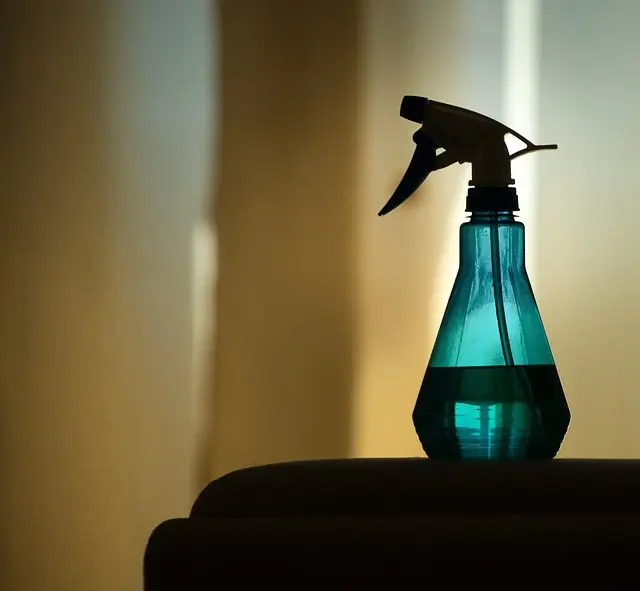
Here is a recipe that lets you make your own homemade slug repellent, based on white vinegar:
Equipment and “ingredients” needed:
- A hand spray
- Water
- White vinegar
Preparation:
- Fill the hand spray halfway with white vinegar
- Fill the rest of the spray reservoir with water (this gives a 50/50 dilution)
- And there you go!
Using your white vinegar slug repellent
Using white vinegar inside a house
How to use it
Many people are surprised to regularly see slugs inside their house, crawling across their tiles.
Hmm, what a pleasure, what a joy!
The trouble, in this case, is that most solutions against slugs (designed for gardens) are very difficult to apply (or even completely inapplicable) in this context.
For instance, I struggle to see how you could use my slug net in this context. Or anti-slug pellets. Or natural barriers.
On the other hand, a repellent wetting agent, such as white vinegar, is perfectly suited: all you have to do is spray the recipe described above onto the areas where you regularly see slugs appear. They often come from outside, slipping through the tiniest cracks, and this product will most likely put them off wanting to get into your home.
Effective, and harmless to you and your pets.
How often to use it
Your white vinegar recipe will be effective as long as it hasn’t completely evaporated.
Let’s say it will be very effective as long as the surface – onto which the vinegar was sprayed – is still wet.
And that it will be relatively effective as long as the surface in question is still sufficiently smelly (even once it’s no longer wet).
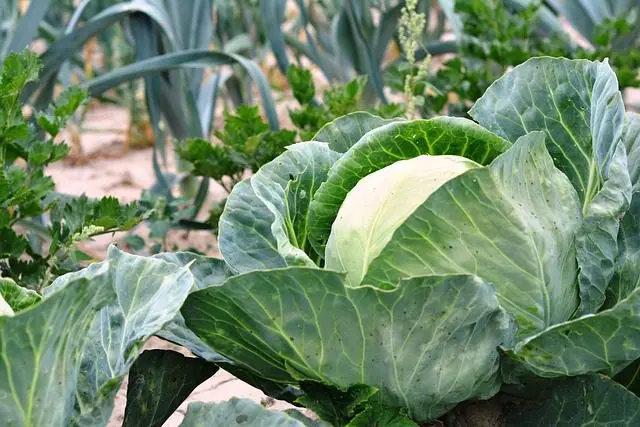
Using white vinegar to repel slugs in a garden or vegetable garden
Using white vinegar to repel slugs in a garden and vegetable garden
How to use it (and why to avoid it)
In the vegetable garden, using vinegar is very tricky, even inadvisable. If you search the Internet, you’ll see “tips” advising you to spray vinegar around your lettuces to create a barrier. This is a false good idea. The only “viable” method near crops would be to spray pure vinegar onto the outer vertical walls of your growing beds (wood or plastic) to prevent climbing. But beware: as soon as it rains, the vinegar is washed off and inevitably ends up in your soil…
A possible use as a barrier on the ground?
You might be tempted to spray the soil around the base of the plant to create a “circle of protection”. The technical problem here is invisible but serious: the brutal acidification of the soil. By saturating the soil with vinegar, you strongly disrupt, or even kill, the micro-fauna and above all the bacteria. Yet these bacteria (which can’t tolerate acidity) are the main players in fertility. In short: protecting your vegetables by sterilising the soil that feeds them is agronomic nonsense.
Is white vinegar harmful to plants?
The answer is a big YES. You should know that white vinegar is used by organic gardeners as… a total contact weedkiller! If you put it on your plants (deliberately or by accident while aiming at a slug):
1. On the leaves: With a pH of 2.5, acetic acid burns the cell membranes. The plant dries out and dies.
2. On the roots: If it penetrates the soil, it burns the rootlets (the tiny roots that drink the water), sharply slowing growth. Repeated exposure to chase off slugs will therefore end up killing your crops just as surely as the slugs themselves.
The exception: the path and the patio
There is, however, one single case where white vinegar is relevant outdoors: on uncultivated and impermeable areas. If you have a tiled patio or a gravel path overrun by both weeds AND slugs, vinegar kills two birds with one stone. It acts as a natural weedkiller (by burning the foliage of the weeds) and creates a hostile zone for the gastropods. But beware: never do it in the immediate vicinity of your edible plantings or your flowers.
Frequently Asked Questions: Vinegar, Salt and Alternatives
Which smell do slugs hate the most (an alternative to vinegar)?
Unlike vinegar, which acts by contact (burning), certain smells act as repellents at a distance. Slugs loathe the smell of garlic. For strongly aromatic plants such as mint or sage, be careful because that’s a myth, it doesn’t work. Only garlic works.
The tip: Rather than acidifying your soil with vinegar, make a garlic decoction (boil garlic in water) and spray it onto your plants. It’s an olfactory repellent which, unlike vinegar, won’t kill your plants.
I haven’t personally tested it and so can’t judge its effectiveness. But I have run tests on barriers of freshly sliced garlic where you can see a strong reaction from the slug to the smell of garlic. So it isn’t impossible that it works: in the very short term nonetheless, because at the first rain everything is washed away… And it’s unlikely that the smell holds out for long over time.
Are coffee grounds more effective than white vinegar?
Coffee grounds are less aggressive than vinegar, but they work differently. Whereas vinegar is a violent chemical barrier, coffee grounds act rather through the diffusion of their smell. But they remain fairly ineffective against gastropods, and above all they inhibit the growth of certain plants.
Can you mix salt and vinegar for a super-powerful slug repellent?
Absolutely not! It’s a recipe you often see for weedkilling, but it’s an ecological disaster. The Vinegar + Salt mixture creates a “dead zone”. Salt sterilises the soil almost permanently (it doesn’t break down, unlike vinegar). By using this mixture, you prevent any future regrowth and you kill off all the soil’s biodiversity for years. Keep salt for cooking, never for the garden.
Does white vinegar kill slugs instantly?
No, death isn’t immediate. Acetic acid causes extreme irritation and rapid dehydration, but the slug will take long minutes to die in agony, producing a huge amount of mucus to try to protect itself. If you’re looking for the quickest (and therefore the most “humane”) way to kill a slug, a clean cut with a knife or secateurs remains the least painful method, far ahead of spraying with vinegar or salt.
Conclusion
To sum up, white vinegar is a double-edged weapon that must be used with discernment.
-
Inside the house and on the patio: It’s a YES. It’s an economical solution, safe for your pets, and devastatingly effective at cleaning away the scent trails (“the GPS”) of slugs and stopping them from getting in.
-
In the vegetable garden: It’s a big NO. Never forget that vinegar is above all a weedkiller and a biocide. Wanting to save a lettuce by sterilising the soil bacteria that feed it is agronomic nonsense.
So, which solution for the vegetable garden? If you’re looking for reliable protection that doesn’t require re-application every evening and that respects the life of your soil, the physical barrier remains the queen of solutions.
The information in this article has been selected and verified according to the criteria defined in our editorial charter.
Done with slugs. For good. Starting this season.
Bibliography:
In this study, we see the strong repellent effect of acetic acid, one of the main components of white vinegar.
Related articles
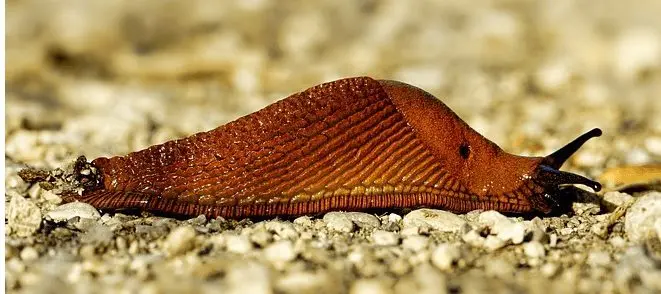
Testing and review of 30 natural slug deterrents (do they work?)
Read
Slug-repellent plants, or prevention through planting
Read
Surface composting: protect your vegetable patch from slugs, with love
Read
Slugs: their usefulness in the garden, what they indicate, and holistic management through reshaping the habitat
Read
Slug predators: which are they? How to attract them to the garden?
Read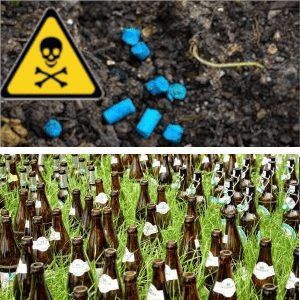
Slug control: the (harmful) methods to avoid – why and how?
Read