Lawn overrun with slugs: why, and what to do?
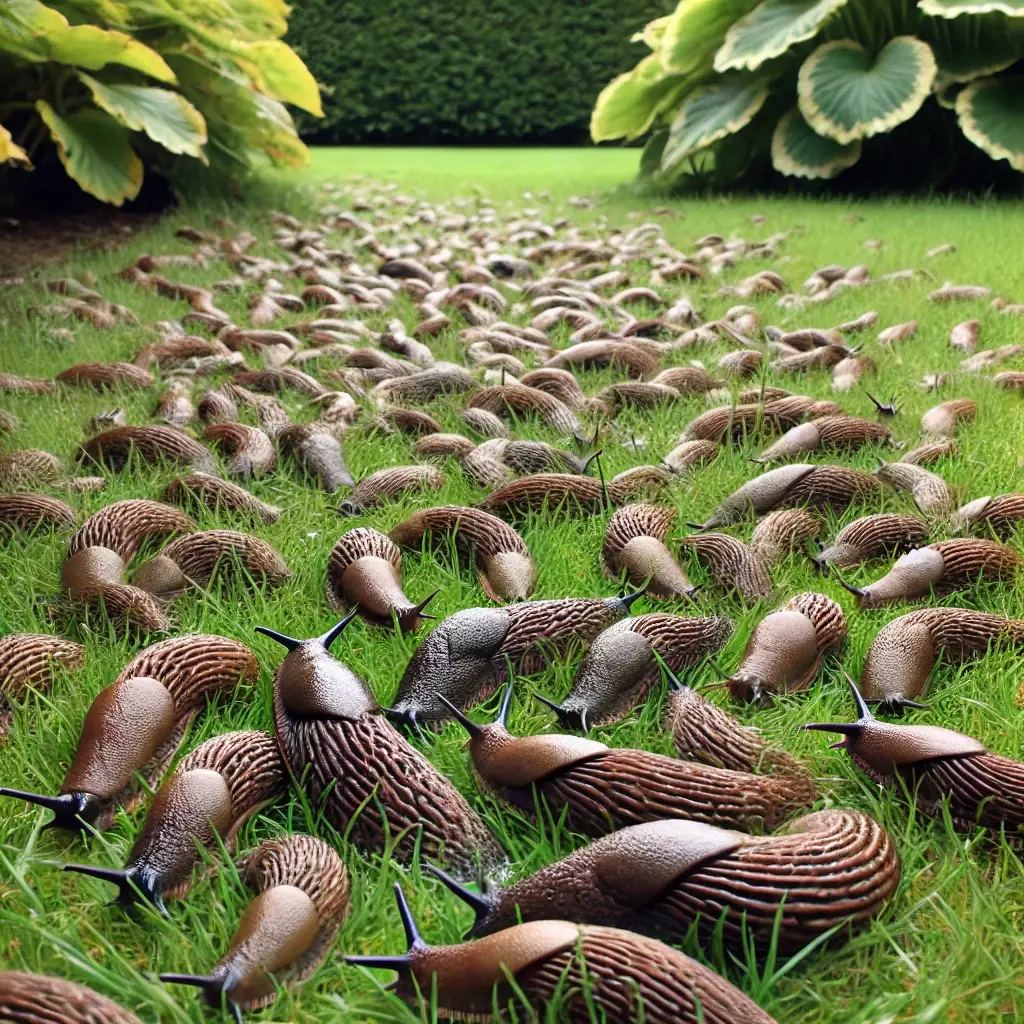
Your lawn is overrun with slugs: where do they come from? Why are they here? And how do you get rid of them? That’s exactly what we’ll look at here.
Let’s get started!
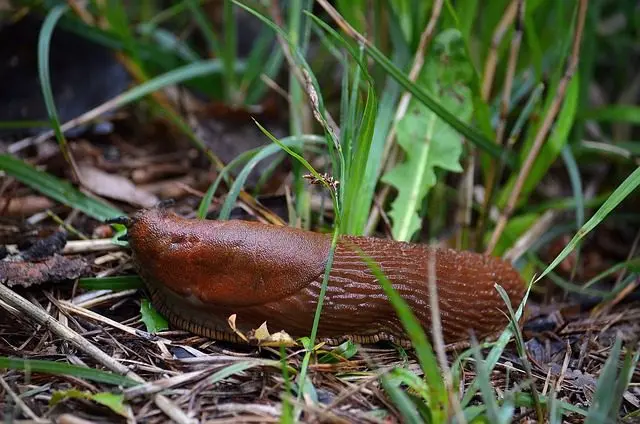
If you're discovering my blog, chances are slugs and snails are giving you grief.
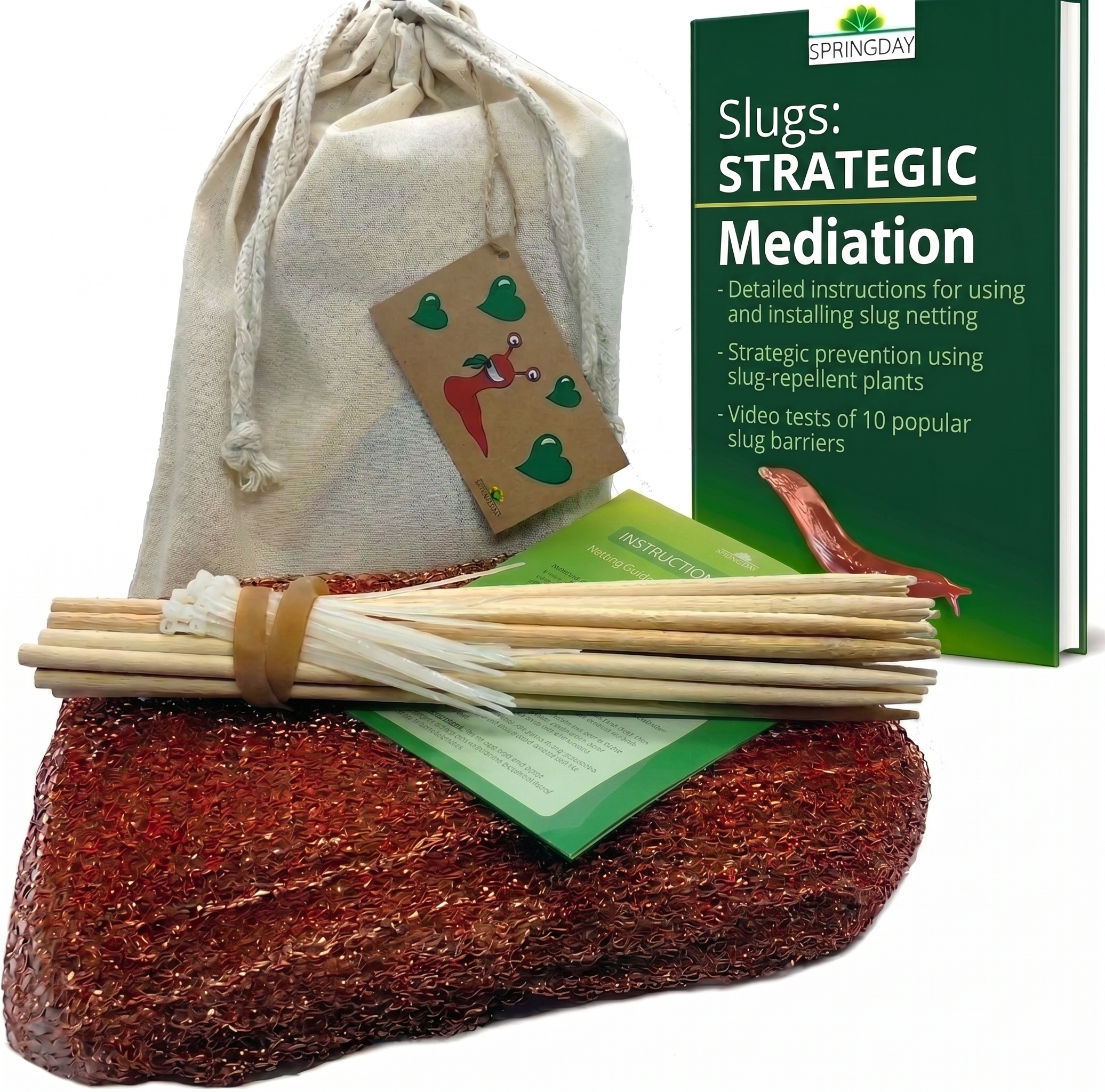
You'd probably be very interested in the copper slug barrier I designed .
It changed everything for me. I can finally grow lettuce, cabbages, strawberries and squashes without tearing my hair out.
Don't hesitate — it's an investment (copper is expensive), but you'll likely save yourself a huge amount of time!
Why is your lawn overrun with slugs?
A lack of natural predators and plant biodiversity
If your lawn is overrun with slugs, it’s because your garden is too far removed from the natural biotopes of your region.
Too far removed, in the sense that it doesn’t harbour enough of the slugs’ natural predators.
And because the surrounding environment doesn’t contain enough of the plants they can feed on.
They are numerous (because they aren’t kept in check by predators), and they go foraging for food en masse.
That’s one of the reasons you see so many of them.
And it’s, broadly speaking, the reason behind a slug invasion in a garden.
A garden with fewer hiding places
Note that a lawn-based garden’s lack of hiding places also means that slugs are more noticeable.
Just as numerous in a garden left to grow wild, they go far less noticed, hidden away as they creep between the tall grasses and foliage.
Particular weather conditions
A spell of rain, especially when it follows a long dry period, can trigger a “slug onslaught”.
During dry spells, these creatures protect themselves from dehydration by tucking themselves away in dark, damp nooks. So you don’t see them.
But all it takes is a shower of rain, and they all come out in droves to feed.
And that gives you a far stronger impression that your lawn is overrun with slugs.
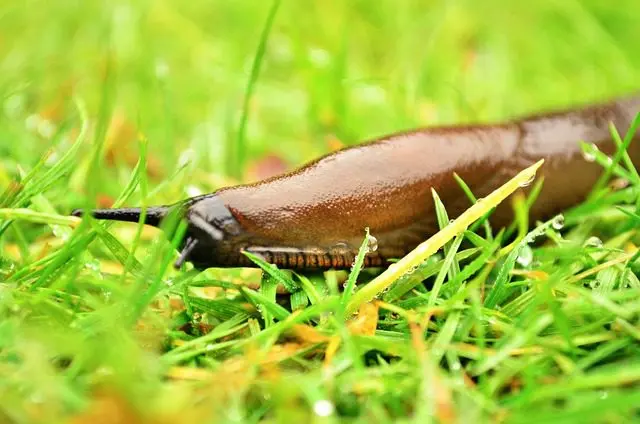
How to keep slugs away from your lawn?
Attract predators, and boost plant biodiversity
The obvious first thing is that, before you even think about driving them away (which isn’t easy), you can put a few measures in place within your garden.
Shelters for the predators of gastropods.
And plenty of local plants that slugs either love or loathe: the slug-repelling plants.
The effects won’t be felt overnight. But in the long run, you’ll see a real difference: there will be far fewer slugs in your garden and on your lawn, and that will last.
Don’t use counterproductive methods: beer traps and slug pellets
The idea of using beer traps to rid your lawn of slugs has surely crossed your mind.
That’s a huge mistake.
Slugs are extremely drawn to the smell of beer, and they’ll come from over 100 metres around to taste your fine brew.
True, many of them will drown and die in the container (that is, after all, the point of the trap), but on average it’s only about a third of the slugs that will have been attracted.
So you can see where the problem lies.
The same can sometimes be true of slug pellets, even organic ones, which are made of a substance that is highly attractive to slugs and that they can smell from afar. That said, it’s true their effects are often more drastic.
Even so, by opting for this kind of solution, you’ll be forced to keep going back to it again and again, because you can’t attract the slugs’ predators if you continually kill off their prey. Yes, it’s tricky…
Another snag: broken down by the rain, the pellets dissolve into the soil — they lose their ability to kill slugs, but the attractive substances linger for a good while in the soil of your lawn.
Use effective slug barriers:
Yes, this is the best way to make the situation bearable, while your garden draws in the slugs’ predators and enough plant biodiversity becomes established there.
But forget the “old wives’ remedies” against slugs.
Eggshells, ash, oyster shells, … None of it works (see for yourself in my tests on my YouTube channel).
Not over the long term, at any rate.
You’ll soon see for yourself if you watch my tests:
The only two barriers that work well enough over the long term are water, used in the form of a moat, and copper, used as a vertical barrier.
But always bear in mind that solving your slug problem must primarily come down to redesigning your garden.
In any case, if you want to put an end to this problem for good 😉
The information in this article has been selected and verified according to the criteria defined in our editorial charter.
Done with slugs. For good. Starting this season.
Related articles
Testing and review of 30 natural slug deterrents (do they work?)
Read
Slug-repellent plants, or prevention through planting
Read
Surface composting: protect your vegetable patch from slugs, with love
Read
Slugs: their usefulness in the garden, what they indicate, and holistic management through reshaping the habitat
Read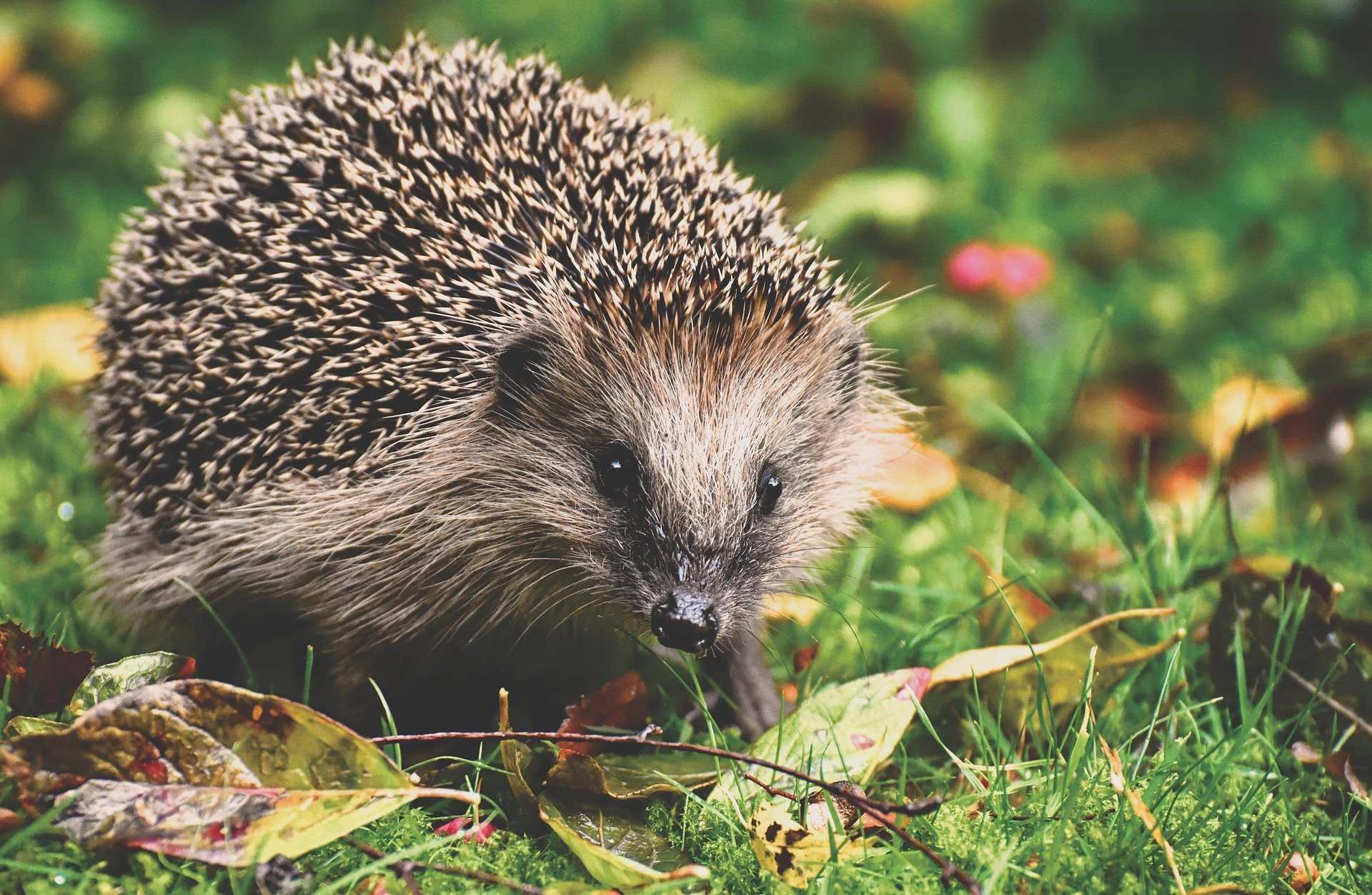
Slug predators: which are they? How to attract them to the garden?
Read
Slug control: the (harmful) methods to avoid – why and how?
Read