The grey field slug (Deroceras reticulatum) – Identification, way of life, and managing it in the garden.
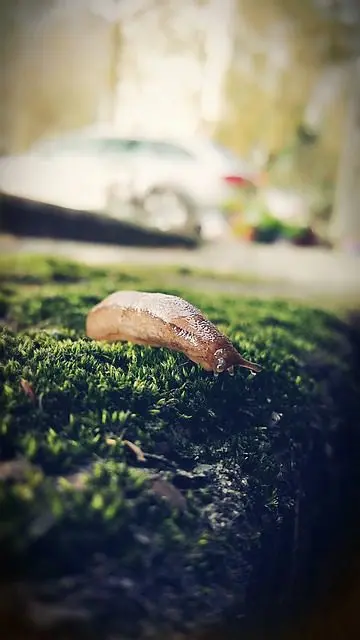
Your garden and your vegetable patch are overrun with little grey slugs.
Sometimes you even find them inside your home!
What exactly are they, what is their way of life, what are their long-term impacts, and how can you manage them intelligently in the garden and indoors?
That is what we are going to explore together throughout this article.
So if that programme appeals to you… let’s get started!
If you're discovering my blog, chances are slugs and snails are giving you grief.
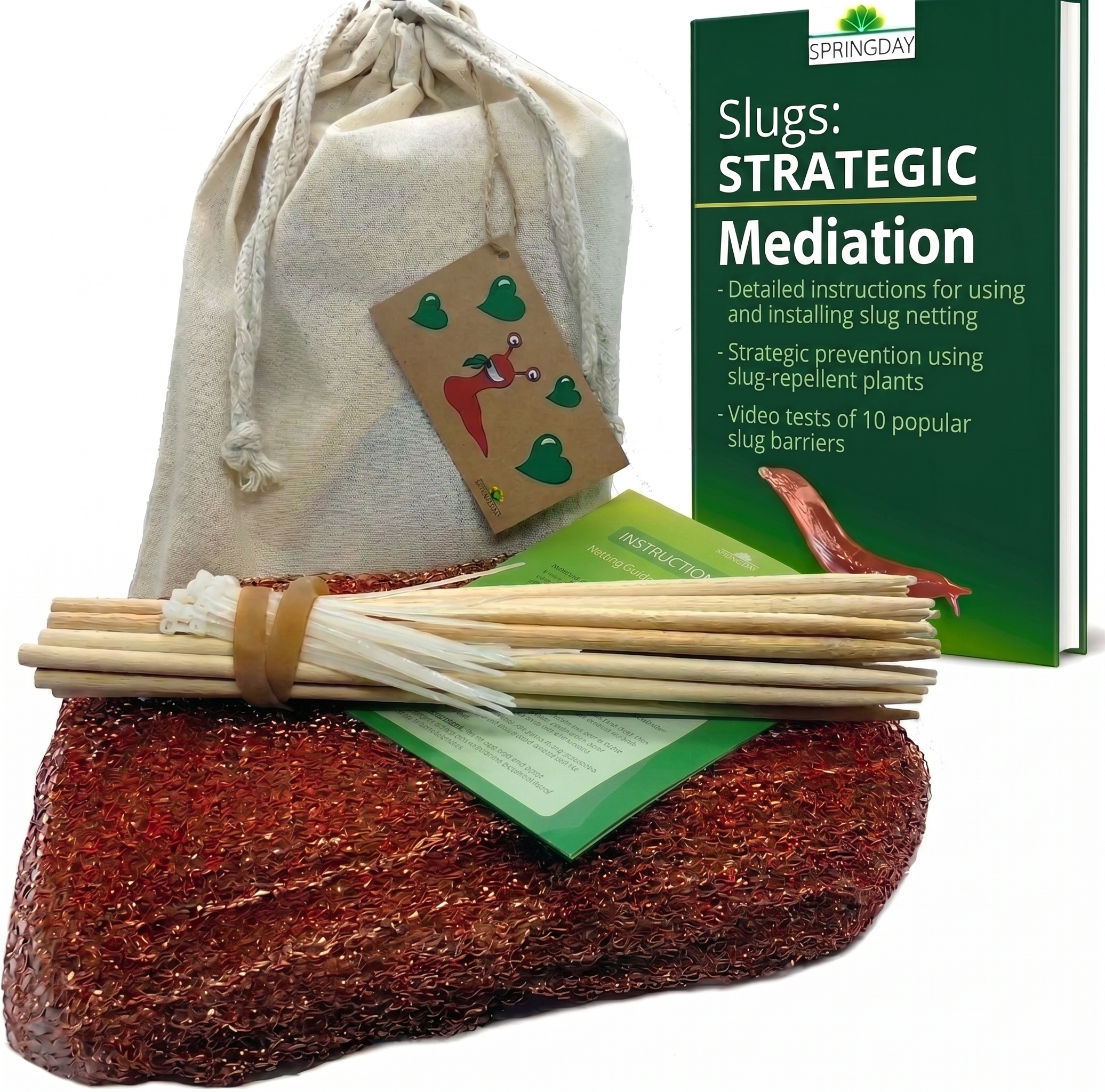
You'd probably be very interested in the copper slug barrier I designed .
It changed everything for me. I can finally grow lettuce, cabbages, strawberries and squashes without tearing my hair out.
Don't hesitate — it's an investment (copper is expensive), but you'll likely save yourself a huge amount of time!
Identifying the grey field slug (Deroceras reticulatum)
The grey field slug, also known as the milky slug and scientifically described as Deroceras reticulatum, is a common species of terrestrial gastropod, particularly widespread in temperate regions.
This slug, often regarded as a pest in agriculture, has well-defined physical and behavioural features that make it easy to identify.
Physical description
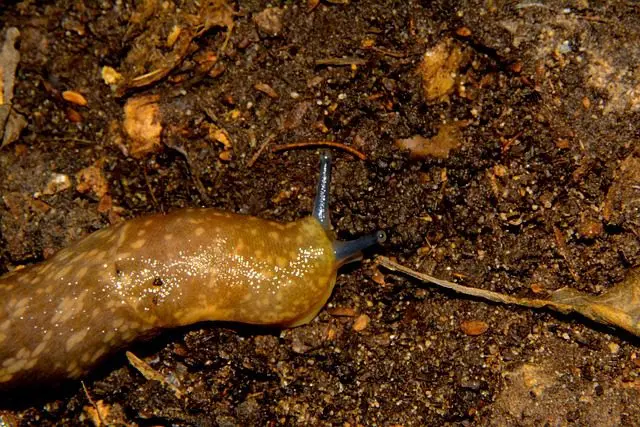
The grey field slug measures, on average, between 3 and 5 cm in length.
Its colour ranges from pale grey to brownish grey, sometimes with hints leaning towards beige or brown.
The body often shows light spots or a net-like pattern, hence the scientific name “reticulatum”. This network-shaped pattern is generally most visible on the back.
The underside of its body, known as the “foot”, is relatively broad and flattened, helping it move across a variety of surfaces.
The head of Deroceras reticulatum is equipped with two pairs of tentacles. The upper pair, which is longer, is used to perceive light and detect movement in the surroundings. The lower pair, which is smaller, serves to detect smells, helping the slug to find food and to avoid predators.
Life cycle
Like most slugs, Deroceras reticulatum is hermaphroditic, meaning that it has both male and female reproductive organs. It can reproduce on its own or with a partner, thereby increasing its ability to spread rapidly.
Each slug can lay up to 400 eggs over the course of its life, depositing them in damp, sheltered spots such as under leaves or in the soil. The eggs hatch after 3 to 5 weeks, depending on the climatic conditions, particularly temperature and humidity.
The grey field slug is mainly nocturnal in its activity. It prefers to come out after rain or when humidity is high, because its delicate body needs a moist environment to avoid drying out.
This nocturnal habit and its heightened activity in wet weather make it a formidable pest in gardens and agricultural fields, where it can cause considerable damage.
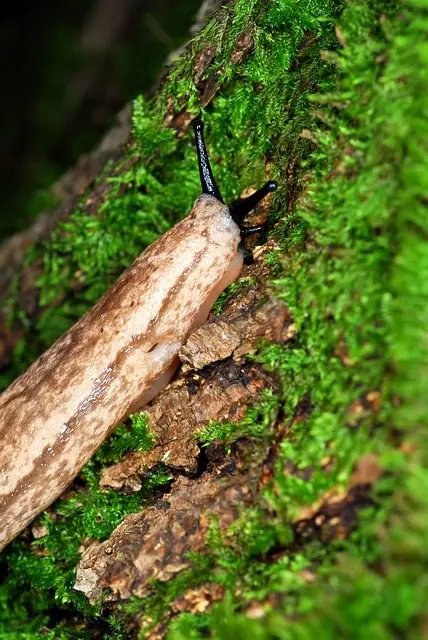
Here we can clearly see the net-like pattern of Deroceras reticulatum.
Habitat and geographical distribution of Deroceras reticulatum
The grey field slug, or Deroceras reticulatum, is a species that adapts to a range of damp environments.
Its proliferation is helped along by climatic conditions and the availability of organic matter, making certain regions more vulnerable to its expansion.
Natural habitat and preferences
Deroceras reticulatum is found mainly in damp areas where moisture and vegetation are abundant.
You will encounter it in gardens, agricultural fields, meadows and beneath natural shelters such as dead leaves, stones or plant debris.
It prefers habitats rich in organic matter, where it can easily find food and lay its eggs.
This species has a fondness for moist soils rich in nutrients. The optimal conditions for its development include high levels of moisture in the soil, encouraged by regular rainfall or constantly damp areas.
Temperate climates are particularly conducive to its proliferation, notably in Western Europe and similar regions, where moderate temperatures and constant humidity provide ideal conditions for survival.
Geographical distribution
Native to Europe, Deroceras reticulatum has gradually spread to other parts of the world.
It is now widely present in North America, as well as in Australia and New Zealand, where it was introduced, probably through the global trade in plants and potting compost.
In some of these regions, Deroceras reticulatum is regarded as an invasive species, owing to its impact on local ecosystems and on agricultural crops.
The spread of this species has been greatly facilitated by the transport of soil and contaminated plant material, which allow the slug to colonise new areas quickly.
As a result, its ability to adapt and thrive across a wide diversity of environments makes this species difficult to control, and it continues to pose significant challenges in the regions where it occurs.
Diet of the grey field slug (Deroceras reticulatum)
The grey field slug (Deroceras reticulatum) is an omnivorous pest that feeds mainly on plant material, which makes it a major contributor to the damage suffered by agricultural crops.
Its varied diet and its nocturnal behaviour allow it to cause significant harm across several types of cultivated environment.
Feeding and behaviour
Deroceras reticulatum is a polyphagous species, which means that it consumes a great diversity of plants.
It feeds just as readily on decomposing plant material as on living plants, which allows it to adapt easily to different types of environment.
This slug shows a clear preference for young shoots, tender leaves and roots, which makes it a particularly serious threat to seedlings and young plantings.
Among its favourite targets are a wide range of vegetables such as lettuces, cabbages and potatoes, but also the young shoots of cereals such as wheat and barley. It also attacks ornamental plants, especially young plants that are still fragile.
Because of its voracity, this species is often seen destroying plants at a critical stage of their development, thereby reducing agricultural yields.
Damage caused in agriculture and gardening
The damage caused by Deroceras reticulatum is particularly worrying for farmers and gardeners. Its attacks on crops lead to significant economic losses, especially on farms where young seedlings are essential to productivity.
The damage is generally visible in the form of holed leaves, shoots grazed to the ground and slowed growth. By gnawing at leaves and roots, the grey field slug weakens the plants and undermines their ability to grow normally. Seedlings are especially vulnerable, since the lack of natural protection makes them easier to devour.
Considered one of the most harmful pests in agricultural crops in Western Europe, Deroceras reticulatum continues to pose serious challenges for professionals in the farming sector, who must constantly put strategies in place to protect their crops from this destructive species.
What to do if grey slugs (Deroceras reticulatum) invite themselves into your home?
Grey slugs (Deroceras reticulatum) can sometimes make their way inside homes, particularly in damp areas.
Although these creatures are mainly associated with gardens, they can become unwelcome in the home.
Here is why they come into your house and how to get rid of them effectively.
Why do grey slugs come into homes?
-
In search of moisture: Grey slugs are drawn to damp environments. They often enter homes during rainy spells or when there is excess moisture indoors. Poorly ventilated houses, or those with damp problems, are particularly exposed.
-
Dark, cool areas: Slugs prefer dark, cool environments such as cellars, basements, utility rooms and other areas where moisture builds up. These spots provide them with shelter and favourable living conditions.
-
Access through small cracks or under doors: Slugs can squeeze through small openings, cracks in the walls, or under doors. They are especially sensitive to moisture and to food smells, which prompts them to enter via these access points.
How can you prevent them from getting into your home?
-
Seal cracks and openings: Use sealant, weatherstripping or door sweeps to block cracks, windows and other potential points of entry. Make sure that doors fit snugly and that there are no holes that could allow slugs to get in.
-
Reduce indoor humidity: Excess moisture attracts slugs. Using a dehumidifier in the dampest areas of the home, such as basements or bathrooms, is an excellent way to make these places less welcoming for them. Improving ventilation throughout the house can also help to reduce humidity.
What to do if slugs are already present?
-
Mechanical methods: If you find slugs in your home, you can pick them up by hand (wearing gloves) or use tongs to move them outside, into a more suitable natural environment.
-
Using white vinegar: one of the most effective and convenient methods to use within the home. Simply wash the floor regularly with white vinegar wherever you tend to see little grey slugs entering and crawling through your home. The acidity of the vinegar is very unpleasant for them, and can sometimes even be fatal.
How to deal with the garden slug
To put a lasting end to the garden slugs wrecking your plants, we will use the same strategy as with the other slugs! (Nearly 100 articles on the subject, on this blog.)
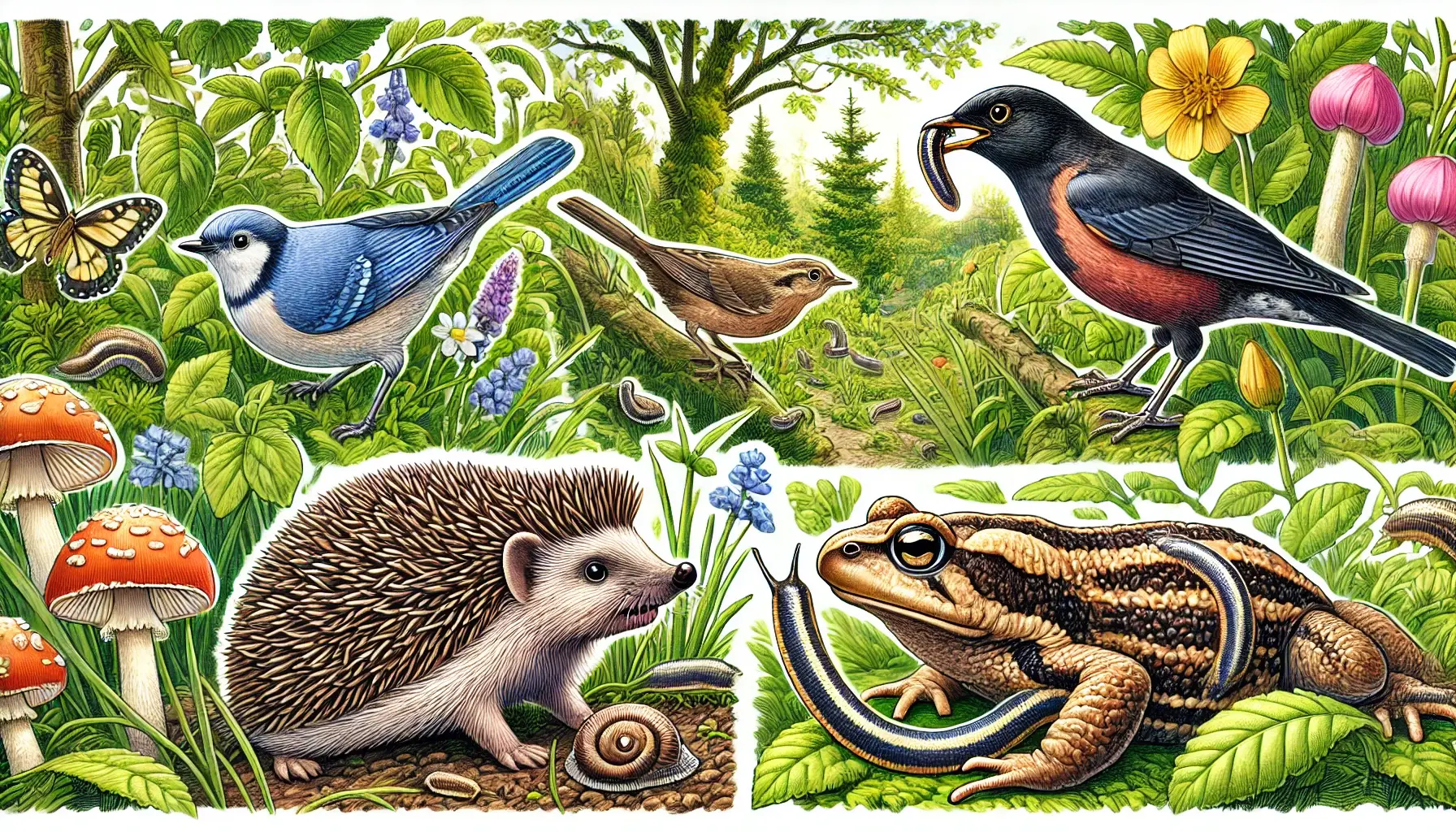
Namely, arranging the garden to welcome their natural predators, not killing or moving the slugs so that these predators find their prey close by and therefore truly settle in, and using genuinely effective slug barriers such as water and copper (forget the eggshells or the ash) to protect your plants effectively while the problem sorts itself out. For an effective deployment of copper as an impassable barrier, I can only recommend that you discover my copper mesh for slugs.
For more detail on the tests of the various slug barriers (and to understand why I say you should forget eggshells and other old wives’ remedies), have a look at this article on the Slug control section of the website
I hope you enjoyed this article and that it has given you new tools to garden with freedom and self-reliance, while understanding what you are doing and why you are doing it.
See you soon,
Robin.
The information in this article has been selected and verified according to the criteria defined in our editorial charter.
Done with slugs. For good. Starting this season.
Scientific references
- Notes on the Ecology of Slugs: Arion circumscriptus, Deroceras reticulatum, and D. laeve
- Effect of predator size and temperature on the predation of Deroceras reticulatum
- Modelling Deroceras reticulatum (Gastropoda) population dynamics based on daily temperature and rainfall
- Biological studies and phenology of the slug Deroceras reticulatum (Müller, 1774)
Related articles
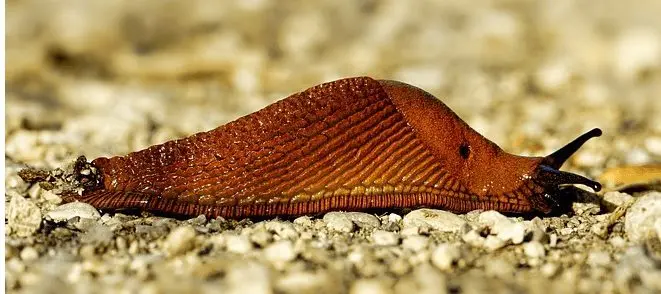
Testing and review of 30 natural slug deterrents (do they work?)
Read
Slug-repellent plants, or prevention through planting
Read
Surface composting: protect your vegetable patch from slugs, with love
Read
Slugs: their usefulness in the garden, what they indicate, and holistic management through reshaping the habitat
Read
Slug predators: which are they? How to attract them to the garden?
Read
Slug control: the (harmful) methods to avoid – why and how?
Read