Giant slugs: species, sizes, characteristics and ecological impact
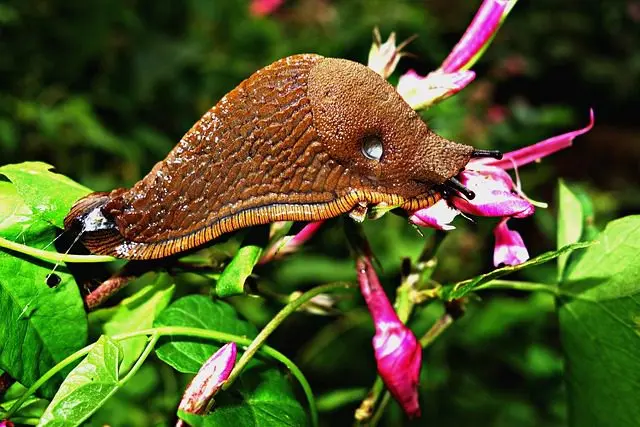
Disaster!
Your splendid garden is overrun with giant slugs.
What exactly are they, what are their peculiar habits, and how can you manage them wisely in the garden?
That is what we will look at in this article, beginning by describing and understanding them.
If today’s menu tempts you, let’s get started!
If you're discovering my blog, chances are slugs and snails are giving you grief.
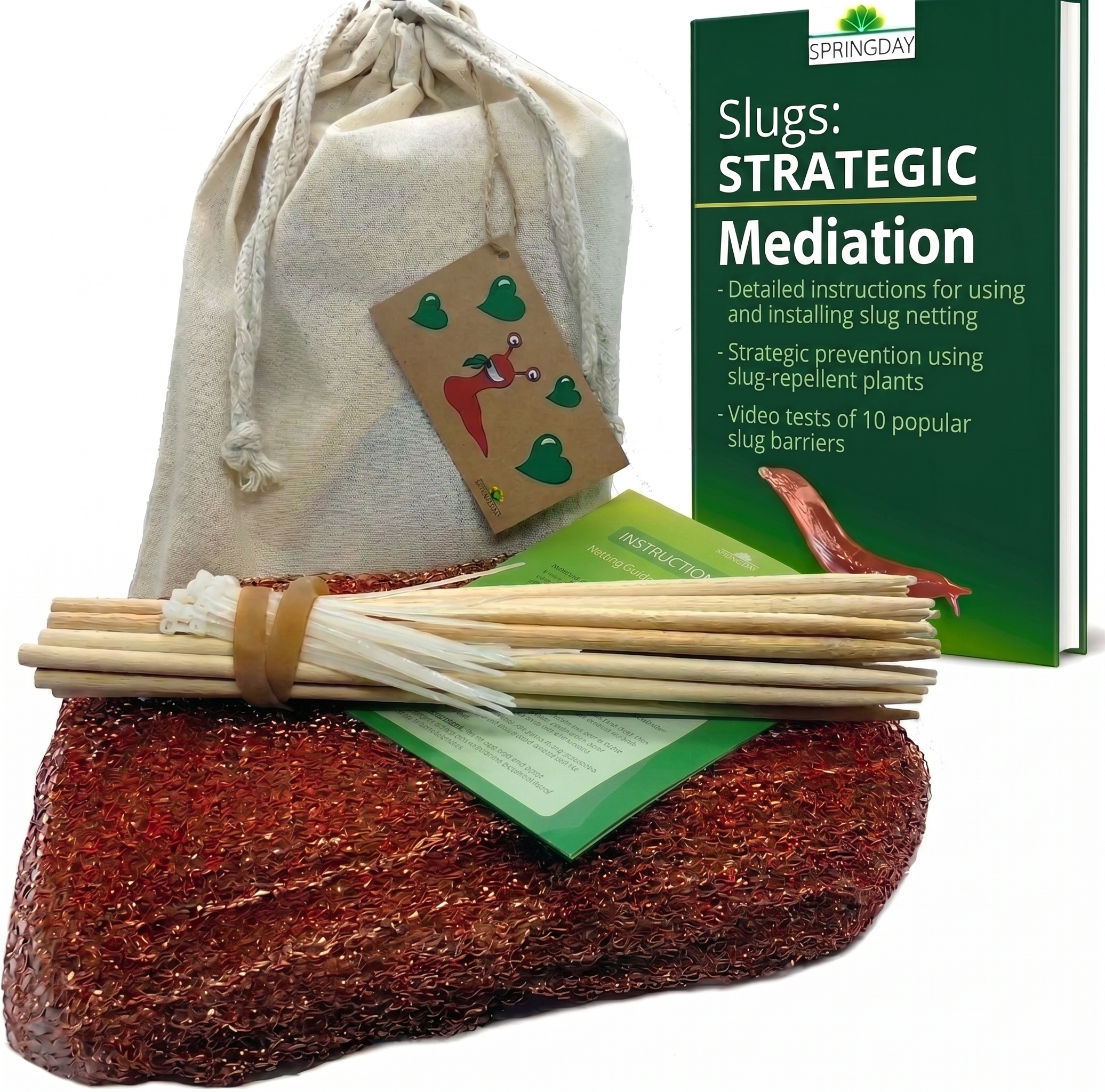
You'd probably be very interested in the copper slug barrier I designed .
It changed everything for me. I can finally grow lettuce, cabbages, strawberries and squashes without tearing my hair out.
Don't hesitate — it's an investment (copper is expensive), but you'll likely save yourself a huge amount of time!
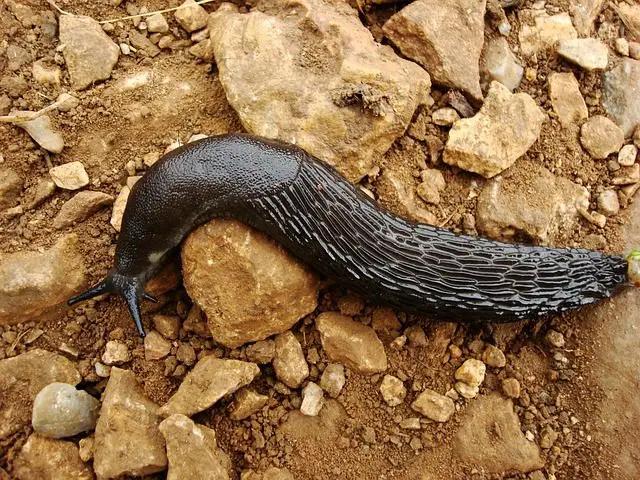
Characteristics of giant slugs
Size and appearance
Giant slugs stand out for their impressive size, reaching or even exceeding 20 centimetres in length.
Their body is elongated, with a smooth or slightly rough texture.
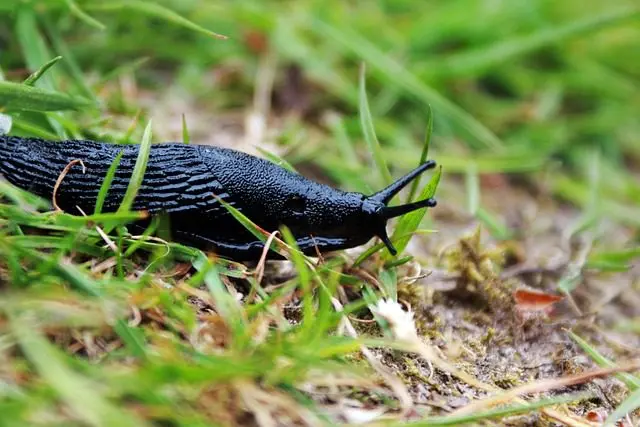
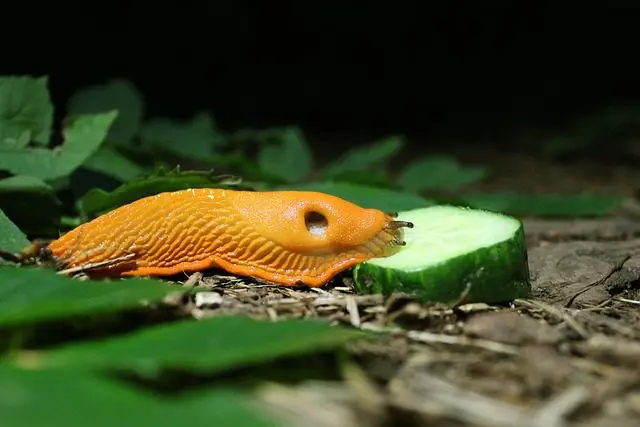
They display a great variety of colours, ranging from dark brown to black, and through orange tones, often adapted to their environment for camouflage.
Their anatomy includes a head with two pairs of tentacles: the upper, longer pair carries the eyes, while the lower pair is used to smell and taste.
Their body is covered with a fine layer of mucus, which allows them to move about easily while protecting them from dehydration.
Life cycle
The life cycle of a giant slug begins with the laying of eggs, generally deposited in moist, sheltered environments.
After an incubation period that can vary depending on environmental conditions, the young slugs emerge and begin to feed actively.
Their growth is relatively rapid, and they reach their adult size within a few months.
The lifespan of a giant slug can vary, but they generally live between one and two years, depending on the conditions of their habitat and the threats they encounter, such as predators or climatic fluctuations.
Behaviour and diet
Giant slugs are nocturnal creatures, avoiding daylight to conserve their moisture.
They move slowly, tracing their path with a fine layer of mucus that reduces friction and protects their body.
Their diet consists mainly of decomposing plant matter, fungi, lichens, and sometimes young shoots or tender leaves.
This decomposing behaviour plays an important role in recycling nutrients within the ecosystem. Occasionally, they may also consume small prey such as insects or worms, which contributes to their omnivorous diet.
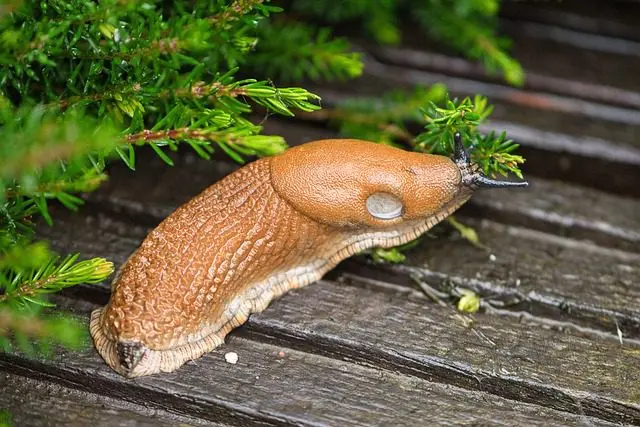
The size of giant slugs
Size range by species
Giant slugs vary considerably in size depending on the species. Here are a few notable examples:
- Limax maximus (Leopard slug): This species, also known as the leopard slug, generally measures between 10 and 20 centimetres, although some individuals can reach up to 25 centimetres.
- Arion rufus (Red slug, or orange slug, or large slug): Commonly found in Europe, this slug measures between 7 and 15 centimetres. However, larger specimens, reaching 18 centimetres, have been observed.
- Limax cinereoniger (Ash-black slug): This is one of the largest slug species in Europe, with a length ranging from 15 to 30 centimetres.
- Arion ater (Black slug): This species is often confused with Arion rufus, but it can be larger, generally measuring between 10 and 15 centimetres. Some individuals can reach up to 20 centimetres under optimal conditions. This slug is particularly widespread in damp, wooded areas.
- Arion vulgaris (Spanish slug): Also known as the Spanish slug, this invasive species generally measures between 8 and 12 centimetres, though it can reach up to 15 centimetres. This slug is especially problematic in Europe because of its impact on agriculture and local biodiversity, spreading rapidly across various habitats, notably gardens and crops.
These size ranges show the diversity among giant slugs, with certain species being considerably more imposing than others.
Size record
The size record for a giant slug belongs to a specimen of the Limax cinereoniger species discovered in Europe. This slug was measured at 30.5 centimetres in length, a record for a terrestrial slug.
This specimen was found in a damp forest, an ideal environment for slugs of this size, and was documented by biology researchers studying the local fauna.
Giant slugs in France
Species present
In France, several species of giant slug are found, including Limax maximus (Leopard slug), Arion rufus (Red slug or orange slug or Large slug), Limax cinereoniger (Ash-black slug), Arion ater (Black slug), and Arion vulgaris (Spanish slug). These species vary in size, ranging from 7 to 30 centimetres, and are widely distributed across various damp environments throughout the country.
Habitat and distribution
Giant slugs in France thrive mainly in damp environments, which are essential to their survival.
They are frequently found in dense forests, meadows, wooded areas, as well as in gardens and agricultural zones.
Limax maximus and Limax cinereoniger are often present in shaded forests rich in organic matter, while Arion rufus and Arion ater adapt well to gardens and wooded areas.
Arion vulgaris, an invasive species, is particularly common in gardens, parks, and crops, where it can cause serious problems.
Ecological and economic impact
Giant slugs have an ambivalent impact in France.
On the one hand, they play a crucial role in the ecosystem by helping to decompose organic matter, which enriches the soil and supports the nutrient cycle.
On the other hand, certain species, notably Arion vulgaris, pose serious economic problems owing to their ability to destroy crops, which directly affects agriculture.
This invasive species also threatens local biodiversity by supplanting native species and altering natural ecosystems through dynamics of competition and predation.
How to manage giant slugs in the garden?
To rid your garden of giant slugs for good, as with all slugs, it is paradoxically necessary to let them proliferate at first.
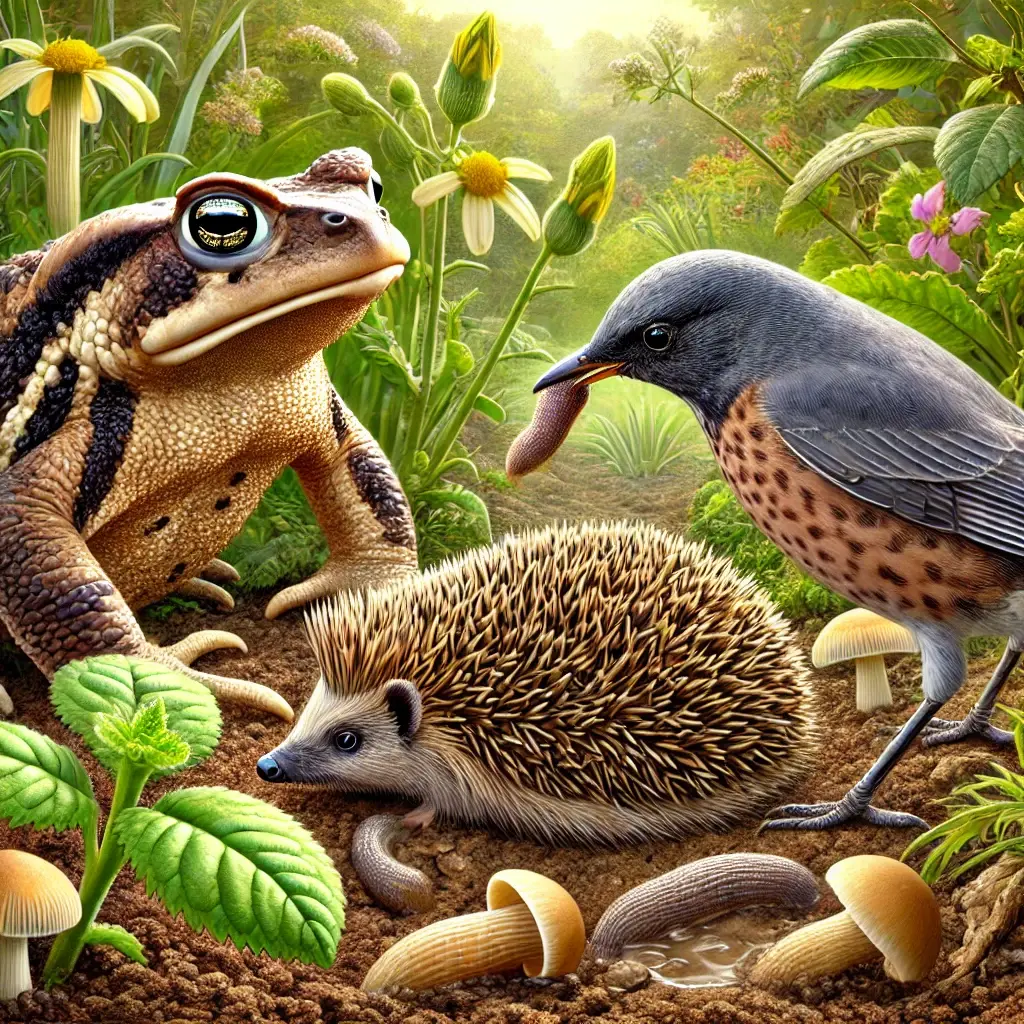
I know this may seem counter-intuitive, but it is the only way to attract their natural predators and encourage them to settle near you, since they will need a source of food.
At the same time, you will need to adapt your garden to make this new ecosystem possible.
I explain how to do this in my article on the predators of slugs.
The trouble is that the arrival of predators takes time.
In the meantime, it is important to protect your plants while avoiding killing the slugs.
For this, use truly effective slug barriers. Forget eggshells, ash, and other old wives’ remedies: they do not work in the long term, take it from my experience. I have tested all these methods in videos with real slugs (you can watch my tests here).
The only barriers that genuinely work? Water, in the form of a moat (partially bury guttering around the areas to be protected), and copper, placed as a vertical barrier at least 7 cm high.
I have developed a barrier based on this second principle. It proved so effective in my garden that I now offer it for sale under the name of the copper mesh for slugs. Do take a look at it, as it could make your life a great deal easier.
Conclusion
Although giant slugs are impressive and play an essential role in the ecosystem, their presence in gardens can quickly become problematic.
Rather than resorting to drastic solutions that will ultimately prove counter-productive, it is wiser to foster the natural balance by attracting their predators while protecting your plants with effective barriers such as copper or water.
By adopting these methods, you can manage their presence in a sustainable and harmonious way, all while preserving the biodiversity of your garden.
I hope you have enjoyed this article, and that it has given you new tools to garden freely and self-sufficiently, while understanding what you are doing and why you are doing it.
See you soon,
Robin.
The information in this article has been selected and verified according to the criteria defined in our editorial charter.
Done with slugs. For good. Starting this season.
Scientific references
- Distribution and spread of the invasive slug Arion vulgaris Moquin
- Invading slugs (Arion vulgaris) can be vectors for Listeria monocytogenes
- Introgression and Differentiation of the Invasive Slug Arion vulgaris from Native A. ater
- Arion vulgaris Moquin-Tandon, 1855 – the aetiology of an invasive species
- The influence of slug (Arion rufus) mucus and cast material addition on microbial biomass, respiration, and nutrient cycling in beech leaf litter
- Analysis of the Haemolymph of Arion Ater L. (Gastropoda: Pulmonata)
- Olfactory Basis of Homing Behavior in the Giant Garden Slug, Limax maximus
- IS LIMAX CINEREONIGER WOLF, 1803, PRESENT IN ITALY? AN ANATOMICAL APPROACH TO THE STUDY OF ITALIAN LIMAX
Related articles
Testing and review of 30 natural slug deterrents (do they work?)
Read
Slug-repellent plants, or prevention through planting
Read
Surface composting: protect your vegetable patch from slugs, with love
Read
Slugs: their usefulness in the garden, what they indicate, and holistic management through reshaping the habitat
Read
Slug predators: which are they? How to attract them to the garden?
Read
Slug control: the (harmful) methods to avoid – why and how?
Read