Garden slug (Arion hortensis) – understanding and managing it
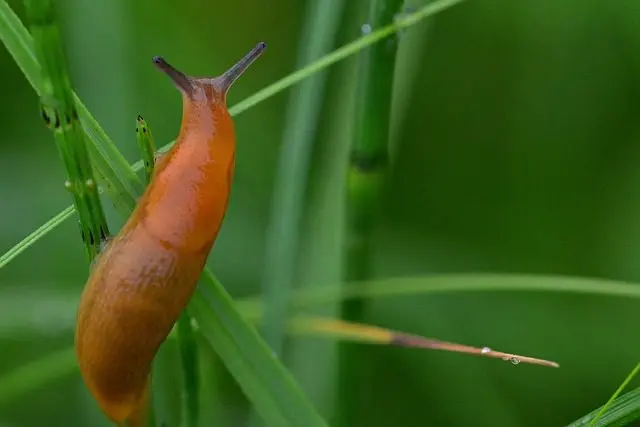
Lots of small brown slugs are attacking the plants in your garden.
In all likelihood, this is the garden slug, also known as the gardening slug, whose scientific name is arion hortensis.
In this article, we’ll learn how to recognise this species of slug and how to manage it intelligently.
If you're discovering my blog, chances are slugs and snails are giving you grief.
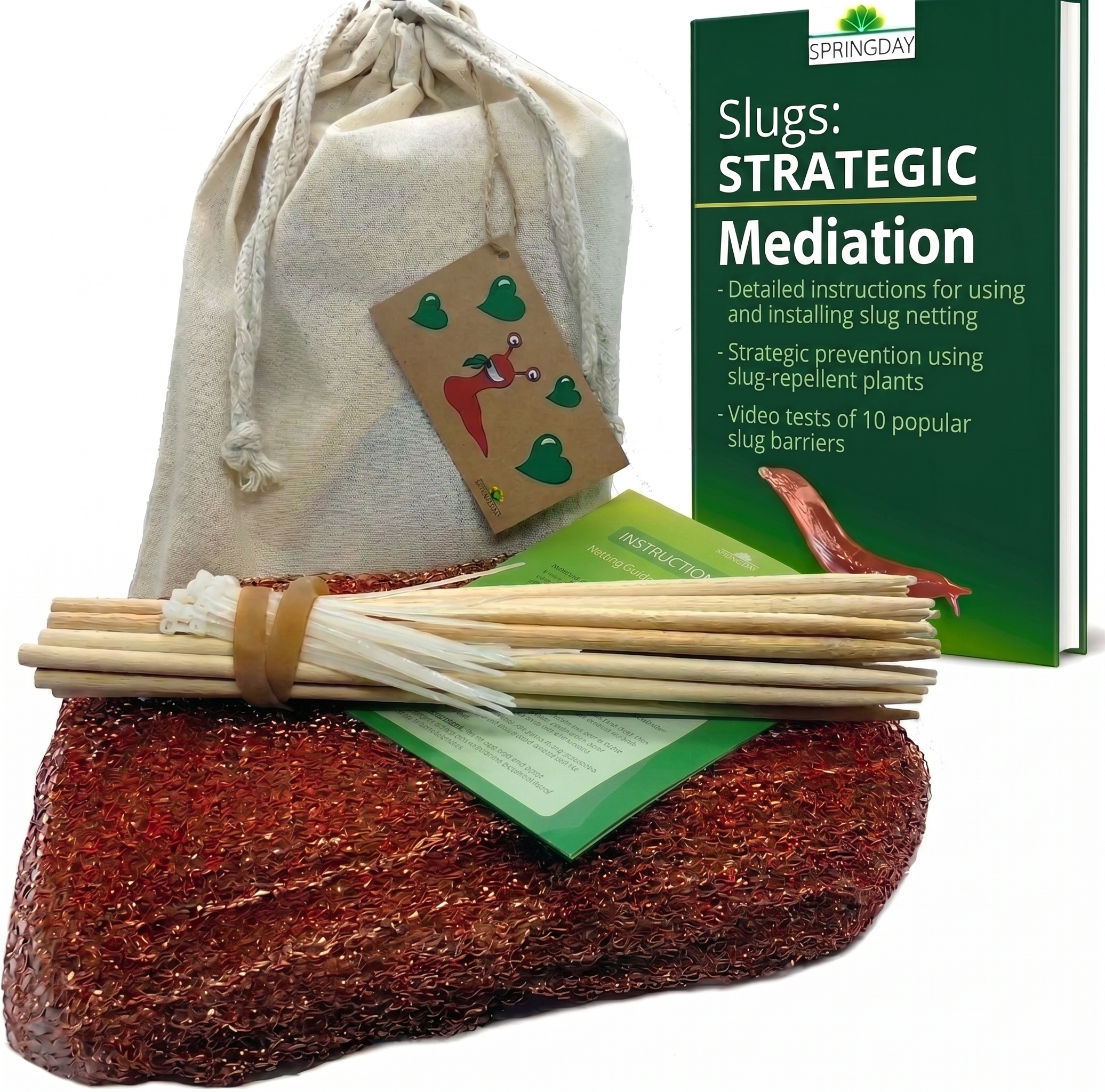
You'd probably be very interested in the copper slug barrier I designed .
It changed everything for me. I can finally grow lettuce, cabbages, strawberries and squashes without tearing my hair out.
Don't hesitate — it's an investment (copper is expensive), but you'll likely save yourself a huge amount of time!
Identifying the Garden Slug
Physical description and life cycle
Average size: The garden slug is smaller than most other common slugs, measuring between 2 and 3 cm.
This smaller size sets it apart in particular from some larger species, such as Arion vulgaris, which is often mistaken for it because of its similar brownish colour (even though the latter is sometimes called the “red slug”).
Colour: Arion hortensis is distinguished by shades of black, grey and sometimes brown, with paler flanks and a yellowish band along the sides.
Unlike Arion vulgaris (the red slug), which displays red or orange hues, the garden slug does not show these bright colours, which makes it easier to identify.
Anatomical features: The mantle of Arion hortensis is rough, moist, and coated with mucous secretions.
That said, its mucus is generally less abundant and less visible than that of other slug species, notably Arion vulgaris, which often leaves coloured trails of mucus behind.
Life cycle: The life cycle of the garden slug begins with egg-laying, mainly in autumn and winter.
The eggs hatch in spring, when conditions are more favourable. This slug has a relatively short lifespan of around one year, similar to other species, but its breeding cycle is generally more moderate.
It reproduces less frequently than species such as Arion vulgaris, which partly limits its impact on crops thanks to less “explosive” populations.
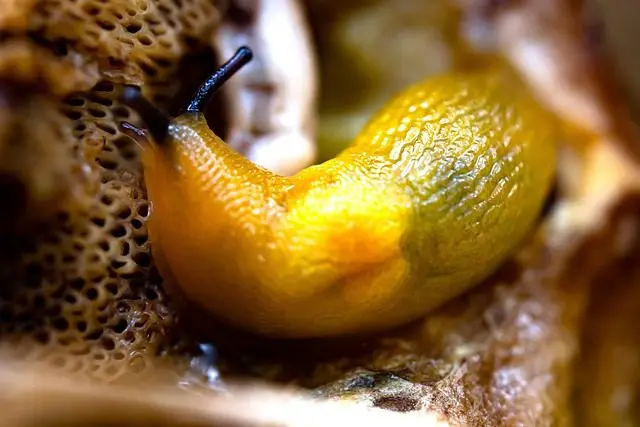
Here is a young garden slug. Have a look too at the cover photo, which also shows a garden slug (arion hortensis), to make a better comparison with arion vulgaris (also called the red slug) below.
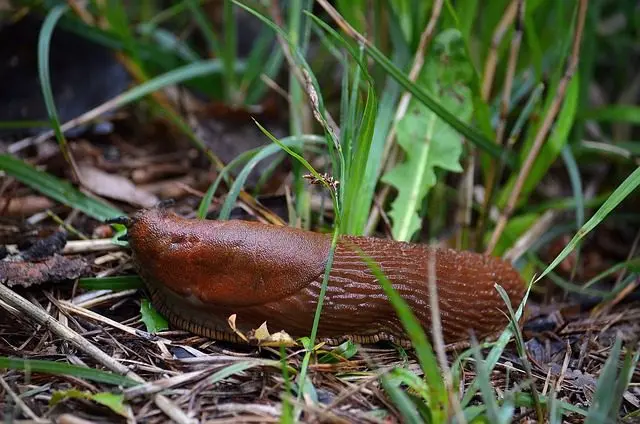
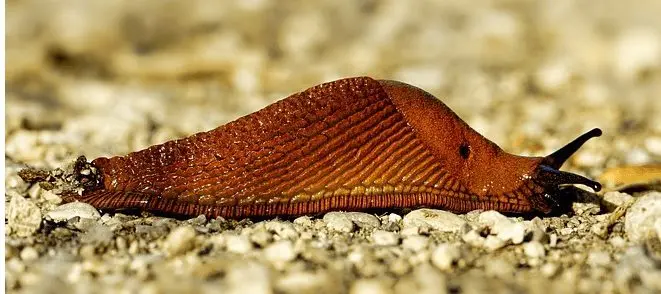
Above is arion vulgaris, with a far browner appearance, even though it is often called the “red slug”.
Habitat and Geographical Distribution
Living environments
Gardens: The garden slug, as its name suggests, is especially common in gardens, where it thrives in soils rich in organic matter.
It is also common in meadows, where the ever-present moisture encourages its development.
This species prefers shady, cool spots, such as under stones, flower pots or piles of dead leaves.
Damp areas: Besides gardens, Arion hortensis is often found in woodland undergrowth, along the edges of ponds and rivers, or in other damp and shady environments.
These habitats provide it with protection from heat and dehydration, conditions it tolerates poorly (like all slugs).
Geographical distribution
Europe: Arion hortensis is mainly found in Western Europe, particularly in France, the United Kingdom and Spain, where the temperate, humid climates suit it especially well.
North America: Although less common, the garden slug has been accidentally introduced into North America, where it is now well established in certain regions.
This spread happened mainly through the international plant trade.
Damage caused by the garden slug and a comparison of impacts
Typical damage to plants
- On seedlings and young plants: Arion hortensis is particularly destructive to young vegetable shoots such as lettuce, spinach and cabbages. It leaves irregular holes in the leaves and a characteristic trail of mucus.
Comparing the damage with other species
- Arion vulgaris: More destructive than Arion hortensis, mainly because of its size and its more voracious appetite. The one also sometimes called the red slug attacks a wider range of plants.
- Deroceras reticulatum: Causes damage similar to that of Arion hortensis, but is more active on crops grown in bare soil.
How to recognise the specific damage
- Mucus and traces: The mucus of Arion hortensis is slightly less abundant than that of other species, and the marks it leaves as it passes are more discreet.
How to deal with the garden slug
To put a lasting end to the garden slugs wrecking your plants, we’ll use the same strategy as with the other slugs! (Nearly 100 articles on the subject, here on this blog.)
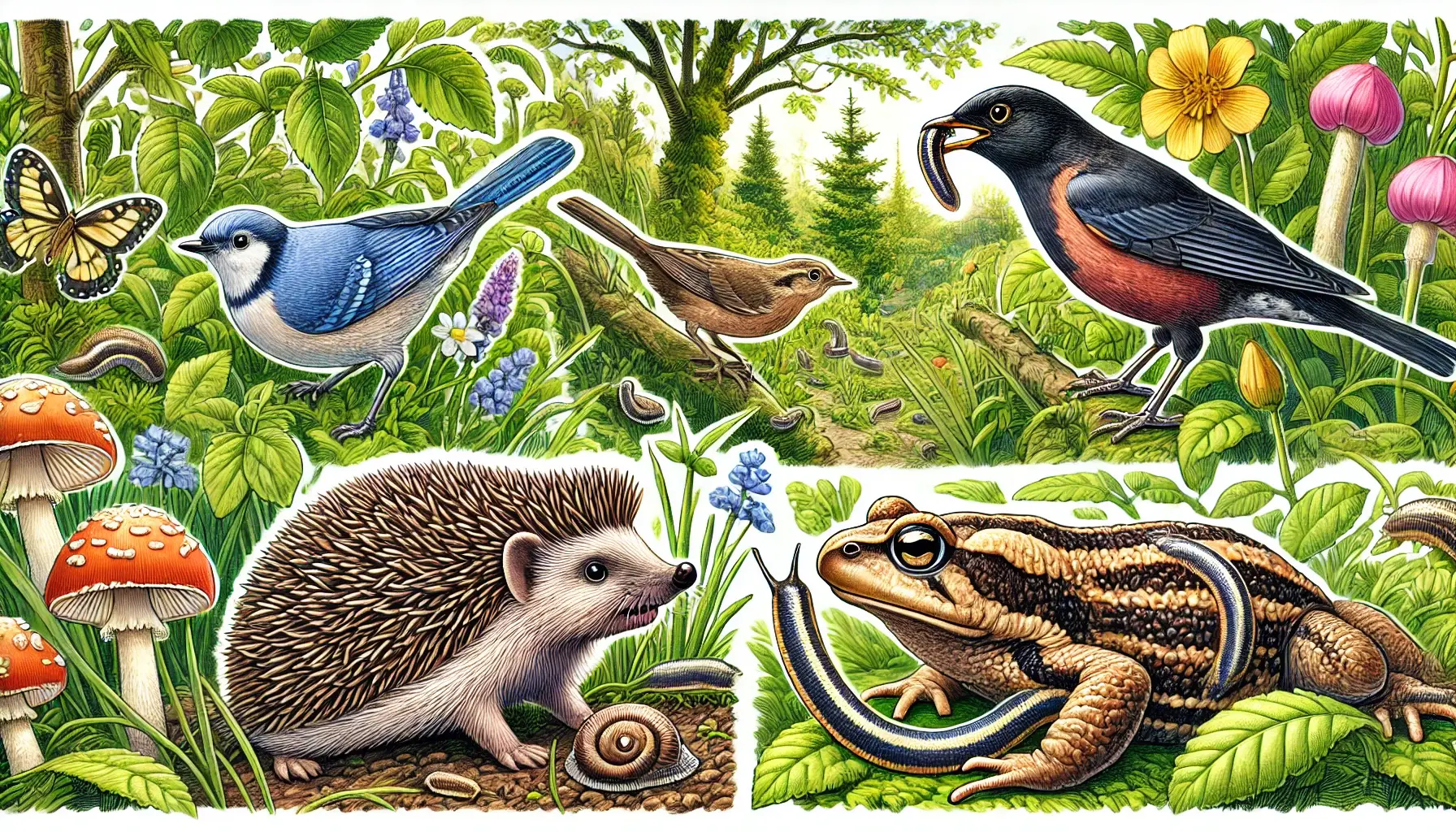
That means setting up the garden to welcome their natural predators, not killing or relocating the slugs so that these predators find their prey nearby and therefore truly settle in, and using genuinely effective slug barriers such as water and copper (forget the eggshells or the ash) to protect your plants effectively while the problem sorts itself out.
For more detail on the tests of the various slug barriers (and to understand why I say you should forget eggshells and other old wives’ remedies), have a look at this article on the Slug control section of the website
I hope you’ve enjoyed this article, and that it has given you new tools to garden freely and self-sufficiently, all while understanding what you’re doing and why you’re doing it.
See you soon,
Robin.
The information in this article has been selected and verified according to the criteria defined in our editorial charter.
Done with slugs. For good. Starting this season.
Scientific references
- DISTRIBUTION OF ARION HORTENSIS S.S. AND ARION DISTINCTUS IN NORTHERN SWITZERLAND
- Consumption rate and susceptibility to parasitic nematodes and chemical molluscicides of the pest slugs Arion hortensis s. s. and A. distinctusJ. Iglesias, B. Speiser, Biological and chemical control of Arion hortensis s. l. slugs
- Epiphallus anatomy in the Arion hortensis species aggregate (Mollusca, Pulmonata)
Related articles
Testing and review of 30 natural slug deterrents (do they work?)
Read
Slug-repellent plants, or prevention through planting
Read
Surface composting: protect your vegetable patch from slugs, with love
Read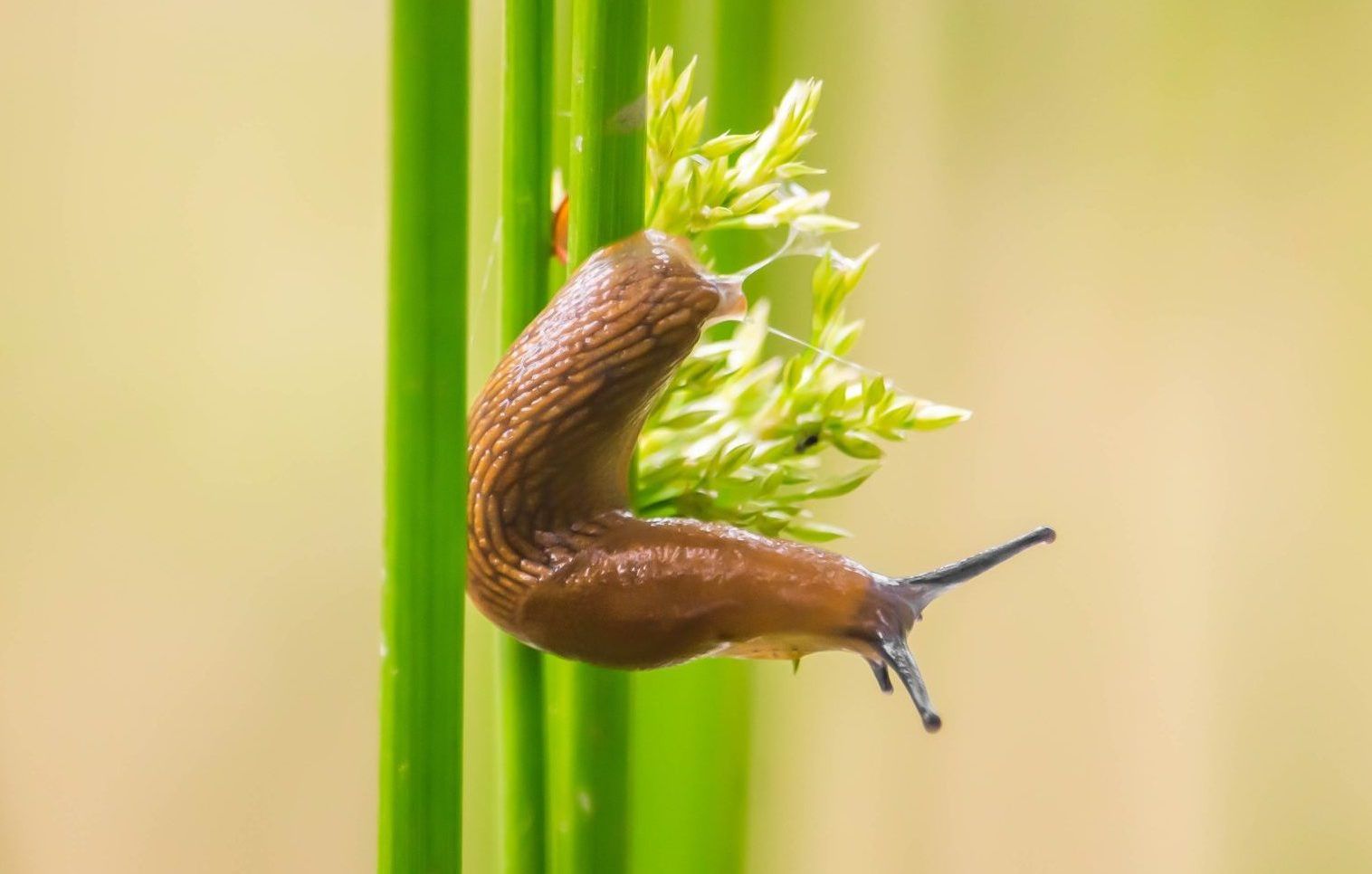
Slugs: their usefulness in the garden, what they indicate, and holistic management through reshaping the habitat
Read
Slug predators: which are they? How to attract them to the garden?
Read
Slug control: the (harmful) methods to avoid – why and how?
Read