Where to find a slug control that is safe for animals?
Key points
• Real dangers:
– Metaldehyde (blue pellets): Deadly and carcinogenic.
– Beer traps: Risk of intoxication and accidents for wildlife.
– Iron phosphate (“Bio”): Not harmless. Toxic in high doses to dogs and cats, and potentially harmful to earthworms.
• Immediate “zero-risk” solutions:
– Hand-picking (tip: lay out “trap” boards to gather them up in the morning).
– Nematodes: Effective and 100% harmless to pets.
• The long-term strategy: Aim not for eradication but for balance.
1. Attract natural predators (hedgehogs, ground beetles).
2. Plant “decoy” plants that the slugs will eat instead of your vegetables.
3. Physically protect vulnerable crops.
• Effective physical barriers:
– Ineffective: Eggshells, ash, coffee grounds, diatomaceous earth (dangerous to beneficial insects).
– Effective: Water moats (> 10 cm wide) and vertical copper barriers (> 5-7 cm high).
• In short: For the safety of your animals, banish absolutely any metaldehyde-based pellet, and limit or avoid iron phosphate. Favour physical barriers (copper) and encourage biodiversity.
If you're discovering my blog, chances are slugs and snails are giving you grief.
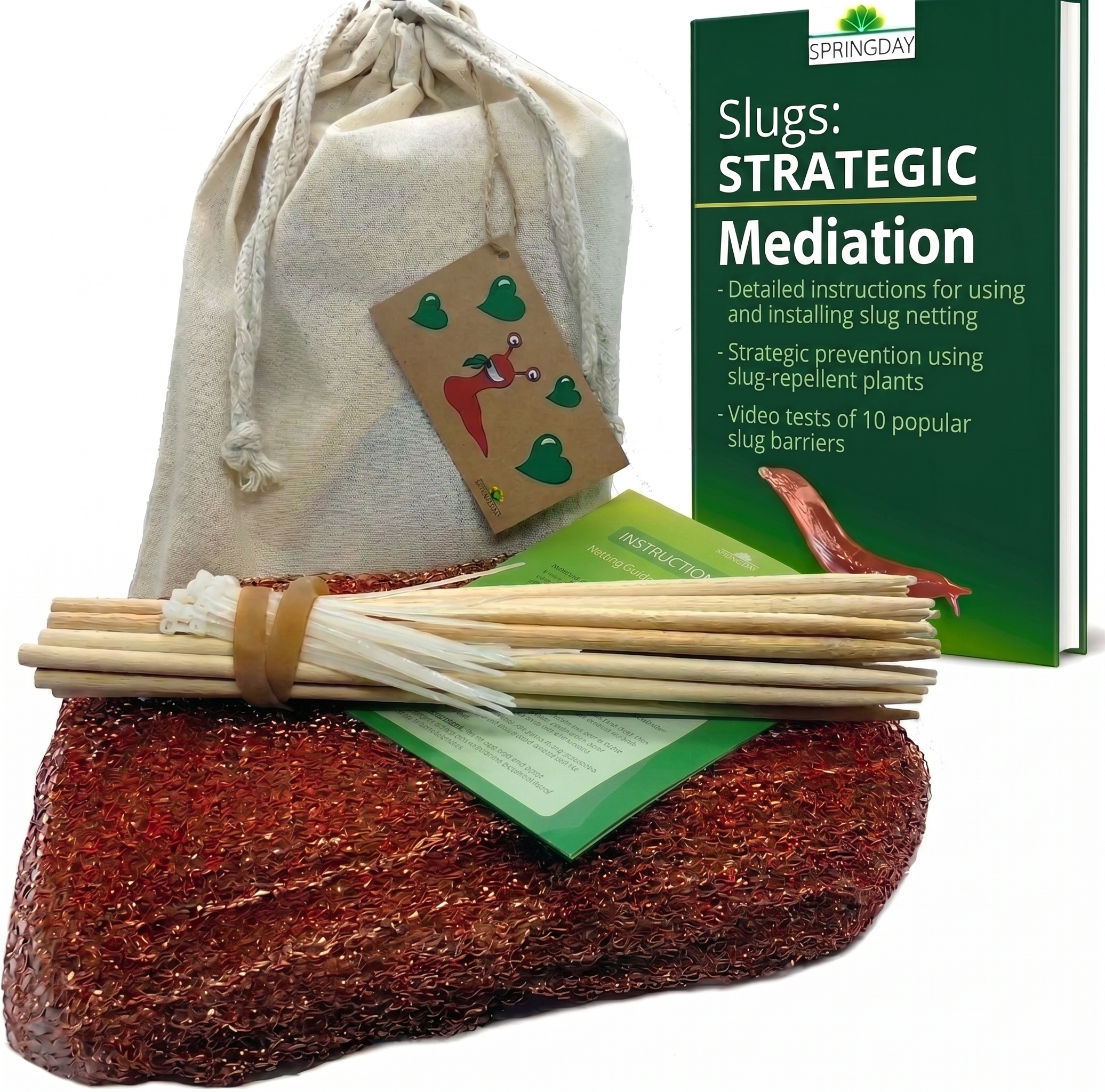
You'd probably be very interested in the copper slug barrier I designed .
It changed everything for me. I can finally grow lettuce, cabbages, strawberries and squashes without tearing my hair out.
Don't hesitate — it's an investment (copper is expensive), but you'll likely save yourself a huge amount of time!
Shop-bought slug controls: what are the risks for domestic and wild animals?
Among the ways to control slugs, we can name three with harmful effects on the garden’s wildlife – domestic and/or wild:
- iron phosphate slug pellets
- metaldehyde slug pellets
- beer traps
Iron phosphate slug controls: approved for organic gardening, but be careful!
It is often the default choice for organic gardeners. Although iron phosphate is infinitely less dangerous than metaldehyde, it is not harmless for all that.
For soil life: Several studies (see the sources cited on that page) suggest that it could affect earthworms (wiping out part of the population if it is used heavily). Yet the earthworm is the architect of your soil. Killing worms to save a few lettuces is a poor calculation in the long run.
For your dogs and cats: Contrary to popular belief, it is not “edible” for them. While the risk of fatal poisoning is low if they swallow a few pellets, ingesting a large quantity (if the dog tears open the packet, drawn by the scent of the bait) can cause severe digestive problems, or even an iron overload dangerous to the liver.
Verdict: It is the “least bad” of the chemical products, but it is not a treat. Use it sparingly and store it out of reach.
Metaldehyde slug controls, dangerous for cats and dogs
These pellets, easily recognised by their bright blue colour, are proven carcinogens. Through mere contact. For humans, and for animals (cats, dogs, hedgehogs, etc.).
If swallowed, they are highly toxic and potentially fatal (for pets).
These slug controls are, moreover, one of the main causes of the decline in the hedgehog population over recent decades.
Beer traps, potentially risky
The danger of this solution to ground beetles – a great predator of slugs – is direct and very strong. Drawn by the scent of the slugs, the ground beetles end up drowned in the beer.
As for mammals, tame or wild, the risk is smaller, it is indirect, but it is real: an animal that drinks from a saucer of beer is an animal that is quickly drunk and disoriented, and to which an accident can easily happen (run over by a car, falling and drowning in a pool, etc.). It is the danger often mentioned in relation to hedgehogs, and it applies to dogs and cats too, among others.
In short: these 3 methods of slug control, often among the most widely used, are rather to be avoided if you want to keep your animals safe.

If you have pets, you will need to turn to the solutions I present in the next section.
What effective and safe alternatives are there for managing slugs in the garden?
The stopgap options (short-term, because they do not solve the root of the problem)
The “zero-risk” method for pets: hand-picking
Before you set out to buy a product, let us not forget the oldest, safest and most free method (but soon an exhausting one): your hands! It is a method that guarantees the safety of your animals 100%, since no product is used.
The trick so you do not spend all night at it
Do not go looking for the slugs, make them come to you. Lay down wooden boards, roof tiles or damp cardboard along your paths. At daybreak the slugs will come and take shelter in these slug traps to stay cool.
In the morning, while drinking your coffee, lift the board: the harvest is ready.
You can then move them far from the vegetable patch (into a compost heap at the bottom of the garden or onto some waste ground) or offer them to your hens for their breakfast.
Nematodes: the invisible and harmless biological weapon
If you want a “drastic” but entirely biological solution, nematodes (Phasmarhabditis hermaphrodita) are also a good option. They are microscopic worms that specifically parasitise slugs and make them starve to death within a few days. I do, however, have a few “cautious” reservations about controlling slugs with nematodes, which you can read in this article.
Is it dangerous for my dog or my cat?
Absolutely not. These worms are specific to gastropods. They completely ignore warm-blooded animals, birds, hedgehogs, etc. You can treat your garden in the morning and let your dog play in it in the afternoon without any worry.
Despite a few misgivings I have about this option, it is often the best emergency solution in the event of a massive invasion.
And diatomaceous earth? (Why I avoid it)
You often read that diatomaceous earth is the miracle natural slug control. It is a powder of fossilised micro-algae that acts like microscopic razors on insects. On paper, it is natural.
But in practice, and even though it is safe for pets, I advise against it for two major reasons if you take a “permaculture” approach:
1. It is not selective: It also injures and kills useful crawling insects, such as ground beetles or rove beetles, which happen to be among the best natural predators of slugs! Using diatomaceous earth often means shooting yourself in the foot by killing your allies.
2. Ineffectiveness in the rain: Diatomaceous earth only works in dry weather. Yet slugs come out when it rains… As soon as it gets wet, it turns into a harmless paste.
If you want to know more about why I do not recommend this seemingly good idea, I have written a full article on the subject: Diatomaceous earth against slugs: yes or no?
Despite the existence of these methods, what I can tell you is that a single slug control measure, put in place on its own, will not be effective enough, and will leave you disappointed.
If you want to settle a slug problem in your garden once and for all, you need a STRATEGY. A clever strategy, based solely on methods that are completely safe for your animals.
The strategy
Yes, a genuine strategy, like a general on a battlefield.
This strategy, often detailed throughout my blog, consists of 3 main pillars:
-
Attract the natural predators of slugs: animals and insects that feast on gastropods, and which, once settled in your garden, will keep their numbers in check continuously. This is, by the way, a good reason not to kill the slugs, because otherwise these predators will no longer find their prey, and will move on!
-
Increase the presence of various plants that slugs love in your garden: a fine row of lettuces in the middle of a no man’s land is the best way to see the enemy troops gather there and tear it to shreds. So do as they do in the films, and create a diversion! Offer these slimy ladies something to feast on. They will leave your lovely lettuces and courgettes far more in peace and will have time to be gobbled up by a few roaming predators.
-
Use effective slug barriers: for the time it takes the garden to rebalance itself for good, and for the problem to be absorbed. So that, in the meantime, you can still harvest enough to be proud of and feed your little family.
A lot of false claims are made about these slug barriers, and in this final section I propose that we separate the true from the false. The effective from the ineffective. The wheat from the chaff.
Slug barriers: slug controls that are completely safe, and very effective for some
I will tell you straight away: Slug control section of the website over time.
Eggshells, ash, brambles, fine sand… will not let you protect your plants from gastropods for the long term. And they will force you to spend your spring evenings with a head torch screwed onto your head and a bucket in your hands.
I tell you this because I have tested all these barriers, found to be ineffective: proof.
In fact, only two barriers have proven perfectly effective at blocking the path of slugs and snails:
- Water moats, over a depth > 5 cm and a width of about 10 cm
- Copper, used vertically over a height > 5/7 cm
The water-moat method can easily be applied by partly burying lengths of guttering sealed at their ends (which fill up when it rains).
The application of the second method is built into a copper-based device, which I have designed, and which you can find here: the copper mesh for slugs.
Other animal-safe slug barriers, sold in shops, have made use of copper. Unfortunately, far too many of these barriers are not tall enough. Here you will find a complete copper mesh comparison for slugs of every copper slug control sold in shops.
Once you have found the slug barrier of your dreams, all that is left is to wait calmly, until the slug predators settle in and plant biodiversity develops.
The information in this article has been selected and verified according to the criteria defined in our editorial charter.
Done with slugs. For good. Starting this season.
FAQ: Your questions about animals and slugs
Is it serious if my dog eats a slug or a snail?
This is a very important question of veterinary health. Beyond the fact that it is hardly appetising, swallowing gastropods carries a real risk: the transmission of Angiostrongylosis (lungworm disease). Slugs and snails can carry parasite larvae (Angiostrongylus vasorum) which, once ingested by the dog, migrate to the heart and the pulmonary arteries. If your dog is in the habit of crunching slugs, talk to your vet about adjusting its worming protocol.
Are coffee grounds toxic to cats and dogs?
Coffee grounds are often recommended as a natural repellent (click here if you want the details of their effectiveness against slugs). However, caffeine is toxic to dogs and cats if ingested in significant amounts. In practice, a thin layer scattered around the garden poses little risk (but it is also of very little use, and inhibits germination!) because the smell does not particularly attract animals. But if you have a very greedy dog that tends to lick the ground or eat anything, avoid coffee grounds as a precaution and favour physical barriers (such as copper) or hand-picking.
Which smells do slugs hate (without endangering my animals)?
If you are looking for safe scent repellents, go for garlic, the only one that has shown a real effect in Slug control section of the website You can make decoctions from it (garlic boiled in water) to spray. It is 100% risk-free for your four-legged companions, unlike pure essential oils, which are best avoided in the garden. But also not very long-lasting, because at the first rain it is all washed away, and the effect of the smell does not last long.
What should I do if my animal has eaten slug pellets (even “organic” ones)?
Do not wait for symptoms. Even if the packet states “contains a bittering agent” or “low toxicity” (iron phosphate), treat it as an emergency. Take the product’s packaging with you and head to the vet or contact a veterinary poison control centre immediately. The speed of treatment is often decisive.
Scientific bibliography
-
- W.E. Gavin, G.W. Mueller-Warrant, S.M. Griffith, G.M. Banowetz,
Removal of molluscicidal bait pellets by earthworms and its impact on control of the gray field slug (Derocerus reticulatum Mueller) in western Oregon grass seed fields, Crop Protection, Volume 42, 2012
This study shows that the iron phosphate pellets progressively disappear from the spreading surface because they are carried off by the earthworms. One interpretation is that the earthworms are attracted to these pellets and feed on them. Combined with the previous studies, it seems easy to me to picture the reality of the impact of iron phosphate pellets on earthworms
- W.E. Gavin, G.W. Mueller-Warrant, S.M. Griffith, G.M. Banowetz,
The study examines several different substances for their ability to repel slugs and snails. The results revealed, in particular, that copper had repellent effects.
Related articles
Testing and review of 30 natural slug deterrents (do they work?)
Read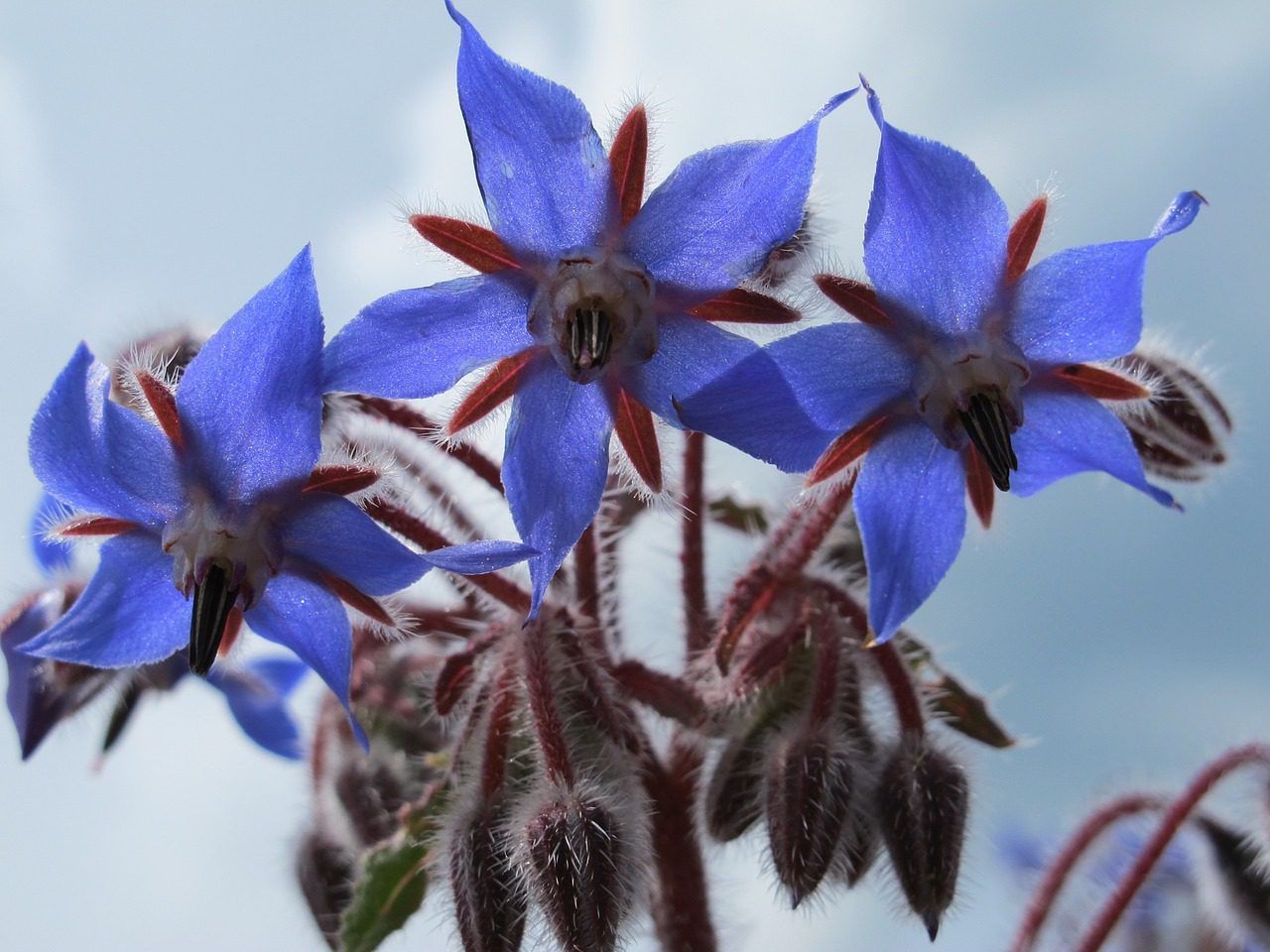
Slug-repellent plants, or prevention through planting
Read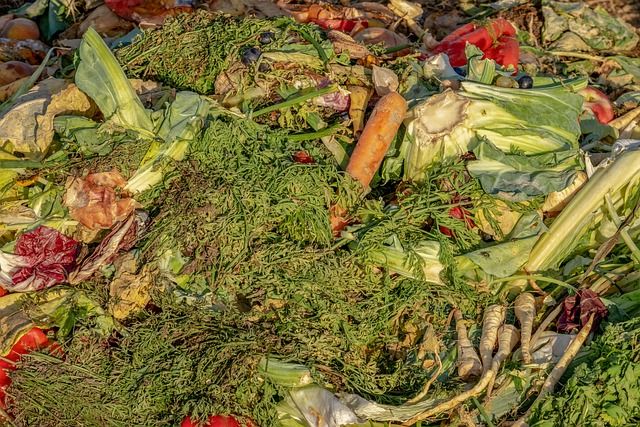
Surface composting: protect your vegetable patch from slugs, with love
Read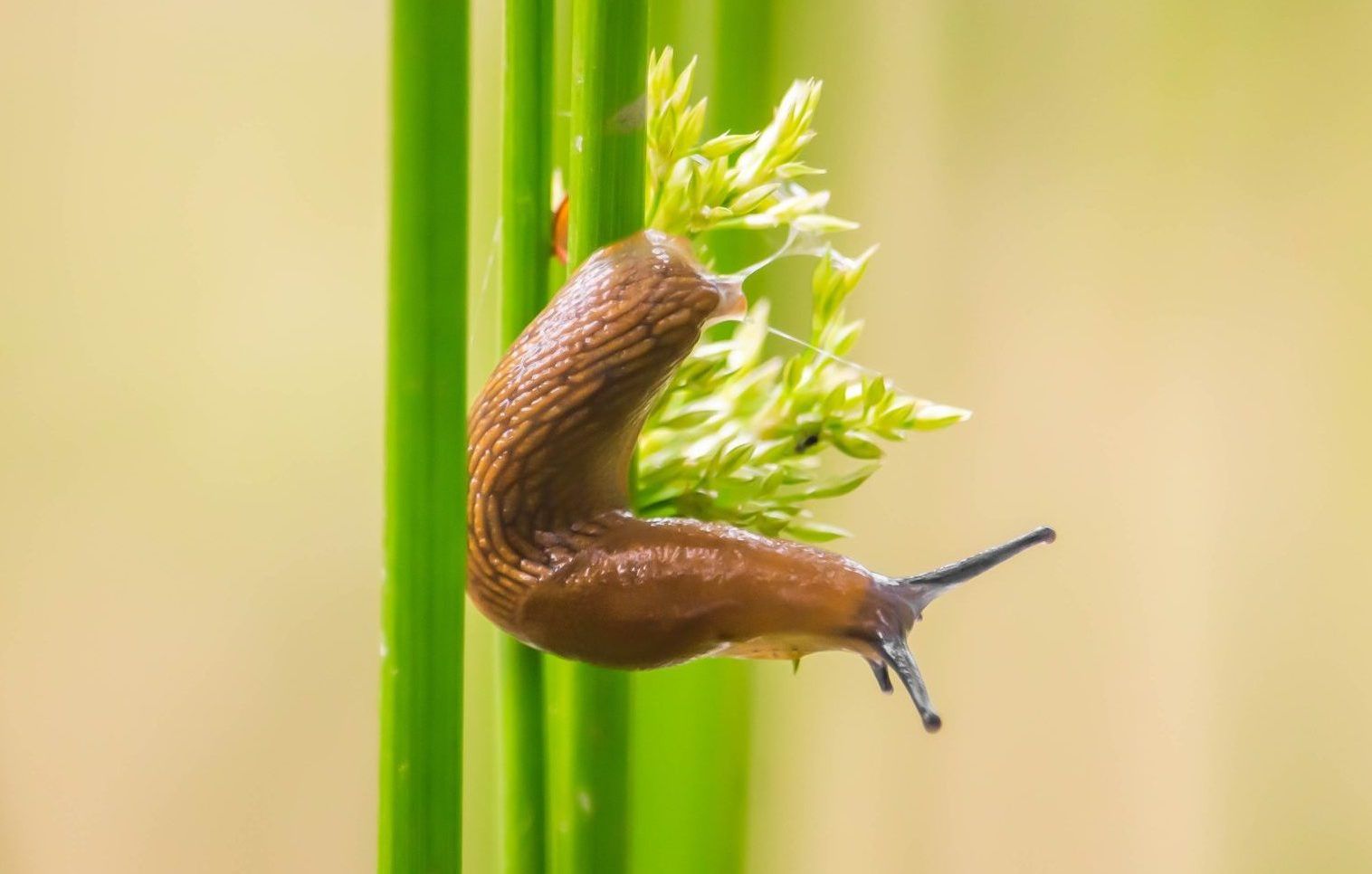
Slugs: their usefulness in the garden, what they indicate, and holistic management through reshaping the habitat
Read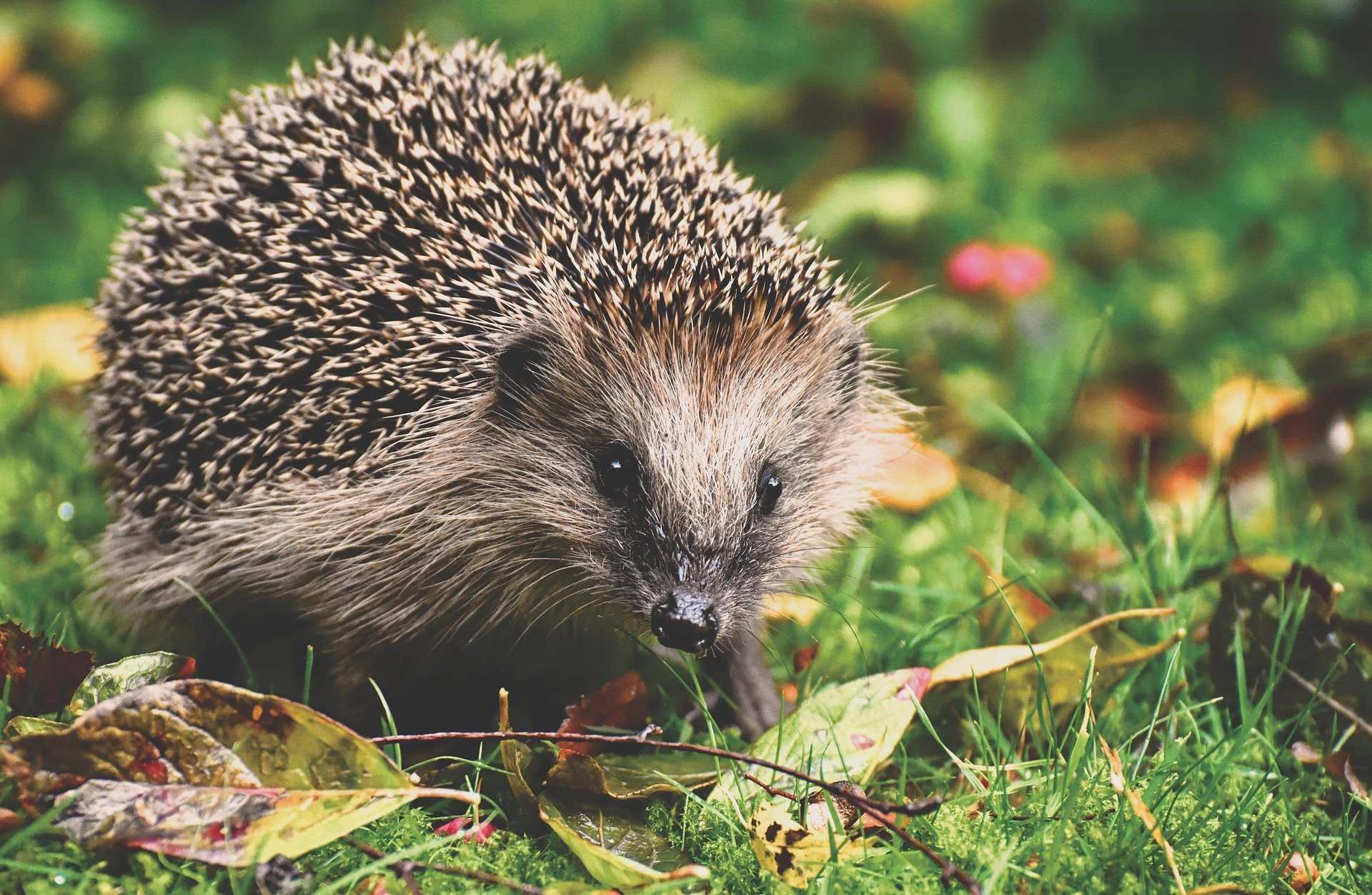
Slug predators: which are they? How to attract them to the garden?
Read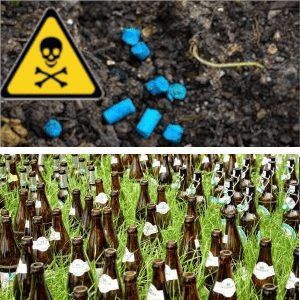
Slug control: the (harmful) methods to avoid – why and how?
Read