Which natural slug control for permaculture?
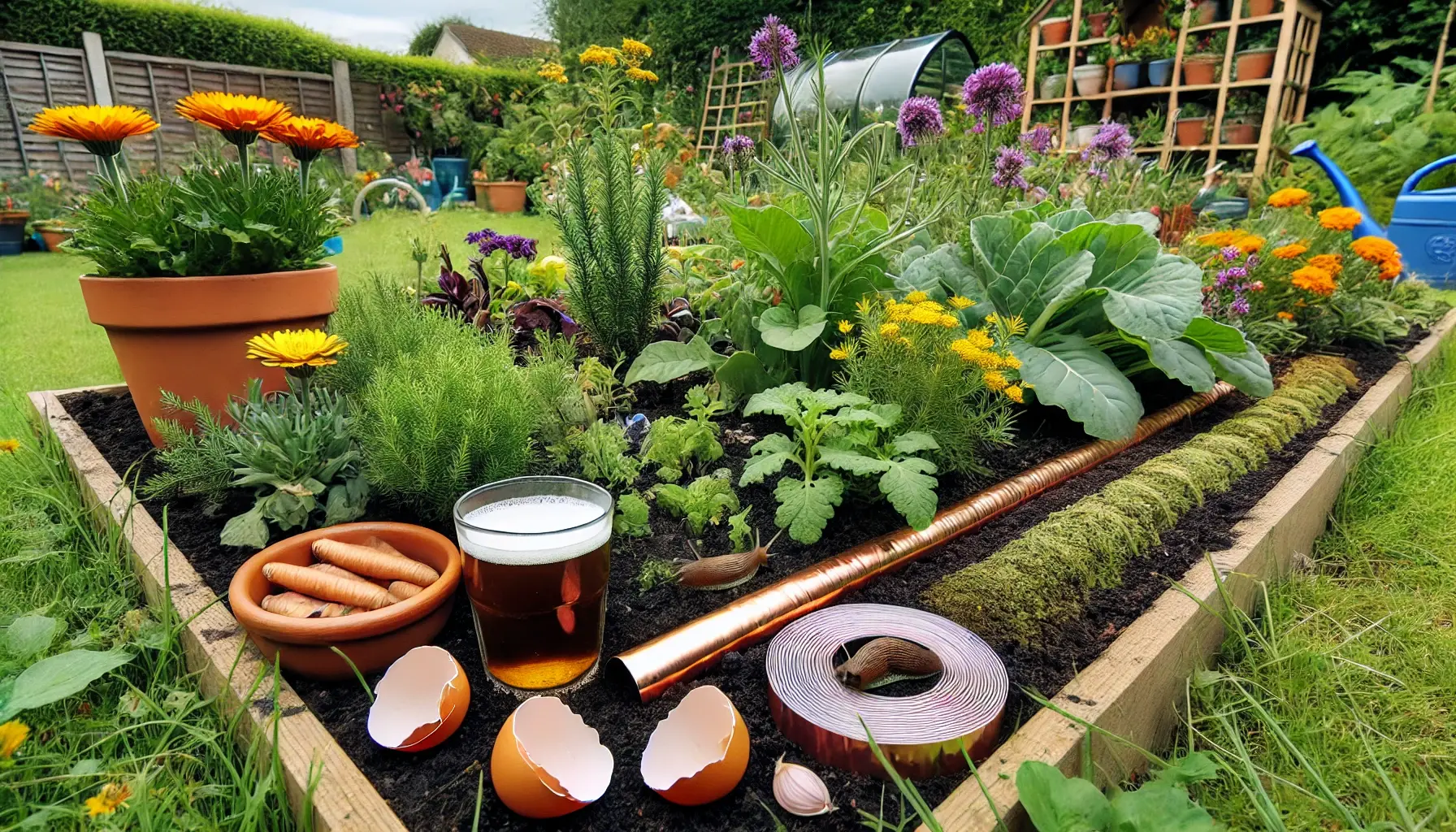
You garden the permaculture way, but you are overrun with slugs. How can you protect your vegetables while staying true to permaculture?
That is exactly what we are going to look at here, starting by redefining what permaculture actually is.
I will then tell you about my own tests (which you will be able to watch), and I will give you a clear action plan for putting an end to slugs for good. And all of this in keeping with the philosophy that permaculture embodies.
Does the programme appeal to you?
Then let’s get started!
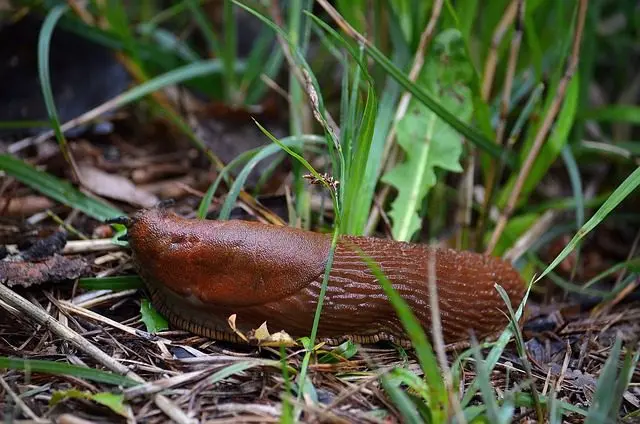
If you're discovering my blog, chances are slugs and snails are giving you grief.
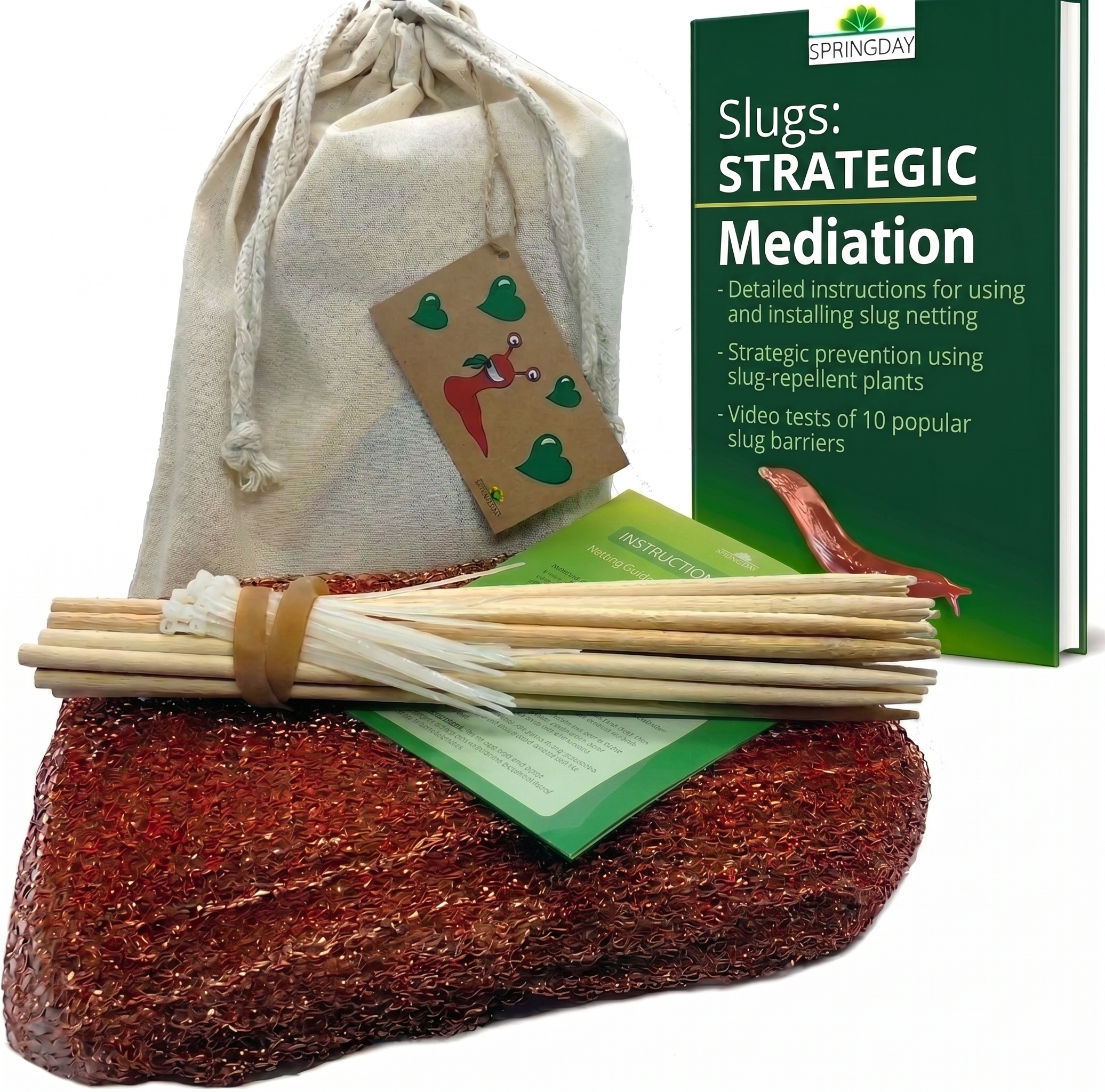
You'd probably be very interested in the copper slug barrier I designed .
It changed everything for me. I can finally grow lettuce, cabbages, strawberries and squashes without tearing my hair out.
Don't hesitate — it's an investment (copper is expensive), but you'll likely save yourself a huge amount of time!
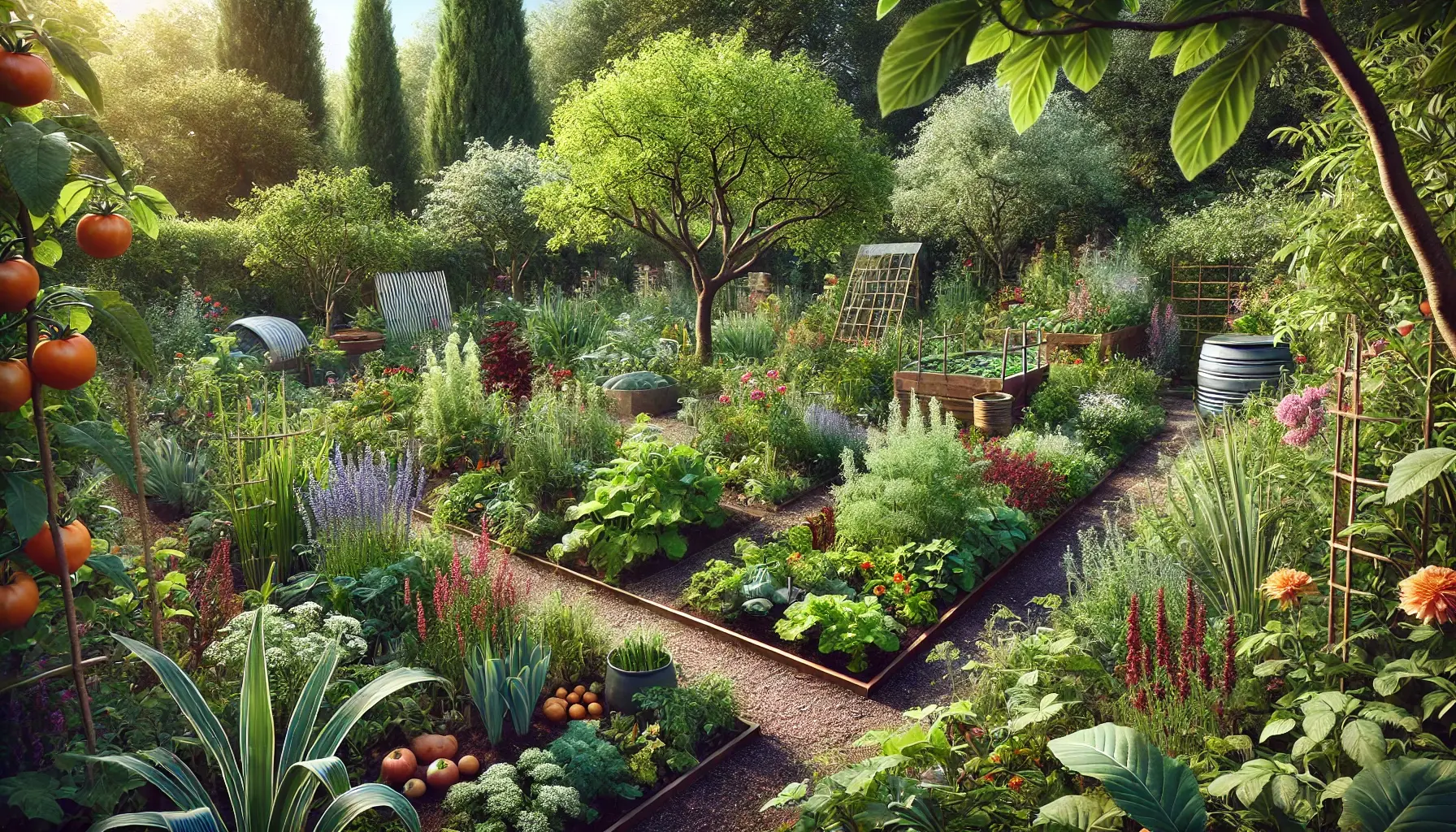
Permaculture: what exactly are we talking about?
A definition of permaculture:
“Permaculture is an approach to designing agricultural systems and a sustainable way of living that takes its inspiration from natural ecosystems.
It aims to create productive, resilient and balanced environments while minimising the negative impact on the planet.
Drawing on principles such as observing nature, diversity, cooperation and the sustainable management of resources, permaculture brings together methods of cultivation, architecture, water management and waste management to create harmonious and self-sufficient human habitats.”
And yes, what far too few people realise is that permaculture is much more than a “gardening method”.
Permaculture aims for a change in our ways of living, towards greater self-sufficiency and resilience.
A more “sustainable” way of life, in a sense.
A definition of permaculture gardening
Let’s now look at the definition of permaculture gardening (which is part of this sustainable way of life).
Here it is:
“Gardening the permaculture way means growing plants by taking inspiration from the principles and practices of natural ecosystems.
This includes creating diverse and resilient gardens, using natural resources efficiently (such as water and nutrients), and promoting biodiversity.
Permaculture gardeners seek to minimise waste, recycle organic matter, and encourage beneficial interactions between plants, animals and micro-organisms in order to create a self-sufficient and sustainable garden.”
To sum up, gardening the permaculture way is “simply” gardening while taking inspiration from how natural ecosystems work.
And if we take our inspiration from them correctly, that inevitably leads to vegetable gardens that are self-sufficient (or thrifty) and resilient.
More concretely, in permaculture we avoid as far as possible eliminating “pests” or “undesirables”, because the products or methods used to do so often have harmful side effects.
Instead, we aim to attract their natural predators, which can settle into the garden and regulate them naturally and continuously.
How to sort the slug controls in what follows
Now that we have begun to clear the ground, so to speak, let’s sort through the various ways of putting an end to slugs in the garden.
We will first see which slug controls are not “natural” and should not be used when gardening the permaculture way.
We will then turn our attention to slug controls that are natural this time, but which still do not work in permaculture.
After that, we will look at the natural slug controls that do work, this time, in permaculture.
Finally, I will present the strategy that will allow you -by using some of these permaculture-friendly slug controls- to put an end to slugs in the garden for good. While respecting the philosophy of permaculture.
Which slug controls are not natural?
Non-natural slug controls are generally synthetic chemical products used to control slug populations in gardens (iron phosphate above all) and in crops (metaldehyde above all, and sometimes iron phosphate or the following). Here are a few common examples:
1. Metaldehyde slug pellets : This is one of the most commonly used slug controls. It is effective but can be toxic and carcinogenic to pets, wildlife and even humans if ingested.
2. Iron phosphate slug pellets : Although sometimes presented as safer than metaldehyde, some ferric phosphate slug pellets may contain additives that make them less environmentally friendly. It works by disrupting the slugs’ metabolism. Some studies suggest that it might also affect earthworms.
3. Carbamate : These are chemical products used as pesticides that can also kill slugs. They are highly toxic to mammals and beneficial insects.
4. Methiocarb : Another chemical product used as a slug control. It is very effective but extremely toxic to animals and humans.
5. Sodium hydroxide (caustic soda) : Sometimes used in slug control solutions, it can cause chemical burns and is dangerous to handle.

Which slug controls are natural but not compatible with permaculture – Personal viewpoint
First of all, let’s start by defining what we are going to consider a Slug control section of the website: A natural slug control is a means or method of managing slugs that uses substances or techniques from natural sources, and this without too much intermediate processing by humans.
Generally speaking, anything that kills slugs will fall into this category, because I do not consider that “permaculture-friendly” – and I will explain why in the next section.
Here is the list (and the justifications) of the natural slug controls that I do not consider compatible with permaculture:
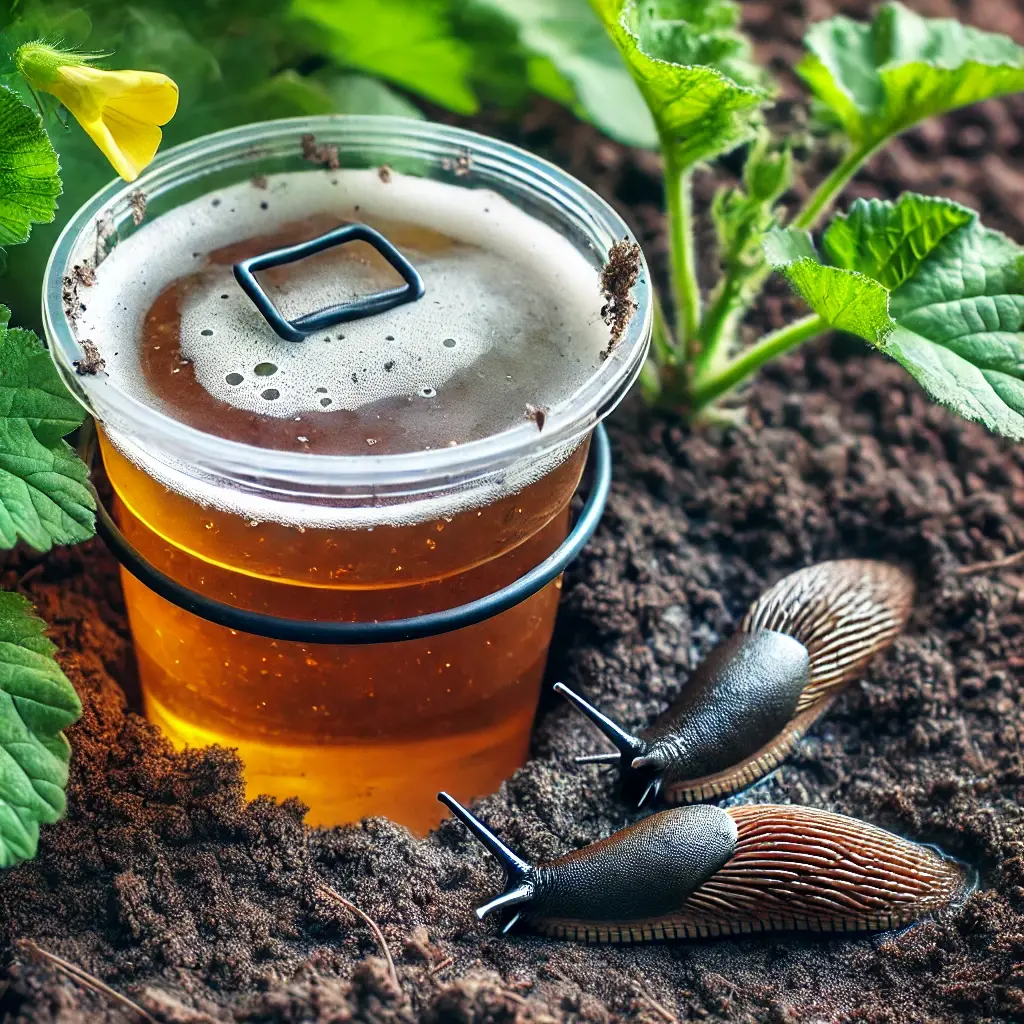
- Beer traps : Slugs are attracted to the beer and drown in the traps. Although this may be considered natural, beer traps kill slugs, as well as being counterproductive (slugs are drawn from a long way off by the beer, and only about a third actually die in the trap).
- Diatomaceous earth : Diatomaceous earth is a fine powder that injures slugs and other insects when they crawl over it, dehydrating and killing them. Its use can also affect other insects in the garden (any insect trying to cross a layer of diatomaceous earth will be killed).
- Wood ash (in the case of alkaline soil) : Wood ash can be sprinkled around plants to create a slug barrier. Ash raises the pH of the soil, which is therefore very counterproductive in alkaline soil (where the pH is already high), upsetting the garden’s balance from the soil up. I therefore do not consider ash a permaculture-friendly method if your soil is alkaline.
- Quicklime : Even more alkaline and aggressive than ash, it will also affect the other insects in the garden, just like diatomaceous earth.
- Table salt : salt kills slugs through dehydration, but it can also directly harm the health of the soil.
- Concentrated essential oils : Some essential oils can kill slugs if applied directly, and they can also harm other organisms.
- Killing slugs (in general: knife, salt, boiling water, and other inventions …) : A direct method that will not solve the problem, and one that goes against the philosophy of permaculture, which champions respect for living things.
- Use of specific nematodes : Nematodes are microscopic worms that infect and kill slugs. Although natural, they can upset the natural balance by introducing a specific predator (in particular by wiping out slugs very quickly and then dying off: which is therefore similar to killing the slugs directly).
- Chickens and Indian runner ducks against slugs : these animals are effective at reducing the garden’s slug population. However, they are not part of the local natural ecosystems, and will eat large quantities of the (natural) predatory insects that prey on slugs and are so effective for their long-term regulation. All while “substituting” the food of the larger slug predators (hedgehog, slow-worm, …). To better understand my point of view on this often-debated question, I invite you to read this article: Indian runner ducks against slugs
- Collecting the slugs and moving them far from the garden : and yes, I also consider that this solution, although effective in the short term, is not permaculture-friendly! Because if you continually remove the slugs from your garden, you are at the same time signing up to this practice every single year. If you do not arrange for your garden system to regulate slugs on its own, you will have to keep working away, by the sweat of your brow and by the light of your torch, to do this. Continually removing an element from the system is not, in my view, permaculture-friendly!
A permaculture-friendly way of managing a problem (of slugs, or whatever it may be) comes down to acting by influencing the existing garden system, or by arranging it so as to encourage positive synergies within it.
Arbitrarily eliminating an element of this system, regularly “removing” it from this system (killing or moving the slugs – with a bucket, a knife, nematodes, …), is not, in my view, what the permaculture vision is about.
But let’s look right away at how I see things. Starting with the natural slug controls that can be used in permaculture.
Then, we will look at the overall strategy to put in place.
Natural slug controls that can be used in permaculture
- Use of a slug barrier : whether made of brambles, sawdust, ash on acidic soil… Slug barriers are one way of managing slugs in permaculture. They make it possible to keep the slugs inside the garden system while protecting your crops. You act on the system, without stepping in directly to eliminate one of its elements. Be careful, though : most of these slug barriers are ineffective over time (see my video tests here). Only copper used as a vertical barrier and water used by means of moats are genuinely effective over the long term.
- Use of anti-slug plants : by anti-slug plants, I am grouping together the plants that are naturally resistant to slugs (even repellent) which you can choose to grow, and the plants that slugs are very fond of. The latter serve to offer “alternative prey” to the slugs present in your vegetable garden. This dilutes the pressure they put on your vegetable or ornamental plants. Here too, as I am sure you understand, this is a method in perfect harmony with the philosophy of permaculture.
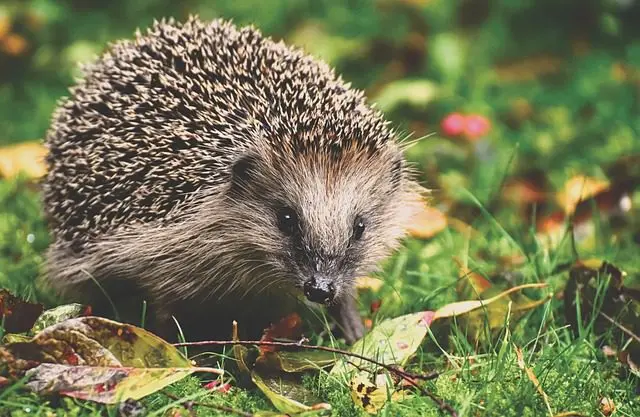
- Attracting the natural predators of slugs : without doubt THE thing to prioritise, if you really want to put an end to slugs for good. To do so, you need to arrange the garden so that it is highly welcoming to these predators. And you must also, without fail, neither kill nor move the slugs. Because if the slugs’ predators cannot find their food within your garden, they will never settle there.
Now that you know the slug controls that can be used in permaculture, let’s conclude with the general method to apply in order to put an end to slugs in the garden for good.
Conclusion
Your garden is overrun with slugs.
And you want to garden the permaculture way.
Right, here is what you are going to do:
1. Do not kill the slugs, and do not move them out of your garden. A necessary condition for attracting and settling their natural predators.
2. Plant a wide diversity of slug-resistant plants (the plants you want to grow), repellent ones, and ones that slugs are very fond of. So as to considerably reduce the damage they do to your plants. Read this article on anti-slug plants for more detail on the matter.
3. Arrange your garden so that it is attractive to the natural predators of slugs. Natural hiding places, shelters, possibly supplementary food, water, … And be patient. It can take between 2 and 5 years for the predators to settle in and develop enough for your slug problem to come to an end. To find out more, read this article on the natural predators of slugs and how to attract them to the garden.
4. During this “rebalancing” period for your garden system (which moves back closer to how the local natural ecosystems work), use effective slug barriers, in order to protect your plants (and so that this transition period is “liveable” for you). Use water moats with the help of semi-buried guttering or a copper barrier. The one I designed for my own garden and that I now sell, given its incredible results, is available here: the copper mesh for slugs.
You will protect your plants from slugs.
And in 2 to 5 years, if you do things properly, you will have -almost- no more slugs in your garden.
I hope you have enjoyed this article, and that it has given you new tools to garden in freedom and self-reliance, while understanding what you are doing and why you are doing it.
See you soon, Robin.
The information in this article has been selected and verified according to the criteria defined in our editorial charter.
Done with slugs. For good. Starting this season.
Scientific references
- “Permaculture for Agroecology: Design, Movement, Practice, and Worldview” (Springer) (SpringerLink)
- “Permaculture—Scientific Evidence of Principles for the Agroecological Design of Farming Systems” (MDPI) (MDPI)
- “Organic Slug Control Proves Itself” (RHS Gardening) (Royal Horticultural Society)
Related articles
Testing and review of 30 natural slug deterrents (do they work?)
Read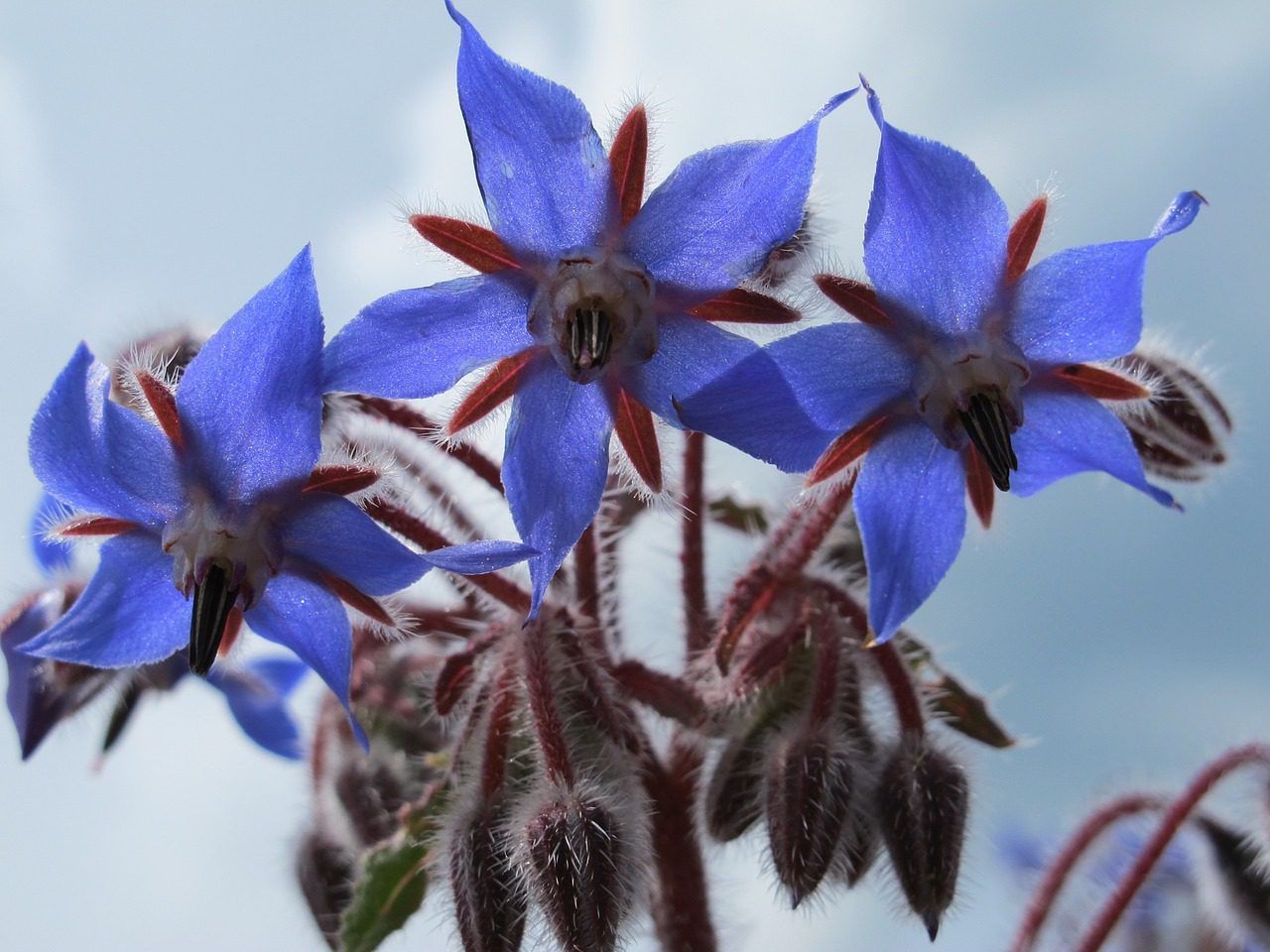
Slug-repellent plants, or prevention through planting
Read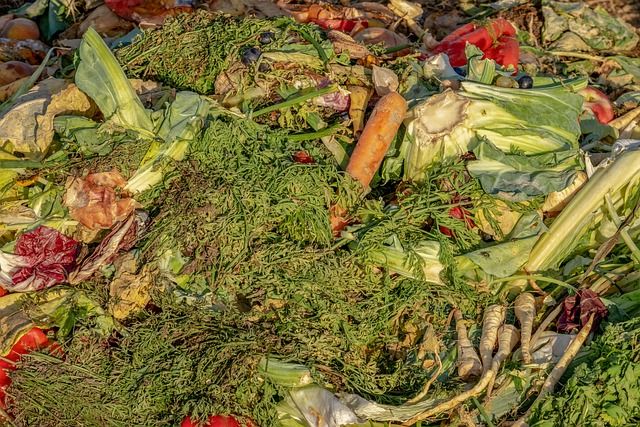
Surface composting: protect your vegetable patch from slugs, with love
Read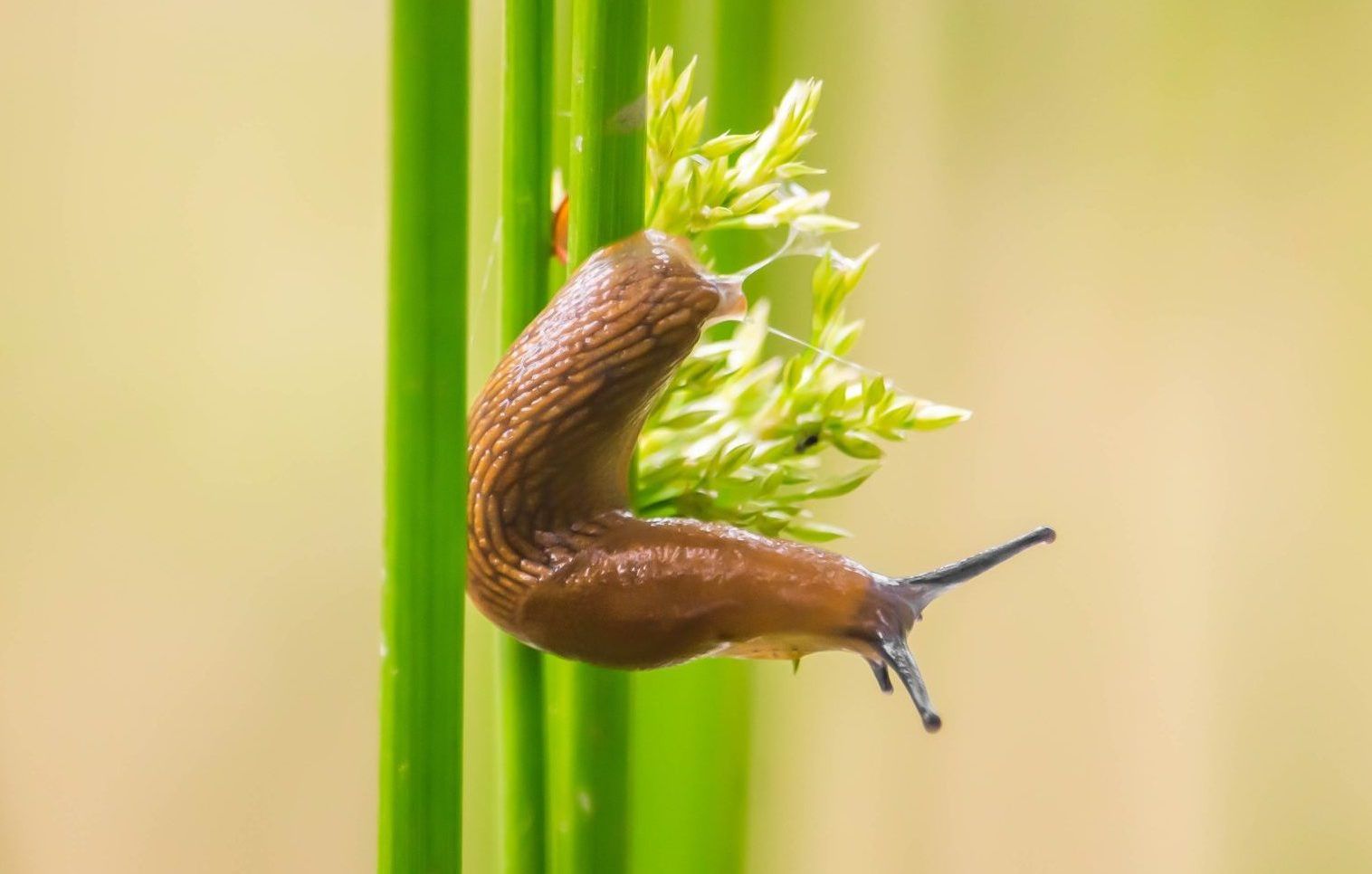
Slugs: their usefulness in the garden, what they indicate, and holistic management through reshaping the habitat
Read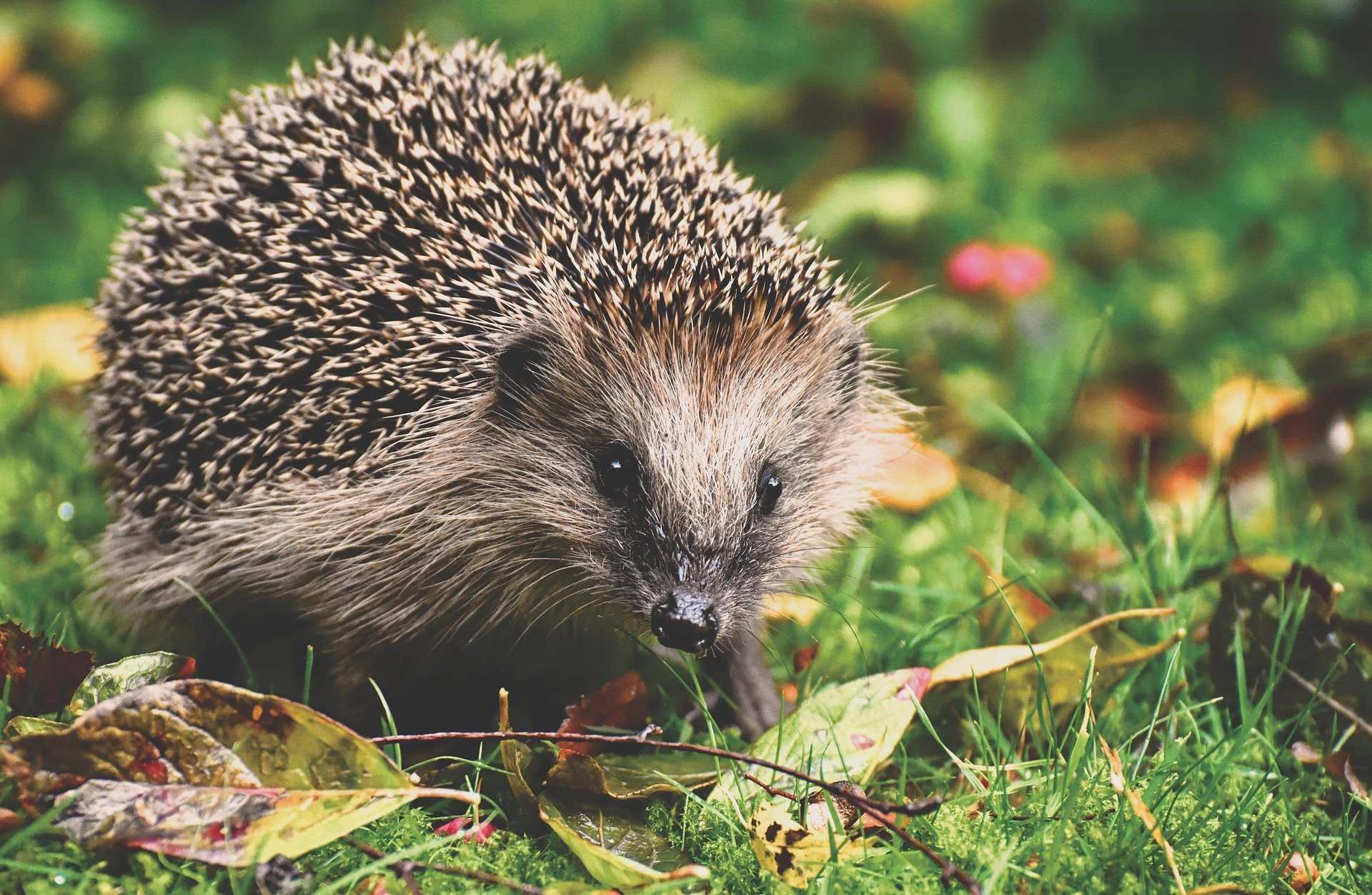
Slug predators: which are they? How to attract them to the garden?
Read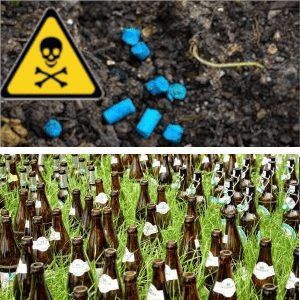
Slug control: the (harmful) methods to avoid – why and how?
Read