Slugs: Understanding this fascinating creature, its role in the ecosystem, and how to manage it in the garden
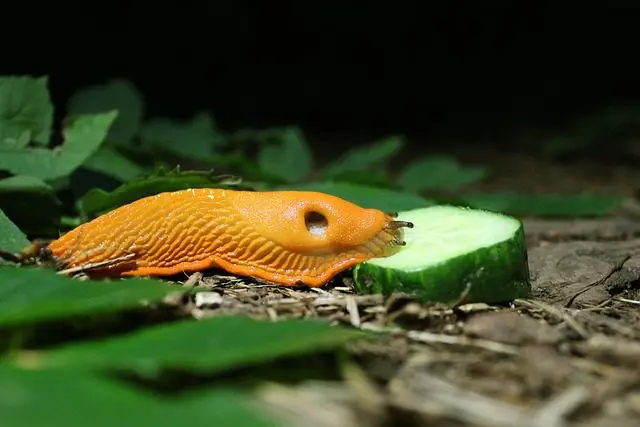
The slug, a discreet yet ever-present creature in our gardens, is often seen as nothing but a pest.
And yet this mollusc plays a crucial role in the cycle of organic decomposition and in keeping our soils fertile.
This article invites you to learn more about the different slug species and their way of life, as well as the ways to manage them intelligently and sustainably in the garden.
If you're discovering my blog, chances are slugs and snails are giving you grief.
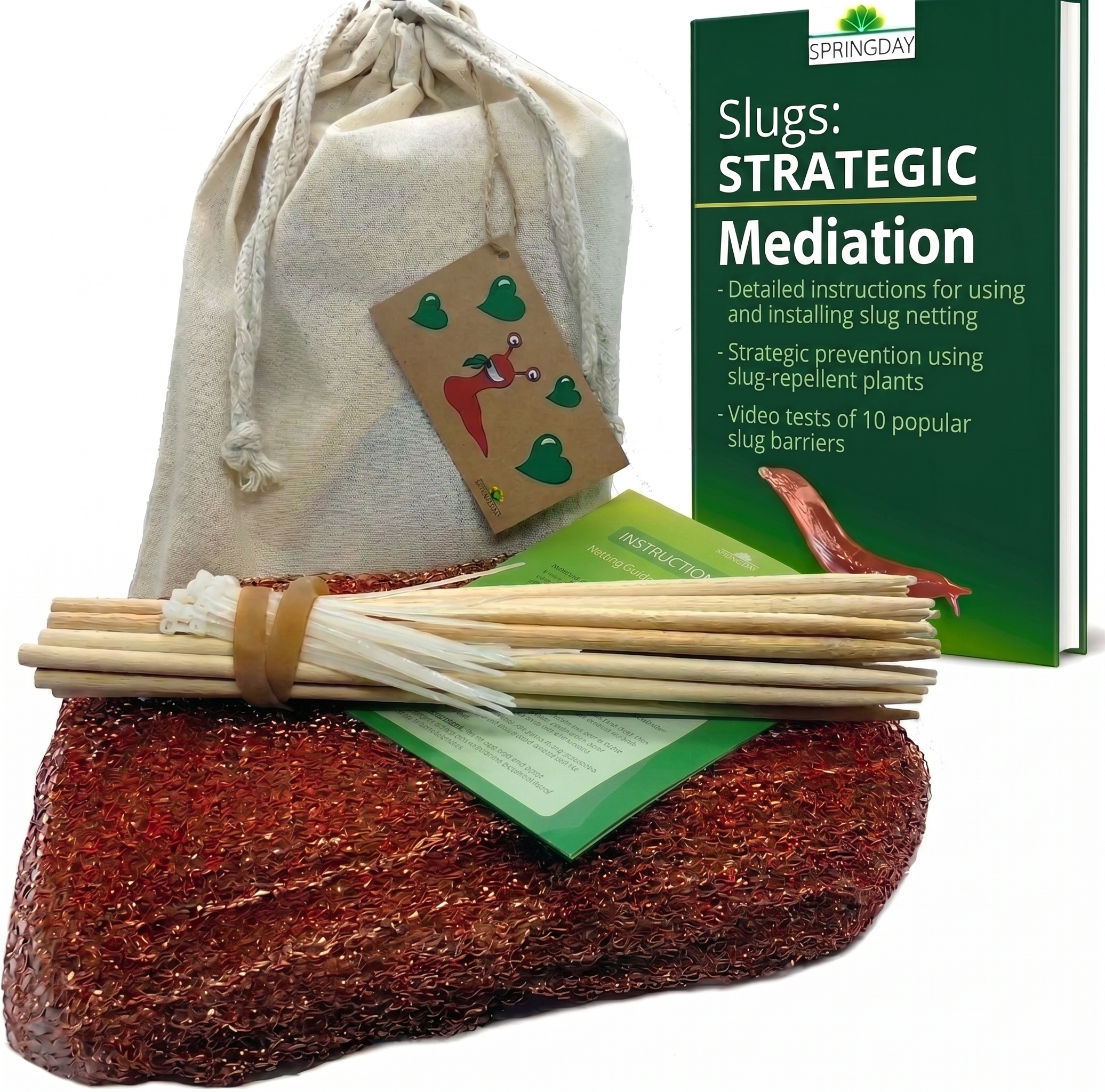
You'd probably be very interested in the copper slug barrier I designed .
It changed everything for me. I can finally grow lettuce, cabbages, strawberries and squashes without tearing my hair out.
Don't hesitate — it's an investment (copper is expensive), but you'll likely save yourself a huge amount of time!
What is a slug?
1. Definition and main characteristics
A slug is a land-dwelling gastropod mollusc, set apart by the absence of any visible shell.
Unlike its close relative, the snail, the slug has no visible external shell, although some species do carry a vestigial shell hidden beneath their body.
It moves about using a muscular foot covered with a thin layer of mucus, which gives it that characteristic look of a slimy body.
Slugs can vary considerably in size, ranging from a few millimetres to several centimetres long.
Their colour also differs from one species to another, taking in shades of brown, grey, green, yellow and even black.
Morphologically, they have two pairs of tentacles: the longer pair house the eyes, while the shorter pair are used to sense their surroundings.
2. Differences between slugs and snails
Slugs and snails both belong to the gastropod mollusc group, but the key difference lies in the shell.
In snails, the shell is well developed and serves a protective purpose, whereas in slugs it is either absent altogether or reduced to an internal vestigial shell.
This reduction or loss of the shell allows slugs to reach a wider variety of habitats, such as tight spaces underground or in crevices.
The biology of the slug
Anatomy of the slug (in detail)
As already mentioned, a slug’s body is coated in mucus, an essential substance that eases its movement but also protects the slug against dehydration.
Their mantle, which covers certain internal organs, can hold a small internal shell in some species, though this is often rudimentary and invisible from the outside.
Slugs use two pairs of tentacles: the upper, longer tentacles house the eyes and are mainly used to detect light, while the lower tentacles play an olfactory role, allowing the slug to pick up scents in its environment.
This sensory sensitivity is vital to their survival in dark, damp habitats.
Internally, their digestive system is perfectly suited to their diet.
With the help of the radula, a kind of rasping tongue, they can scrape plant surfaces or feed on decomposing organic matter.
When it comes to breathing, slugs have a rudimentary lung connected to the outside by a small opening called the pneumostome, located on the right-hand side of their body.
Their circulatory system is fairly simple, with a single heart that keeps the blood flowing.
One of the most interesting aspects of their biology is their reproduction.
Slugs are hermaphrodites, meaning they possess both male and female reproductive organs.
This gives them great reproductive flexibility: they can mate with other slugs, but in certain situations they can also self-fertilise if they fail to find a partner.
Physiology of the slug
The physiology of slugs is closely tied to their constant need for moisture.
The mucus they produce doesn’t just help them glide across the ground; it is essential for keeping their body hydrated.
Slugs are extremely sensitive to dehydration, and in overly dry conditions they slow down their activity or take cover in damper spots, such as under stones or in the soil, to protect themselves until the moisture becomes more favourable.
Their diet is varied, which allows them to survive in different environments.
Slugs feed mainly on plant matter, whether living plants or decaying ones.
This gives them an important ecological role, particularly in recycling nutrients and breaking down organic matter, thereby contributing to soil fertility.
But some species can become a nuisance by attacking cultivated plants, which sometimes makes them the dreaded enemies of gardeners.
As for their reproduction, although slugs are hermaphrodites, they generally prefer to mate with a partner rather than self-fertilise, as this maximises genetic diversity.
After mating, they lay eggs in damp, well-protected places, such as under dead leaves or in crevices.
The young slugs emerge after a few weeks, ready to begin their own life cycle.
Habitat
Slugs prefer damp, shaded environments such as woodlands, gardens or meadows. T
hey are often active at night or after rain, since moisture is essential to their survival.
Their distribution depends on climatic conditions, and they are forever seeking out natural shelters to avoid drying out.
Thanks to this ability to adapt to varying levels of moisture, they can live in a great variety of habitats.
The species of slugs
1. The diversity of slug species
There is a great diversity of slug types across the world, and several species stand out for their size and appearance. Among the most common slug species, we can mention:
- Limax maximus (leopard slug): This species, also known as the leopard slug, usually measures between 10 and 20 centimetres, although some individuals can reach up to 25 centimetres. It is recognisable by its characteristic spotted markings and is often found in damp, wooded environments.
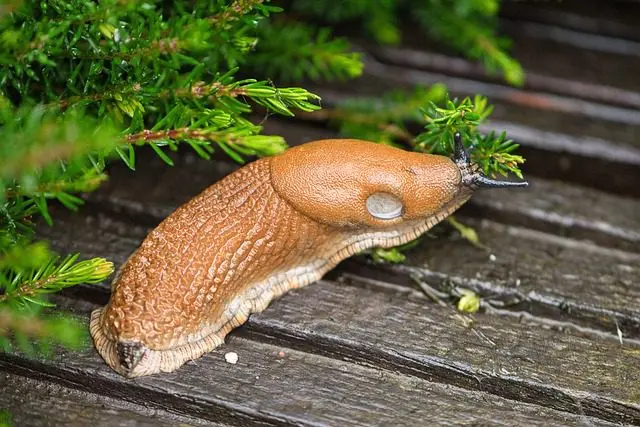
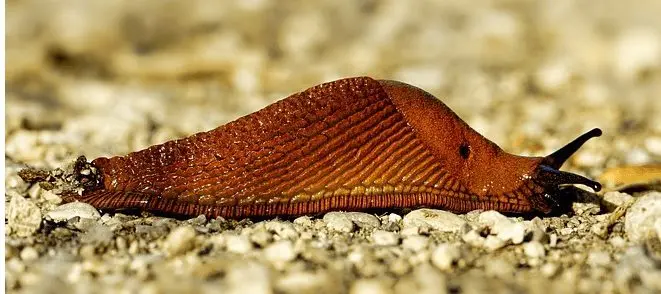
- Arion rufus (large red slug): Commonly found across Europe, this slug measures between 7 and 15 centimetres. However, larger specimens reaching 18 centimetres have been observed. It is recognisable by its bright colour, ranging from red to orange-brown.
- Limax cinereoniger (ash-black slug): This is one of the largest slug species in Europe, with a length ranging from 15 to 30 centimetres. Its imposing size and grey-black colour make it easy to identify.
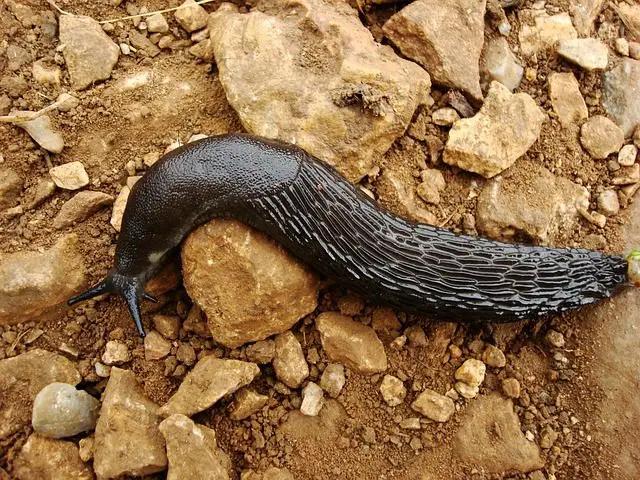
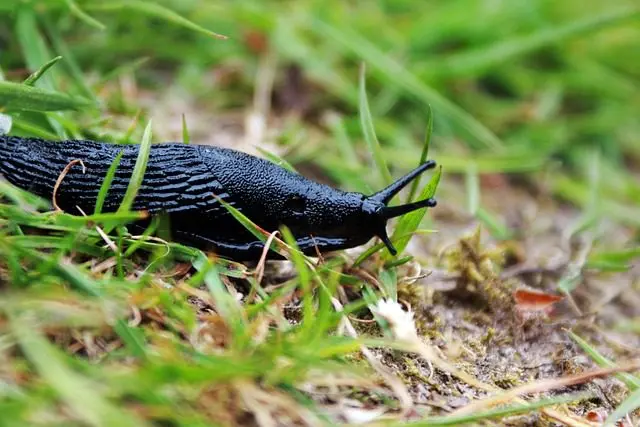
- Arion ater (black slug): Often confused with Arion rufus, this species can be larger, usually measuring between 10 and 15 centimetres. Some individuals reach up to 20 centimetres in optimal conditions. It is particularly widespread in damp and wooded areas.
- Arion vulgaris (Spanish slug): Also known as the Spanish slug, this invasive species usually measures between 8 and 12 centimetres, although it can reach up to 15 centimetres. It is especially problematic in Europe because of its impact on agriculture and local biodiversity.
- Deroceras reticulatum (grey field slug): This smaller species generally measures between 3 and 5 centimetres. It is very widespread in gardens and fields across Europe and can cause significant damage to crops.
2. Native and invasive slugs
Native slugs are naturally present in their environment and play an important role in recycling organic matter. However, some invasive species, such as Arion vulgaris, have been introduced into new regions, particularly in Europe and North America, causing disruption to local ecosystems.
Among these invasive slugs, Arion vulgaris is a notable example. Originating from the Iberian Peninsula, this red slug has spread across Europe, notably in France, where it has become a serious problem for agriculture. Likewise, Deroceras reticulatum, or the grey field slug, is a common invasive species that causes damage to crops in Europe and North America.
The presence of these harmful slugs brings them into competition with native species, upsetting the ecological balance and reducing biodiversity.
Managing invasive species is therefore necessary to preserve ecosystems and protect agricultural crops.
The ecological function of the slug
1. An agent of decomposition
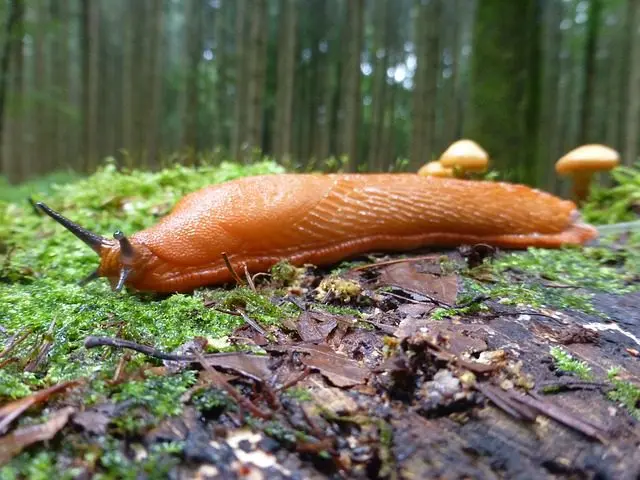
Slugs play a crucial role as decomposers in ecosystems.
They feed mainly on decomposing organic matter, such as dead leaves, fungi and other plant debris.
By taking an active part in the cycle of matter, they help break down organic material and turn it into nutrients essential to plants.
This process improves soil fertility, making nutrients more accessible to plants and so encouraging their growth.
By enriching the soil, slugs foster biodiversity and help maintain an ecological balance, especially in woodlands and wetlands.
Their role as decomposers is therefore fundamental to the health and fertility of ecosystems.
2. Predator or prey?
In the food chain, slugs occupy a dual position: they are both prey and, indirectly, predators of plants.
They interact with a wide range of natural predators that keep their populations in check.
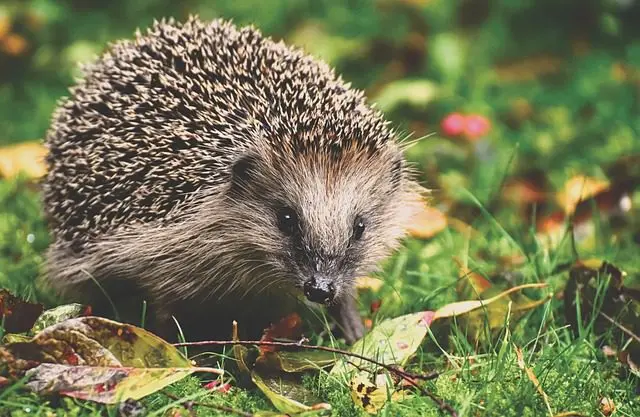
Among the predators of the slug are hedgehogs, birds (such as blackbirds and thrushes), certain insects like beetles, as well as amphibians such as frogs and toads, among others…
Their role in the ecosystem is not limited to being mere prey.
As consumers of organic matter and of certain plants, they also influence plant dynamics, while supporting the population of their natural predators.
Slugs are thus an important link in the food chain, playing a balancing role in regulating the ecosystems in which they live.
Slugs and agriculture: a complicated pairing
1. The damage caused by slugs
Slugs that harm agriculture can cause considerable damage, particularly in gardens and cultivated fields.
They attack young seedlings, gnawing at tender stems and leaves, which can lead to the complete destruction of the plants.
Slugs also eat the leaves of more mature plants, reducing the productivity of crops.
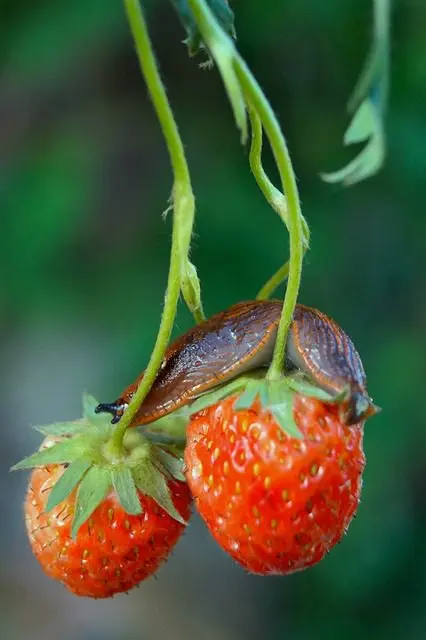
Among the most frequent crop damage, there are significant losses in crops of lettuces, strawberries, cabbages and other leafy vegetables.
Because of their nocturnal activity and their heavy feeding, slugs that are a nuisance to gardens are a constant threat to farmers and gardeners, especially in damp areas or after frequent rainfall.
Their rapid proliferation makes these problems worse still.
2. How can you control slugs in fields naturally?
To control slugs, several natural and ecological methods are favoured.
Attracting natural predators to the vicinity of crops can help keep the slug population under control.
Once this has been firmly established, it leads to stable, lasting results.
Among the other anti-slug solutions that can be used in fields, there are beer traps, which lure slugs into a container where they drown.
This solution only works, however, in a field of sufficient size (because slugs are drawn in large numbers by the smell of beer, over a radius of roughly a hundred metres).
It can therefore be counterproductive in a field of less than 100 metres in radius (a circular field) or in half-side length (a rectangular field), because not all the slugs that are attracted will drown in the trap.
You will also need to make sure the beer traps don’t kill rove beetles and ground beetles, as they are important predators of gastropods.
3. Pesticides: a controversial recourse
The use of pesticides against slugs, such as anti-slug pellets based on metaldehyde or ferric phosphate, is common for protecting crops.
While these products can be effective in the short term, their use remains controversial because of their impact on the environment.
Anti-slug pesticides can affect non-target wildlife, such as birds and hedgehogs, which feed on the poisoned slugs.
What’s more, they can contaminate the surrounding soil and water.
This is why more and more farmers are looking for alternatives that are kinder to biodiversity and the ecosystem.
It should be noted, however, that anti-slug pellets based on ferric phosphate are by far preferable to those based on metaldehyde, even though they appear to have an impact on earthworms (which would therefore have a direct influence on soil fertility).

Slugs in the garden: what are the solutions?
You might be wondering why your garden is overrun with slugs, and you’re looking for an intelligent, lasting solution to this problem.
You’ve tried all the old wives’ remedies against slugs, such as eggshells, ash, coffee grounds and so on… And nothing has really worked over the long term.
Haven’t been through that yet? Then take a look here at my video tests of all these “Slug control section of the website” –> Find my video tests here
You’ll see it in the videos: the only two barriers that are genuinely effective over time are water, used in the form of moats (by burying guttering, for example), and copper, used vertically as a barrier more than 7 cm high.
In fact, I designed just such a copper barrier for my vegetable garden, and the results were so incredible that I now sell it, under the name of the copper mesh for slugs: you can discover it here.
But while putting an impassable barrier between the slugs and your plants may finally let you harvest as you’d hoped, it isn’t a true solution to the problem of slug overpopulation in your garden.
This invasion is the symptom of a systemic imbalance in your garden: drifting away from its natural workings, too few slug predators are present in it.
The result: the prey–predator balance, which has regulated the populations of living beings in every ecosystem for millions of years, cannot play its part.
In short: set up your garden to welcome the predators of gastropods, and they will take care of regulating the problem. Sustainably.
That said, it requires a prerequisite you won’t be pleased about: you must neither kill the slugs nor move them out of your garden.
If you want to settle the predators in your garden, their prey needs to be present there.
One more reason to do without beer traps, especially in a garden (in fields, it is sometimes more complicated).
Alongside this, you can also harness the power of anti-slug plants, to ease the problem further.
Conclusion
Slugs, though often very troublesome for gardeners, play an important role in the balance of ecosystems.
They take part in breaking down organic matter, thereby enriching the soil.
However, their overpopulation can cause damage to crops, which often prompts people to look for solutions.
Rather than opting for radical methods that are sometimes harmful to the environment, it is possible to manage their presence in a more sustainable (and intelligent) way.
Attracting their natural predators, installing physical barriers such as copper, and encouraging plant biodiversity are effective ways to find a balance in your garden, and thus solve the problem for good.
I hope you’ve enjoyed this article, and that it has given you new tools for gardening in freedom and self-sufficiency, while understanding what you’re doing and why you’re doing it.
See you soon,
Robin.
The information in this article has been selected and verified according to the criteria defined in our editorial charter.
Done with slugs. For good. Starting this season.
Scientific references
- Distribution and spread of the invasive slug Arion vulgaris Moquin
- Invading slugs (Arion vulgaris) can be vectors for Listeria monocytogenes
- Introgression and Differentiation of the Invasive Slug Arion vulgaris from Native A. ater
- Arion vulgaris Moquin-Tandon, 1855 – the aetiology of an invasive species
- The influence of slug (Arion rufus) mucus and cast material addition on microbial biomass, respiration, and nutrient cycling in beech leaf litter
- Analysis of the Haemolymph of Arion Ater L. (Gastropoda: Pulmonata)
- Olfactory Basis of Homing Behavior in the Giant Garden Slug, Limax maximus
- IS LIMAX CINEREONIGER WOLF, 1803, PRESENT IN ITALY? AN ANATOMICAL APPROACH TO THE STUDY OF ITALIAN LIMAX
- Notes on the Ecology of Slugs: Arion circumscriptus, Deroceras reticulatum, and D. laeve
- Effect of predator size and temperature on the predation of Deroceras reticulatum
- Modelling Deroceras reticulatum (Gastropoda) population dynamics based on daily temperature and rainfall
- Biological studies and phenology of the slug Deroceras reticulatum (Müller, 1774)
Related articles
Testing and review of 30 natural slug deterrents (do they work?)
Read
Slug-repellent plants, or prevention through planting
Read
Surface composting: protect your vegetable patch from slugs, with love
Read
Slugs: their usefulness in the garden, what they indicate, and holistic management through reshaping the habitat
Read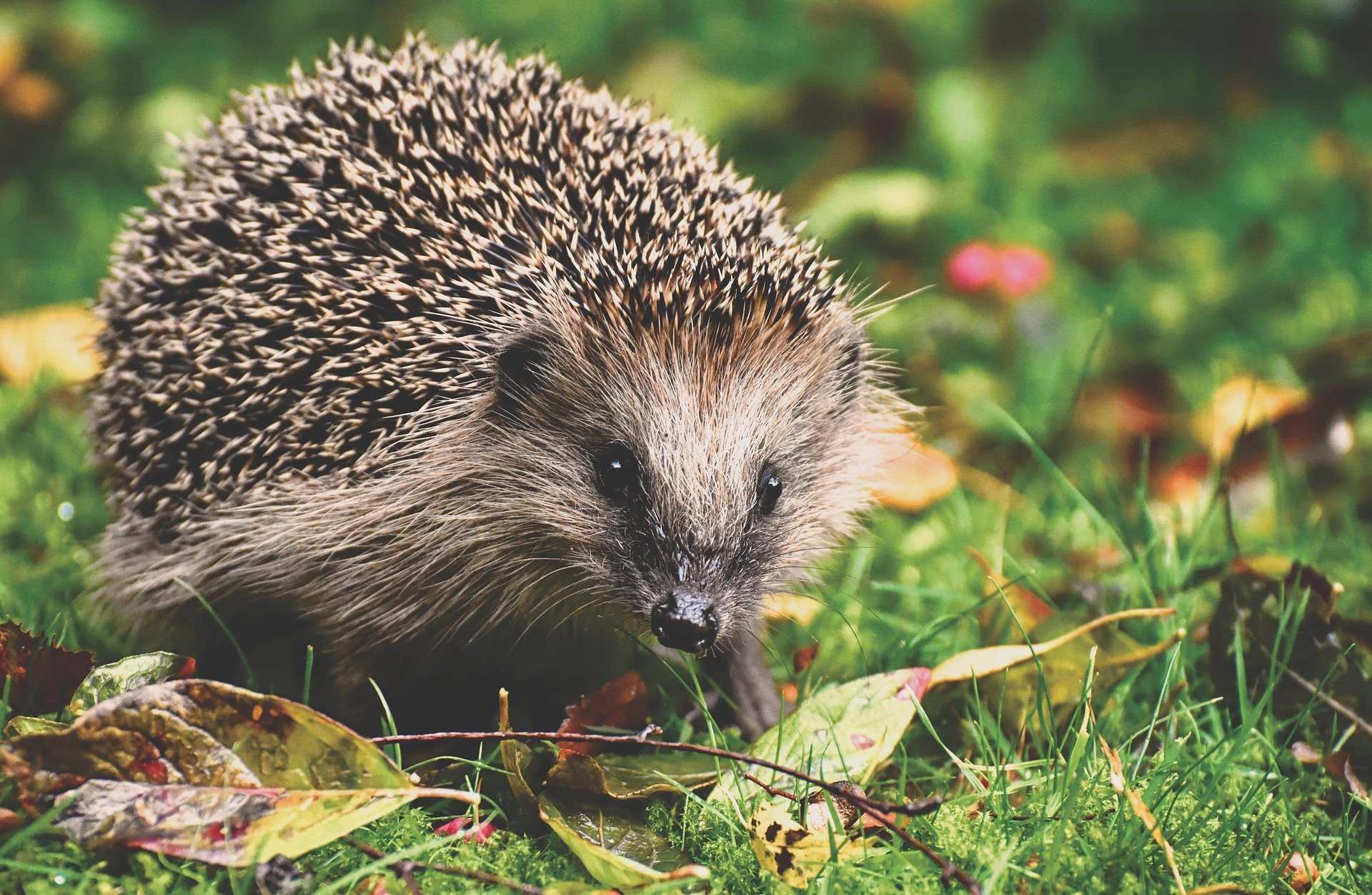
Slug predators: which are they? How to attract them to the garden?
Read
Slug control: the (harmful) methods to avoid – why and how?
Read