What to do about slugs? The best natural solutions to protect your garden
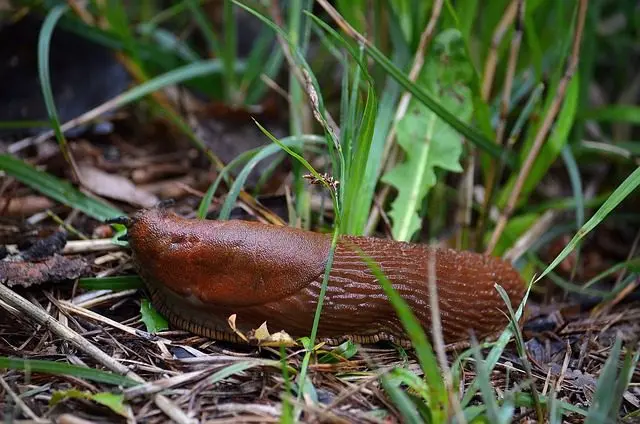
Your vegetable patch is overrun with slugs, and your plants are paying the price.
You’re looking for a quick, natural, and above all effective way to drive them away from your little haven of peace. To keep them well away from you and your garden.
In this article, we’ll look at how to do just that. Everything I tell you is based on reliable sources, personal trials, or sufficiently sound reasoning.
I’ll debunk the common myths on the subject and give you a real strategy so that you can finally put an end to your slug problem for good.
To begin with, we’ll look at slugs in general terms, to better understand how they work, in case you’re not yet familiar with them.
Then we’ll turn to the methods that genuinely drive slugs away: plant feeds, truly repellent plants, a sacrificial bed, the occasional strategic lifting of the soil’s mulch, strategic watering, and surface composting.
Finally, we’ll see what the advanced, all-round strategy is that you’ll need to put in place if you want to deal with slugs for the long term. This will cover, in particular, the only two genuinely effective slug barriers: water and copper.
In short, if you want to be done with slugs once and for all, I can only encourage you to read on.
Let’s get started!
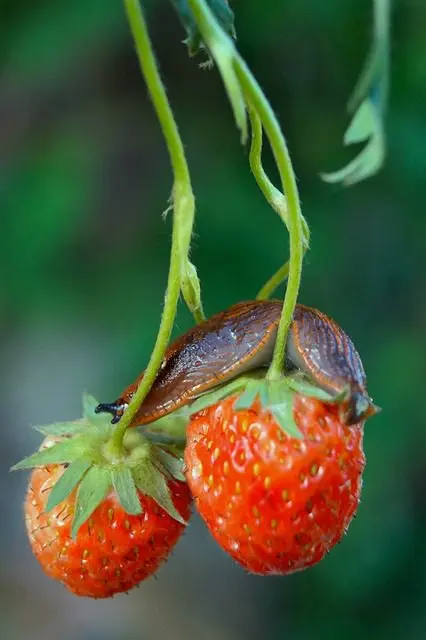
If you're discovering my blog, chances are slugs and snails are giving you grief.
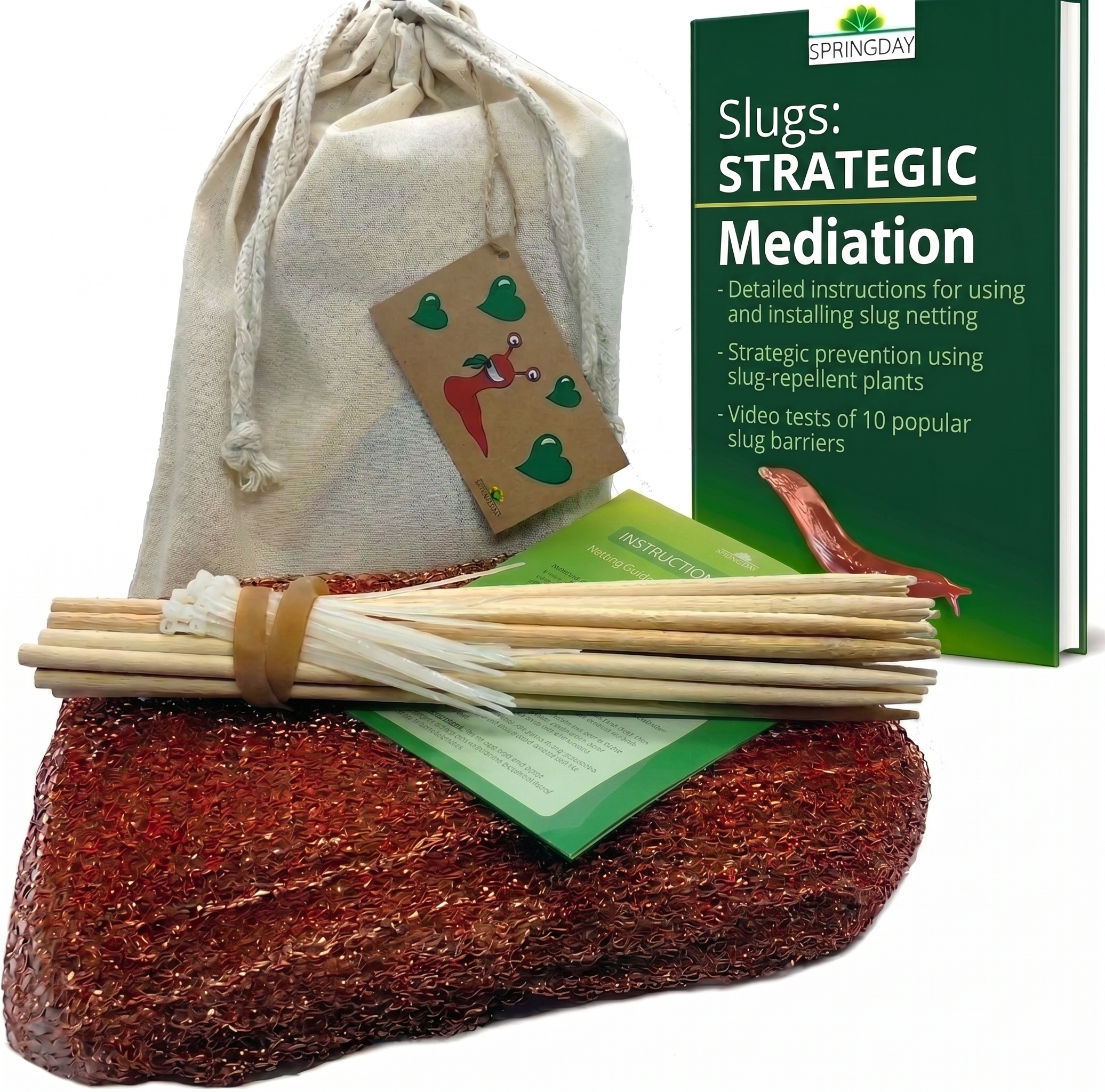
You'd probably be very interested in the copper slug barrier I designed .
It changed everything for me. I can finally grow lettuce, cabbages, strawberries and squashes without tearing my hair out.
Don't hesitate — it's an investment (copper is expensive), but you'll likely save yourself a huge amount of time!
Understanding slugs: why are they so numerous in your garden?
Slugs are frequent visitors to gardens, especially during damp spells.
These molluscs can become a nightmare for gardeners, particularly when they attack young shoots and lettuces.
This first part will help you better understand their presence, their life cycle, and how they interact with the ecosystem, so that you can manage them more effectively.
A description of slugs: morphology, life cycle and types
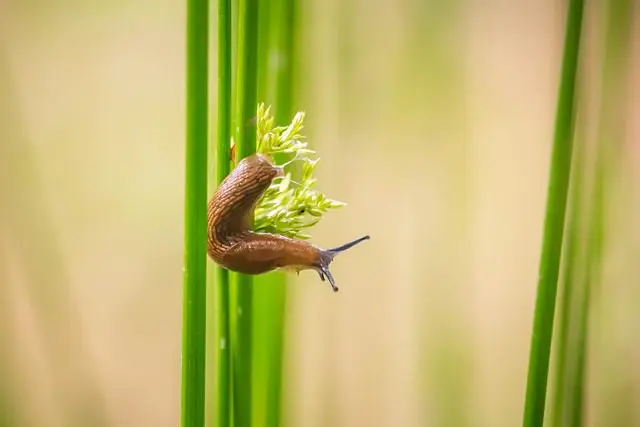
Slugs are molluscs with no visible shell, closely related to snails.
They have an elongated, slimy body, covered in mucus that allows them to move about and keep themselves moist.
Their head is equipped with two pairs of tentacles, one for sight and the other for touch and smell.
The life cycle of slugs
The slug’s life cycle begins with the laying of hundreds of eggs in damp soil.
These eggs usually hatch after two to four weeks, releasing young slugs that reach maturity within a few months. Slugs can live for up to two years, or even longer depending on conditions.
Types of slugs
There are several types of slugs, but the most common in gardens are:
- The orange slug (Arion rufus): An imposing creature, it can grow up to 15 cm long. It stands out for its reddish-orange colour, though it can also be brown or black.
- The white slug, or netted field slug (Deroceras reticulatum): Smaller, it generally measures between 3 and 5 cm. Its colour ranges from greyish-white to brown, and it is particularly feared for the damage it causes to crops.
The impact of slugs on your plantings
Slugs are mainly nocturnal and love damp environments.
They feed on plant matter and can devour many plants, especially those that are tender and full of water.
The plants most affected
Lettuces, young shoots, strawberries, cabbages, and hostas, among others, are particularly vulnerable.
These plants attract slugs with their freshness and high water content.
In a single night, an army of slugs can destroy entire beds of lettuce or young seedlings.
Conditions that favour slugs
Slugs thrive in damp, temperate environments.
After rain or when the soil is well watered, slugs become more active.
They avoid conditions that are too dry or too hot, but they multiply quickly when temperatures are mild (between 10°C and 25°C) and moisture is constant.
The benefits of slugs in the ecosystem
Although they are often seen as pests, slugs play an important role in the ecosystem.
They take part in breaking down organic matter, such as fallen leaves, thereby helping to recycle nutrients into the soil.
What’s more, they serve as food for several predators, such as hedgehogs, amphibians, and certain species of insects and birds.
These predators help to maintain the garden’s natural balance.
Natural methods against slugs in the garden
Slugs can quickly invade your garden and damage your crops. Fortunately, there are several natural solutions against slugs to keep them away without resorting to chemical products.
These methods include the use of physical barriers, repellent plants, natural traps, and even homemade biological repellents.
Physical barriers
While you wait for natural predators to settle into your garden (we’ll see in the next part that this is what we’ll be aiming for in order to put an end to this slug problem for good), it’s essential to protect your plants if you want a satisfactory harvest.
Physical barriers are one of the most effective methods for stopping slugs from reaching your plants without any unwanted side effects.
Unlike certain old wives’ remedies that lack effectiveness, such as the use of ash, crushed eggshells, coffee grounds or brambles, only two barriers have proven genuinely effective over the long term:
- Water: You can create a moat around your plantings by burying guttering, thus forming a barrier that slugs cannot cross.
- Copper: Used as a vertical barrier at least 7 cm high, copper keeps slugs away over the long term.
These methods, although simple to set up, deliver impressive results when it comes to protecting your crops.
Repellent and anti-slug plants
It’s possible to use plants to repel slugs or divert them from your crops. Here are the various categories of anti-slug plants and their roles.
Repellent plants
Borage is one of the few plants with a proven repellent effect against slugs, according to feedback from experienced gardeners.
Sacrificial plants
Certain plants such as cress, white mustard or dandelion are particularly favoured by slugs. You can use them as “sacrificial plants” by planting them near your vegetables, thereby drawing slugs away from your main crops. You can also plant them well away from your vegetables, in what’s known as a “sacrificial bed”, in order to lure a good part of your garden’s slug population away from your crops.
Plants that attract slug predators
Certain plants, such as red clover and phacelia, attract insects that prey on slugs, such as rove beetles and ground beetles. These plants encourage the presence of these natural allies in your garden.
Vegetable plants resistant to slugs
Certain vegetable plants are naturally resistant to slug attacks, and can be grown as a preventive measure. Among them:
- Garlic
- Artichoke (only the leaves can be attacked)
- Beetroot (can sometimes be affected)
- Chives
- Endive
- Fennel
- Red-leaf lettuce
- Lamb’s lettuce
- Onion
- Leeks
- Rhubarb
- Rocket
- Tomatoes
Natural traps
Natural slug traps are simple, eco-friendly methods for catching these unwelcome guests.
Beer trap
The smell of beer attracts slugs, which then drown in the containers. This trap is easy to set up and can be very effective in the short term.
But beware, because its effects are deceptive: it attracts slugs from so far away (around a hundred metres) that they come from your neighbours’ gardens all the way to yours.
And beer traps will only kill about a third of them.
In any case, we’ll see in the next part that killing slugs is counterproductive according to the long-term strategy we need to put in place.
Citrus traps
Halves of orange or lemon peel can be placed around the garden. Slugs take shelter in them, drawn by the moisture, which makes it easy to gather them up in the morning.
Again, though, we’ll see in the next part why you should avoid moving slugs far away from the garden.
But this “gathering trap” can in any case have the benefit of drawing slugs away from your plants and bringing them together for predators.
Homemade biological and natural repellents
Plant-based preparations, such as liquid feeds, are often used as natural slug repellents. These solutions, rich in astringent compounds, can be sprayed onto plants, or nearby, to protect them.
Recipes for repellent feeds
- Garlic feed: Slugs hate the smell of garlic. To make a repellent, steep crushed garlic in water for 3–4 days, then spray the liquid onto your plants. Repeat every 2–3 days to keep it effective.
- Wormwood feed: Heat 150 g of leaves in 5 litres of water for 20 minutes. Strain and spray undiluted onto your plants.
- Mugwort feed: Steep 1 kg of leaves in 10 litres of water, then apply around the plants.
- Fern feed: As they break down, ferns give off formaldehyde, a compound that deters slugs.
- Common rue feed: Steep 100 g of leaves in 1 litre of cold water for 10 days. Strain and dilute to 20% before spraying.
- Spurge feed: Dilute to 15% and apply at the base of the plants.
The limits of biological repellents
These preparations provide an immediate deterrent effect, particularly the smell of garlic, which strongly repels slugs. However, the effectiveness of these sprays is reduced by rain and evaporation. They need to be reapplied regularly to retain their protective effect.
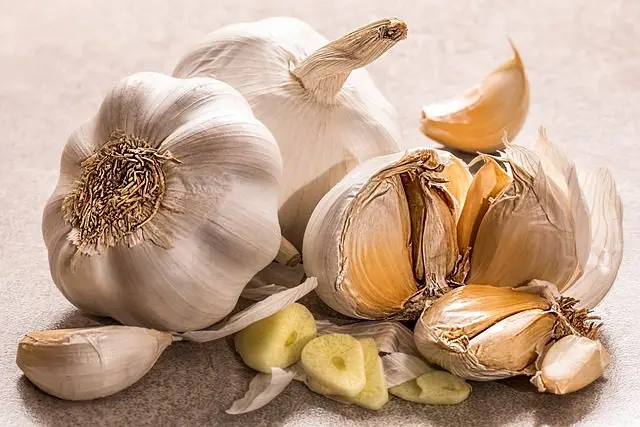
As long as it hasn’t evaporated and hasn’t been washed away by the rain, a garlic infusion proves very effective against slugs.
A method for dealing with slugs in your garden for the long term
In order to control slug populations effectively over the long term in your garden, it’s important to put in place an approach that takes the workings of the ecosystem into account while ensuring real protection for your plants.
Here is an advanced method that makes it possible to maintain a natural balance while reducing reliance on practices whose effects are too short-lived (which often push us into “chasing after the problem”).
Don’t eliminate or move the slugs
One of the main principles of this strategy is not to eliminate or move the slugs.
By keeping them in their natural habitat, you help bring about the arrival and lasting establishment of their predators in your garden.
Slugs are an essential part of the food chain, and their presence attracts natural predators such as hedgehogs, ground beetles and rove beetles, as well as amphibians like frogs and toads, not to mention certain birds.
By trying to get rid of the slugs, you deprive these predators of their main source of food, which will discourage them from settling in your garden.
Setting up the garden to attract slugs’ natural predators
To encourage the arrival of slugs’ natural predators, it’s just as essential to make your outdoor space welcoming for them.
Here are a few ideas for setting things up:
- Create natural shelters: Plant hedges, leave areas of vegetation uncut, and arrange piles of wood or stones to provide shelter for hedgehogs, toads and insects such as ground beetles.
- Install water features: Ponds or small basins will attract amphibians such as frogs, which are great consumers of slugs.
- Diversify your planting: Encourage a variety of plants to attract various insects and birds, which in turn will help to control slug populations naturally.
In parallel, while slugs’ predators gradually settle in at your place, use effective slug barriers to protect your plants without having to kill or move the slugs out of your garden.
Most of the other natural solutions suggested in the first part of this article can also serve to limit slug damage until your predator allies have settled in sufficient numbers.
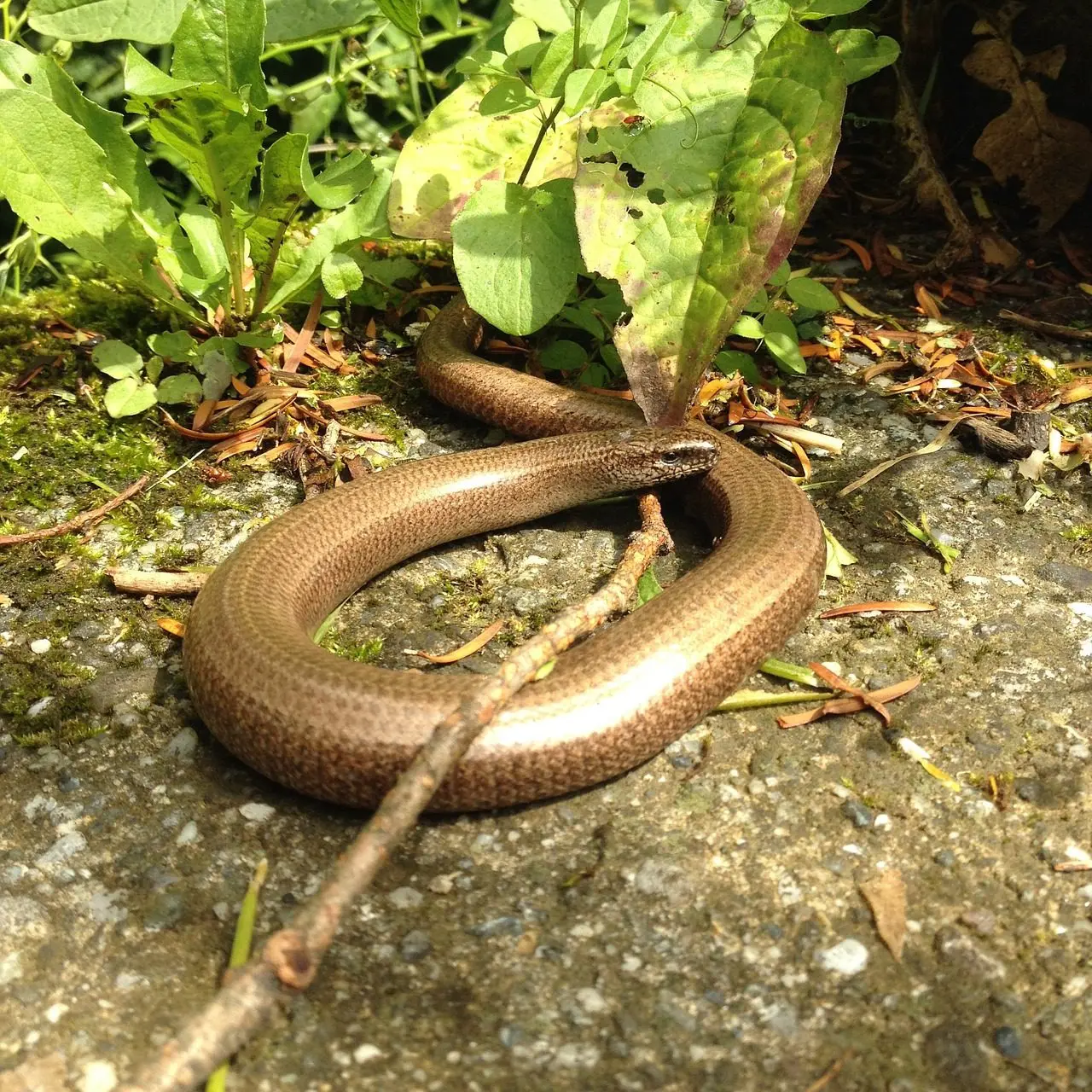
The slow worm is a good predator of slugs.
Conclusion
Slugs often cause considerable damage within the garden, but there’s no need to resort to chemical solutions, or to a large-scale slug genocide.
Several natural solutions prove genuinely effective, and the key to your strategy must be attracting slugs’ natural predators to the garden.
The few genuinely effective slug barriers can help you keep harvesting throughout this tricky period.
And on that note, I can only recommend you take a look at the copper mesh for slugs, which I designed, and which works wonders.
I hope you’ve enjoyed this article, and that it has given you new tools for gardening freely and self-sufficiently, while understanding what you’re doing and why you’re doing it.
See you soon,
Robin.
The information in this article has been selected and verified according to the criteria defined in our editorial charter.
Done with slugs. For good. Starting this season.
Scientific references
Related articles
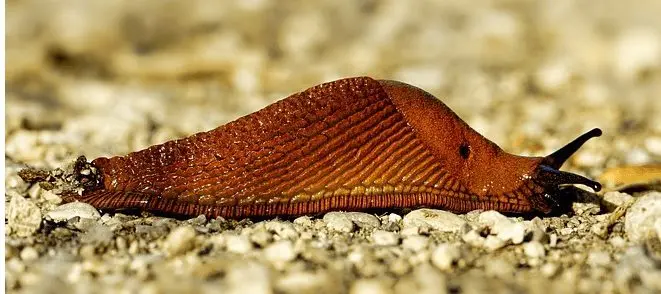
Testing and review of 30 natural slug deterrents (do they work?)
Read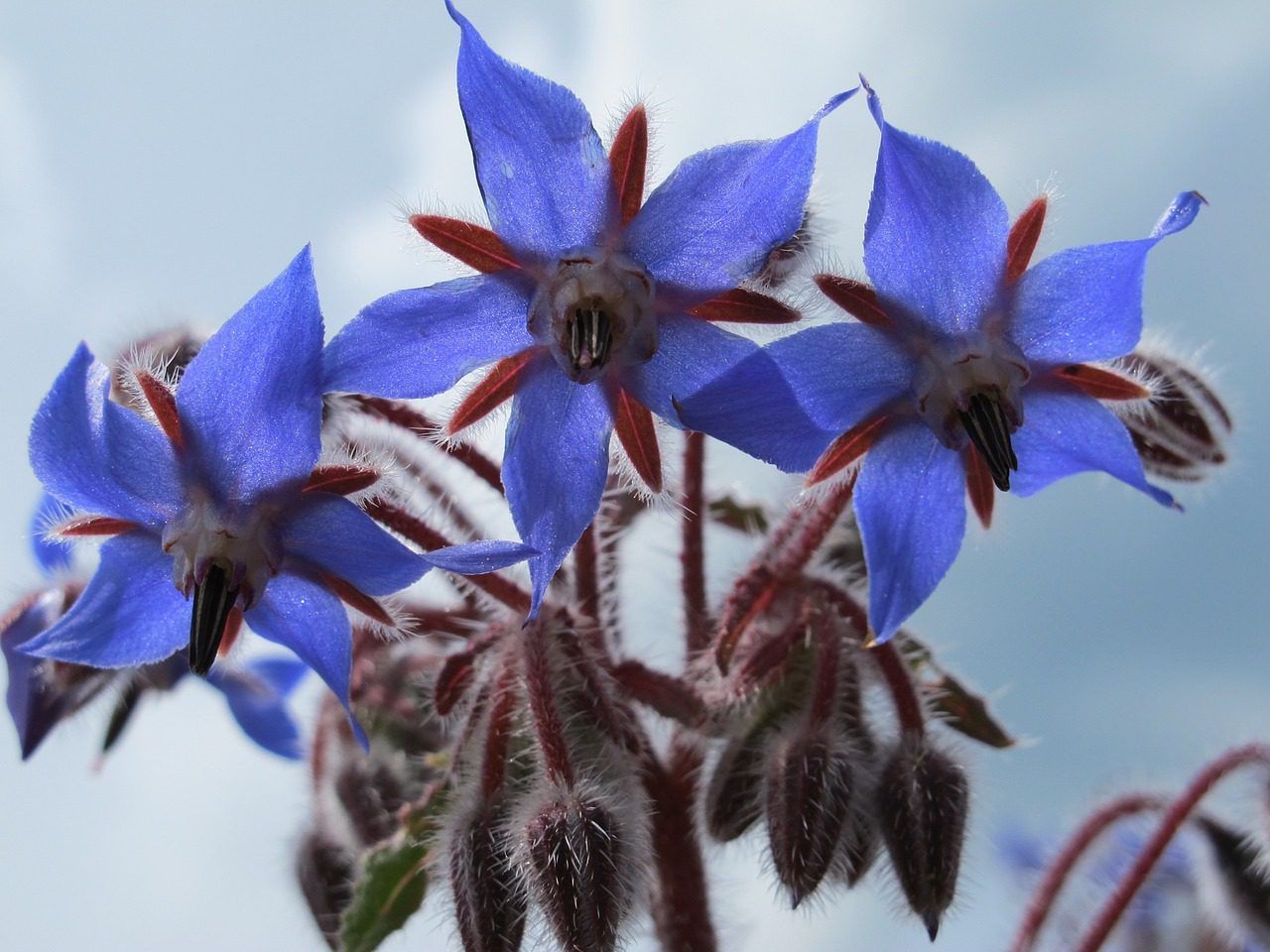
Slug-repellent plants, or prevention through planting
Read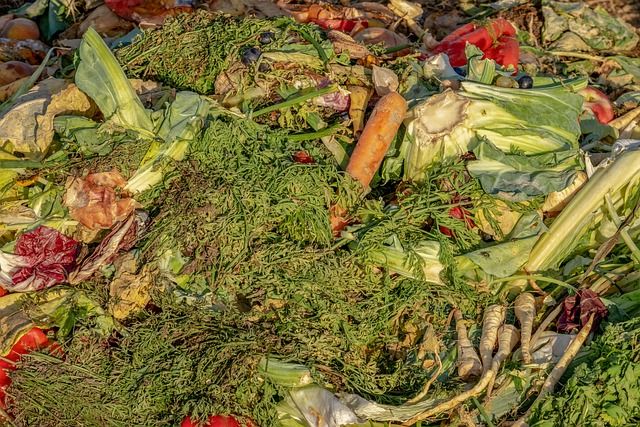
Surface composting: protect your vegetable patch from slugs, with love
Read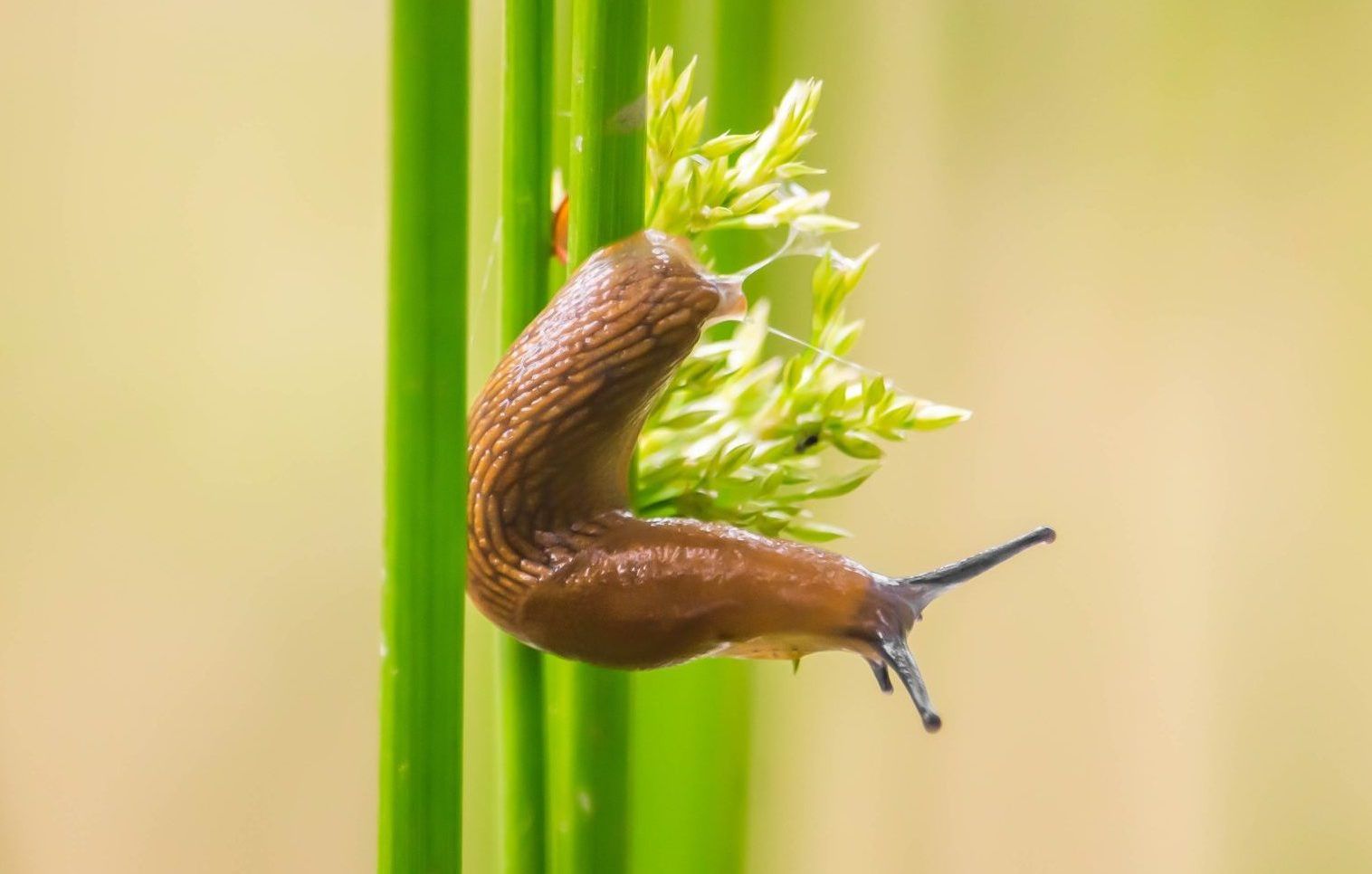
Slugs: their usefulness in the garden, what they indicate, and holistic management through reshaping the habitat
Read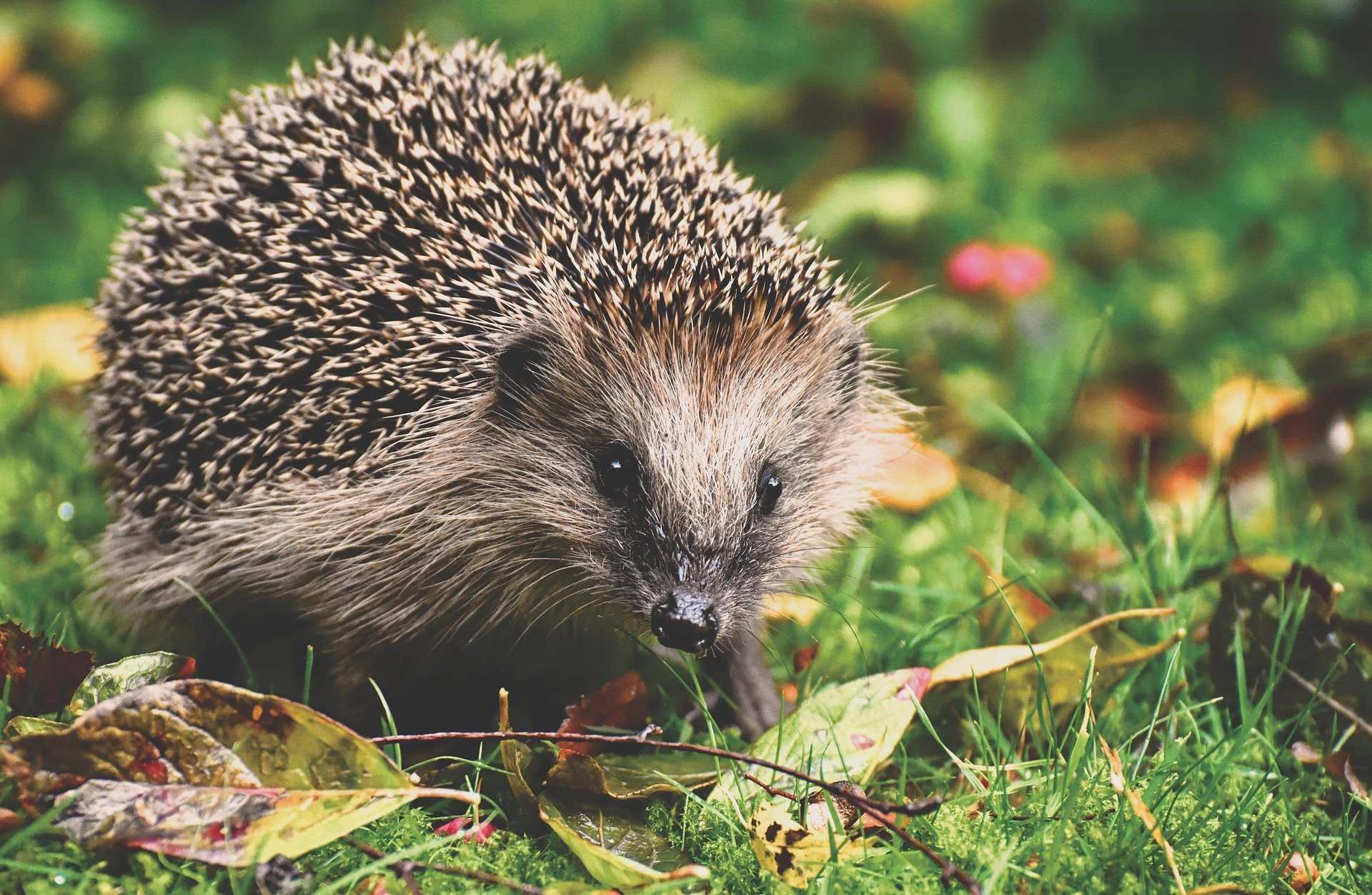
Slug predators: which are they? How to attract them to the garden?
Read
Slug control: the (harmful) methods to avoid – why and how?
Read